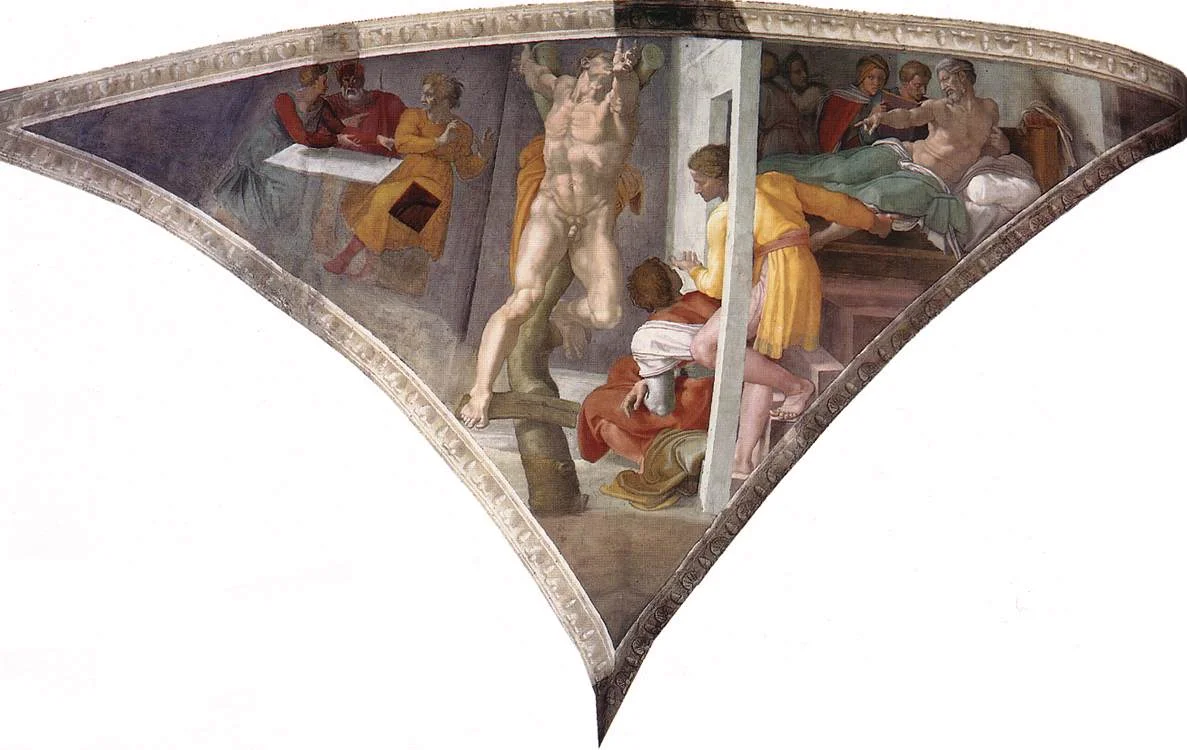
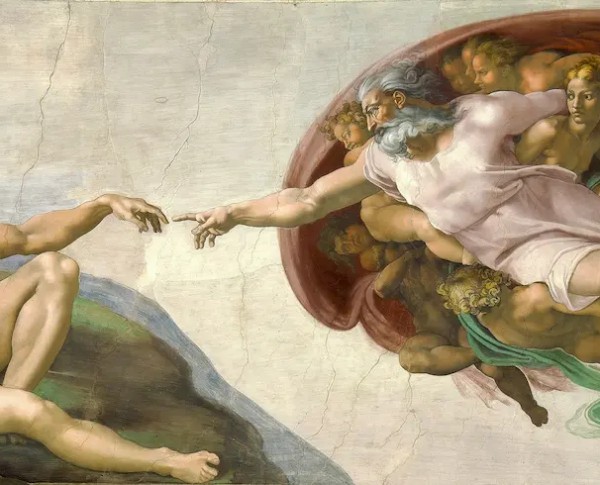
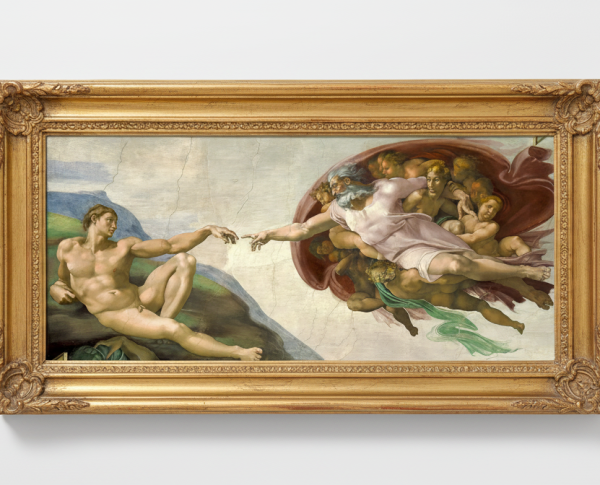
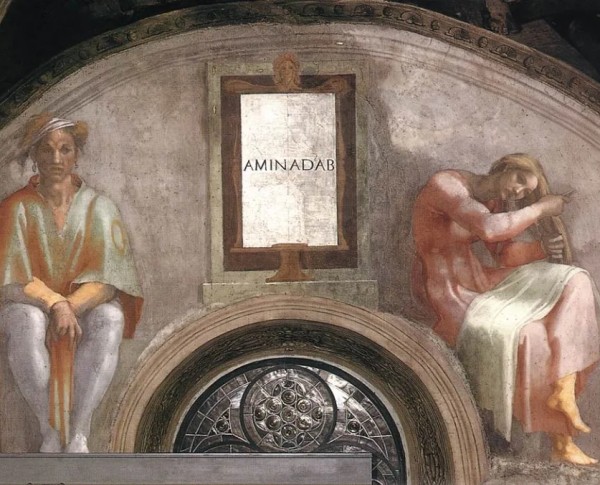
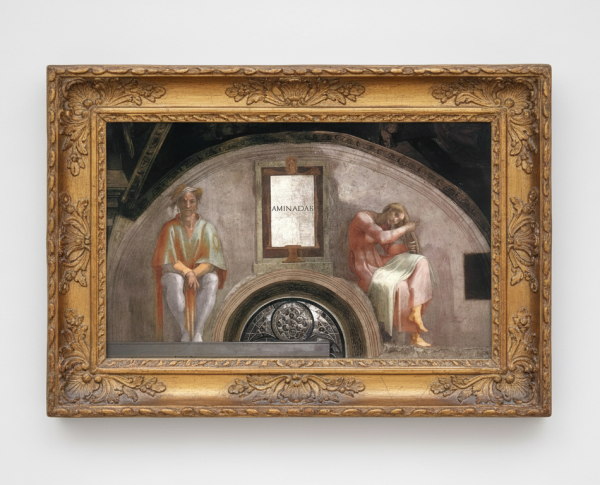
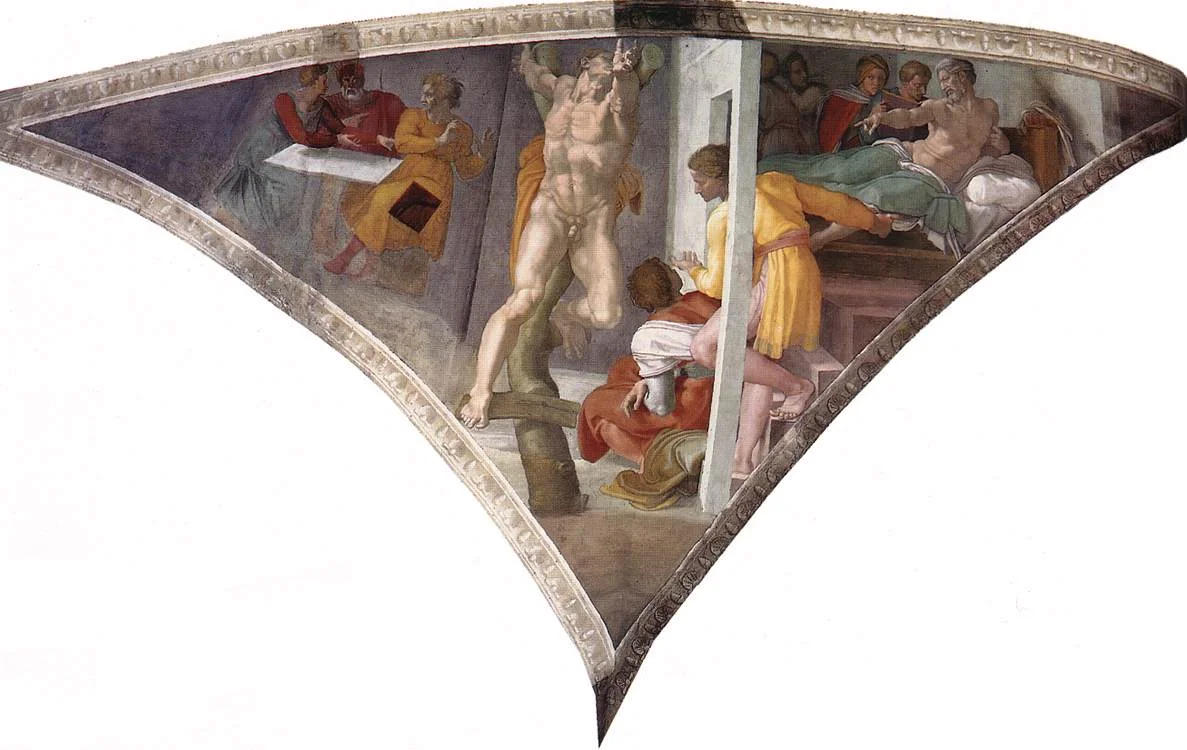
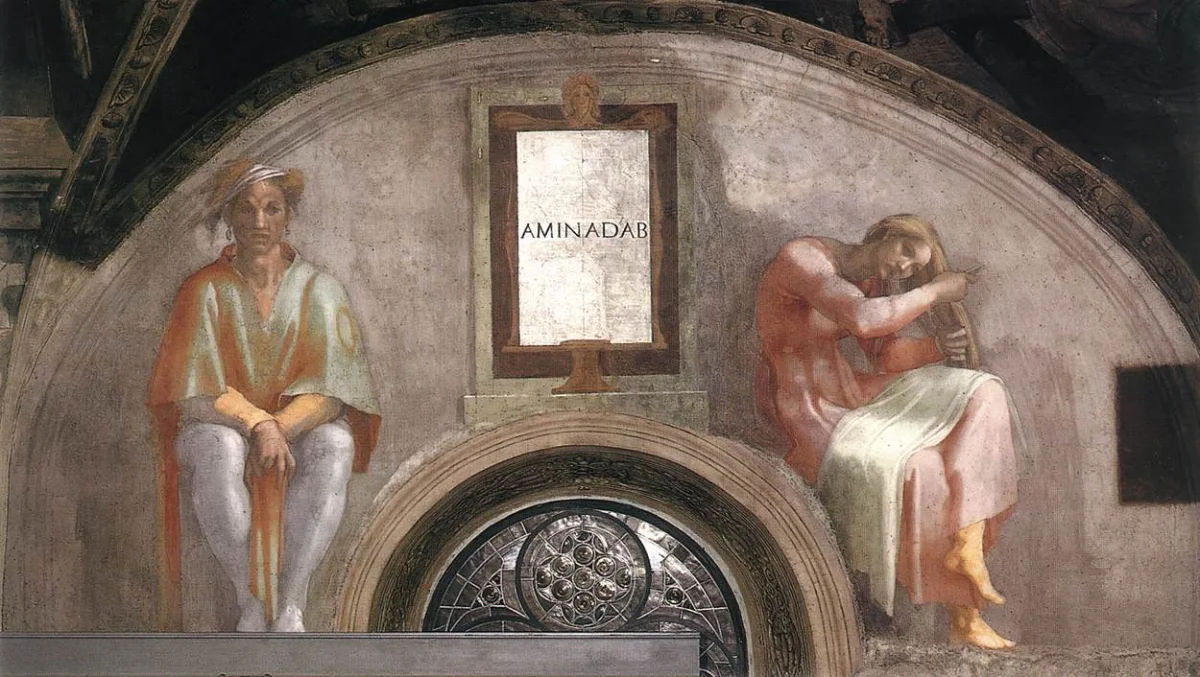
"The Punishment of Haman" stands as a remarkable hand-painted oil painting by the legendary Michelangelo Buonarroti, a master of the High Renaissance movement. This artwork captures an epic biblical narrative while showcasing Michelangelo’s exceptional talent. As with many High Renaissance pieces, it represents not only religious devotion but also the era’s pursuit of artistic perfection. Collectors and enthusiasts often seek related products like "Aminadab" and "Creation of Adam 1510" to complement their collections.
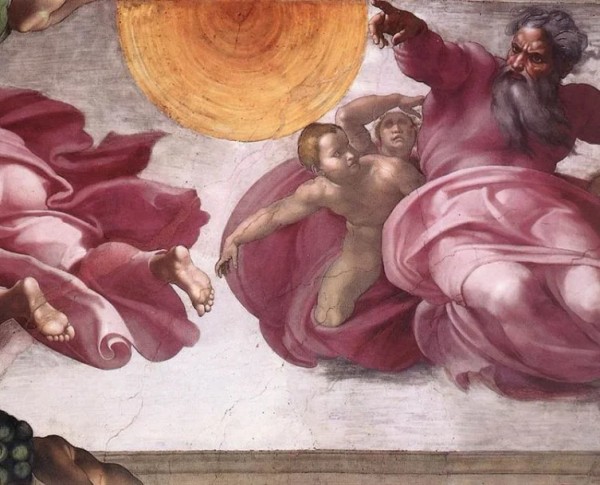
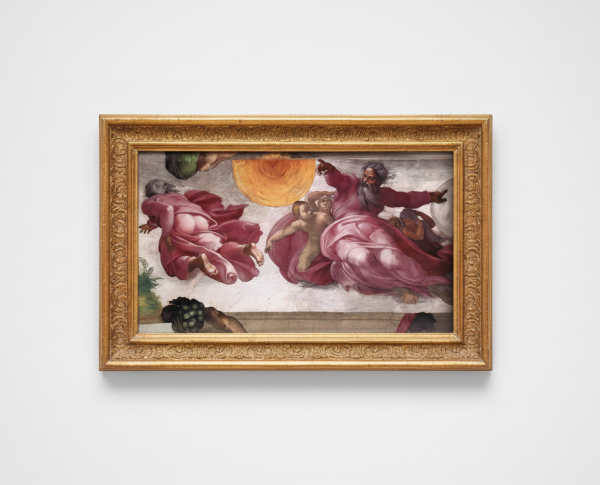
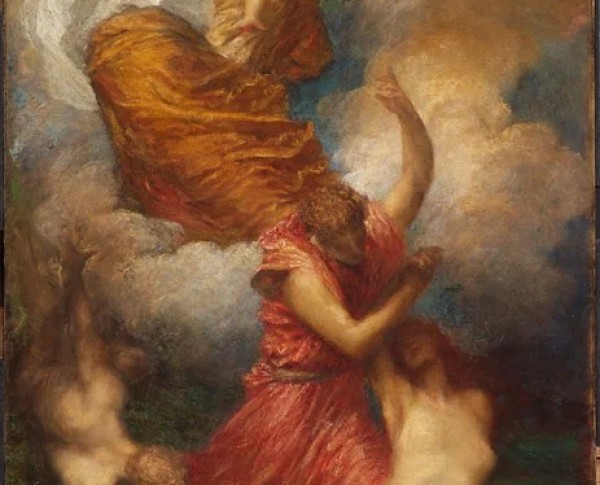
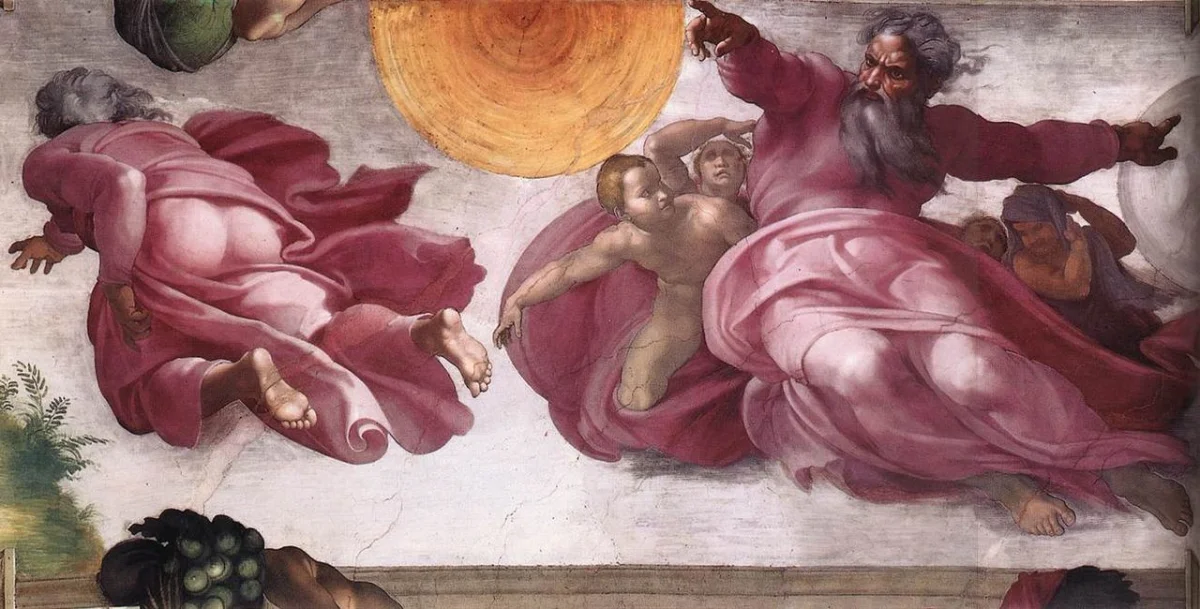
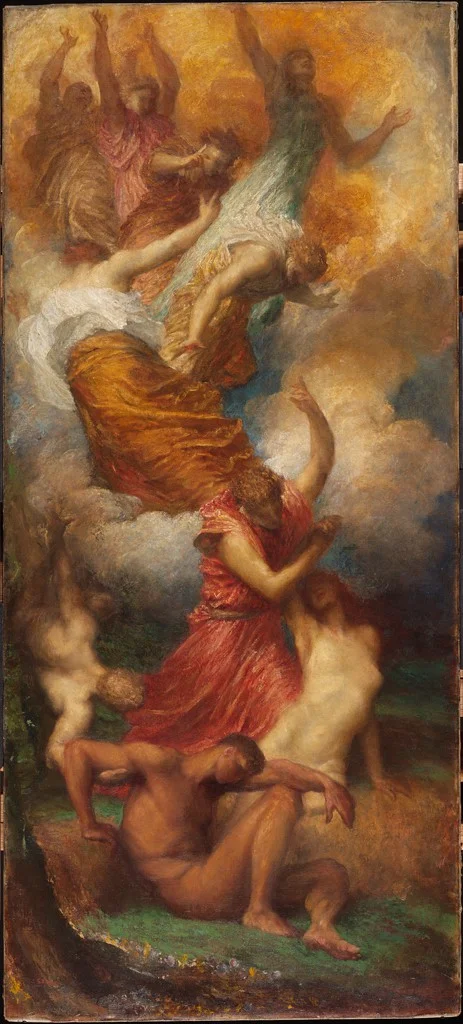
Michelangelo’s "The Punishment of Haman" demonstrates his extraordinary skill with oil on canvas, a medium that allows for rich color and intricate detail. The painting’s dynamic composition and lifelike figures are hallmarks of the High Renaissance style. Admirers of Michelangelo’s technique often appreciate similar masterpieces, such as "The Creation of Eve" and "The Creation of the Sun, Moon and Planets," which also exemplify the movement’s commitment to realism and emotional depth.
This fine art painting for sale tells the dramatic Old Testament story of Haman’s downfall, filled with moral lessons and symbolic elements. Michelangelo Buonarroti imbued each figure with expressive gestures and profound emotion, inviting viewers to reflect on themes of justice and redemption. As a High Renaissance work, it shares a narrative richness with related products like "Aminadab" and "Creation of Adam 1510," making it a compelling addition for any art lover.
"The Punishment of Haman" remains a highly sought-after hand-painted oil painting among collectors of High Renaissance art. Michelangelo Buonarroti’s genius is evident in every detail, making this piece a prized possession. Those interested in expanding their collection often explore related products, such as "The Creation of Eve" and "The Creation of the Sun, Moon and Planets," to experience the full breadth of Michelangelo’s artistic legacy and the era’s grandeur.
When Art Meets History
Michelangelo Buonarroti’s "The Punishment of Haman" stands as a testament to the High Renaissance era, when history and artistry intertwined with grandeur. This hand-painted oil painting captures the biblical tale of Haman’s downfall, bringing a dramatic moment to life. Like his contemporaries who crafted masterpieces such as "St George and the Dragon" and "The Hill of Calvary," Michelangelo infused historical narrative with emotional depth, ensuring this work remains a pivotal piece in the evolution of Renaissance art.
Techniques That Speak
Renowned for his masterful technique, Michelangelo’s use of oil on canvas in "The Punishment of Haman" demonstrates the High Renaissance’s pursuit of realism and harmony. The composition’s dynamic figures and meticulous attention to anatomical detail echo the artist’s skill seen in works like "Self Portrait" and "The Holy Family with Saints Elizabeth and John." Through layered brushwork and vibrant color, the painting exemplifies the technical prowess that defines Renaissance fine art painting for sale.
Emotions on Display
Emotional intensity radiates from every figure in "The Punishment of Haman," as Michelangelo Buonarroti expertly conveys despair, justice, and triumph. The artist’s command of expression, also evident in pieces like "Joanna Of Aragon," immerses viewers in the psychological drama. This hand-painted oil painting allows audiences to connect with the characters’ turmoil, highlighting the High Renaissance movement’s emphasis on human emotion and complex storytelling through visual art.
Coveted by Collectors
As a prime example of a fine art painting for sale from the High Renaissance, "The Punishment of Haman" continues to attract collectors and art enthusiasts worldwide. Michelangelo’s legacy, alongside related masterpieces such as "St George and the Dragon" and "The Hill of Calvary," ensures that this oil on canvas remains highly sought after. Its blend of historical significance and artistic mastery cements its place among the most desirable works in private and public collections.
Related High Renaissance Hand-Painted Oil Paintings by Other Artists
Other Famous High Renaissance Artists:
Frequently Asked Questions About The Punishment of Haman
What is the historical context of The Punishment of Haman?
The Punishment of Haman is a significant work created by Michelangelo during the Renaissance period, reflecting the artist's engagement with biblical themes and moral narratives. It depicts a scene from the Book of Esther, where Haman, an antagonist, faces retribution for his plot against the Jewish people.
What artistic techniques did Michelangelo employ in this painting?
Michelangelo utilized a combination of chiaroscuro and dynamic composition to enhance the emotional intensity of the scene. The use of light and shadow creates depth, while the arrangement of figures conveys movement and drama, hallmark traits of his artistic style.
What symbolism is present in The Punishment of Haman?
The painting symbolizes justice and divine retribution, illustrating the moral that those who plot evil against others will ultimately face consequences. Haman's downfall serves as a reminder of the triumph of good over evil, a common theme in Renaissance art.
How does this painting reflect Michelangelo's artistic philosophy?
Michelangelo believed in the power of art to convey profound truths and moral lessons. The Punishment of Haman exemplifies this philosophy by portraying a dramatic narrative that engages viewers emotionally and intellectually, encouraging reflection on ethical dilemmas.
What influences can be seen in Michelangelo's depiction of Haman?
Michelangelo's depiction of Haman draws influences from classical sculpture, evident in the muscular forms and dramatic poses of the figures. This reflects his admiration for ancient Greek and Roman art, which emphasized human anatomy and expressive movement.
Where can The Punishment of Haman be found today?
The Punishment of Haman is housed in the Palazzo Vecchio in Florence, Italy. It is part of a larger series of works that Michelangelo created for the Medici family, showcasing his contributions to the cultural heritage of the Renaissance.
What role does color play in The Punishment of Haman?
Color in The Punishment of Haman is used strategically to evoke emotion and highlight key figures. The contrasting hues help to differentiate between the protagonists and antagonists, enhancing the narrative tension and drawing attention to Haman's fate.
How does this work compare to other biblical scenes by Michelangelo?
Compared to other biblical scenes, such as those found in the Sistine Chapel, The Punishment of Haman focuses more on the immediate emotional impact of a single moment rather than a broader narrative. This painting showcases Michelangelo's ability to condense complex stories into powerful visual statements.
What was the public reception of The Punishment of Haman during Michelangelo's time?
During Michelangelo's time, The Punishment of Haman was well-received as it resonated with contemporary audiences who valued moral lessons in art. The dramatic portrayal of justice appealed to the Renaissance ideals of virtue and the human condition, securing its place in the artistic canon.
What impact did The Punishment of Haman have on later artists?
The Punishment of Haman influenced later artists by demonstrating the power of narrative in visual art. Michelangelo's mastery of form and emotional expression set a standard for subsequent generations, inspiring artists to explore similar themes of morality and human experience in their works.






















_GFM_Painting_(1).webp)


 100% Hand-Painted: Finished in 3-6 Weeks

.png)















_(1).webp)