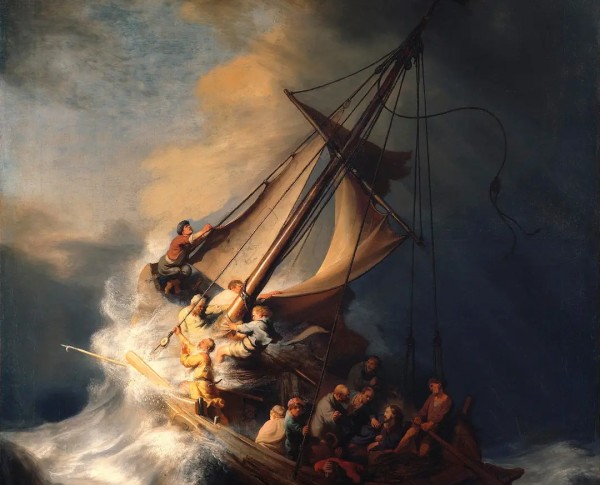
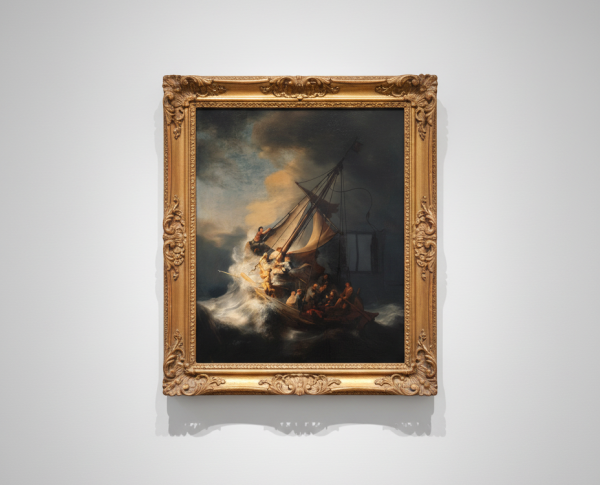
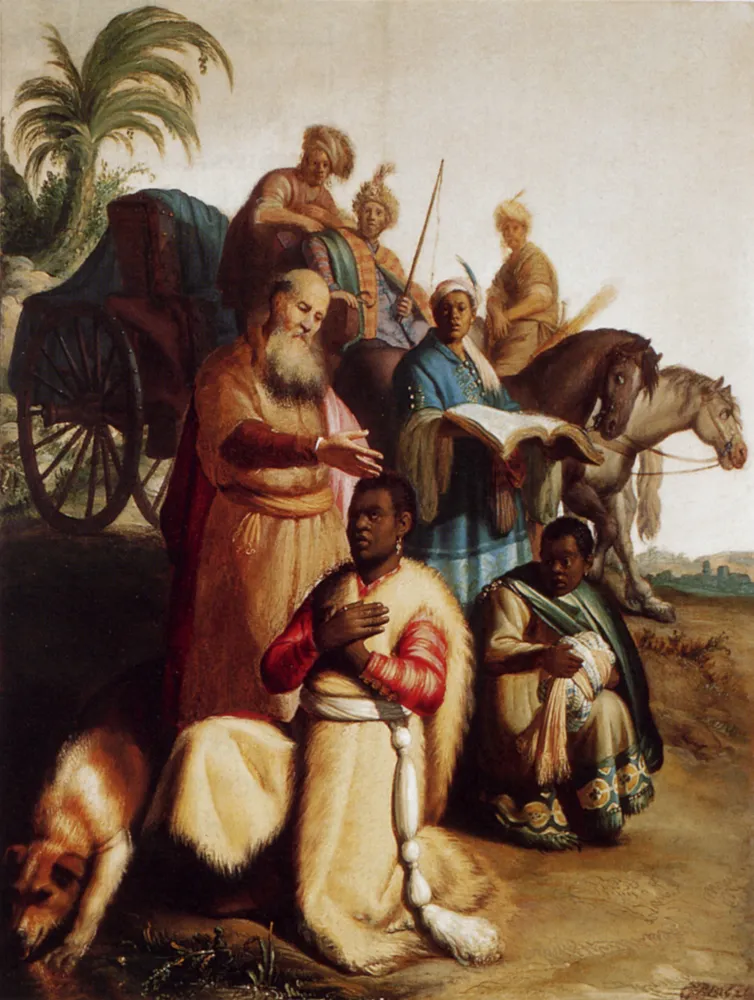
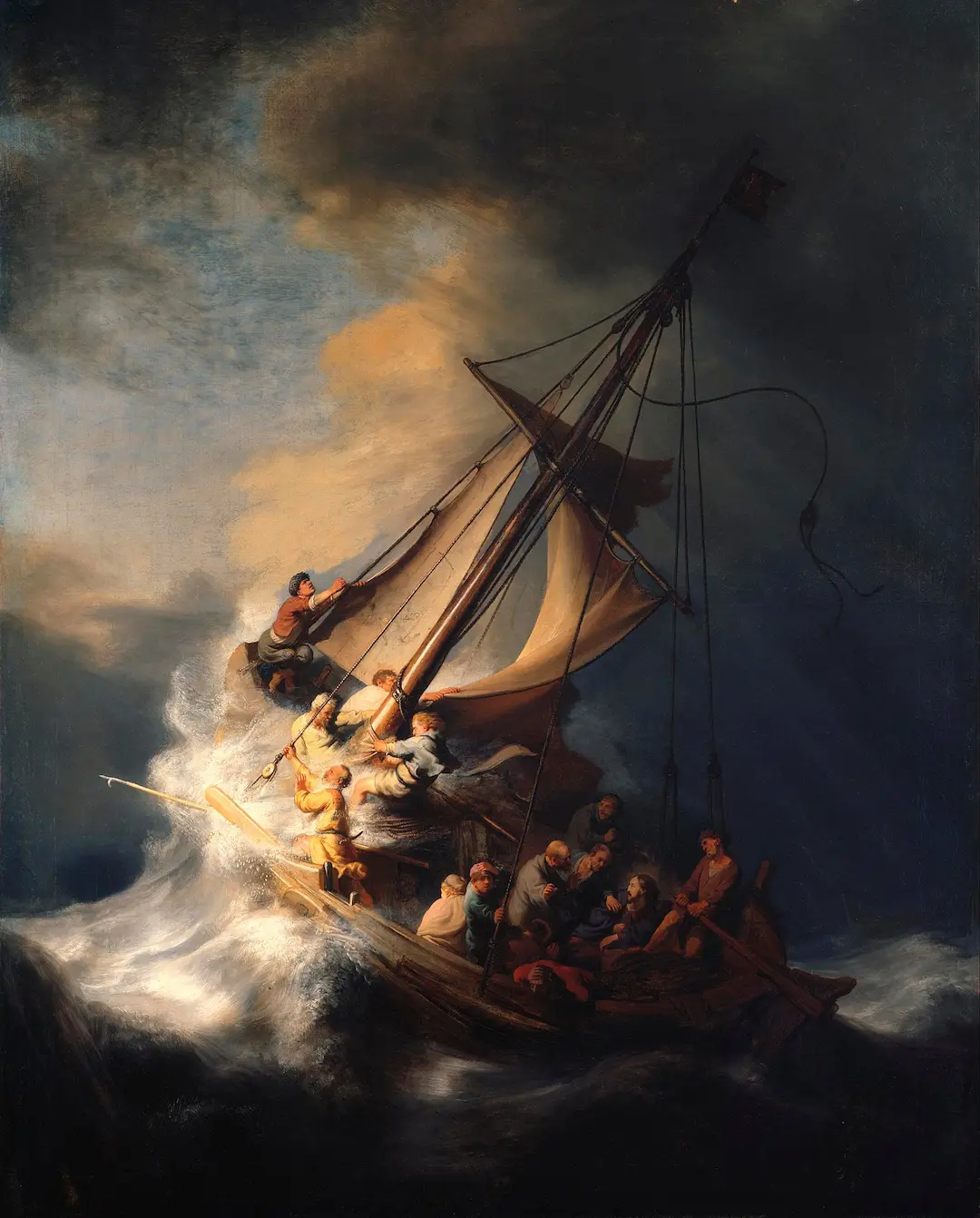
Rembrandt Van Rijn’s "The Baptism Of The Eunuch" showcases his exceptional skill in oil on canvas, a hallmark of Dutch Golden Age artistry. His use of light and shadow brings the figures to life, creating a dynamic sense of movement and spirituality. This painting, along with works like "Christ In The Storm On The Sea Of Galilee" and "The Sense Of Sight," exemplifies the technical brilliance achieved in oil on canvas during Rembrandt’s era.
Delving into "The Baptism Of The Eunuch," one uncovers layers of narrative and symbolism characteristic of Rembrandt Van Rijn’s fine art painting for sale. The scene resonates with themes of faith, transformation, and divine encounter, hallmarks of the Dutch Golden Age movement. Related works such as "History Painting" and "Artist in his Studio" also weave intricate stories through expressive gestures and thoughtful composition, making each fine art painting for sale a window to the past.
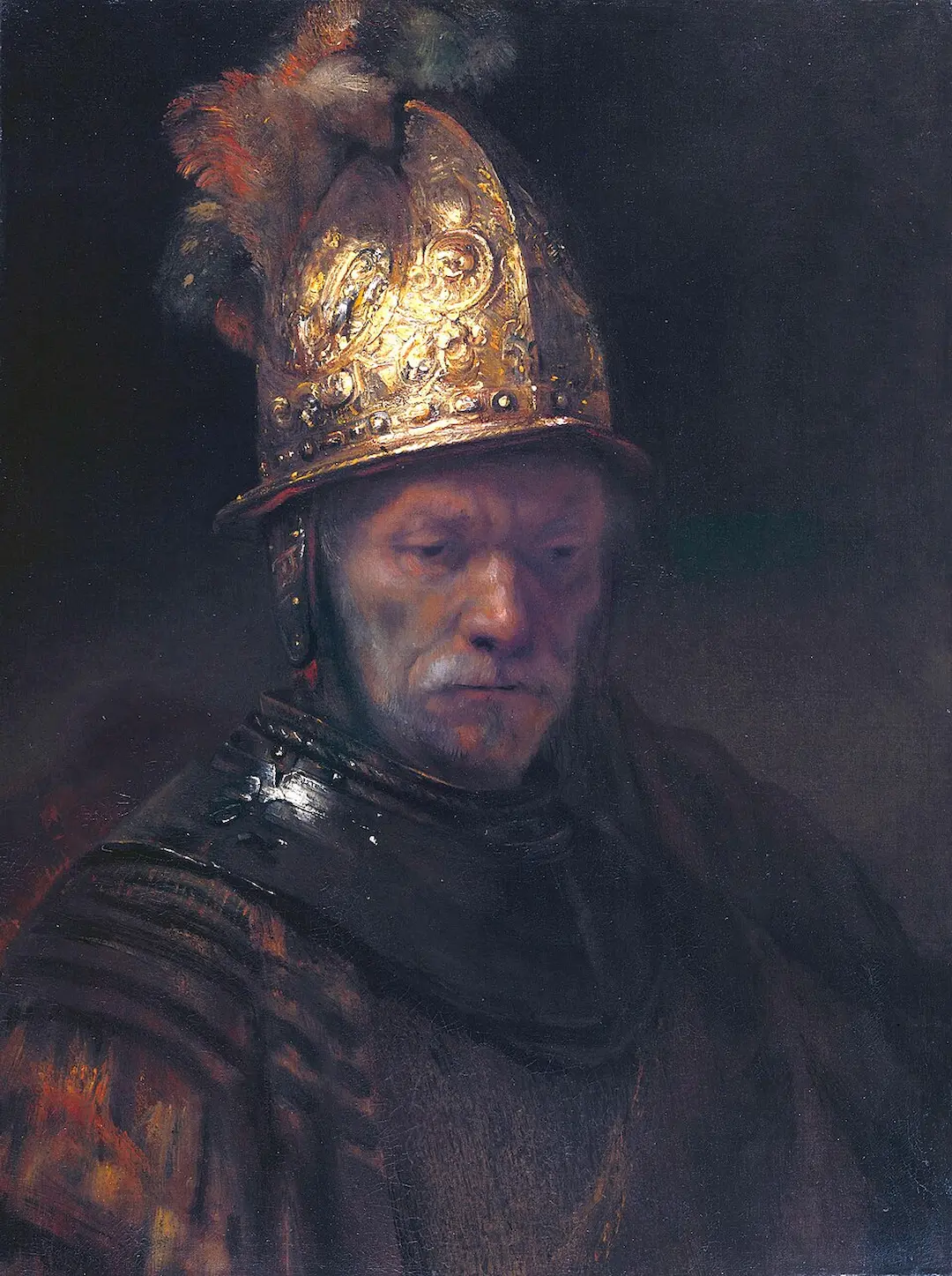
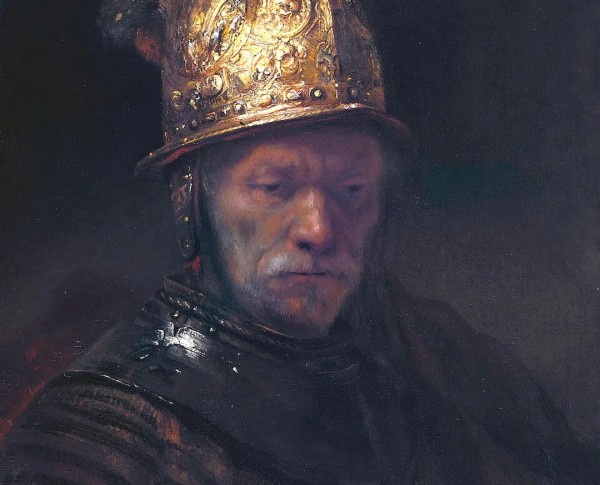
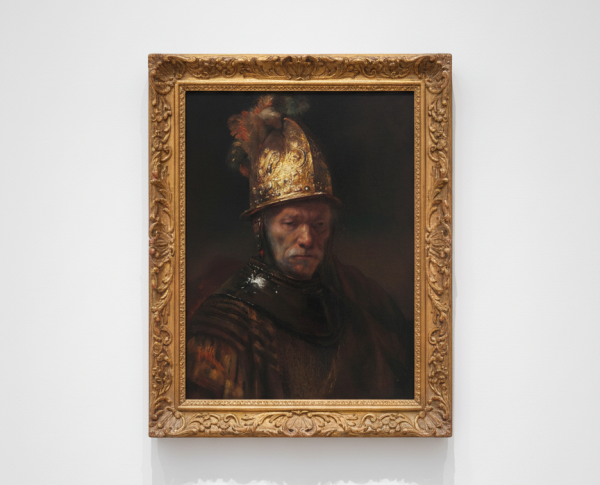
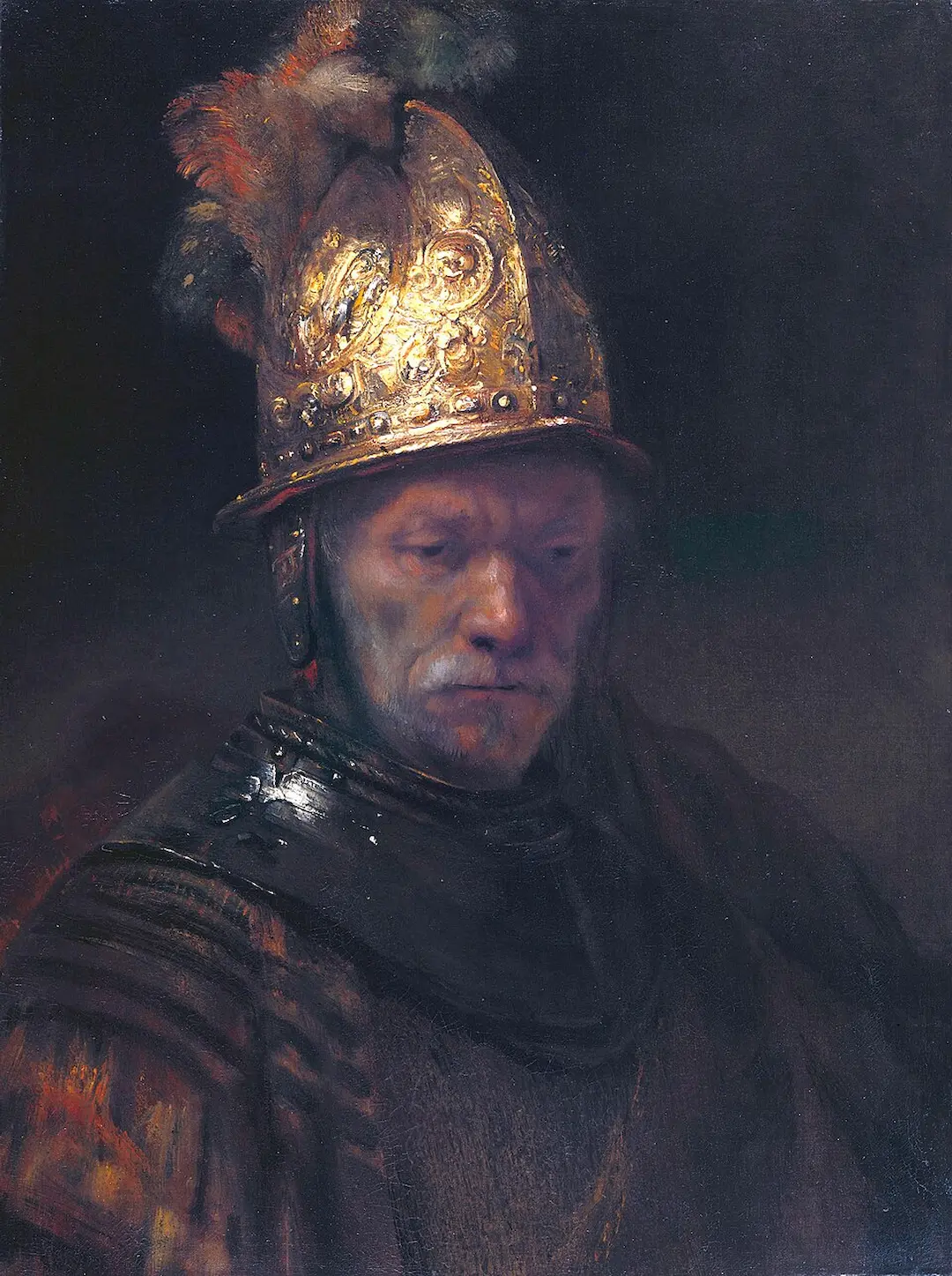
For art lovers and collectors, "The Baptism Of The Eunuch" by Rembrandt Van Rijn represents a prized addition from the Dutch Golden Age movement. This hand-painted oil painting, alongside treasures such as "Man in a Golden Helmet c. 1650" and "Musical Allegory," holds enduring value and historic significance. Investing in such masterpieces ensures ownership of a remarkable piece of art history, with each fine art painting for sale offering a unique narrative and visual splendor.
When Art Meets History
Rembrandt Van Rijn’s "The Baptism Of The Eunuch" stands as a testament to the Dutch Golden Age, blending biblical narrative with masterful artistry. This hand-painted oil painting captures a pivotal moment of spiritual transformation, echoing themes found in related works like "The Raising of Lazarus" and "Girl with a Pearl Earring c. 1665." Rembrandt’s ability to intertwine historical events and personal emotion elevates this piece among the most significant creations of the Dutch Golden Age movement.
Techniques That Speak
In "The Baptism Of The Eunuch," Rembrandt Van Rijn’s expertise with oil on canvas is unmistakable. His use of chiaroscuro and dynamic brushwork brings the scene to life, creating depth and drama reminiscent of "The Love Letter" and "Woman with a Lute." Through his innovative techniques, Rembrandt captures the intricate play of light and shadow, highlighting the profound spiritual atmosphere characteristic of Dutch Golden Age fine art paintings.
Emotions on Display
Rembrandt Van Rijn’s "The Baptism Of The Eunuch" radiates emotional intensity, drawing viewers into the sacred moment of transformation. Like "View of Delft" and "The Raising of Lazarus," this fine art painting for sale reveals the human soul through expressive faces and gestures. Rembrandt’s attention to emotional detail, a hallmark of the Dutch Golden Age, ensures that every glance and movement in the painting speaks volumes about faith, hope, and redemption.
Coveted by Collectors
Collectors around the world prize "The Baptism Of The Eunuch" for its historical significance and artistic mastery. This hand-painted oil painting by Rembrandt Van Rijn, a luminary of the Dutch Golden Age, stands alongside masterpieces such as "Girl with a Pearl Earring c. 1665" and "The Love Letter." Its rarity and emotional depth make it a sought-after treasure, symbolizing the enduring appeal of Dutch fine art painting for sale in prestigious collections.
Related Dutch Golden Age Hand-Painted Oil Paintings by Other Artists
Other Famous Dutch Golden Age Artists:
Frequently Asked Questions About The Baptism Of The Eunuch
What is the historical context of "The Baptism Of The Eunuch"?
This painting, created by Rembrandt in 1626, reflects the Baroque period's emphasis on emotional depth and dramatic storytelling, capturing a biblical scene from the Book of Acts that illustrates the spread of Christianity in the early church.
What biblical story does this painting depict?
The painting depicts the story of Philip and the Ethiopian eunuch, where Philip baptizes the eunuch after explaining the scriptures, symbolizing the acceptance of all individuals into the Christian faith.
What artistic techniques did Rembrandt use in this painting?
Rembrandt employed chiaroscuro, the contrast of light and shadow, to create depth and focus on the figures, enhancing the emotional intensity of the scene.
What is the significance of the figures in the painting?
The figures represent not only the act of baptism but also the themes of enlightenment and faith, with the eunuch symbolizing the inclusion of marginalized individuals in the Christian community.
How does Rembrandt convey emotion in "The Baptism Of The Eunuch"?
Rembrandt captures the emotional weight of the moment through the expressions and gestures of the figures, particularly the look of wonder and faith on the eunuch's face as he receives baptism.
What role does light play in this painting?
The use of light in "The Baptism Of The Eunuch" serves to highlight the central figures, drawing the viewer's attention to the act of baptism while also creating a spiritual atmosphere that enhances the narrative.
What materials did Rembrandt use for this artwork?
Rembrandt created this painting using oil on canvas, a medium that allowed him to achieve rich colors and intricate details characteristic of his style.
How does this painting reflect Rembrandt's artistic evolution?
This work showcases Rembrandt's early mastery of composition and narrative, foreshadowing his later, more complex explorations of light, shadow, and human emotion in his subsequent works.
What symbolism is present in "The Baptism Of The Eunuch"?
The water in the painting symbolizes purification and rebirth, while the act of baptism represents spiritual awakening and the acceptance of faith, emphasizing the transformative power of belief.
Where can I view "The Baptism Of The Eunuch" today?
The painting is housed in the collection of the Museum of Fine Arts in Budapest, Hungary, where it can be appreciated by the public as part of their extensive art collection.






















_GFM_Painting_(1).webp)


 100% Hand-Painted: Finished in 3-6 Weeks

.png)















_(1).webp)