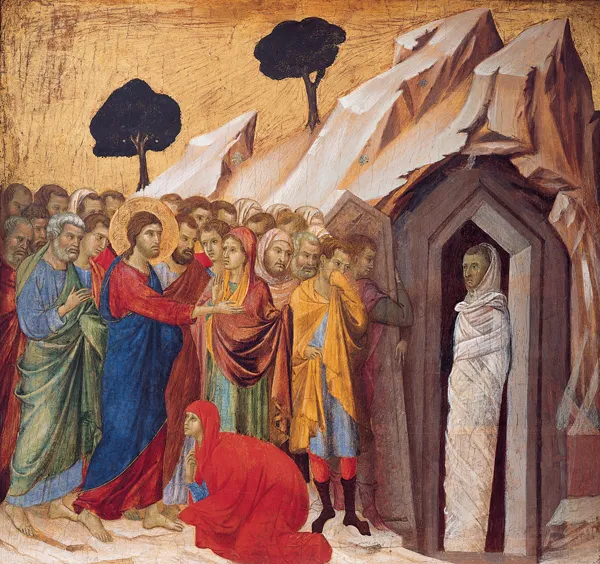
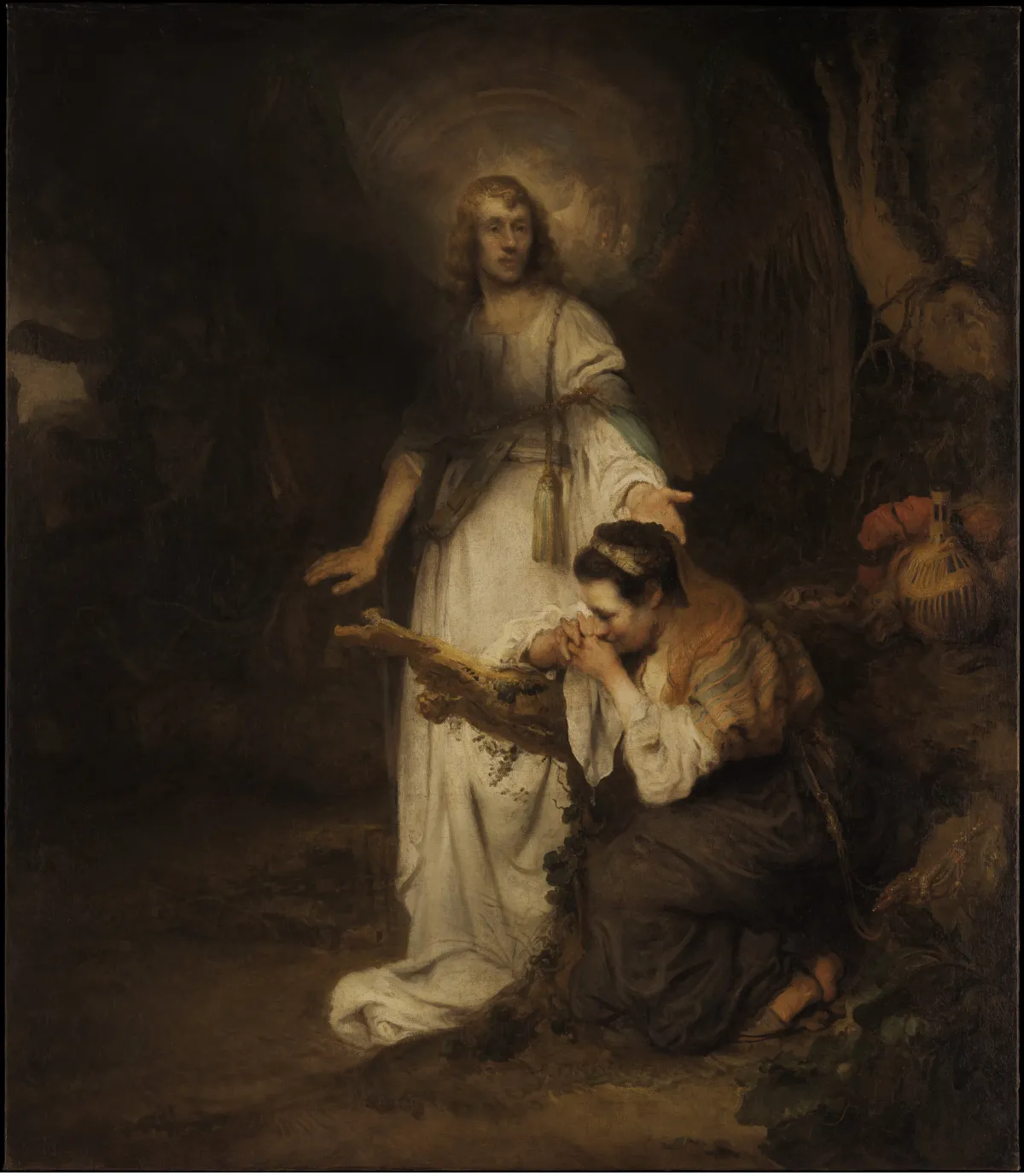
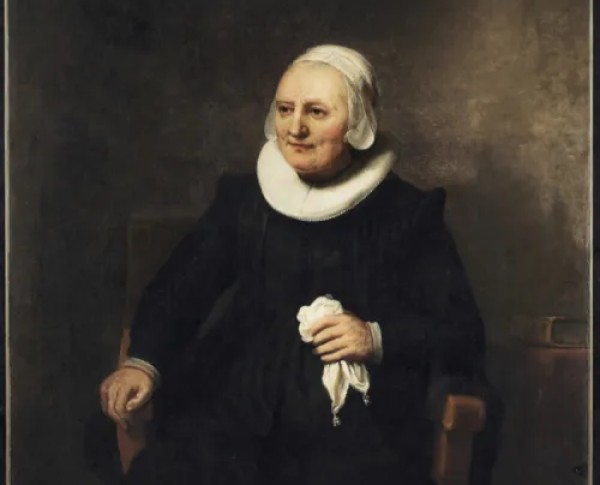
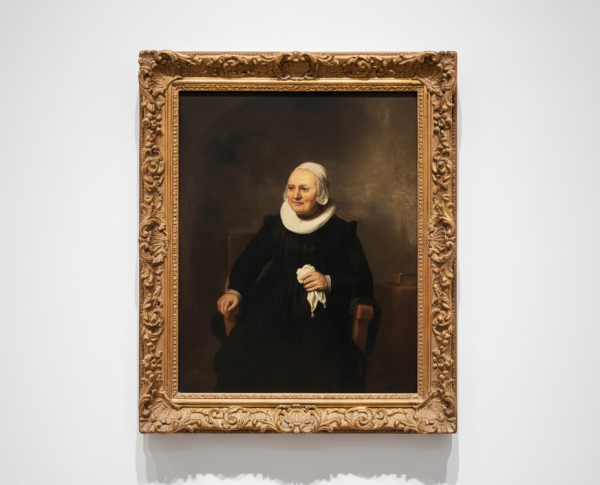
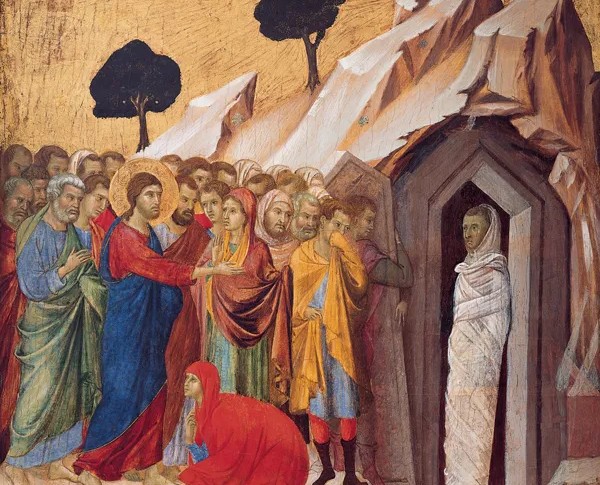
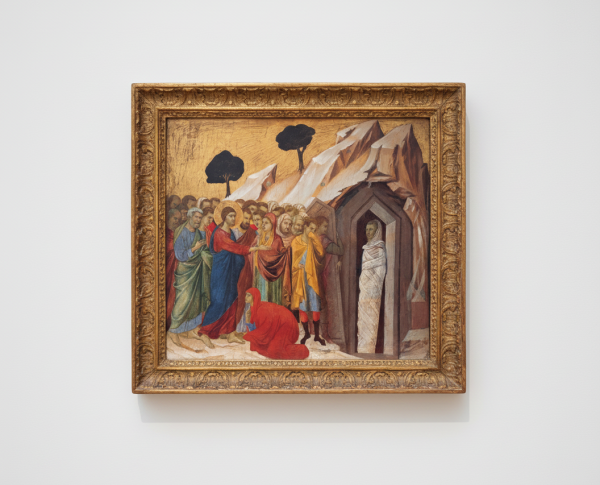
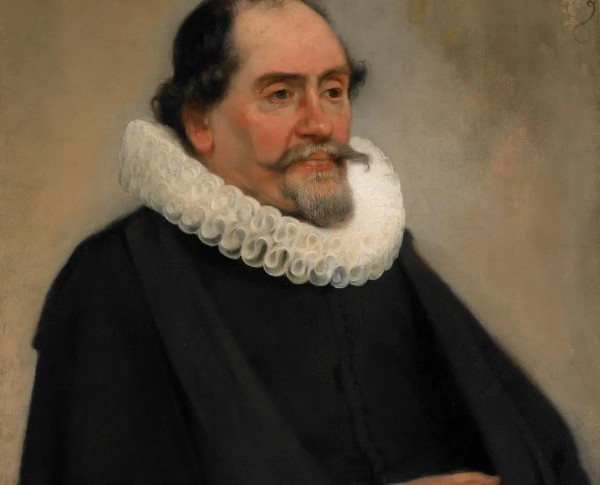
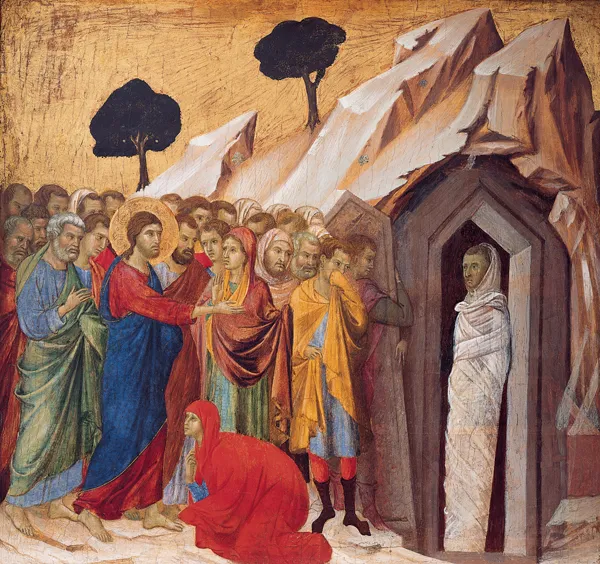
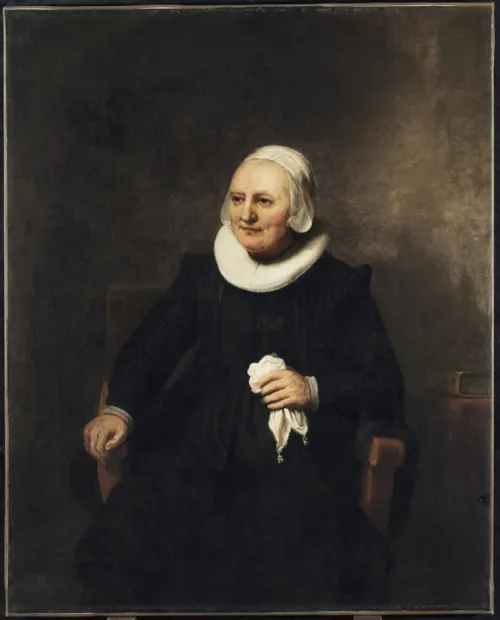
Carel Fabritius’s "The Raising of Lazarus" showcases his exceptional skill in oil on canvas, employing delicate brushwork and dramatic lighting to evoke profound emotion. Each stroke reveals the artist’s command of shadow and texture, hallmarks of the Dutch Golden Age movement. The painting’s composition draws viewers into the miraculous scene, making it a coveted piece among connoisseurs. Collectors often seek related works, such as "Portrait of a Seated Woman with a Handkerchief," to complete their appreciation of Fabritius’s technique.
In "The Raising of Lazarus," Fabritius weaves a narrative rich in symbolism, characteristic of Dutch Golden Age masterpieces. The hand-painted oil painting invites interpretation, from the gestures of the figures to the play of light and shadow, each element contributing to the story’s spiritual depth. Art lovers exploring this fine art painting for sale are often drawn to its layers of meaning, and may also be interested in related works like "Portrait of a Seated Woman with a Handkerchief."
Owning "The Raising of Lazarus" by Carel Fabritius is a unique opportunity to possess a piece of Dutch Golden Age history. This fine art painting for sale is sought after by collectors who appreciate both its historic value and artistic mastery. Its enduring appeal is matched by related products, such as "Portrait of a Seated Woman with a Handkerchief," which further enrich a curated collection of oil on canvas works from this remarkable period in art history.
When Art Meets History
Carel Fabritius, a prominent figure of the Dutch Golden Age, created "The Raising of Lazarus" as a testament to the period's deep engagement with biblical themes. This hand-painted oil painting showcases the era's fascination with storytelling through art. Similar masterpieces, such as "Woman with a Lute" and "Allegory of the Catholic Faith," also reflect the rich cultural backdrop of 17th-century Netherlands, making Fabritius’s work a significant milestone in art history.
Techniques That Speak
Fabritius utilized oil on canvas to bring "The Raising of Lazarus" to life, employing masterful brushwork and dramatic lighting effects characteristic of the Dutch Golden Age. The artist’s technical prowess is evident in the intricate details and subtle color transitions. Other works like "The Astronomer" and "Diana and her Nymphs" display similar virtuosity, highlighting the movement’s dedication to realism and depth—qualities that define Fabritius’s unique approach to painting.
Emotions on Display
"The Raising of Lazarus" captures a profound emotional moment, with Fabritius skillfully rendering the awe and reverence of the onlookers. This fine art painting for sale draws viewers into the biblical narrative, evoking empathy and wonder. The emotional intensity present in this work is also found in related paintings such as "The Love Letter," where subtle expressions and gestures communicate the depth of human experience so central to the Dutch Golden Age.
Coveted by Collectors
As a standout piece from the Dutch Golden Age, "The Raising of Lazarus" by Carel Fabritius is highly sought after by art collectors worldwide. Its status as a hand-painted oil painting, combined with its historical significance, makes it a prized addition to any collection. Collectors often seek related works, including "Allegory of the Catholic Faith" and "Woman with a Lute," to complement their appreciation for the era’s exceptional artistry and storytelling.
Related Dutch Golden Age Hand-Painted Oil Paintings by Other Artists
Other Famous Dutch Golden Age Artists:
Frequently Asked Questions About The Raising of Lazarus
What is the historical context of "The Raising of Lazarus"?
"The Raising of Lazarus," painted by Carel Fabritius in the 17th century, is set against the backdrop of the Protestant Reformation in the Netherlands, a time of significant religious and artistic transformation.
Who was Carel Fabritius and what is his significance in art history?
Carel Fabritius was a Dutch painter and a pupil of Rembrandt. He is known for his innovative use of light and color, and his works are considered pivotal in the transition from the Baroque to the Dutch Golden Age.
What biblical story does "The Raising of Lazarus" depict?
The painting illustrates the biblical account from the Gospel of John, where Jesus raises Lazarus from the dead, symbolizing the themes of resurrection and divine power.
What artistic techniques did Fabritius employ in this painting?
Fabritius utilized chiaroscuro to create dramatic contrasts between light and shadow, enhancing the emotional intensity of the scene and drawing attention to the figures involved.
What is the significance of the figures portrayed in the painting?
The figures in the painting represent a range of emotions, from disbelief to awe, reflecting the profound impact of Jesus's miracle on those present, thus emphasizing the theme of faith.
How does "The Raising of Lazarus" reflect the Baroque style?
The painting exemplifies the Baroque style through its dramatic composition, emotional depth, and dynamic interaction between figures, capturing the viewer's attention and evoking a strong response.
What symbolism is present in "The Raising of Lazarus"?
The act of raising Lazarus symbolizes hope, renewal, and the promise of eternal life, serving as a powerful reminder of faith and the triumph over death.
What materials and techniques were used in the creation of this painting?
Fabritius likely used oil on canvas, a common medium of the time, allowing for rich color and fine detail, which are characteristic of his work.
In what ways has "The Raising of Lazarus" influenced later artists?
The painting's innovative use of light and emotional expression has influenced numerous artists, inspiring them to explore similar themes of resurrection and divine intervention in their own works.
Where is "The Raising of Lazarus" currently housed?
The painting is part of the collection at the Mauritshuis in The Hague, Netherlands, where it is preserved and displayed for public viewing.






















_GFM_Painting_(1).webp)


 100% Hand-Painted: Finished in 3-6 Weeks

.png)















_(1).webp)