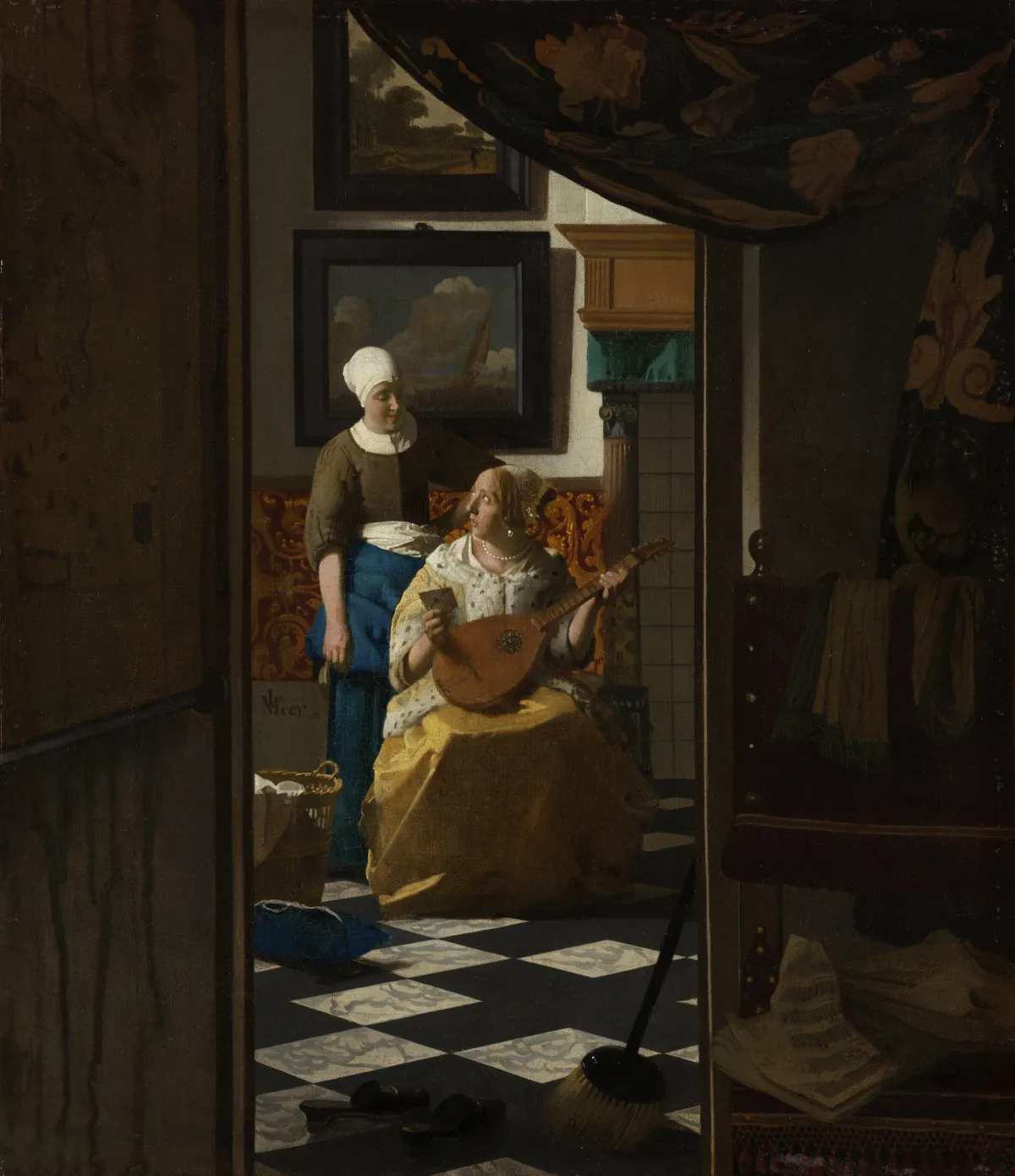
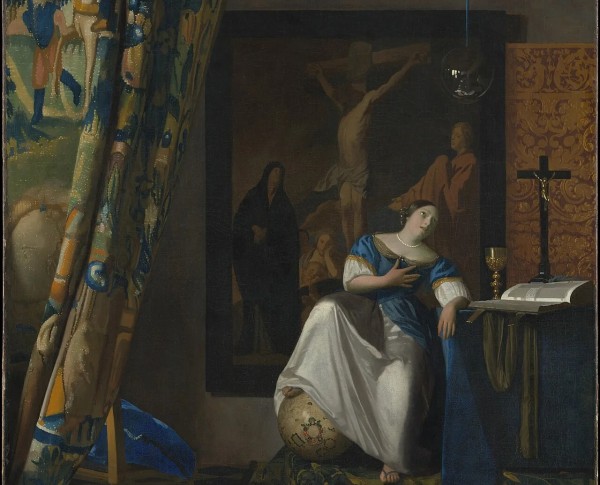
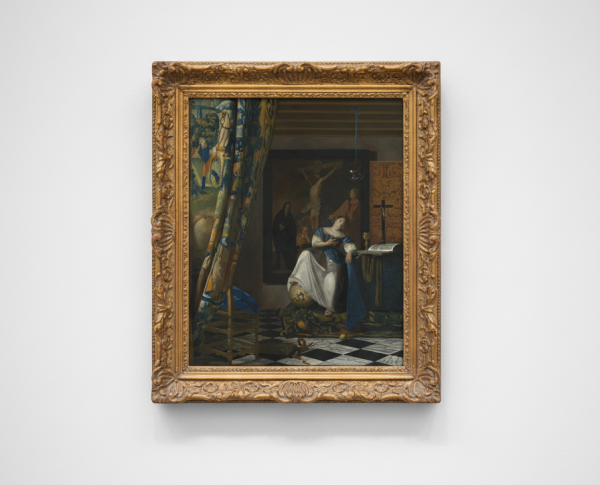
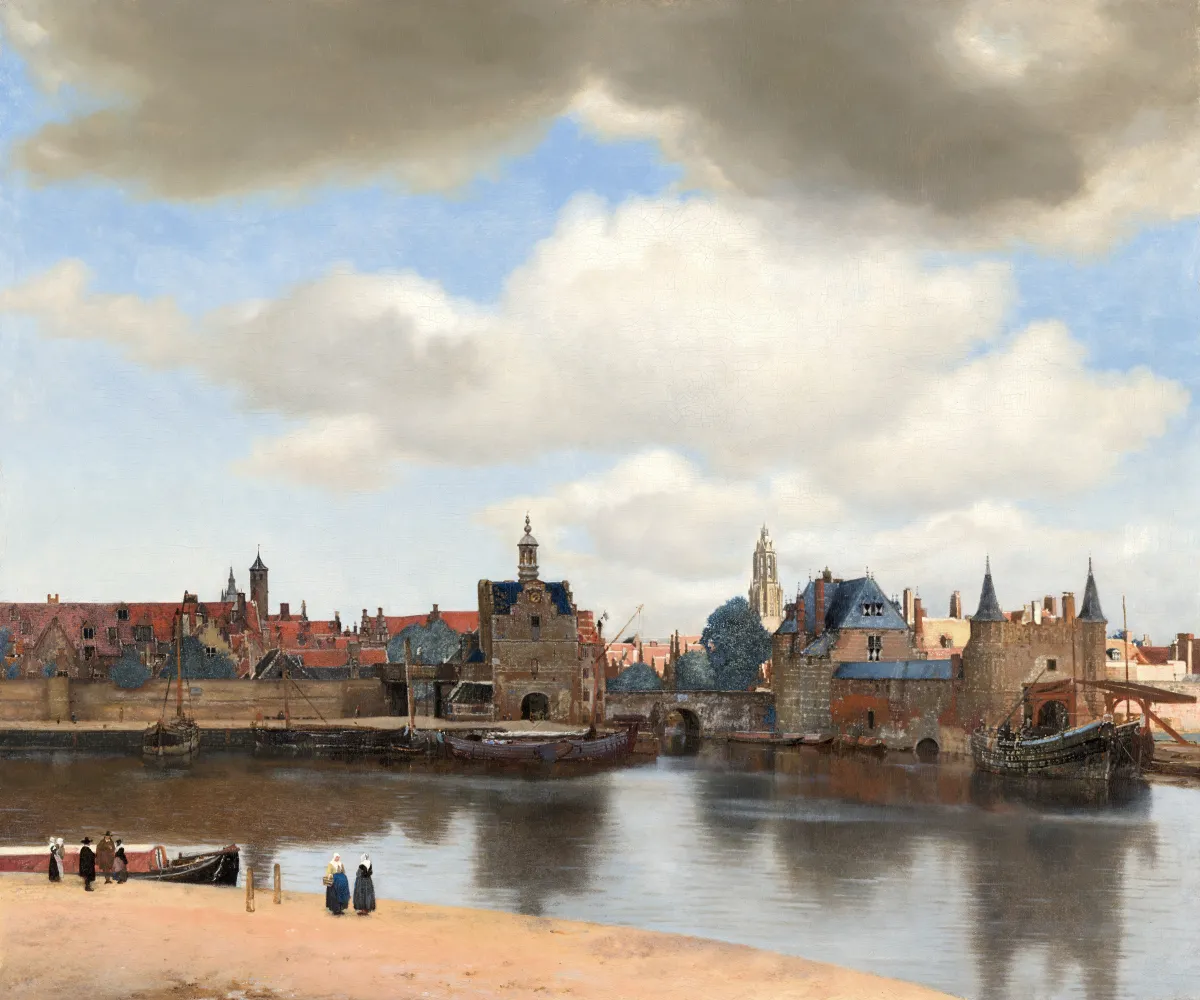
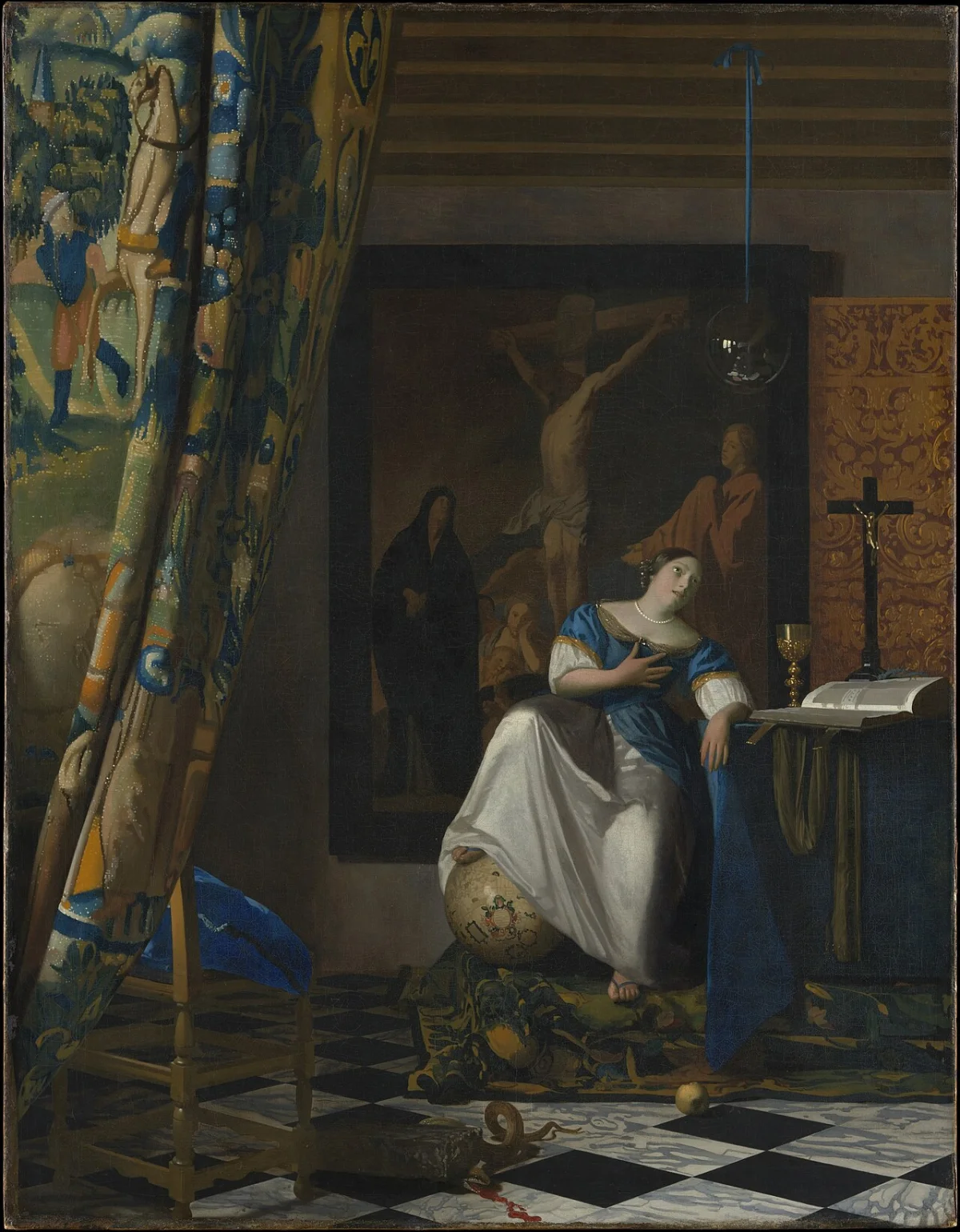
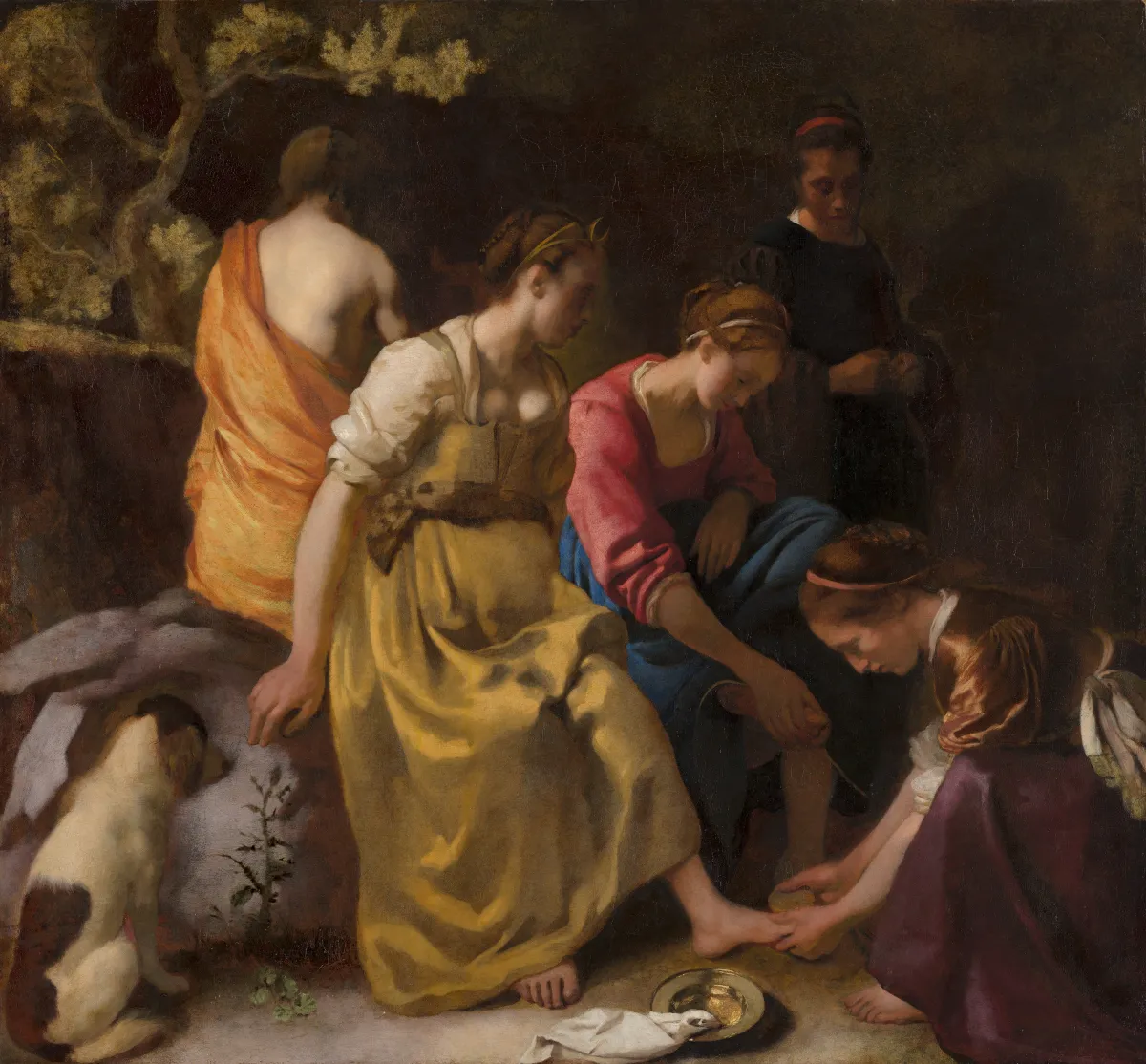
Vermeer’s "View of Delft" showcases his remarkable technique in oil on canvas, illustrating not only the city’s architecture but also the interplay of light and shadow. The precision and subtlety in every brushstroke highlight the artist’s mastery, making this painting a quintessential example of Dutch Golden Age artistry. Collectors seeking to experience Vermeer’s skill may also appreciate other works such as "Allegory of the Catholic Faith" and "Diana and her Nymphs."
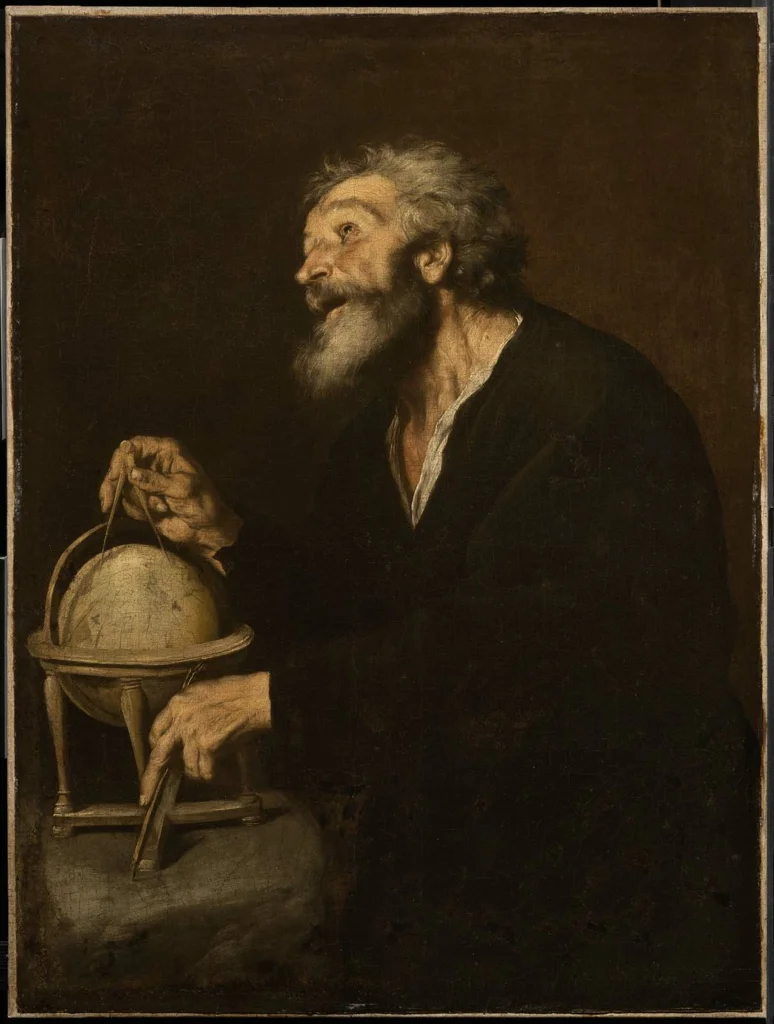
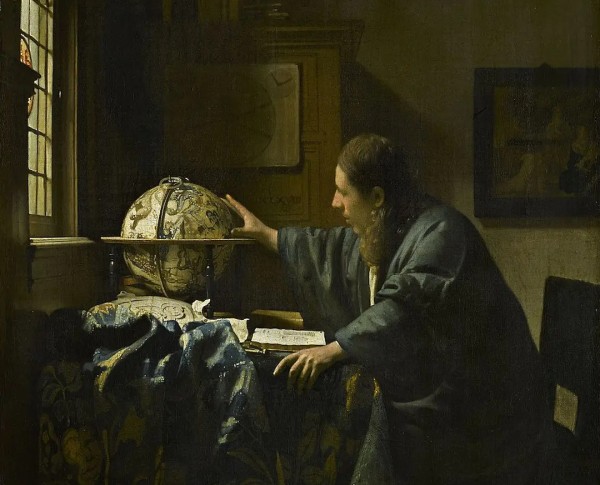
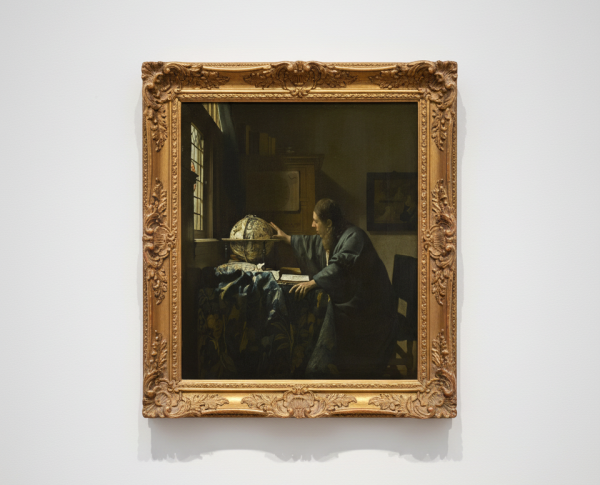
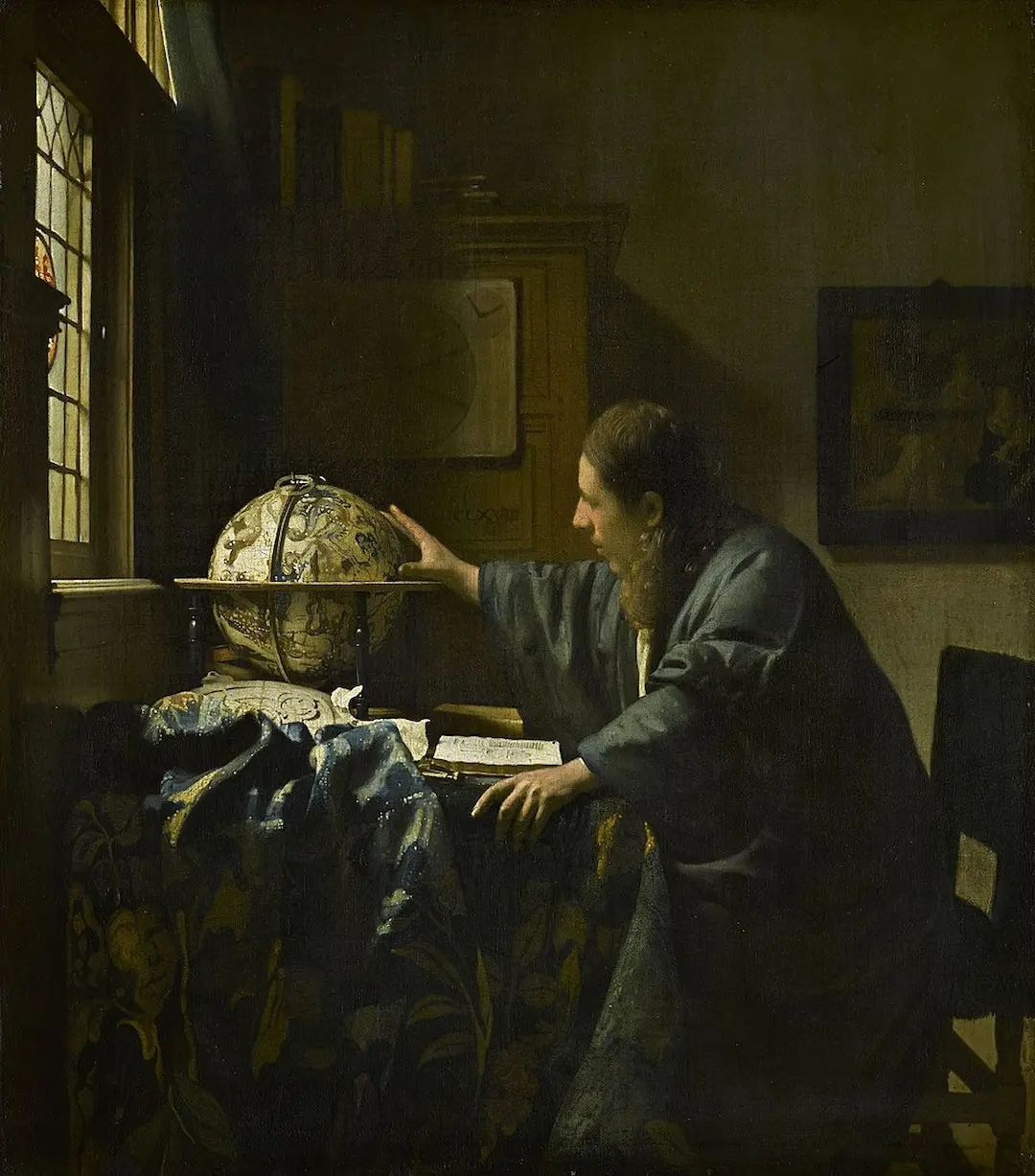
Every detail in Vermeer’s "View of Delft" tells a story, from the bustling waterfront to the serene skyline, embodying the spirit of a thriving 17th-century Dutch city. This fine art painting for sale reveals subtle symbols of prosperity and civic pride, hallmarks of the Dutch Golden Age movement. Fans of Vermeer’s narrative approach may also find intrigue in his pieces like "The Astronomer c. 1668" and "The Geographer," which similarly weave stories through imagery.
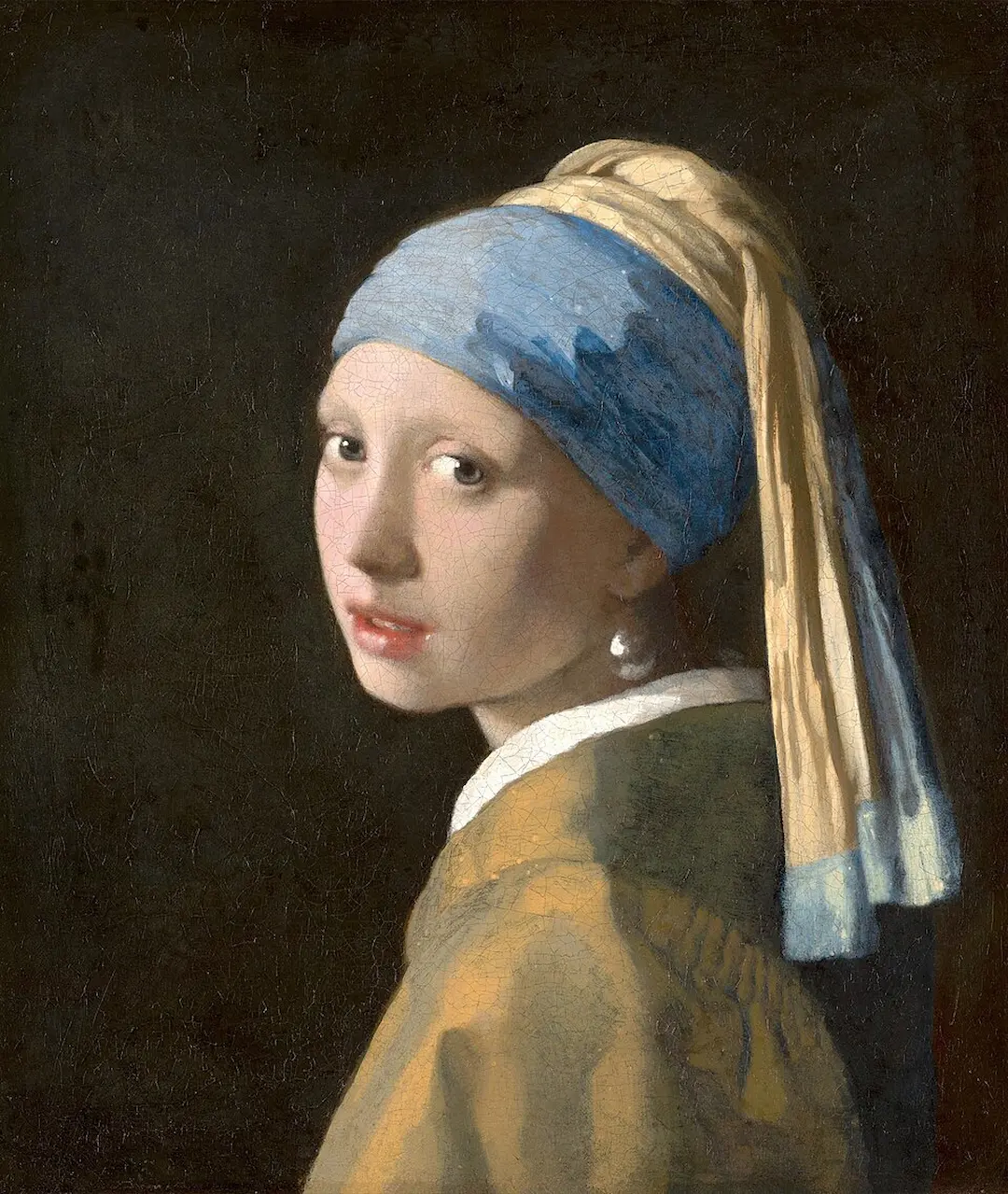
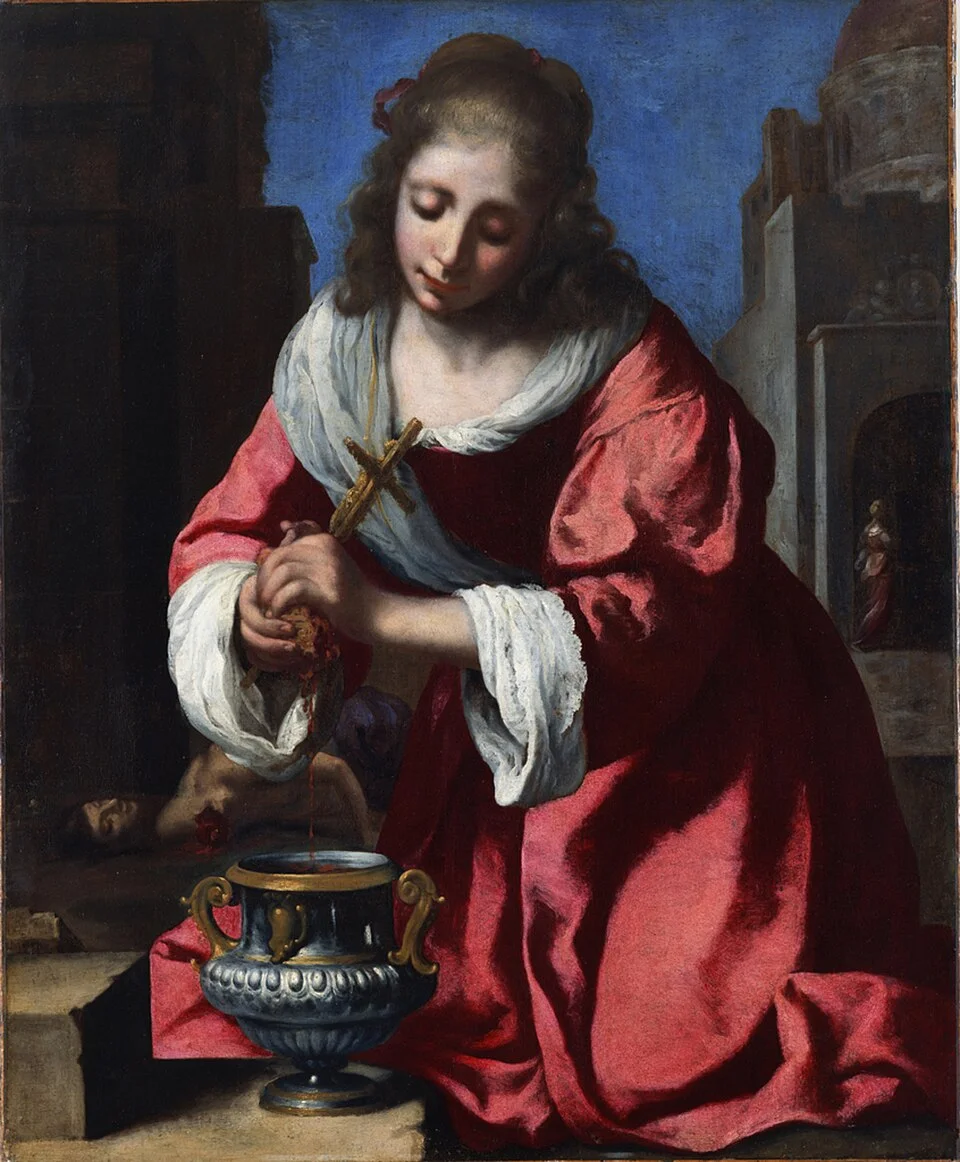
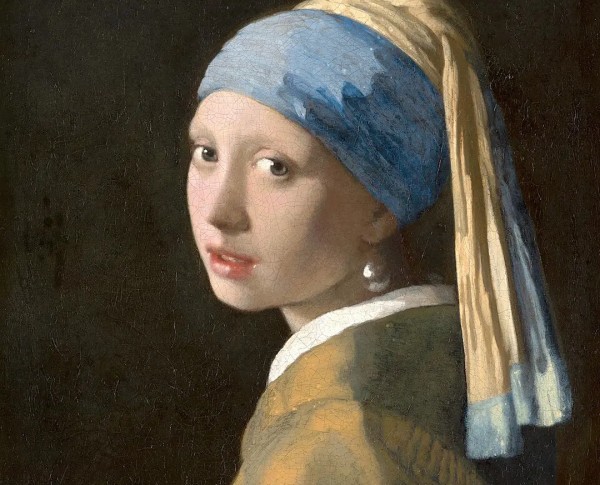
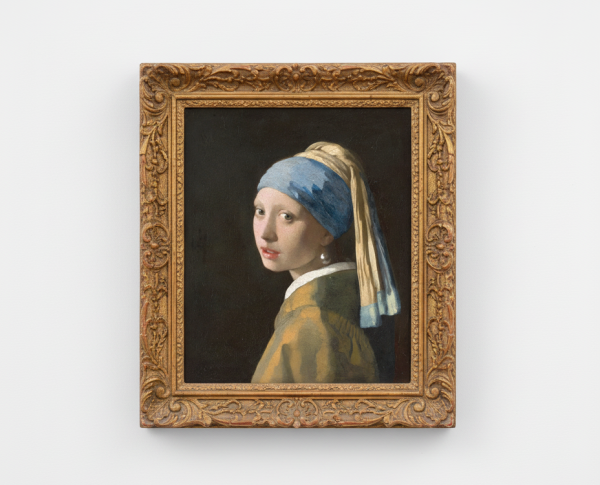
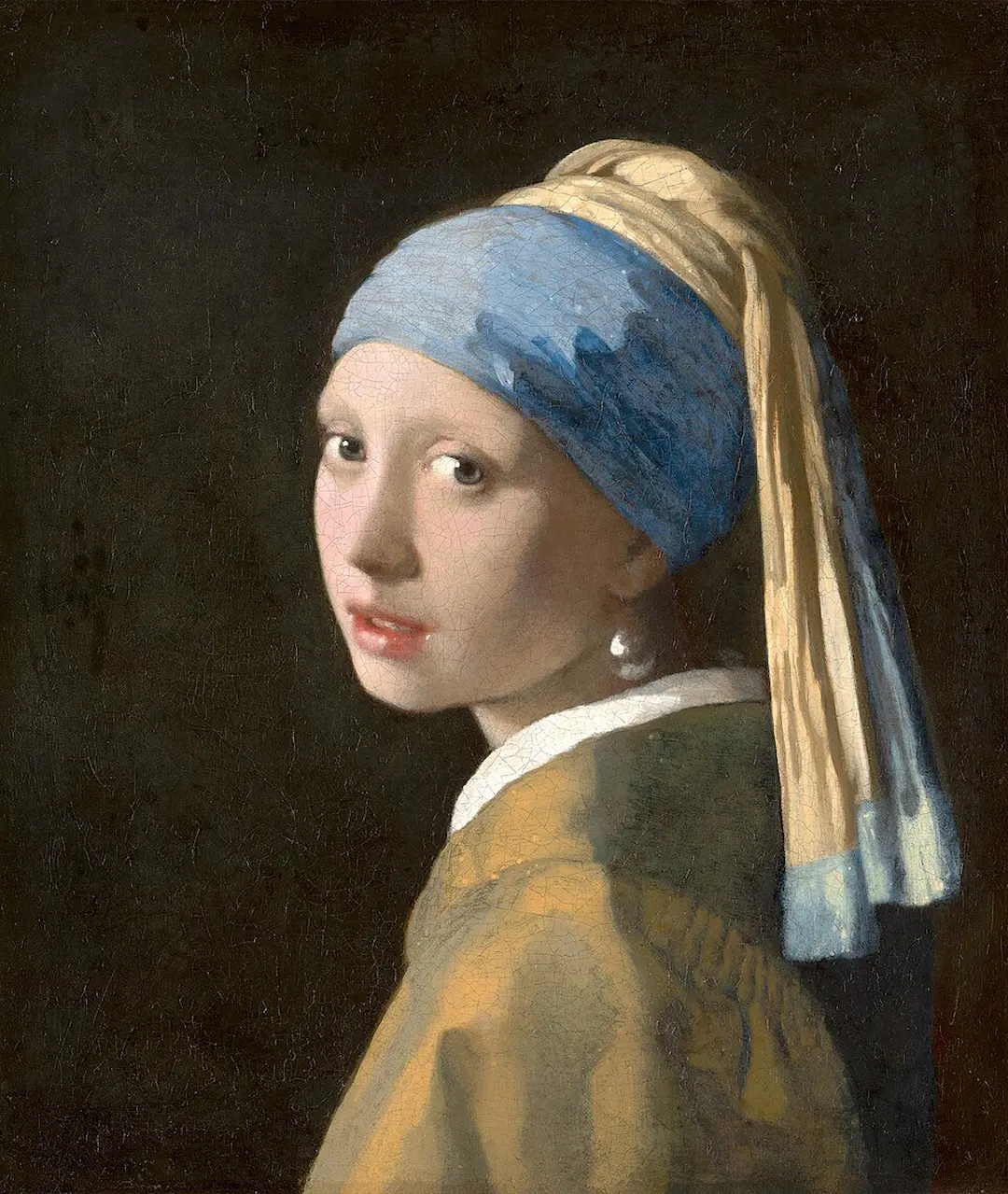
Owning a work like "View of Delft" by Jan Vermeer Van Delft is a rare privilege for art collectors, as it represents the pinnacle of Dutch Golden Age painting. This hand-painted oil painting is highly coveted for its historical significance and exceptional artistry, making it a centerpiece in any distinguished collection. Alongside this iconic piece, collectors often seek related masterpieces including "Saint Praxedis" and "Girl with a Pearl Earring c. 1665."
When Art Meets History
"View of Delft" by Jan Vermeer Van Delft stands as a testament to the Dutch Golden Age, a period renowned for its masterful hand-painted oil painting works. This cityscape captures the serene beauty and bustling life of 17th-century Delft, reflecting the era’s prosperity and innovation. Like "The Night Watch" and "Anatomy Lesson of Dr Tulp," Vermeer’s work is deeply rooted in historical context, making it a prime example of how art and history intertwine in fine masterpieces.
Techniques That Speak
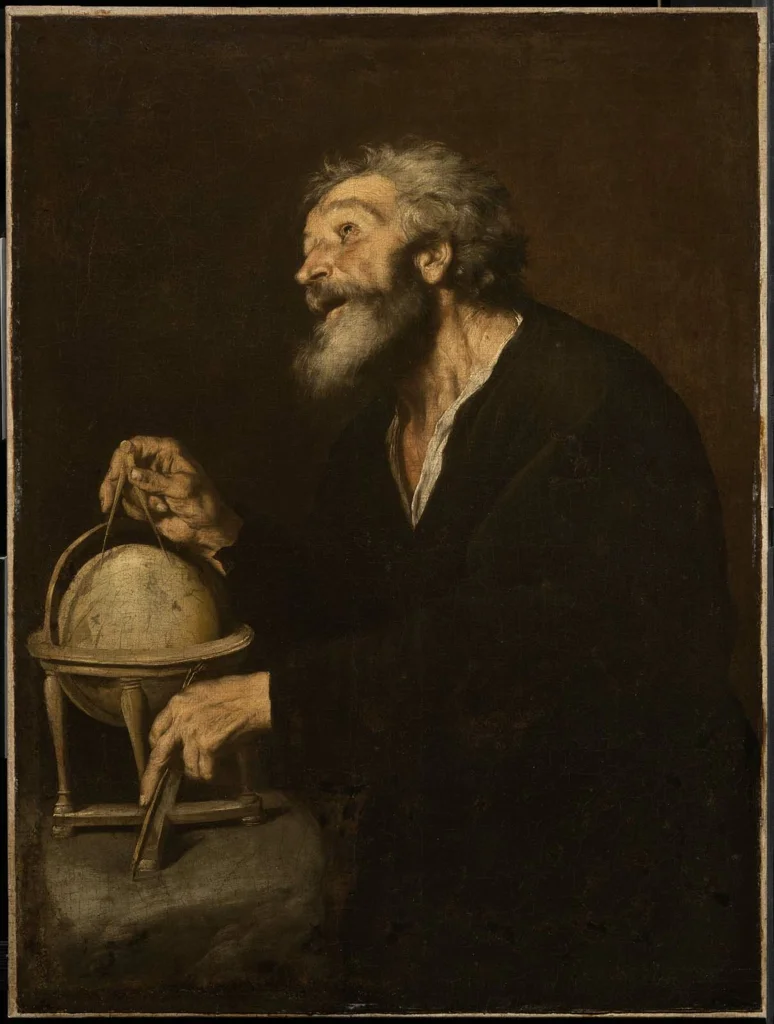
Jan Vermeer Van Delft’s "View of Delft" showcases exceptional skill in oil on canvas, a medium favored by Dutch Golden Age artists. Vermeer’s technique, characterized by luminous color and meticulous attention to light, brings the cityscape to life with striking realism. Similar to "Philosopher in Meditation 1632" and "The Return of the Prodigal Son c. 1669," the brushwork and composition in this painting highlight Vermeer’s mastery, making it a pivotal piece in the evolution of landscape painting.
Emotions on Display
The tranquil ambiance of "View of Delft" evokes a sense of calm and reflection, inviting viewers to experience the city through Vermeer’s eyes. This fine art painting for sale is more than a depiction of architecture; it’s an emotional journey into everyday life during the Dutch Golden Age. Alongside works like "Christ In The Storm On The Sea Of Galilee," Vermeer’s masterpiece conveys a deep connection between place and emotion, resonating with art lovers and historians alike.
Coveted by Collectors
As a celebrated hand-painted oil painting by Jan Vermeer Van Delft, "View of Delft" holds a prestigious place among collectors of Dutch Golden Age art. Its rarity and historical significance, much like "The Night Watch" and "Anatomy Lesson of Dr Tulp," drive its desirability in the art market. The painting’s exquisite detail and enduring appeal ensure it remains a sought-after treasure, symbolizing the height of artistic achievement and the allure of fine art painting for sale.
Related Dutch Golden Age Hand-Painted Oil Paintings by Other Artists
Other Famous Dutch Golden Age Artists:
Frequently Asked Questions About View of Delft
What is the historical significance of View of Delft?
View of Delft is considered one of Jan Vermeer’s masterpieces, showcasing the artist's exceptional skill in capturing light and atmosphere. Painted in the 1660s, it reflects the prosperity of Delft during the Dutch Golden Age, a period marked by significant advancements in trade, science, and the arts.
What techniques did Vermeer use in View of Delft?
Vermeer employed a meticulous technique known as chiaroscuro, which utilizes strong contrasts between light and dark to create a sense of volume and depth. He also used a limited color palette, enhancing the painting's realism and emotional impact.
What elements of View of Delft symbolize the Dutch Golden Age?
The painting features a serene urban landscape, with detailed depictions of architecture and water, symbolizing the wealth and stability of the Dutch Republic. The presence of boats and the bustling harbor further emphasize the importance of trade during this prosperous era.
How does Vermeer depict light in View of Delft?
Vermeer masterfully captures the effects of natural light in View of Delft, particularly through the use of soft reflections on the water and the illumination of buildings. This attention to light creates a tranquil atmosphere and enhances the three-dimensionality of the scene.
What is the significance of the color palette used in View of Delft?
The color palette of View of Delft is characterized by cool blues, warm yellows, and soft whites, which contribute to the painting's harmonious and serene quality. This careful selection of colors reflects Vermeer’s understanding of color theory and its emotional resonance.
What architectural features are highlighted in View of Delft?
View of Delft showcases several notable architectural elements, including the iconic Nieuwe Kerk (New Church) and the city’s distinctive gabled houses. These structures not only serve as focal points but also signify the architectural advancements and urban planning of the time.
What role does perspective play in View of Delft?
Vermeer employs a precise linear perspective in View of Delft, guiding the viewer’s eye through the composition. This technique enhances the realism of the scene and invites viewers to engage with the landscape as if they are part of it.
How does View of Delft reflect Vermeer’s artistic style?
View of Delft exemplifies Vermeer’s unique artistic style, characterized by meticulous attention to detail, a focus on domestic life, and the interplay of light and shadow. This painting encapsulates his ability to transform ordinary scenes into extraordinary visual narratives.
What is the significance of the water in View of Delft?
The water in View of Delft is not only a compositional element but also symbolizes tranquility and the passage of time. It reflects the sky and surroundings, enhancing the painting's depth and serving as a metaphor for the fluidity of life in the bustling city.
How has View of Delft influenced modern art?
View of Delft has had a profound influence on modern art, particularly in the realms of realism and impressionism. Artists have drawn inspiration from Vermeer’s use of light, color, and composition, leading to new explorations in capturing everyday life and the natural world.























_GFM_Painting_(1).webp)


 100% Hand-Painted: Finished in 3-6 Weeks

.png)















_(1).webp)