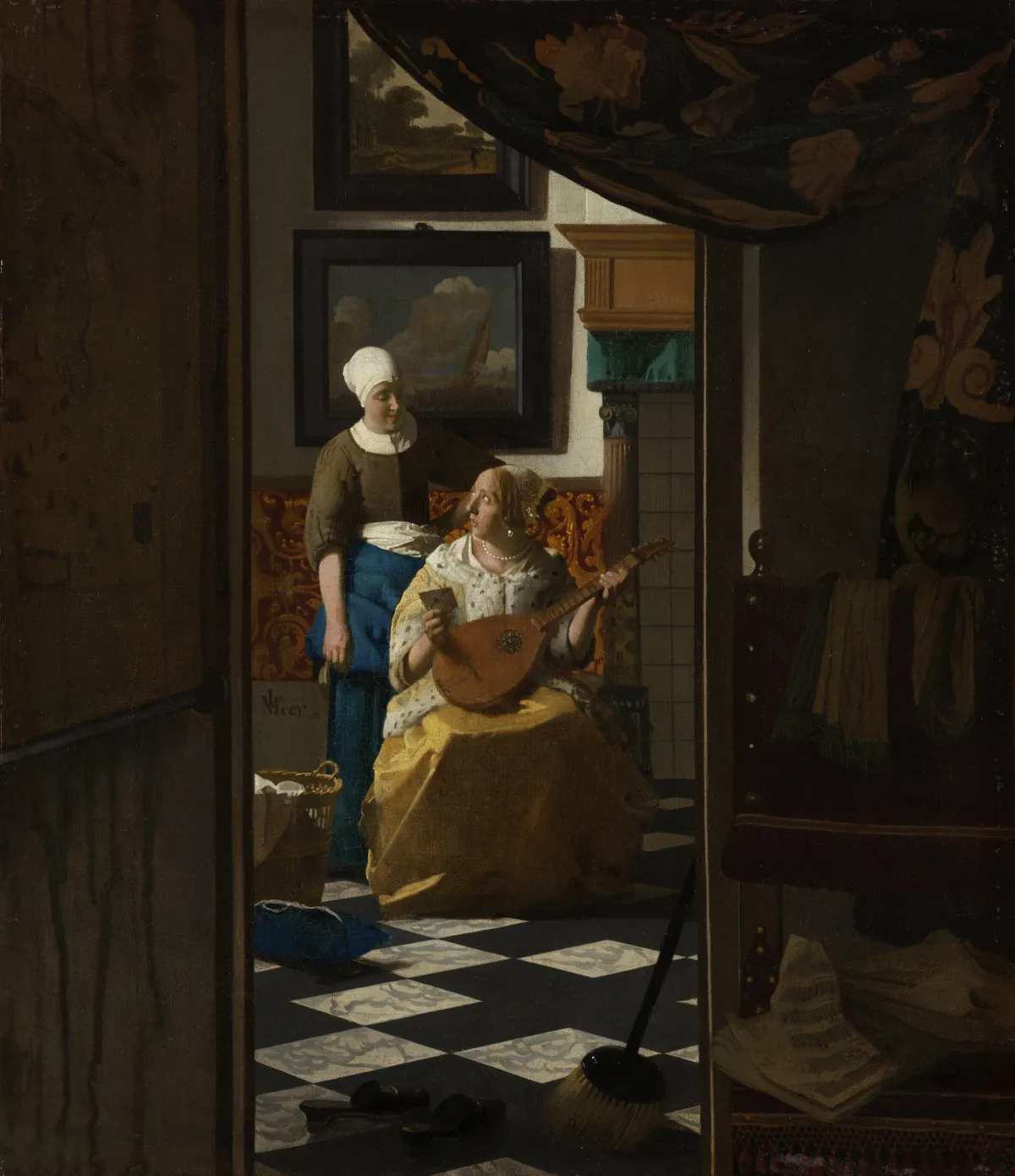
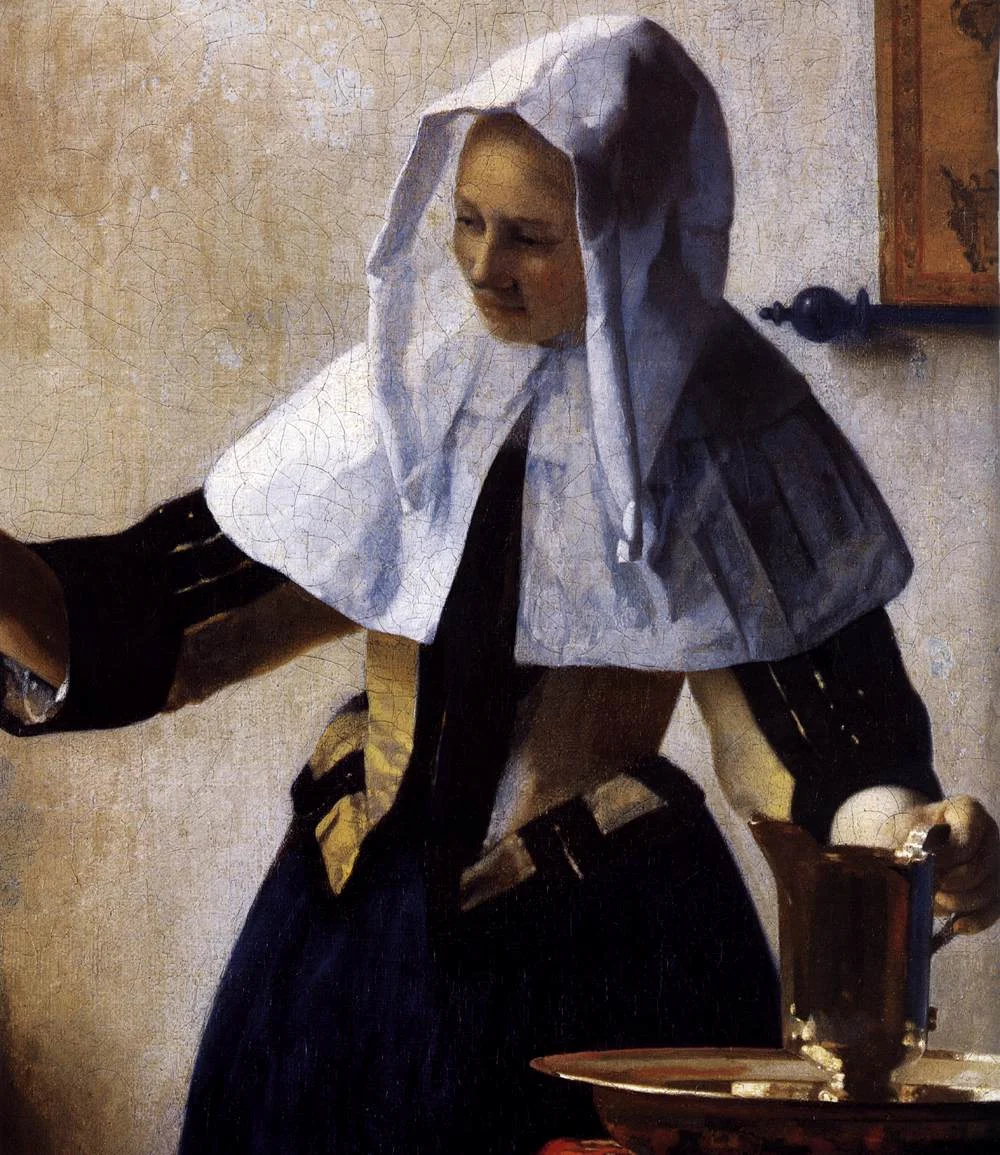
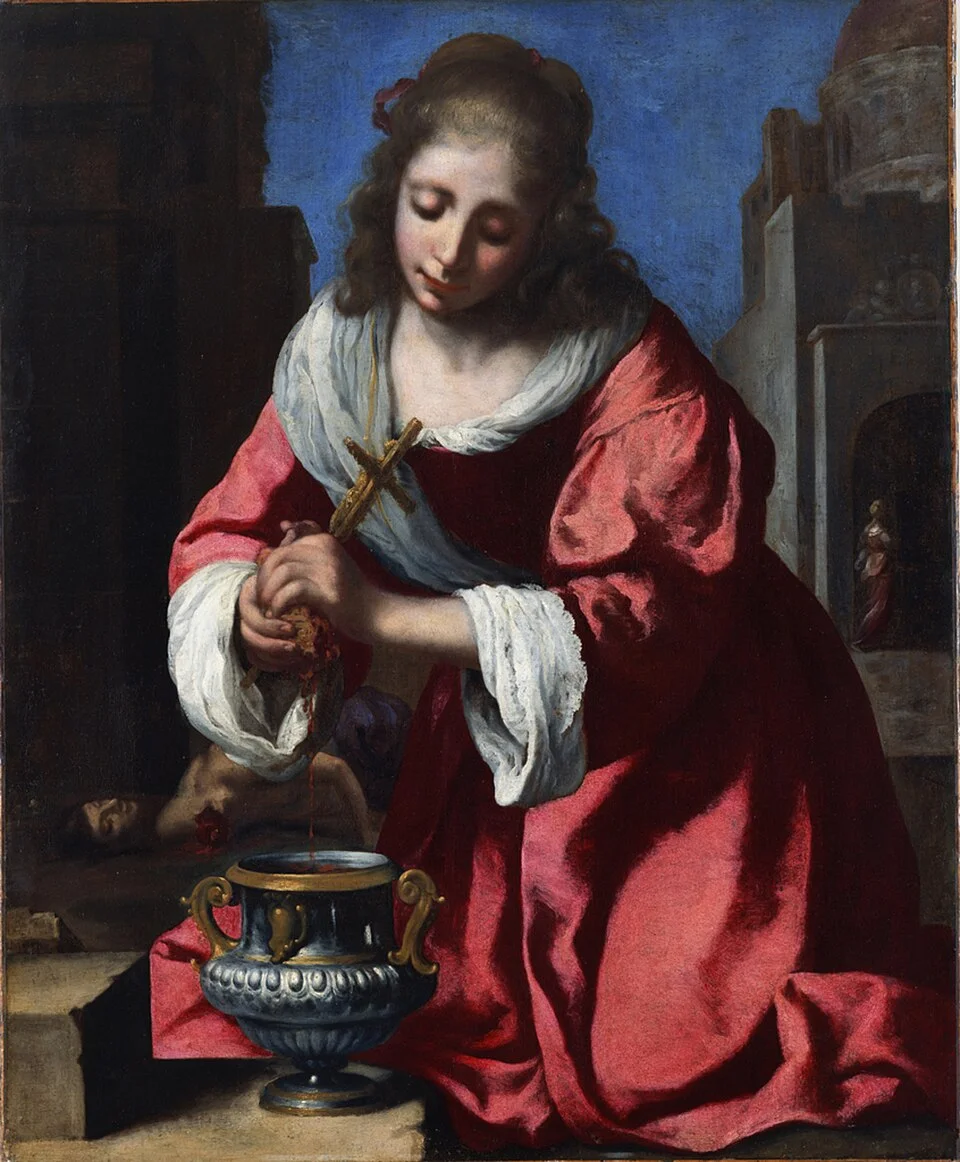
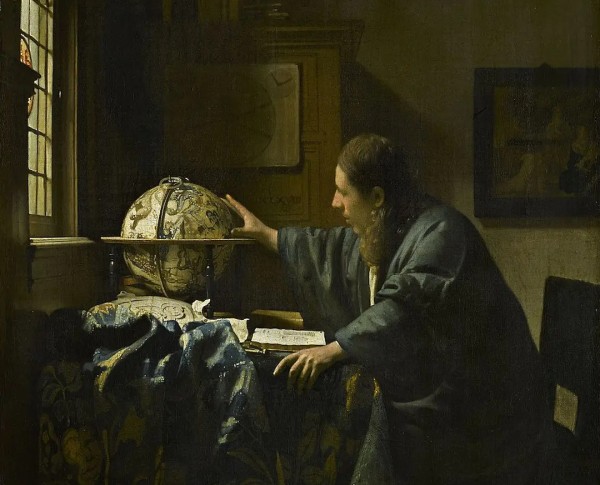
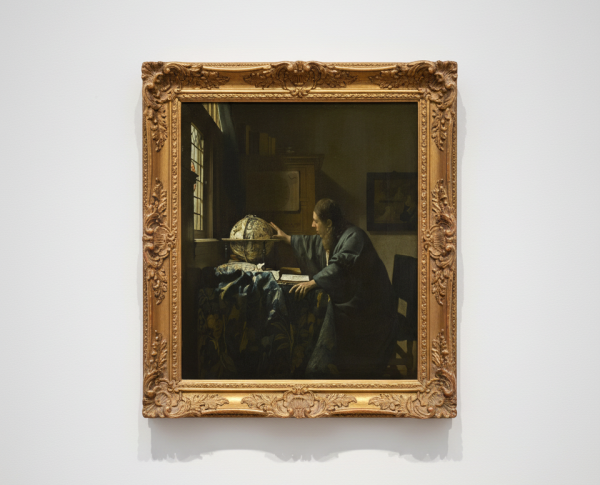
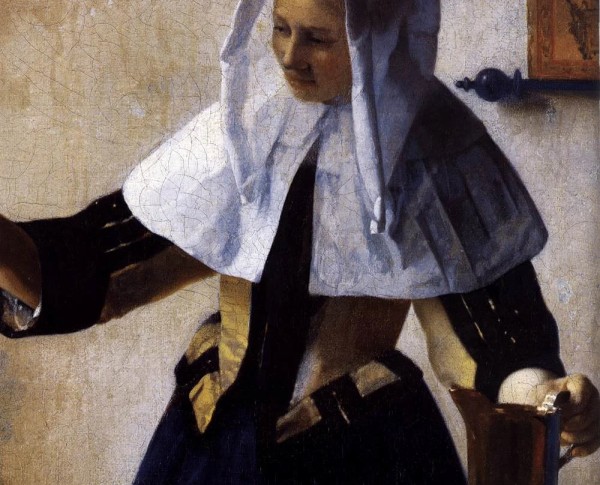
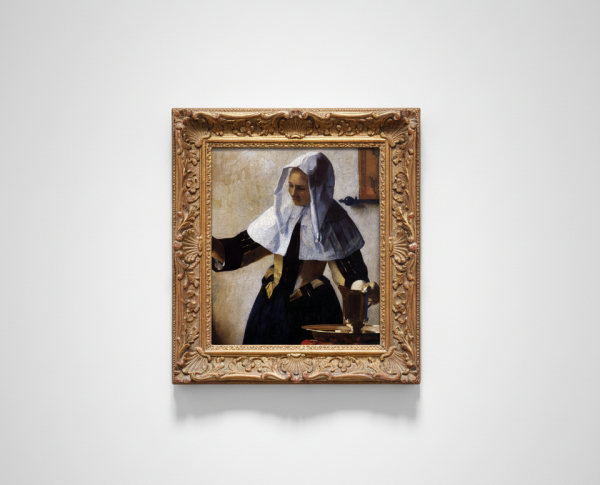
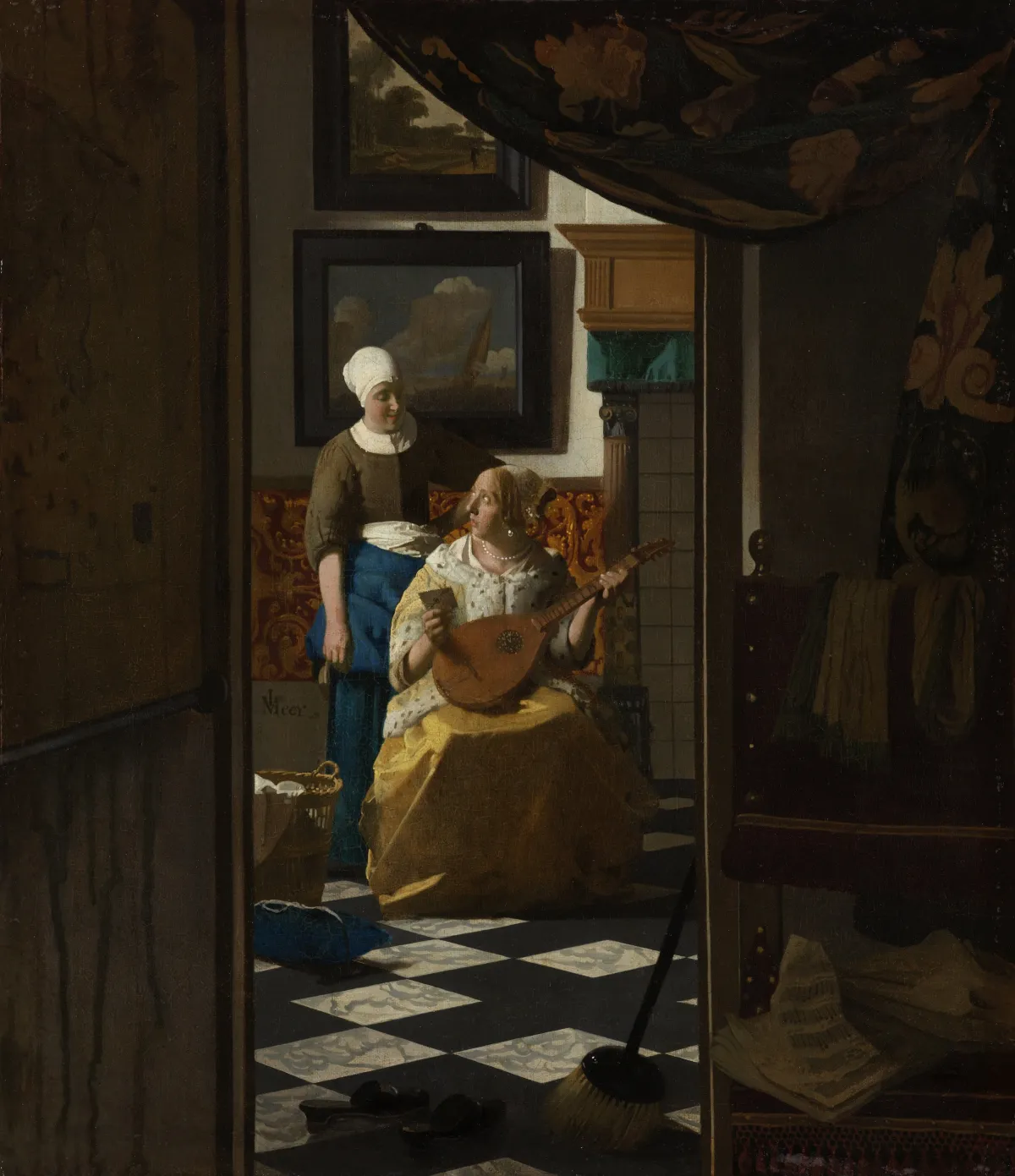
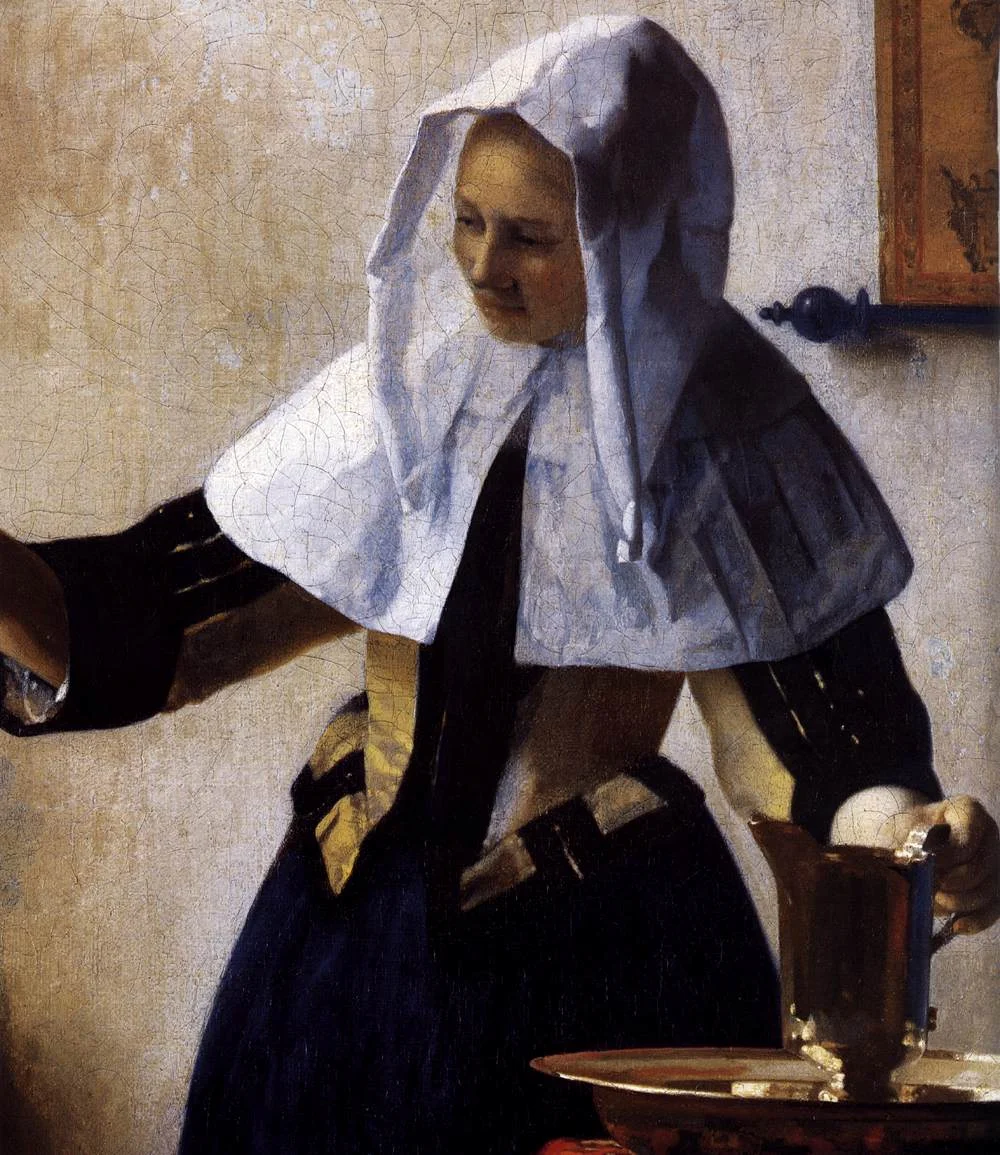
Vermeer’s technique in "The Love Letter" demonstrates his unparalleled skill with oil on canvas, utilizing delicate light and shadow to evoke emotion and depth. The artist’s meticulous attention to detail shines through in every brushstroke, embodying the elegance of the Dutch Golden Age movement. Those seeking similar artistry may also appreciate Vermeer’s other works, including "Woman with a Water Jug" and "The Wine Glass," which showcase his refined approach to painting.
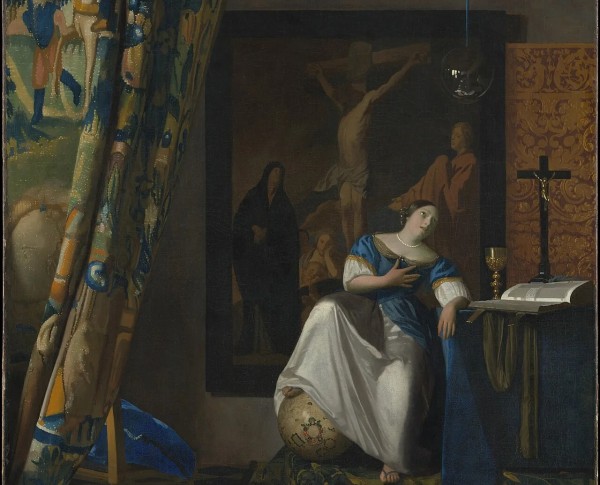
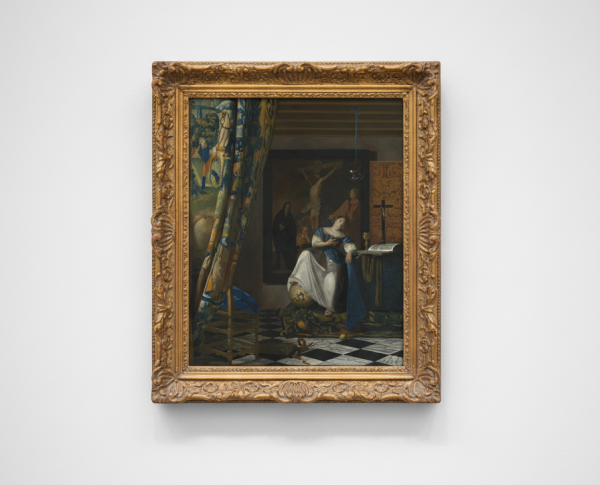
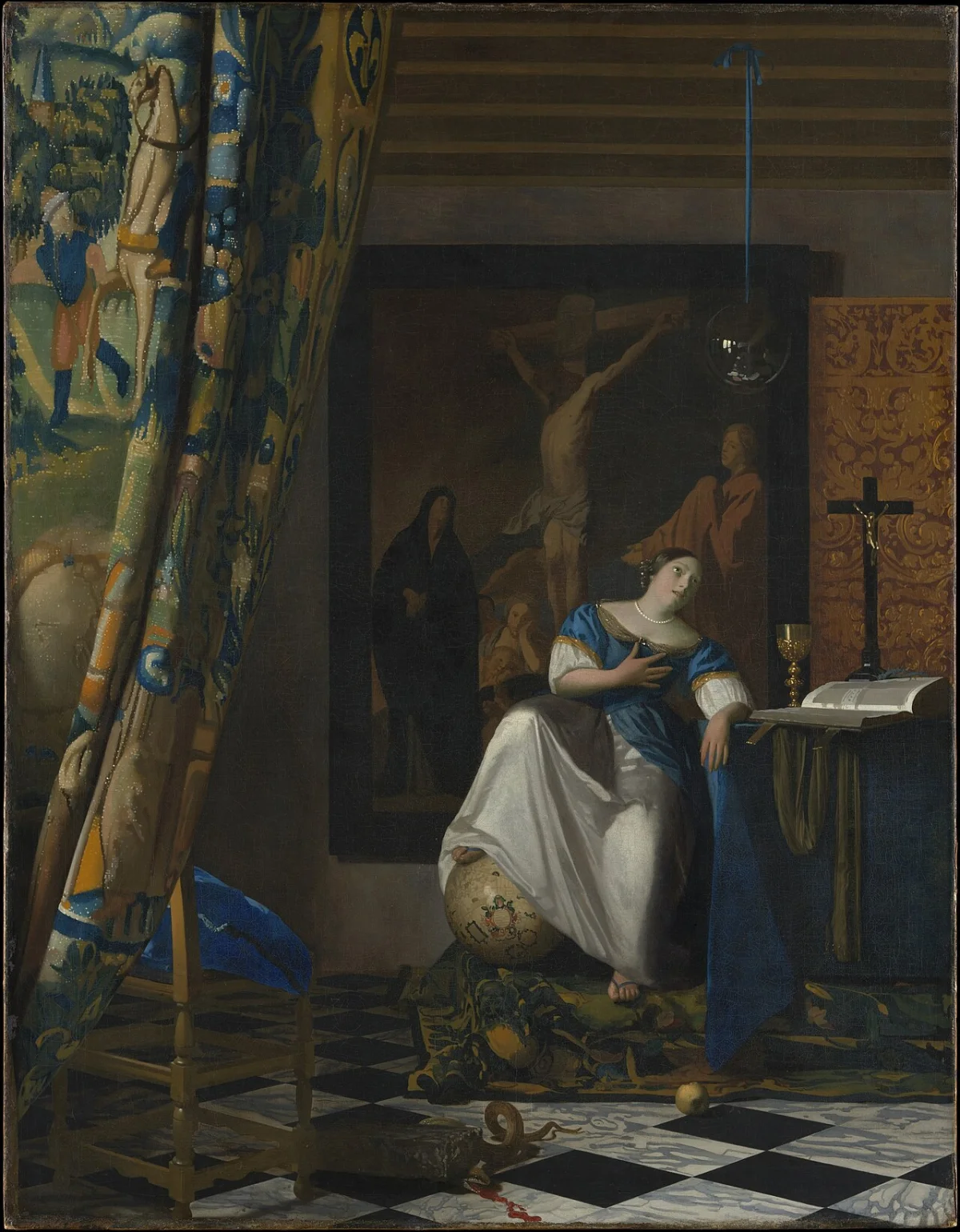
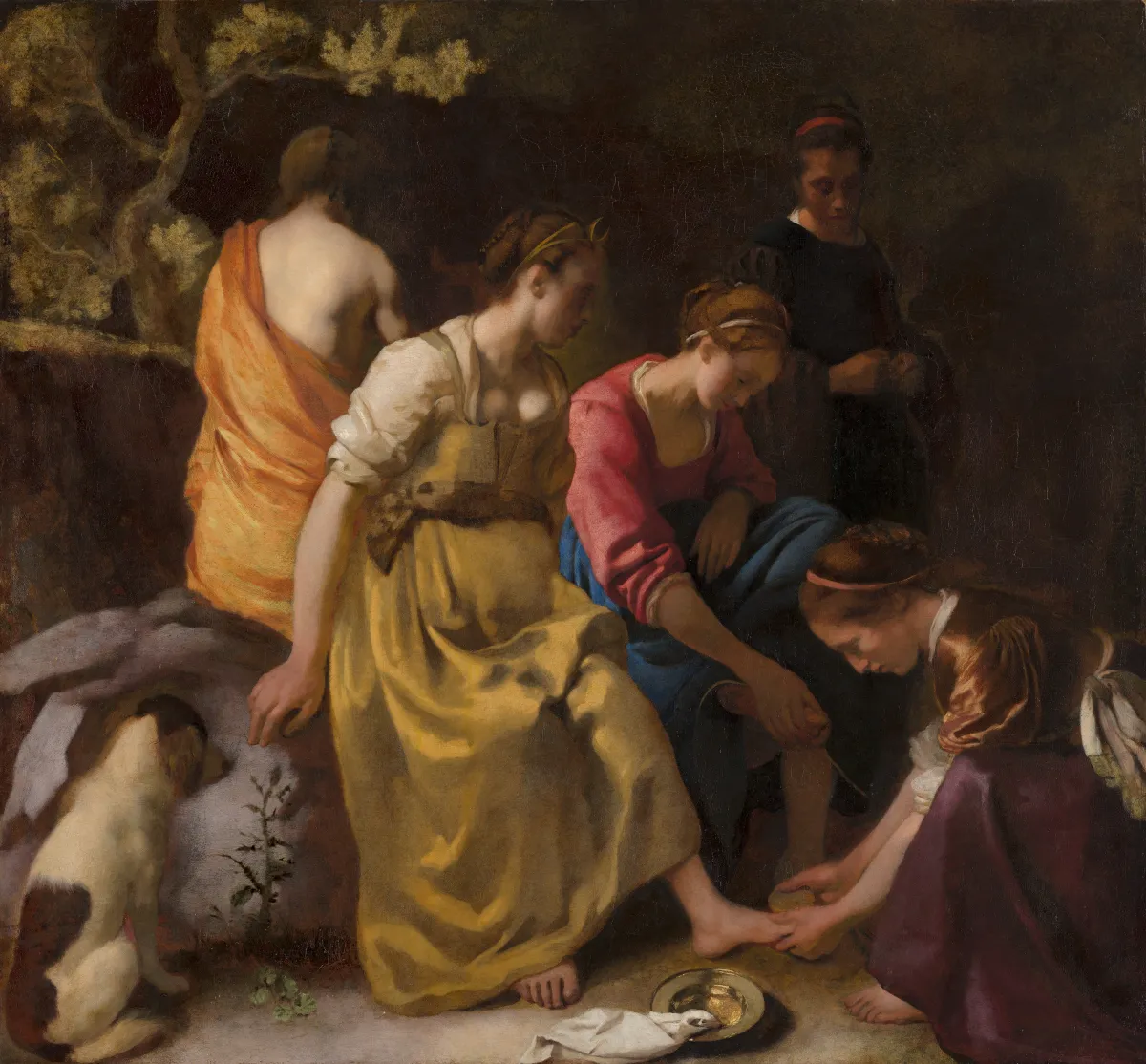
"The Love Letter" is rich with narrative and symbolism, inviting viewers to explore the subtleties hidden within this fine art painting for sale. Vermeer Van Delft masterfully weaves elements such as musical instruments and domestic interiors, typical of the Dutch Golden Age, to suggest themes of romance and secrecy. Art lovers may find thematic echoes in related works like "Allegory of the Catholic Faith" and "Diana and her Nymphs," further deepening their appreciation for Vermeer’s storytelling.
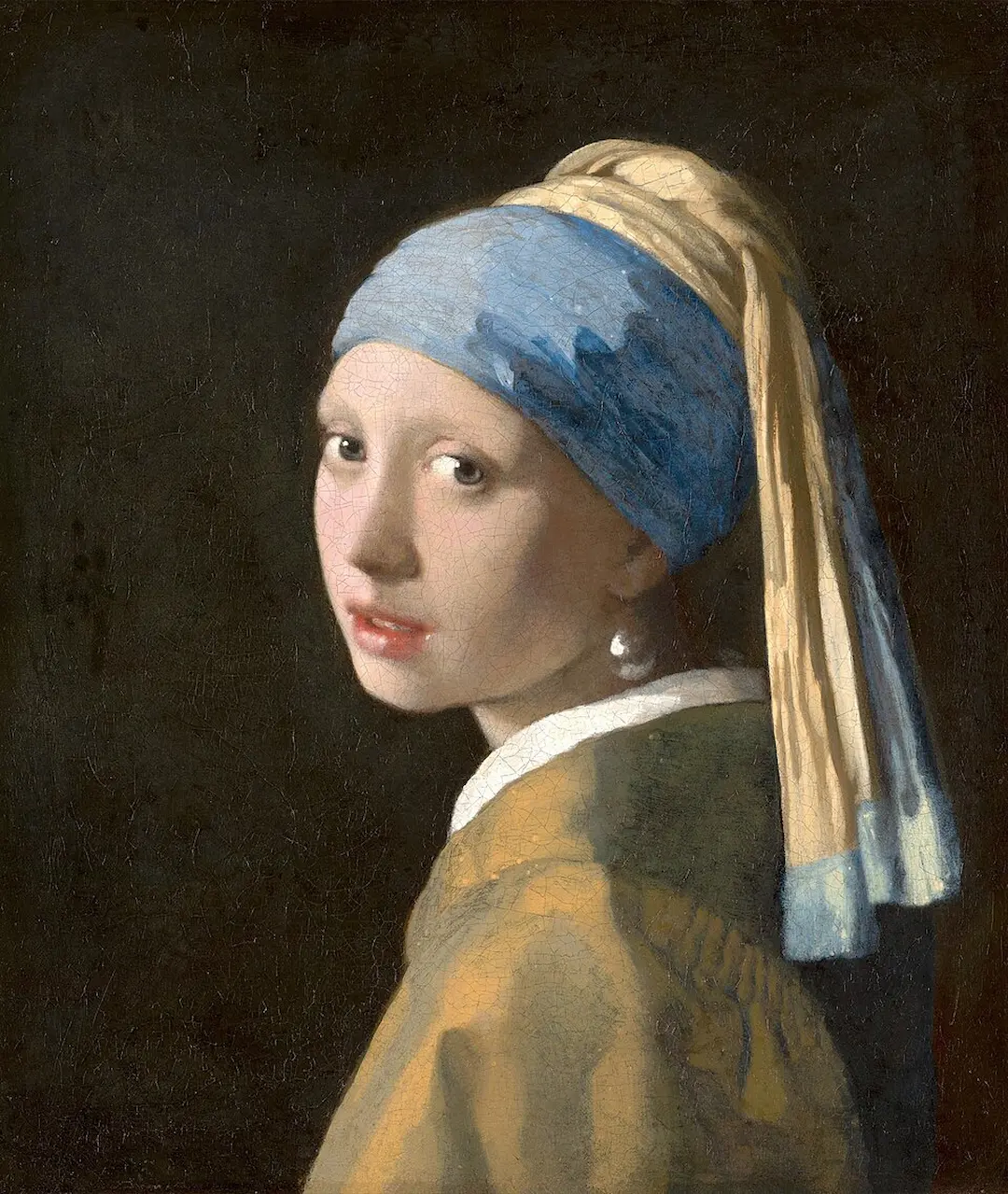
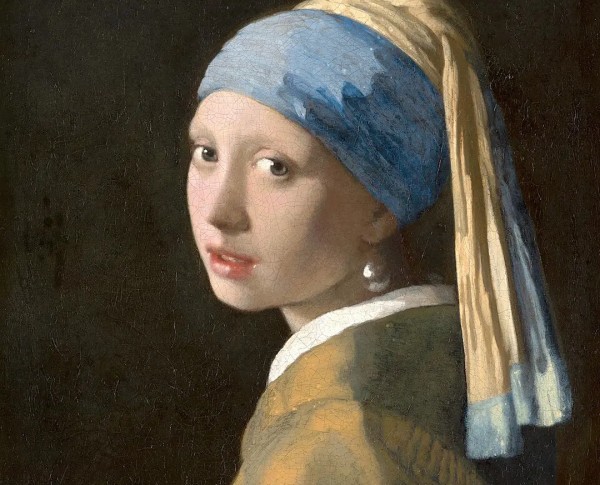
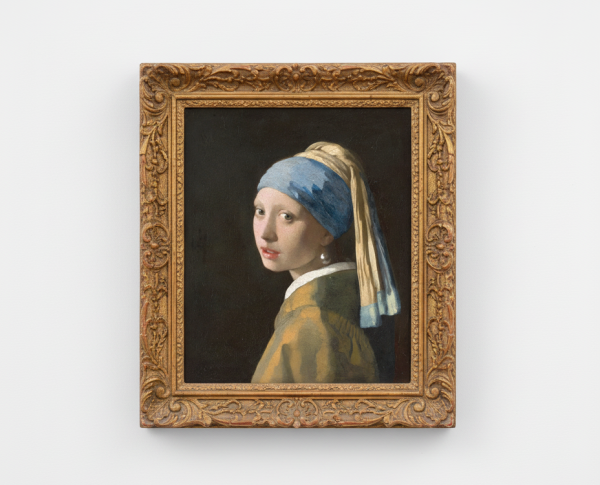
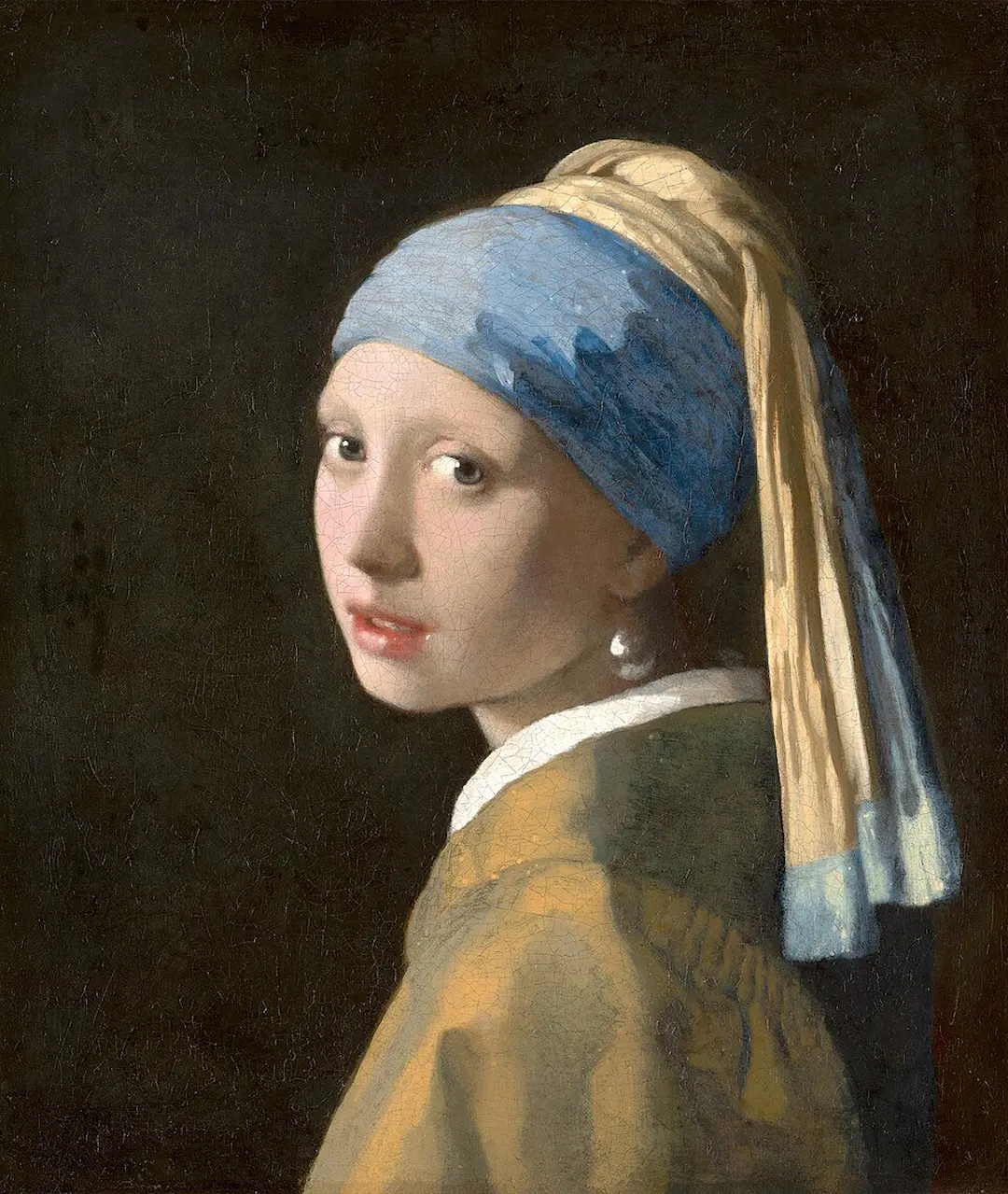
Owning a reproduction of "The Love Letter" allows collectors to experience the allure of a hand-painted oil painting by Jan Vermeer Van Delft, a luminary of the Dutch Golden Age. This masterpiece, along with related products such as "Girl with a Pearl Earring c. 1665" and "View of Delft," remains highly sought after in the world of fine art painting for sale. Enhance your collection with these timeless works that continue to inspire admiration across generations.
When Art Meets History
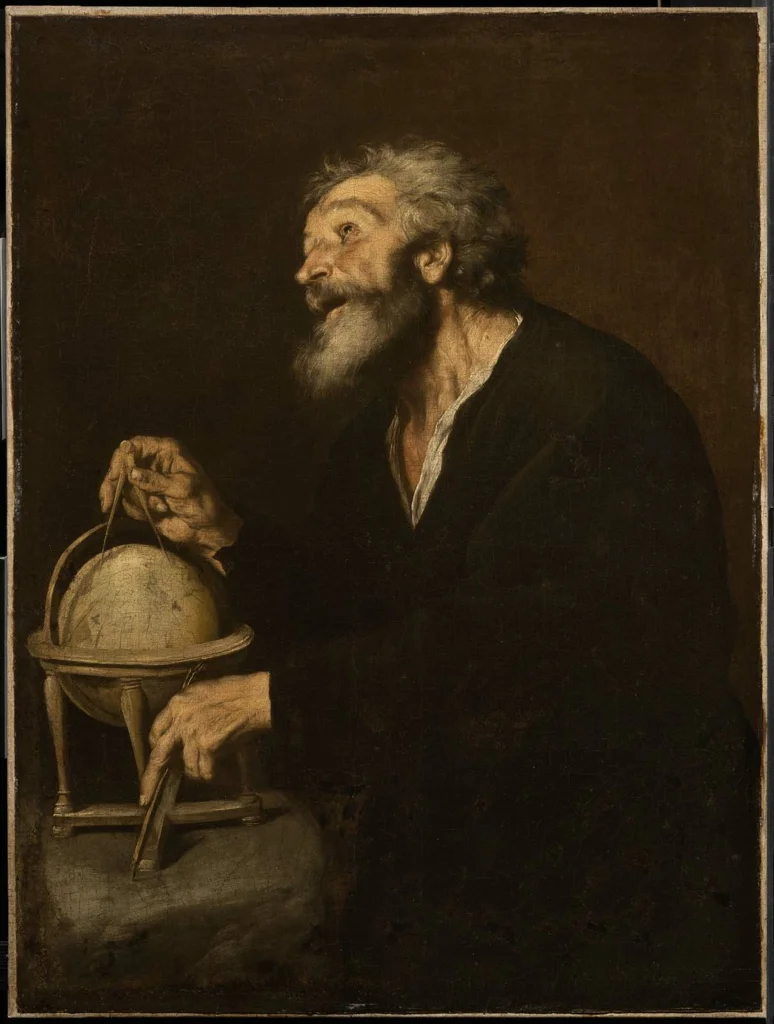
"The Love Letter" by Jan Vermeer Van Delft is a masterpiece from the Dutch Golden Age, a period renowned for its remarkable hand-painted oil paintings. This iconic work reflects the era's fascination with everyday life and intricate storytelling. Like Vermeer’s contemporaries who created "Portrait of a Bearded Man" and "Anatomy Lesson of Dr Tulp," Vermeer captures the nuances of 17th-century society, weaving historical context into every brushstroke of this exceptional hand-painted oil painting.
Techniques That Speak
Jan Vermeer Van Delft’s use of oil on canvas in "The Love Letter" demonstrates his mastery of light, shadow, and perspective. The painting’s delicate textures and luminous surfaces are characteristic of the Dutch Golden Age movement. Similar to works such as "The Sentry" and "Portrait of a Seated Woman with a Handkerchief," Vermeer’s precise layering and glazing techniques bring depth and realism, making this oil on canvas a prime example of the period’s technical brilliance.
Emotions on Display
Vermeer skillfully infuses "The Love Letter" with subtle emotion, capturing a private, poignant moment between the figures. The gentle exchange and serene atmosphere evoke curiosity and empathy, hallmarks of fine art painting for sale during the Dutch Golden Age. Like related paintings such as this work invites viewers to imagine the story behind the scene, making it a timeless expression of human connection and domestic intimacy.
Coveted by Collectors
"The Love Letter" remains highly sought after by collectors and art enthusiasts, much like other masterpieces from the Dutch Golden Age. Jan Vermeer Van Delft’s hand-painted oil paintings, including "The Sentry" and "Anatomy Lesson of Dr Tulp," are prized for their rarity and exquisite craftsmanship. Today, owning a fine art painting for sale from this era is a testament to a collector’s appreciation for history, artistry, and the enduring legacy of the Dutch masters.
Related Dutch Golden Age Hand-Painted Oil Paintings by Other Artists
Other Famous Dutch Golden Age Artists:
Frequently Asked Questions About The Love Letter
What is the historical context of The Love Letter?
The Love Letter was painted by Jan Vermeer Van Delft in the 17th century, a time characterized by the Dutch Golden Age. This period saw significant advancements in art, science, and trade, influencing Vermeer's work and themes.
What artistic techniques did Vermeer employ in The Love Letter?
Vermeer is renowned for his mastery of light and color. In The Love Letter, he utilizes chiaroscuro to create depth and dimension, along with a meticulous attention to detail that enhances the realism of the scene.
What themes are explored in The Love Letter?
The Love Letter explores themes of intimacy, communication, and the complexities of romantic relationships. The act of writing and receiving a love letter symbolizes the emotional exchange between individuals.
What is the significance of the objects depicted in The Love Letter?
The objects in the painting, such as the letter and the musical instruments, symbolize love and the arts. They reflect the cultural values of the time, where communication and artistic expression were highly regarded.
How does Vermeer use color in The Love Letter?
Vermeer employs a rich palette, utilizing vibrant blues and yellows to create a harmonious composition. The colors not only enhance the visual appeal but also evoke a sense of warmth and intimacy within the scene.
What role does light play in The Love Letter?
Light is a crucial element in The Love Letter, as Vermeer skillfully captures natural light streaming through the window. This technique adds realism and highlights the emotional atmosphere of the moment being depicted.
Who are the figures in The Love Letter, and what do they represent?
The figures in The Love Letter represent a young woman and a maid, embodying the themes of love and service. Their interaction suggests a moment of personal significance, reflecting the societal roles of women during the 17th century.
How does The Love Letter reflect Dutch society in the 17th century?
The Love Letter reflects the values of Dutch society, emphasizing domestic life, social interaction, and the importance of personal relationships. It captures the essence of everyday life during the Dutch Golden Age.
What is the significance of the title, The Love Letter?
The title, The Love Letter, directly references the central theme of the painting—the act of writing and receiving love letters, which were vital forms of communication in romantic relationships during Vermeer's time.
How has The Love Letter influenced modern art and culture?
The Love Letter has influenced modern art and culture by highlighting the importance of personal narratives and emotional expression. Its depiction of intimate moments continues to resonate with contemporary audiences, inspiring artists and writers alike.























_GFM_Painting_(1).webp)


 100% Hand-Painted: Finished in 3-6 Weeks

.png)















_(1).webp)