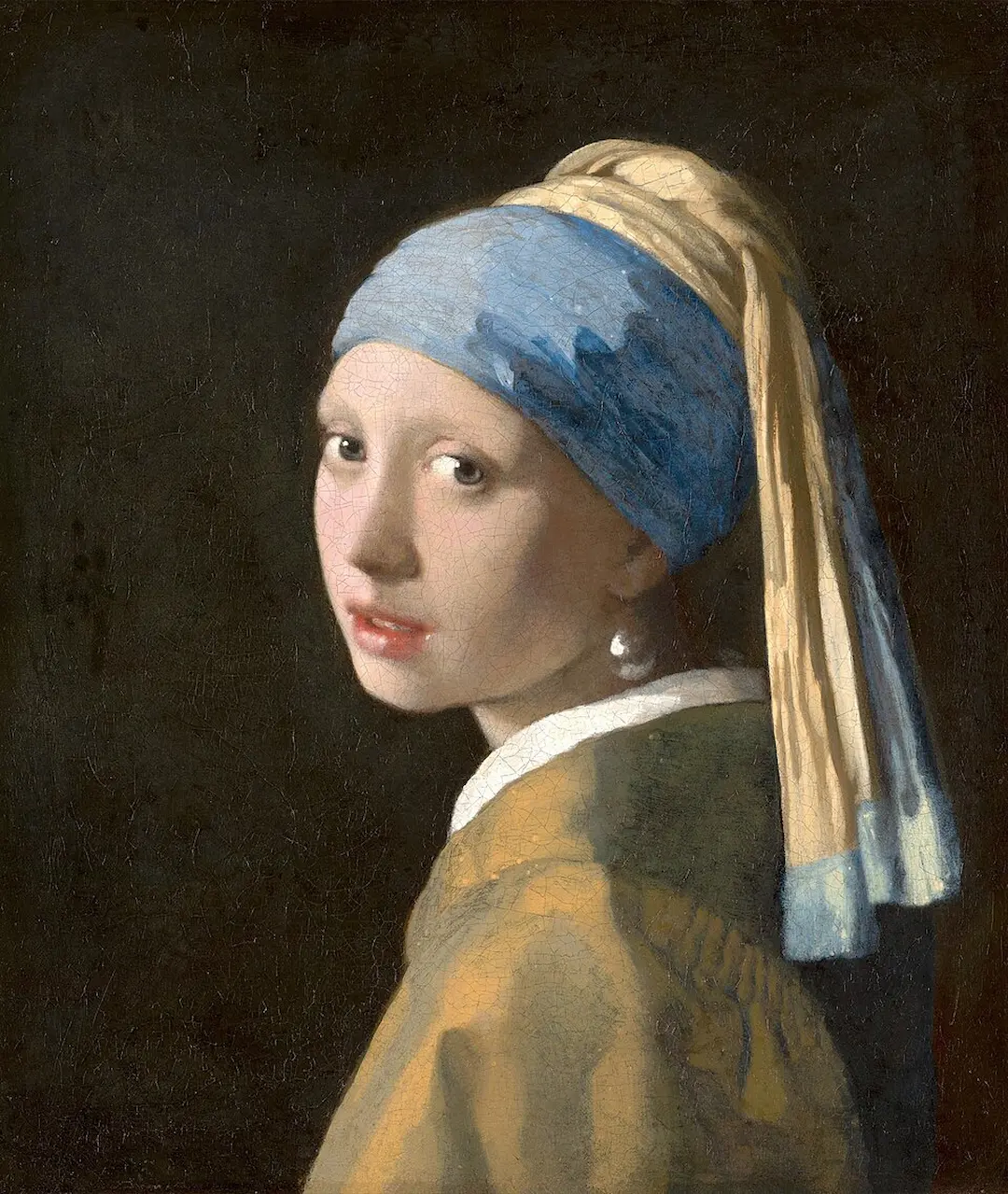
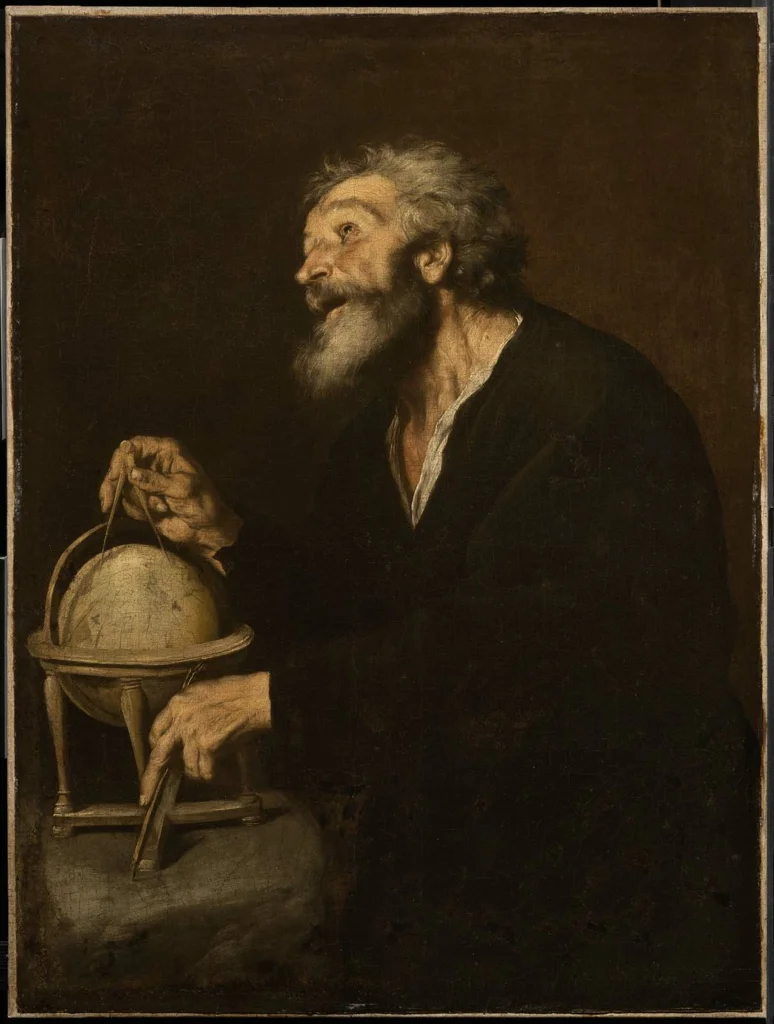
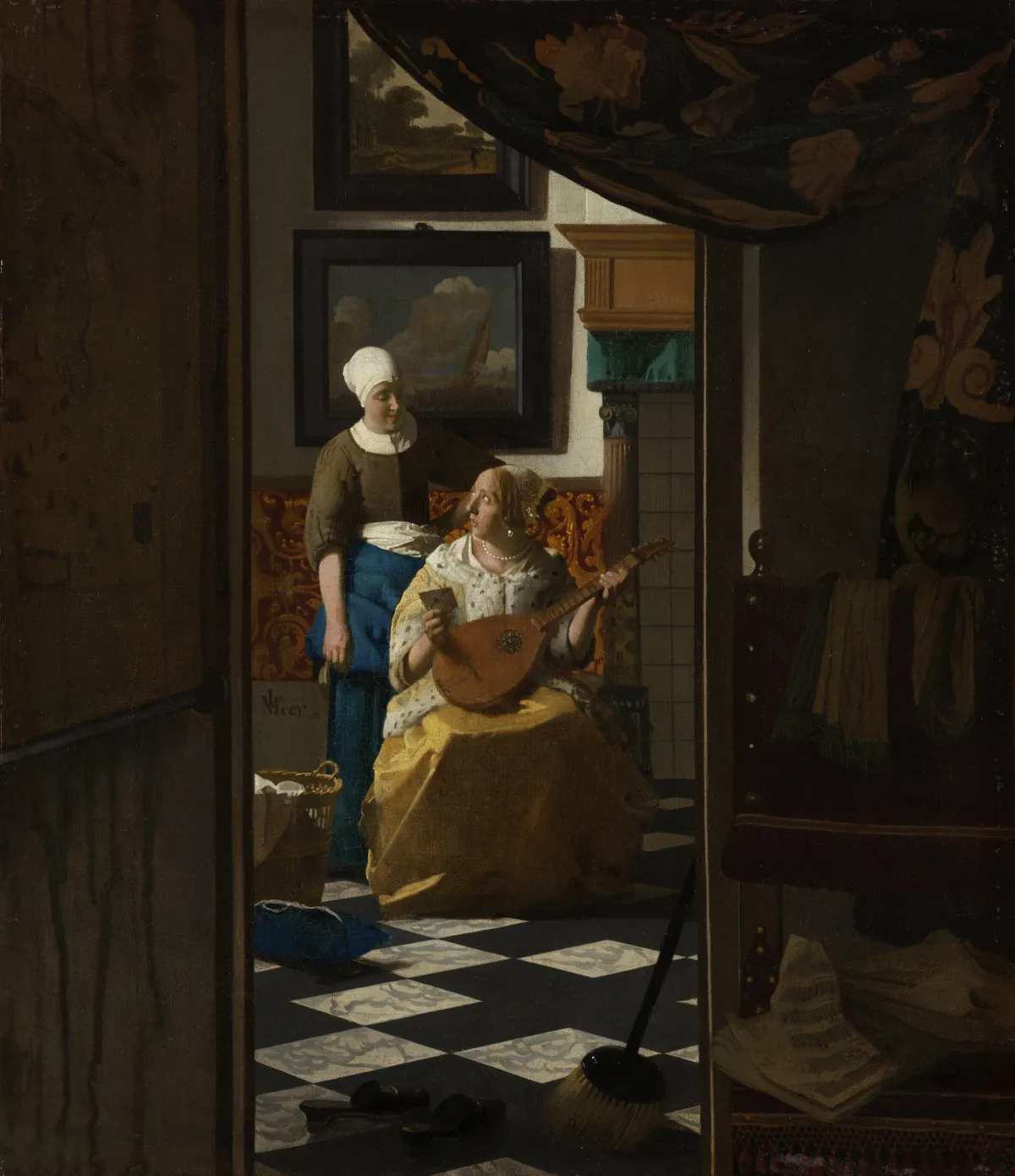
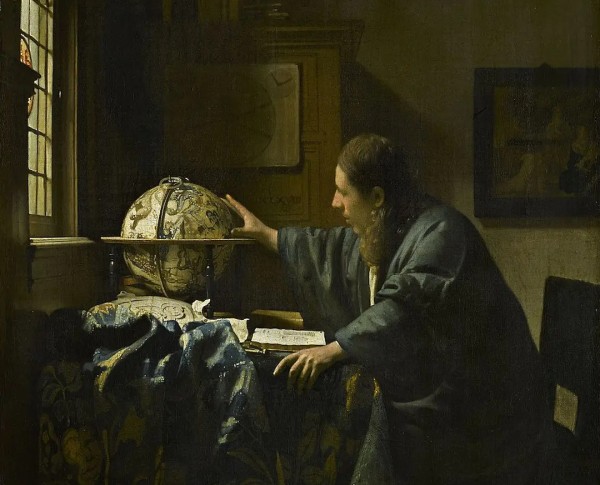
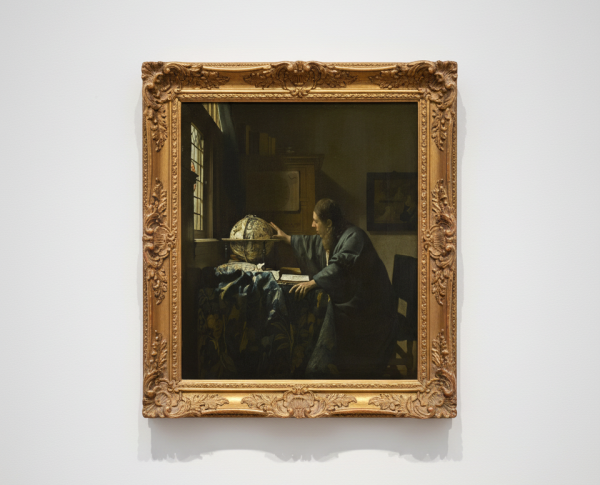
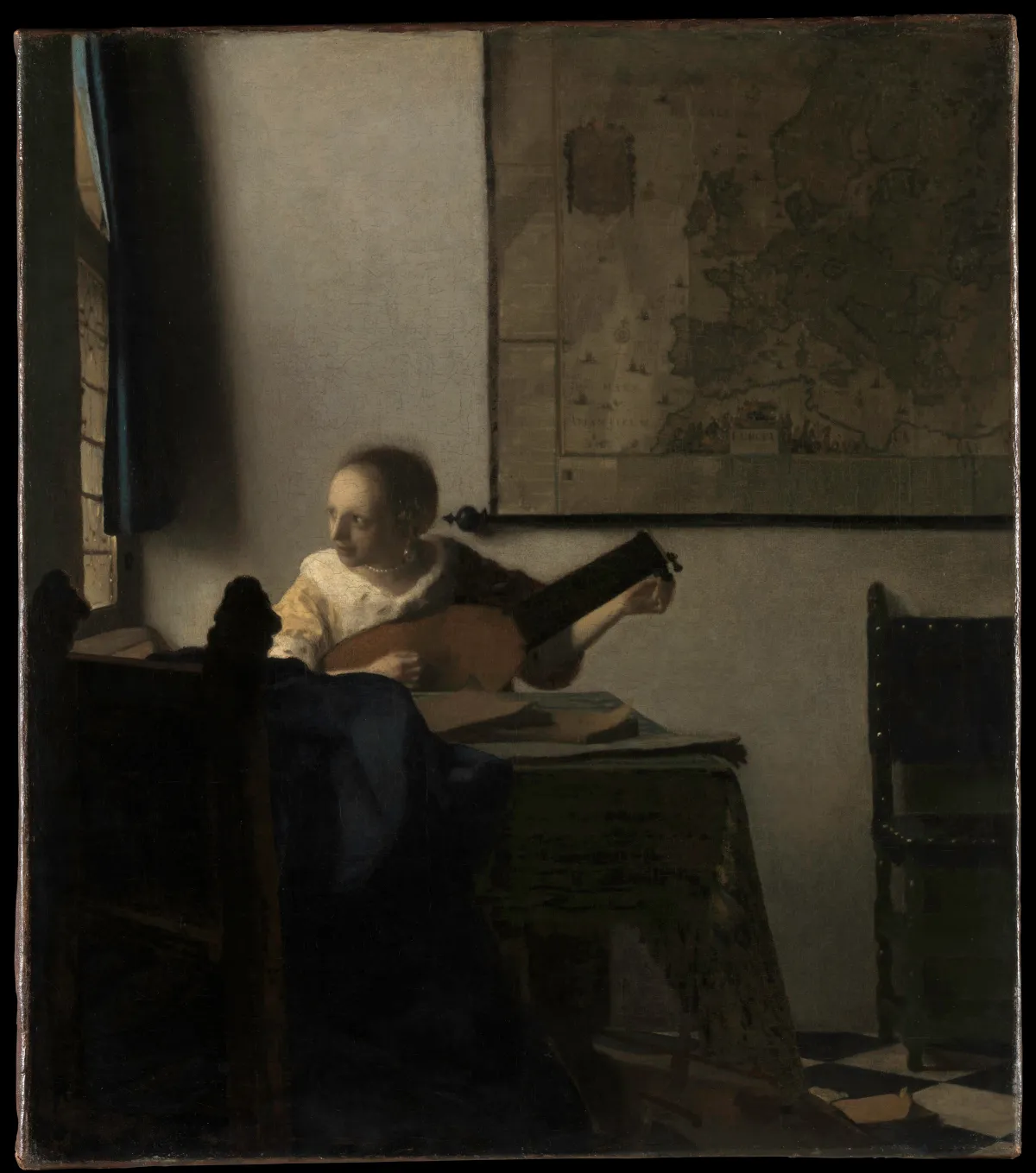
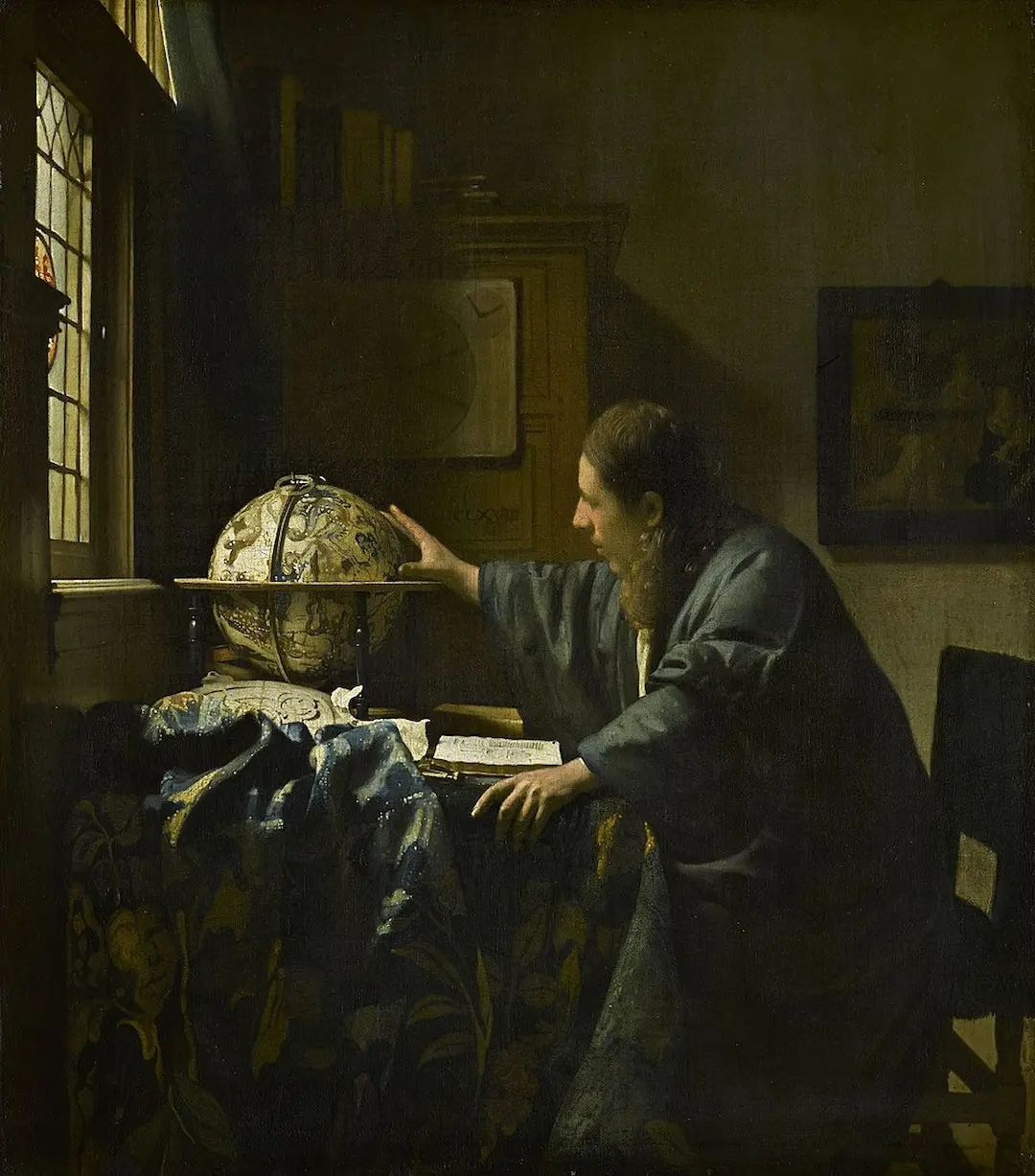
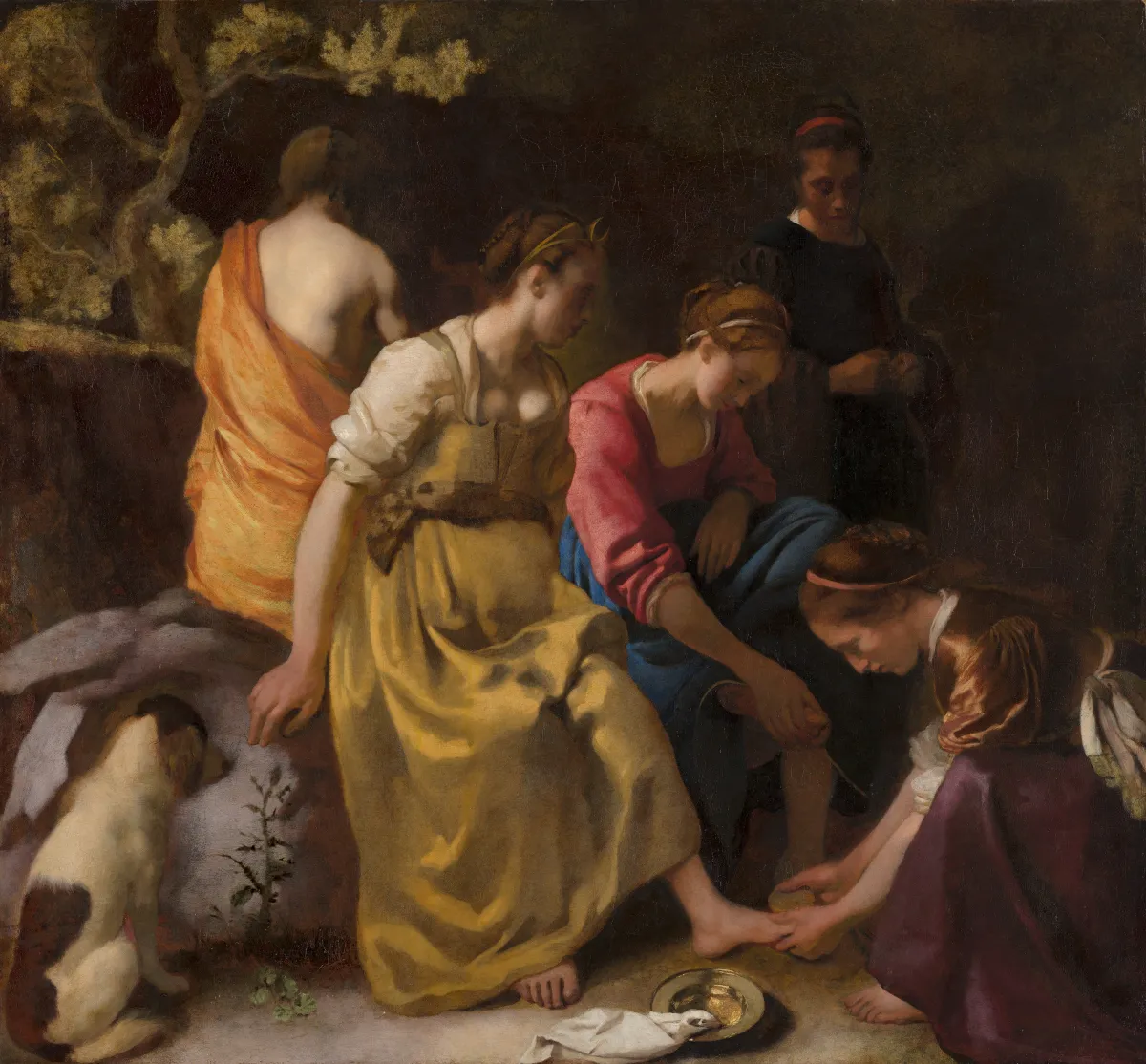
Jan Vermeer Van Delft’s exceptional technique is evident in every detail of "Woman with a Lute," an oil on canvas masterpiece. The artist’s ability to capture light, texture, and subtle emotion marks him as a true master of the Dutch Golden Age. This painting, alongside works like "Diana and her Nymphs" and "The Geographer," exemplifies Vermeer’s unmatched skill in rendering everyday moments with extraordinary beauty, making each fine art painting for sale highly desirable among collectors.
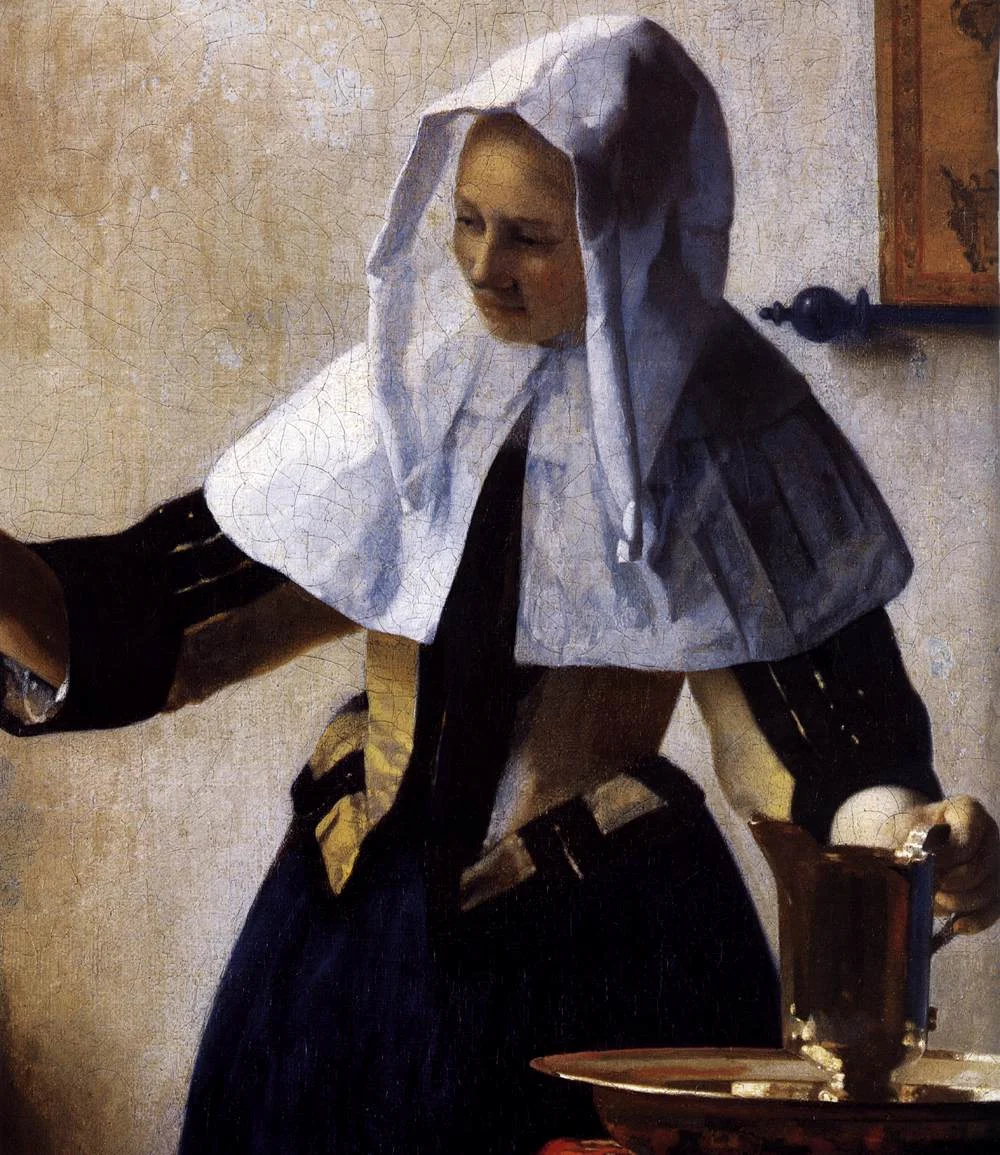
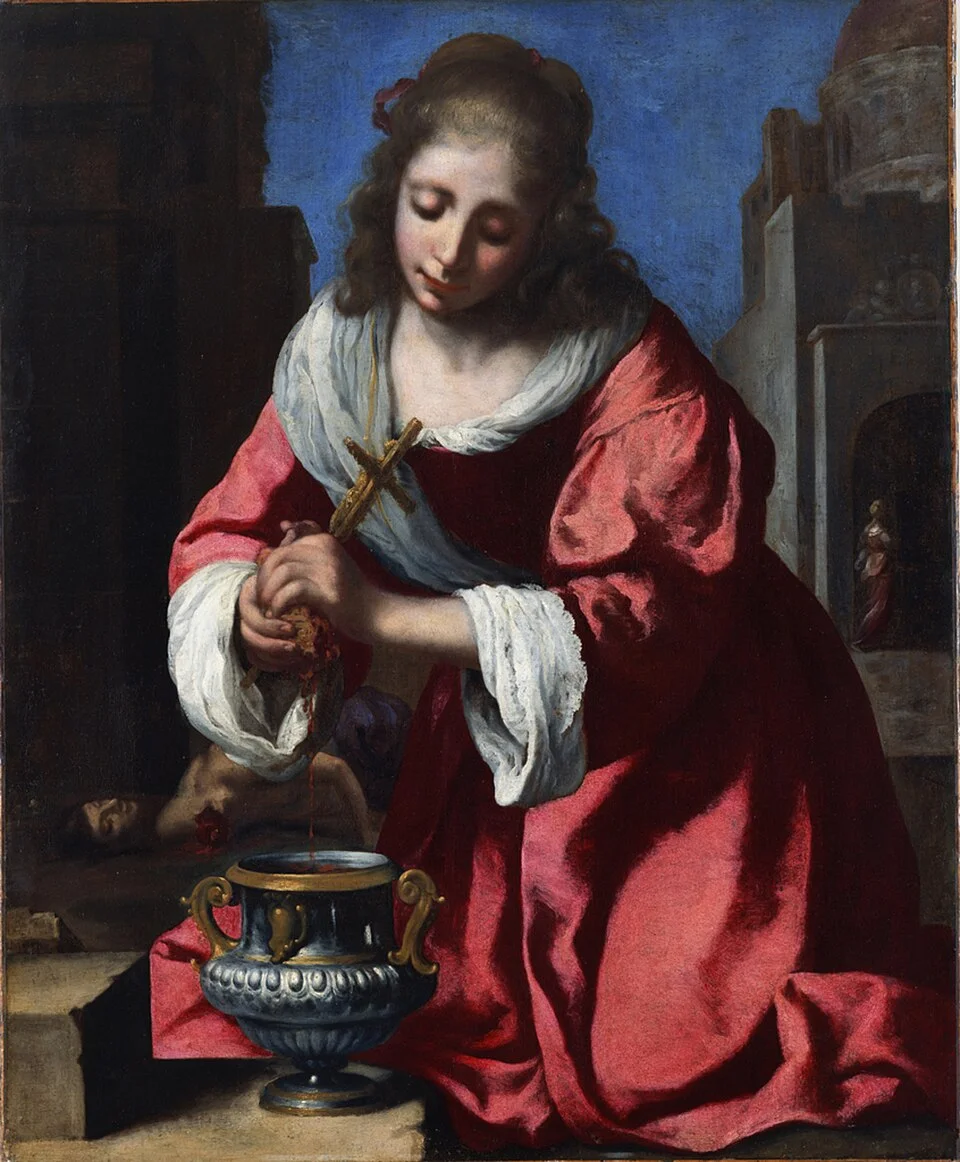
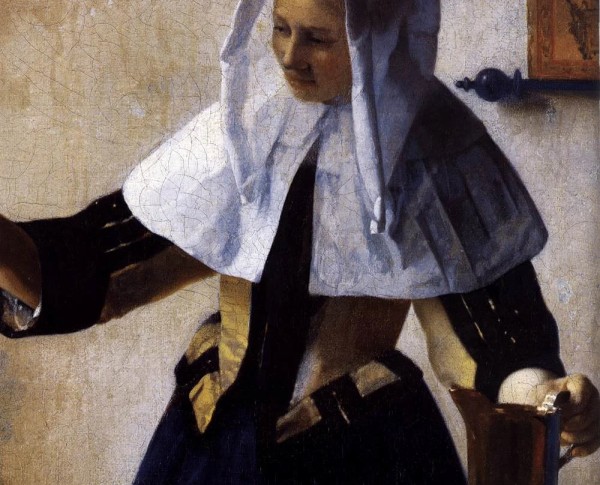
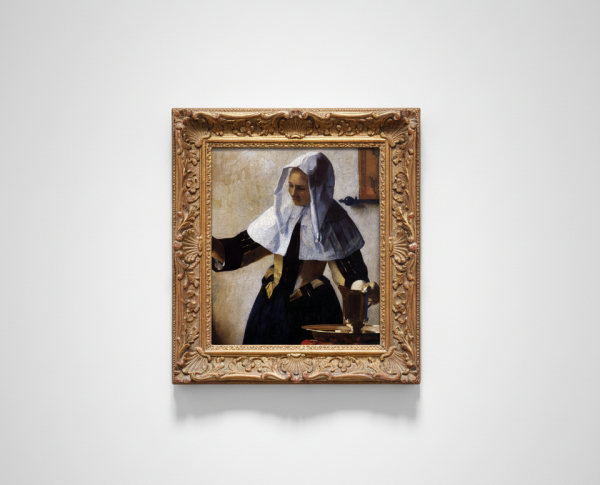
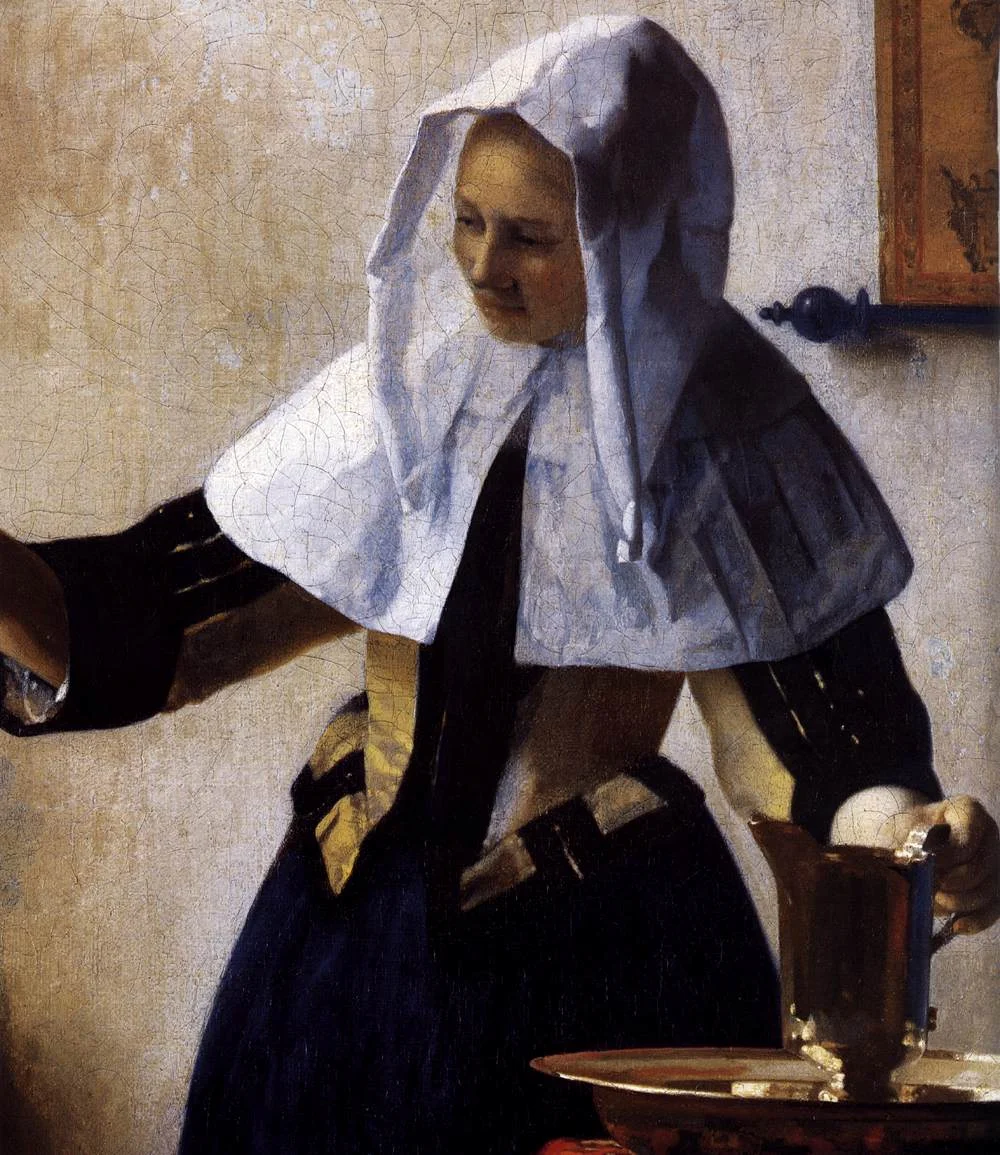
"Woman with a Lute" is rich in symbolism, with the musical instrument suggesting harmony, longing, or the passage of time—a theme often explored in Dutch Golden Age art. Jan Vermeer Van Delft’s meticulous attention to detail in this hand-painted oil painting invites viewers to ponder the narrative behind the subject’s gaze. Collectors are drawn not only to this piece but also to related works like "Saint Praxedis" and "Woman with a Water Jug" for their layered meanings and timeless appeal.
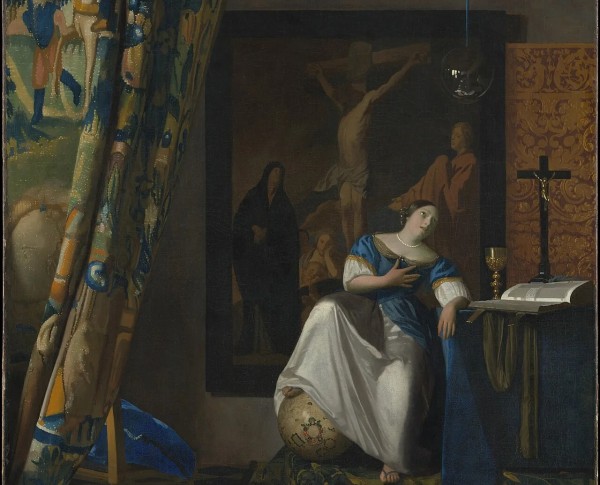
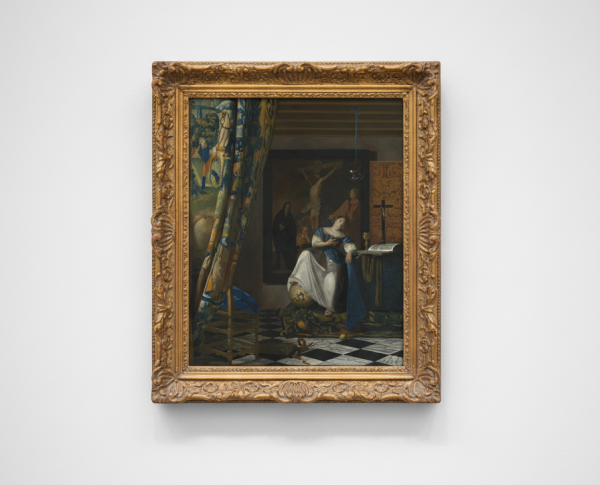
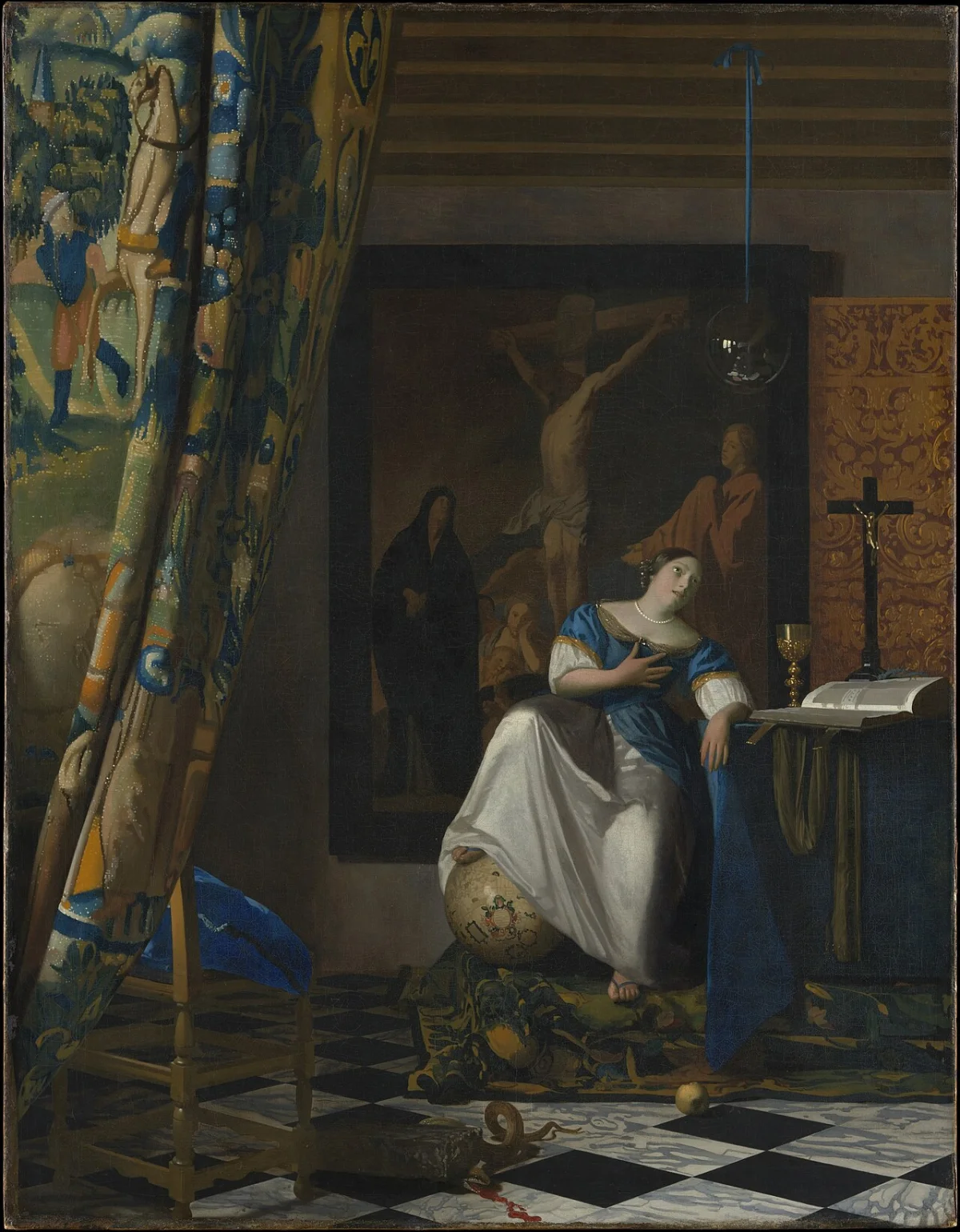
For art enthusiasts seeking a fine art painting for sale, "Woman with a Lute" by Jan Vermeer Van Delft represents an exceptional acquisition. Its oil on canvas construction ensures lasting beauty, while its connection to the Dutch Golden Age enhances its value. Those interested in expanding their collection often pursue related masterpieces such as "The Art of Painting," "Diana and her Nymphs," and "The Geographer" to complement the enduring allure of Vermeer’s celebrated works.
When Art Meets History
"Woman with a Lute" by Jan Vermeer Van Delft stands as a testament to the Dutch Golden Age, a period renowned for its masterful hand-painted oil paintings. Created in the mid-17th century, this work reflects the era’s fascination with domestic tranquility and everyday life. Vermeer’s artistry can be appreciated alongside related masterpieces like "Man in a Golden Helmet c. 1650" and "The Night Watch", further highlighting the rich cultural tapestry of the time.
Techniques That Speak
Jan Vermeer Van Delft’s "Woman with a Lute" showcases the exquisite use of oil on canvas, a hallmark of Dutch Golden Age painting. The delicate interplay of light and shadow, combined with Vermeer’s precise brushwork, creates a lifelike atmosphere. This technique is reminiscent of other notable works, such as "Philosopher in Meditation 1632" and "The Return of the Prodigal Son c. 1669", all of which display the technical mastery of this movement.
Emotions on Display
In "Woman with a Lute", Vermeer Van Delft captures an intimate moment, inviting viewers to contemplate the sitter’s thoughts and emotions. The painting’s serene mood, characteristic of fine art painting for sale from the Dutch Golden Age, evokes a sense of quiet introspection. This emotional depth is echoed in related pieces like "Christ In The Storm On The Sea Of Galilee", where the inner world of the subject is rendered with remarkable sensitivity.
Coveted by Collectors
"Woman with a Lute" remains highly sought after among collectors of Dutch Golden Age art, valued not only for its beauty but also for its historical significance. As a prime example of a hand-painted oil painting by Jan Vermeer Van Delft, it stands alongside treasures like "The Night Watch" and "The Return of the Prodigal Son c. 1669". Such works continue to command admiration in galleries and auctions worldwide.
Related Dutch Golden Age Hand-Painted Oil Paintings by Other Artists
Other Famous Dutch Golden Age Artists:
Frequently Asked Questions About Woman with a Lute
What is the historical context of "Woman with a Lute"?
"Woman with a Lute" was painted by Jan Vermeer Van Delft in the late 17th century, a period characterized by the Dutch Golden Age, when art flourished due to economic prosperity and cultural advancements in the Netherlands.
What artistic techniques did Vermeer use in this painting?
Vermeer employed techniques such as chiaroscuro to create depth and realism, as well as his signature use of light to illuminate the subject and enhance the overall composition.
What is the significance of the lute in the painting?
The lute symbolizes harmony and the arts, reflecting the cultural values of the time. It also suggests themes of music and femininity, as women were often associated with domestic music-making in 17th-century Dutch society.
How does Vermeer portray the subject's emotional state?
The woman's contemplative expression and the gentle posture suggest introspection and tranquility, inviting viewers to engage with her emotional world and the serene atmosphere of the scene.
What role does color play in "Woman with a Lute"?
Vermeer’s use of a rich yet subtle color palette enhances the painting's mood. The warm tones of the woman's attire contrast with the cooler background, drawing attention to her and creating a sense of intimacy.
What does the composition of the painting convey?
The composition is carefully balanced, with the figure of the woman positioned centrally, which emphasizes her importance. The diagonal lines created by her body and the lute guide the viewer's eye throughout the artwork.
How does this painting reflect Vermeer’s style?
This work exemplifies Vermeer’s mastery of light, texture, and detail, showcasing his ability to create intimate domestic scenes that resonate with viewers on both emotional and aesthetic levels.
What is the significance of the setting in "Woman with a Lute"?
The interior setting reflects the domestic sphere of women in the 17th century, emphasizing themes of privacy and the quiet beauty of everyday life, which are central to Vermeer’s body of work.
What are the common themes found in Vermeer’s paintings?
Common themes in Vermeer’s work include domesticity, the role of women, the interplay of light and shadow, and the celebration of everyday moments, all of which are evident in "Woman with a Lute."
How has "Woman with a Lute" influenced modern art?
The painting has inspired countless artists and art movements by highlighting the importance of light, color, and composition, as well as the portrayal of intimate human experiences, influencing both realism and modern interpretations of domestic life.























_GFM_Painting_(1).webp)


 100% Hand-Painted: Finished in 3-6 Weeks

.png)















_(1).webp)