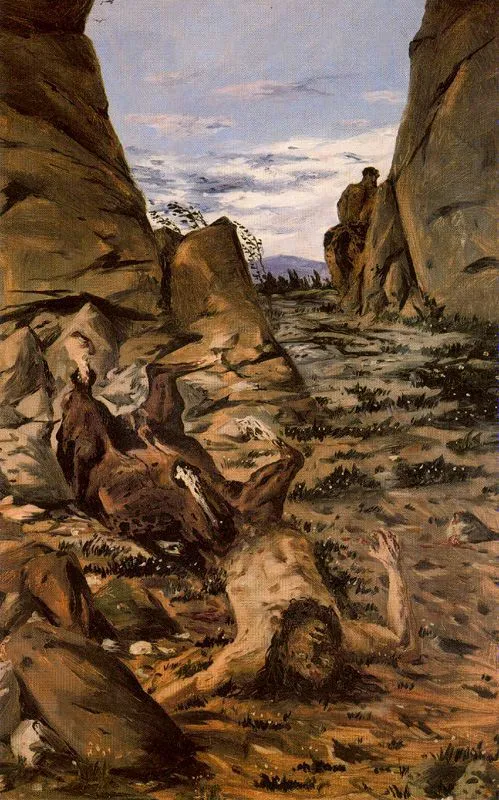
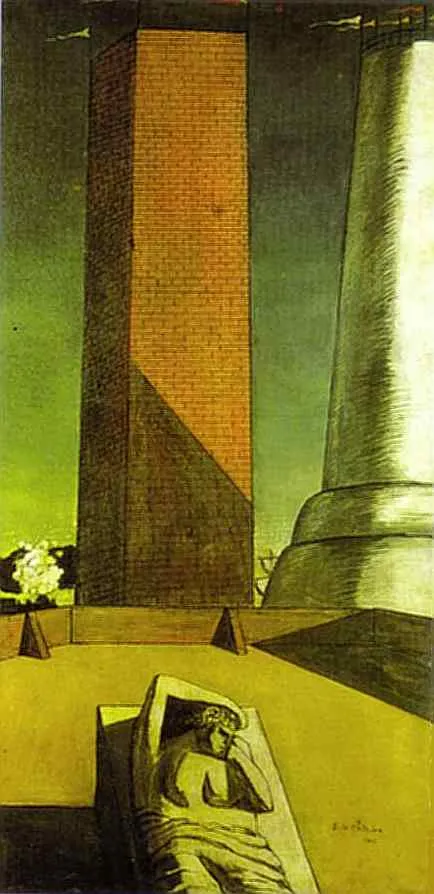
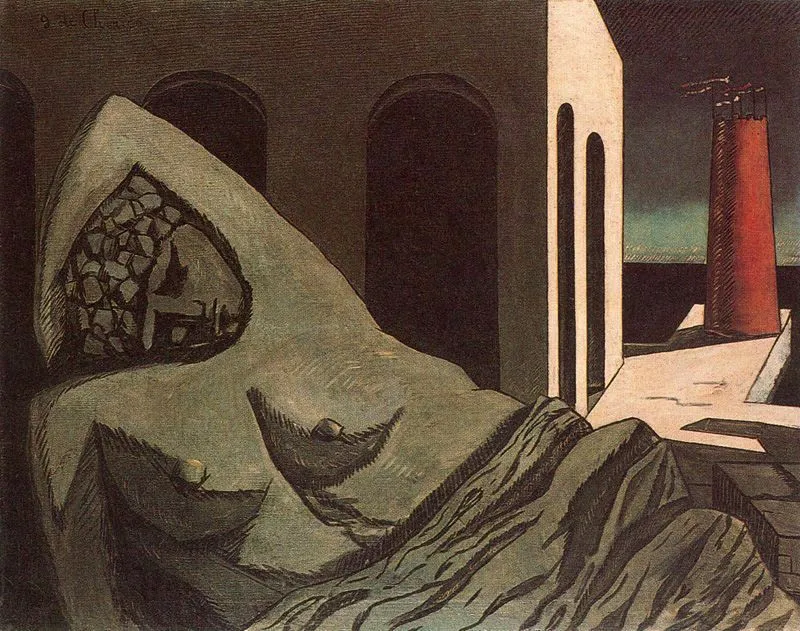
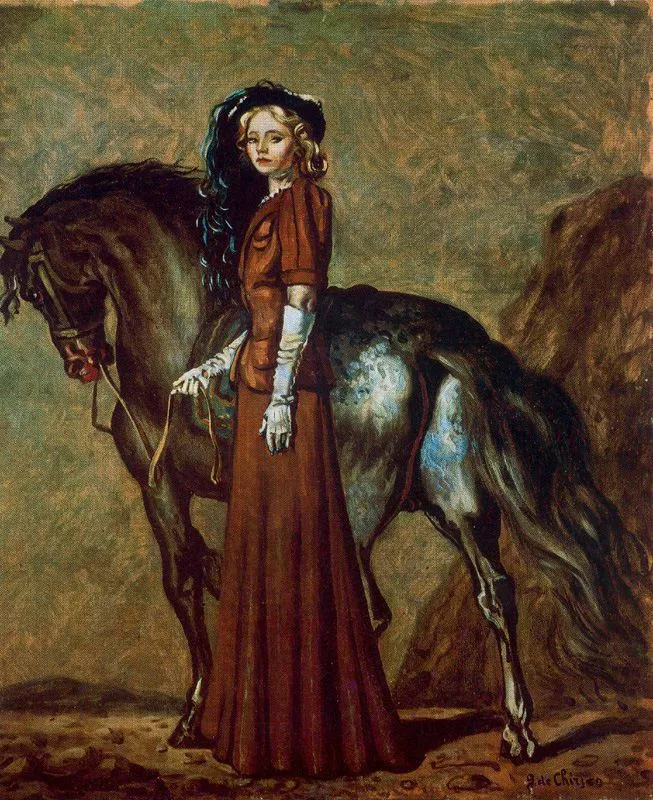
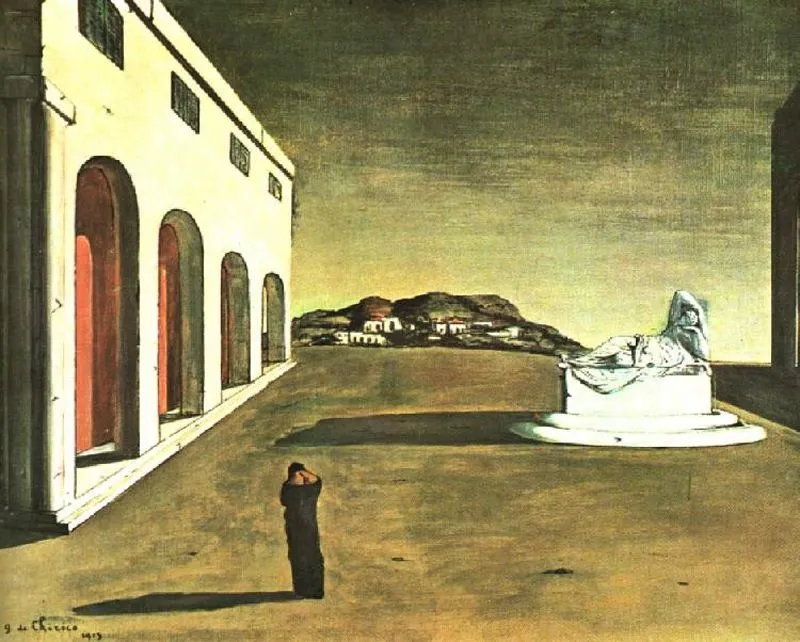
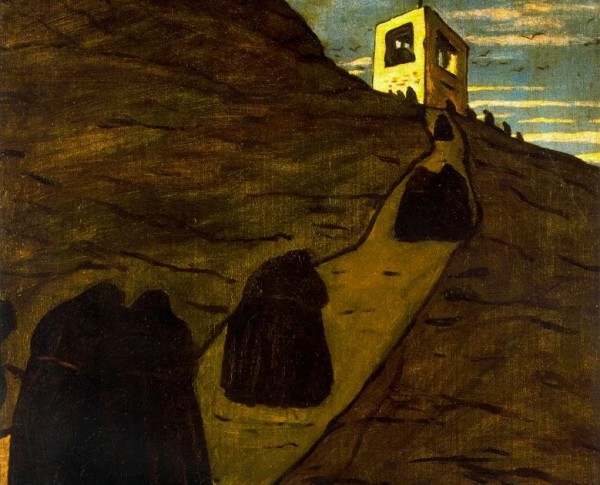
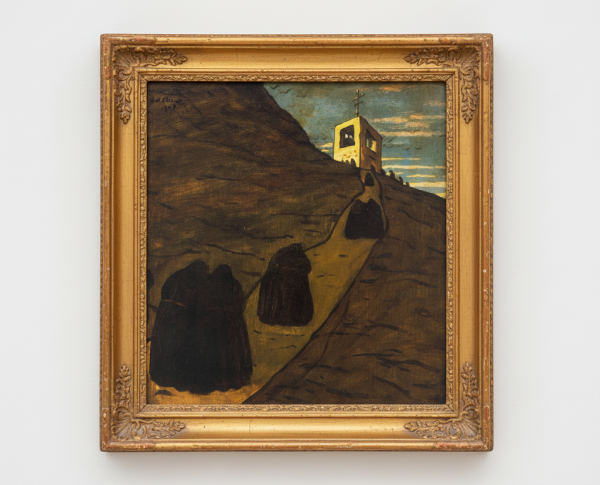
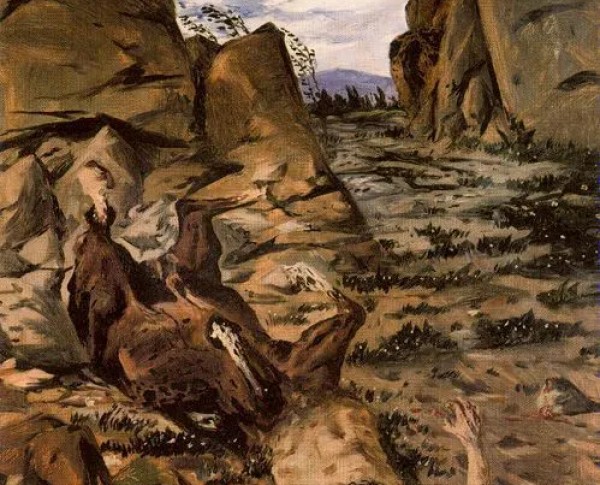
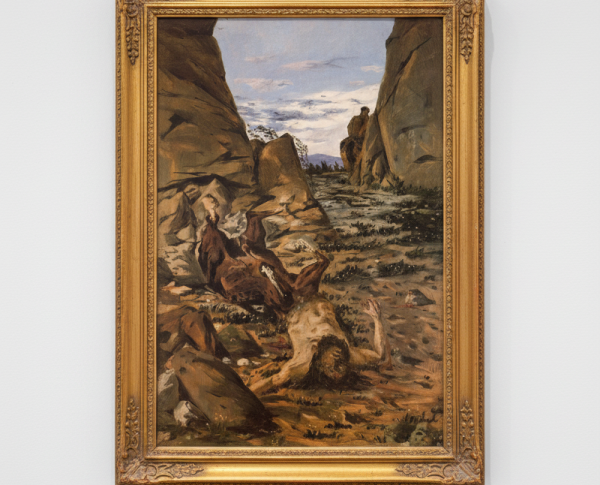
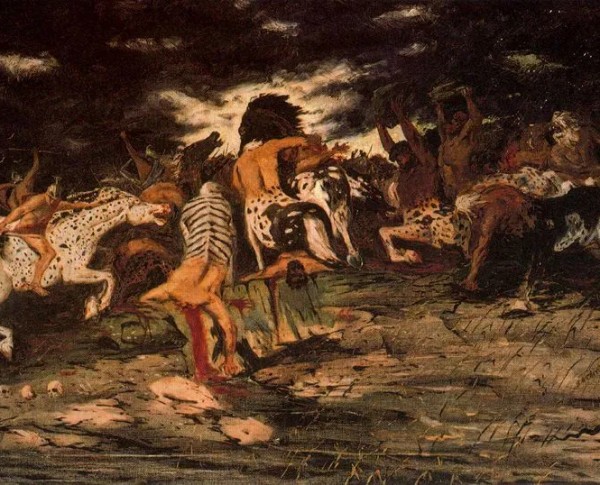
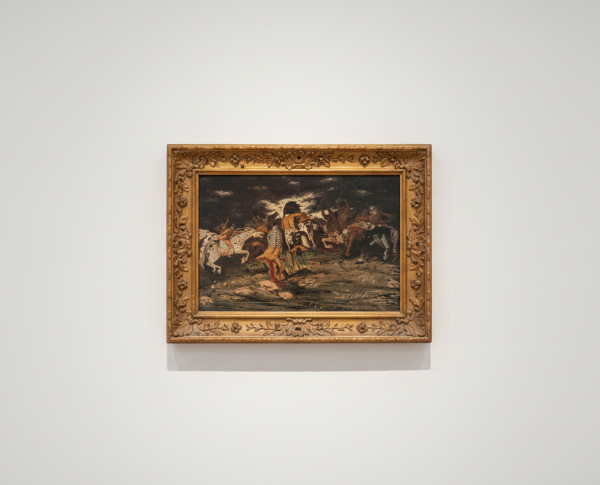
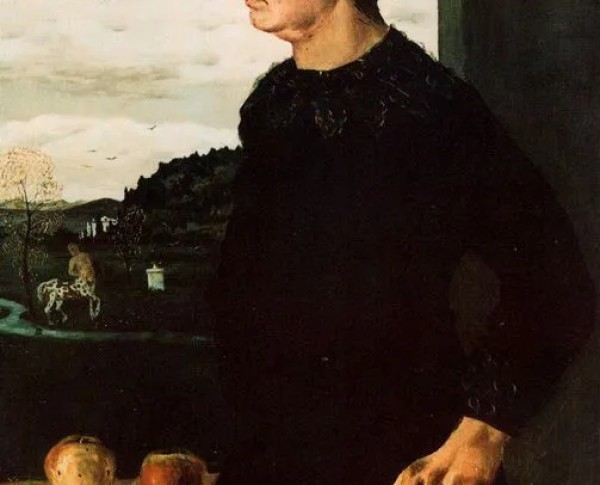
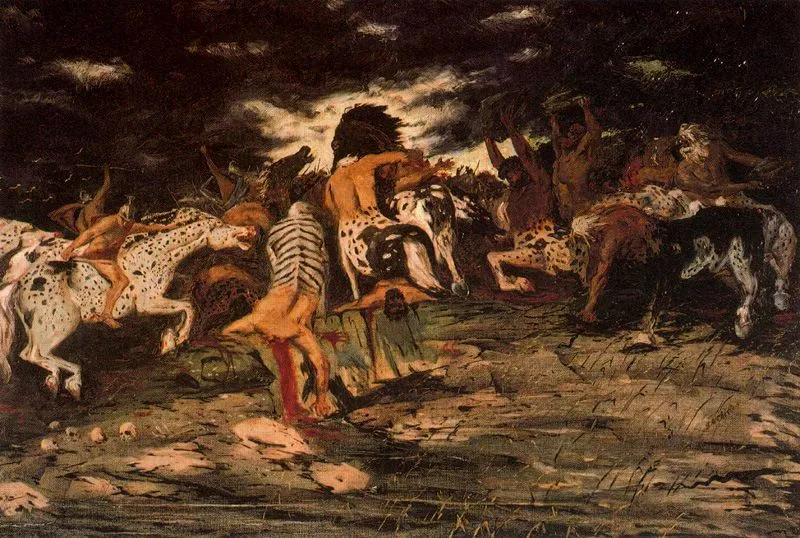
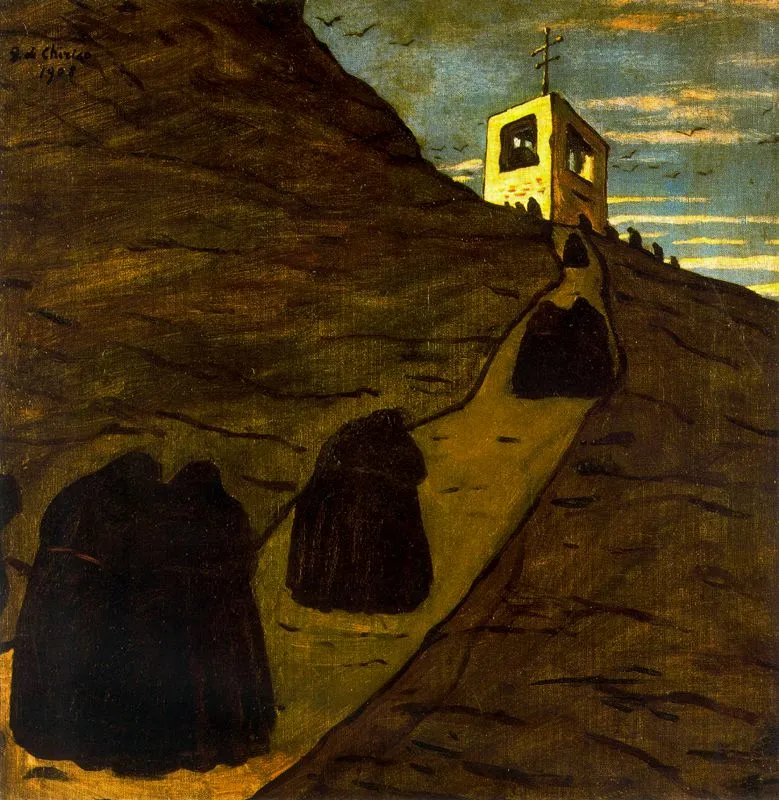
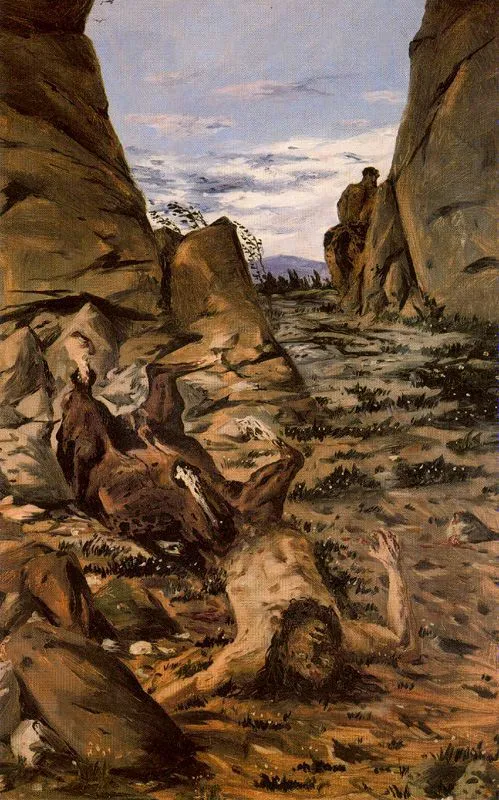
Giorgio de Chirico's technique in "The battle of Lapiths and Centaurs" reveals his mastery of oil on canvas. With meticulous brushwork and a surreal palette, de Chirico brings ancient legends to life, embodying the spirit of the Surrealism movement. Each stroke contributes to the painting’s enigmatic atmosphere, making it a coveted piece for art lovers. Complement your collection with related products like "Dying Centaur" and "Climb to the Monastery" for a cohesive display.
This hand-painted oil painting is rich with allegorical meaning and symbolic depth. Giorgio de Chirico weaves the mythological narrative of Lapiths and Centaurs into a tapestry of surreal forms, challenging viewers to interpret the underlying stories. As a representative of the Surrealism movement, this work stands alongside related products such as "Dying Centaur" and "Climb to the Monastery," offering collectors a chance to own a piece steeped in history and intrigue.
"The battle of Lapiths and Centaurs" is a fine art painting for sale that appeals to discerning collectors and admirers of Giorgio de Chirico. Its unique blend of myth, symbolism, and Surrealism ensures lasting value and conversation. When paired with other oil on canvas works like "Dying Centaur" or "Climb to the Monastery," this painting becomes a centerpiece in any collection, celebrating the enduring legacy of de Chirico’s visionary artistry.
When Art Meets History
Giorgio de Chirico’s "The battle of Lapiths and Centaurs" stands as a remarkable hand-painted oil painting that reimagines Greek mythology through the lens of Surrealism. Painted during a pivotal era, the work merges ancient legend with modern artistic innovation. De Chirico, renowned for his enigmatic style, transforms the mythic battle into a dreamlike tableau. As with other Surrealist masterpieces, this painting bridges the gap between historical narrative and imaginative interpretation, making it a unique addition to any collection.
Techniques That Speak
Utilizing oil on canvas, Giorgio de Chirico instills "The battle of Lapiths and Centaurs" with a sense of timelessness and intrigue. His signature use of bold outlines, haunting shadows, and muted colors creates a surreal atmosphere that captivates viewers. This approach, seen in many of his Surrealist works, emphasizes the tension and drama of the mythological subject. The artist’s mastery of the oil medium ensures each detail contributes to the painting’s evocative and mysterious mood.
Emotions on Display
In "The battle of Lapiths and Centaurs," de Chirico channels intense emotion through enigmatic figures and dreamlike landscapes, hallmarks of the Surrealism movement. The painting’s composition invites viewers to experience both chaos and contemplation, blending mythic violence with introspective calm. As a fine art painting for sale, it stands out for its ability to evoke deep psychological responses, much like de Chirico’s other iconic works that blur the line between reality and imagination.
Coveted by Collectors
Collectors worldwide seek out "The battle of Lapiths and Centaurs" by Giorgio de Chirico for its fusion of historical myth and modern artistry. This hand-painted oil painting exemplifies the Surrealist movement’s capacity to reinvent traditional themes. Its rarity and distinctive style make it highly desirable among fine art enthusiasts. As with many of de Chirico’s celebrated pieces, owning such a work is not only an investment in art, but also in cultural history and timeless creativity.
Frequently Asked Questions About The battle of Lapiths and Centaurs
What historical event does "The battle of Lapiths and Centaurs" depict?
The painting illustrates a mythological battle from ancient Greek mythology, specifically the conflict between the Lapiths and the Centaurs during the wedding of Pirithous and Hippodamia.
Who were the Lapiths and Centaurs in Greek mythology?
The Lapiths were a legendary people of Thessaly, known for their bravery and nobility, while the Centaurs were mythical creatures with the upper body of a human and the lower body of a horse, often depicted as unruly and wild.
What artistic techniques did Giorgio de Chirico use in this painting?
De Chirico employed his signature metaphysical style, characterized by the use of dramatic lighting, elongated shadows, and a surreal composition that evokes a sense of mystery and timelessness.
What is the significance of the battle theme in this artwork?
The battle theme symbolizes the eternal struggle between civilization and barbarism, reflecting the tension between order and chaos, a common motif in classical art and literature.
How does de Chirico's use of color contribute to the painting's mood?
The use of muted tones and contrasting colors creates an atmosphere of tension and drama, enhancing the emotional impact of the battle scene and inviting viewers to reflect on the underlying themes of conflict.
What role does symbolism play in "The battle of Lapiths and Centaurs"?
Symbolism is central to the painting, with the Lapiths representing rationality and civilization, while the Centaurs embody primal instincts and chaos, thus exploring the duality of human nature.
How does this painting relate to other works by Giorgio de Chirico?
This painting reflects de Chirico's broader exploration of mythological themes and metaphysical concepts, similar to his other works that often juxtapose classical elements with surreal landscapes.
What influence did classical art have on de Chirico's style?
Classical art profoundly influenced de Chirico, as he often drew inspiration from ancient Greek and Roman mythology, integrating these themes into his unique metaphysical vision.
In what ways does "The battle of Lapiths and Centaurs" reflect the cultural context of its time?
The painting reflects the early 20th-century fascination with mythology and the subconscious, aligning with contemporary movements that sought to explore deeper psychological and philosophical themes through art.
What can viewers learn from studying this painting?
Viewers can gain insights into the complexities of human nature, the historical significance of mythological narratives, and the innovative artistic techniques that challenge conventional perceptions of reality.






















_GFM_Painting_(1).webp)


 100% Hand-Painted: Finished in 3-6 Weeks

.png)















_(1).webp)