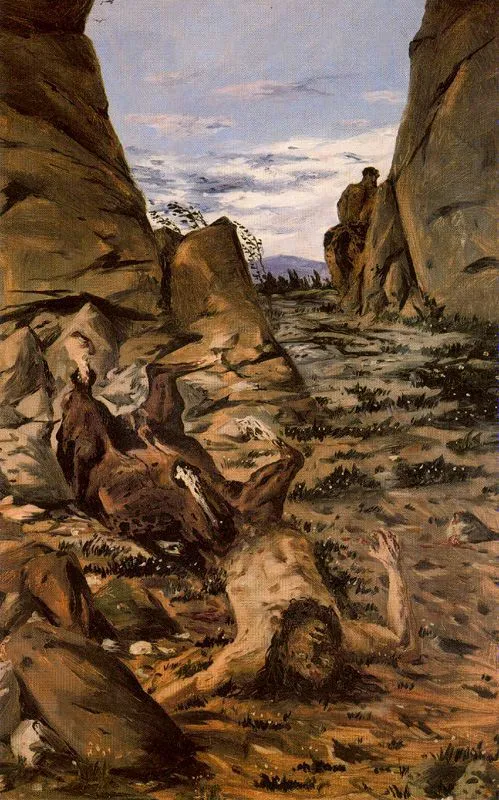
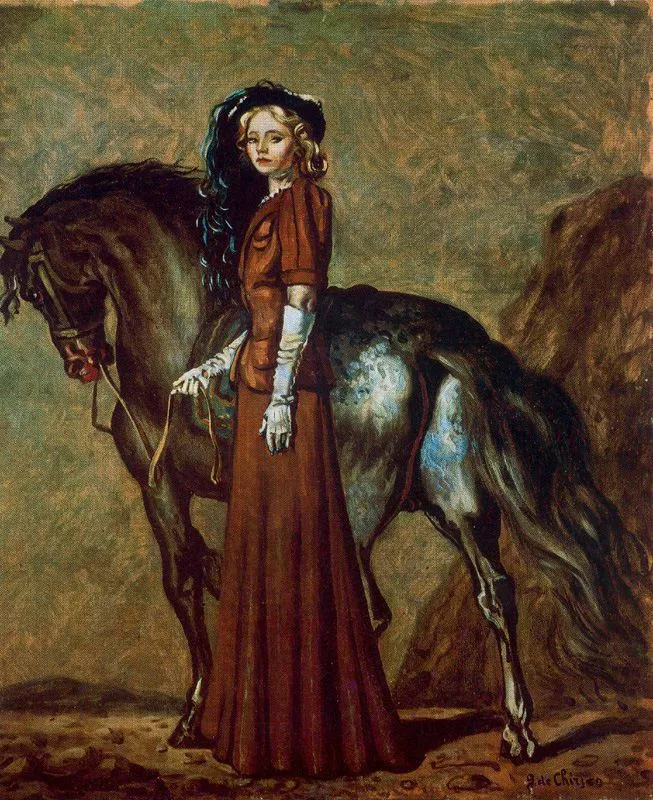
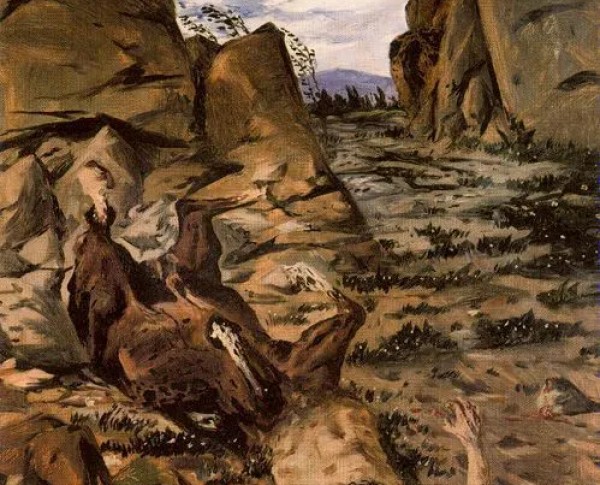
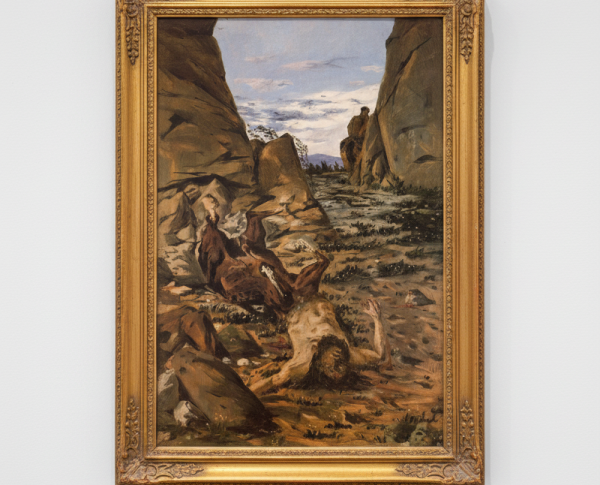
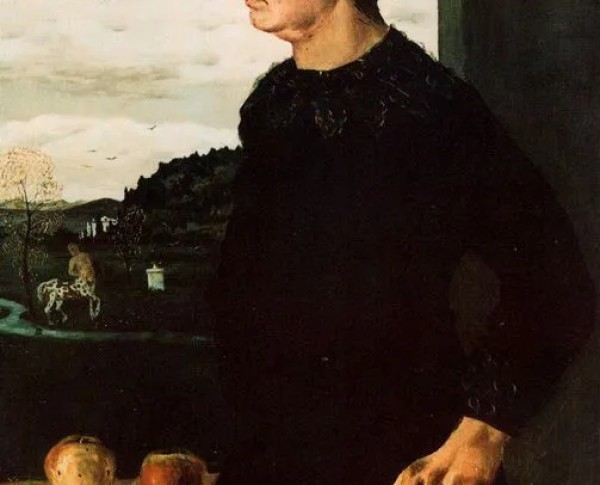
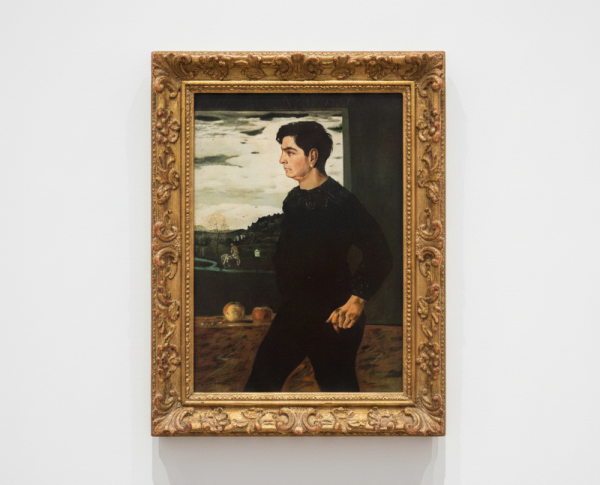
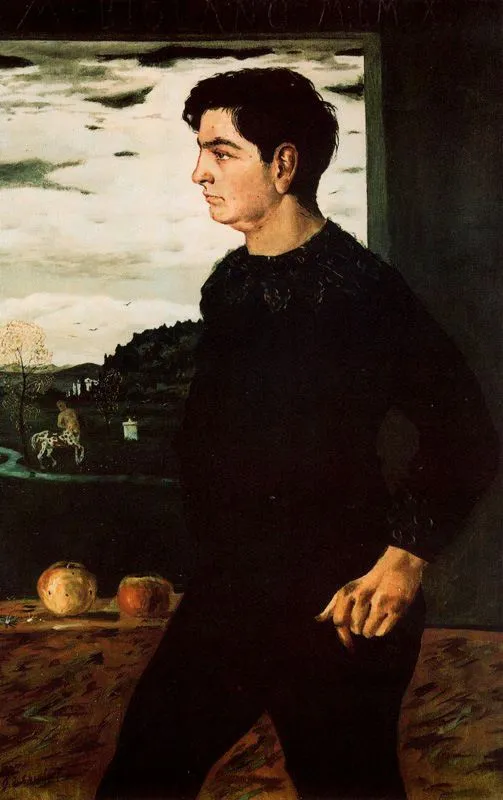
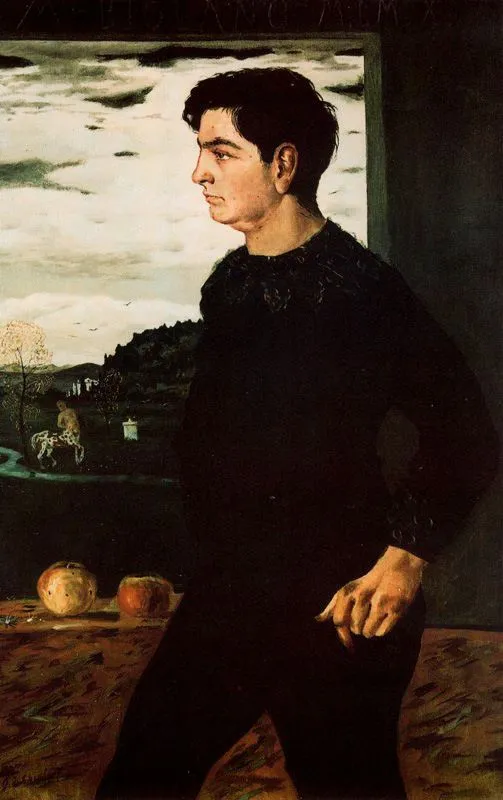
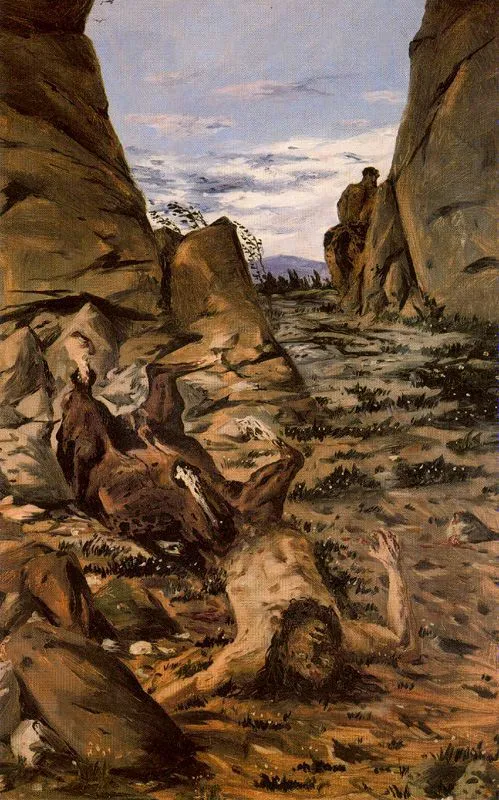
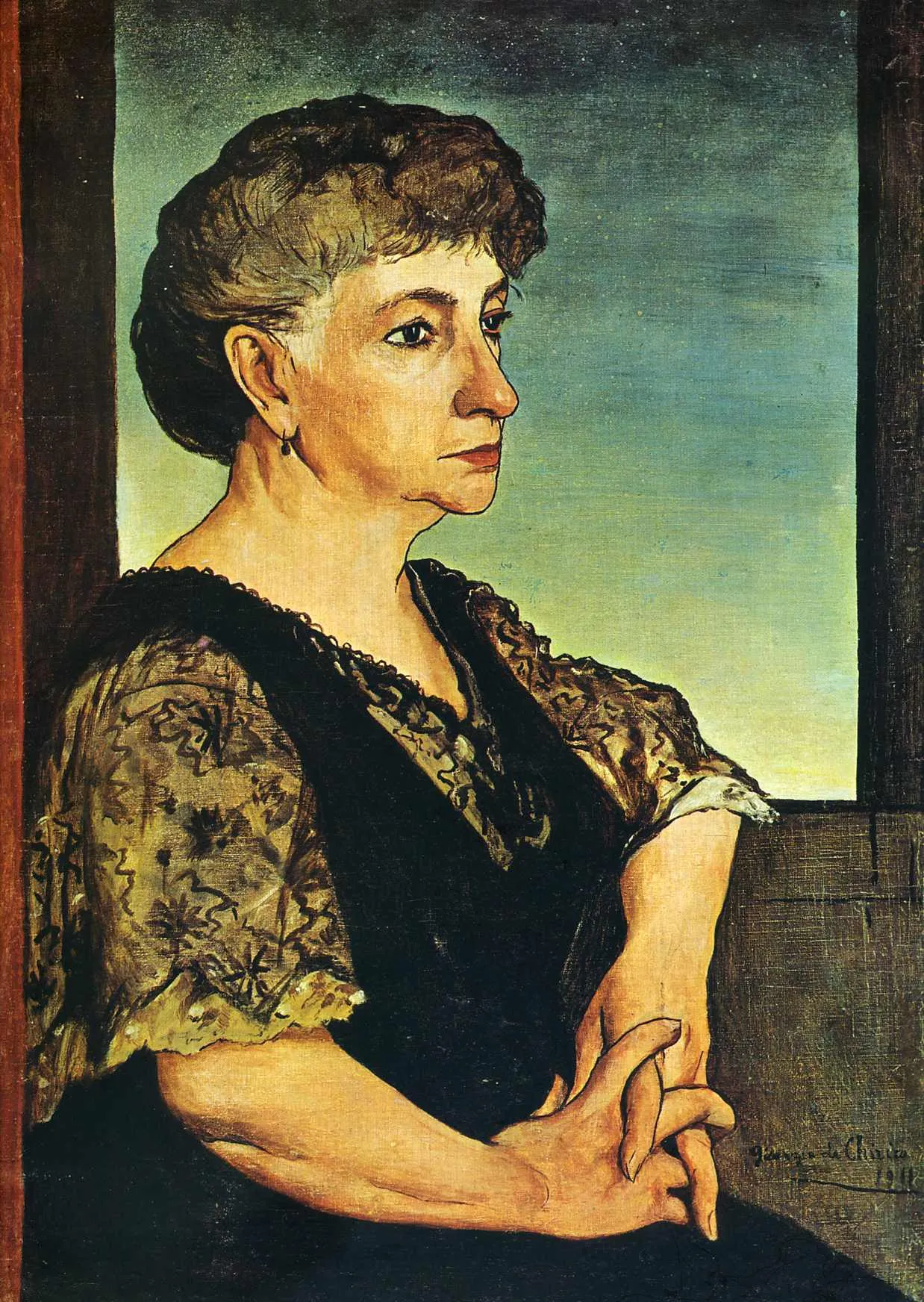
Giorgio de Chirico’s "Portrait of Andrea, brother of the artist" exemplifies the skillful use of oil on canvas, a medium that brings depth and vibrancy to his surreal compositions. As a prominent figure in the Surrealism movement, de Chirico’s technique invites viewers to experience the emotional intensity within his works. Collectors seeking a unique piece should also consider "Dying Centaur," another remarkable oil on canvas from his repertoire.
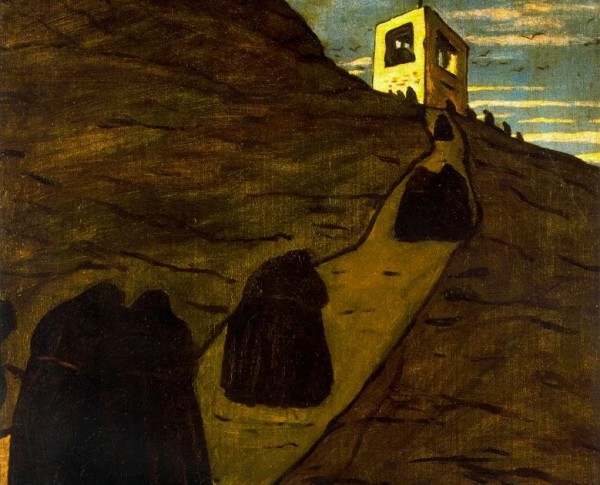
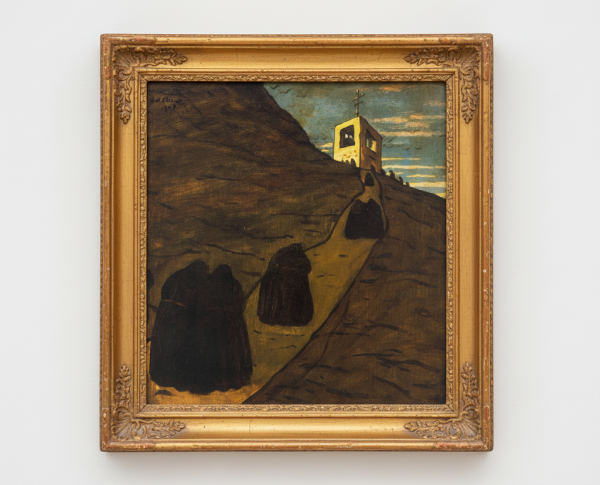
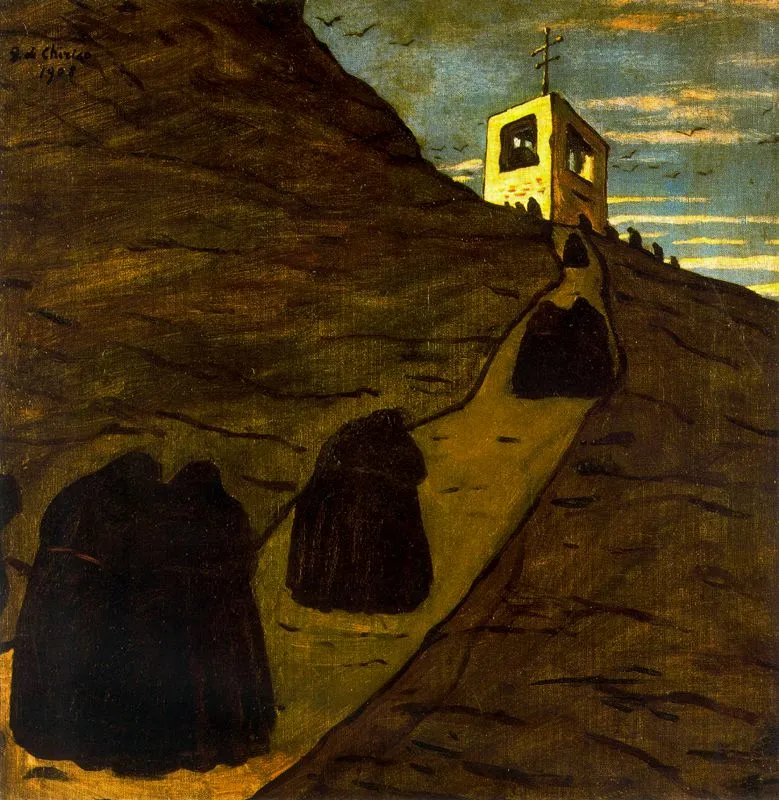
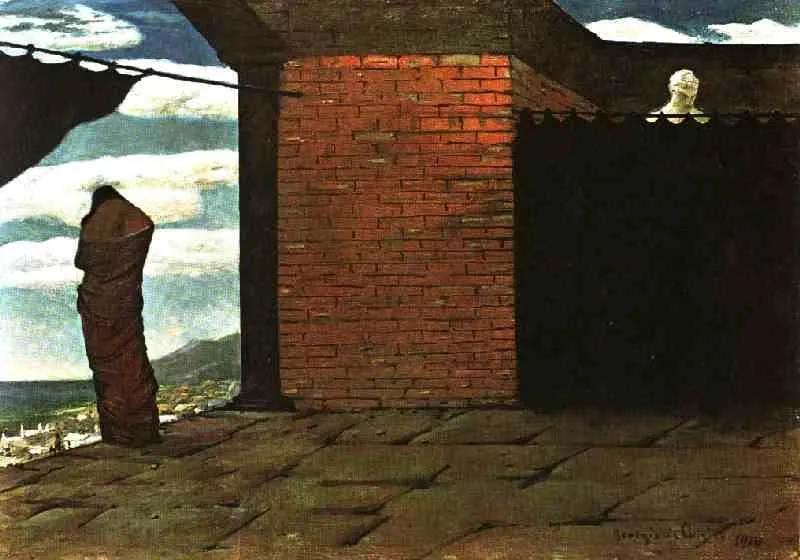
Every fine art painting for sale by Giorgio de Chirico is steeped in symbolism, and "Portrait of Andrea, brother of the artist" is no exception. The Surrealist elements infuse the portrait with layers of meaning that invite interpretation. De Chirico’s use of enigmatic backgrounds and thoughtful expressions tells a story beyond the visible. For those who love symbolic art, "Climb to the monastery" is another fine art painting for sale that complements this masterpiece beautifully.
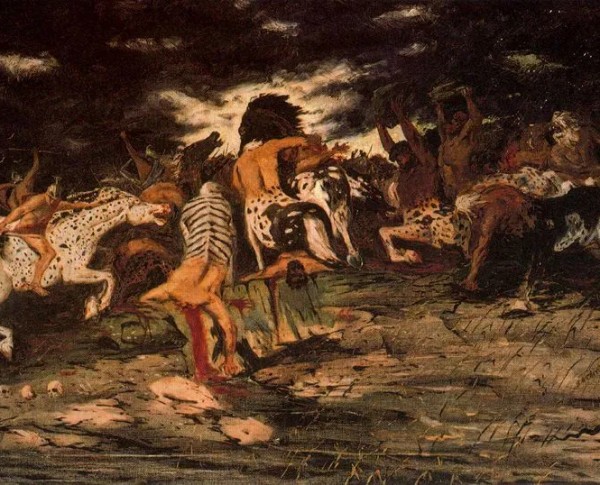
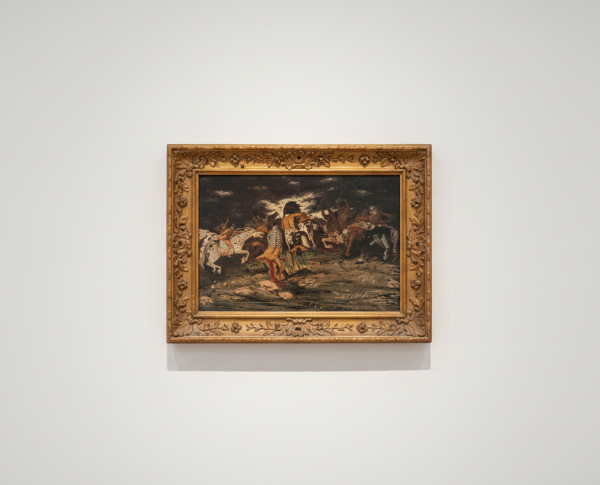
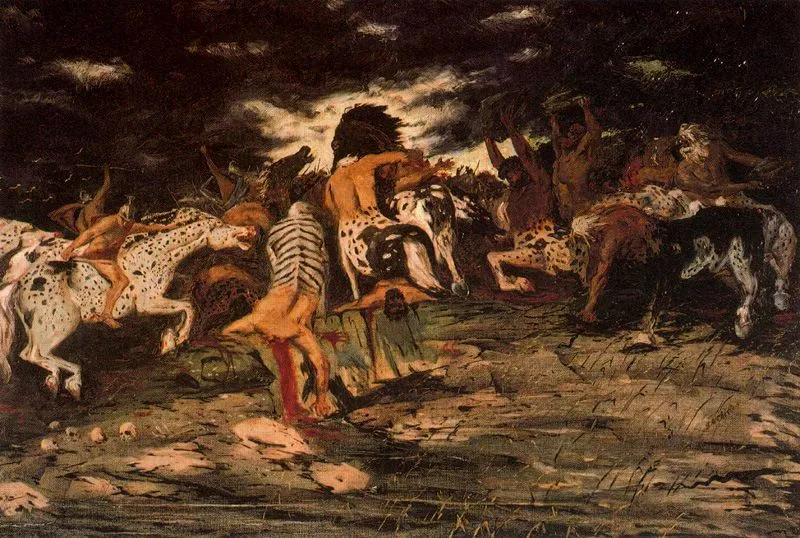
Owning "Portrait of Andrea, brother of the artist" by Giorgio de Chirico means acquiring a hand-painted oil painting that embodies the essence of Surrealism. Its rarity and historical significance make it a sought-after collector’s item. Art lovers may also explore related products like "The battle of Lapiths and Centaurs," "Dying Centaur," and "Climb to the monastery" to enrich their collections with more of de Chirico’s iconic works.
When Art Meets History
Giorgio de Chirico’s "Portrait of Andrea, brother of the artist" stands as a significant work within the Surrealism movement. This hand-painted oil painting captures a unique moment in early twentieth-century art, bridging classical influences with dreamlike modernism. De Chirico’s portrayal of his brother Andrea not only immortalizes a personal relationship but also showcases a pivotal era in art history. Works like this and other fine art painting for sale from this period continue to fascinate collectors worldwide.
Techniques That Speak
The "Portrait of Andrea, brother of the artist" demonstrates Giorgio de Chirico’s mastery of oil on canvas. His precise brushwork, subtle color palette, and enigmatic composition are hallmarks of Surrealism. De Chirico’s technical ability allows viewers to sense an otherworldly atmosphere, a quality shared with his related paintings. The choice of medium and technique brings depth and texture, making this oil on canvas a lasting testament to his innovative approach.
Emotions on Display
Giorgio de Chirico’s "Portrait of Andrea, brother of the artist" conveys a profound sense of introspection and mystery. This hand-painted oil painting evokes complex emotions, inviting viewers to explore themes of identity and familial connection. Through the surrealist lens, de Chirico transforms a simple portrait into a psychological landscape, much like his related paintings. The emotional depth and ambiguity give this work its enduring appeal among admirers of Surrealism.
Coveted by Collectors
As a remarkable example of Surrealism, "Portrait of Andrea, brother of the artist" by Giorgio de Chirico is a highly sought-after fine art painting for sale. Its historical significance and masterful execution make it a prized addition to any collection. Collectors value this painting for its connection to the artist’s life and its influence on modern art. Alongside related paintings, it represents the enduring allure and investment potential of oil on canvas works from this era.
Frequently Asked Questions About Portrait of Andrea, brother of the artist
What is the historical context of "Portrait of Andrea, brother of the artist"?
This painting was created during the early 20th century, a time when Giorgio de Chirico was exploring themes of metaphysical art, which often included dreamlike and enigmatic imagery. The work reflects the artist's personal life, particularly his relationship with his brother Andrea.
What artistic techniques did Giorgio de Chirico use in this portrait?
De Chirico employed a combination of classical portraiture techniques and his signature metaphysical style. The use of chiaroscuro enhances the depth and dimensionality of the figure, while the background elements contribute to the painting's surreal atmosphere.
What is the significance of the subject, Andrea, in de Chirico's life?
Andrea de Chirico was not only the artist's brother but also a significant figure in his life, representing familial bonds and personal identity. The portrait captures a moment of intimacy and connection, reflecting the artist's emotional ties to his subject.
How does this painting reflect the themes of metaphysical art?
The painting embodies metaphysical art through its enigmatic composition and the juxtaposition of the figure against a dreamlike background. This creates a sense of mystery and invites viewers to ponder deeper meanings beyond the surface.
What symbols are present in "Portrait of Andrea, brother of the artist"?
Symbolism in this portrait may include the use of light and shadow to represent knowledge and ignorance, as well as the positioning of Andrea within the space, suggesting themes of isolation and introspection common in de Chirico's work.
In what ways does this painting differ from traditional portraiture?
This work diverges from traditional portraiture by emphasizing psychological depth and existential themes rather than merely capturing the physical likeness of the subject. The surreal elements challenge viewers to engage with the emotional and philosophical implications of the portrayal.
What influence did "Portrait of Andrea" have on later artists?
The painting influenced subsequent generations of artists who sought to explore psychological and metaphysical themes in their work. De Chirico's unique approach to portraiture paved the way for movements such as Surrealism, which further examined the subconscious mind.
What role does color play in this painting?
Color in "Portrait of Andrea" is used strategically to evoke emotion and atmosphere. The muted palette creates a somber tone, enhancing the introspective quality of the portrait and drawing attention to the figure's expression and posture.
How does the composition of the painting contribute to its overall impact?
The composition is carefully structured, with Andrea positioned centrally, drawing the viewer's focus. The interplay between foreground and background elements creates a sense of depth and invites contemplation, enhancing the painting's emotional resonance.
What is the legacy of Giorgio de Chirico in the context of modern art?
Giorgio de Chirico's legacy lies in his pioneering of metaphysical art, which challenged conventional artistic norms and opened new avenues for expression in modern art. His exploration of themes such as time, memory, and identity continues to influence contemporary artists today.






















_GFM_Painting_(1).webp)


 100% Hand-Painted: Finished in 3-6 Weeks

.png)















_(1).webp)