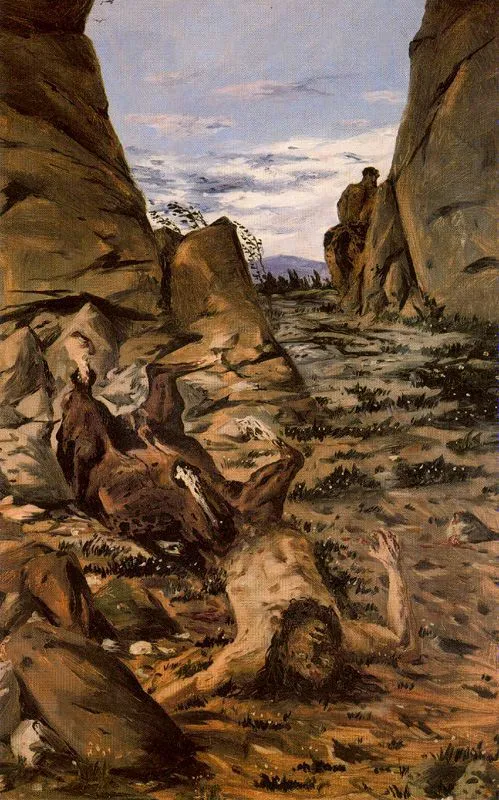
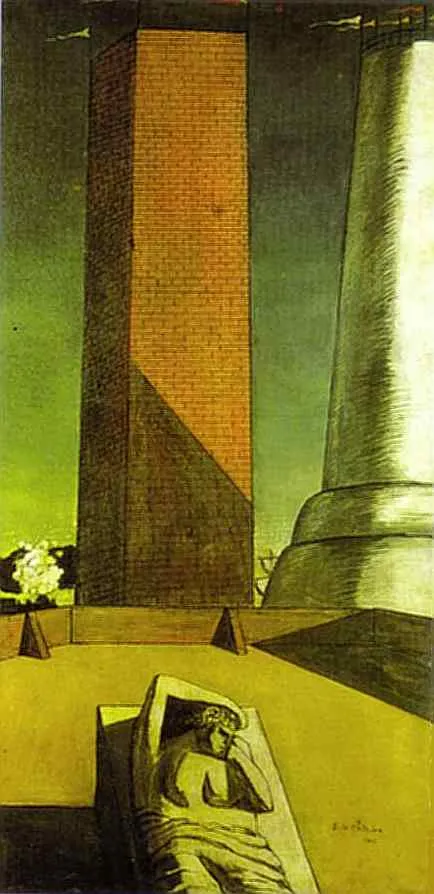
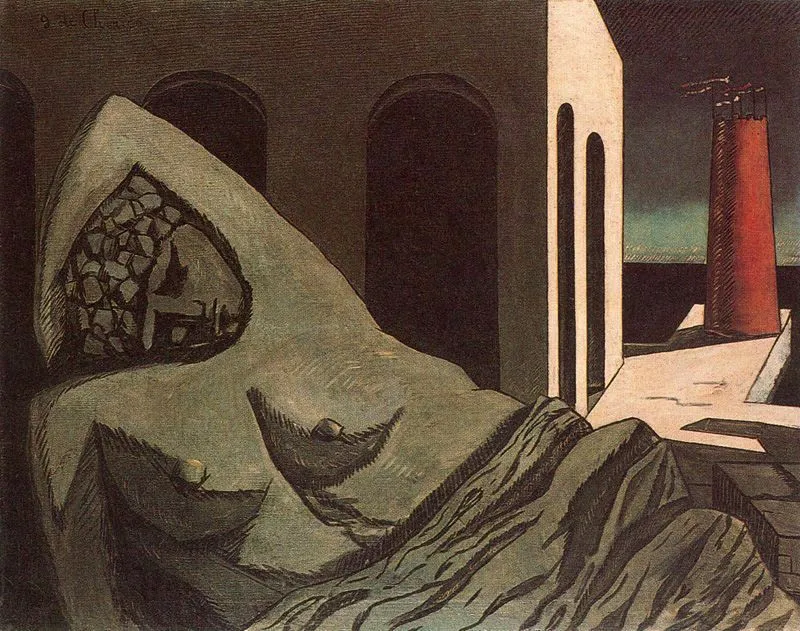
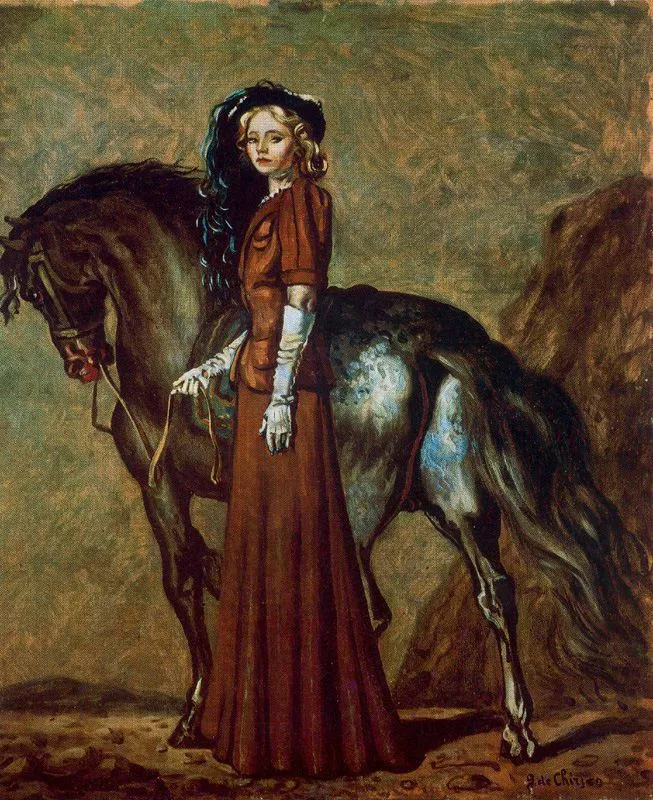
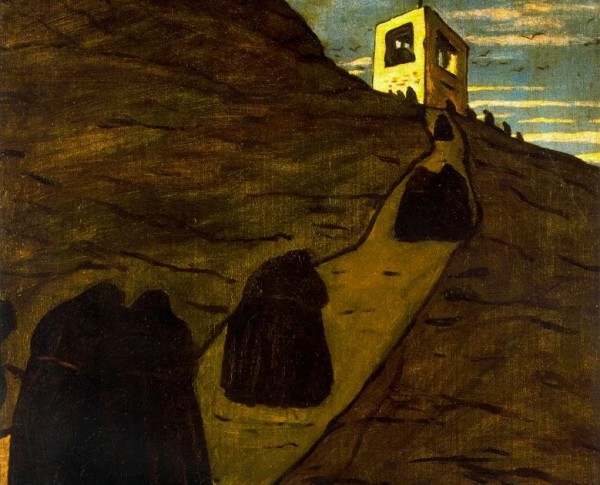
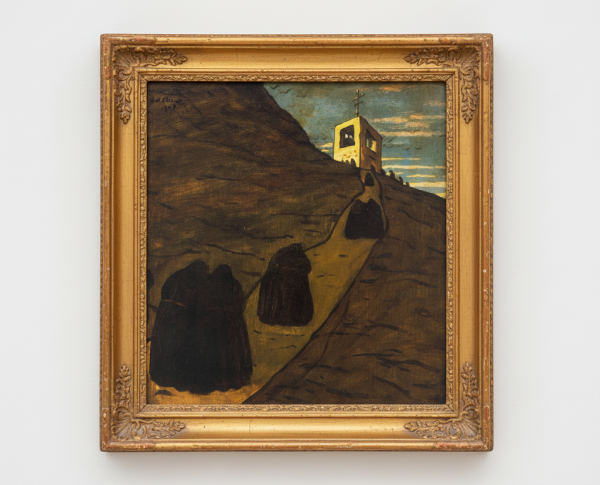
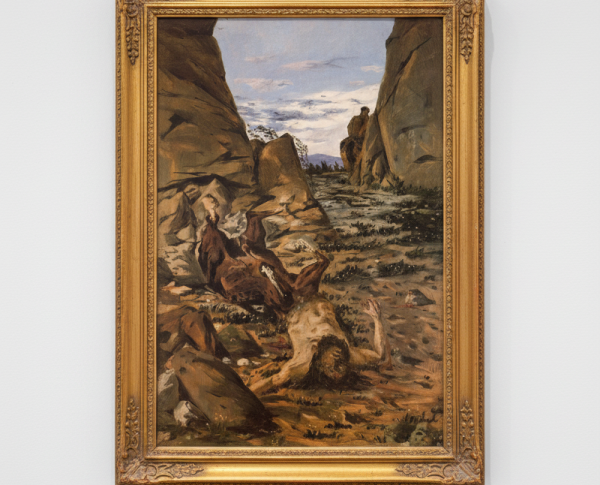
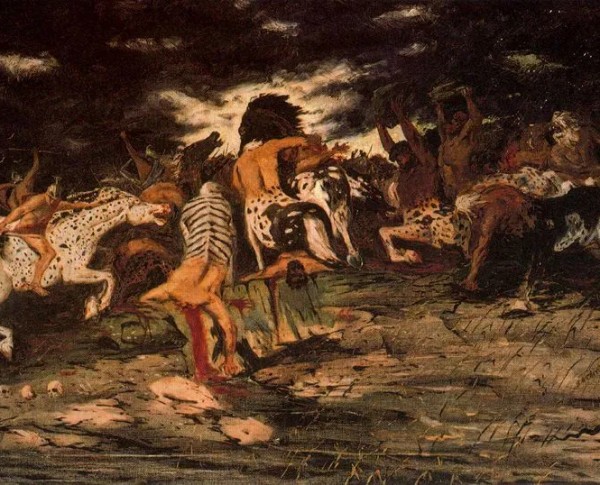
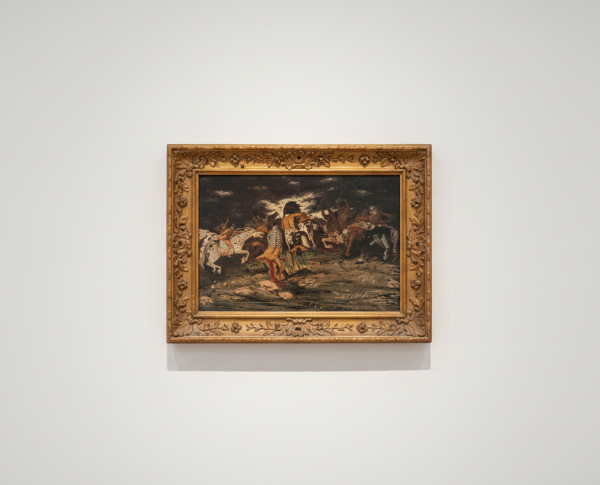
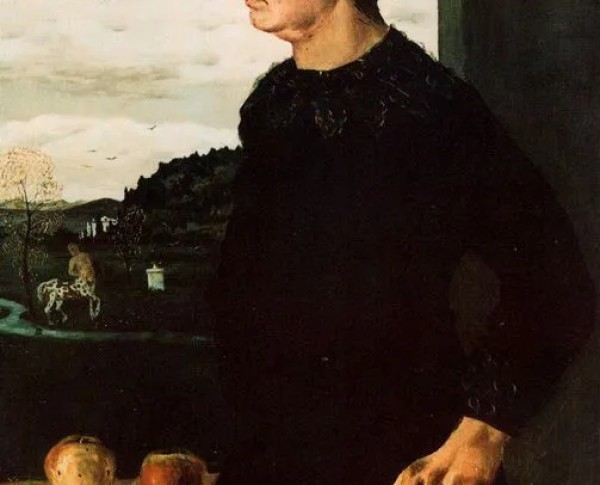
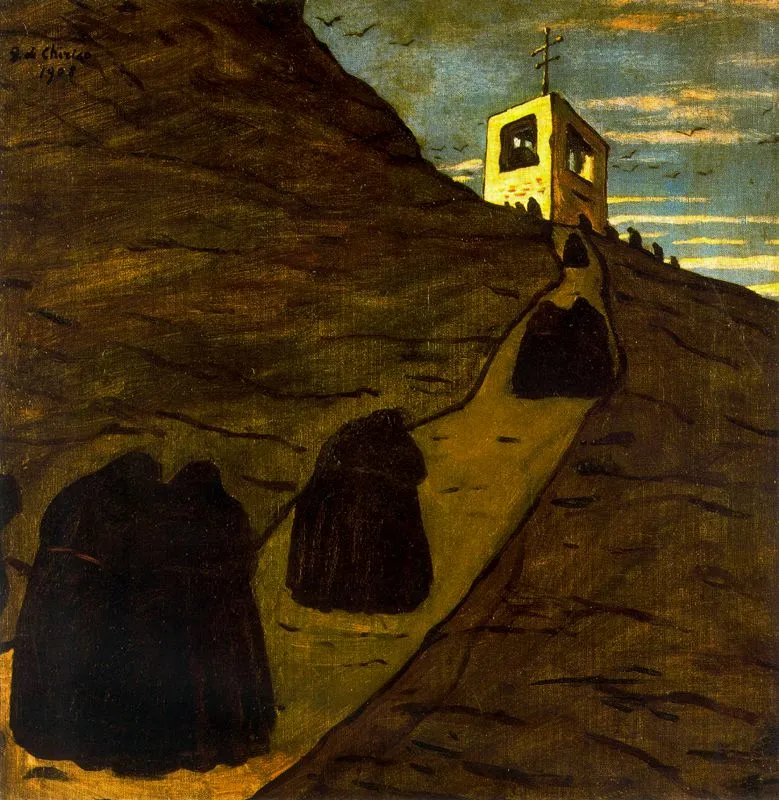
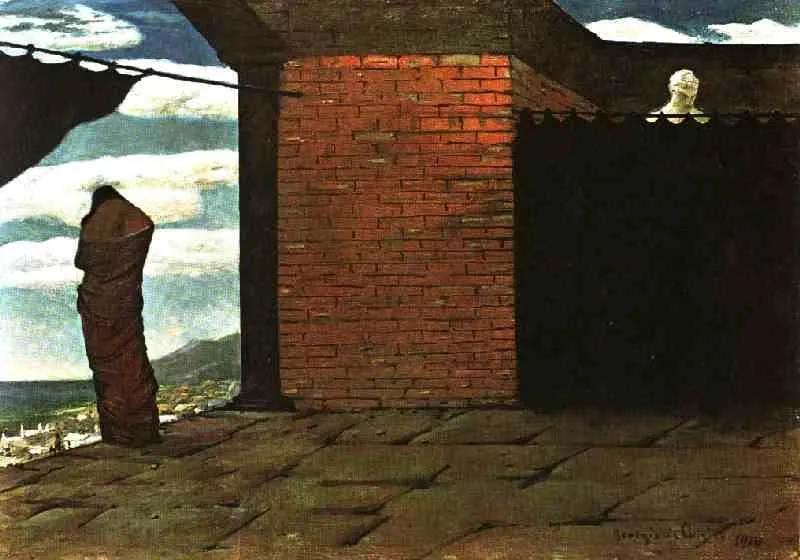
Giorgio de Chirico’s "Climb to the Monastery" exemplifies the meticulous technique and attention to detail characteristic of oil on canvas masterpieces. Each brushstroke reveals the artist’s skill in creating haunting perspectives and evocative atmospheres, hallmarks of the Surrealism movement. The texture and depth achieved in this oil on canvas artwork invite viewers to appreciate de Chirico's technical prowess and innovative approach, making it a standout among his most celebrated works.
"Climb to the Monastery" is rich in enigmatic stories and symbols, hallmarks of Surrealism and Giorgio de Chirico’s visionary style. This fine art painting for sale draws the viewer into a mysterious narrative, where monumental architecture and long shadows evoke introspection and intrigue. De Chirico’s use of symbolic imagery encourages collectors and art lovers to interpret their own meanings, making this artwork a profound addition to any discerning collection.
For those seeking a hand-painted oil painting that embodies the essence of the Surrealism movement, "Climb to the Monastery" by Giorgio de Chirico is an exceptional choice. This celebrated artwork not only showcases the artist’s distinctive style but also offers a unique investment opportunity. Ideal for connoisseurs searching for a fine art painting for sale, it stands as a testament to de Chirico’s enduring influence and the captivating power of surrealist art.
When Art Meets History
Giorgio de Chirico's "Climb to the monastery" stands as a testament to the Surrealism movement, intertwining enigmatic architecture with philosophical undertones. This hand-painted oil painting invites viewers to explore the mysterious landscapes and dreamlike scenarios for which de Chirico is renowned. By referencing classical antiquity and the metaphysical, the artist bridges the gap between past and present. The painting’s historical context enhances its allure, making it a significant piece for collectors and admirers of Surrealist masterpieces.
Techniques That Speak
"Climb to the monastery" showcases Giorgio de Chirico’s mastery of oil on canvas, utilizing precise brushwork and a subdued color palette to create a haunting, timeless atmosphere. The artist’s technique emphasizes sharp geometric forms and elongated shadows, hallmark features of his Surrealism period. These technical elements, also seen in de Chirico’s other works, evoke a sense of mystery and introspection, demonstrating why his paintings remain influential in the world of fine art and modernist expression.
Emotions on Display
The emotional resonance of "Climb to the monastery" lies in its evocative emptiness and enigmatic symbolism, hallmarks of Giorgio de Chirico’s Surrealism. This fine art painting for sale captures a profound sense of solitude and philosophical wonder, inviting viewers to contemplate the journey toward enlightenment. The painting’s dreamlike quality and ambiguous narrative reflect the artist’s fascination with the subconscious, making it a deeply moving piece for those who appreciate emotionally charged, thought-provoking art.
Coveted by Collectors
As a hand-painted oil painting by Giorgio de Chirico, "Climb to the monastery" is highly sought after by collectors of Surrealist art. Its unique blend of mystery and historical reference elevates its status in the art market. The painting’s rarity and connection to the Surrealism movement, alongside de Chirico’s other celebrated works, make it a prized acquisition for those seeking a distinguished fine art painting for sale to enrich their collection.
Frequently Asked Questions About Climb to the monastery
What is the historical context of "Climb to the monastery"?
"Climb to the monastery" was created during the early 20th century, a time marked by significant changes in European society and art. This period saw the rise of modernism and a shift away from traditional artistic techniques, influenced by the aftermath of World War I and the exploration of new philosophical ideas.
What artistic movement is Giorgio de Chirico associated with?
Giorgio de Chirico is primarily associated with the Metaphysical painting movement, which emphasizes dreamlike scenes and enigmatic imagery. His works often evoke a sense of mystery and introspection, challenging viewers to explore deeper meanings.
What themes are prevalent in "Climb to the monastery"?
The painting explores themes of solitude, existential contemplation, and the search for meaning. The solitary figure climbing towards the monastery symbolizes a journey towards enlightenment and spiritual awakening.
How does de Chirico use color in this painting?
De Chirico employs a muted color palette dominated by earthy tones, which enhances the melancholic and introspective mood of the painting. The use of light and shadow creates a sense of depth and emphasizes the architectural elements of the monastery.
What is the significance of the monastery in the painting?
The monastery serves as a symbol of spiritual aspiration and the search for higher knowledge. Its presence in the painting suggests a destination for the figure, representing both a physical and metaphysical journey.
What role does perspective play in "Climb to the monastery"?
De Chirico utilizes a unique perspective that creates an illusion of depth and distance. This technique draws the viewer's eye towards the monastery, reinforcing the theme of an arduous journey and the quest for understanding.
Are there any notable symbols present in the painting?
Yes, the solitary figure, the winding path, and the towering monastery all serve as symbols of the human condition, representing isolation, the pursuit of knowledge, and the spiritual journey. These elements invite viewers to reflect on their own paths in life.
How does "Climb to the monastery" reflect de Chirico's personal philosophy?
The painting reflects de Chirico's fascination with the metaphysical aspects of existence, emphasizing the tension between reality and illusion. His work often invites contemplation on the nature of time, space, and the human experience.
What impact did "Climb to the monastery" have on later artists?
This painting influenced numerous artists within the Surrealist movement and beyond, as its dreamlike quality and exploration of subconscious themes resonated with those seeking to break away from traditional artistic norms.
How is "Climb to the monastery" viewed in the context of de Chirico's body of work?
"Climb to the monastery" is considered a significant piece within de Chirico's oeuvre, showcasing his distinctive style and thematic preoccupations. It exemplifies his ability to blend classical elements with modern existential questions, solidifying his place in art history.






















_GFM_Painting_(1).webp)


 100% Hand-Painted: Finished in 3-6 Weeks

.png)















_(1).webp)