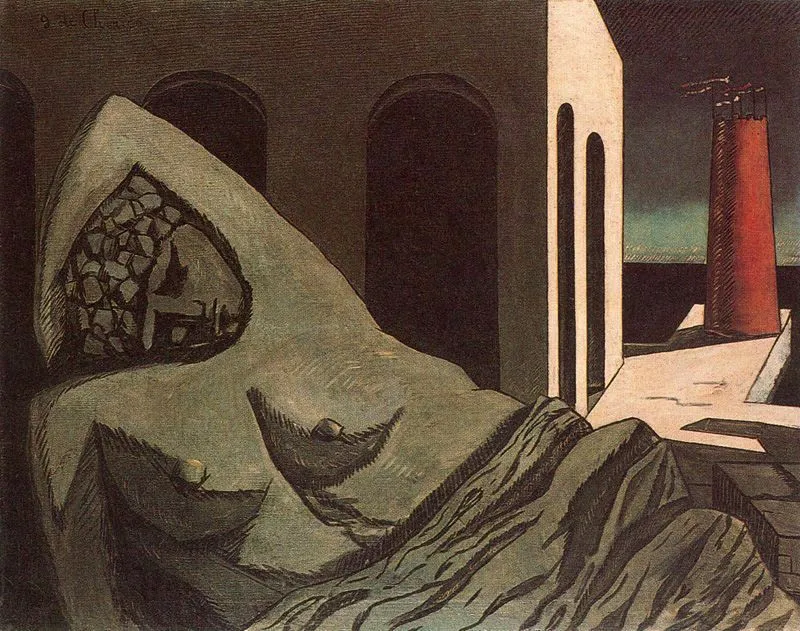
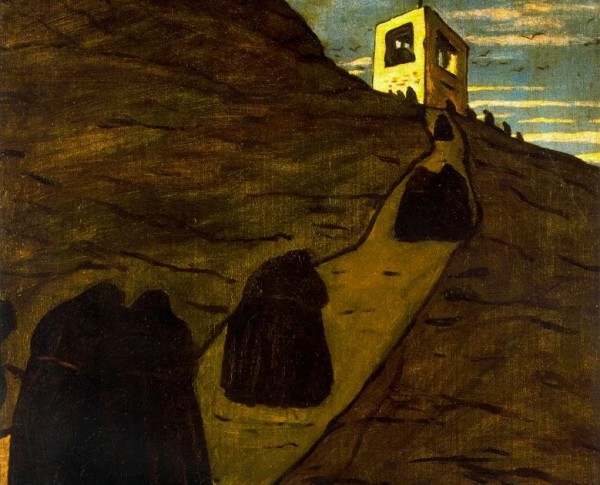
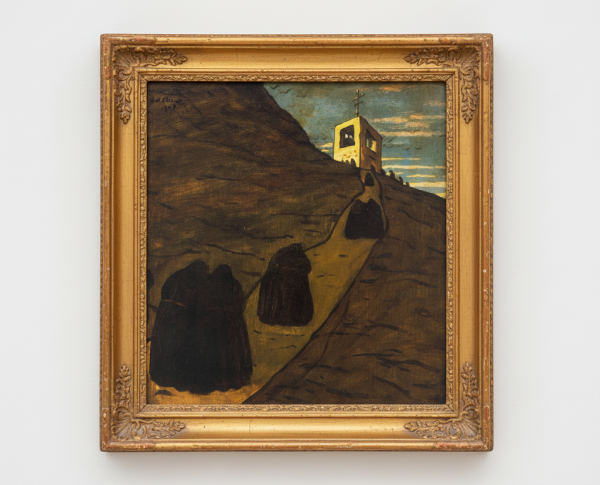
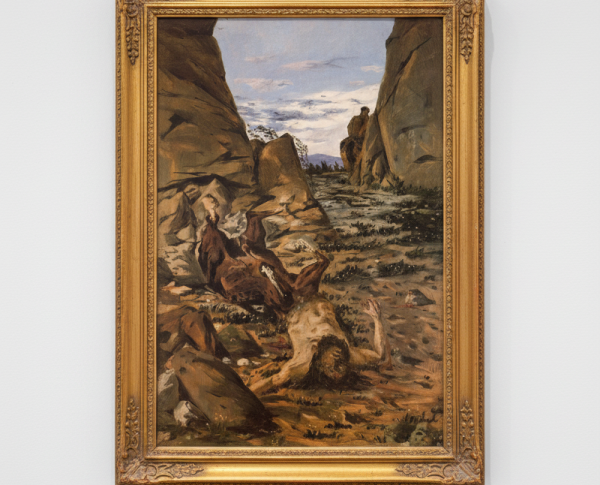
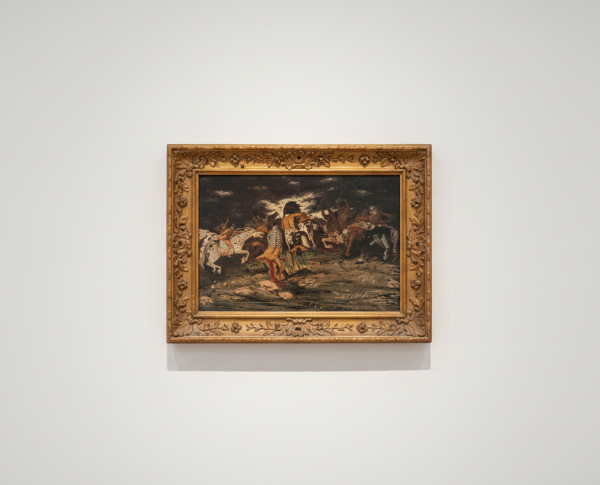
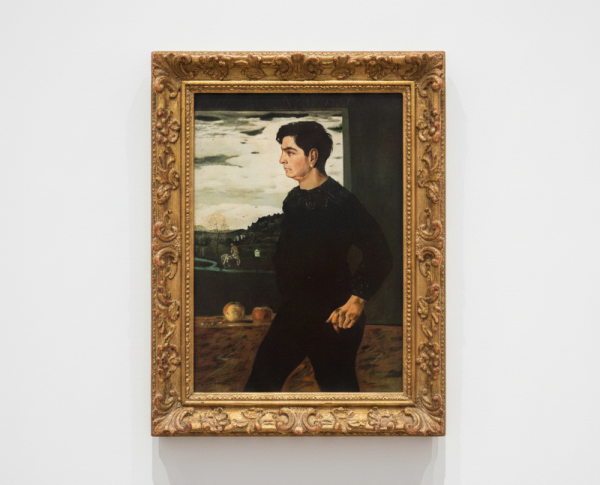
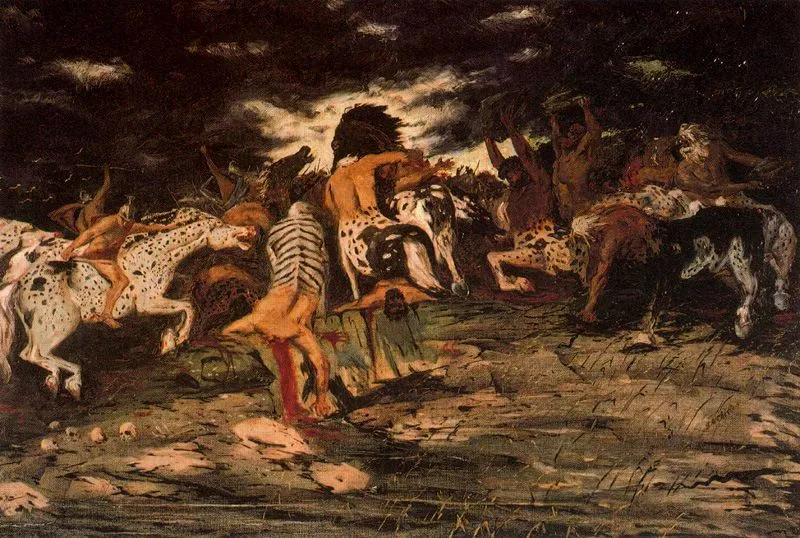
Giorgio de Chirico’s expertise is evident in every detail of this oil on canvas. His unique approach within the Surrealism movement is clear in the painting’s dramatic use of light and shadow, which creates an enigmatic atmosphere. The meticulous brushwork and dreamlike perspective invite viewers into a world of contemplation. Collectors often seek works like "Ariana, the silent statue" and "The battle of Lapiths and Centaurs" for their similar technical brilliance and surreal qualities.
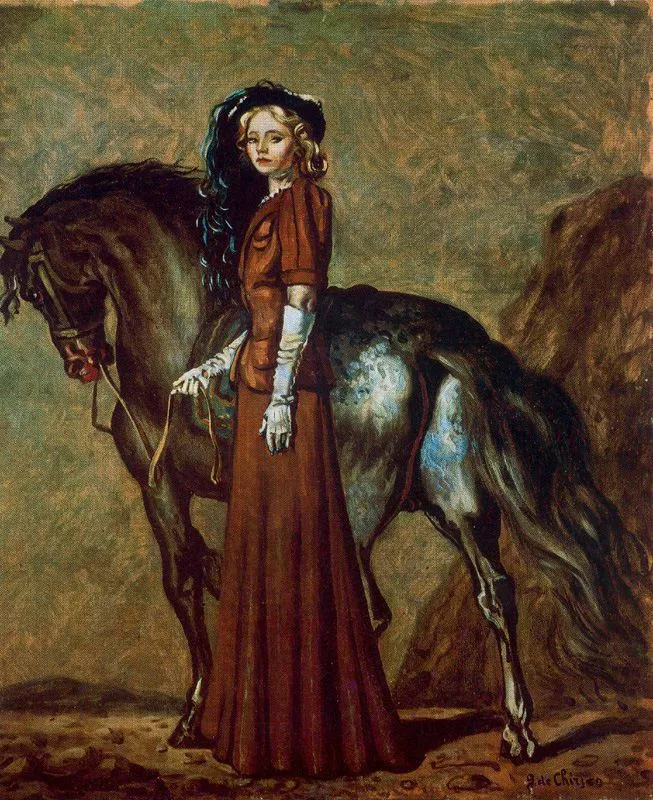
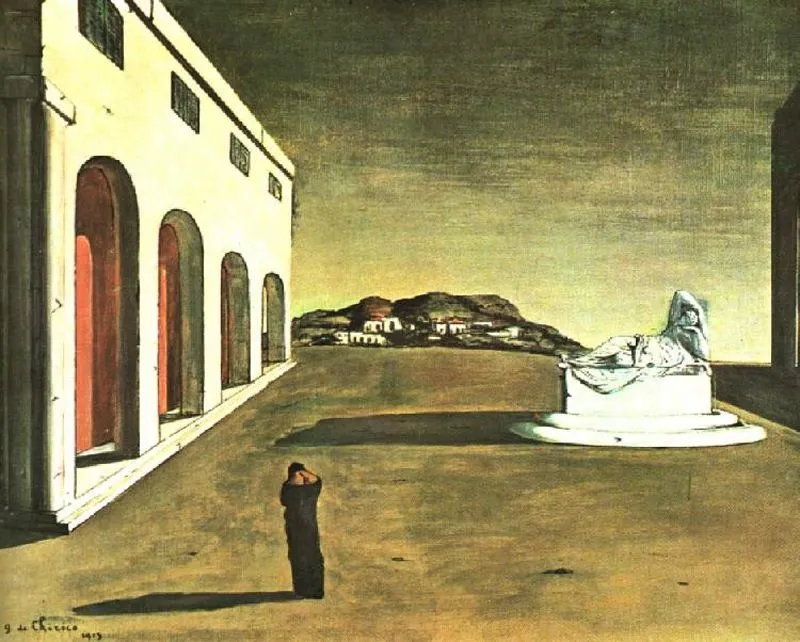
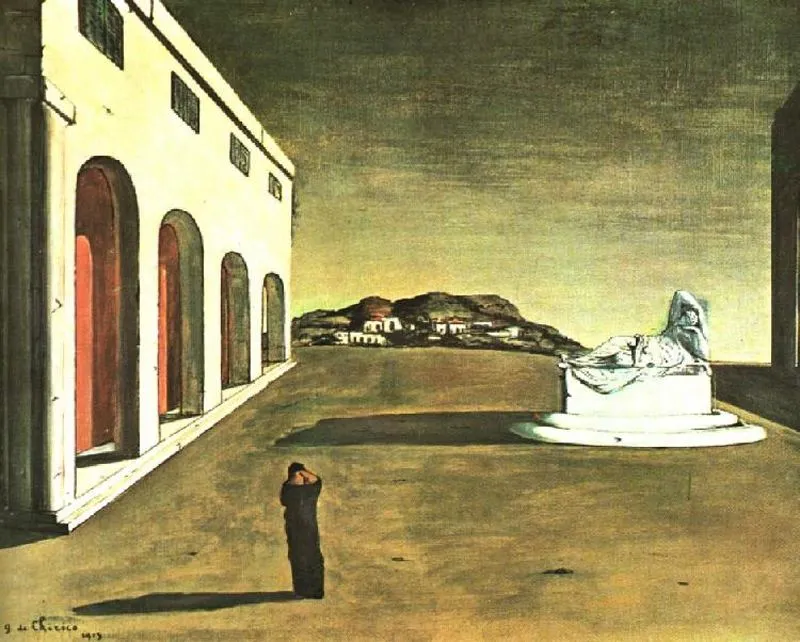
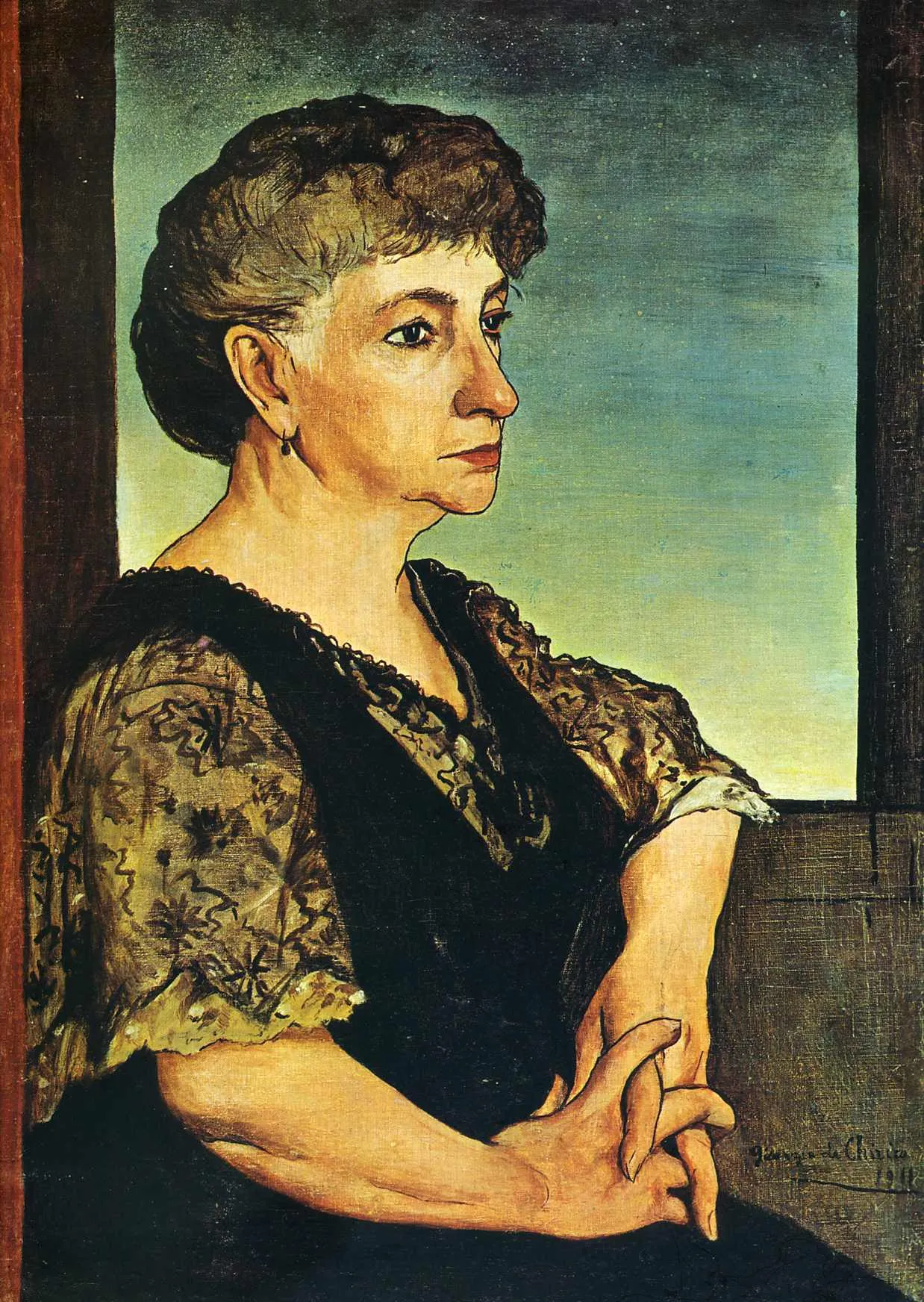
This hand-painted oil painting is rich with symbolism, echoing the enigmatic narratives that define Giorgio de Chirico’s Surrealism. "Melancholy of a Beautiful Day" features mysterious figures and architectural elements, prompting viewers to interpret its hidden meanings. Such storytelling is also found in related works like "Portrait of artist's mother" and "An Amazon," where de Chirico explores themes of memory, time, and identity, making each fine art painting for sale a captivating journey into the subconscious.
Owning "Melancholy of a Beautiful Day" by Giorgio de Chirico means acquiring a quintessential oil on canvas from the Surrealism movement. This masterpiece, along with related products like "The Enigma of the Hour" and "Ariana, the silent statue," enhances any fine art collection. The painting’s rarity and historical significance make it a highly sought-after fine art painting for sale, appealing to collectors who appreciate both its aesthetic value and its place in art history.
When Art Meets History
"Melancholy of a Beautiful Day" by Giorgio de Chirico stands as a testament to the transformative period of the Surrealism movement. This hand-painted oil painting captures the enigmatic spirit that defined early twentieth-century art, blending classical forms with dreamlike ambiguity. De Chirico’s innovative approach influenced countless artists, making his works, including this iconic piece, essential to understanding the evolution of Surrealism and its enduring impact on the world of fine art painting for sale.
Techniques That Speak
Giorgio de Chirico’s mastery is evident in the meticulous brushwork and calculated perspectives of "Melancholy of a Beautiful Day." Utilizing oil on canvas, de Chirico creates stark contrasts of light and shadow, enhancing the mysterious aura that permeates the composition. The Surrealism movement’s influence is apparent in the painting’s dreamlike architectural forms, which draw viewers into an uncanny world. Collectors and enthusiasts alike recognize the technical brilliance of this oil on canvas masterpiece.
Emotions on Display
The emotional resonance of "Melancholy of a Beautiful Day" lies in its ability to evoke both nostalgia and unease. Giorgio de Chirico’s hand-painted oil painting skillfully portrays deserted piazzas and elongated shadows, inviting contemplation of time and memory. This fine art painting for sale reflects the Surrealism movement’s fascination with the subconscious, making it a poignant exploration of inner landscapes. The painting’s mood connects deeply with viewers, echoing themes found throughout de Chirico’s oeuvre.
Coveted by Collectors
As a significant work by Giorgio de Chirico, "Melancholy of a Beautiful Day" is highly sought after by collectors of Surrealism. Its status as a fine art painting for sale is bolstered by de Chirico’s reputation for pioneering metaphysical art, a precursor to Surrealism. The unique atmosphere and technical mastery evident in this oil on canvas piece make it a prized addition to any collection, standing alongside other celebrated works by the artist.
Frequently Asked Questions About Melancholy of a Beautiful Day
What is the historical context of "Melancholy of a Beautiful Day"?
"Melancholy of a Beautiful Day" was painted in 1914, during a time of significant change in Europe, leading up to World War I. This period saw a rise in modernist movements, and de Chirico's work reflects the anxieties and uncertainties of the era.
What artistic movement is "Melancholy of a Beautiful Day" associated with?
The painting is associated with the Metaphysical painting movement, which Giorgio de Chirico pioneered. This movement emphasizes dream-like scenes and explores themes of mystery and existentialism.
What are the prominent themes depicted in the painting?
The painting explores themes of melancholy, nostalgia, and the passage of time. The juxtaposition of classical architecture and enigmatic figures evokes a sense of longing and introspection.
How does de Chirico use color in "Melancholy of a Beautiful Day"?
De Chirico employs a muted color palette dominated by earthy tones, which enhances the somber mood of the painting. The use of light and shadow creates depth and emphasizes the emotional weight of the scene.
What symbols are present in "Melancholy of a Beautiful Day"?
Key symbols include the classical architecture, which represents timelessness, and the solitary figure, symbolizing isolation and introspection. The empty spaces evoke a sense of absence and contemplation.
How does the composition contribute to the overall meaning of the painting?
The composition features a balanced arrangement of architectural elements and figures, creating a harmonious yet unsettling atmosphere. This balance invites viewers to reflect on the relationship between reality and the subconscious.
What influence did "Melancholy of a Beautiful Day" have on later artists?
The painting influenced Surrealist artists and later modernists, who were drawn to its dream-like quality and exploration of the subconscious. De Chirico's work paved the way for new artistic expressions that challenged traditional representation.
What role does perspective play in the painting?
De Chirico employs a unique perspective that distorts spatial relationships, creating an unsettling sense of depth. This manipulation of perspective enhances the dream-like quality and invites viewers to question their perception of reality.
How does "Melancholy of a Beautiful Day" reflect de Chirico's personal experiences?
The painting reflects de Chirico's own feelings of alienation and introspection, stemming from his experiences in a rapidly changing world. His exploration of melancholy resonates with his personal struggles and philosophical inquiries.
What is the significance of the title "Melancholy of a Beautiful Day"?
The title juxtaposes the concepts of beauty and melancholy, suggesting that even in moments of beauty, there can be an underlying sense of sadness. This duality invites viewers to reflect on the complexities of human emotion.






















_GFM_Painting_(1).webp)


 100% Hand-Painted: Finished in 3-6 Weeks

.png)

















_(1).webp)