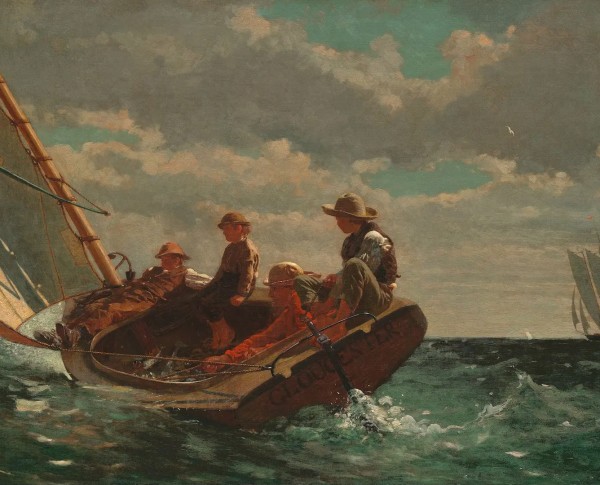
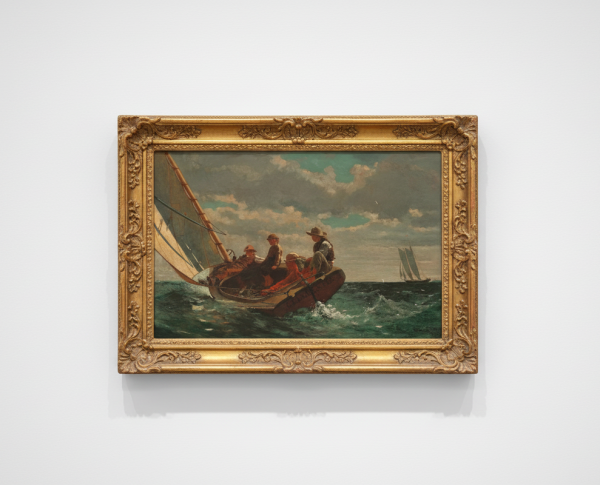
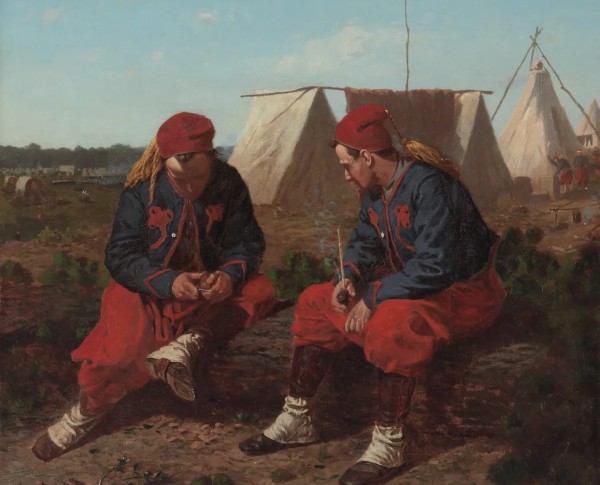
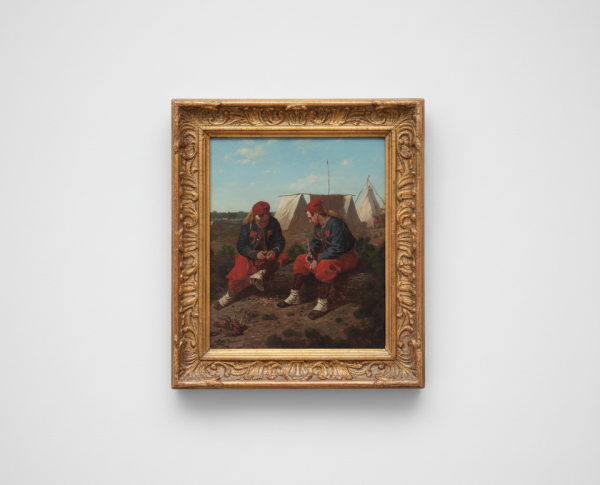
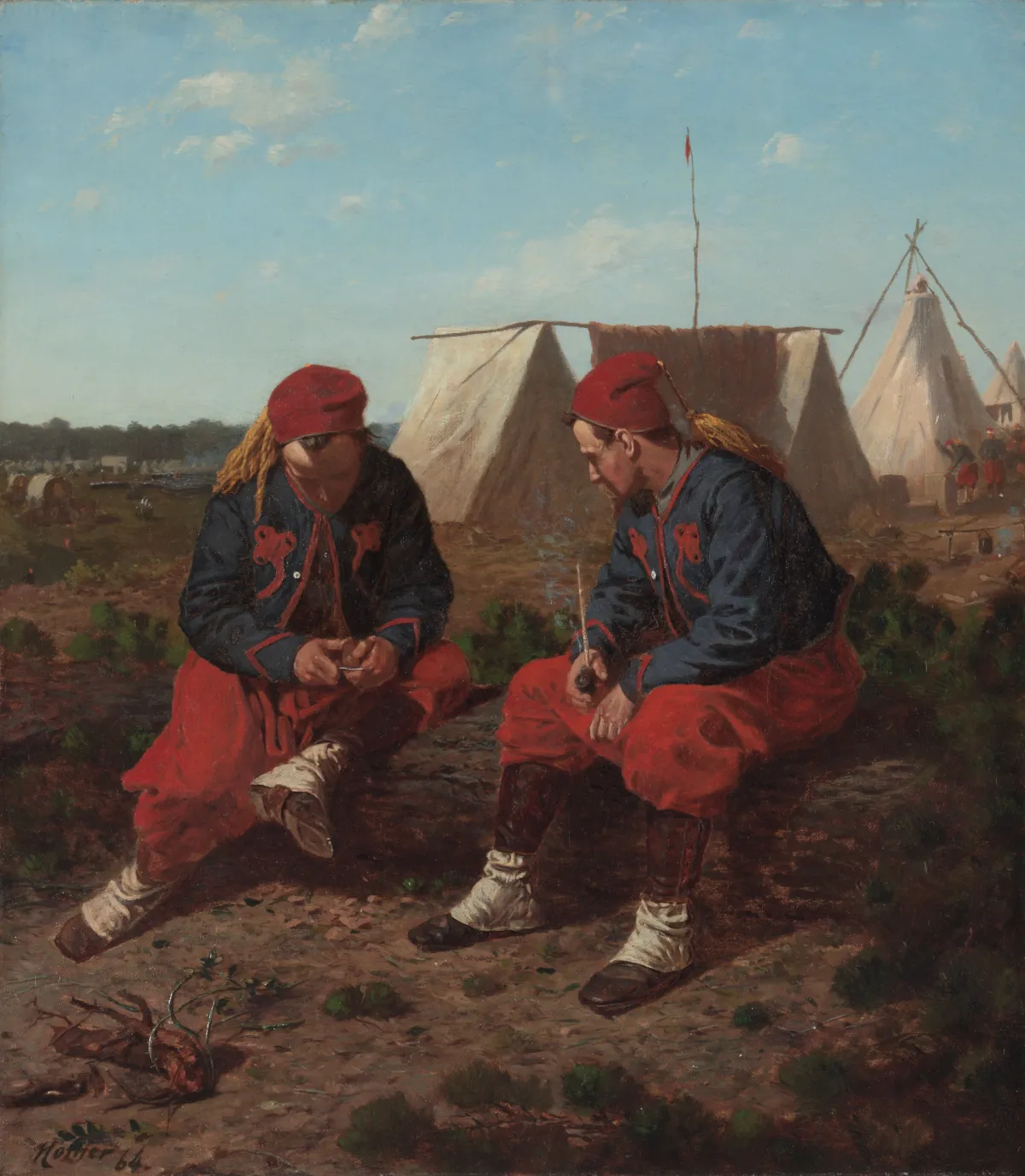
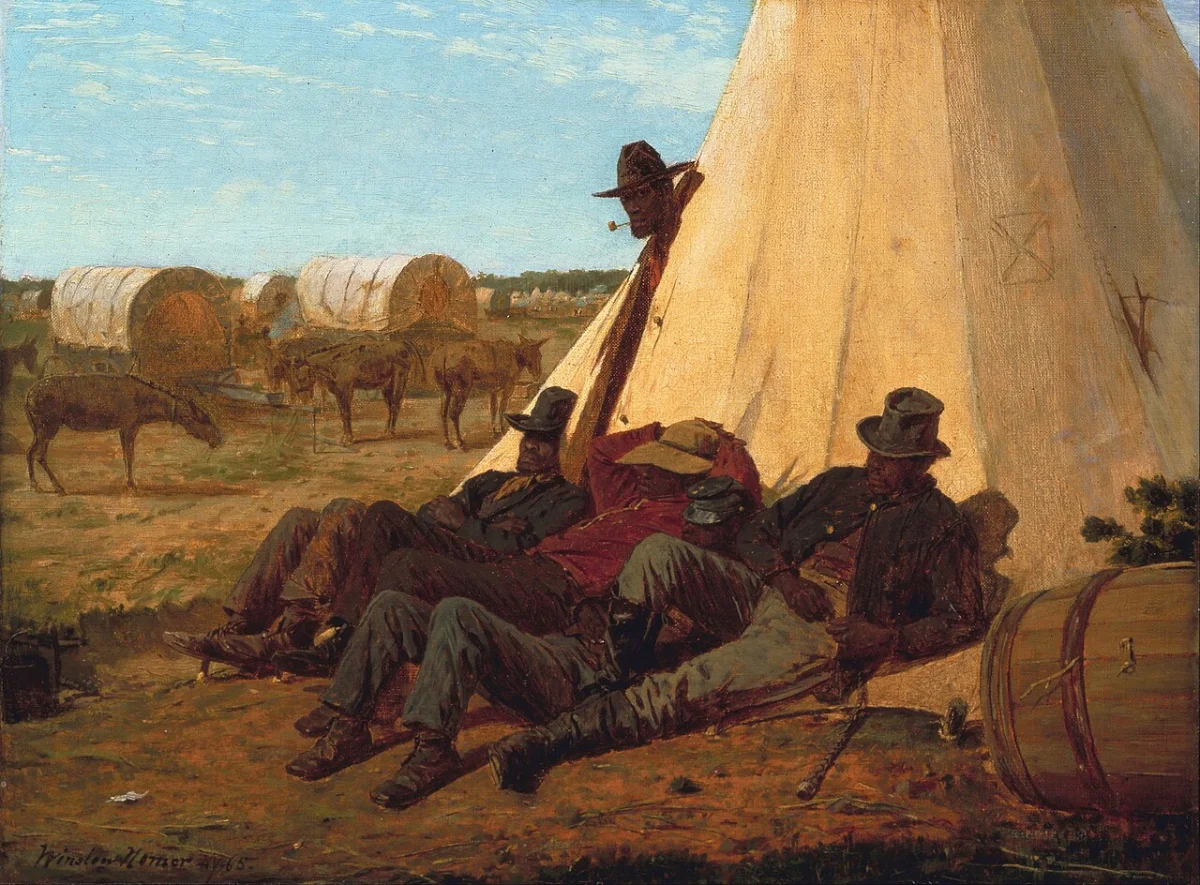
Created with exceptional skill, "The Brierwood Pipe" utilizes oil on canvas to bring lifelike textures and rich, nuanced hues to the forefront. Winslow Homer’s masterful brushwork is evident, making this artwork a prime example of the Realism movement’s dedication to truth and detail. Similar techniques can be seen in related products such as "Breezing Up (or A Fair Wind)" and "The Boat Builders," further cementing Homer’s reputation as a master of his craft.
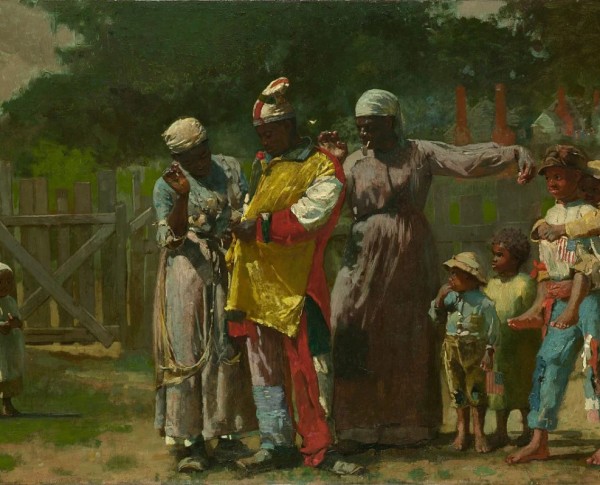
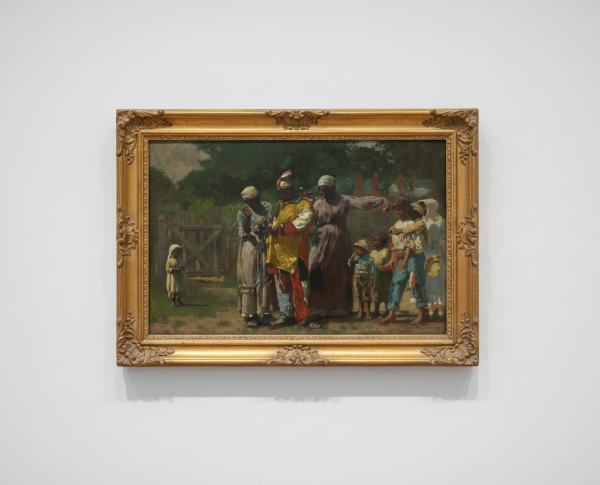
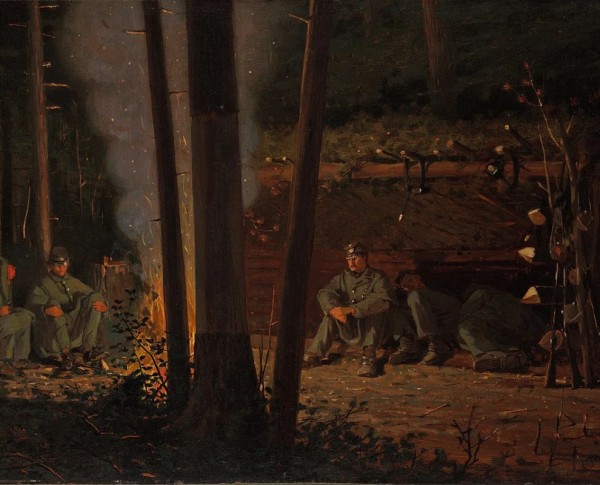
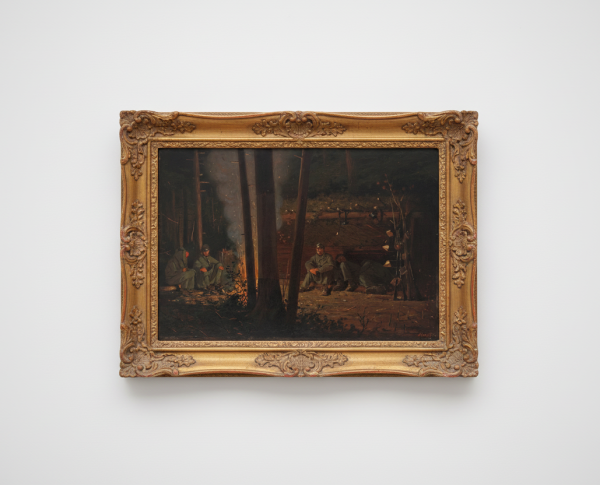
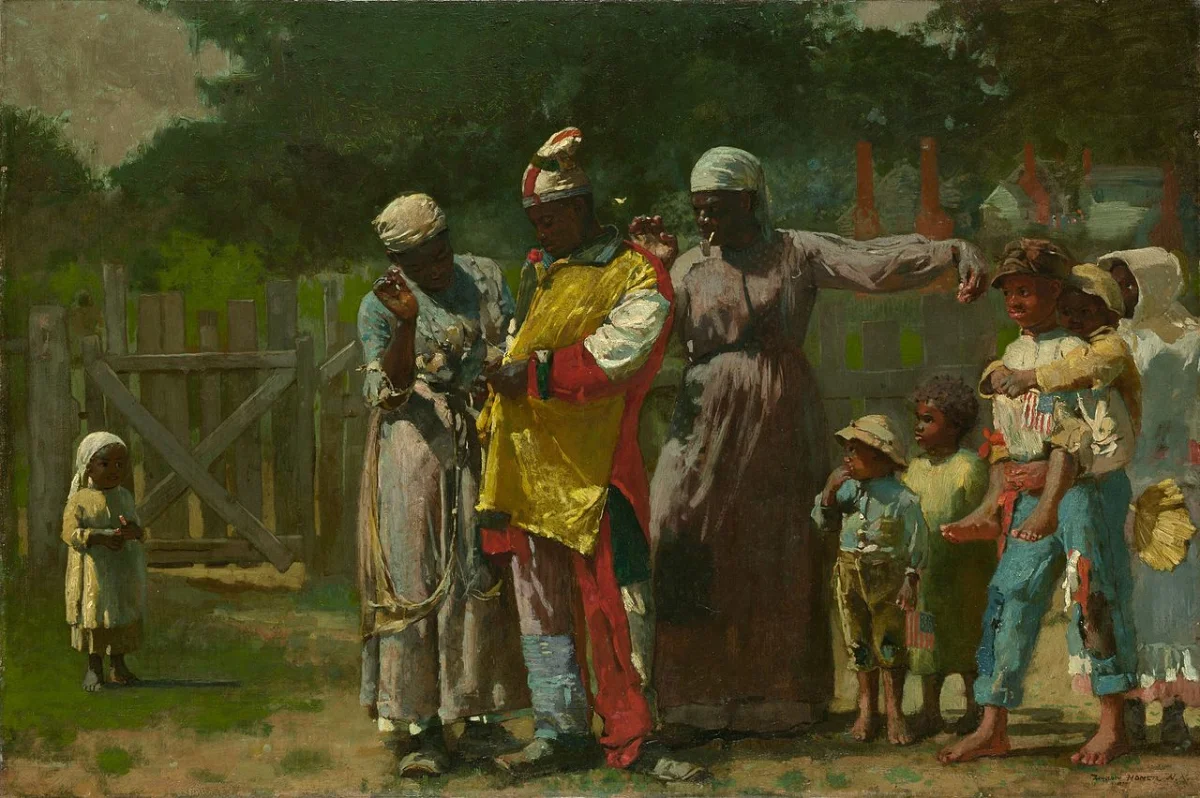
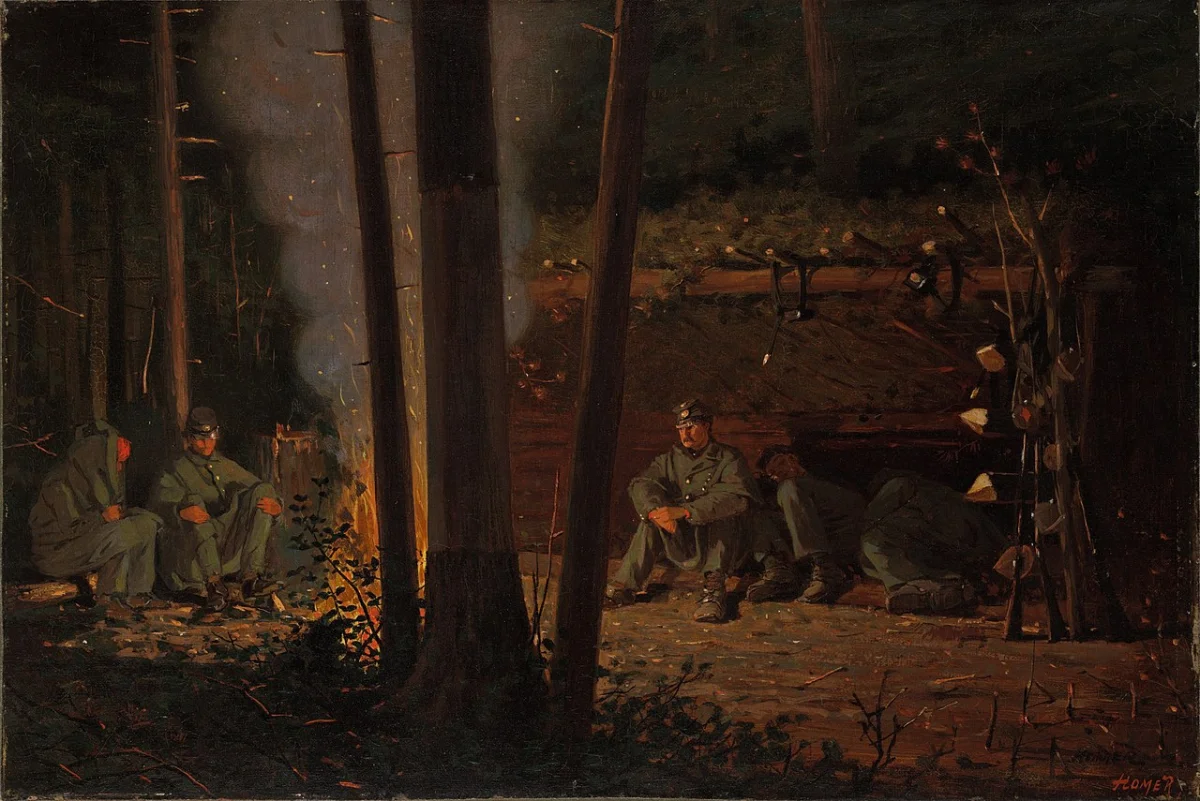
"The Brierwood Pipe" is more than just a fine art painting for sale; it weaves a subtle narrative through its composition and subject matter. Winslow Homer’s attention to everyday scenes, typical of the Realism movement, invites viewers to contemplate the stories and symbols hidden within. This painting, like "Dressing for the Carnival" and "In Front of Yorktown," offers a glimpse into the lives and emotions of its subjects, making it a timeless piece for any collection.
For collectors seeking a hand-painted oil painting that embodies both history and artistry, "The Brierwood Pipe" by Winslow Homer is a prized acquisition. The painting’s significance within the Realism movement, together with its connection to related works like "Breezing Up (or A Fair Wind)" and "The Boat Builders," ensures its lasting value. Owning such a piece means embracing a legacy of fine art and the enduring vision of one of America’s greatest painters.
When Art Meets History
"The Brierwood Pipe" by Winslow Homer stands as a remarkable example of the Realism movement, capturing a poignant moment from American history. This hand-painted oil painting reflects the everyday life and struggles of its era, much like related works such as "Rye Fields" and "The Gleaners." Homer’s dedication to depicting authentic scenes places this painting alongside other masterpieces, offering viewers a window into the past through the lens of Realism.
Techniques That Speak
Winslow Homer’s mastery is evident in his use of oil on canvas, a medium that allows for rich textures and lifelike details. In "The Brierwood Pipe," the brushwork and subtle color palette evoke a sense of realism and depth, similar to the techniques found in "The Angelus, 1857-59" and "Rain in an Oak Forest." Each stroke enhances the authenticity of the scene, making this painting a true testament to Homer’s skill within the Realism movement.
Emotions on Display
Through "The Brierwood Pipe," Winslow Homer conveys a profound sense of reflection and quiet resilience, emotions that resonate deeply with viewers. This fine art painting for sale captures the nuanced expressions of its subjects, echoing the emotional gravity found in "Marble Falls" and "The Gleaners." The Realism movement’s focus on genuine human experiences is powerfully embodied in this work, making it a compelling piece for art enthusiasts and collectors alike.
Coveted by Collectors
As a distinguished example of Realism, "The Brierwood Pipe" by Winslow Homer remains highly sought after by art collectors worldwide. The allure of owning a hand-painted oil painting from such a pivotal artist is undeniable, especially when compared to other celebrated works like "Rye Fields" or "Rain in an Oak Forest." Its historical significance and artistic excellence ensure its place as a prized acquisition within the world of fine art painting for sale.
Related Realism Hand-Painted Oil Paintings by Other Artists
Other Famous Realism Artists:
Frequently Asked Questions About The Brierwood Pipe
What is the historical context of "The Brierwood Pipe"?
"The Brierwood Pipe" was painted by Winslow Homer in the late 19th century, a period marked by significant changes in American society, including the aftermath of the Civil War and the rise of industrialization. This painting reflects the artist's exploration of American life and leisure during this transformative era.
What artistic techniques did Winslow Homer use in "The Brierwood Pipe"?
Homer employed a combination of realism and impressionism in "The Brierwood Pipe," utilizing loose brushwork and a naturalistic color palette to convey the subject's contemplative mood. The play of light and shadow enhances the three-dimensionality of the pipe and the surrounding elements.
What does the brierwood pipe symbolize in the painting?
The brierwood pipe in the painting symbolizes leisure, reflection, and the simple pleasures of life. It serves as a focal point that invites viewers to consider themes of relaxation and contemplation in the context of everyday life.
How does "The Brierwood Pipe" reflect Winslow Homer's artistic philosophy?
Winslow Homer believed in capturing the essence of American life through his art. "The Brierwood Pipe" exemplifies this philosophy by portraying a moment of tranquility, emphasizing the importance of leisure and personal reflection in a rapidly changing world.
What influences can be seen in the composition of "The Brierwood Pipe"?
The composition of "The Brierwood Pipe" showcases Homer's interest in the human figure and its relationship with objects. The careful placement of the pipe and the subject's posture create a sense of intimacy and invite the viewer to engage with the narrative of the painting.
What role does color play in "The Brierwood Pipe"?
Color plays a crucial role in "The Brierwood Pipe," with warm earth tones dominating the palette. This choice evokes a sense of warmth and comfort, enhancing the painting's themes of relaxation and introspection.
How does "The Brierwood Pipe" compare to other works by Winslow Homer?
Compared to other works by Winslow Homer, "The Brierwood Pipe" is more focused on domesticity and personal reflection, whereas many of his other pieces depict more dynamic scenes of nature and human interaction. This painting highlights a quieter, more introspective side of Homer's artistic range.
What can be inferred about the subject's character in "The Brierwood Pipe"?
The subject in "The Brierwood Pipe" appears contemplative and relaxed, suggesting a character who values moments of solitude and reflection. This portrayal invites viewers to ponder the inner life of the subject, emphasizing the importance of personal time in a busy world.
What impact did "The Brierwood Pipe" have on American art?
"The Brierwood Pipe" contributed to the evolution of American art by showcasing a focus on individual experience and the everyday moments of life. It paved the way for future artists to explore themes of leisure and introspection within the broader context of American identity.
How does "The Brierwood Pipe" reflect the social norms of its time?
The painting reflects the social norms of the late 19th century, where leisure activities such as smoking a pipe were associated with masculinity and contemplation. It captures a moment that resonates with the values of relaxation and personal time that were becoming increasingly important in a rapidly industrializing society.






















_GFM_Painting_(1).webp)


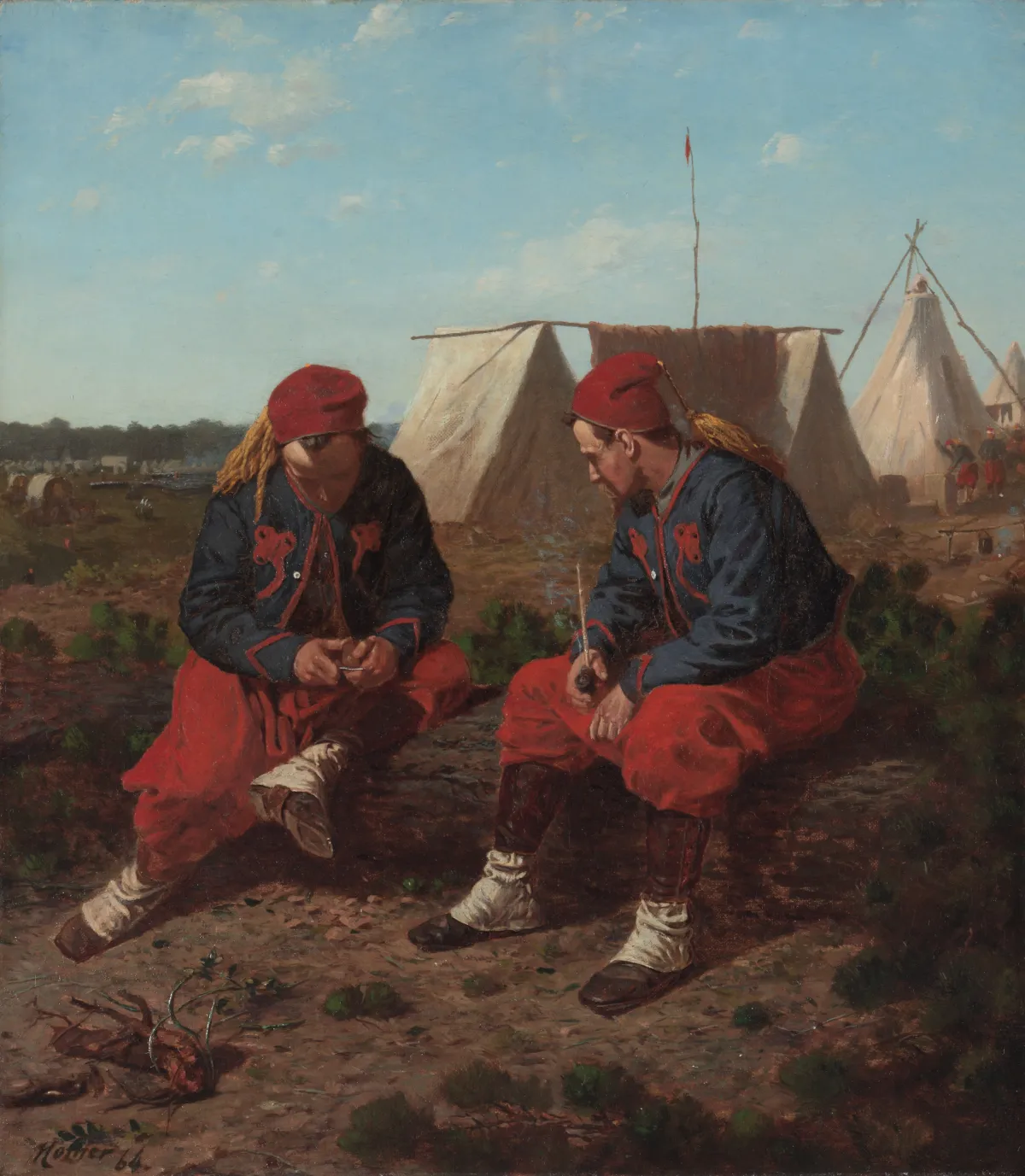
 100% Hand-Painted: Finished in 3-6 Weeks

.png)












.webp)



_(1).webp)