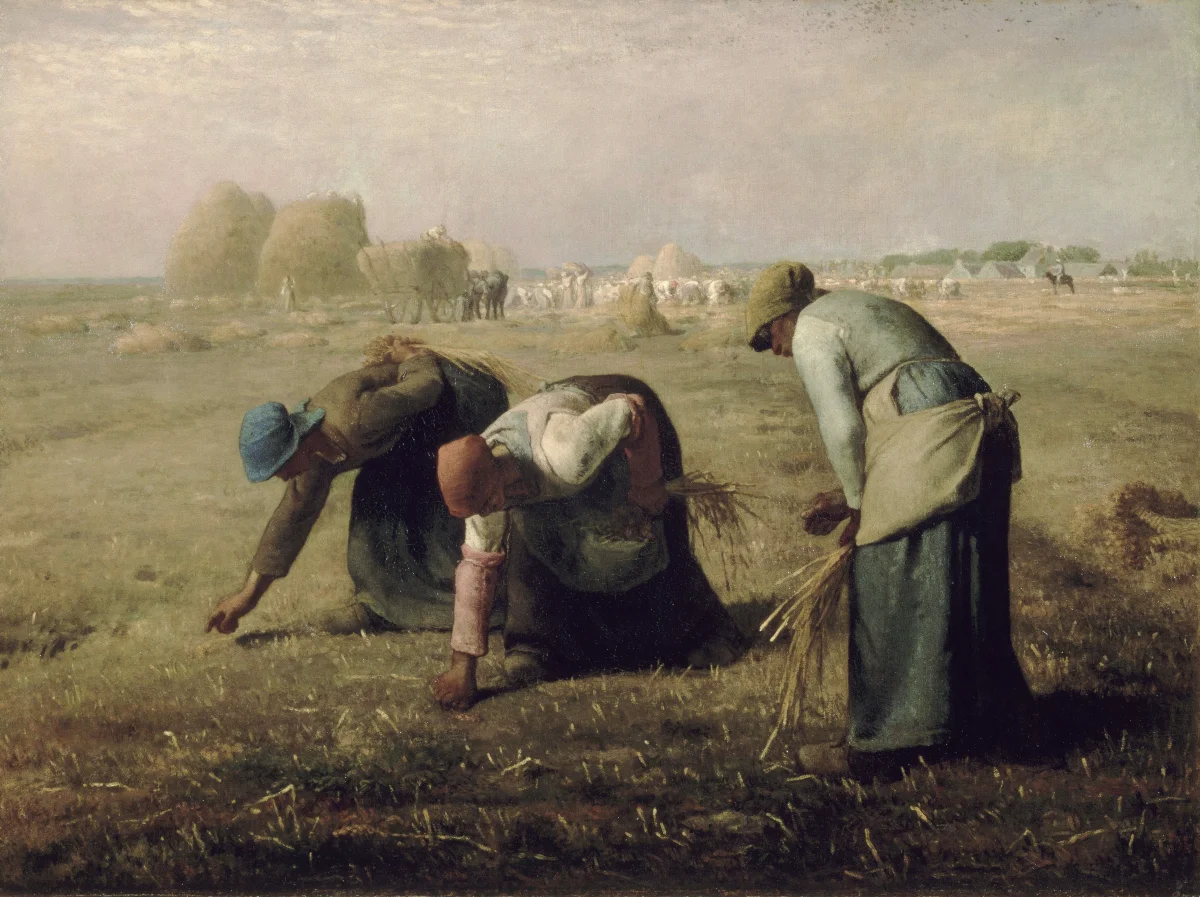
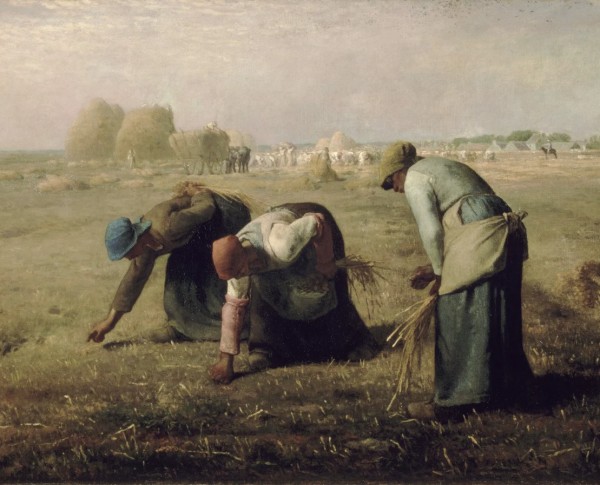
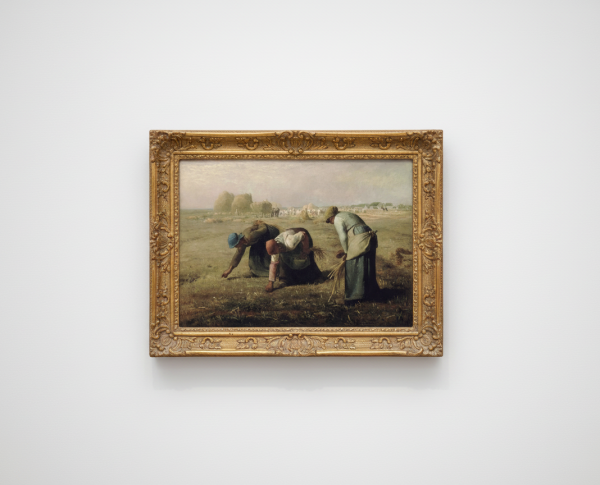
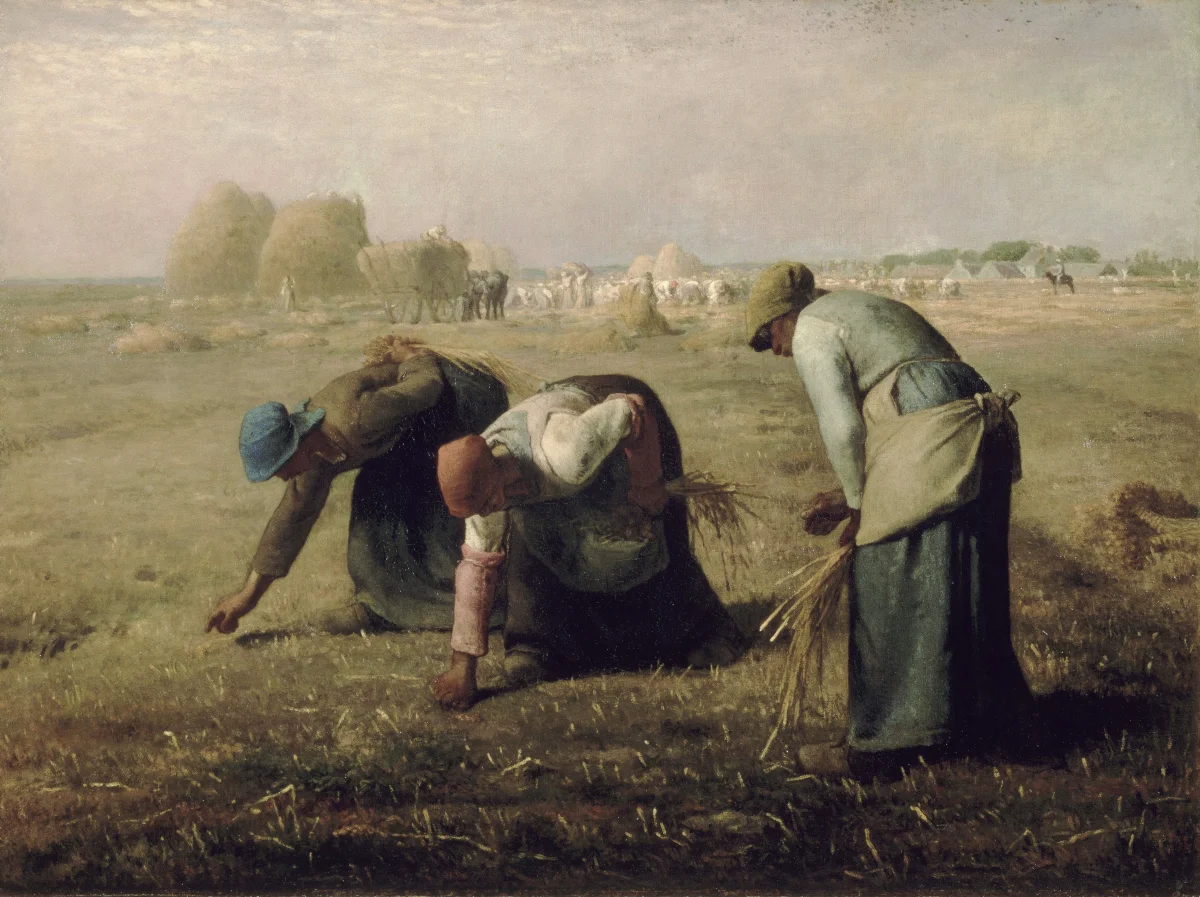
Rendered in exquisite oil on canvas, "The Gleaners" showcases Millet’s technical brilliance and sensitivity to light and texture. Each brushstroke brings to life the golden fields and the stooped figures of the gleaners, reflecting the artist’s empathy and skill. As a cornerstone of the Realism movement, this painting exemplifies how oil on canvas can convey both hardship and hope, making it a sought-after piece for any serious collection of 19th-century art.
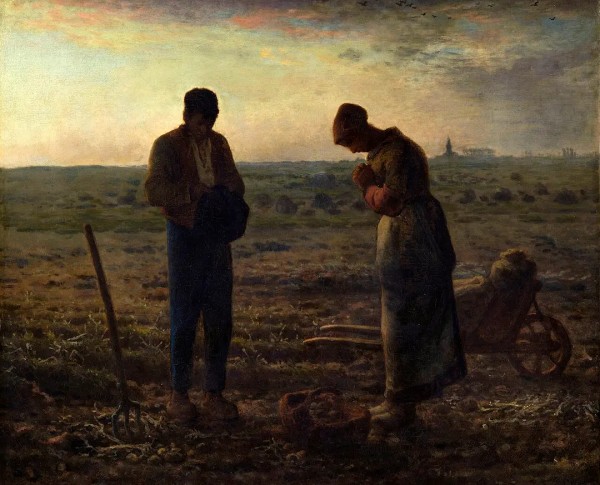
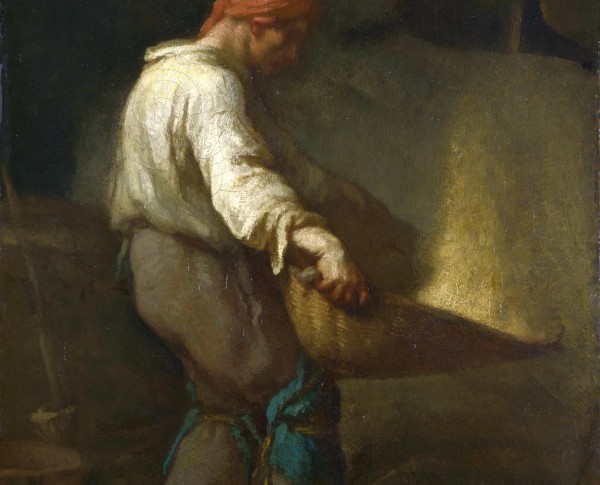
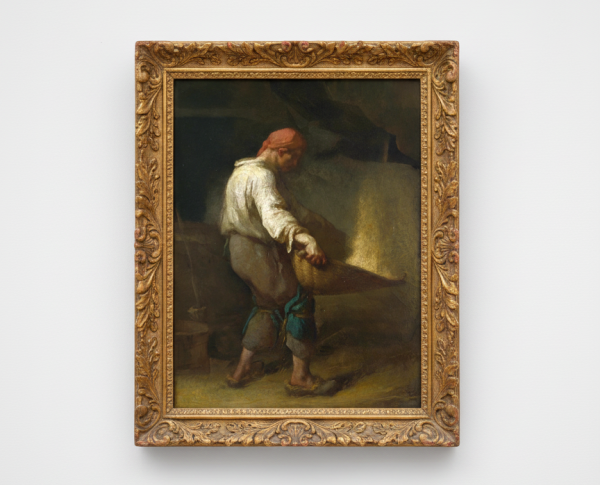
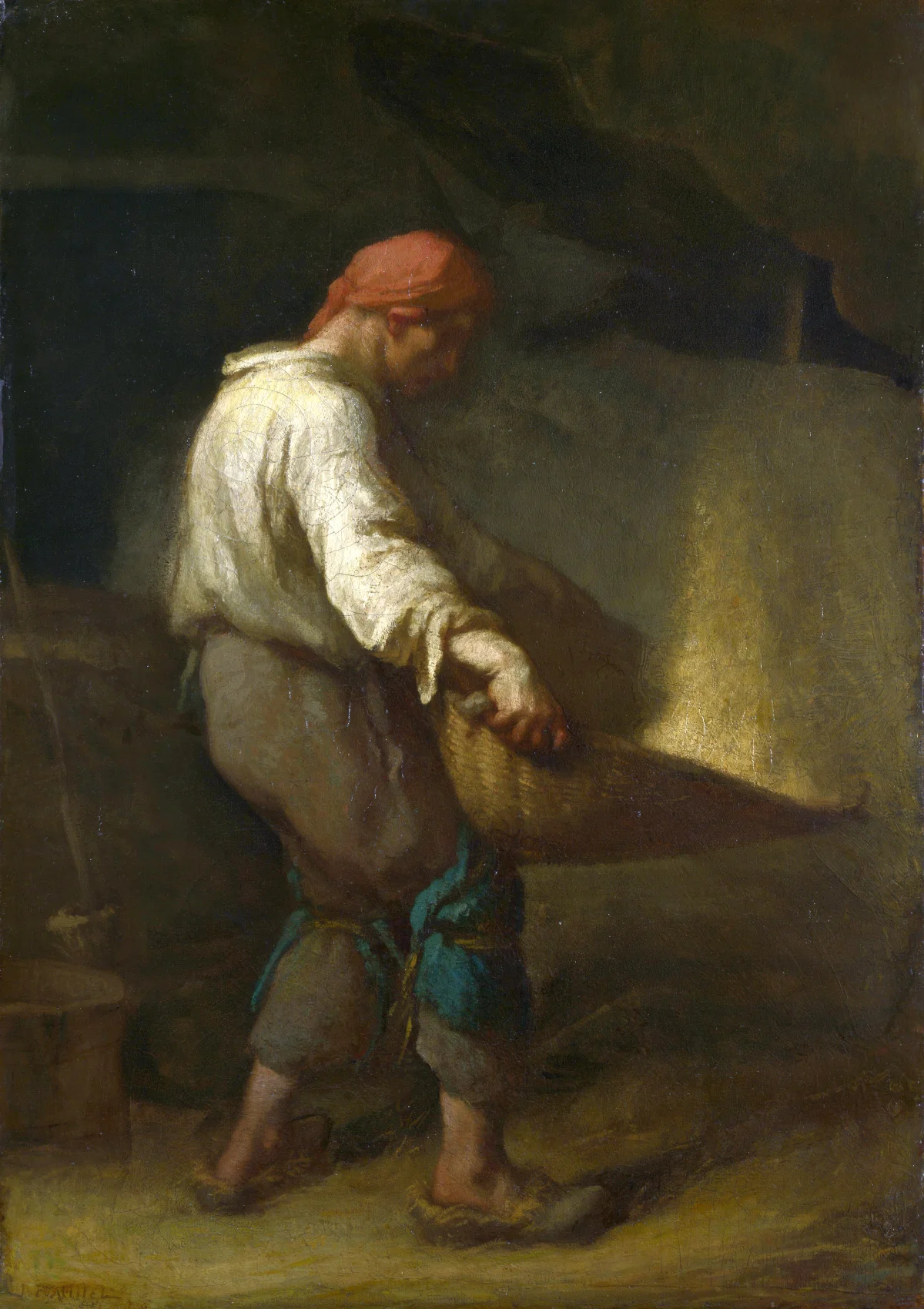
Within "The Gleaners," Millet weaves stories of perseverance, humility, and social reality. The three women gathering leftover grain symbolize resilience and the uncelebrated labor of the rural poor. This fine art painting for sale continues to inspire viewers with its timeless narrative. Collectors are often drawn to related works like "The Angelus, 1857-59" and "The Winnower," which further explore themes of rural life through Millet’s insightful Realist lens.
Owning a reproduction of "The Gleaners" by Jean-Francois Millet is a mark of distinction for any art lover. As a celebrated hand-painted oil painting from the Realism movement, it brings both historical significance and visual beauty into your space. Collectors often seek additional works such as "The Angelus, 1857-59" and "The Winnower" to enhance their portfolios with masterpieces that embody the spirit and technique of Millet’s era.
When Art Meets History
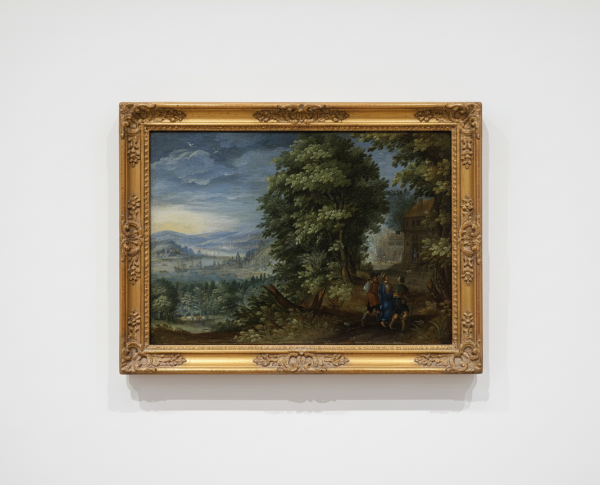
"The Gleaners" by Jean-Francois Millet stands as a hallmark of the Realism movement, depicting rural life with stark authenticity. Completed in 1857, this hand-painted oil painting immortalizes three peasant women gleaning leftover grains after the harvest. Millet's focus on the working class challenged artistic norms of the era. Alongside related masterpieces like "Las Meninas" and "A Dash for the Timber," "The Gleaners" bridges art and social commentary, highlighting the dignity found in everyday labor.
Techniques That Speak
Jean-Francois Millet’s masterful use of oil on canvas in "The Gleaners" reveals his commitment to realistic detail and atmospheric depth. Subtle gradations of color and light convey the heat and toil of the harvest fields, while the textured brushwork brings the figures to life. This approach, shared by other Realism icons and seen in pieces like "Morning in the Pine-tree Forest," elevates the scene beyond mere representation, emphasizing the beauty within ordinary moments.
Emotions on Display
"The Gleaners" captures profound emotion through its depiction of three women bent in labor, their resilience quietly resonating with viewers. Jean-Francois Millet’s fine art painting for sale evokes empathy for their humble plight, a theme echoed in related works such as "Breezing Up (or A Fair Wind)" and "Surrender At Santa Anna." The painting’s muted palette and gentle composition invite contemplation, making it a timeless emblem of perseverance and human dignity within the Realism movement.
Coveted by Collectors
Collectors and art enthusiasts continually seek "The Gleaners" for its historical significance and artistic mastery. Jean-Francois Millet’s hand-painted oil painting is celebrated worldwide, often compared to other renowned works like "Las Meninas." As a pivotal piece in the Realism movement, its presence in major museums and private collections underscores its lasting value. For those seeking a fine art painting for sale, "The Gleaners" remains a coveted treasure embodying the spirit of 19th-century rural France.
Related Realism Hand-Painted Oil Paintings by Other Artists
Other Famous Realism Artists:
Frequently Asked Questions About The Gleaners
What is the historical context of The Gleaners?
The Gleaners was painted in 1857, during a time when France was undergoing significant social and economic changes, particularly following the 1848 Revolution. The painting reflects the struggles of the rural poor and highlights the importance of agricultural labor in a rapidly industrializing society.
Who is the artist behind The Gleaners?
The Gleaners was created by Jean-Francois Millet, a French painter known for his depictions of peasant life. Millet was a key figure in the Barbizon School, which emphasized realism and the beauty of rural scenes.
What artistic techniques did Millet use in The Gleaners?
Millet employed a naturalistic style, using earthy tones and a soft palette to convey the warmth and dignity of his subjects. His use of light and shadow creates depth, while the composition draws the viewer's eye towards the three gleaners, emphasizing their labor and resilience.
What is the significance of the act of gleaning in the painting?
The act of gleaning, which involves collecting leftover crops after the harvest, symbolizes the struggle for survival among the poor. It serves as a poignant reminder of the dignity found in labor and the social inequalities of the time.
How does The Gleaners reflect the social issues of its time?
The Gleaners highlights the plight of the rural working class, showcasing their hard work and perseverance. The painting critiques the social hierarchy and raises awareness about poverty, making it a significant social commentary of the 19th century.
What themes are prevalent in The Gleaners?
Key themes in The Gleaners include labor, social justice, and the dignity of the working class. Millet's portrayal of the gleaners emphasizes their strength and resilience, while also addressing broader issues of economic disparity and the value of manual labor.
How has The Gleaners influenced modern art?
The Gleaners has had a lasting impact on modern art by inspiring subsequent generations of artists to explore themes of social realism and the human condition. Its focus on everyday life and the struggles of ordinary people paved the way for later movements that emphasized similar subjects.
What is the composition of The Gleaners?
The composition of The Gleaners is carefully structured, with the three figures positioned in the foreground against a vast field, creating a sense of depth. The triangular arrangement of the gleaners draws the viewer's attention and emphasizes their collective effort in the act of gleaning.
What materials did Millet use for The Gleaners?
Millet created The Gleaners using oil on canvas, a medium that allowed him to achieve rich textures and a nuanced color palette, enhancing the emotional depth of the scene and the physicality of the figures.
How is The Gleaners viewed in the context of art history?
The Gleaners is considered a seminal work in the history of art, representing the shift towards realism and the portrayal of everyday life. It has been celebrated for its empathetic depiction of the working class and remains a significant example of 19th-century French painting.






















_GFM_Painting_(1).webp)


 100% Hand-Painted: Finished in 3-6 Weeks

.png)
















_(1).webp)