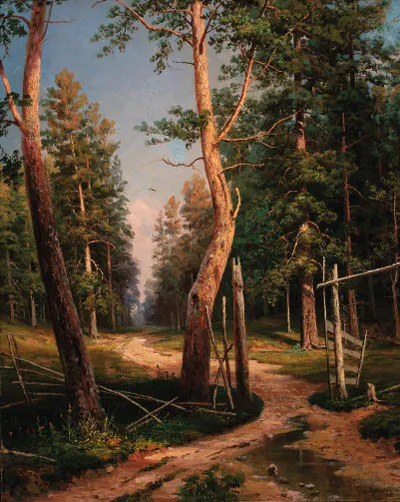
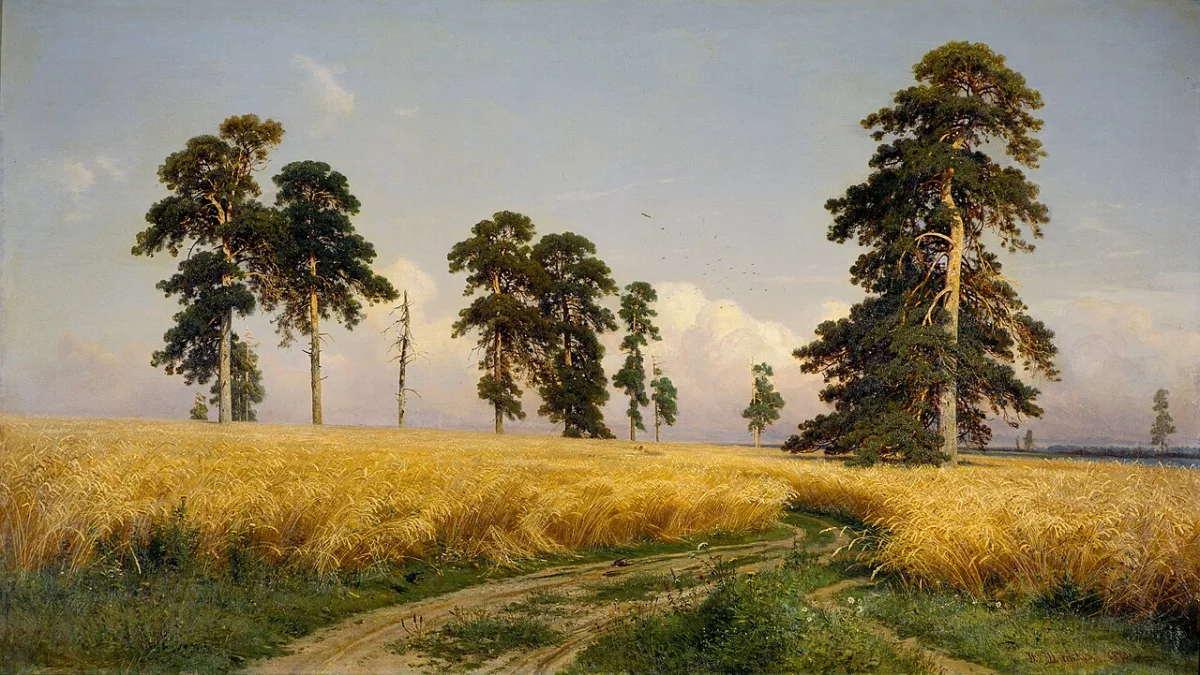
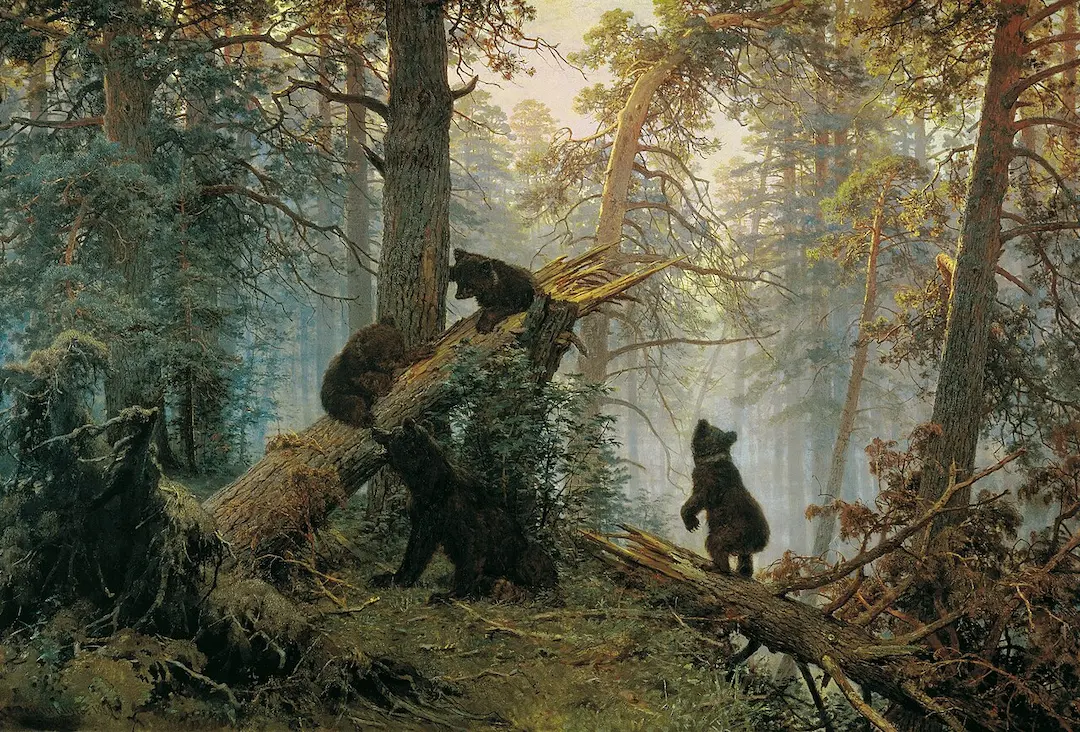
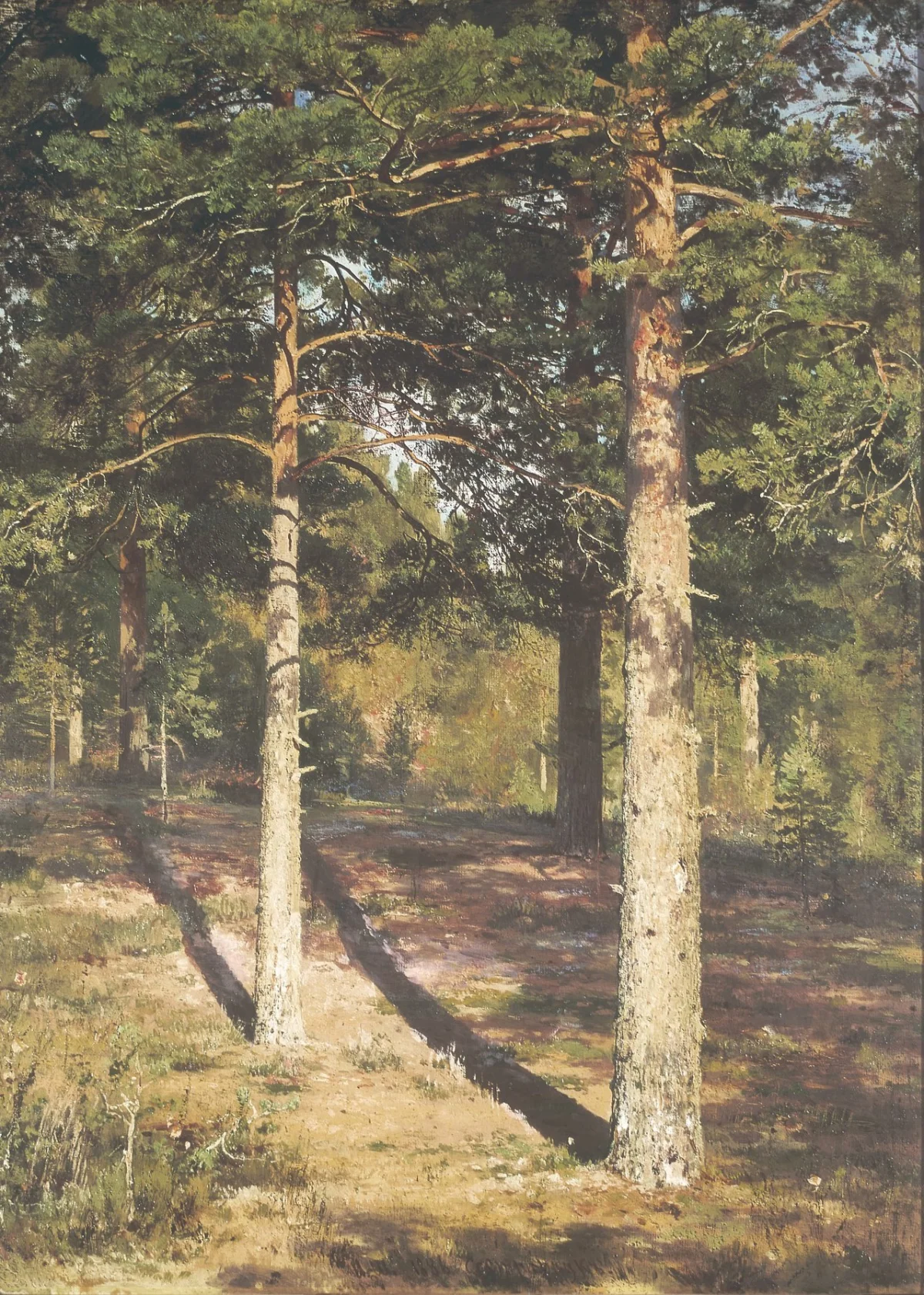
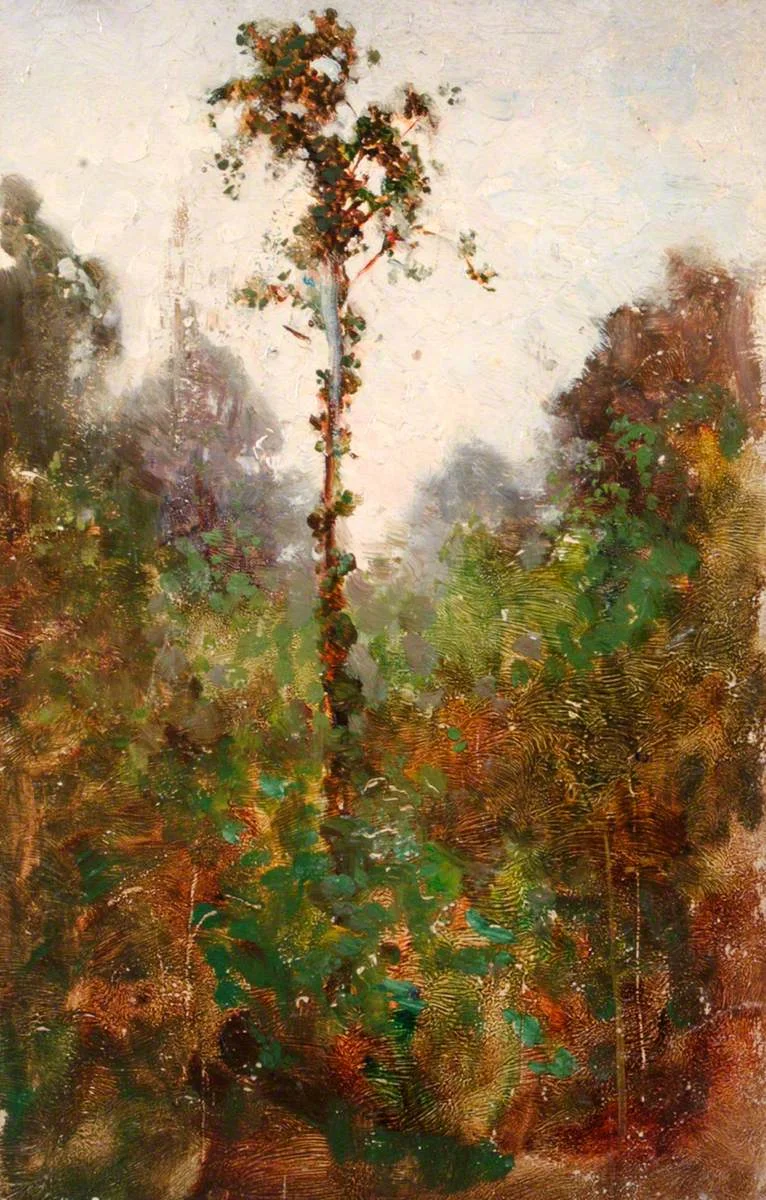
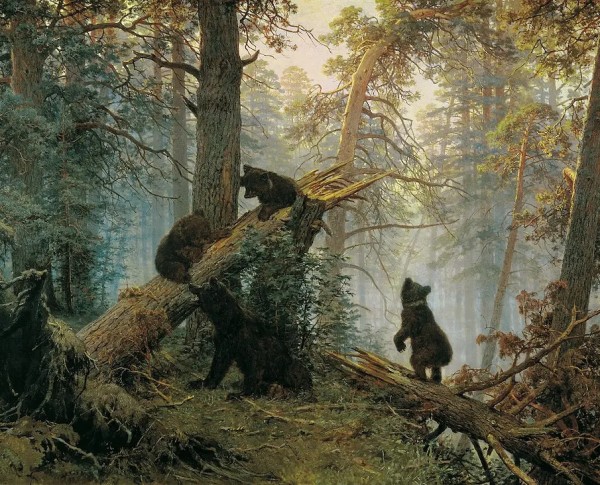
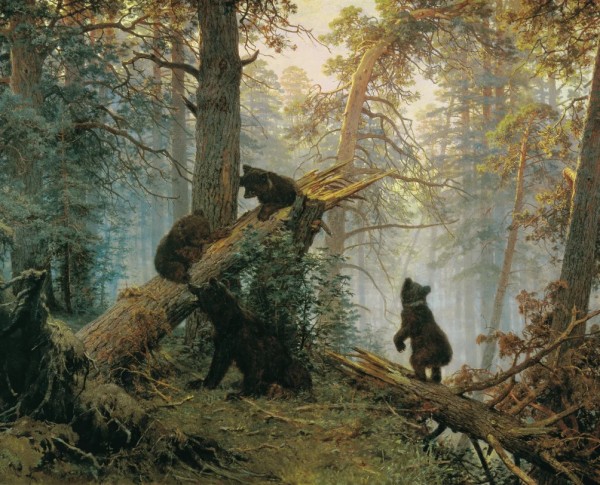
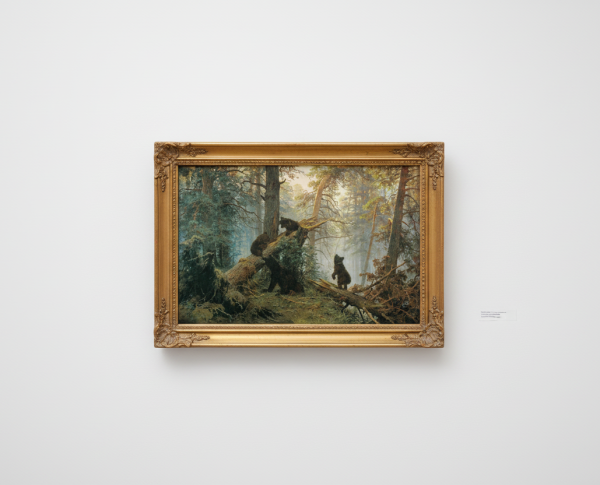
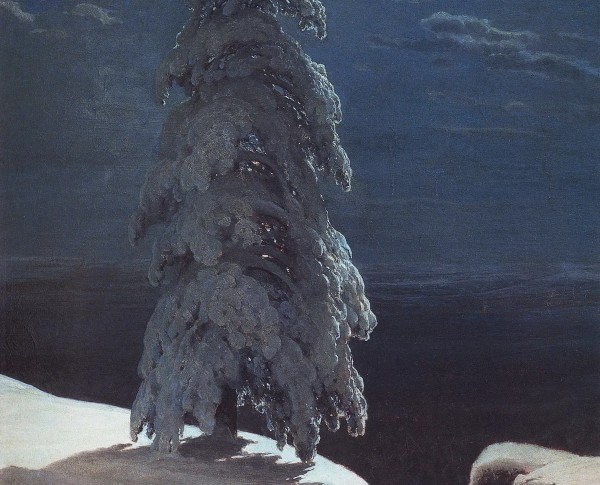
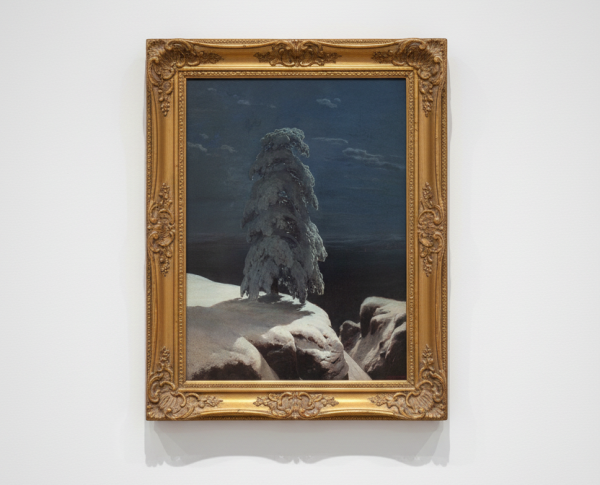
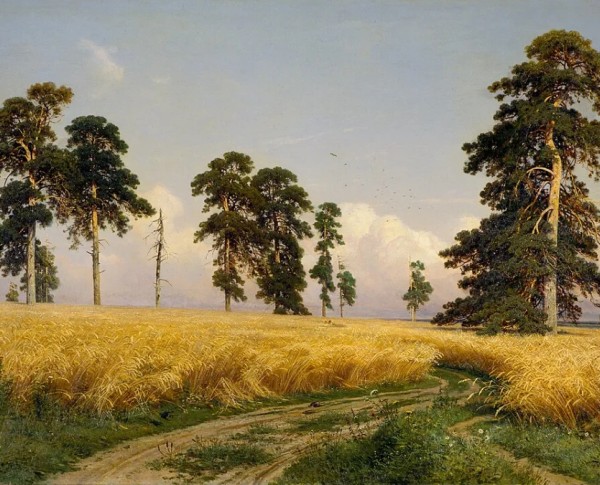
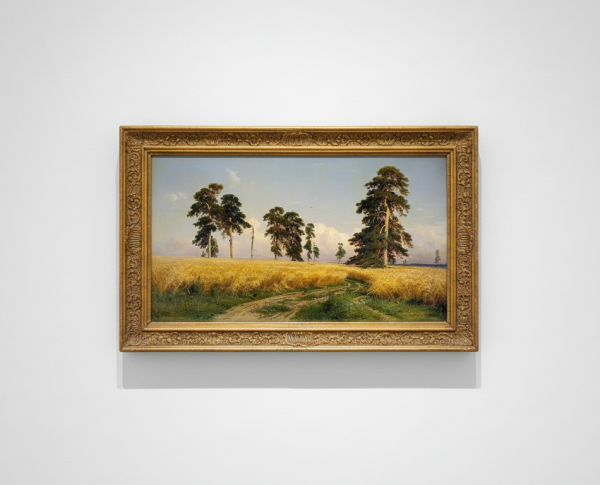
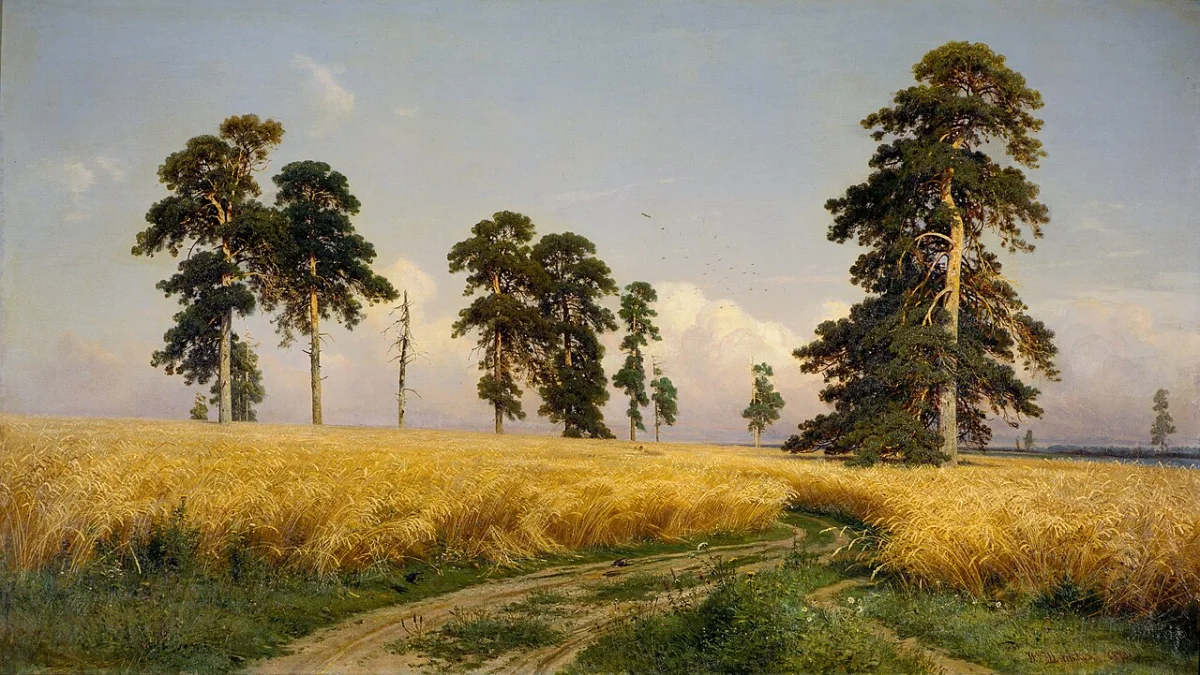
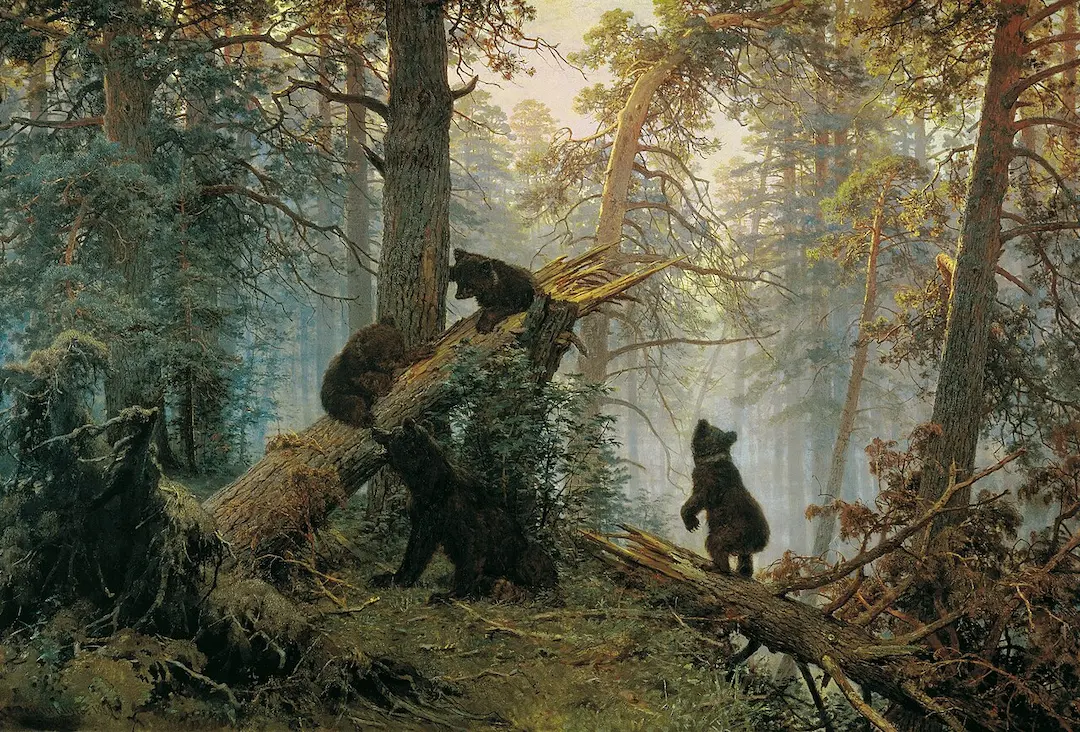
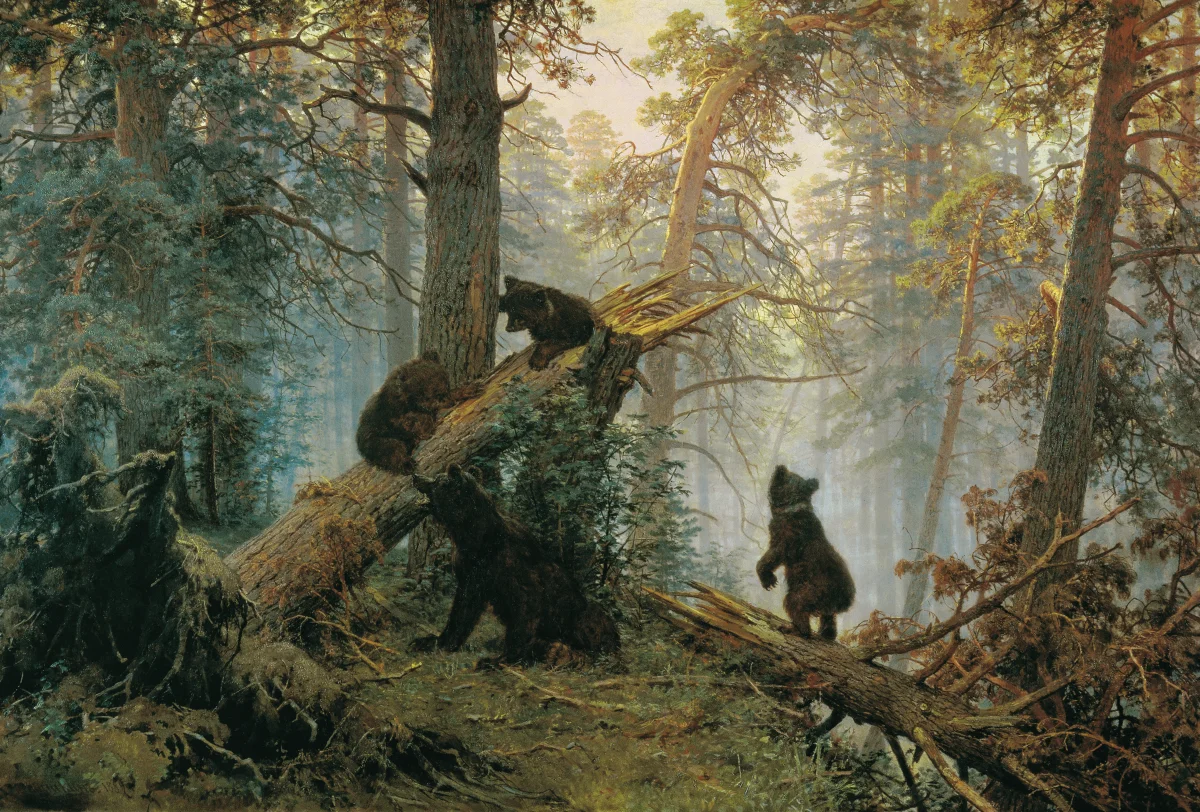
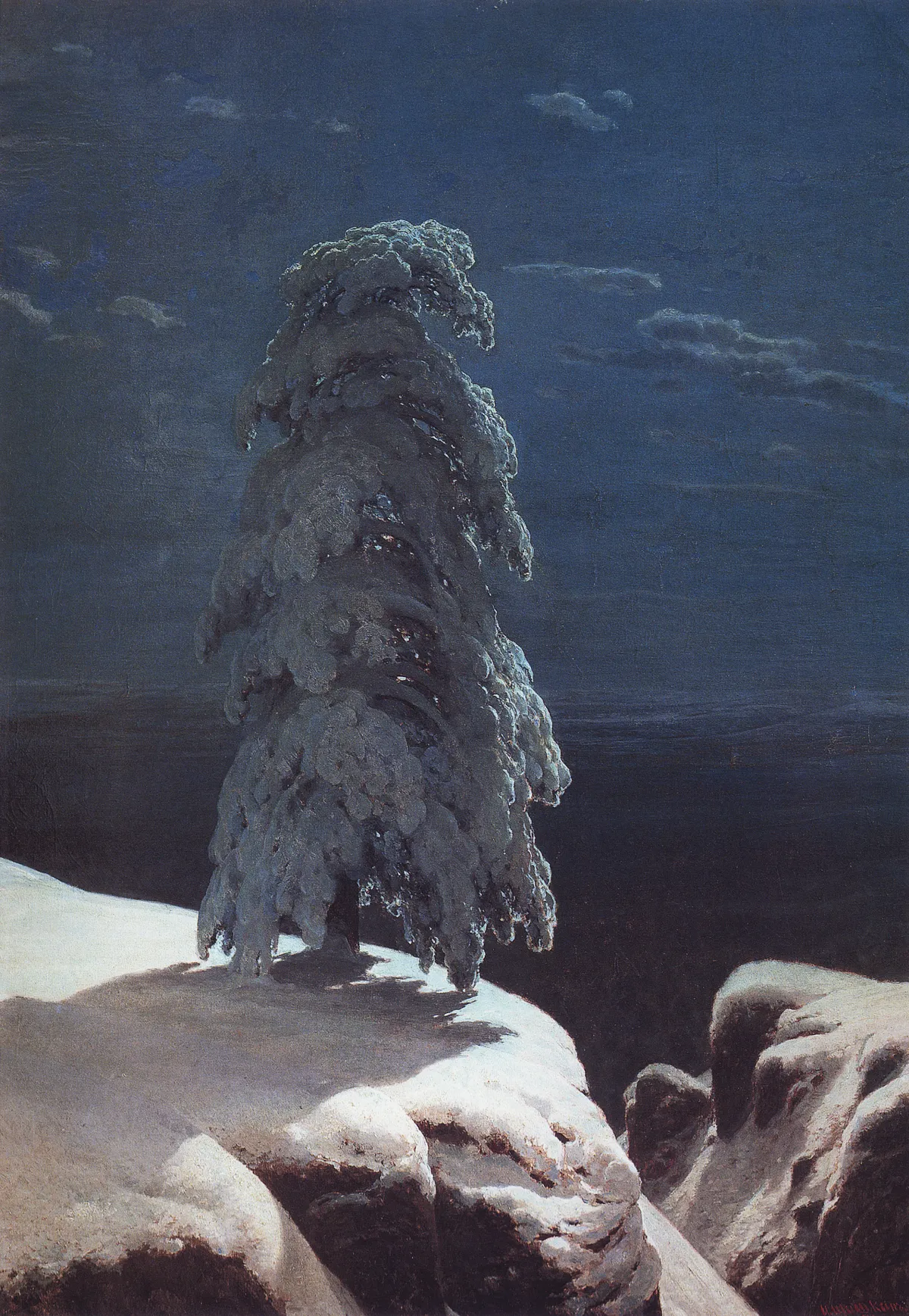
Ivan Shishkin’s "Rye Fields" exemplifies his exceptional skill in portraying landscapes through oil on canvas. Each brushstroke delivers lifelike detail, reflecting the Realism movement’s commitment to authenticity. The painting’s vibrant hues and intricate textures bring the natural world to life, making it a cherished piece among collectors. For those seeking similar masterpieces, related works such as "In the Wild North…" and "Morning in a Pine Forest" offer further glimpses into Shishkin's artistry.
"Rye Fields" is more than just a fine art painting for sale; it’s a visual narrative of rural Russia. Ivan Shishkin infused symbolism into every detail, from the endless fields to the distant treeline, representing abundance and resilience. As a leading figure in the Realism movement, Shishkin’s work resonates with viewers. Collectors often pair this piece with related paintings like "Morning in the Pine-tree Forest" to create a cohesive and evocative display.
Owning "Rye Fields" by Ivan Shishkin means acquiring a piece of Realism history. This hand-painted oil painting is highly sought after by art enthusiasts who appreciate its authenticity and beauty. The value of Shishkin’s work is further enhanced when displayed alongside related products such as "In the Wild North…" or "Morning in a Pine Forest", making it an exceptional addition to any fine art collection.
When Art Meets History
"Ivan Shishkin’s ‘Rye Fields’ stands as a testament to the Realism movement, capturing the Russian countryside’s essence with meticulous detail. This hand-painted oil painting, created during a period of cultural transformation, reflects Shishkin’s dedication to representing nature truthfully. Alongside masterpieces like ‘The Winnower’ and ‘Marble Falls,’ ‘Rye Fields’ offers viewers a glimpse into 19th-century rural life, preserving a moment in history through the artist’s skilled brushwork and keen observation of the natural world.
Techniques That Speak
Shishkin’s mastery of oil on canvas is evident in ‘Rye Fields,’ where each blade of rye and distant tree is rendered with precision. The artist’s use of light, shadow, and texture brings the landscape to life, embodying the core principles of Realism. Similar to works such as ‘Las Meninas’ and ‘Portrait of Brigadier General Joseph Lewis Hogg,’ ‘Rye Fields’ showcases how technical prowess and careful composition can transform a simple scene into a timeless masterpiece.
Emotions on Display
‘Rye Fields’ evokes a sense of tranquility and nostalgia, inviting viewers to immerse themselves in the peaceful expanse of golden fields under a vast sky. Ivan Shishkin’s ability to convey emotion through his fine art painting for sale rivals that of ‘Davy Crockett’ and ‘The Winnower.’ The painting’s serene mood and attention to detail reflect the artist’s deep connection to nature, making it a cherished work within the Realism movement and among art enthusiasts worldwide.
Coveted by Collectors
As a renowned example of Realism, ‘Rye Fields’ by Ivan Shishkin is highly sought after among collectors and admirers of hand-painted oil paintings. Its historical significance, technical brilliance, and emotional depth make it a prized addition to any collection. Much like ‘Marble Falls’ and ‘Las Meninas,’ this masterpiece continues to captivate those who appreciate the enduring beauty of oil on canvas, ensuring its place in the annals of fine art history for generations to come.
Related Realism Hand-Painted Oil Paintings by Other Artists
Other Famous Realism Artists:
Frequently Asked Questions About Rye Fields
What is the historical context of "Rye Fields"?
"Rye Fields," painted by Ivan Shishkin in 1878, reflects the Russian landscape during the late 19th century, a period marked by a growing appreciation for nature and rural life in art, coinciding with the rise of the Peredvizhniki (Wanderers) movement.
What artistic techniques did Ivan Shishkin employ in "Rye Fields"?
Shishkin is renowned for his meticulous attention to detail and use of light. In "Rye Fields," he employs a realistic style, capturing the texture of the rye and the play of sunlight, which enhances the painting's depth and vibrancy.
What themes are explored in "Rye Fields"?
The painting explores themes of nature, tranquility, and the beauty of rural life. It evokes a sense of harmony between humanity and the natural world, reflecting the artist's reverence for the Russian landscape.
How does "Rye Fields" compare to other works by Ivan Shishkin?
What symbolism can be found in "Rye Fields"?
The fields of rye symbolize abundance and fertility, representing the agricultural richness of Russia. The painting can also be interpreted as a celebration of the rural lifestyle and the connection between the land and its people.
What influence did "Rye Fields" have on Russian art?
"Rye Fields" significantly influenced the Russian landscape genre, inspiring subsequent artists to explore natural themes and the beauty of rural settings, thereby reinforcing the importance of nature in Russian cultural identity.
What is the significance of the composition in "Rye Fields"?
The composition of "Rye Fields" is carefully balanced, with the horizon line drawing the viewer's eye across the expansive fields. This creates a sense of openness and invites contemplation of the vastness of nature.
How does "Rye Fields" reflect the characteristics of the Peredvizhniki movement?
The painting embodies the Peredvizhniki movement's ideals by focusing on realistic depictions of everyday life and nature, emphasizing social themes and the beauty of the Russian landscape, which were central to the movement's philosophy.
What impact did Ivan Shishkin's upbringing have on "Rye Fields"?
Shishkin's upbringing in the Russian countryside profoundly influenced his artistic vision. His intimate knowledge of nature is evident in "Rye Fields," where he captures the essence of the rural landscape with authenticity and passion.
Where can "Rye Fields" be viewed today?
"Rye Fields" is part of the collection at the State Tretyakov Gallery in Moscow, where it continues to be celebrated as a masterpiece of Russian landscape painting and an enduring symbol of Shishkin's artistic legacy.






















_GFM_Painting_(1).webp)


 100% Hand-Painted: Finished in 3-6 Weeks

.png)















_(1).webp)