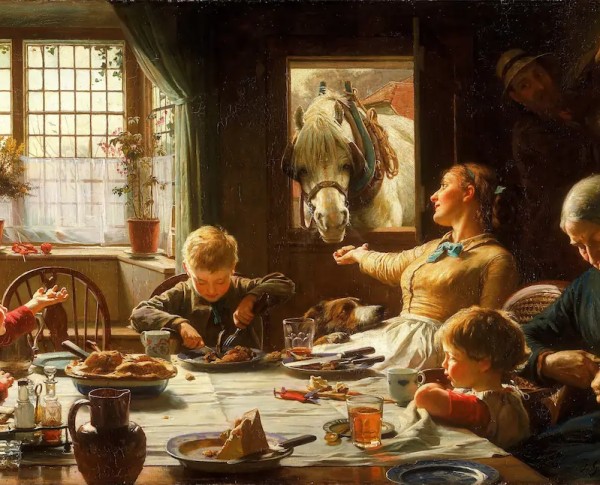
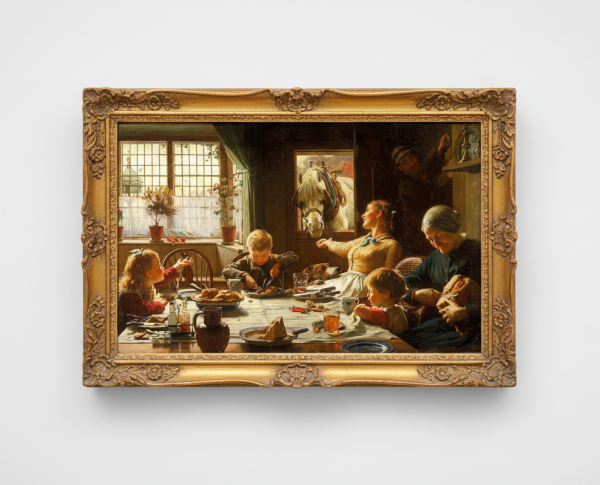
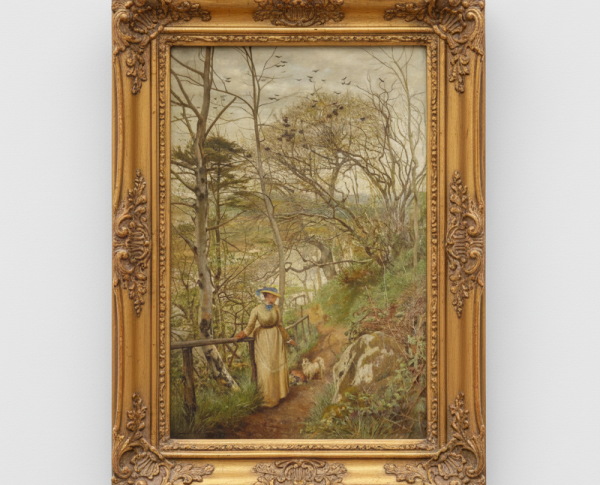
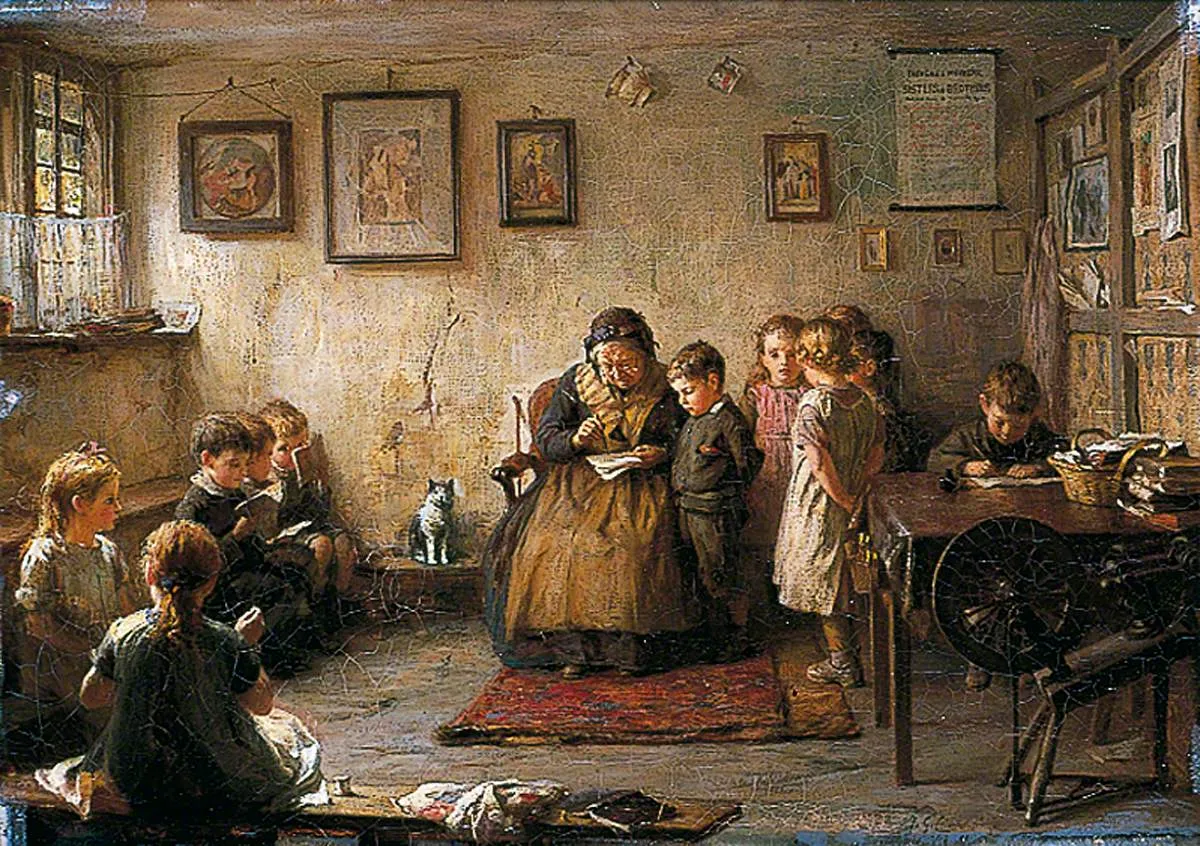
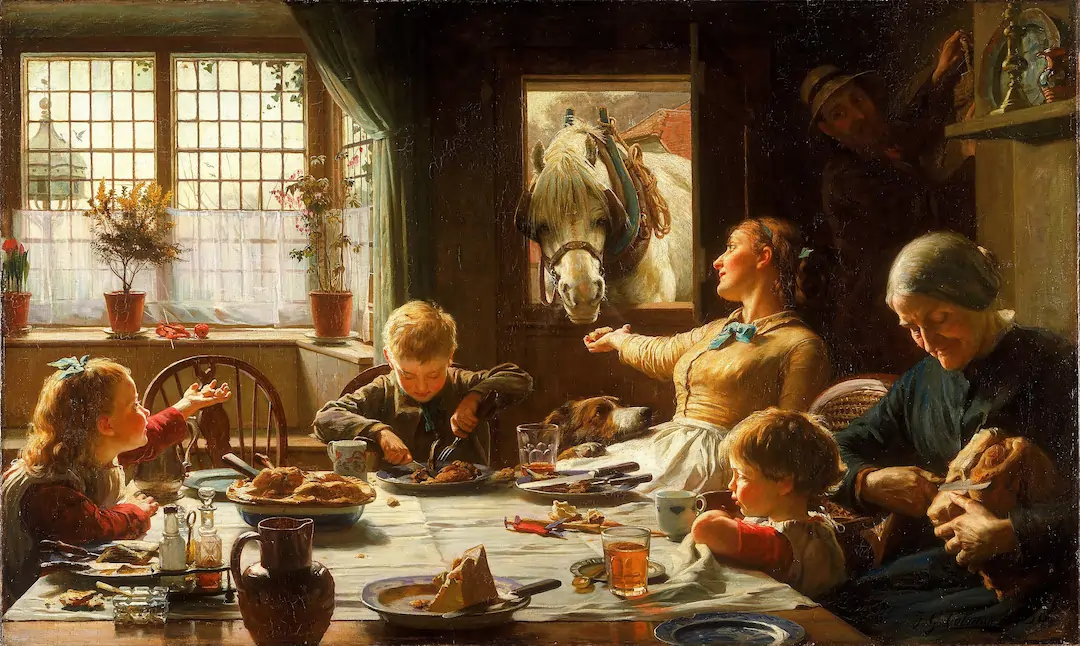
Rendered with exquisite skill, "The Dame School" is an exceptional example of oil on canvas artistry by Frederick George Cotman. The brushwork and composition reflect the artist’s Post-Impressionist influences, blending vibrant colors with emotive scenes. Cotman’s technique is similarly celebrated in related works like "One Of The Family" and "The Widow," which, like this masterpiece, demonstrate his prowess in capturing the subtleties of human interaction and atmosphere.
Every element within "The Dame School" by Frederick George Cotman tells a story, making this fine art painting for sale a window into the educational and social values of its era. The Post-Impressionism movement’s focus on symbolism is evident in the thoughtful placement of figures and objects. Collectors often pair this piece with related paintings such as "From Shade to Sunshine" and "Sunday Morning" to enrich their understanding of Cotman’s narrative depth.
For art collectors, "The Dame School" by Frederick George Cotman is a prized hand-painted oil painting, highly sought after within the Post-Impressionism movement. Its enduring appeal is matched by related products like "Fisherman at His Nets" and "The Widow," which also capture Cotman’s unique style. Acquiring such a masterpiece not only enhances any collection but also preserves the legacy of fine art painting for sale for future generations to appreciate.
When Art Meets History
"The Dame School" by Frederick George Cotman stands as a remarkable example of the Post-Impressionism movement, capturing a unique moment in time with its evocative style. This hand-painted oil painting reflects the social and educational atmosphere of its era, much like related works such as "Starry Night" and "The Drinkers." Cotman's attention to everyday life connects his art with the broader historical narrative, making it a significant piece for collectors and enthusiasts of historical art.
Techniques That Speak
Frederick George Cotman’s mastery is evident in his use of oil on canvas, a medium favored by many Post-Impressionist artists. In "The Dame School," Cotman employs expressive brushwork and vibrant color palettes reminiscent of paintings like "Two Tahitian Women" and "Ia Orana Maria." These techniques create depth and movement, drawing the viewer into the scene and highlighting the innovative spirit that defines Post-Impressionism and Cotman’s contribution to the movement.
Emotions on Display
In "The Dame School," Cotman’s ability to convey emotion is striking. The faces and posture of the figures evoke a sense of nostalgia and warmth, similar to the emotional resonance found in "Fields with trees in Barbizon." This fine art painting for sale offers more than just visual beauty; it provides a window into the lives and feelings of its subjects, embodying the Post-Impressionist focus on inner experience and psychological depth.
Coveted by Collectors
Collectors highly prize "The Dame School" for its historical value and artistic merit. As a distinguished hand-painted oil painting by Frederick George Cotman, it shares a lineage with other renowned Post-Impressionist works such as "Starry Night" and "The Drinkers." The painting’s authenticity and connection to the movement make it a sought-after piece, ensuring its place among the most desirable fine art painting for sale in today’s art market.
Related Post-Impressionism Hand-Painted Oil Paintings by Other Artists
Other Famous Post-Impressionism Artists:
Frequently Asked Questions About The Dame School
What is the historical context of "The Dame School"?
"The Dame School" was painted during the early 19th century, a time when education for girls was limited and often conducted in informal settings. This artwork reflects the societal norms and educational practices of the period.
Who was Frederick George Cotman?
Frederick George Cotman was an English painter and a member of the Norwich School of painters. He is known for his landscapes and genre scenes, which often depict everyday life in a realistic manner.
What artistic techniques are employed in "The Dame School"?
Cotman utilized a combination of detailed brushwork and a muted color palette to create a sense of realism and intimacy in the scene. His use of light and shadow adds depth and dimension to the composition.
What themes are explored in "The Dame School"?
The painting explores themes of education, gender roles, and the nurturing of young minds. It highlights the importance of early education and the role women played in teaching children during that era.
What is the significance of the setting in "The Dame School"?
The setting of a domestic space emphasizes the informal nature of education at the time. It suggests that learning often took place within the home, reflecting the limited opportunities for formal schooling for girls.
How does "The Dame School" reflect societal attitudes towards women?
The painting illustrates the traditional view of women's roles as caregivers and educators. It underscores the societal expectation that women were responsible for the early education of children, particularly in the absence of formal institutions.
What is the composition of "The Dame School" like?
The composition is carefully arranged, with figures placed in a way that guides the viewer's eye through the scene. The interaction between the teacher and students creates a focal point, emphasizing the act of learning.
What emotions does "The Dame School" evoke?
The painting evokes a sense of warmth and nostalgia, capturing the innocence of childhood and the nurturing aspect of education. It invites viewers to reflect on the value of knowledge and the formative experiences of youth.
How does "The Dame School" compare to other works by Cotman?























_GFM_Painting_(1).webp)


 100% Hand-Painted: Finished in 3-6 Weeks

.png)
















_(1).webp)