Buy Frederick George Cotman The Widow Oil Painting - Hand Painted Reproduction
The Legacy Behind the Canvas
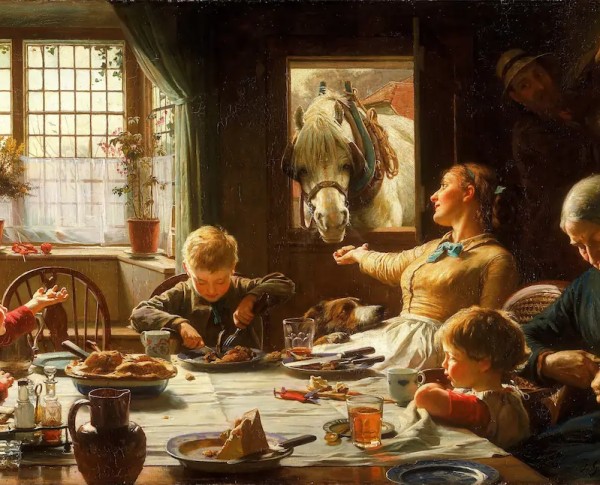
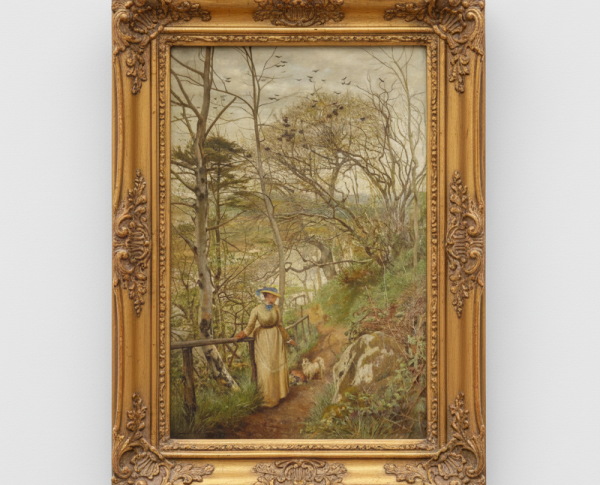
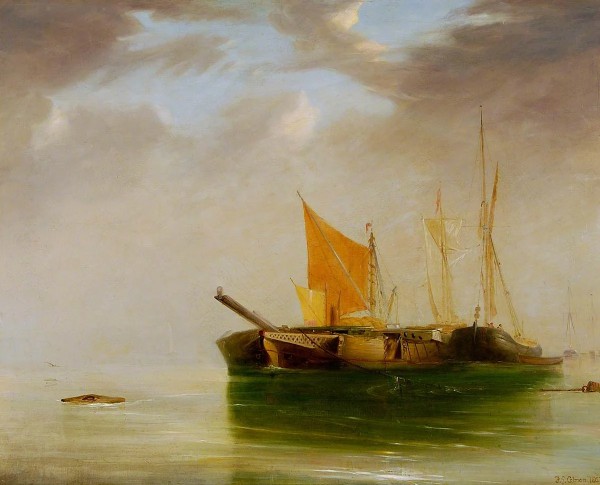
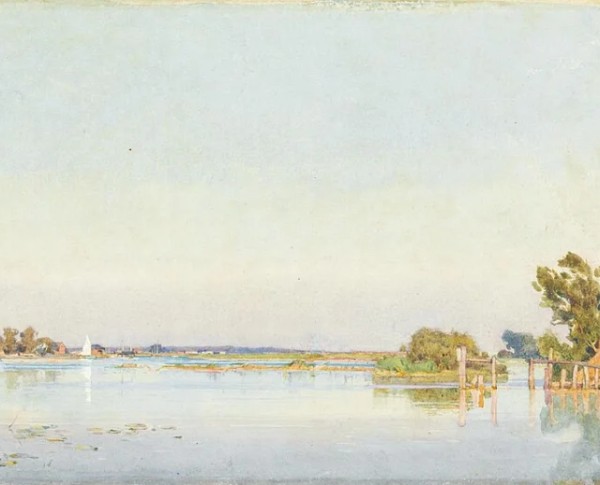
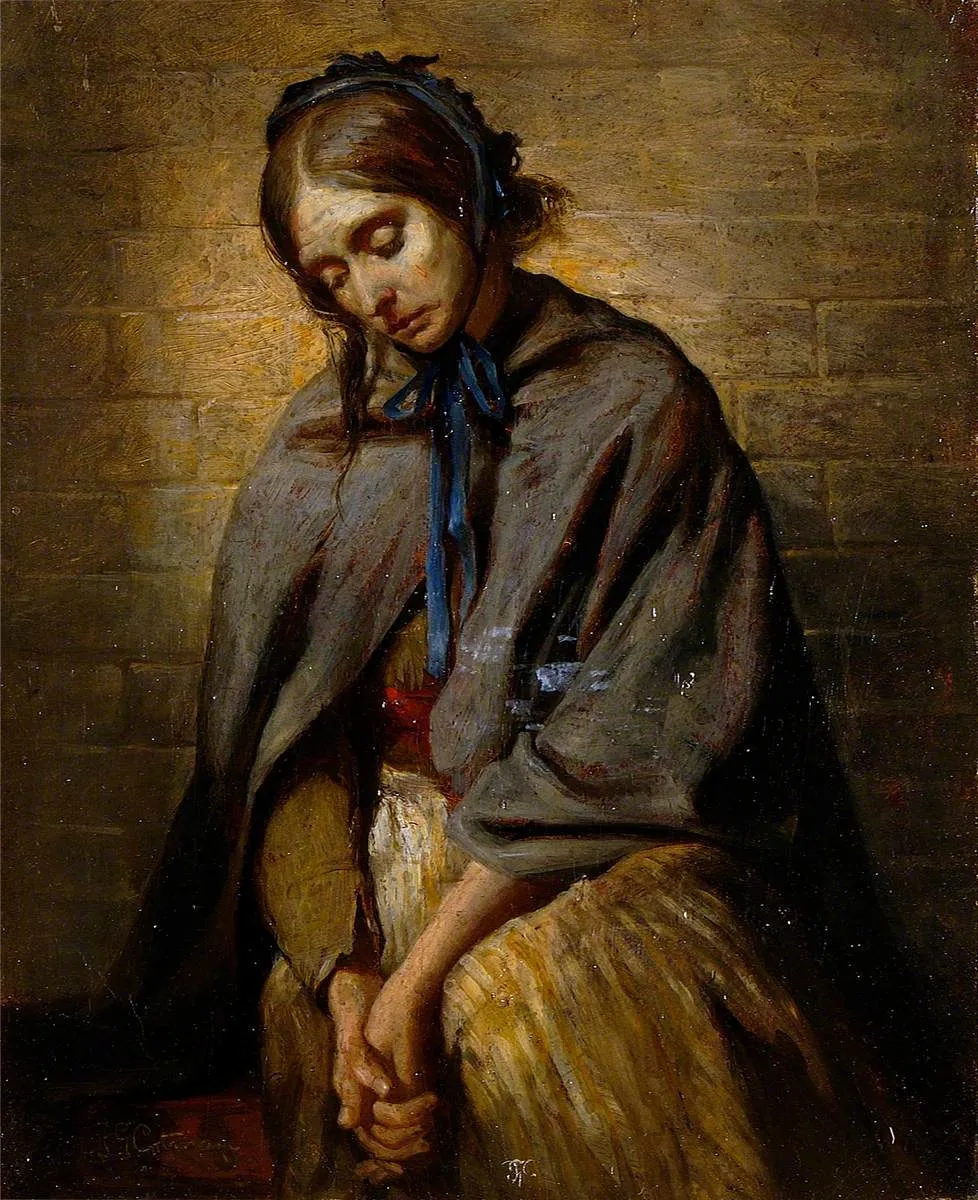
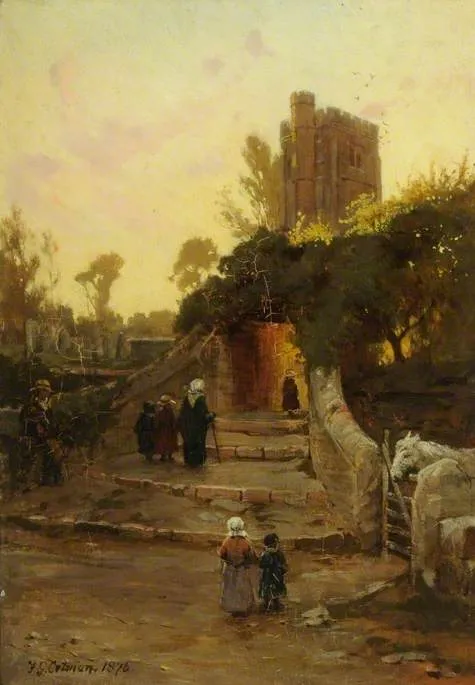
Frederick George Cotman’s "The Widow" stands as a poignant testament to the Post-Impressionism movement, capturing deep emotion through masterful technique. This hand-painted oil painting exemplifies Cotman’s ability to evoke empathy and introspection in his viewers. As with many of his works, "The Widow" resonates with those who appreciate both history and artistry. For collectors, related products such as "Sunday Morning" and "Christ Church Ferry" provide a broader glimpse into Cotman’s evocative portfolio.
Mastery in Every Stroke
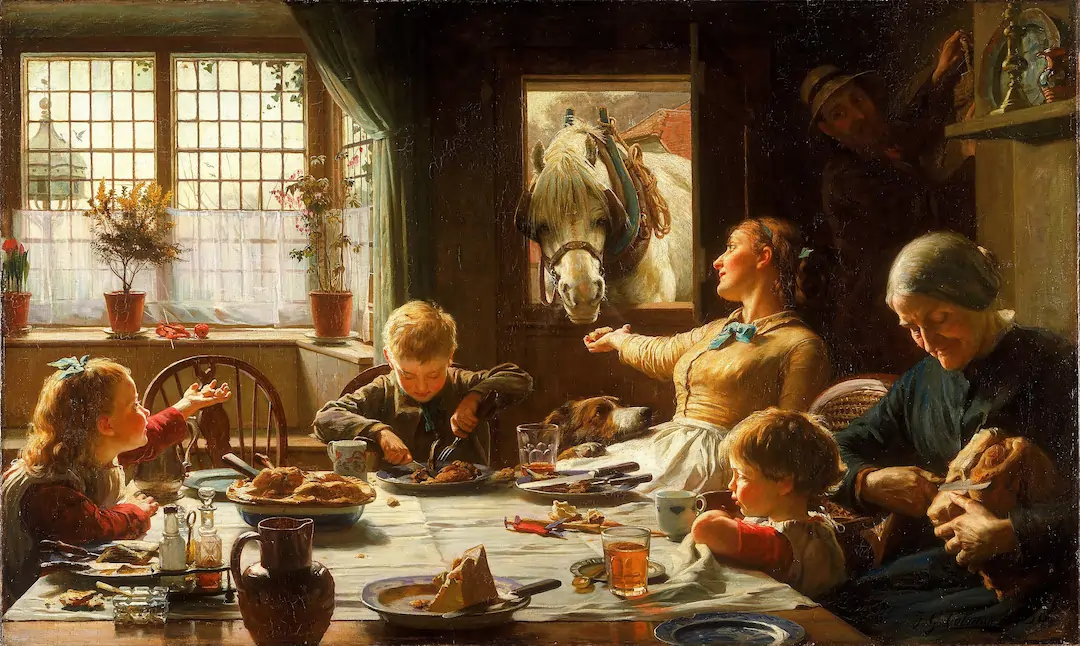
"The Widow" by Frederick George Cotman showcases extraordinary skill in the use of oil on canvas, a hallmark of the Post-Impressionism movement. Cotman’s brushwork creates a vivid sense of atmosphere and emotion, inviting the observer into the subject’s world. This painting, like "One Of The Family" and "On Deeside," reveals the artist’s command of color and composition, making each of his works a sought-after treasure for those passionate about fine art.
Stories and Symbols
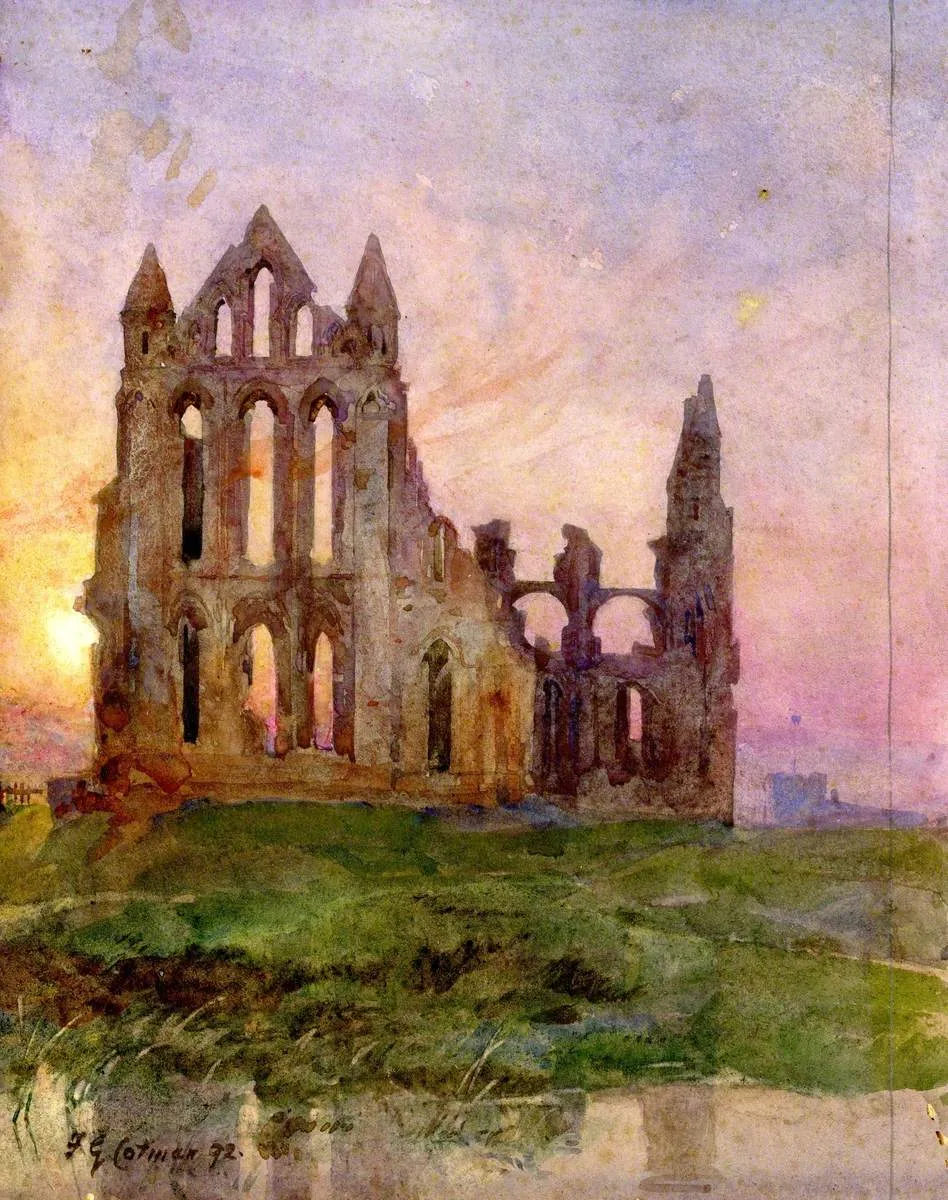
In "The Widow," Cotman weaves a narrative rich with symbolism and subtle storytelling, hallmarks of the Post-Impressionism era. The painting’s somber tones and delicate details invite viewers to reflect on themes of loss and resilience. As a fine art painting for sale, it appeals to collectors who value emotional depth and narrative complexity, much like other Cotman pieces such as "Whitby Abbey" and "Morning Mist on the Orwell."
A Collector’s Treasure
Owning "The Widow" by Frederick George Cotman is more than acquiring a beautiful artwork—it’s an investment in a legacy of Post-Impressionist mastery. Each hand-painted oil painting by Cotman brings with it a sense of history and artistic excellence. Collectors often seek out related products like "Sunday Morning" or "One Of The Family" to complement their collections, ensuring that the spirit of Cotman’s artistry endures in every curated gallery.
Related Frederick George Cotman Hand-Painted Oil Paintings
When Art Meets History
"The Widow" by Frederick George Cotman stands as a remarkable example of the Post-Impressionism movement, reflecting the nuanced transition from traditional realism to expressive modernism. This hand-painted oil painting captures a poignant moment in time, much like related masterpieces such as "A Sunday Afternoon on the Island of La Grande Jatte" and "Vision After the Sermon." Cotman’s attention to historical context adds depth and meaning, allowing viewers to connect with the era and the emotional weight carried by the subject.
Techniques That Speak
Frederick George Cotman’s use of oil on canvas in "The Widow" showcases the innovative brushwork and color palettes characteristic of Post-Impressionism. Each stroke conveys emotion, echoing techniques seen in "The Night Café in Arles" and "Cafe Terrace on the Place du Forum." The artist’s layering and blending methods create a luminous effect, inviting viewers to explore the rich textures and subtle details that define this period’s groundbreaking approach to visual storytelling.
Emotions on Display
In "The Widow," Cotman masterfully channels human emotion, making the painting resonate on a deeply personal level. The expressive faces and atmospheric setting evoke empathy, reminiscent of the emotional intensity found in "Vincent's Boarding House in Hackford Road, Brixton, London." As a fine art painting for sale, it captures the sorrow and resilience of its subject, reflecting the Post-Impressionism movement’s focus on inner experience and the complexities of the human condition.
Coveted by Collectors
"The Widow" by Frederick George Cotman has become highly sought after by collectors who appreciate the significance of Post-Impressionist works. Its status as a hand-painted oil painting increases its desirability, much like celebrated pieces from the same era. Collectors often seek out related paintings such as "Vision After the Sermon" and "A Sunday Afternoon on the Island of La Grande Jatte" to complement their collections, making this artwork a prized addition in the world of fine art.
Related Post-Impressionism Hand-Painted Oil Paintings by Other Artists
Other Famous Post-Impressionism Artists:
Frequently Asked Questions About The Widow
What is the historical context of "The Widow"?
"The Widow" was painted during the early 20th century, a time marked by significant social changes and the aftermath of World War I. This period saw a shift in artistic expression, with many artists exploring themes of loss and resilience.
What artistic techniques did Frederick George Cotman use in "The Widow"?
Cotman employed a combination of realism and impressionism in "The Widow," utilizing soft brush strokes and a muted color palette to evoke emotion and depth, capturing the somber mood of the subject.
What is the significance of the title "The Widow"?
The title "The Widow" reflects themes of grief, solitude, and the emotional burden carried by those who have lost loved ones. It invites viewers to contemplate the personal and societal implications of loss.
How does "The Widow" reflect the artist's style?
This painting exemplifies Cotman's characteristic style, which often blends emotional depth with a focus on the human experience. His attention to detail and use of light enhance the narrative quality of the work.
What symbols are present in "The Widow"?
In "The Widow," symbols such as dark clothing and a somber expression serve to represent mourning and the weight of grief. The use of shadows further emphasizes the emotional landscape of the subject.
What emotions does "The Widow" evoke in viewers?
The painting elicits feelings of empathy and reflection, prompting viewers to connect with the themes of sorrow and resilience. Cotman's portrayal encourages a deeper understanding of the human condition.
How does "The Widow" compare to other works by Cotman?
Framing
Purchasing Without a Frame (Unstretched Canvas)
Painting rolled inside a secure tube with an extra 3" of white canvas on all sides for easy framing.
Purchasing a Frame
"Ready to Hang" - we offer many beautiful frames expertly assembled by our experienced framers.
Note: for safety reasons, once the maximum size is reached, the framing option is automatically disabled.
Purchasing a Stretching Service
Order your painting mounted on wooden bars.
Purchasing a Gallery Wrap
Wrapped around thick stretcher bars about 3 inch thick, canvas secured to the back rather than the sides of those bars.























_GFM_Painting_(1).webp)

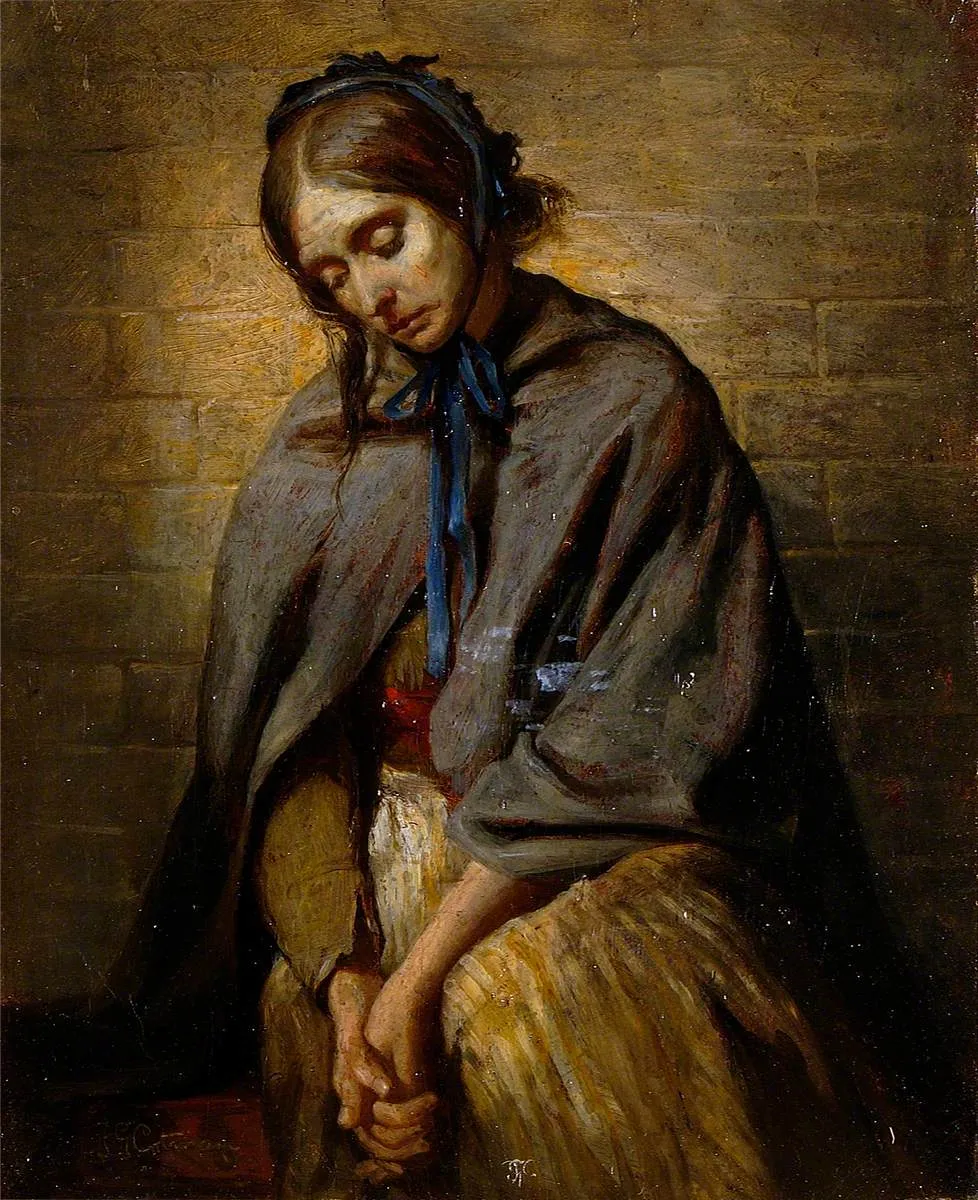

 100% Hand-Painted: Finished in 3-6 Weeks

.png)















_(1).webp)