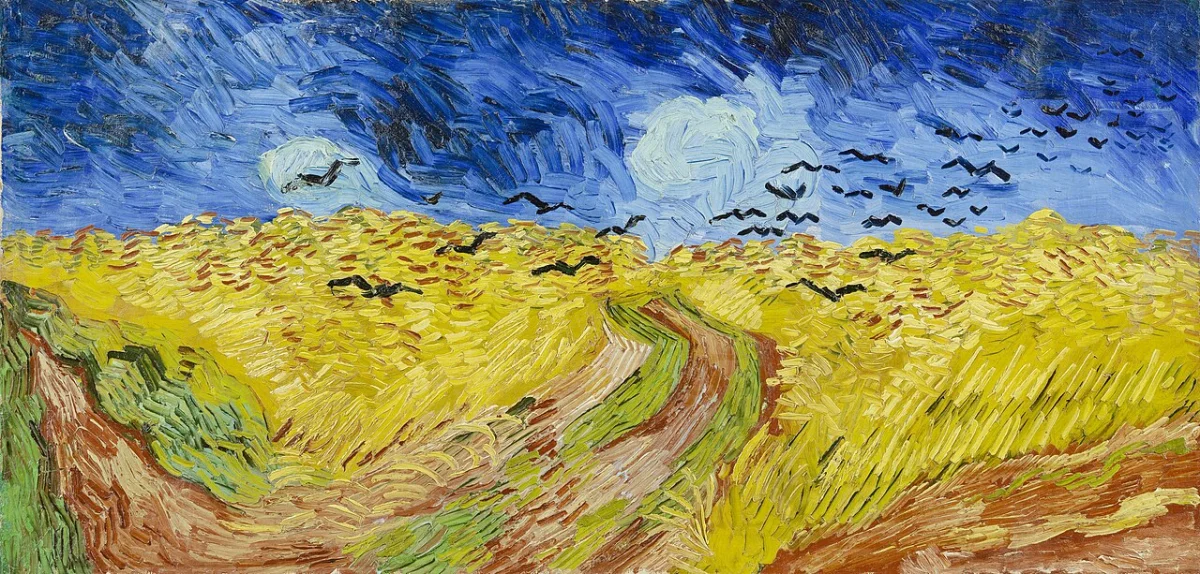
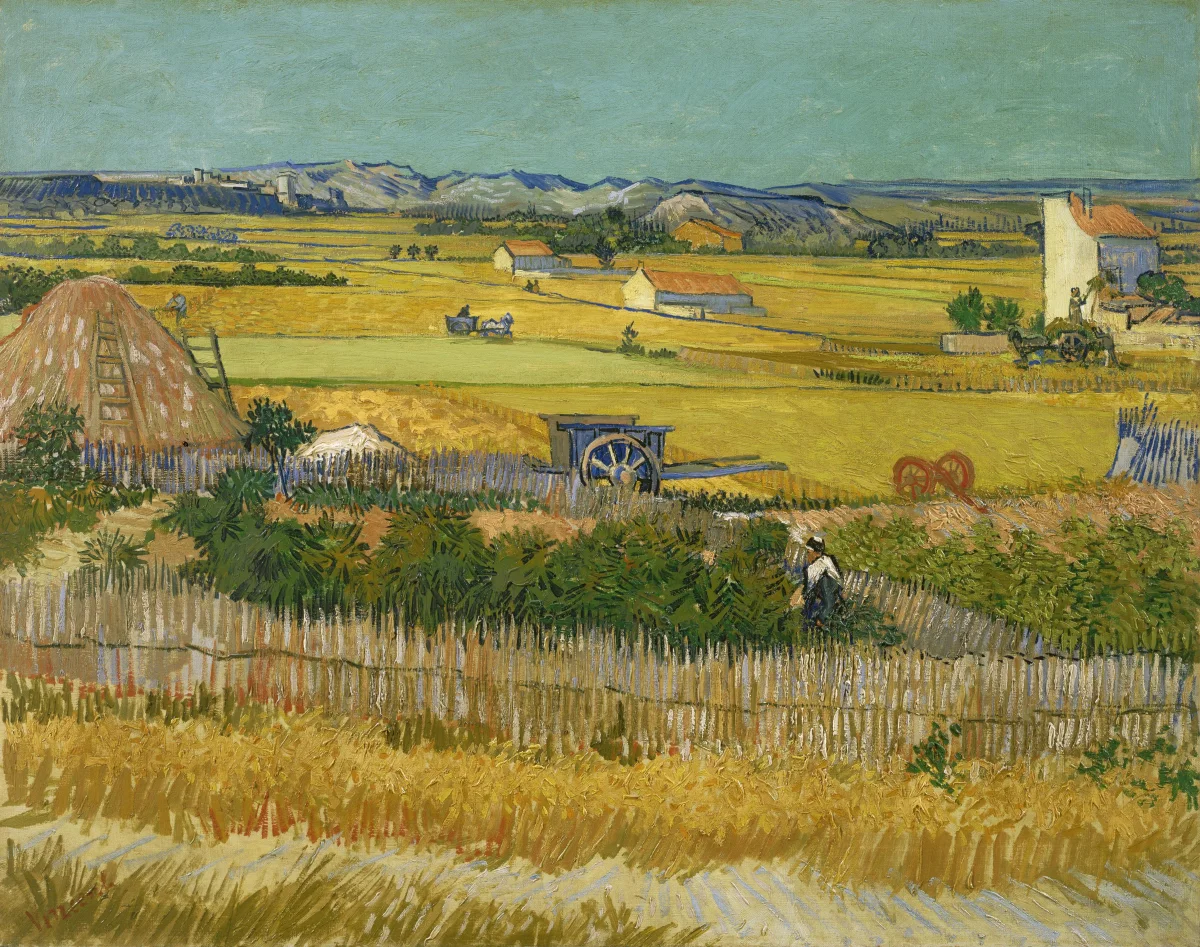
Van Gogh’s expert use of oil on canvas is evident in "Harvest At La Crau With Montmajour In The Background," where his signature brushwork brings the golden fields and distant Montmajour to life. Each stroke reflects the raw emotion and innovative spirit of the Post-Impressionism era. Art lovers appreciate this painting’s technique and often explore related pieces like "The White Orchard" and "Wheat Field Under Clouded Sky" for a broader appreciation of Van Gogh’s genius.
This fine art painting for sale is rich with symbolism, from the sun-drenched fields representing hope to Montmajour’s presence hinting at solitude and reflection. Vincent Van Gogh weaves narrative and emotion into every element, making "Harvest At La Crau With Montmajour In The Background" a standout in the Post-Impressionism movement. Collectors often pair it with works like "Skull With Burning Cigarette" to deepen their understanding of the artist’s multifaceted vision.
Owning "Harvest At La Crau With Montmajour In The Background" is more than acquiring a painting; it’s embracing a piece of Post-Impressionist history. This hand-painted oil painting elevates any space and appeals to discerning collectors seeking authenticity and legacy. Pairing it with related products such as "Autumn Landscape with Four Trees" or "Bowl With Peonies And Roses" enhances its value, making it a prized possession for admirers of Vincent Van Gogh’s enduring artistry.
When Art Meets History
Vincent Van Gogh’s “Harvest At La Crau With Montmajour In The Background” stands as a testament to the transformative era of Post-Impressionism. This hand-painted oil painting captures the rural beauty of southern France, reflecting Van Gogh’s fascination with the region’s golden fields. The painting is often discussed alongside related works such as “One Of The Family” and “A Sunday Afternoon on the Island of La Grande Jatte,” connecting history and artistic evolution in every brushstroke.
Techniques That Speak
Van Gogh’s mastery of oil on canvas is evident in “Harvest At La Crau With Montmajour In The Background.” His dynamic brushwork and bold color choices embody the spirit of Post-Impressionism, inviting viewers into a vibrant landscape. The painting’s texture and rhythm echo those found in “Two Tahitian Women,” showcasing the artist’s innovative approach. Each stroke in this oil on canvas piece reveals a unique narrative, solidifying Van Gogh’s legacy among the movement’s pioneers.
Emotions on Display
“Harvest At La Crau With Montmajour In The Background” is more than a scene; it’s an emotional journey. Van Gogh’s use of color and movement evokes a sense of hope and contemplation, hallmarks of the Post-Impressionism movement. Like “A Sunday Afternoon on the Island of La Grande Jatte,” this fine art painting for sale inspires reflection on nature’s beauty and humanity’s connection to the land. Each element reveals Van Gogh’s profound emotional depth and artistic sensitivity.
Coveted by Collectors
This masterpiece by Vincent Van Gogh is highly sought after among art enthusiasts. “Harvest At La Crau With Montmajour In The Background” represents not just the artist’s genius but also the enduring allure of Post-Impressionism. Collectors value its hand-painted oil painting technique, which resonates with the expressive qualities seen in “One Of The Family” and “Two Tahitian Women.” Owning such a piece is an opportunity to possess a timeless treasure of art history.
Related Post-Impressionism Hand-Painted Oil Paintings by Other Artists
Other Famous Post-Impressionism Artists:
Frequently Asked Questions About Harvest At La Crau With Montmajour In The Background
What is the historical context of "Harvest At La Crau With Montmajour In The Background"?
This painting was created by Vincent Van Gogh in 1888 during his time in Arles, France, a period marked by his exploration of color and light, as well as his deep connection to the rural landscape.
What artistic techniques did Van Gogh employ in this painting?
Van Gogh utilized bold brush strokes and vibrant colors to convey movement and emotion. The impasto technique, where paint is laid on the canvas thickly, adds texture and depth to the work.
What does the landscape depicted in the painting symbolize?
The landscape symbolizes the harmony between nature and human labor. The fields of wheat represent the bounty of the earth, while the presence of Montmajour signifies the enduring beauty of the natural world.
How does this painting reflect Van Gogh's emotional state?
The vibrant colors and dynamic composition reflect Van Gogh's passion for life and nature, as well as his struggles with mental health. The painting captures a moment of peace amidst his turbulent emotions.
What role does light play in "Harvest At La Crau With Montmajour In The Background"?
Light is a crucial element in this painting, enhancing the vibrancy of the colors and creating a sense of time and place. Van Gogh's use of sunlight highlights the textures of the wheat and the contours of the landscape.
How does this work connect to Van Gogh's other paintings?
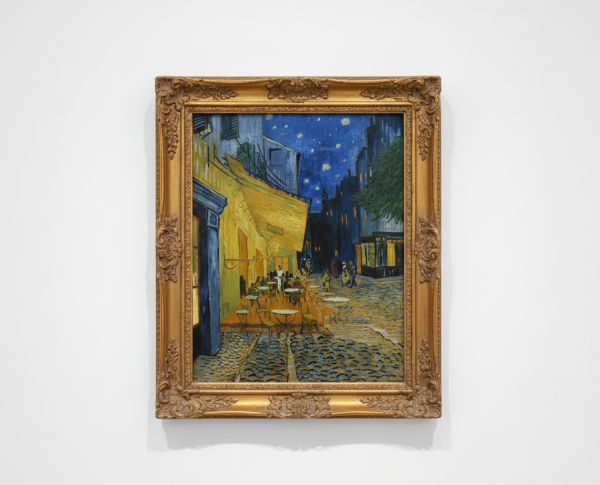
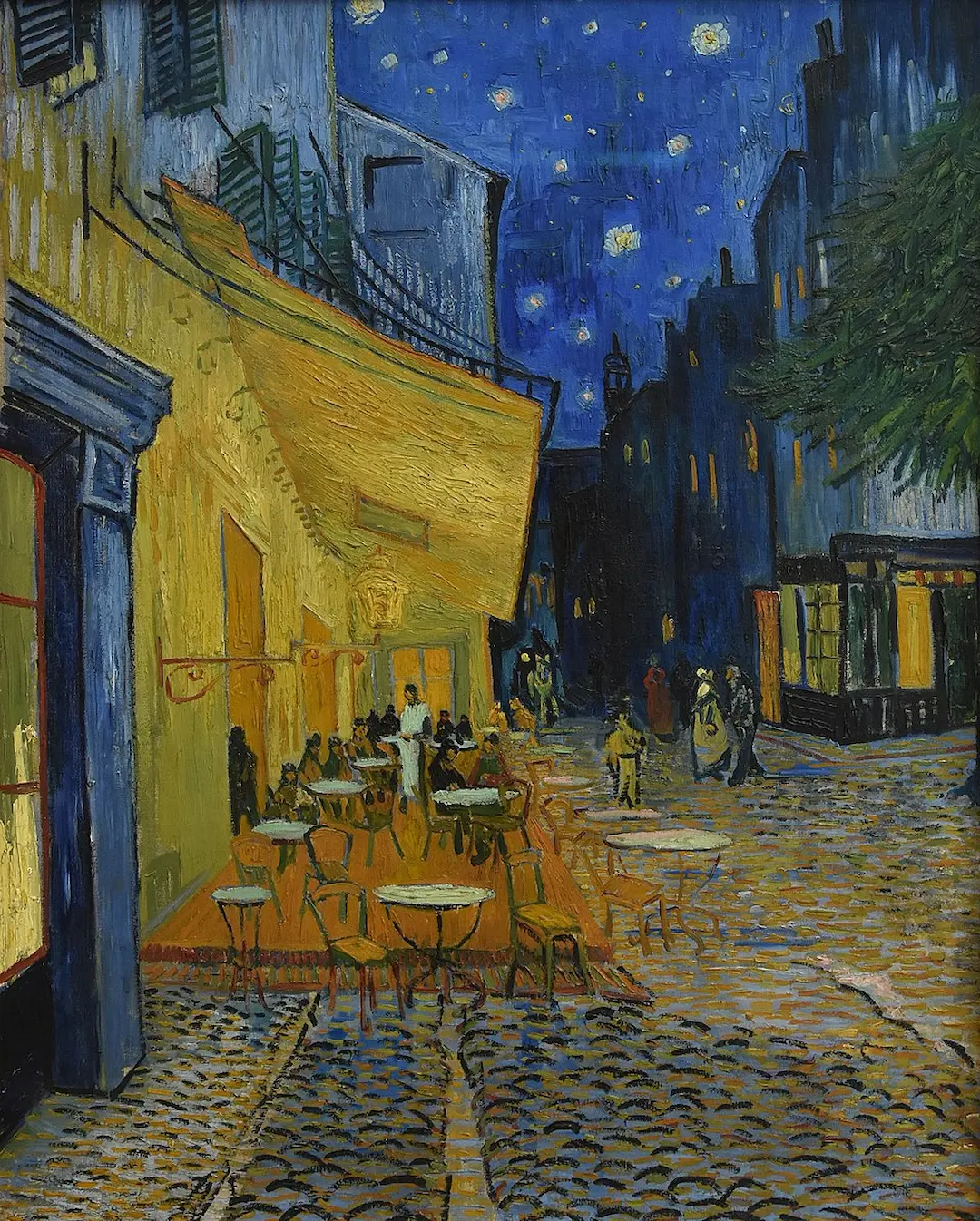
This painting shares thematic and stylistic elements with other works from Van Gogh's Arles period, such as "The Yellow House" and "The Café Terrace on the Place du Forum," showcasing his fascination with rural life and bold color contrasts.
What significance does Montmajour have in the painting?
Montmajour serves as a symbolic backdrop, representing stability and permanence in contrast to the transient nature of harvest. It also reflects Van Gogh's admiration for the Provençal landscape.
What influences can be seen in Van Gogh's style in this painting?
Van Gogh's style in this painting shows influences from Impressionism, particularly in his use of color and light, as well as Post-Impressionism, evident in his emotive brushwork and focus on personal expression.
What emotions does the painting evoke in viewers?
The painting evokes feelings of warmth, nostalgia, and a connection to nature. The vibrant colors and lively composition invite viewers to appreciate the beauty of rural life and the cycles of nature.
How has "Harvest At La Crau With Montmajour In The Background" been received by art critics?
Art critics have praised this work for its innovative use of color and brushwork, noting its significance in Van Gogh's oeuvre as a representation of his artistic evolution and his deep appreciation for the natural world.






















_GFM_Painting_(1).webp)


 100% Hand-Painted: Finished in 3-6 Weeks

.png)
















_(1).webp)