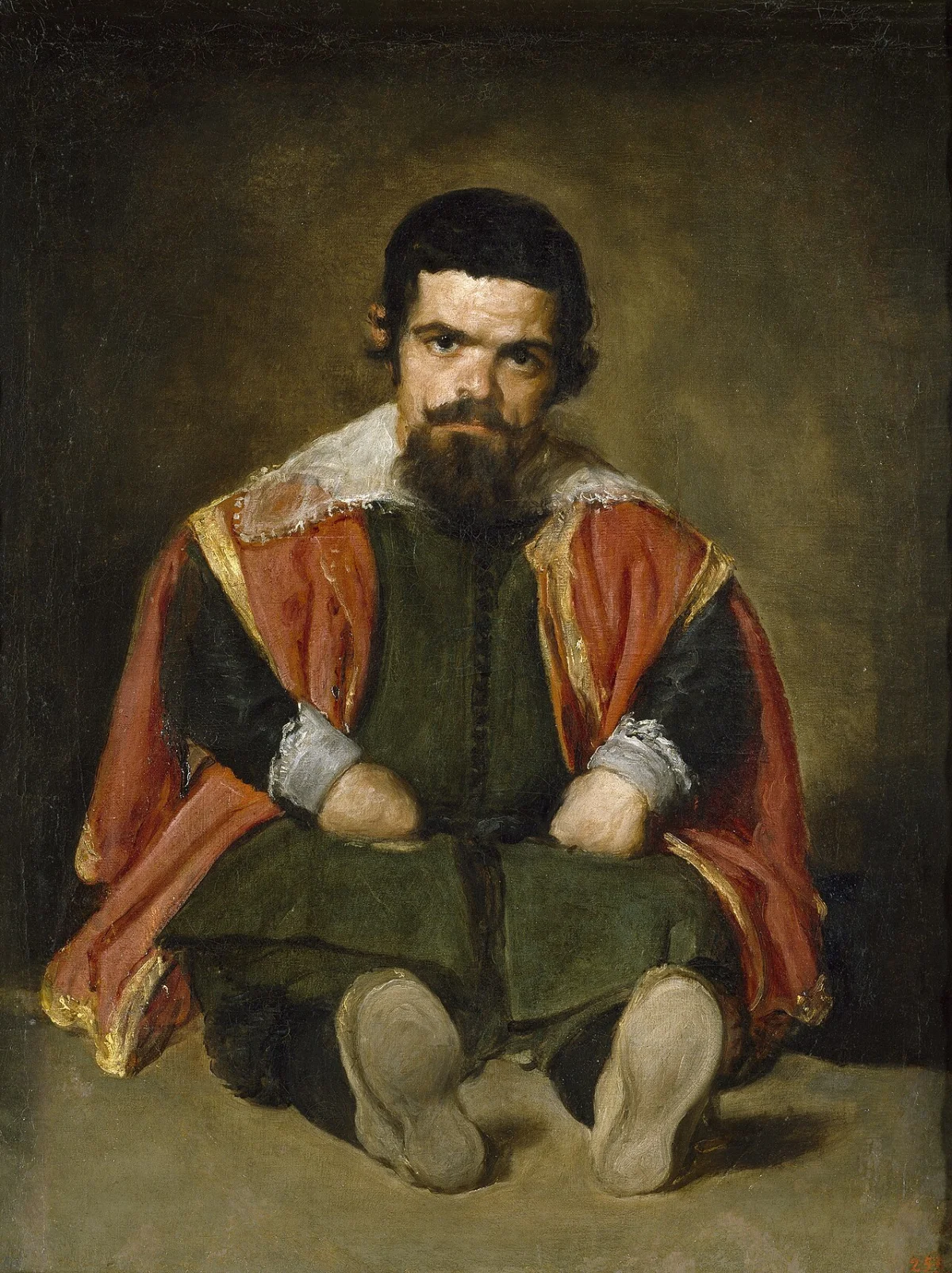
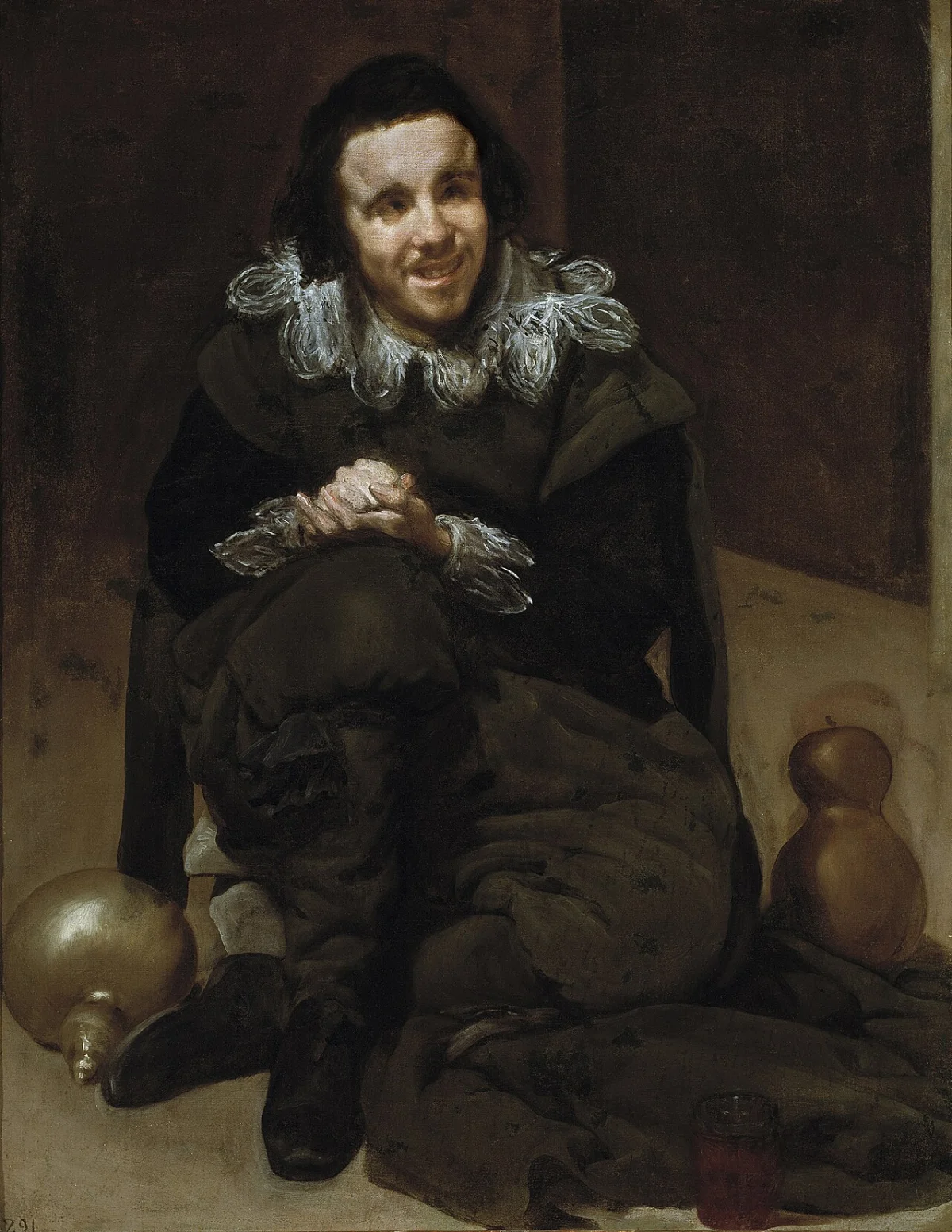
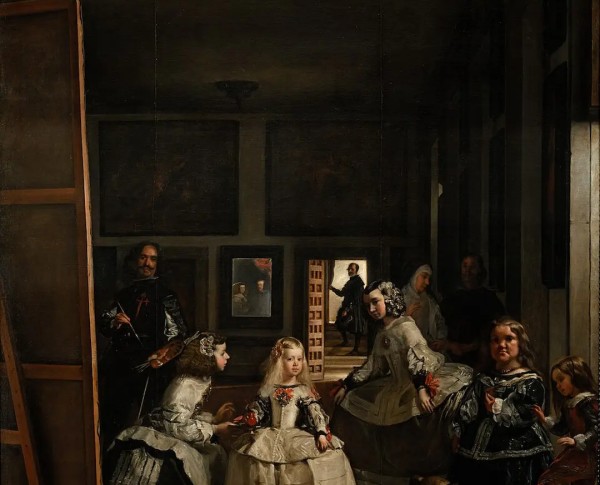
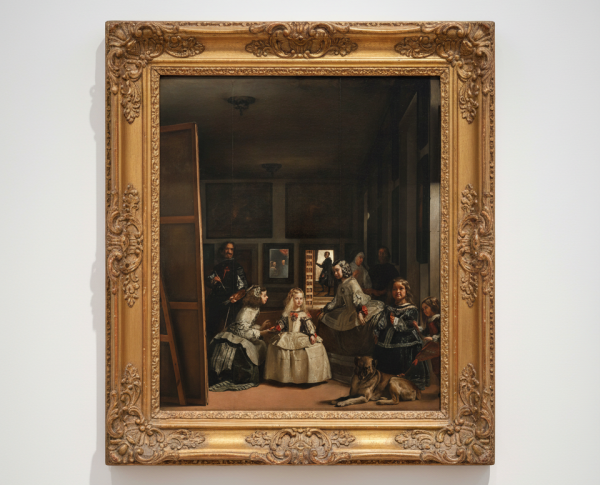
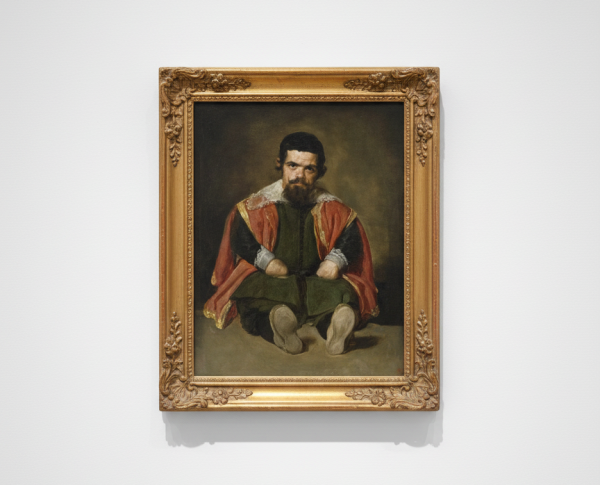
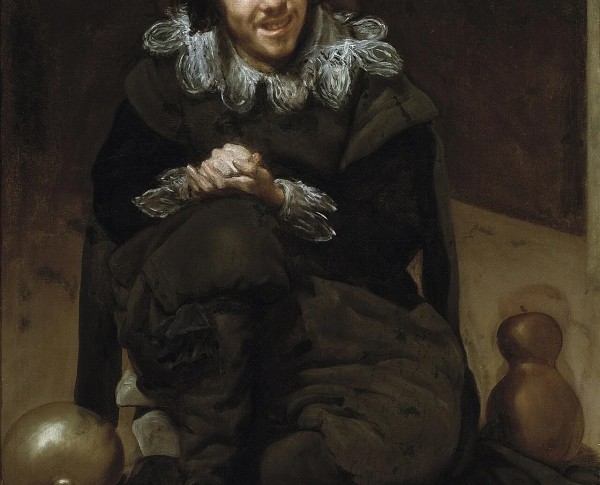
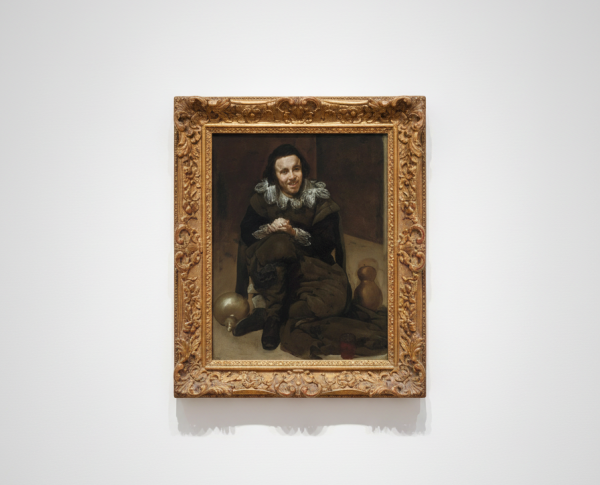
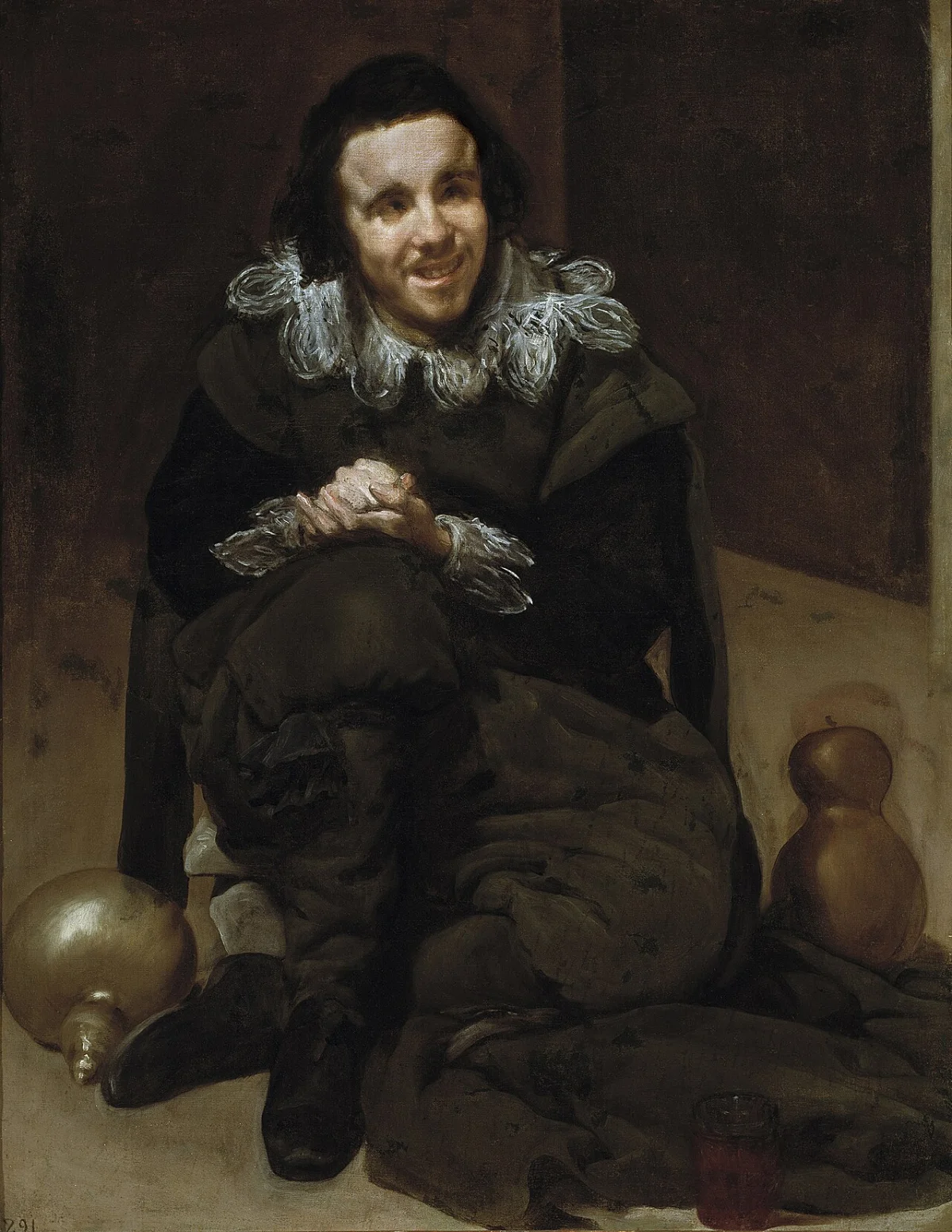
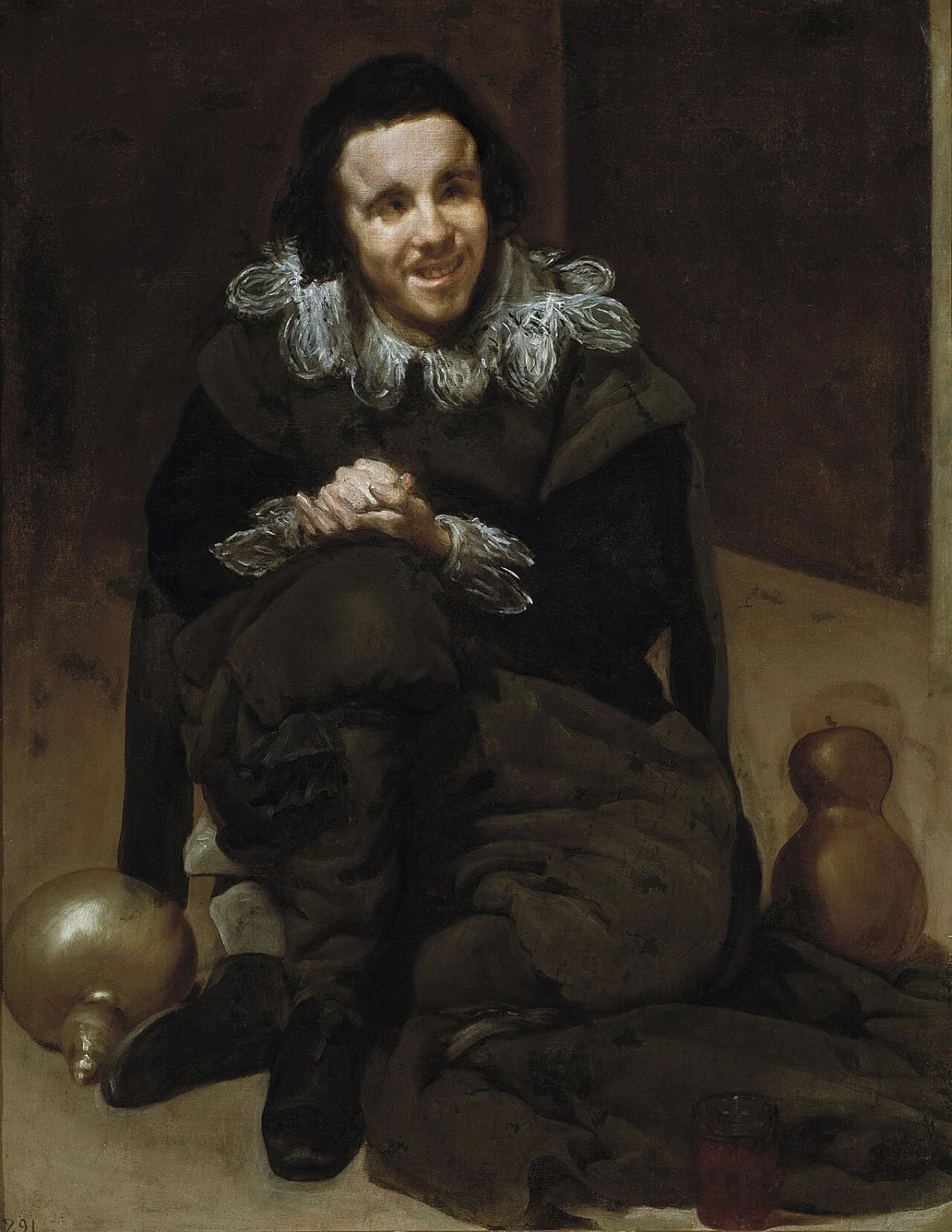
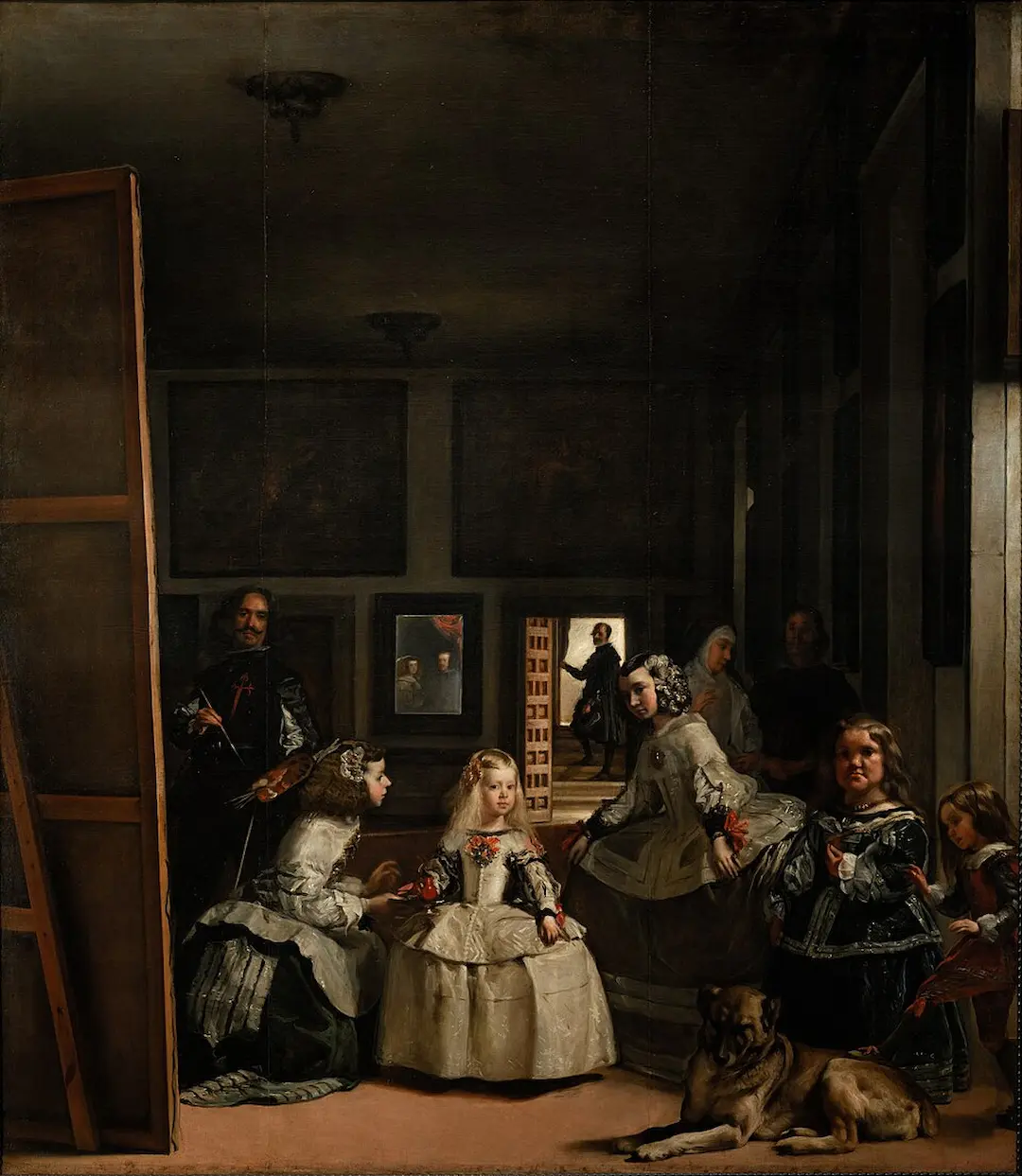
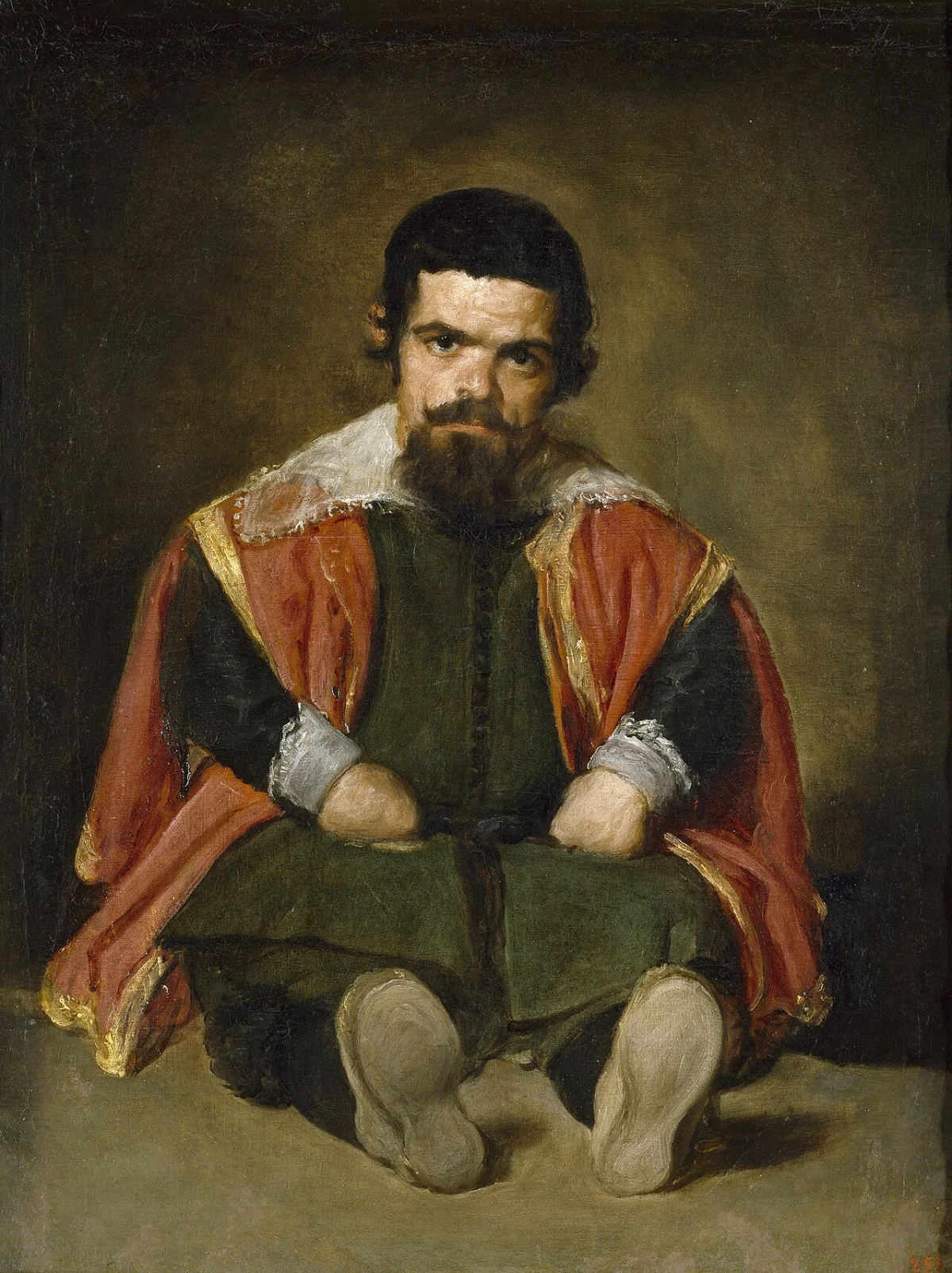
Velazquez demonstrated remarkable technique in "The Jester Calabacillas," utilizing oil on canvas to bring lifelike detail and depth to his subject. Every brushstroke reveals his commitment to realism, making this painting a standout example of the movement. The texture and play of light show Velazquez’s mastery, inviting comparison to his other renowned works, such as "Portrait of Sebastián de Morra" and "Las Meninas," both celebrated for their realistic portrayal and technical excellence.
"The Jester Calabacillas" by Diego Rodriguez de Silva y Velazquez is more than just an oil on canvas; it is a window into the Spanish court’s history and the complexities of its characters. The painting’s subtle details and expressive features hint at the jester’s unique role and personality. As with other fine art painting for sale from the Realism movement, such as "Portrait of Sebastián de Morra," every element tells a story that continues to captivate viewers today.
For art collectors, owning "The Jester Calabacillas" is an unparalleled experience, as it represents the height of hand-painted oil painting from the Realism era. Diego Rodriguez de Silva y Velazquez’s mastery transforms this work into a coveted piece, much like "Portrait of Sebastián de Morra" and "Las Meninas." Both seasoned and new collectors seek such masterpieces, making them prized possessions in any fine art painting for sale collection worldwide.
When Art Meets History
"The Jester Calabacillas" by Diego Rodriguez de Silva y Velazquez stands as a testament to the Realism movement, capturing the essence of court jesters in 17th-century Spain. This hand-painted oil painting immerses viewers in a historical narrative, much like Velazquez’s contemporaries who explored everyday life. Related works such as "Dressing for the Carnival" and "Death and the Woodcutter" also echo this dedication to portraying genuine human experience within their respective eras.
Techniques That Speak
Velazquez’s mastery in "The Jester Calabacillas" is evident in his use of oil on canvas, a medium he famously manipulated to achieve lifelike textures and subtle gradations of light. Each brushstroke in this fine art painting for sale demonstrates his commitment to realism, aligning with the techniques seen in "The Sun Lit Pines" and "Morning in a Pine Forest." The artist’s nuanced approach brings the jester’s personality and environment to vivid life.
Emotions on Display
In "The Jester Calabacillas," Velazquez captures the complex emotions of his subject, blending humor with a touch of melancholy, a hallmark of the Realism movement. This hand-painted oil painting invites viewers to empathize with the jester’s humanity, much like "The Bright Side" explores the emotional depth of everyday people. Through expressive detail and composition, Velazquez transforms a court entertainer into a poignant symbol of the era’s social dynamics.
Coveted by Collectors
As a remarkable example of oil on canvas artistry, "The Jester Calabacillas" remains highly sought after by collectors of fine art painting for sale. Works by Diego Rodriguez de Silva y Velazquez, especially those from the Realism movement, are prized for their authenticity and historical significance. Collectors often seek related paintings such as "Dressing for the Carnival" and "Death and the Woodcutter" to complement their collections of masterful, evocative art.
Related Realism Hand-Painted Oil Paintings by Other Artists
Other Famous Realism Artists:
Frequently Asked Questions About The Jester Calabacillas
Who is the artist of The Jester Calabacillas?
The Jester Calabacillas was painted by the renowned Spanish artist Diego Rodriguez de Silva y Velazquez, who is celebrated for his contributions to Baroque art.
What is the historical context of The Jester Calabacillas?
This painting was created during the Spanish Golden Age, a period marked by significant cultural and artistic achievements in Spain, particularly in the 17th century.
What are the main themes depicted in The Jester Calabacillas?
The painting explores themes of folly and humor, as it portrays a jester, a figure often associated with the duality of laughter and sadness in courtly life.
What artistic techniques did Velazquez employ in this painting?
Velazquez utilized a realistic approach, employing chiaroscuro to create depth and dimension, as well as a loose brushwork that adds to the liveliness of the subject.
What is the significance of the jester in Spanish culture?
The jester, or "bufón," holds a unique place in Spanish culture, often serving as a social commentator who could speak truths to power while entertaining the court.
How does The Jester Calabacillas reflect Velazquez's style?
This work exemplifies Velazquez's mastery of portraiture, capturing the personality and essence of the jester with remarkable detail and psychological depth.
What is the symbolism behind the jester's attire in the painting?
The jester's colorful attire symbolizes the contrast between the frivolity of entertainment and the serious nature of court life, highlighting the complexities of human experience.
In what ways does The Jester Calabacillas differ from Velazquez's other works?
Unlike many of Velazquez's royal portraits, this painting focuses on a lower-status figure, emphasizing the artist's ability to elevate everyday subjects to the level of fine art.
What influence did The Jester Calabacillas have on later artists?
The painting has inspired numerous artists with its innovative portrayal of character and emotion, influencing the development of genre painting and portraiture in subsequent centuries.
Where can I view The Jester Calabacillas today?
The Jester Calabacillas is housed in the Museo del Prado in Madrid, Spain, where it continues to be a significant attraction for visitors interested in Baroque art.






















_GFM_Painting_(1).webp)


 100% Hand-Painted: Finished in 3-6 Weeks

.png)
















_(1).webp)