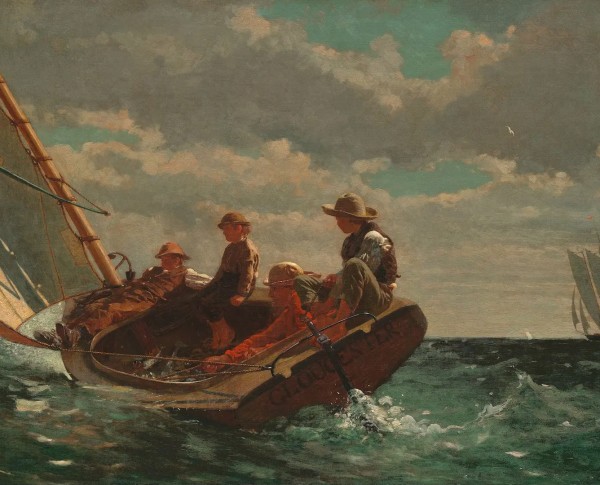
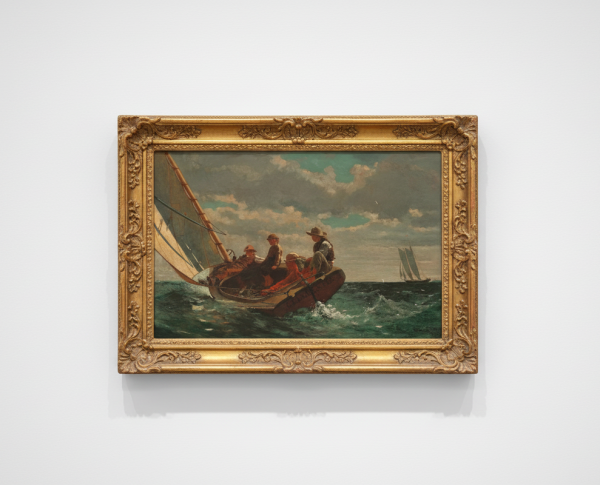
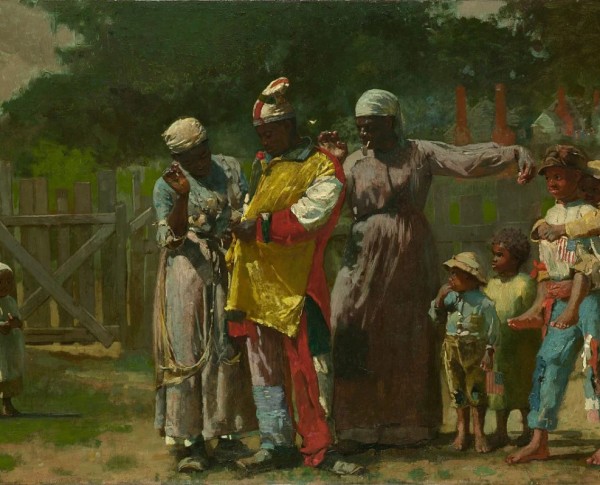
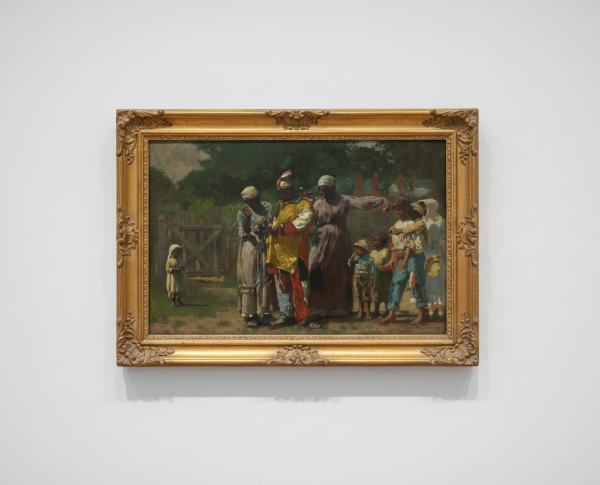
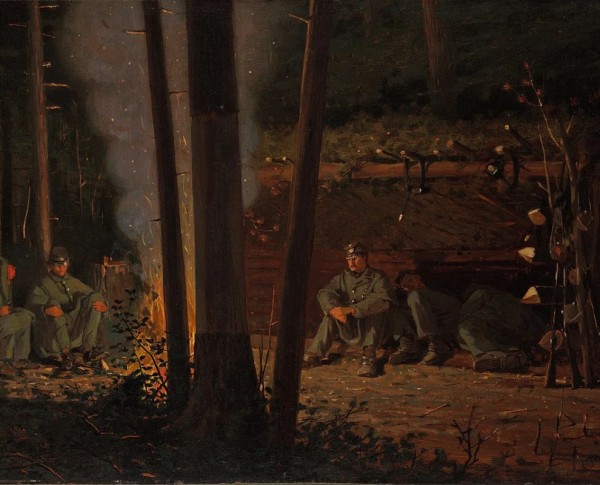
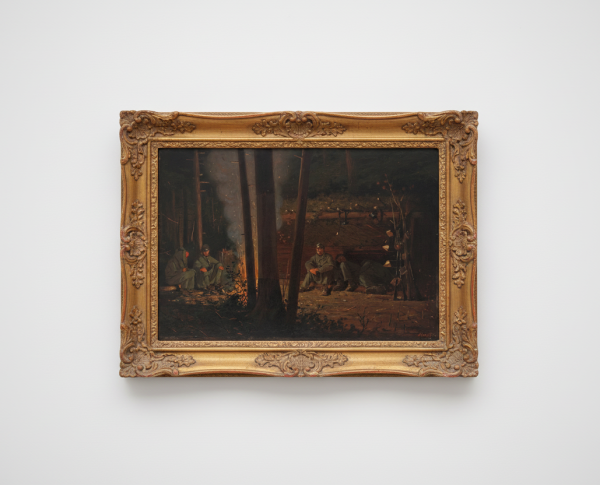
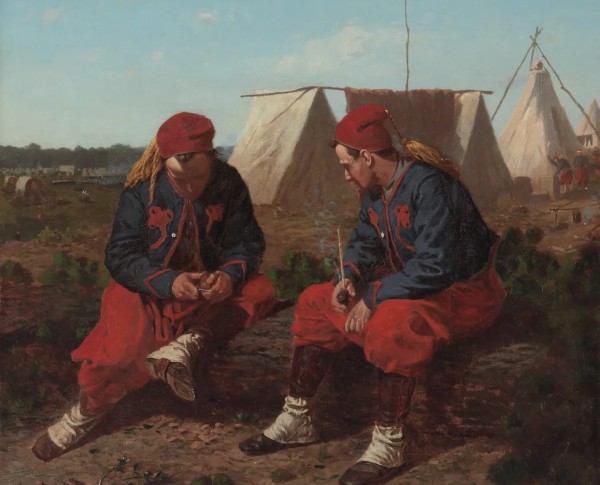
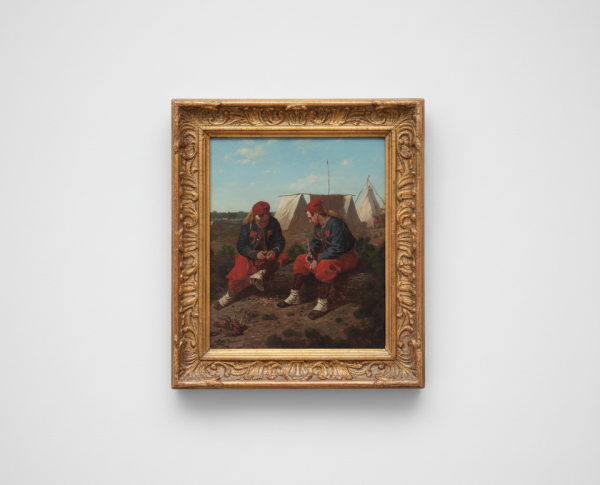
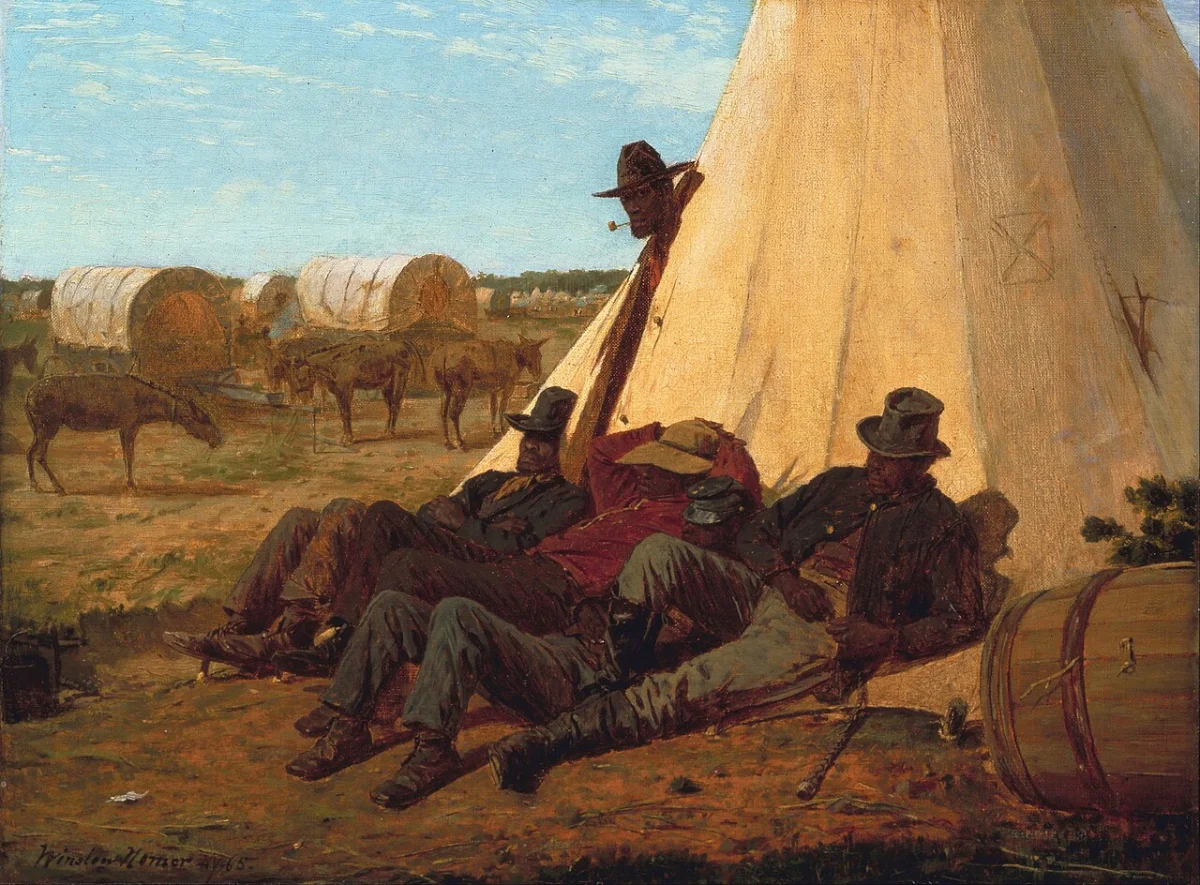
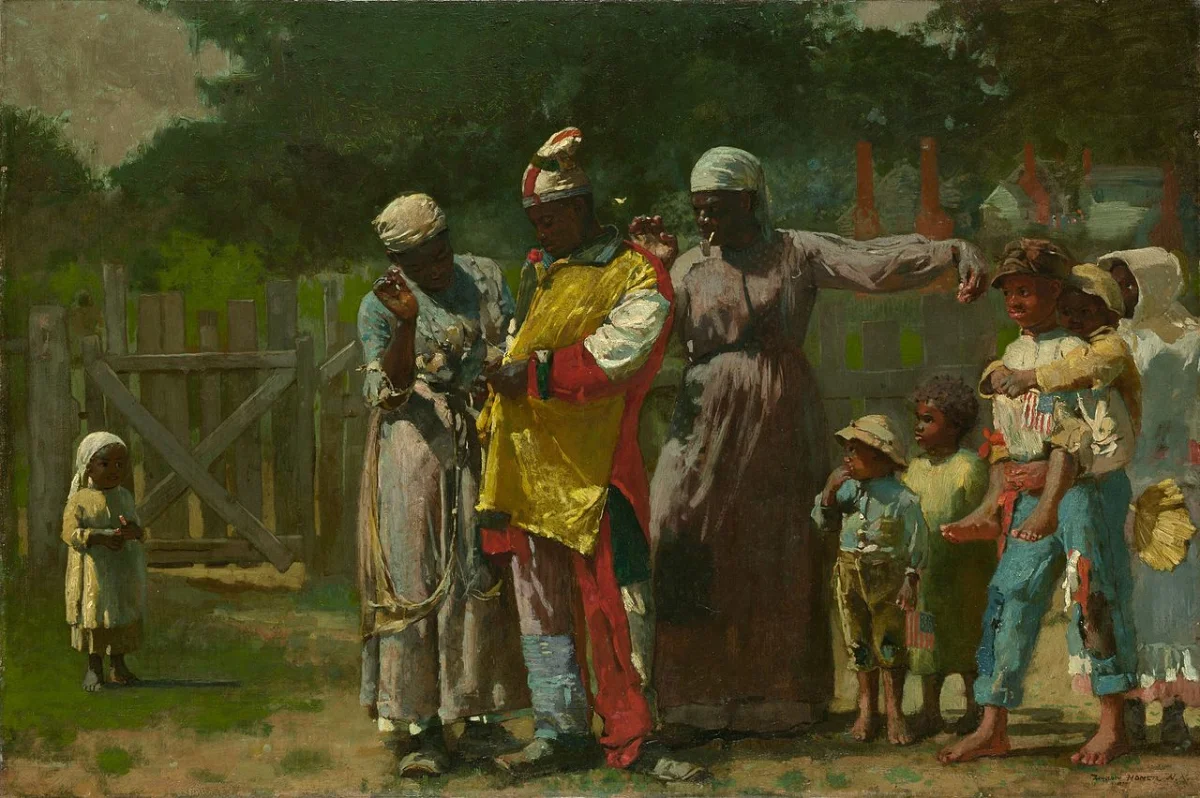
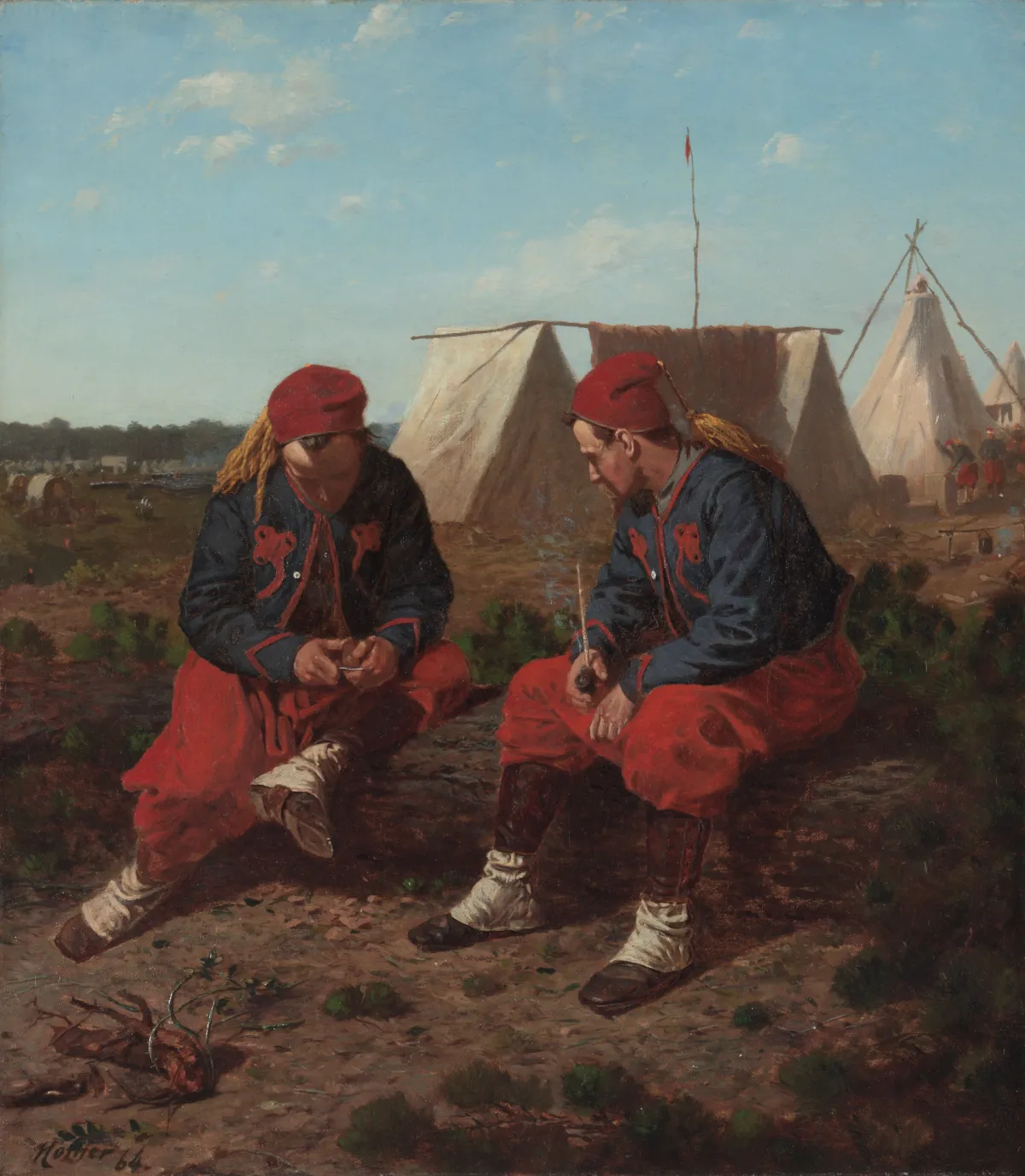
Winslow Homer’s technique in "The Bright Side" showcases his extraordinary skill in oil on canvas, bringing scenes to life with meticulous detail. The Realism movement's influence is evident in his ability to portray light, texture, and human expression. Homer's mastery is echoed in other works like "Breezing Up (or A Fair Wind)" and "Dressing for the Carnival," making each oil on canvas creation a valuable addition to any collection of American art.
"The Bright Side" is more than just a fine art painting for sale; it is a narrative woven through brushstrokes. Winslow Homer infuses his Realism masterpiece with subtle social commentary and symbolism, inviting viewers to interpret the scene’s deeper meaning. Like "The Boat Builders," this painting encourages reflection on the everyday lives of its subjects, making it a compelling conversation piece for collectors and admirers of evocative art.
Owning "The Bright Side" by Winslow Homer means possessing a piece of Realism history. Each hand-painted oil painting in his portfolio, including related products such as "Dressing for the Carnival," is highly sought after by collectors. These fine art painting for sale opportunities allow enthusiasts to appreciate Homer's genius up close, ensuring that his legacy endures in homes and galleries around the world for generations to come.
When Art Meets History
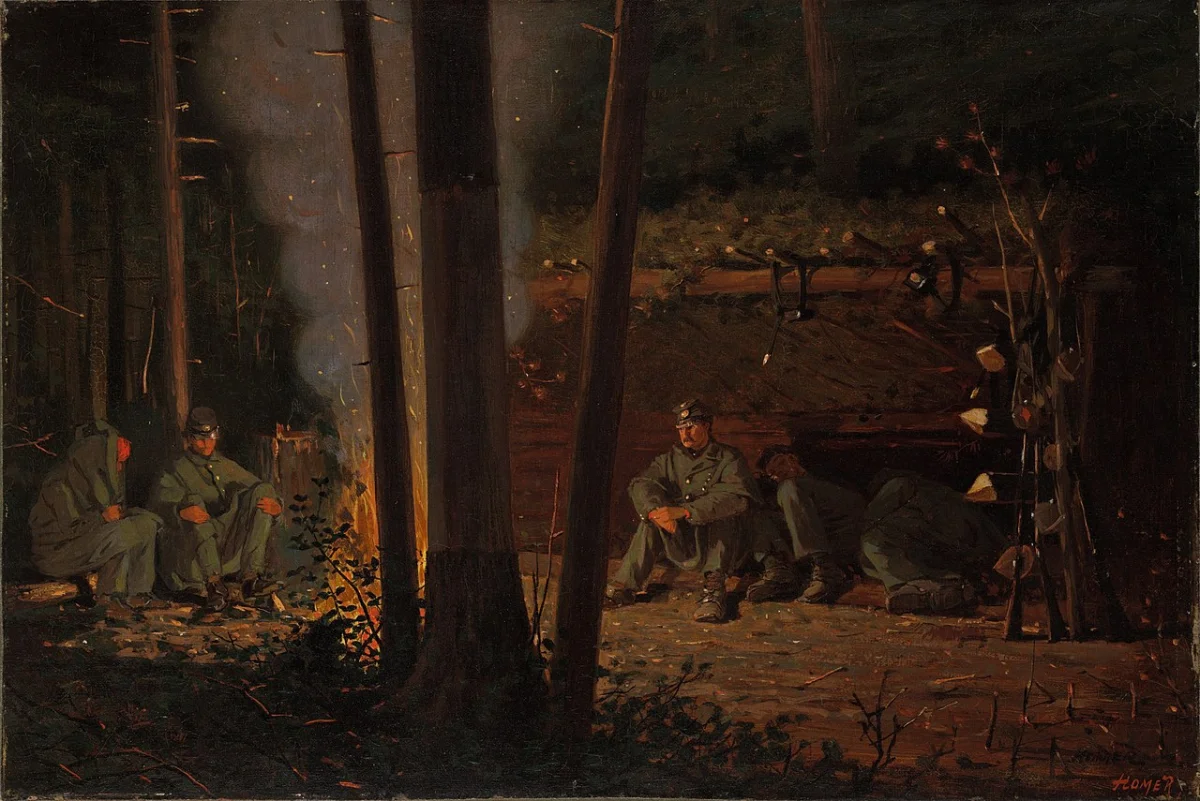
"The Bright Side" by Winslow Homer stands as a significant work within the Realism movement, capturing a pivotal moment in American history. Painted in 1865, this hand-painted oil painting reflects Homer's keen observation of everyday life during the Civil War era. As with other related paintings like "Death and the Woodcutter" and "On the Southern Plains," Homer’s work immortalizes the experiences of his time, making "The Bright Side" a vital piece for those interested in historical context and artistic integrity.
Techniques That Speak
Winslow Homer’s mastery is evident in his use of oil on canvas, a medium that brings vibrant detail and subtle textures to "The Bright Side." The brushwork and naturalistic color palette are hallmarks of the Realism movement, echoing techniques seen in related works such as "Marble Falls" and "The Sun Lit Pines." Through careful layering and attention to light, Homer achieves a lifelike representation, making this oil on canvas a testament to his technical skill and artistic vision.
Emotions on Display
"The Bright Side" communicates a range of emotions, from hope to resilience, through its candid portrayal of Civil War soldiers. Winslow Homer’s sensitive approach allows viewers to connect deeply with the scene, much like the emotional resonance found in "Kingdom Hearts Wordmark The First Game Of The Series." This fine art painting for sale is a powerful example of how the Realism movement uses everyday moments to evoke empathy and reflection in its audience.
Coveted by Collectors
Collectors highly value "The Bright Side" for its historical importance and artistic excellence. As a hand-painted oil painting by Winslow Homer, it is sought after alongside related paintings such as "On the Southern Plains" and "The Sun Lit Pines." The enduring popularity of this fine art painting for sale within the Realism movement underscores its significance, making it a prized addition to any serious art collection focused on 19th-century American works.
Related Realism Hand-Painted Oil Paintings by Other Artists
Other Famous Realism Artists:
Frequently Asked Questions About "The Bright Side"
What is the historical context of "The Bright Side"?
"The Bright Side" was created during the late 19th century, a period marked by significant social and economic change in America. Winslow Homer, known for his depictions of American life, often focused on themes of resilience and the human spirit, reflecting the optimism of the era.
What artistic techniques did Winslow Homer employ in "The Bright Side"?
Homer utilized a combination of watercolor and oil techniques to create vibrant colors and dynamic compositions. His use of light and shadow enhances the emotional depth of the scene, drawing the viewer's eye to the central figures and their interaction with the environment.
What are the main themes represented in "The Bright Side"?
The painting embodies themes of hope, resilience, and the beauty of nature. It captures a moment of tranquility and optimism, suggesting that even amidst challenges, there is a "bright side" to life that can be appreciated.
Who are the figures depicted in "The Bright Side" and what do they symbolize?
The figures in the painting represent individuals from different walks of life, symbolizing unity and the shared human experience. Their expressions and postures convey a sense of contemplation and connection with nature, emphasizing the importance of community and support.
How does "The Bright Side" reflect Winslow Homer's artistic evolution?
This painting marks a significant point in Homer’s artistic journey, showcasing his mastery of color and composition. It reflects his transition from more traditional landscapes to a focus on human subjects intertwined with nature, illustrating his growing interest in the psychological aspects of his subjects.
What role does light play in "The Bright Side"?
Light is a crucial element in "The Bright Side," as it not only illuminates the figures but also enhances the overall mood of the painting. The interplay of light and shadow creates depth and dimension, symbolizing hope and positivity in the face of adversity.
In what ways does "The Bright Side" connect with American identity?
The painting reflects the American spirit of optimism and resilience, particularly during a time of national growth and change. It captures the essence of the American landscape and the enduring connection between people and nature, reinforcing a sense of national pride.
What influences can be seen in Homer's style in "The Bright Side"?
Homer's style in this painting is influenced by the Impressionist movement, evident in his loose brushwork and emphasis on natural light. However, he maintains a distinct realism that captures the essence of his subjects, blending both styles to create a unique visual narrative.
How has "The Bright Side" been received by critics and art historians?
Critics and art historians have praised "The Bright Side" for its emotional depth and technical execution. It is often regarded as one of Homer's significant works, celebrated for its ability to evoke feelings of hope and connection, making it a beloved piece in the American art canon.
What impact did "The Bright Side" have on later artists?
The painting has influenced numerous artists who seek to capture the human experience within natural settings. Homer's ability to convey emotion through landscape and figure has inspired generations of artists to explore similar themes of resilience and connection in their own work.






















_GFM_Painting_(1).webp)


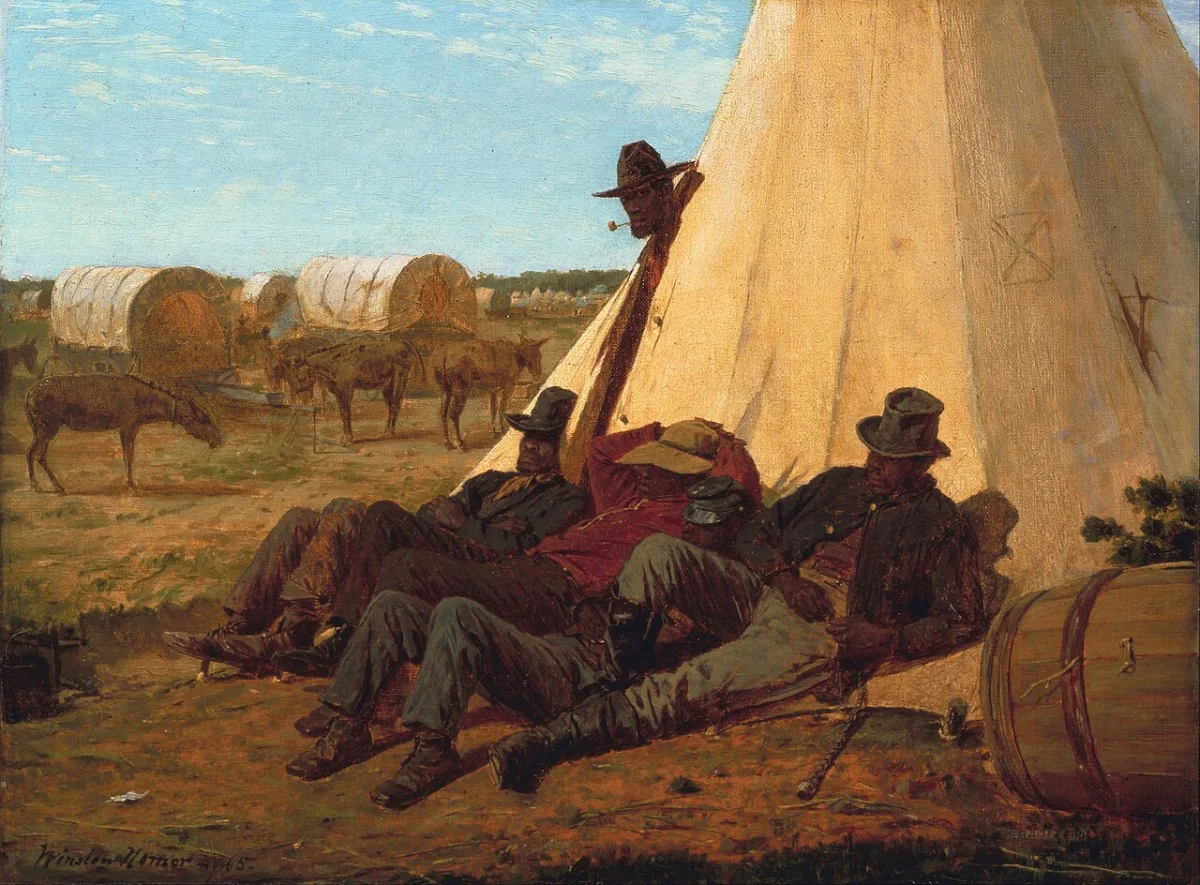
 100% Hand-Painted: Finished in 3-6 Weeks

.png)












.webp)



_(1).webp)