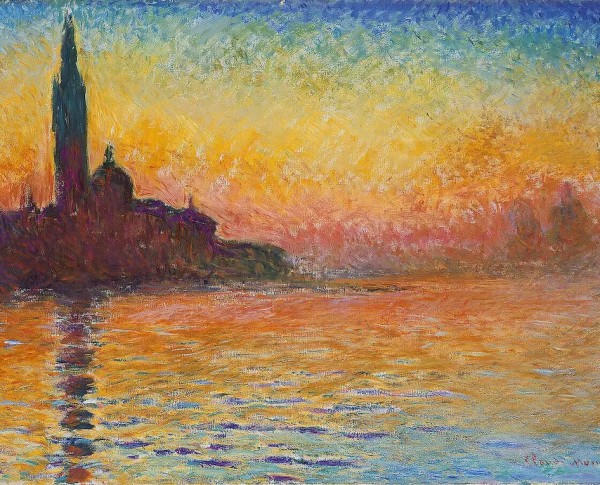
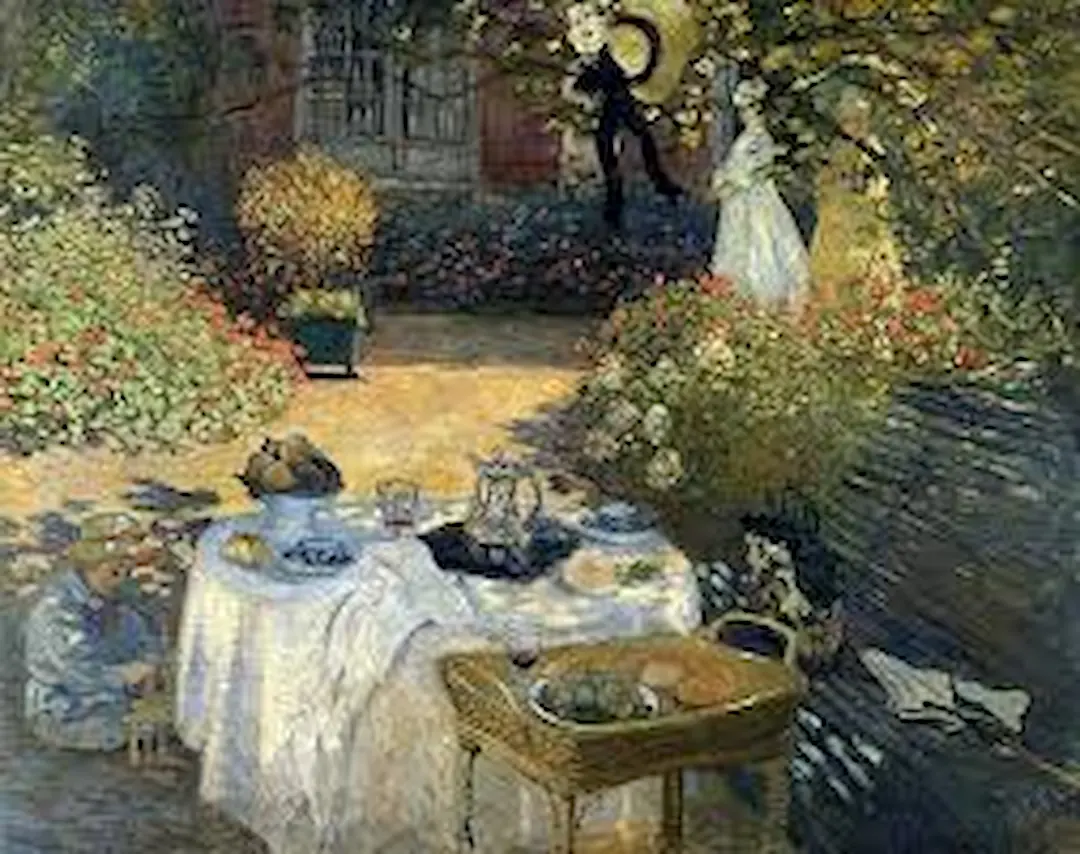
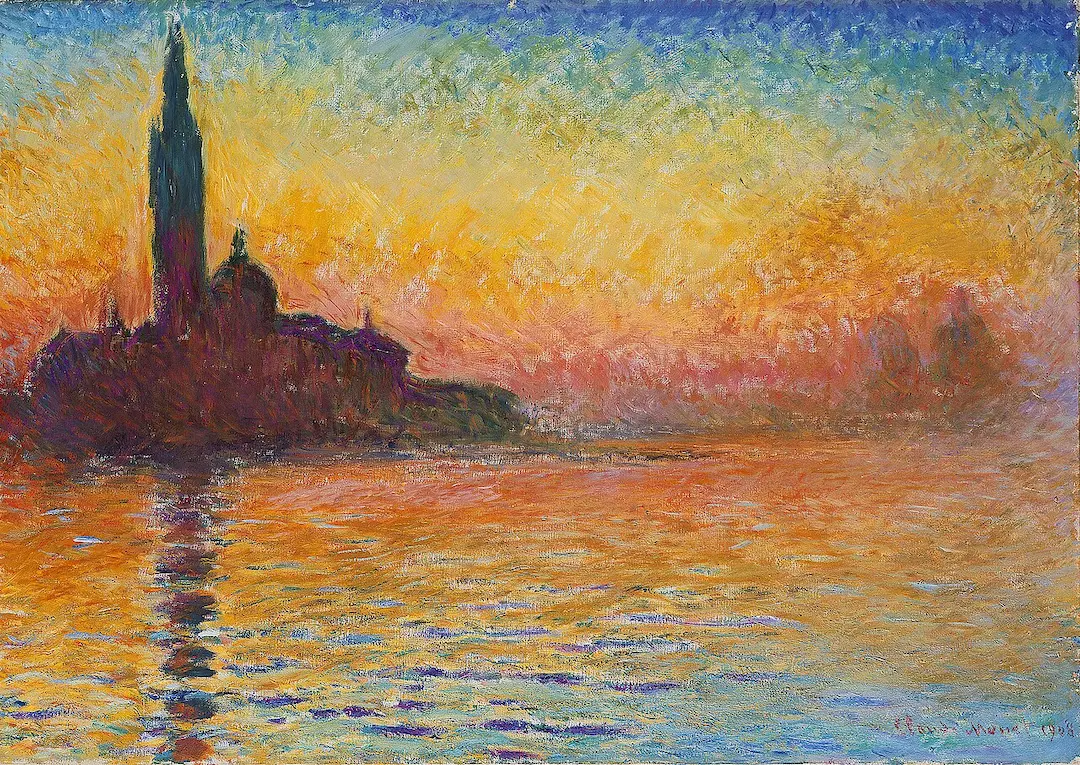
Monet’s remarkable technique in "The Luncheon (Monet's Garden At Argenteuil)" is evident in every brushstroke, demonstrating the artist’s mastery with oil on canvas. The interplay of sunlight and shadow, combined with lively colors, brings Monet’s garden to life. As a prominent figure in Impressionism, Monet’s works, including "Still Life with Eggs" and "San Giorgio Maggiore At Dusk," showcase his unique ability to capture fleeting moments with vivid realism and emotional depth.
"The Luncheon (Monet's Garden At Argenteuil)" is more than a fine art painting for sale; it tells a story of family, leisure, and the beauty of nature. Monet’s choice of setting and subjects reflects the tranquility and warmth of his personal life. Like "Régates à Argenteuil" and "Garden at Sainte-Adresse," this painting invites viewers to interpret the underlying narratives and symbolic elements that have made Impressionist works beloved around the world.
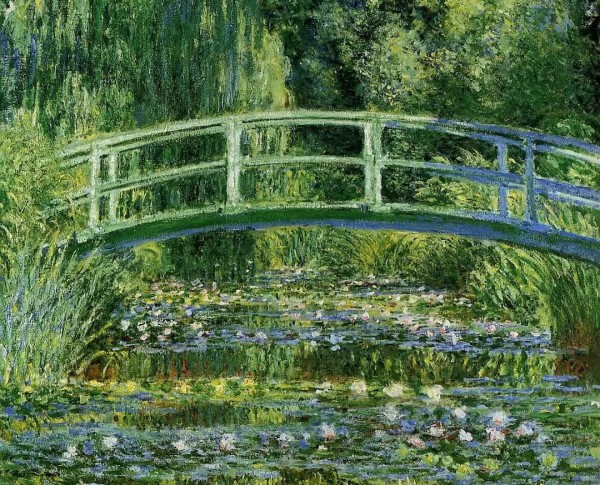
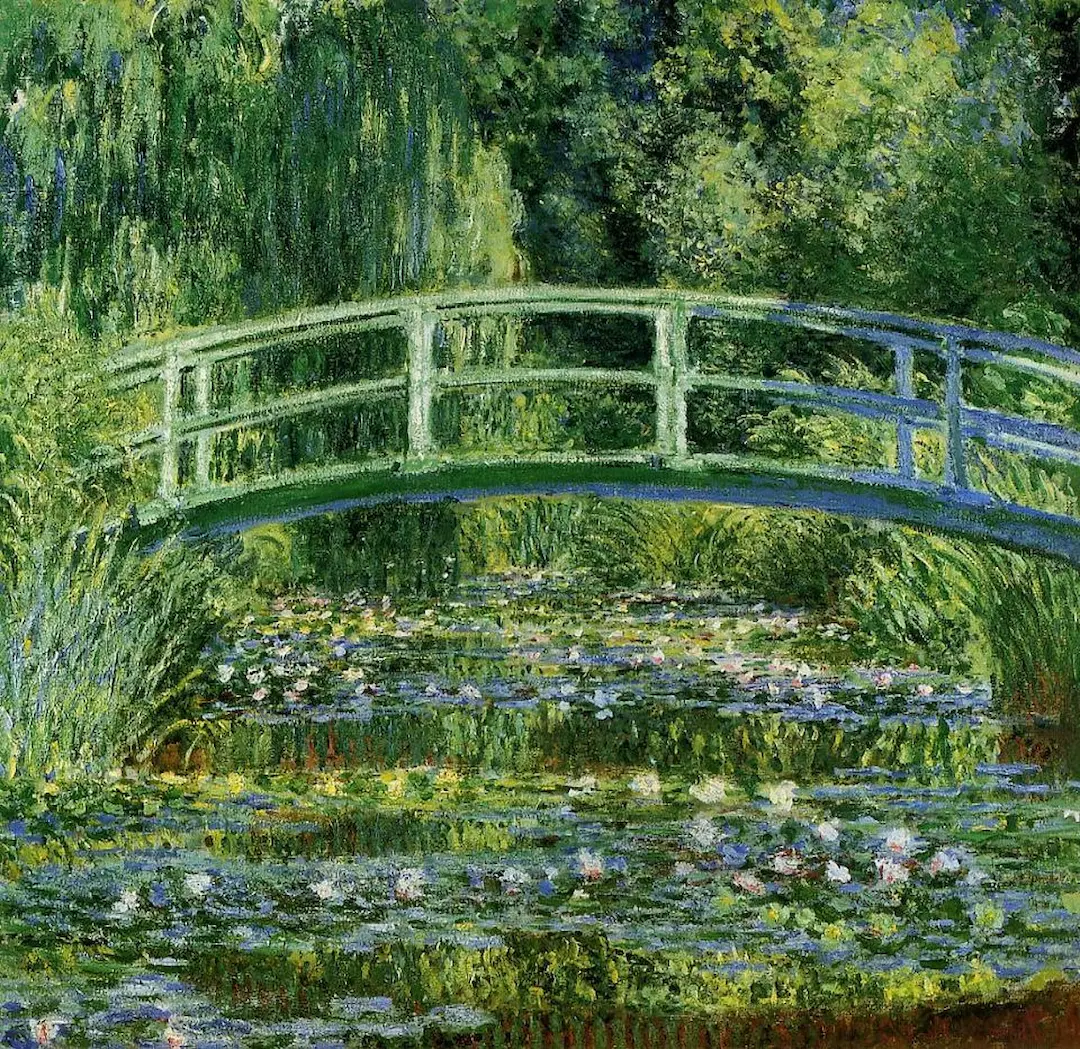
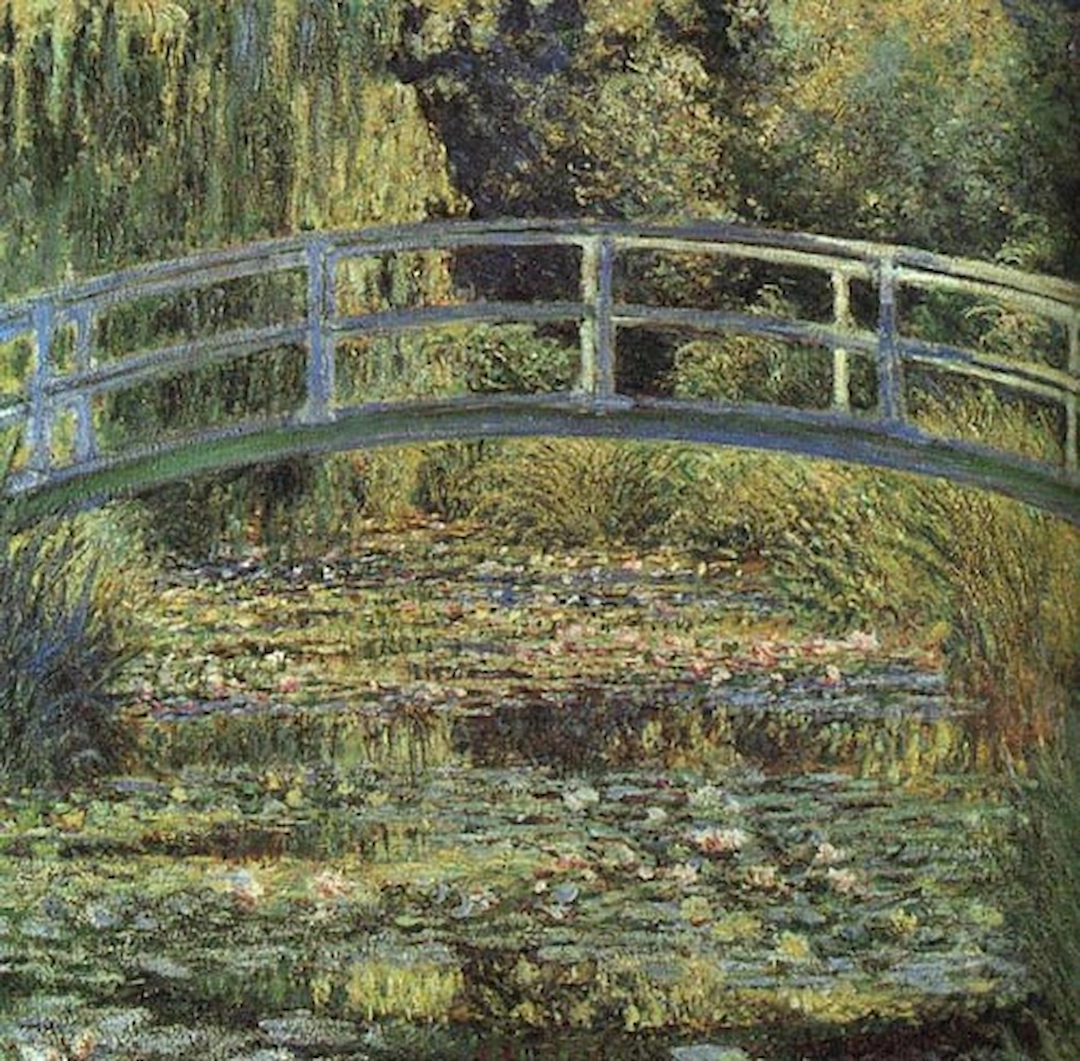
Owning "The Luncheon (Monet's Garden At Argenteuil)" means possessing a remarkable piece of art history. This hand-painted oil painting is a prized addition to any collection, admired for its historical significance and aesthetic appeal. Collectors seeking more from Monet’s oeuvre often look for related products such as "The Water Lily Pond Aka Japanese Bridge" and "Still Life with Eggs", ensuring their collection reflects the very best of Impressionism’s legacy.
When Art Meets History
"The Luncheon (Monet's Garden At Argenteuil)" by Claude Monet stands as a pivotal hand-painted oil painting from the Impressionism movement. Created during a time of great artistic transformation, this masterpiece captures the leisurely elegance of 19th-century French society. Monet, alongside contemporaries, redefined art with such works, paralleling related paintings like "Dance At Bougival" and "Houses at the seaside." The painting’s historical context adds depth to its enduring charm and relevance among art enthusiasts.
Techniques That Speak
Claude Monet's mastery is evident in "The Luncheon (Monet's Garden At Argenteuil)" through his innovative use of oil on canvas. The swift, visible brushstrokes and luminous palette exemplify Impressionism’s break from traditional realism. Monet’s technique, seen also in "Girls At The Piano2" and "The Parade," captures fleeting light and atmosphere, inviting viewers into a vibrant, sensory experience. This oil on canvas remains a testament to Monet’s enduring influence on modern painting.
Emotions on Display
In "The Luncheon (Monet's Garden At Argenteuil)," Monet conveys warmth, intimacy, and the tranquil joy of a shared meal amidst nature. The fine art painting for sale draws viewers into a serene moment, much like "Young Spartans Exercising" and "Dance At Bougival." Through delicate interplay of color and light, Monet evokes emotions that transcend time, inviting reflection and connection with both the scene and the broader Impressionist movement.
Coveted by Collectors
Collectors worldwide prize "The Luncheon (Monet's Garden At Argenteuil)" for its mastery and historical significance within Impressionism. As a hand-painted oil painting, it stands alongside related works such as "Houses at the seaside" and "Girls At The Piano2" in desirability. Monet’s signature style and the painting’s vibrant depiction of everyday life ensure its place as a fine art painting for sale that commands admiration and enduring value in prestigious collections.
Related Impressionism Hand-Painted Oil Paintings by Other Artists
Other Famous Impressionism Artists:
Frequently Asked Questions About The Luncheon (Monet's Garden At Argenteuil)
What is the historical significance of "The Luncheon (Monet's Garden At Argenteuil)"?
This painting, created in 1873, is significant as it exemplifies the Impressionist movement, showcasing Monet's innovative approach to capturing light and color in outdoor settings.
What artistic techniques did Claude Monet use in this painting?
Monet employed loose brushwork and a vibrant color palette to convey the effects of natural light, creating a sense of immediacy and spontaneity characteristic of Impressionism.
What themes are explored in "The Luncheon"?
The painting explores themes of leisure, social interaction, and the beauty of nature, reflecting the idyllic lifestyle of the French bourgeoisie during the late 19th century.
How does "The Luncheon" reflect the Impressionist style?
The work reflects the Impressionist style through its emphasis on capturing a moment in time, the use of broken color, and the depiction of everyday life in a natural setting.
What is the significance of the garden setting in "The Luncheon"?
The garden setting symbolizes harmony with nature and serves as a backdrop for social gatherings, highlighting the connection between leisure and the natural environment in Monet's work.
Who are the figures depicted in "The Luncheon"?
The figures in the painting are believed to be Monet's friends and family, representing the social circles of the artist and the broader Impressionist community.
What role does light play in "The Luncheon"?
Light is a central element in "The Luncheon," as Monet captures its changing qualities, creating a dynamic atmosphere that enhances the overall composition and mood of the scene.
How does "The Luncheon" compare to other works by Monet?
Compared to other works by Monet, "The Luncheon" emphasizes social interaction and leisure, while many of his other pieces focus more on landscapes or water scenes, showcasing his versatility as an artist.
What impact did "The Luncheon" have on the art world?
The painting contributed to the acceptance of Impressionism as a legitimate art movement, influencing future generations of artists to explore new techniques and subjects in their work.
Where can "The Luncheon" be viewed today?
"The Luncheon (Monet's Garden At Argenteuil)" is part of the permanent collection at the Musée d'Orsay in Paris, where it continues to attract visitors and art enthusiasts from around the world.






















_GFM_Painting_(1).webp)


 100% Hand-Painted: Finished in 3-6 Weeks

.png)















_(1).webp)