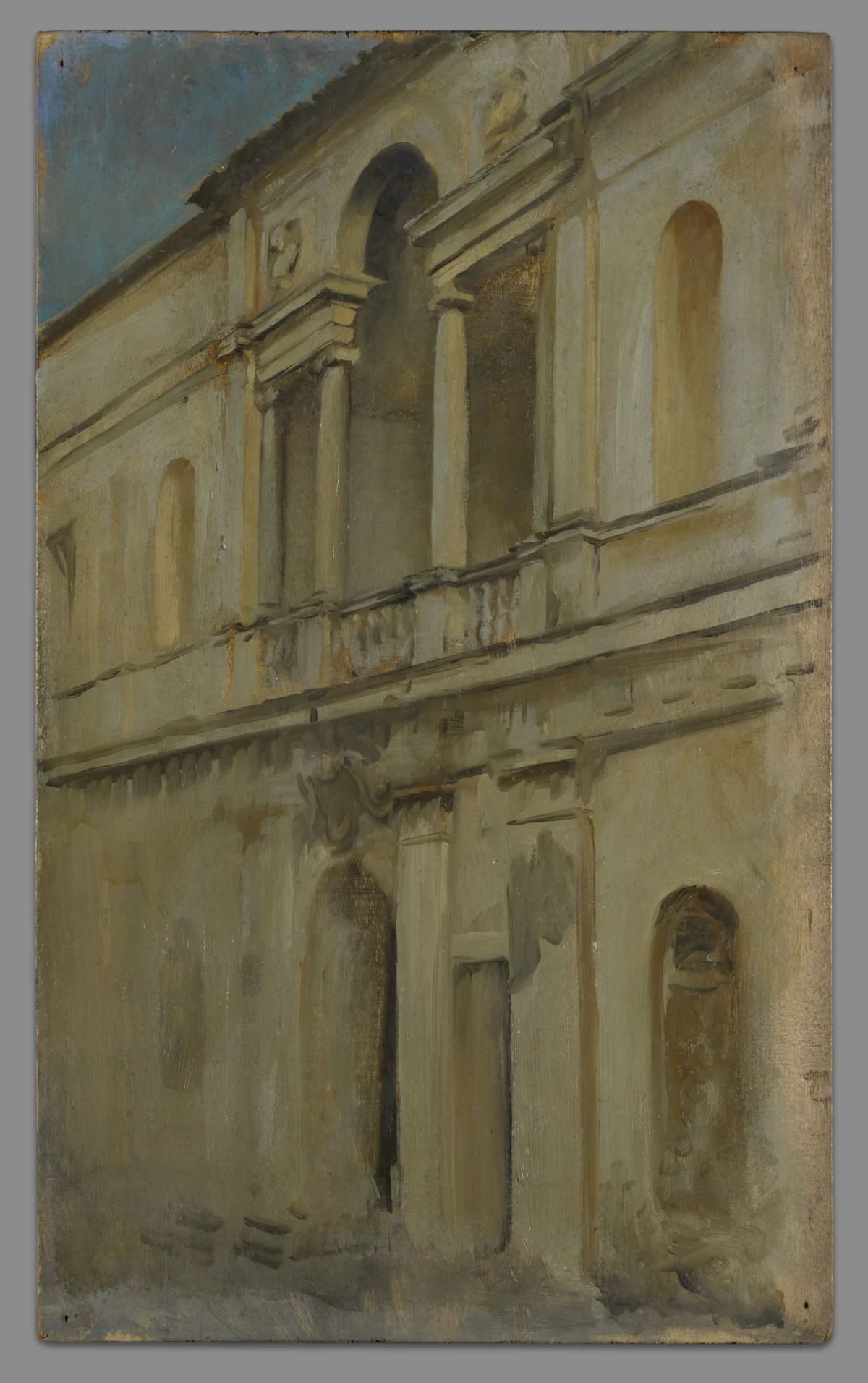
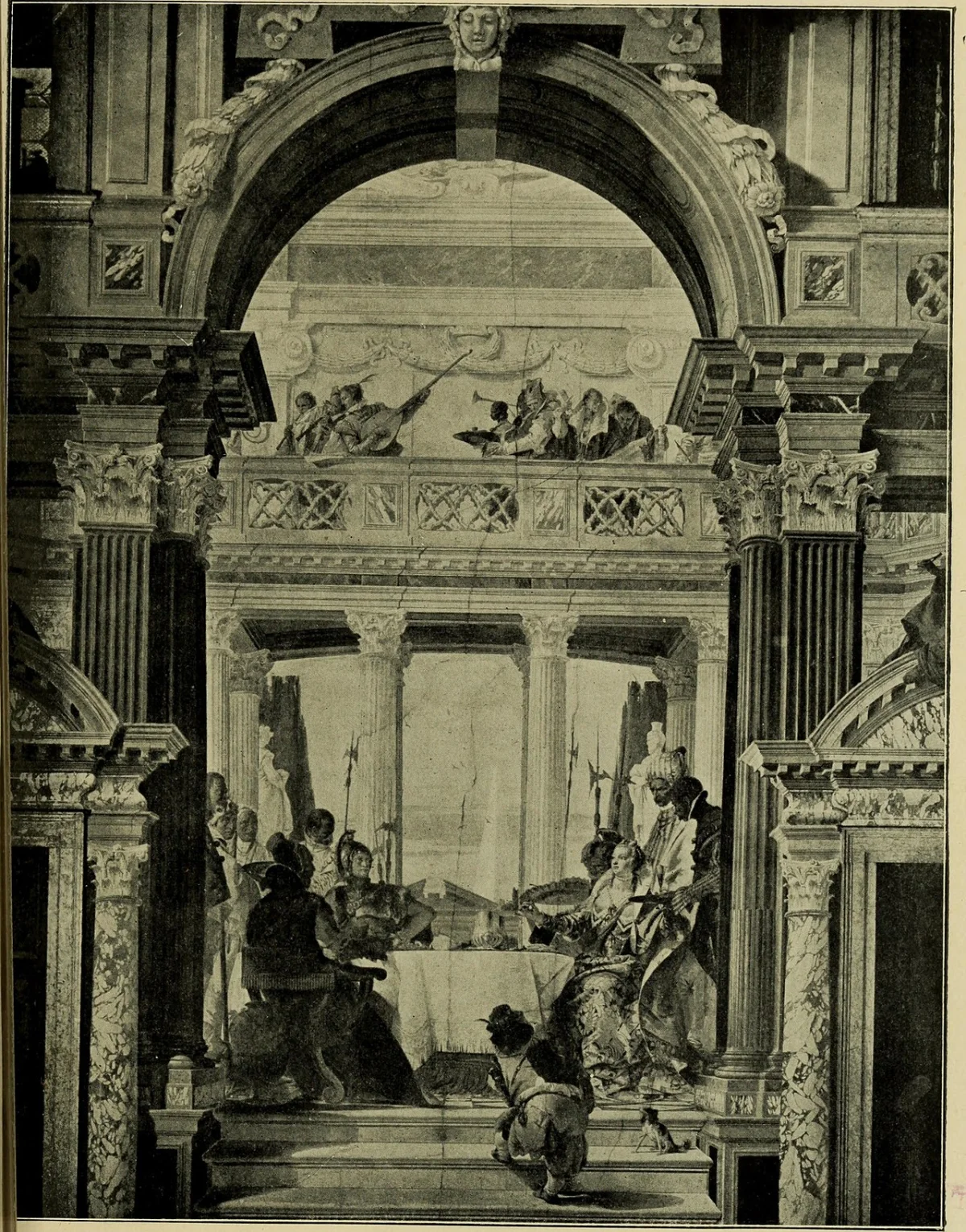
Edwin Austin Abbey’s "Architectural study" exemplifies his mastery with oil on canvas, blending intricate architectural elements with the soft touch of the Aestheticism movement. The painting’s delicate brushwork and harmonious composition highlight Abbey’s technical prowess and deep understanding of form. Each stroke brings to life the grandeur of classical architecture, making this piece a must-see for art lovers. For those seeking similar works, "Figure study: an Angel" and "Study: Head of a woman for Sir Galahad" are excellent choices.
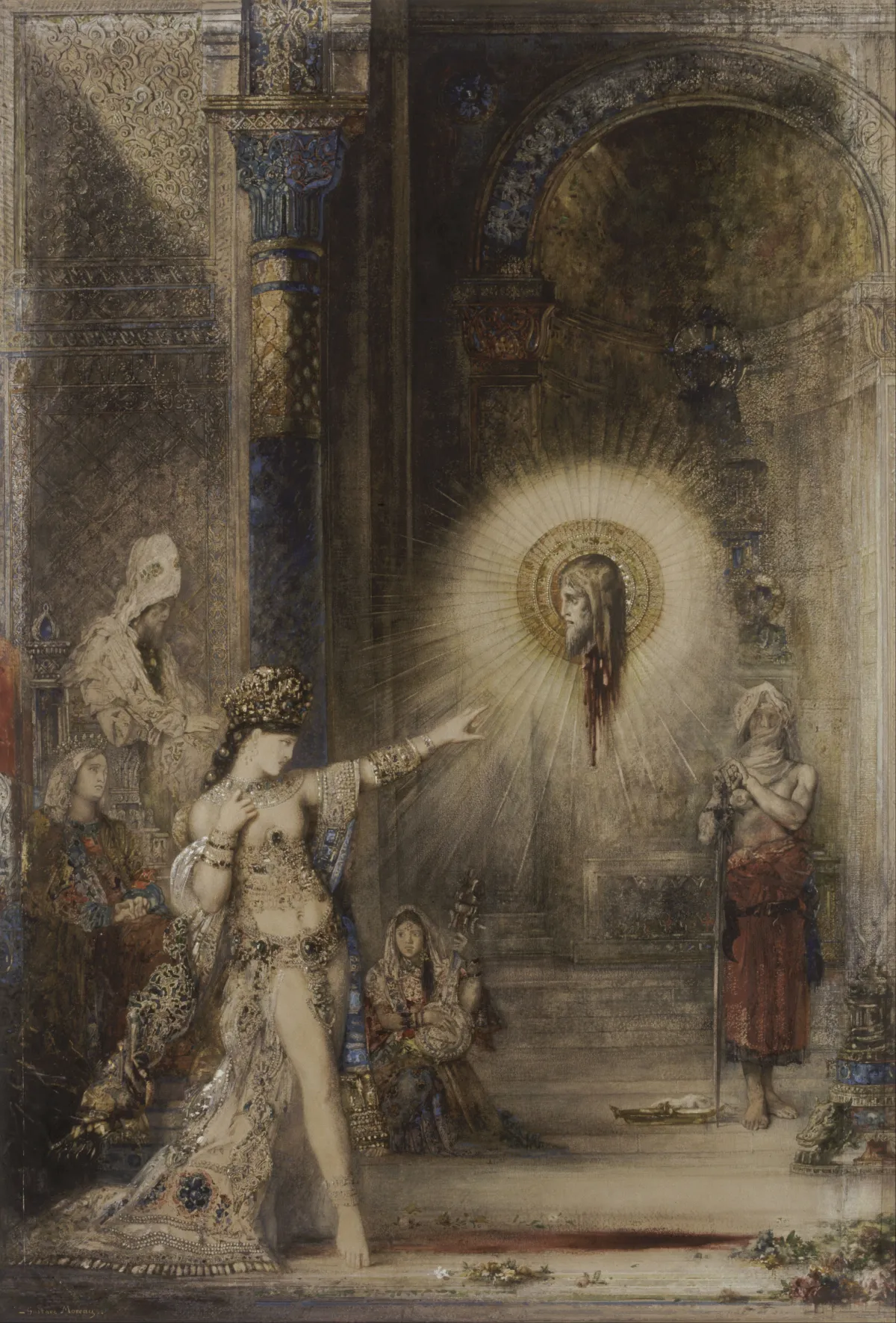
Within "Architectural study," Abbey weaves subtle narratives through the interplay of structure and light, a hallmark of the Aestheticism movement. This fine art painting for sale invites viewers to explore hidden meanings behind its elegant columns and arches, echoing themes found in Abbey’s other works like "The Apparition." The painting’s symbolism resonates with those who appreciate art’s ability to convey emotion and story through visual elements, making it a cherished addition to any thoughtful collection.
For collectors, "Architectural study" represents an exceptional opportunity to own a piece of art history by Edwin Austin Abbey. Its status as a hand-painted oil painting from the Aestheticism movement enhances its desirability, especially among discerning buyers. This artwork, along with related pieces such as "Architectural study: a column," is highly sought after, offering both aesthetic pleasure and investment potential. Abbey’s works remain prized for their timeless beauty and enduring significance in the art world.
When Art Meets History
"Architectural study" by Edwin Austin Abbey stands as a remarkable example of the Aestheticism movement, blending historical reverence with artistic innovation. This hand-painted oil painting captures the grandeur of architectural forms, much like Abbey’s contemporaries did in works such as "Quai de Paris, Rouen" and "Old English House by Moonlight." Through "Architectural study," viewers are invited to reflect on the enduring dialogue between past and present, where art becomes a vessel for historical appreciation.
Techniques That Speak
Edwin Austin Abbey’s "Architectural study" demonstrates masterful use of oil on canvas, a technique that enhances the depth and texture of the scene. His precise brushwork and nuanced color palette echo the refined skills seen in related pieces like "Liverpool from Wapping" and "Shipping on the Clyde." The meticulous attention to architectural detail, characteristic of the Aestheticism movement, transforms the canvas into a vibrant celebration of structure and form through oil on canvas artistry.
Emotions on Display
The emotive quality of "Architectural study" by Edwin Austin Abbey lies in its serene yet evocative depiction of built environments. This fine art painting for sale captivates viewers with its harmonious composition, evoking a sense of nostalgia and admiration for architectural beauty. Similar emotional undertones can be found in Abbey’s other works and related paintings such as "A House in a Clearing," where the artist’s sensitivity to atmosphere shines through, making each piece profoundly moving within the Aestheticism movement.
Coveted by Collectors
As a celebrated hand-painted oil painting, "Architectural study" attracts art collectors who value both historical context and artistic mastery. Edwin Austin Abbey’s reputation within the Aestheticism movement, alongside his connection to works like "Quai de Paris, Rouen" and "Old English House by Moonlight," adds significant appeal. Collectors seek out such treasures not only for their beauty but also for their embodiment of artistic heritage, making "Architectural study" a prized addition to any collection.
Related Aestheticism Hand-Painted Oil Paintings by Other Artists
Other Famous Aestheticism Artists:
Frequently Asked Questions About Architectural study
What is the historical significance of "Architectural study"?
"Architectural study" by Edwin Austin Abbey is significant as it reflects the artist's deep engagement with architectural themes and his ability to blend artistic expression with meticulous detail, showcasing the transition of art during the late 19th century.
What artistic techniques did Edwin Austin Abbey employ in this painting?
Abbey utilized a combination of watercolor and ink techniques to create intricate details and a sense of depth, highlighting his skill in rendering architectural forms and textures.
What themes are explored in "Architectural study"?
The painting explores themes of structure, permanence, and the relationship between human creativity and the built environment, reflecting Abbey's fascination with architecture as an art form.
How does "Architectural study" reflect the artistic movements of its time?
This work embodies the transition from the Romanticism of the 19th century to the more modern approaches of the early 20th century, showcasing a blend of realism and idealism in architectural representation.
What symbols can be found in "Architectural study"?
The painting symbolizes the harmony between nature and human-made structures, often represented through the juxtaposition of architectural lines and organic forms, suggesting a dialogue between the two.
In what ways did Edwin Austin Abbey's background influence this artwork?
Abbey's background as an illustrator and his extensive travels in Europe deeply influenced his approach to "Architectural study," allowing him to draw inspiration from various architectural styles and historical contexts.
What is the significance of the architectural elements depicted in the painting?
The architectural elements in the painting serve to highlight the grandeur and intricacy of design, emphasizing the importance of architecture in cultural identity and historical narrative.
How does "Architectural study" compare to Abbey's other works?
Compared to Abbey's other works, "Architectural study" stands out for its focused exploration of architectural themes, showcasing his versatility and ability to convey complex ideas through a single subject matter.
What impact did "Architectural study" have on later artists?
The painting influenced later artists by demonstrating the potential of architecture as a subject in fine art, inspiring a generation to explore the intersection of artistic expression and structural design.
What can visitors learn about the era in which Abbey created "Architectural study"?
Visitors can learn about the cultural and artistic shifts of the late 19th century, a period marked by a growing appreciation for architectural beauty and the integration of art into everyday life, as exemplified by Abbey's work.






















_GFM_Painting_(1).webp)


 100% Hand-Painted: Finished in 3-6 Weeks

.png)
















_(1).webp)