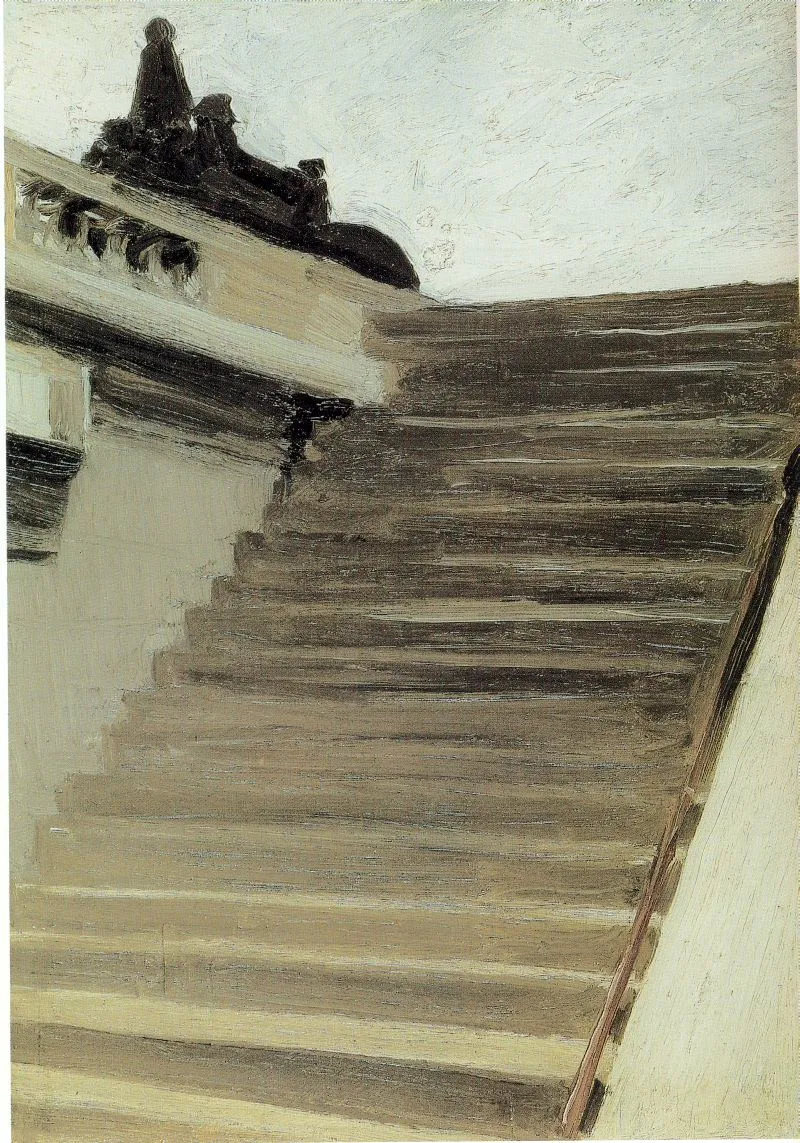
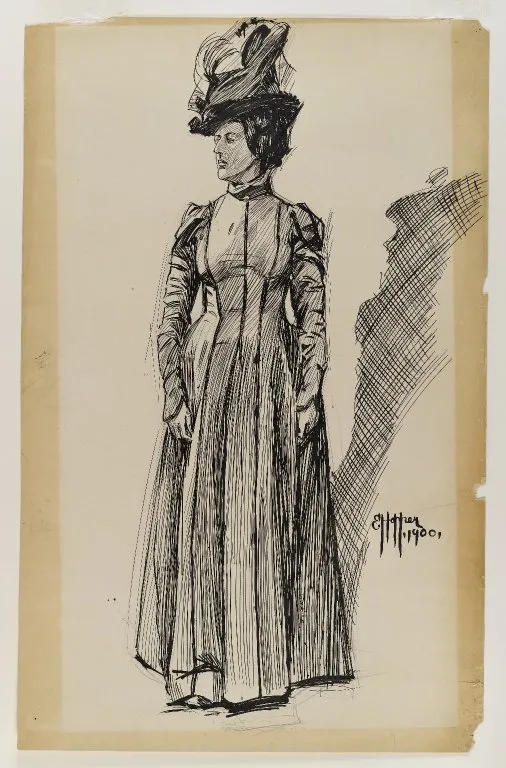
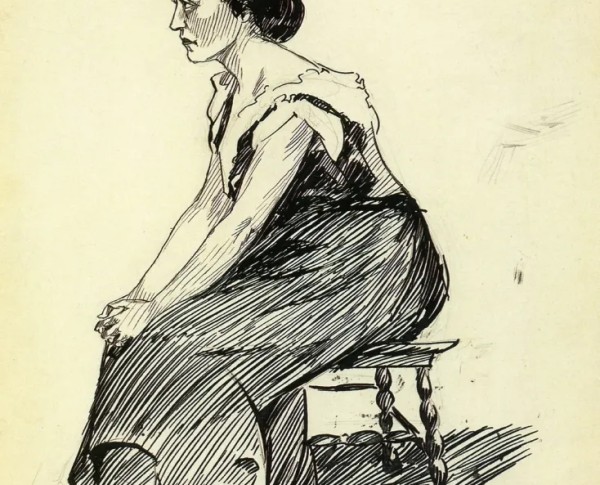
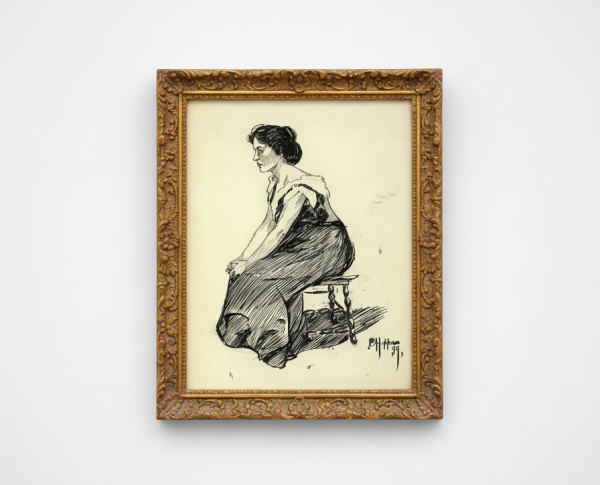
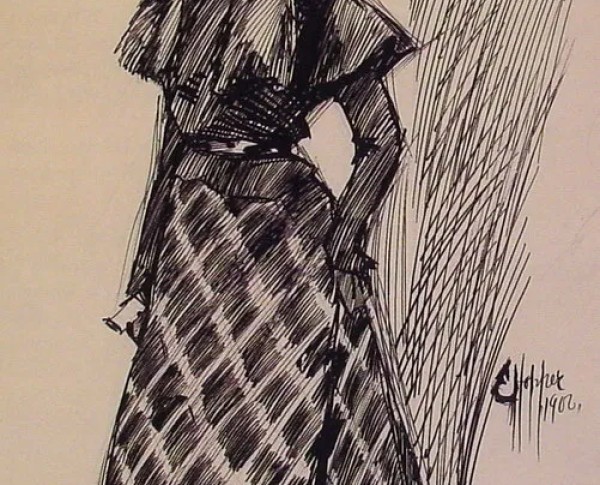
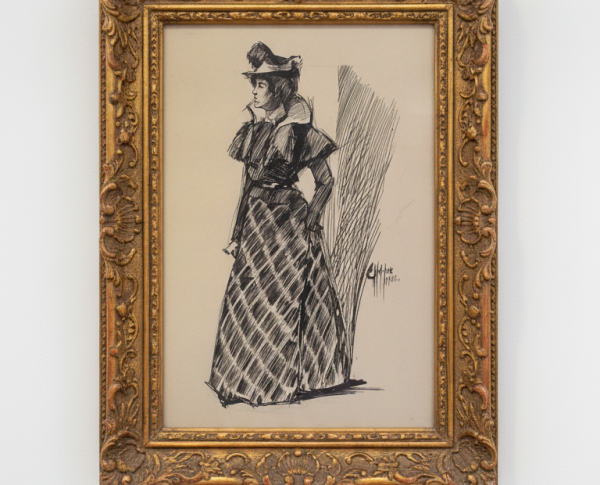
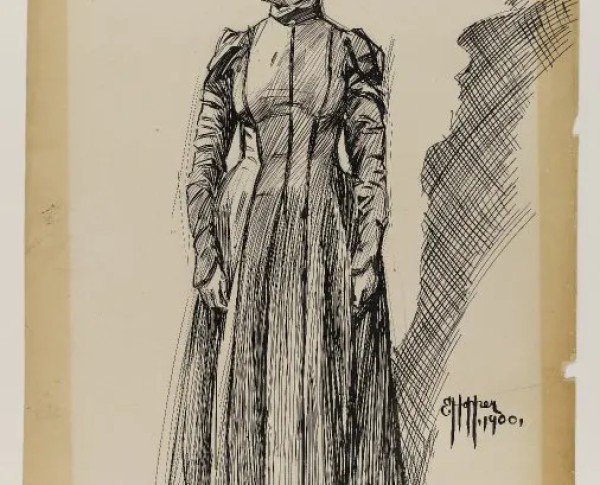
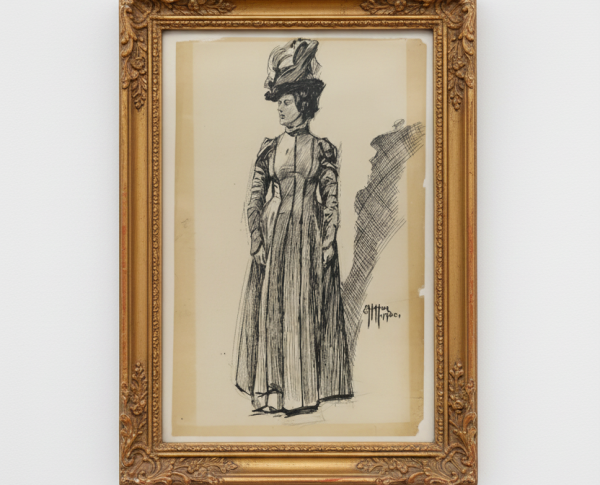
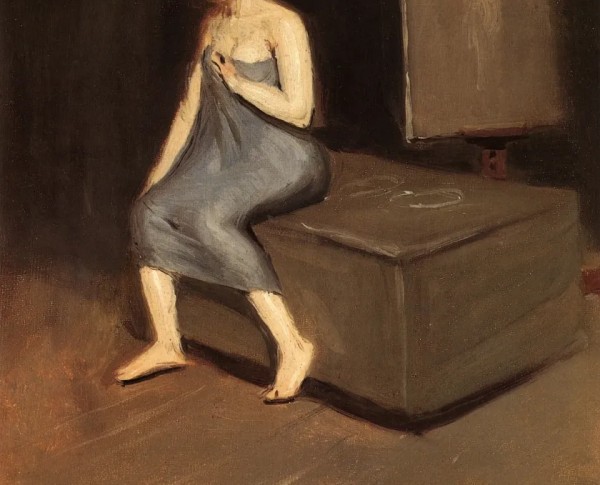
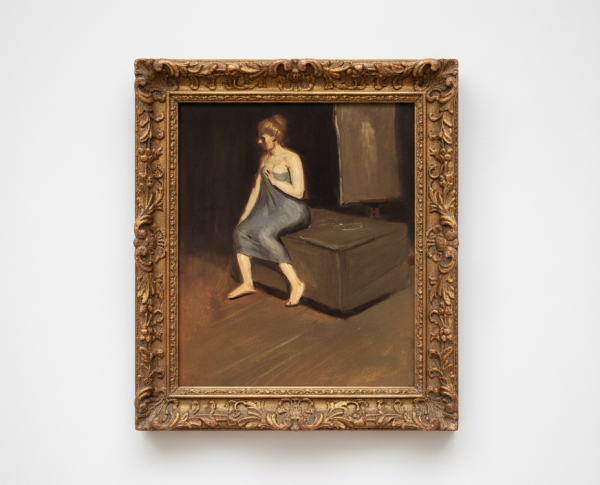
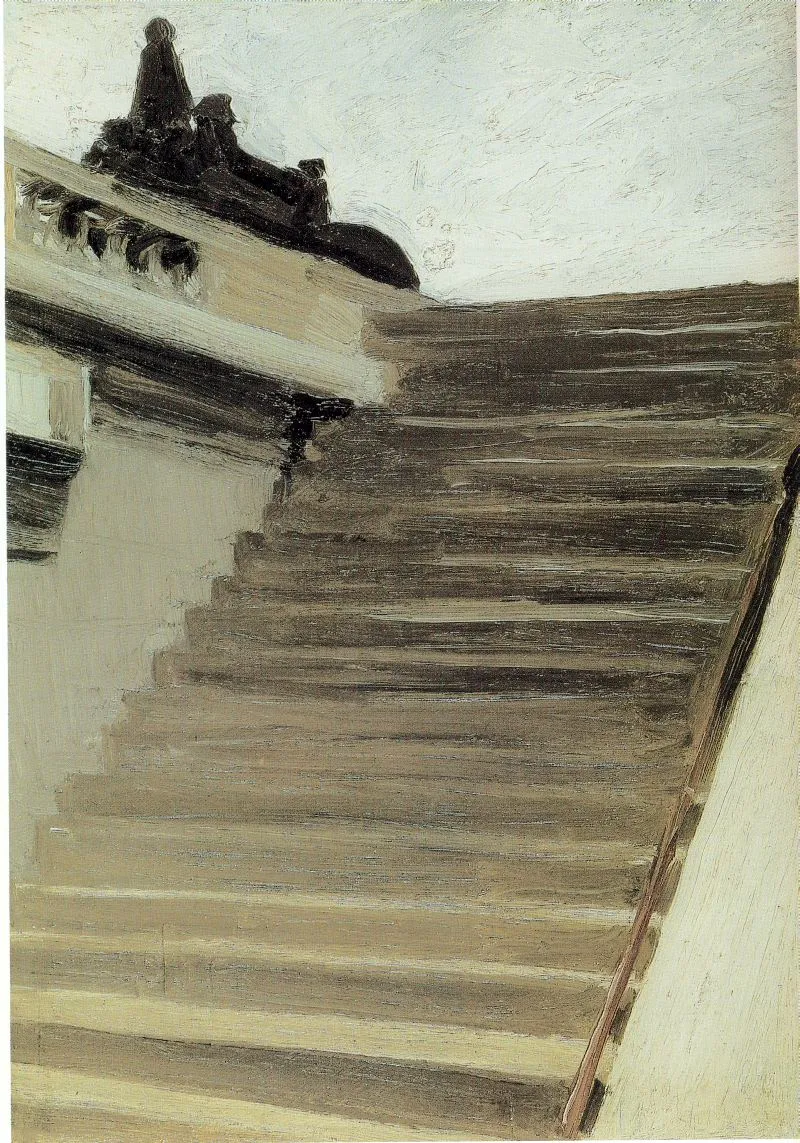
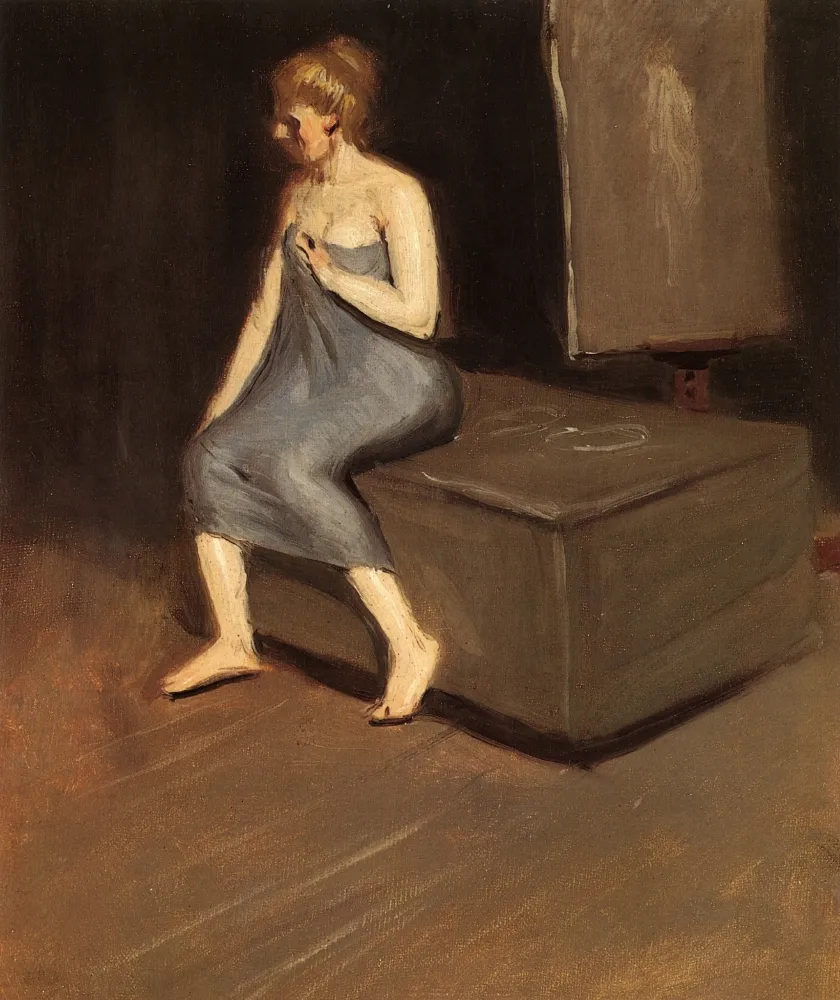
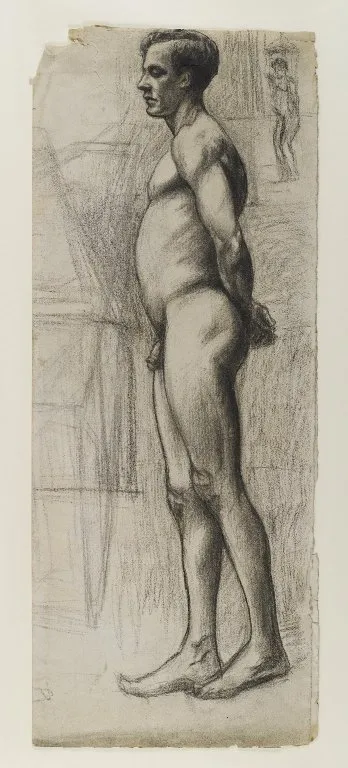
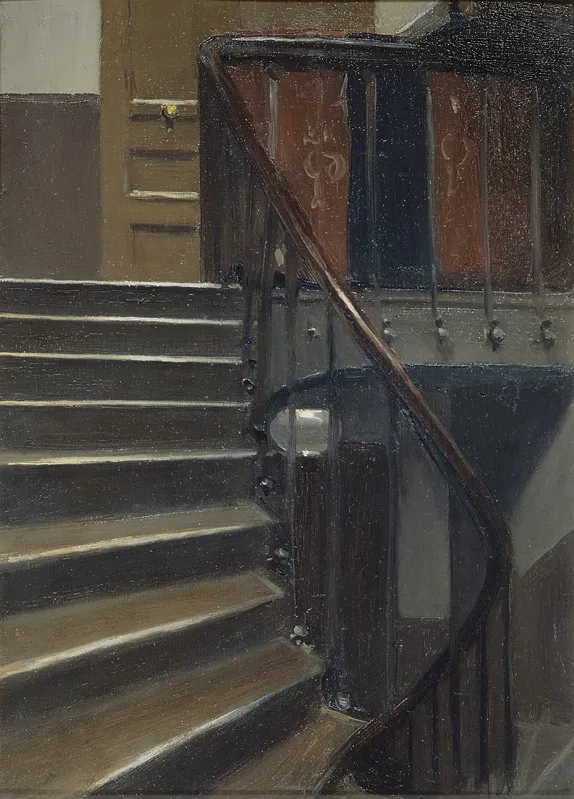
With "Steps in Paris," Edward Hopper demonstrates his technical prowess using oil on canvas. Every brushstroke reveals his meticulous attention to light and architecture, hallmarks of American Realism. The painting’s composition invites viewers to step into a quiet Parisian scene. For those seeking a fine art painting for sale that embodies both history and artistry, Hopper’s works, including "Sitting on Box" and "Male Nude," are outstanding choices for any collection.
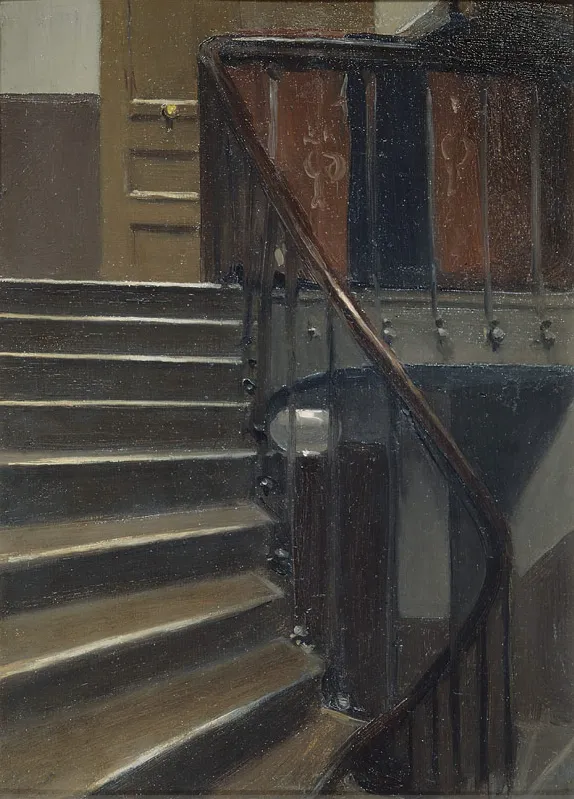
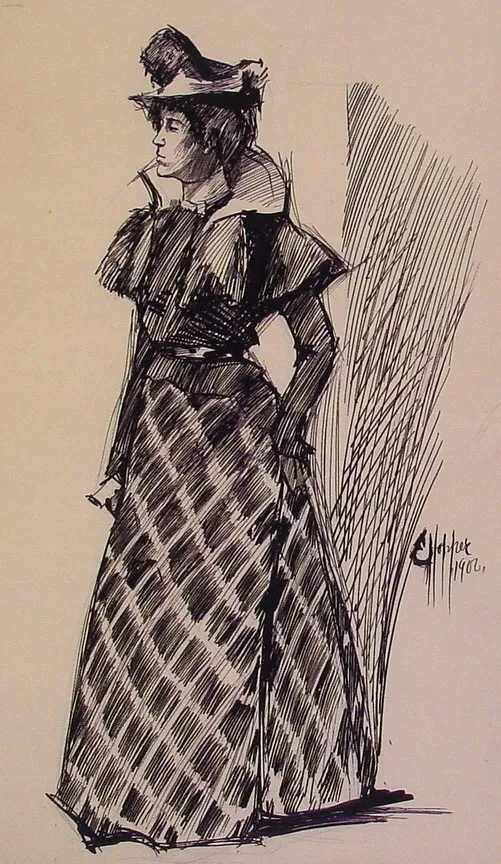
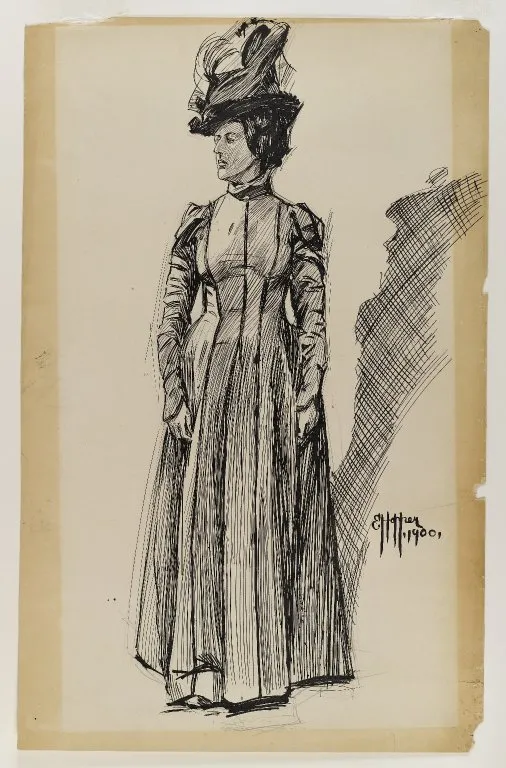
"Steps in Paris" by Edward Hopper weaves a narrative through its careful depiction of solitude and urban beauty. This hand-painted oil painting invites interpretation, with stairs symbolizing transition and contemplation. As an influential figure in American Realism, Hopper’s paintings, like "Stairway at 48 rue de Lille" and "Paris, Standing Female Figure," offer layers of meaning for art lovers seeking more than just visual appeal in their collections.
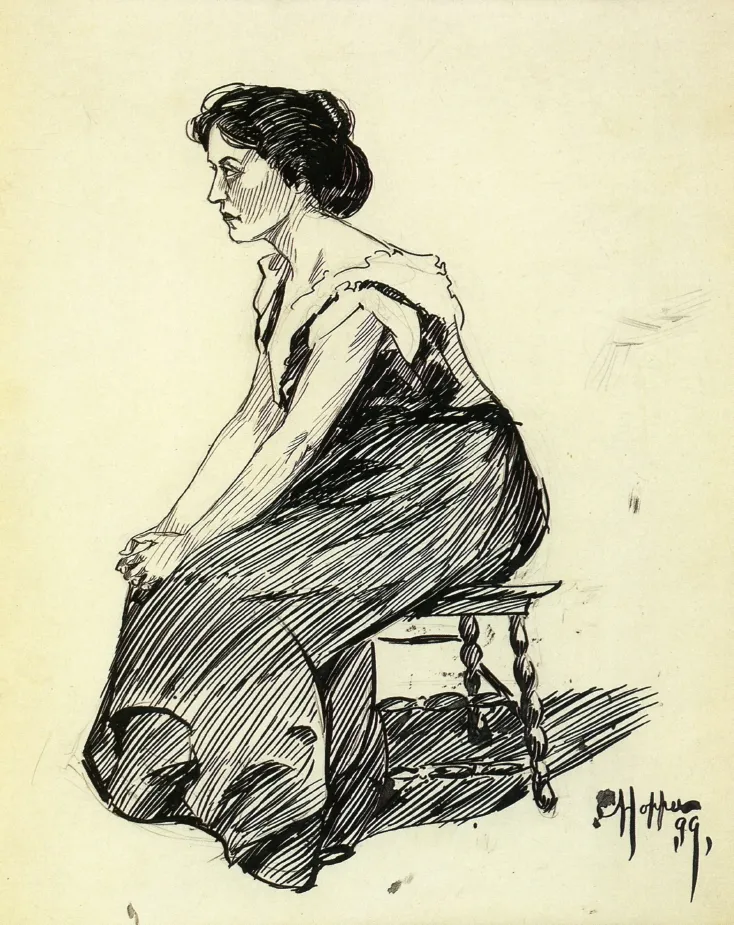
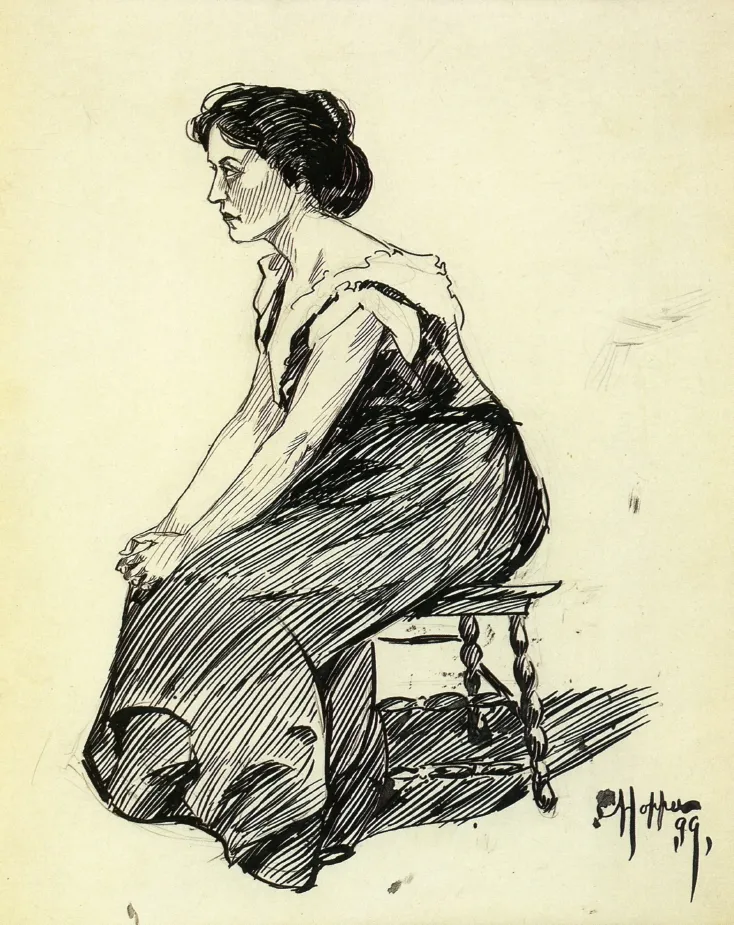
For art collectors, "Steps in Paris" represents a timeless investment in American Realism. This oil on canvas masterpiece by Edward Hopper stands out among fine art painting for sale, blending historic significance with enduring aesthetic value. Enhance your gallery with related works such as "Study of a Seated Woman," showcasing Hopper’s range and influence. Each piece is a testament to the enduring power of hand-painted oil painting in the modern era.
When Art Meets History
"Steps in Paris" by Edward Hopper stands as a testament to American Realism, capturing the subtle beauty of everyday life. Painted during a period when the world was rapidly changing, this hand-painted oil painting reflects Hopper’s fascination with urban solitude. Just as in his other masterpieces like "No Graft Here" and "A Bachelor’s Dog," Hopper’s work immortalizes fleeting moments. Collectors and enthusiasts alike seek such evocative pieces, making this fine art painting for sale highly desirable.
Techniques That Speak
Edward Hopper’s mastery is evident in his use of oil on canvas, where crisp lines and muted tones evoke a sense of quiet introspection. In "Steps in Paris," the interplay of light and shadow mirrors techniques seen in his contemporaries and related works like "A Friend in Need." Hopper’s precise brushwork and attention to architectural detail exemplify the American Realism movement, setting this painting apart as a quintessential example of a hand-painted oil painting.
Emotions on Display
The emotional depth in "Steps in Paris" resonates with viewers, much like in Hopper’s other celebrated works. Through subtle gestures and atmospheric perspective, he conveys isolation and contemplation, core themes of American Realism. This fine art painting for sale draws parallels with emotional narratives found in "Dream of the Fisherman's Wife" and "A Waterloo," inviting viewers to connect personally with the scene and experience the profound stillness Hopper so expertly depicts.
Coveted by Collectors
Collectors worldwide prize "Steps in Paris" for its remarkable portrayal of urban life and its place within the American Realism movement. As an original oil on canvas, this piece shares the esteemed company of Hopper’s other sought-after works, including "No Graft Here." The painting’s authenticity and evocative style make it a highly valued hand-painted oil painting, ensuring its status as a coveted treasure in any fine art painting for sale collection.
Related American Realism Hand-Painted Oil Paintings by Other Artists
Other Famous American Realism Artists:
Frequently Asked Questions About Steps in Paris
What is the historical context of "Steps in Paris"?
"Steps in Paris" was created in 1929, a period marked by significant social and cultural changes in both Europe and America. This era saw the rise of modernism, which influenced Hopper's artistic style and thematic choices, reflecting the complexities of urban life.
What artistic techniques did Edward Hopper employ in this painting?
Hopper utilized a combination of light and shadow to create depth and atmosphere in "Steps in Paris." His characteristic use of bold colors and geometric shapes enhances the composition, drawing attention to the figures and their surroundings.
What themes are explored in "Steps in Paris"?
The painting explores themes of isolation and urban alienation, common in Hopper's work. The figures appear disconnected from one another, suggesting a sense of loneliness amidst the bustling city life of Paris.
How does "Steps in Paris" reflect Edward Hopper's artistic style?
The painting exemplifies Hopper's signature style, characterized by stark contrasts, dramatic lighting, and a focus on the human condition. His ability to capture fleeting moments in everyday life is evident in the composition and the expressions of the figures.
What is the significance of the setting in "Steps in Paris"?
The Parisian setting serves as a backdrop that enhances the narrative of the painting. It symbolizes both the allure of the city and the emotional distance experienced by its inhabitants, reflecting the duality of urban life.
What role do the figures play in the painting?
The figures in "Steps in Paris" are central to the narrative, embodying themes of solitude and introspection. Their posture and positioning suggest a moment of pause, inviting viewers to contemplate their thoughts and emotions in the urban landscape.
How does "Steps in Paris" compare to Hopper's other works?
What symbolism can be found in "Steps in Paris"?
The steps in the painting symbolize transition and movement, reflecting the journey of life. They also serve as a metaphor for the barriers that separate individuals in an urban environment, highlighting the theme of disconnection.
What influence did "Steps in Paris" have on modern art?
"Steps in Paris" has influenced contemporary artists by showcasing the emotional depth that can be achieved through urban scenes. Hopper's exploration of light, space, and human emotion continues to resonate in modern artistic practices.
How is "Steps in Paris" received by art critics and historians?
Art critics and historians regard "Steps in Paris" as a significant work within Hopper's portfolio, noting its emotional resonance and technical prowess. It is often discussed in the context of Hopper's exploration of modern life and its complexities.






















_GFM_Painting_(1).webp)


 100% Hand-Painted: Finished in 3-6 Weeks

.png)















_(1).webp)