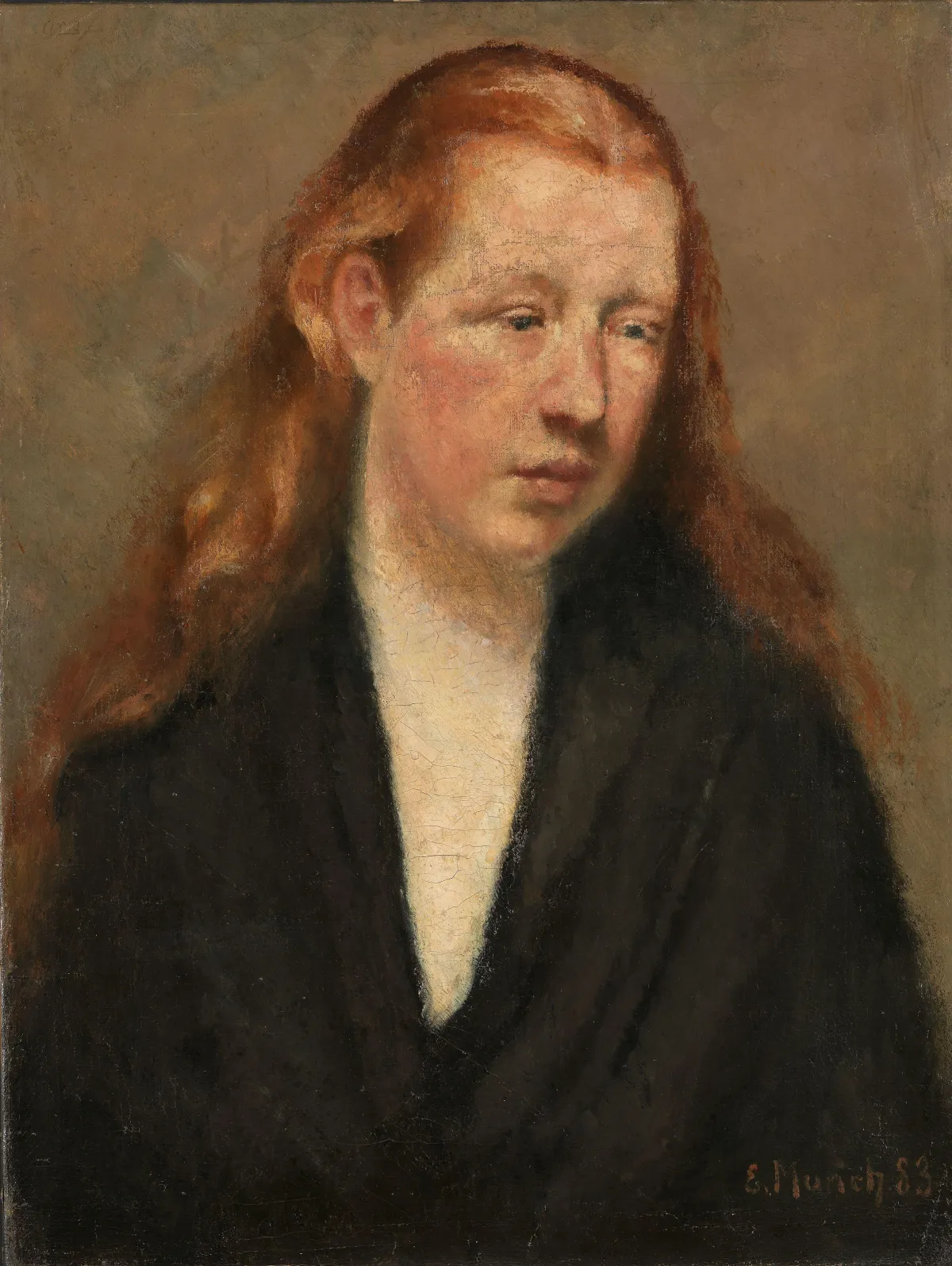
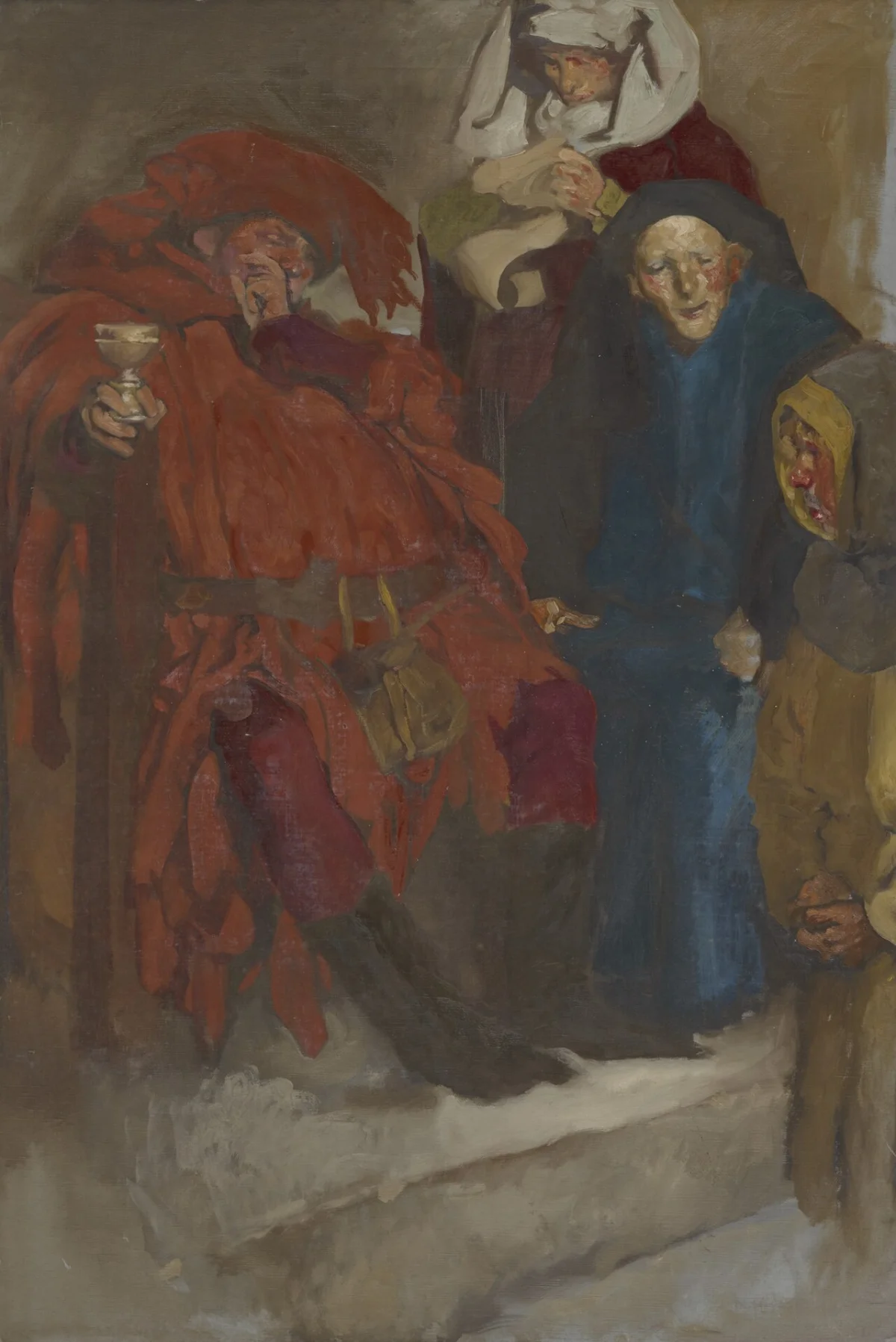
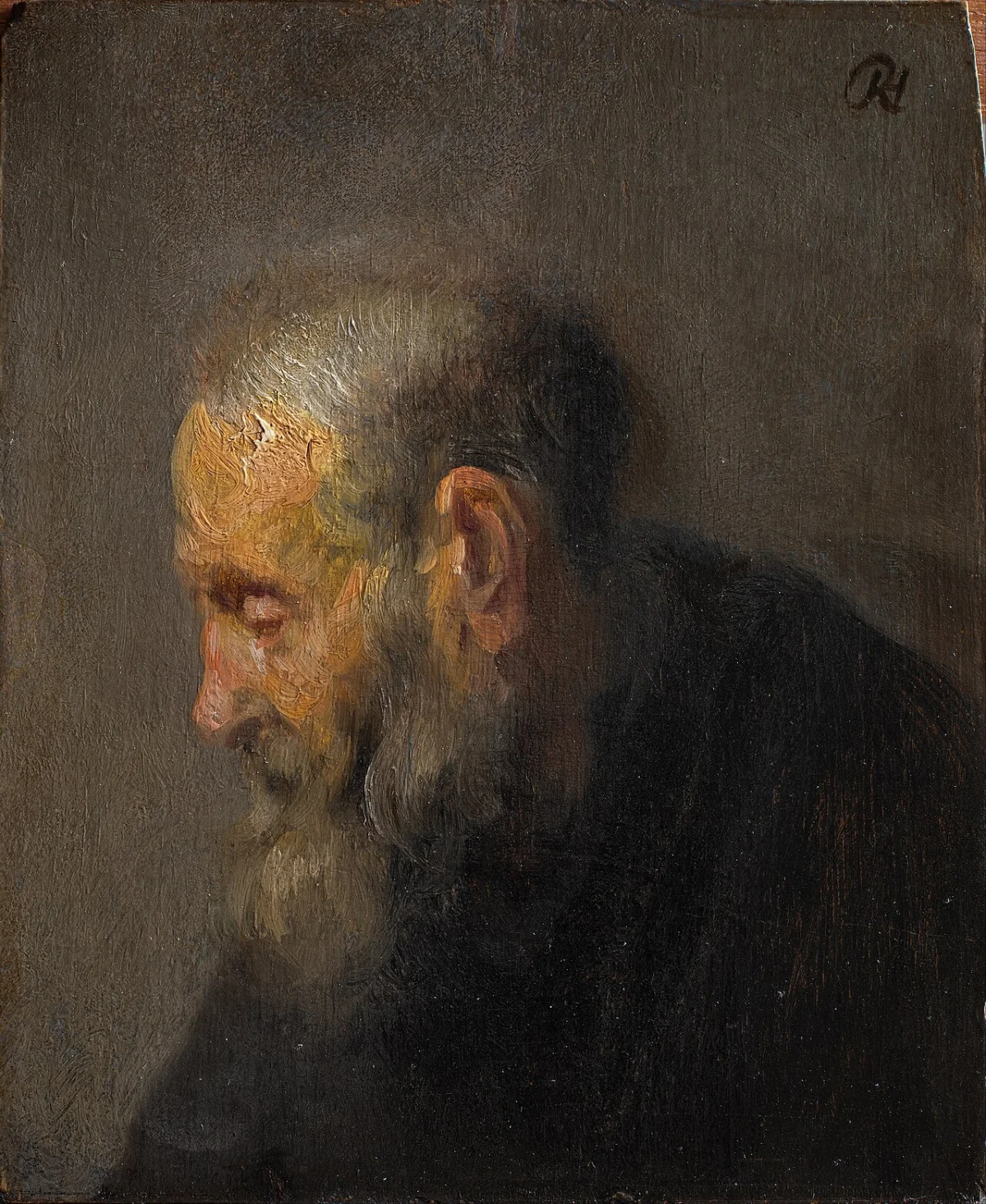
Edwin Austin Abbey’s "Study of a head" demonstrates exceptional skill with oil on canvas, a medium that allowed him to explore subtle textures and nuanced expressions. The Aestheticism movement prized beauty and technique, qualities evident in every brushstroke of this portrait. Abbey’s artistry is also reflected in related products like "Sketch, Three women by the sea" and "Sketch for mural decoration," making his oil paintings highly sought after among discerning collectors.
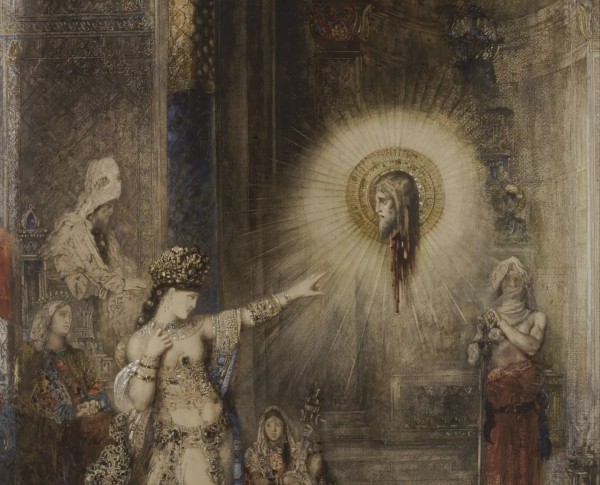
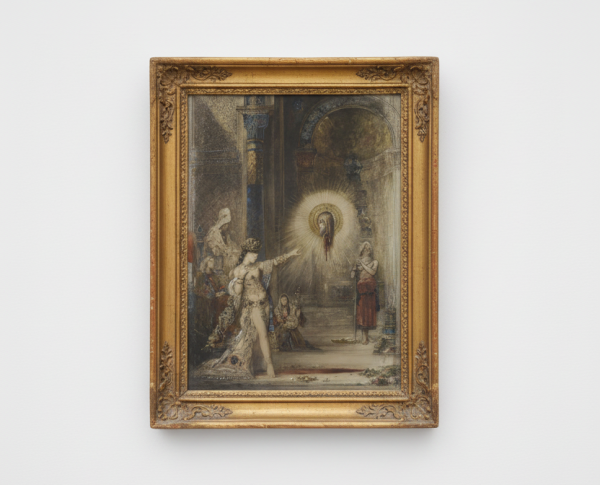
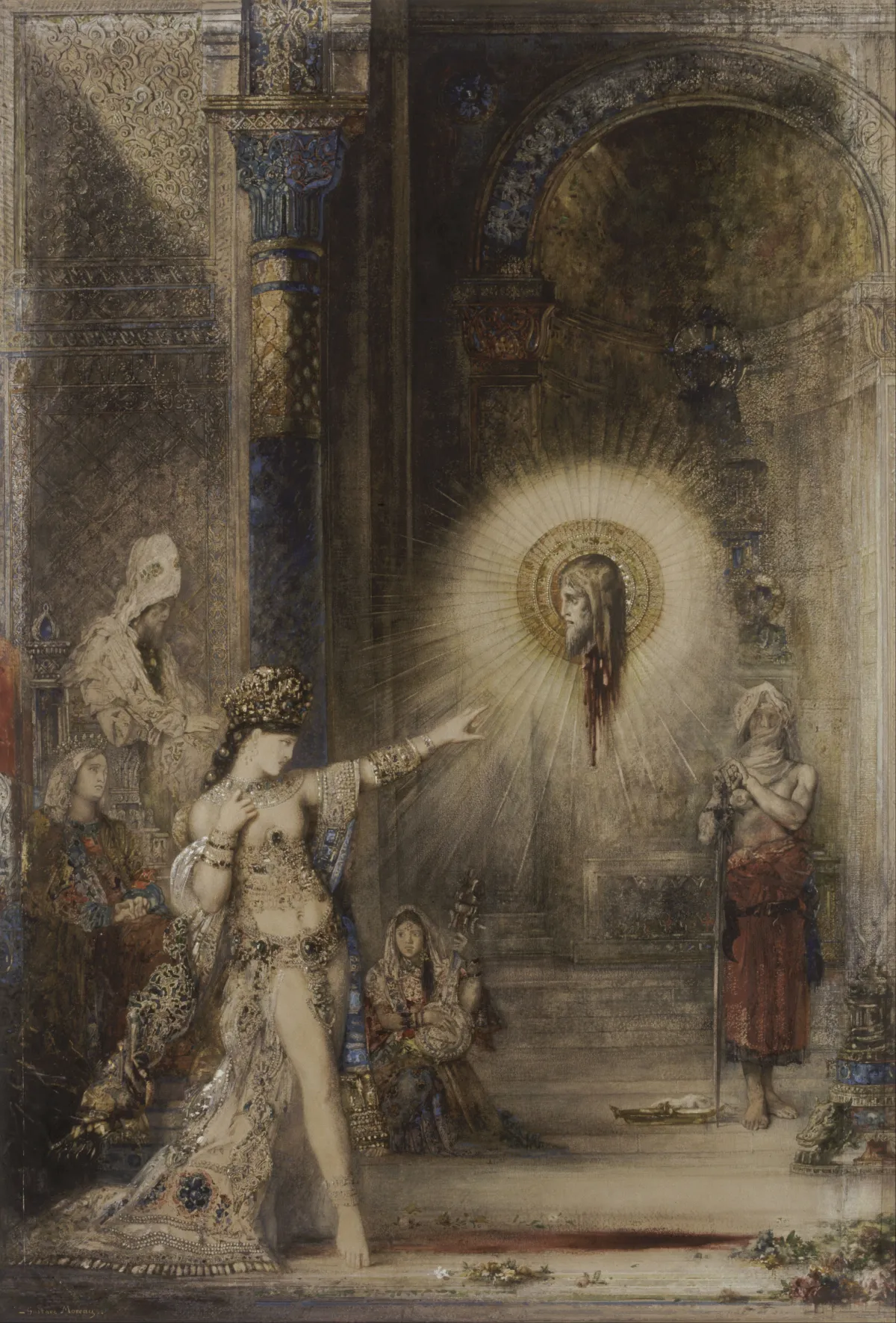
Every element in "Study of a head" tells a story, revealing the artist’s fascination with narrative and symbolism within the Aestheticism movement. Abbey’s mastery transforms a simple portrait into a layered exploration of character and mood. For those seeking a fine art painting for sale, this piece stands out, much like "Study for Falstaff" and "The Apparition," as a testament to Abbey’s ability to infuse his subjects with life and meaning.
"Study of a head" by Edwin Austin Abbey is a prized hand-painted oil painting, cherished by art collectors and admirers of the Aestheticism movement. Its timeless appeal pairs well with related products such as "Study for Falstaff" and "The Apparition," offering a cohesive collection of Abbey’s finest works. Owning this oil on canvas masterpiece is more than an investment—it’s a celebration of artistic heritage and the enduring beauty of fine art painting for sale.
When Art Meets History
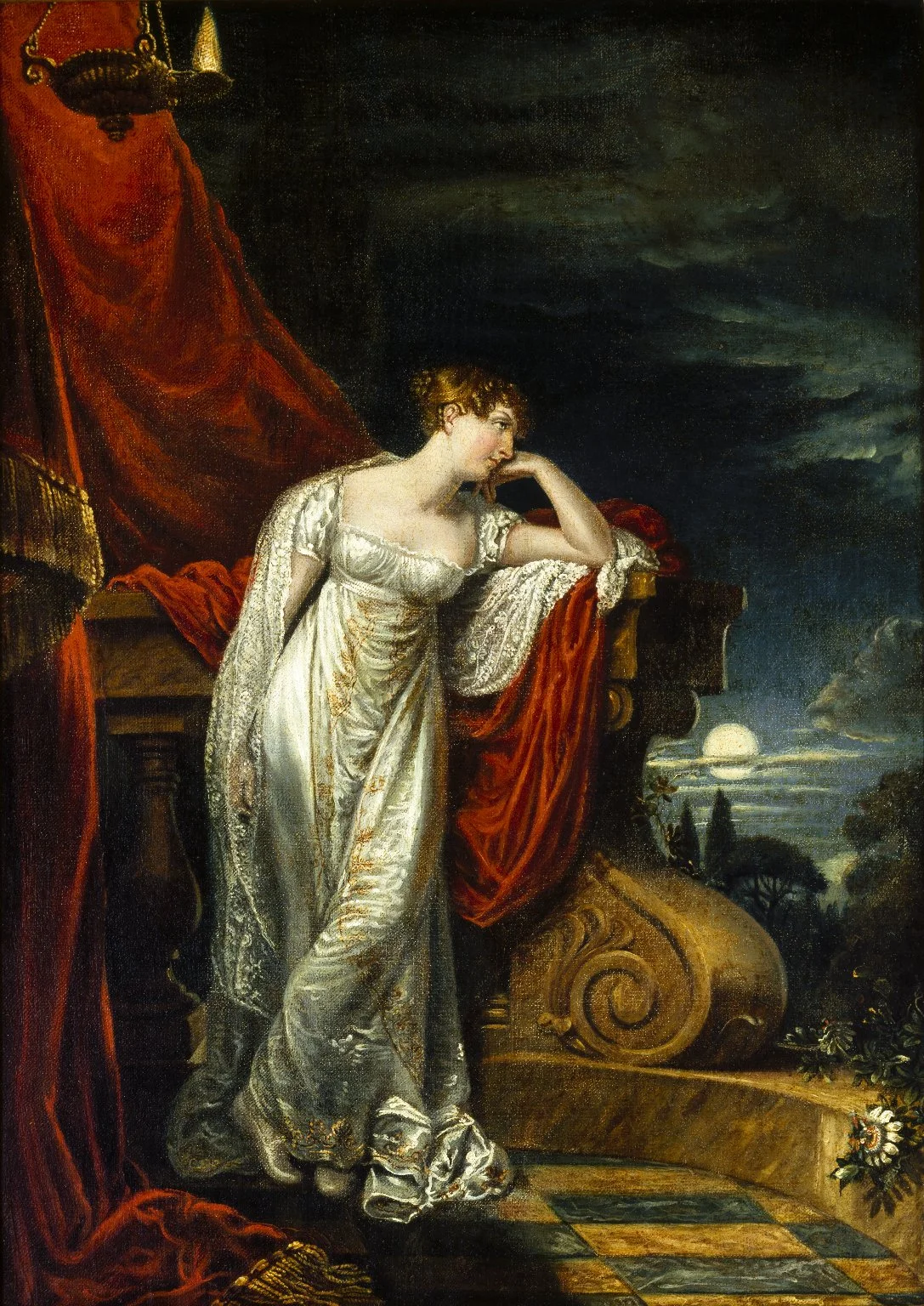
"Study of a head" by Edwin Austin Abbey is a remarkable work within the Aestheticism movement, a period known for its celebration of beauty over narrative. Abbey, an influential artist of his time, expertly captures the essence of his subject in this hand-painted oil painting. Comparable to masterpieces like "A Moonlit Evening" and "Old English House by Moonlight," this artwork offers a glimpse into the cultural and artistic developments that shaped the late 19th century.
Techniques That Speak
Edwin Austin Abbey’s mastery is evident in his use of oil on canvas, a medium that allows for intricate detail and subtle gradations of tone. In "Study of a head," Abbey employs delicate brushwork and nuanced shading, hallmarks of the Aestheticism movement. This technique can also be seen in related paintings such as "Liverpool from Wapping" and "Shipping on the Clyde," where the artist’s approach brings a unique vibrancy and depth to each figure and scene.
Emotions on Display
The expressive nature of "Study of a head" highlights Abbey's ability to infuse emotion and personality into his subjects. This fine art painting for sale draws viewers into the contemplative mood of the sitter, echoing the emotional resonance found in works like "Quai de Paris, Rouen." Through subtle expressions and careful composition, Abbey’s painting serves as a testament to the emotional depth that defines the Aestheticism movement.
Coveted by Collectors
As a piece by renowned artist Edwin Austin Abbey, "Study of a head" is highly sought after by collectors of Aestheticism art. The hand-painted oil painting stands alongside treasures such as "A Moonlit Evening" and "Old English House by Moonlight." Its historical significance and artistic merit make it a prized addition to any collection, and its presence among fine art painting for sale listings highlights its enduring appeal in the art market today.
Related Aestheticism Hand-Painted Oil Paintings by Other Artists
Other Famous Aestheticism Artists:
Frequently Asked Questions About Study of a head
What is the historical significance of "Study of a head"?
"Study of a head" by Edwin Austin Abbey is significant as it reflects the artist's engagement with the themes of portraiture and character studies during the late 19th century, a period marked by a growing interest in realism and psychological depth in art.
What artistic techniques did Edwin Austin Abbey employ in this painting?
Abbey utilized a combination of detailed line work and subtle tonal variations to create depth and dimension in "Study of a head," showcasing his mastery of both drawing and painting techniques that emphasize the subject's emotional expression.
What does the subject of "Study of a head" represent?
The subject of "Study of a head" can be interpreted as a representation of introspection and human emotion, inviting viewers to explore the psychological complexity of the individual portrayed.
In what artistic movements is Edwin Austin Abbey associated?
Edwin Austin Abbey is often associated with the Pre-Raphaelite movement and American Impressionism, both of which emphasize detailed realism and a focus on narrative elements within art.
How does "Study of a head" reflect the cultural context of its time?
The painting reflects the cultural context of the late 19th century, a time when artists were increasingly exploring individual identity and the human condition, moving away from traditional academic styles towards more personal and expressive forms of art.
What influences can be seen in Abbey's approach to portraiture in this work?
Abbey's approach to portraiture in "Study of a head" shows influences from both classical traditions and contemporary movements, blending meticulous detail with a focus on emotional resonance, characteristic of the era's evolving artistic landscape.
What materials did Edwin Austin Abbey likely use for "Study of a head"?
Abbey likely used oil paints on canvas for "Study of a head," a common medium for portraiture at the time, allowing for rich color application and detailed texture.
How does "Study of a head" compare to Abbey's other works?
Compared to Abbey's other works, "Study of a head" stands out for its intimate focus on a single subject, showcasing his ability to convey deep emotional narratives through portraiture, which is a recurring theme in his oeuvre.
What role does symbolism play in "Study of a head"?
Symbolism in "Study of a head" may be interpreted through the expression and posture of the subject, suggesting themes of contemplation and the complexity of human experience, which were central to Abbey's artistic exploration.
What impact did Edwin Austin Abbey have on future generations of artists?
Edwin Austin Abbey's focus on narrative and emotional depth in his works influenced future generations of artists, particularly in the realms of illustration and portraiture, encouraging a more personal and expressive approach to art.






















_GFM_Painting_(1).webp)


 100% Hand-Painted: Finished in 3-6 Weeks

.png)















_(1).webp)