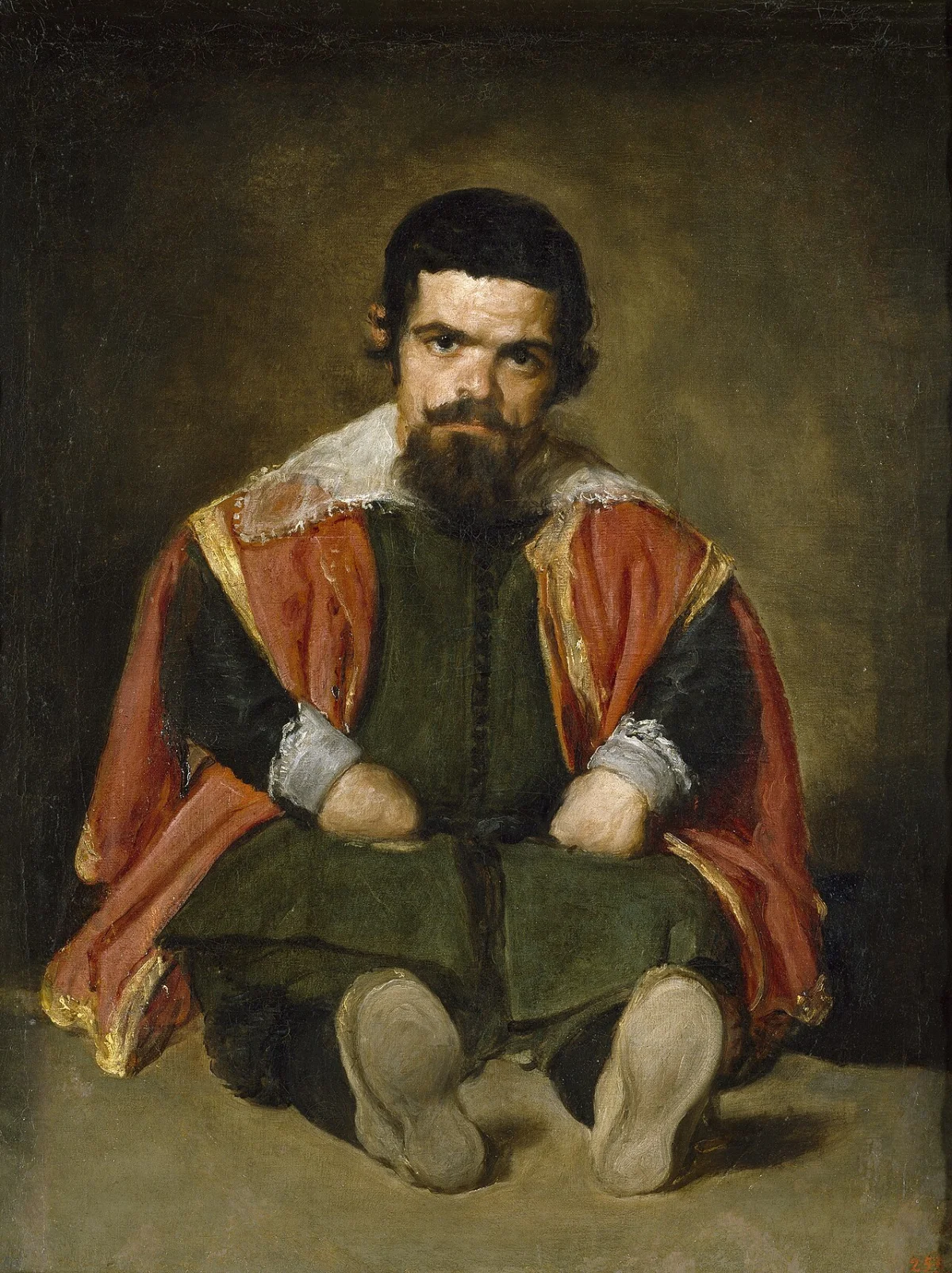
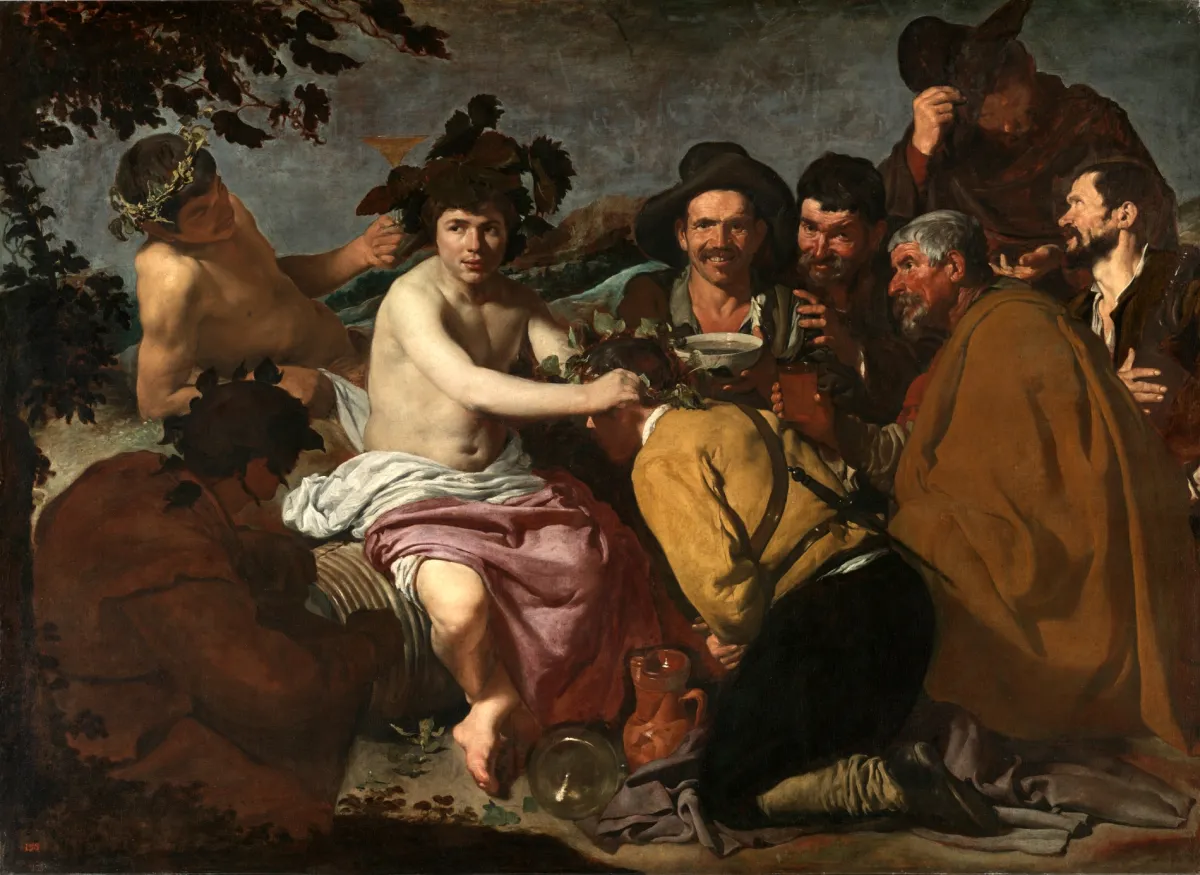
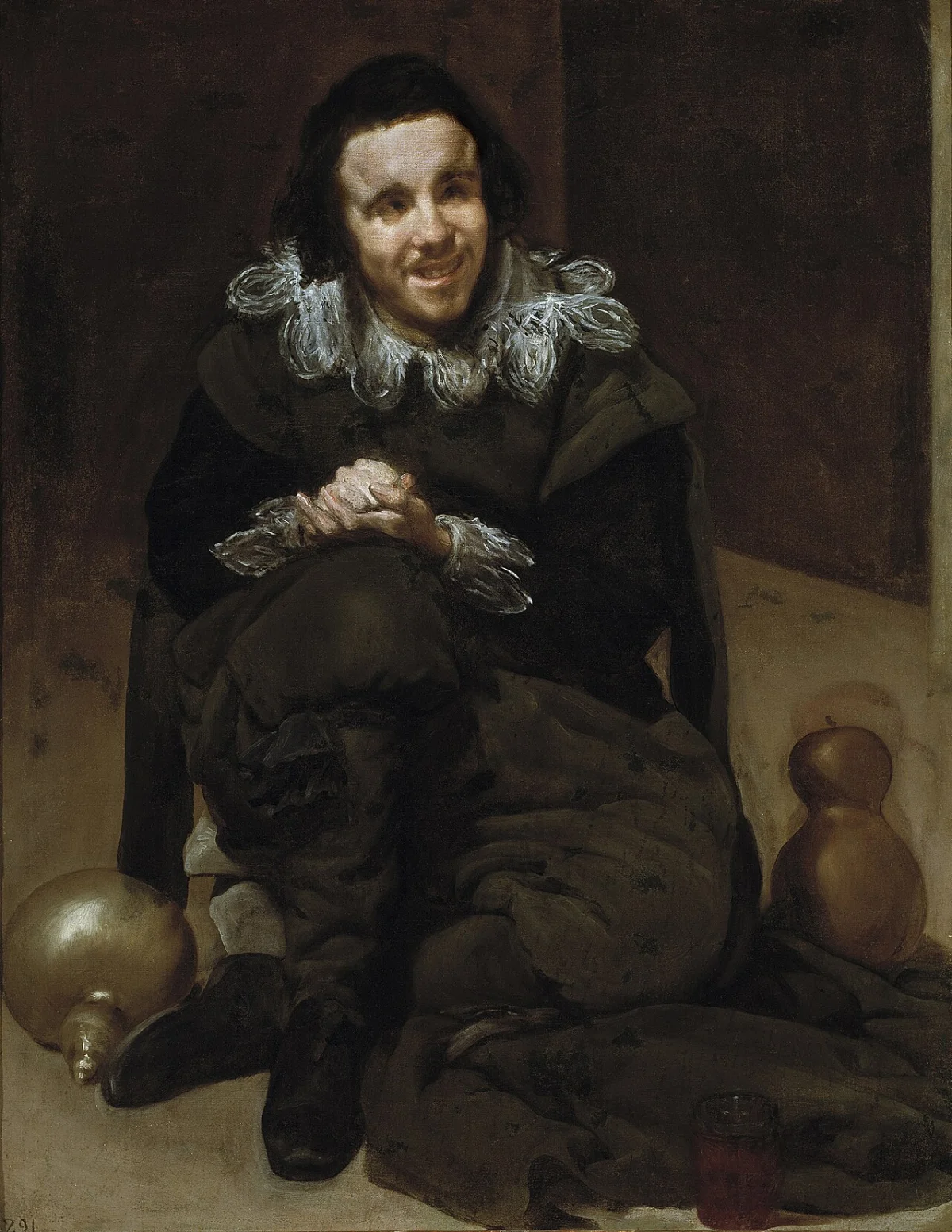
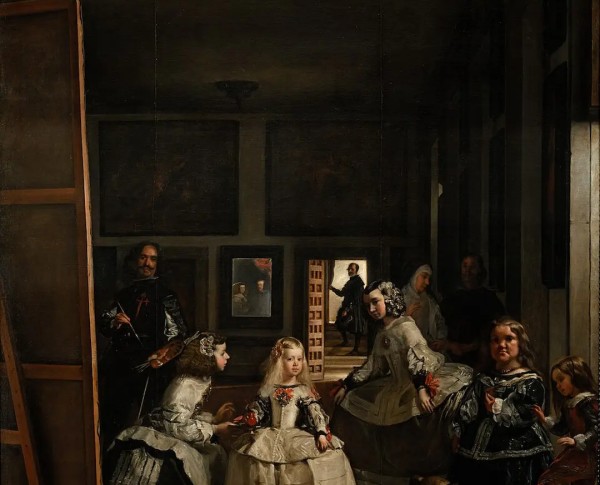
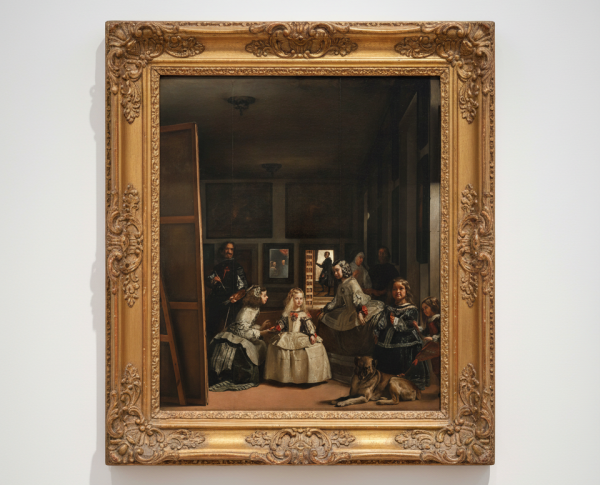
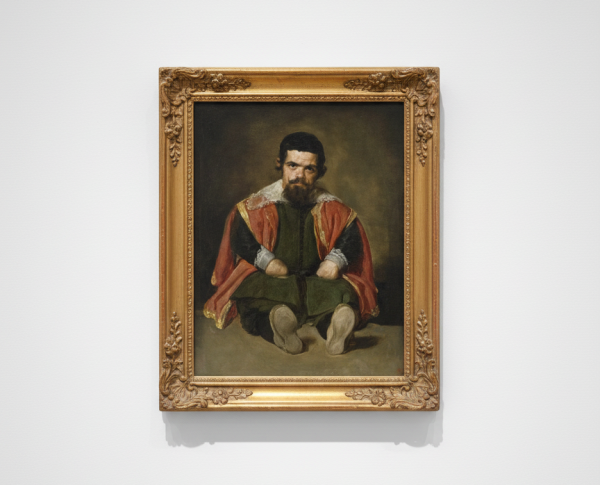
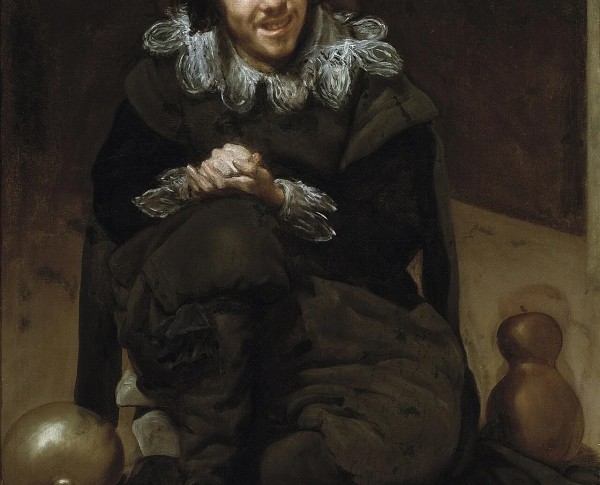
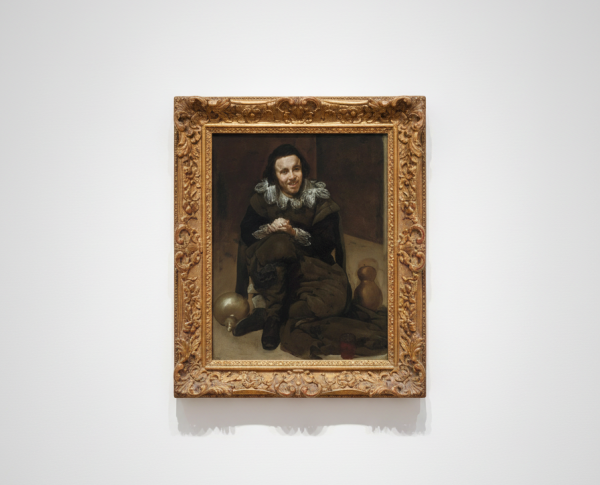
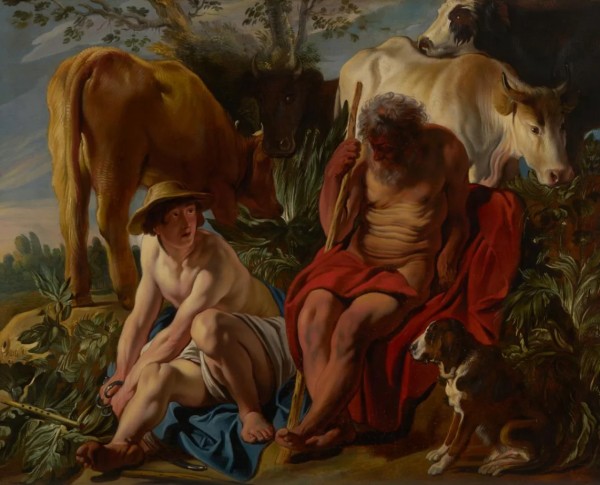
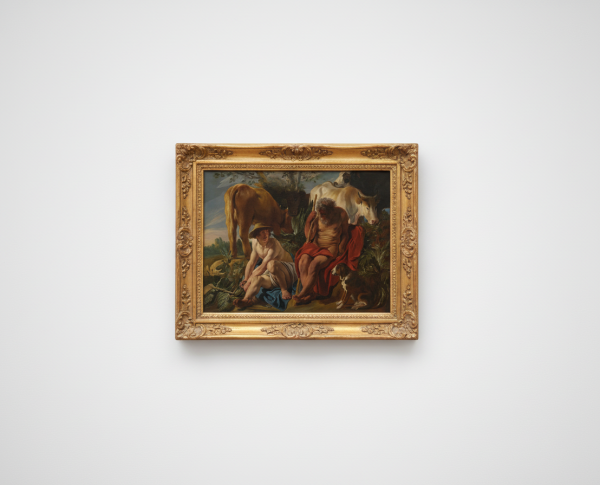
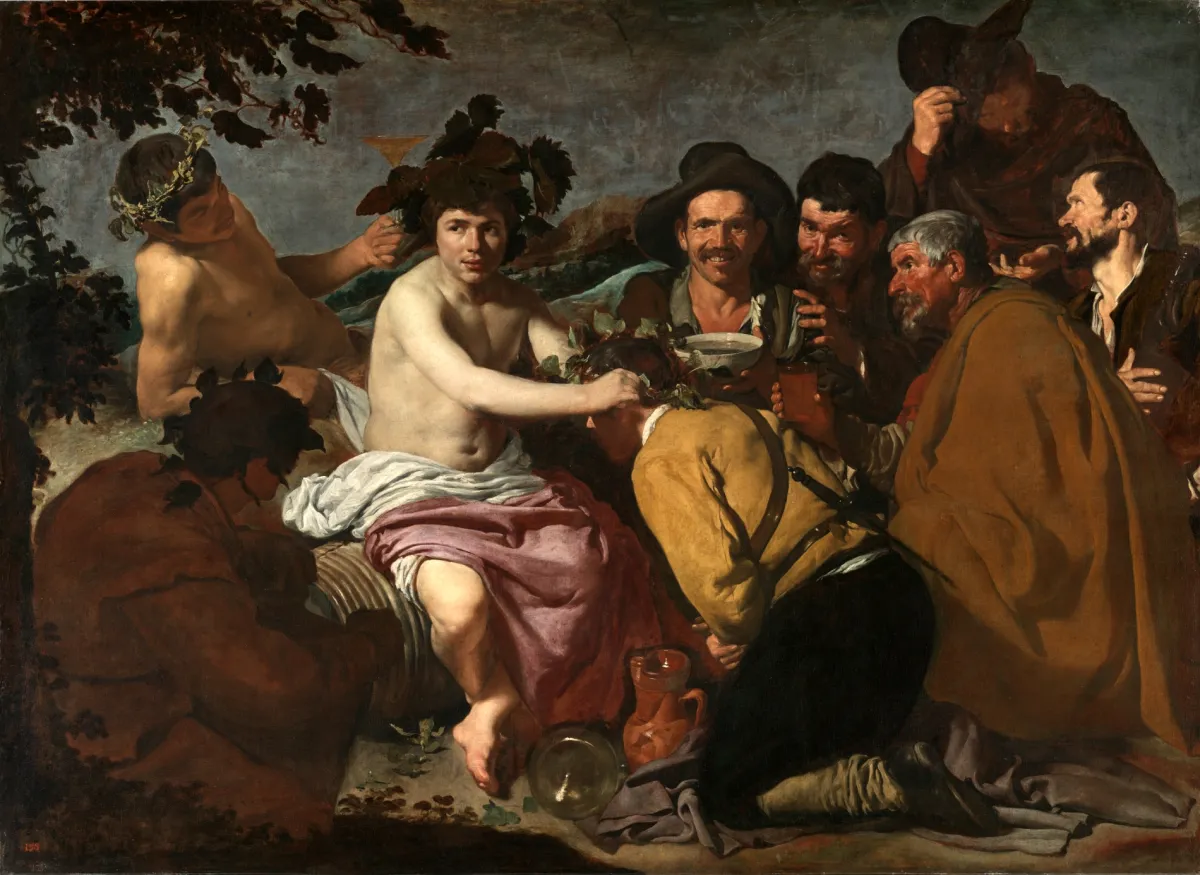
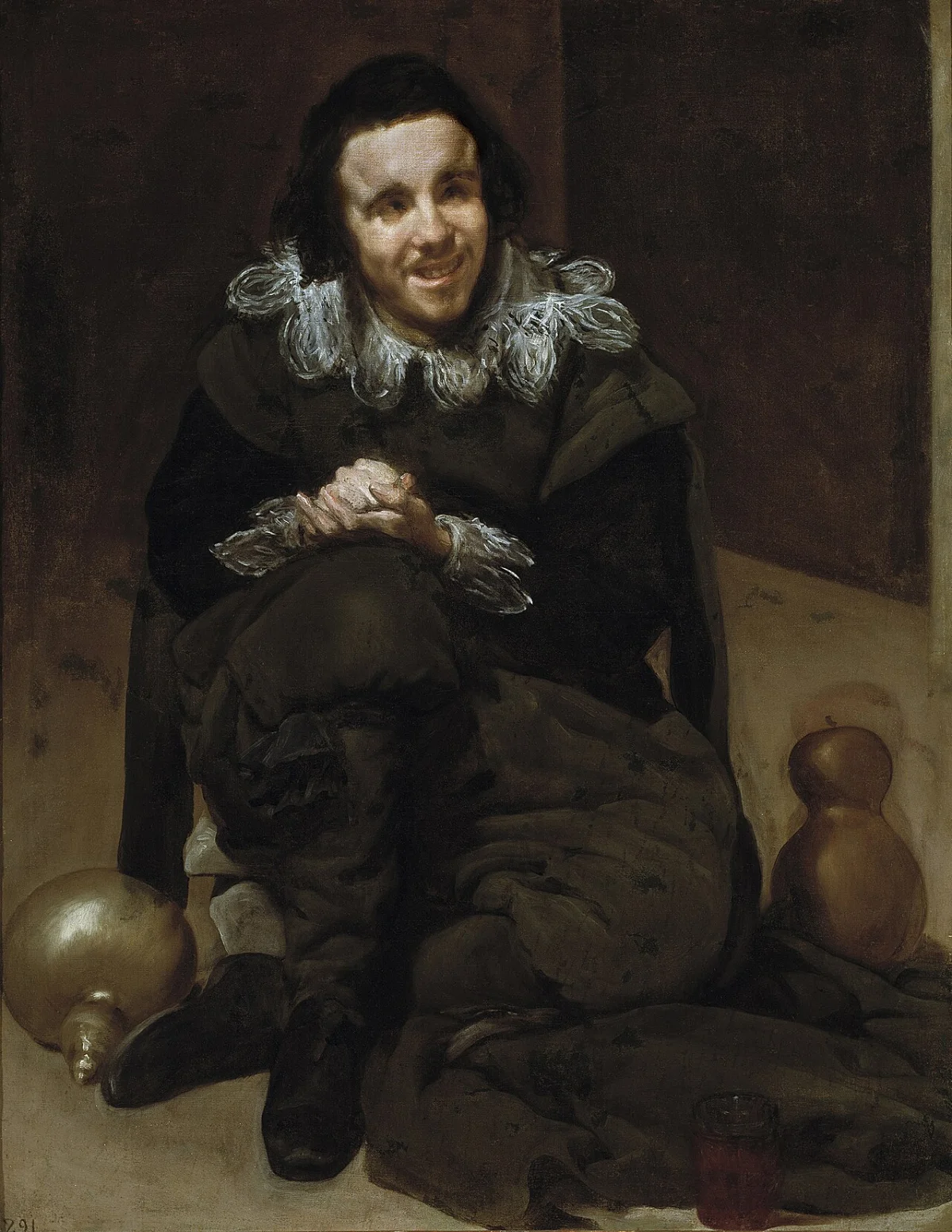
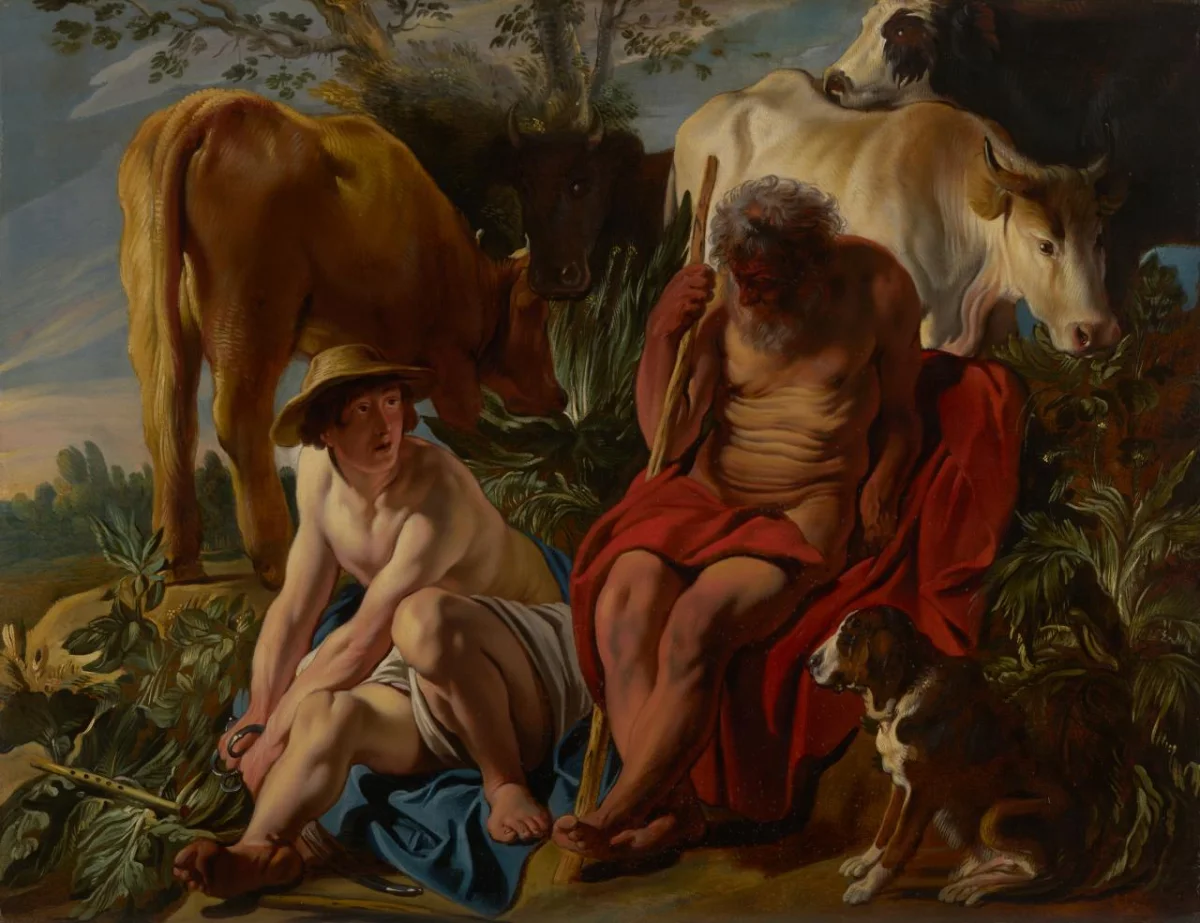
With remarkable attention to detail, Velazquez’s "The Triumph of Bacchus" exemplifies the skillful use of oil on canvas. Each brushstroke reveals his deep understanding of light, texture, and human emotion. The composition rivals his other masterpieces, such as "The Jester Calabacillas" and "Mercury and Argus," highlighting his technical prowess. This oil on canvas work remains a testament to the artist’s ability to bring lifelike vibrancy to every subject he painted.
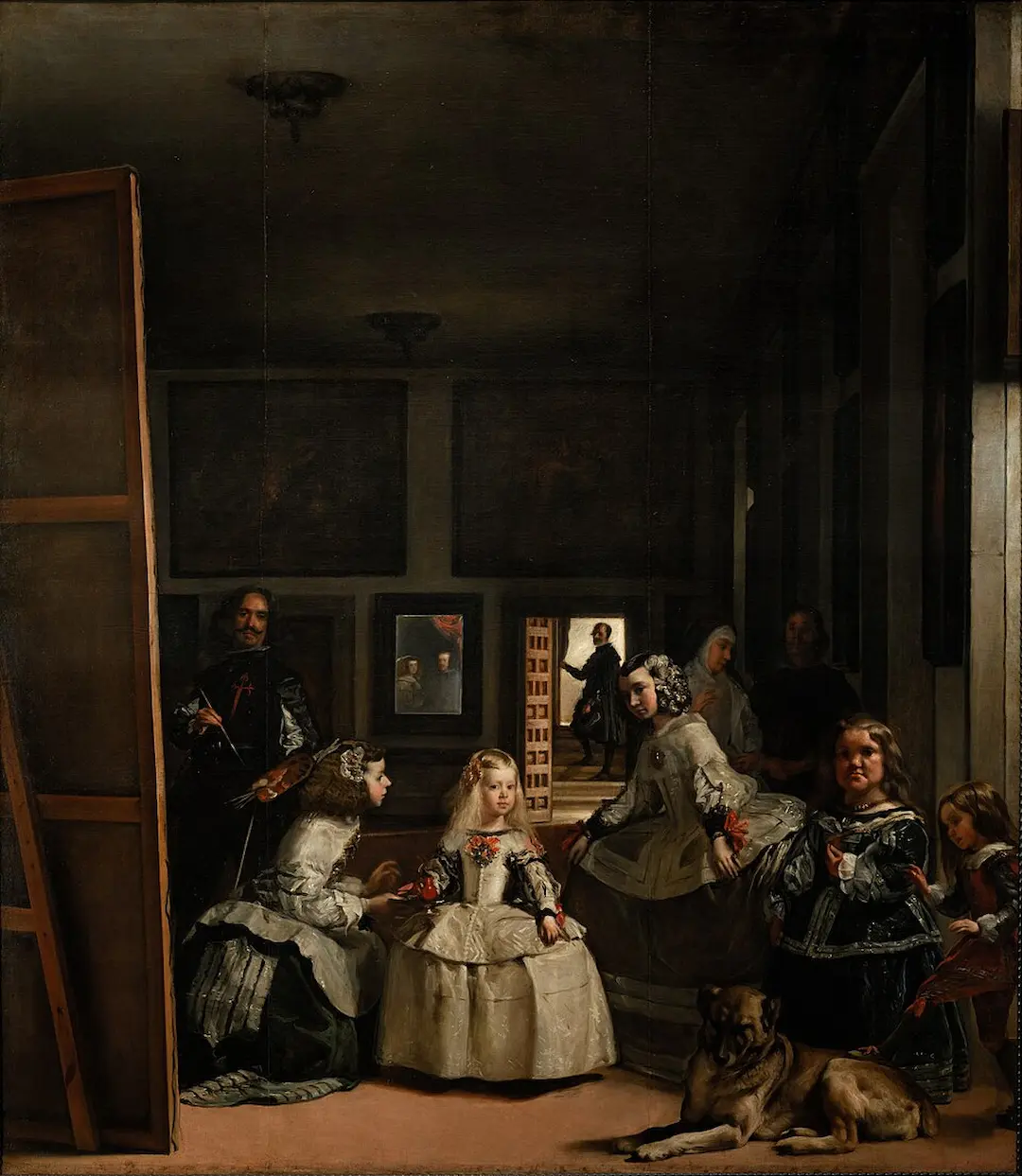
"The Triumph of Bacchus" by Velazquez goes beyond mere portraiture, weaving stories and symbols into its Realism-inspired narrative. As a fine art painting for sale, it appeals to those who appreciate layered storytelling, with Bacchus surrounded by revelers in a scene rich with mythological references. Like "Las Meninas," this piece invites viewers to explore deeper meanings, making it a compelling addition to any art collection focused on narrative depth.
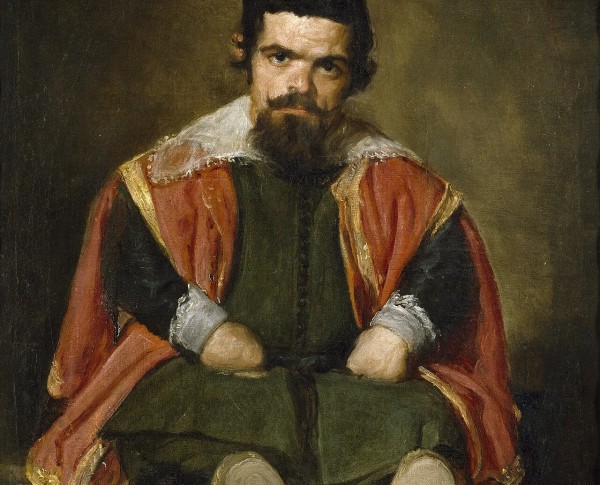
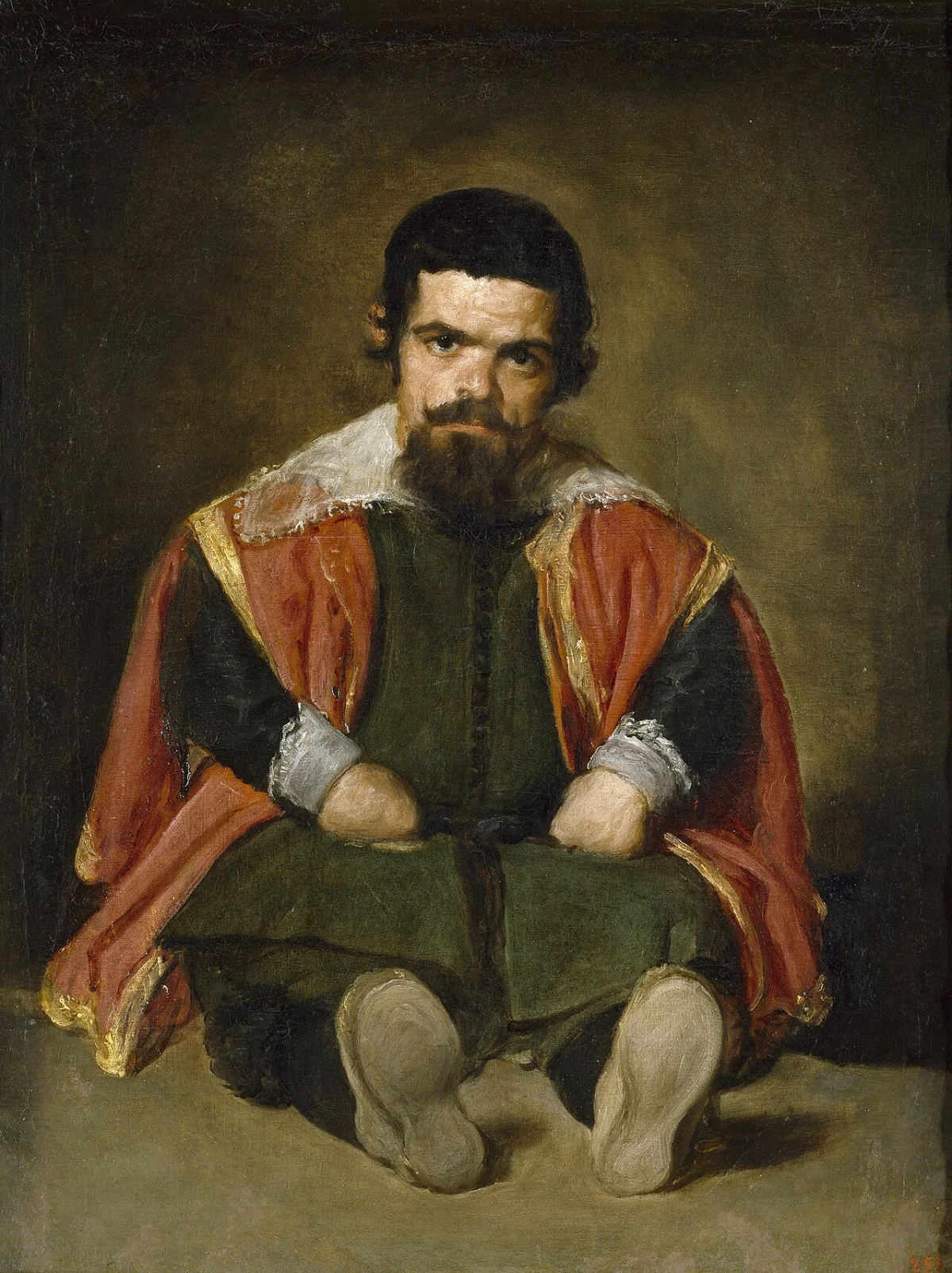
For collectors seeking a hand-painted oil painting by a Realism master, "The Triumph of Bacchus" is an exceptional choice. Its historical significance and connection to Velazquez’s other acclaimed works, such as "Mercury and Argus" and "Portrait of Sebastián de Morra," enhance its value. Owning this fine art painting for sale not only celebrates the genius of Velazquez but also enriches any collection with a piece of art history’s golden era.
When Art Meets History
Diego Rodriguez de Silva y Velazquez’s “The Triumph of Bacchus” stands as a pivotal masterpiece in the Realism movement. This hand-painted oil painting captures the mythological revelry of Bacchus, intertwining historical and cultural narratives of seventeenth-century Spain. Like related works such as “The Sun Lit Pines” and “Study for the ‘Surrender of Santa Anna’,” Velazquez’s composition reflects a deep engagement with both history and myth, making it a significant example of fine art painting for sale.
Techniques That Speak
Velazquez’s mastery is evident in his use of oil on canvas, bringing “The Triumph of Bacchus” to life with rich textures and lifelike figures. His brushwork and nuanced play of light evoke a sense of immediacy, aligning with the Realism movement’s dedication to authenticity. Similar to his portraits like “Portrait of Brigadier General Joseph Lewis Hogg,” Velazquez’s technique captures minute details, making each hand-painted oil painting a testament to his enduring influence.
Emotions on Display
In “The Triumph of Bacchus,” Velazquez infuses genuine emotion into every figure, from Bacchus himself to the surrounding revelers. The painting’s expressive faces and dynamic poses exemplify the Realism movement’s focus on human experience. Like the evocative “Lady Godiva” and “In the Wild North…,” this oil on canvas work invites viewers to connect with the subjects’ joy and abandon, underscoring why Velazquez’s paintings are coveted by collectors and art enthusiasts alike.
Coveted by Collectors
Collectors prize “The Triumph of Bacchus” for its masterful execution and historical significance within the Realism movement. As a fine art painting for sale, its enduring appeal is matched by related masterpieces such as “Study for the ‘Surrender of Santa Anna’” and “The Sun Lit Pines.” Diego Rodriguez de Silva y Velazquez’s legacy continues to inspire, with each hand-painted oil painting representing a remarkable convergence of artistic technique and cultural storytelling.
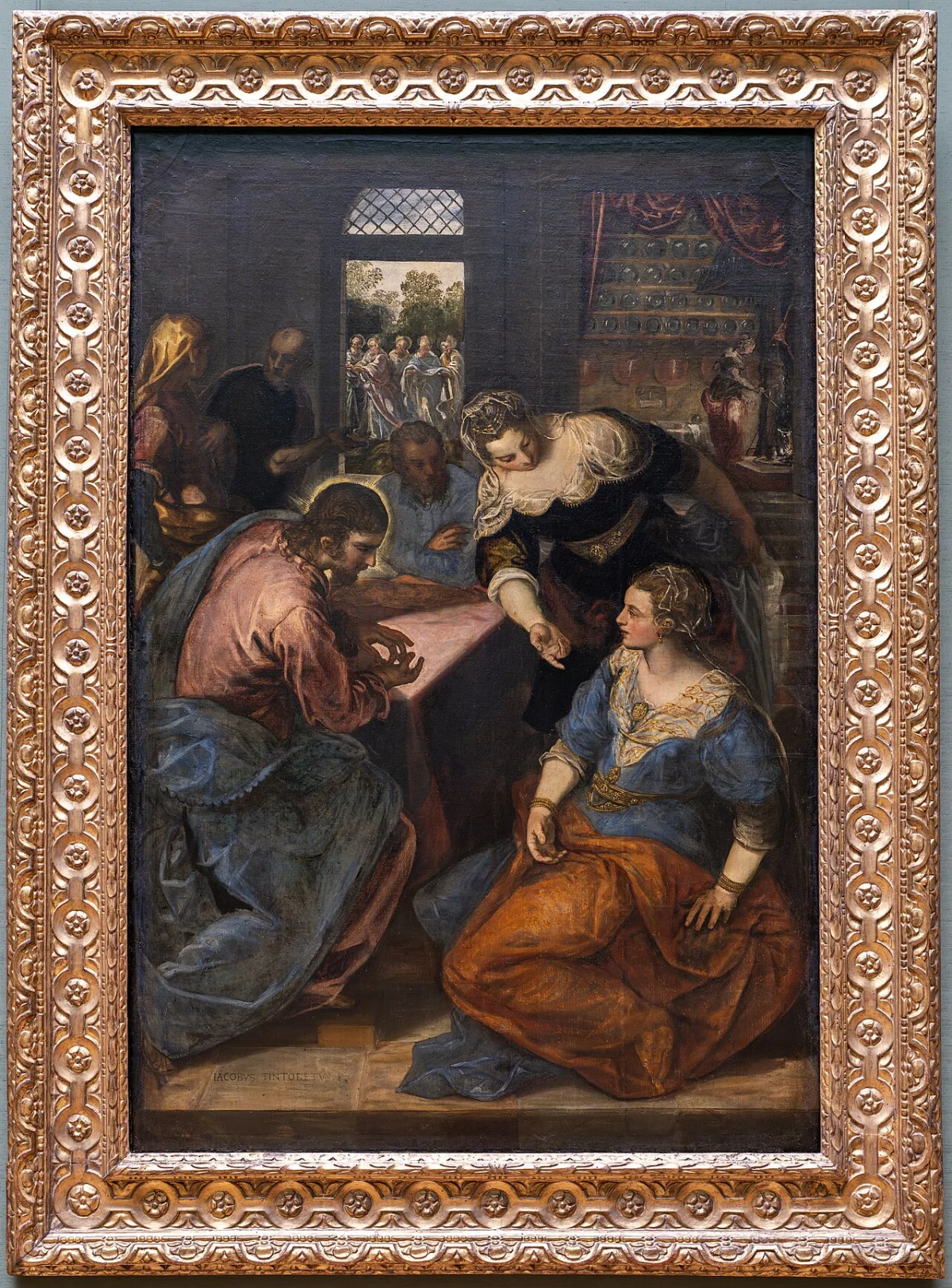
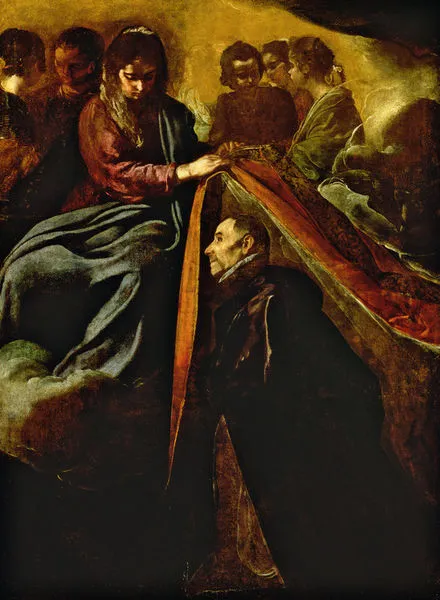
Related Realism Hand-Painted Oil Paintings by Other Artists
Other Famous Realism Artists:
Frequently Asked Questions About The Triumph of Bacchus
What is the historical context of "The Triumph of Bacchus"?
"The Triumph of Bacchus," painted by Diego Velazquez in 1629, reflects the Baroque period's fascination with mythology and the celebration of sensory experiences. Commissioned by King Philip IV of Spain, the painting embodies the cultural and artistic values of the Spanish Golden Age.
What themes are explored in "The Triumph of Bacchus"?
The painting explores themes of revelry, intoxication, and the duality of pleasure and excess. Bacchus, the Roman god of wine, symbolizes not only joy and celebration but also the potential dangers of indulgence.
Who are the figures depicted in the painting?
The central figure is Bacchus, surrounded by a group of revelers, including a peasant who is often interpreted as a representation of the common man. The diverse characters reflect various social classes, emphasizing the universal appeal of Bacchus's allure.
What artistic techniques did Velazquez employ in this painting?
Velazquez utilized a masterful interplay of light and shadow, known as chiaroscuro, to create depth and dimension. His loose brushwork and vibrant color palette contribute to the dynamic energy of the scene, enhancing the sense of movement and celebration.
What is the significance of the composition in "The Triumph of Bacchus"?
The composition is carefully arranged to draw the viewer's eye towards Bacchus, who occupies a central position. The circular arrangement of figures creates a sense of unity and festivity, inviting the viewer to partake in the revelry.
How does "The Triumph of Bacchus" reflect Velazquez's style?
This painting showcases Velazquez's signature style, characterized by realism and psychological depth. His ability to capture the nuances of human expression and interaction is evident in the varied reactions of the figures surrounding Bacchus.
What role does symbolism play in "The Triumph of Bacchus"?
Symbolism is central to the painting, with Bacchus representing not only the god of wine but also the broader themes of creativity and inspiration. The presence of grapes and vine motifs further emphasizes the connection to nature and the cycle of life.
How has "The Triumph of Bacchus" influenced later art movements?
The painting has had a lasting impact on the Romantic and Symbolist movements, inspiring artists to explore themes of intoxication and the human experience. Its celebration of hedonism and emotional expression resonates in various art forms throughout history.
Where is "The Triumph of Bacchus" currently housed?
"The Triumph of Bacchus" is part of the collection at the Museo del Prado in Madrid, Spain. It remains one of Velazquez's most celebrated works and a highlight of the museum's extensive collection of Spanish art.
What is the significance of the title "The Triumph of Bacchus"?
The title signifies the celebration of Bacchus's triumph over the mundane aspects of life through wine and revelry. It encapsulates the joyous spirit of the painting and the cultural importance of Bacchus in both ancient mythology and the Baroque era.






















_GFM_Painting_(1).webp)


 100% Hand-Painted: Finished in 3-6 Weeks

.png)















_(1).webp)