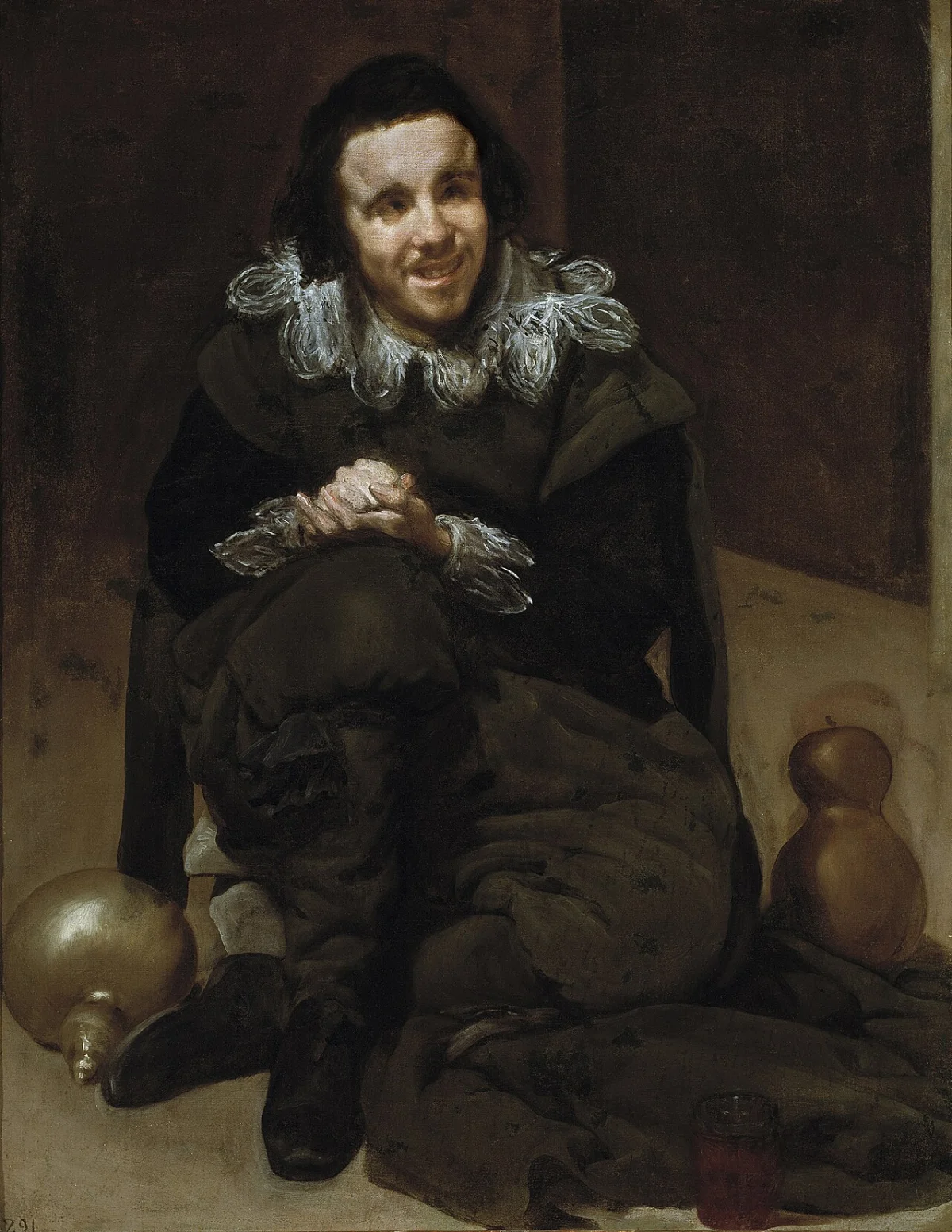
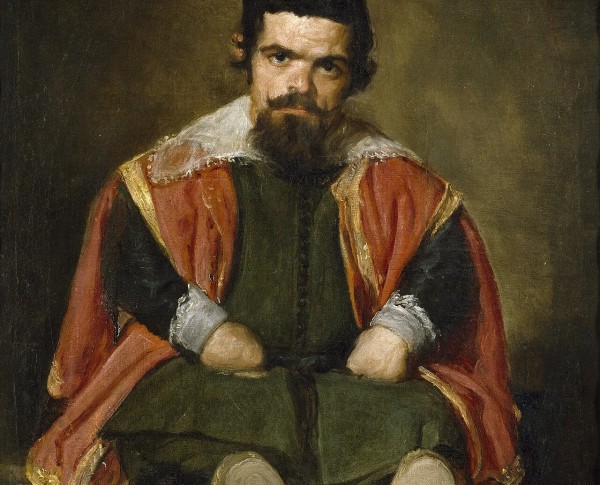
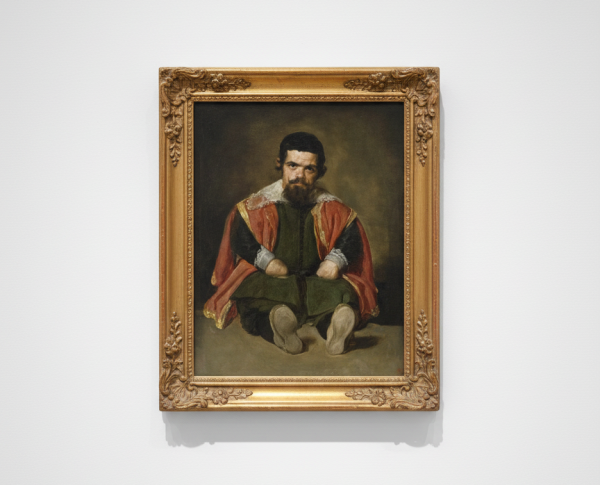
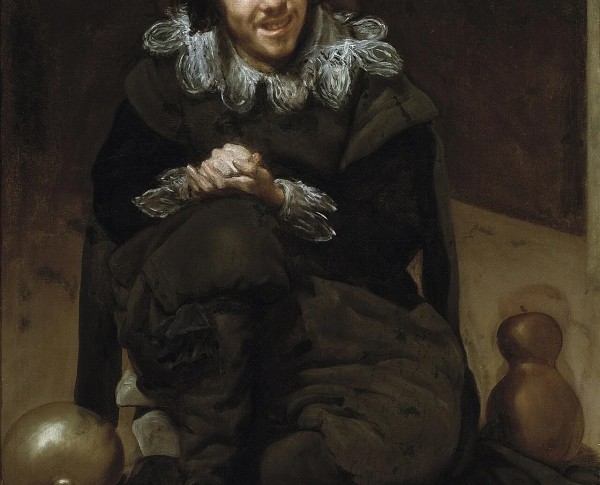
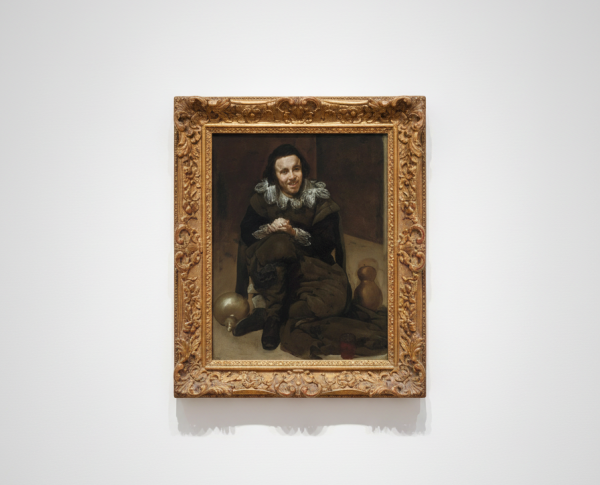
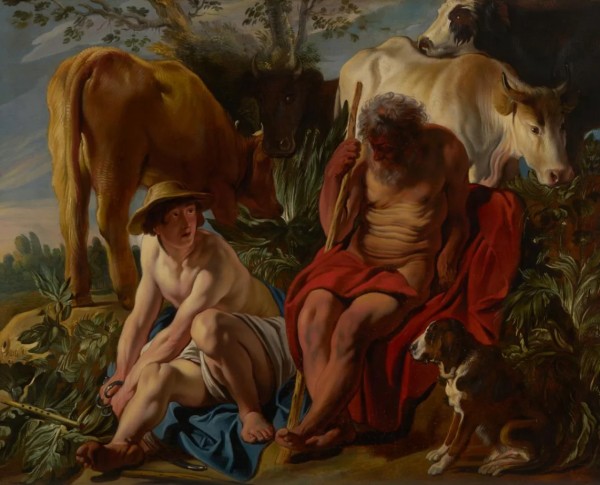
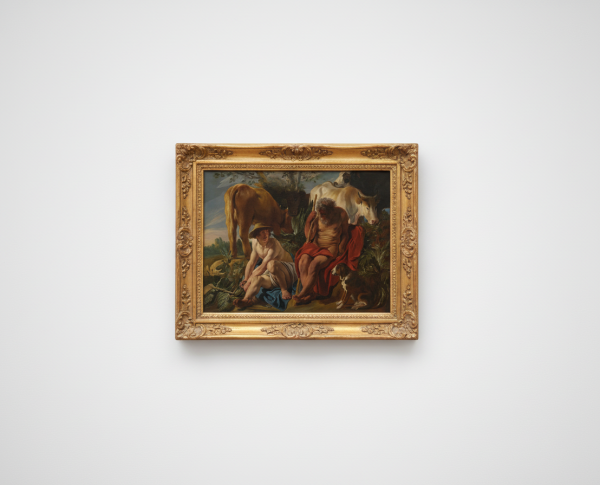
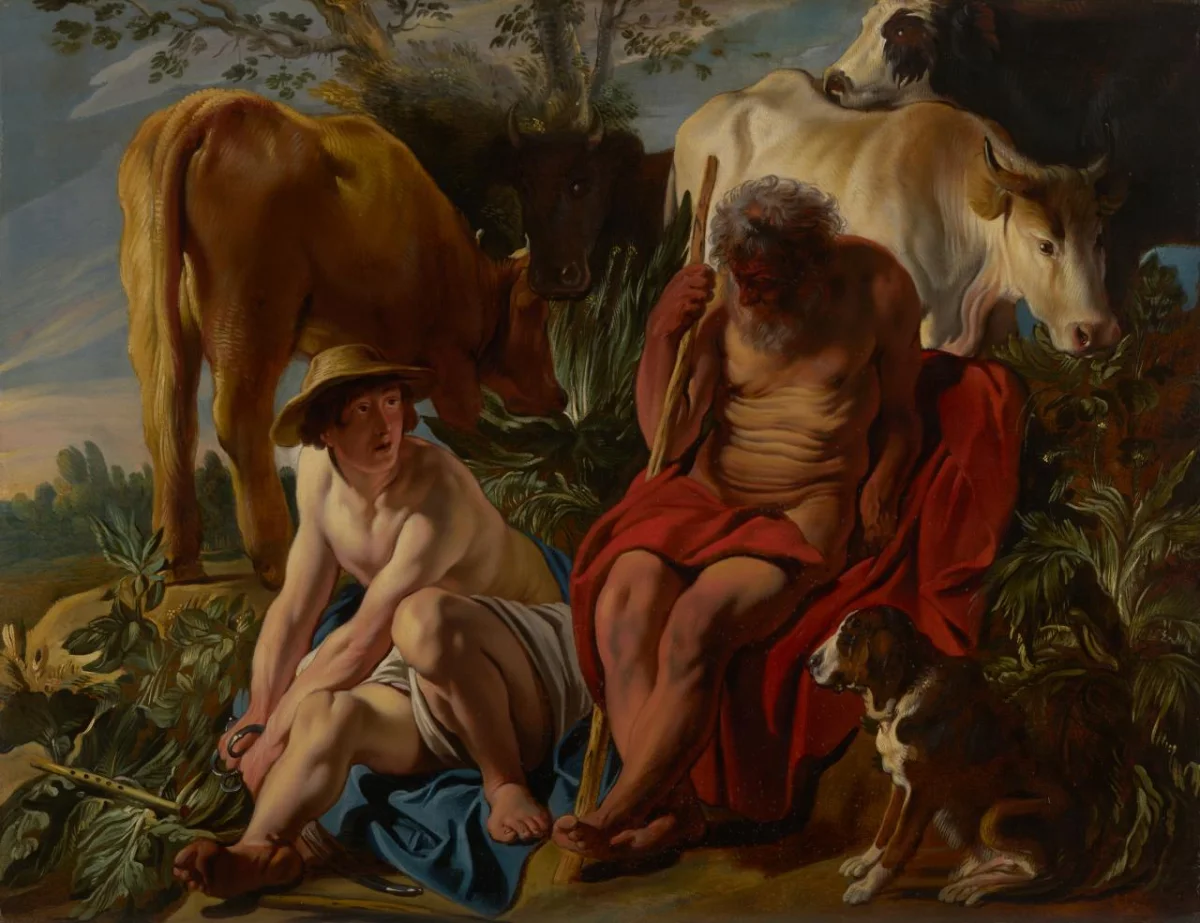
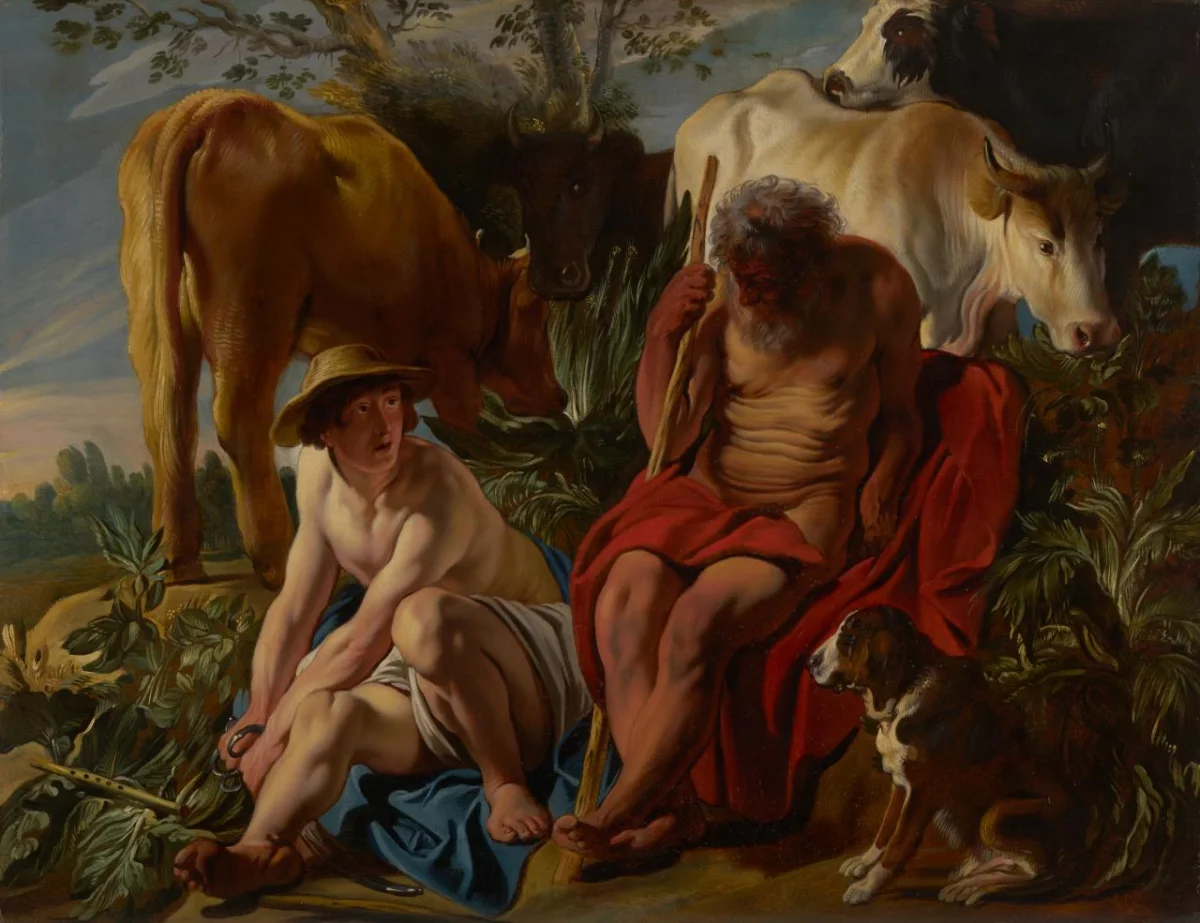
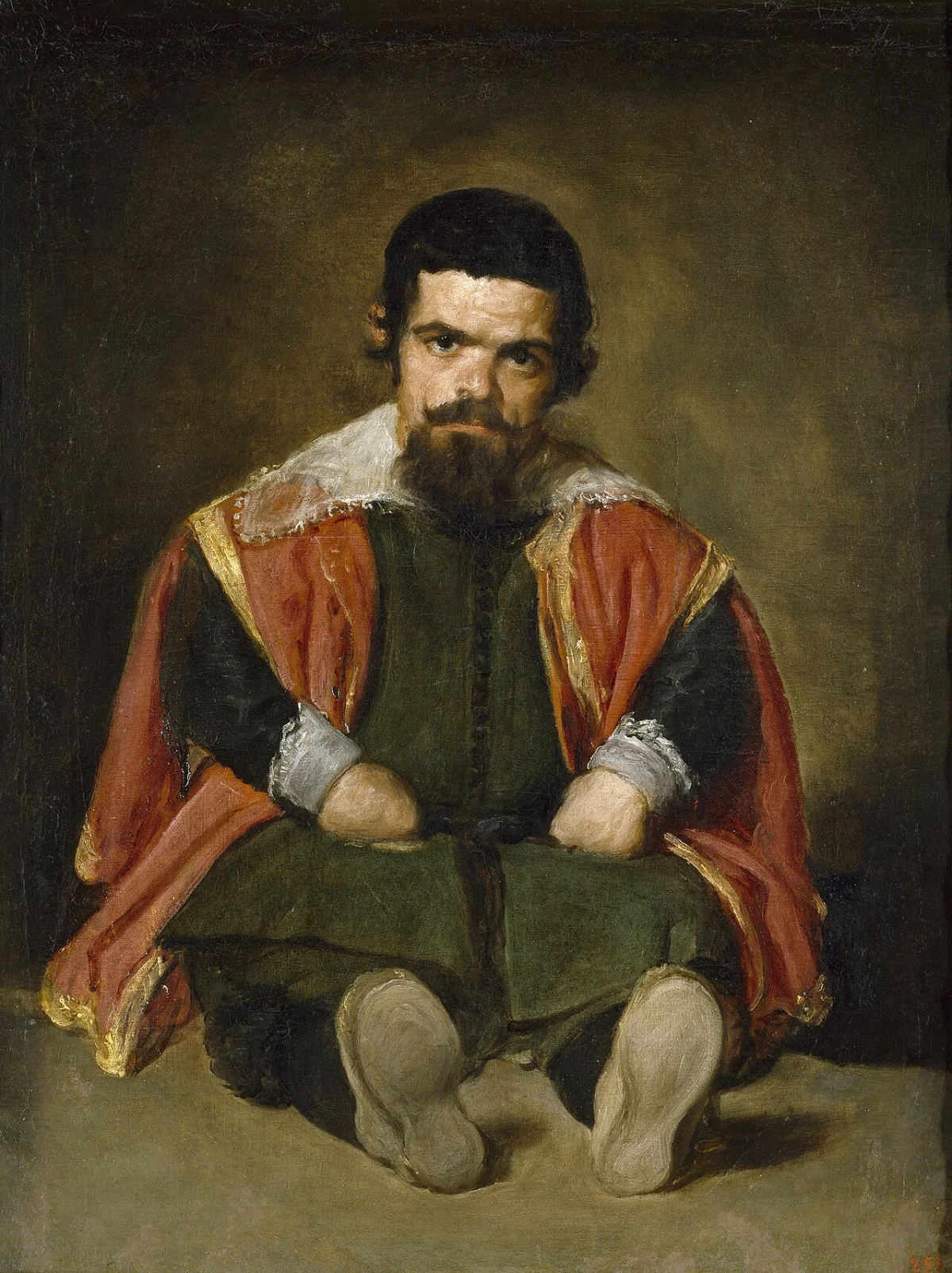
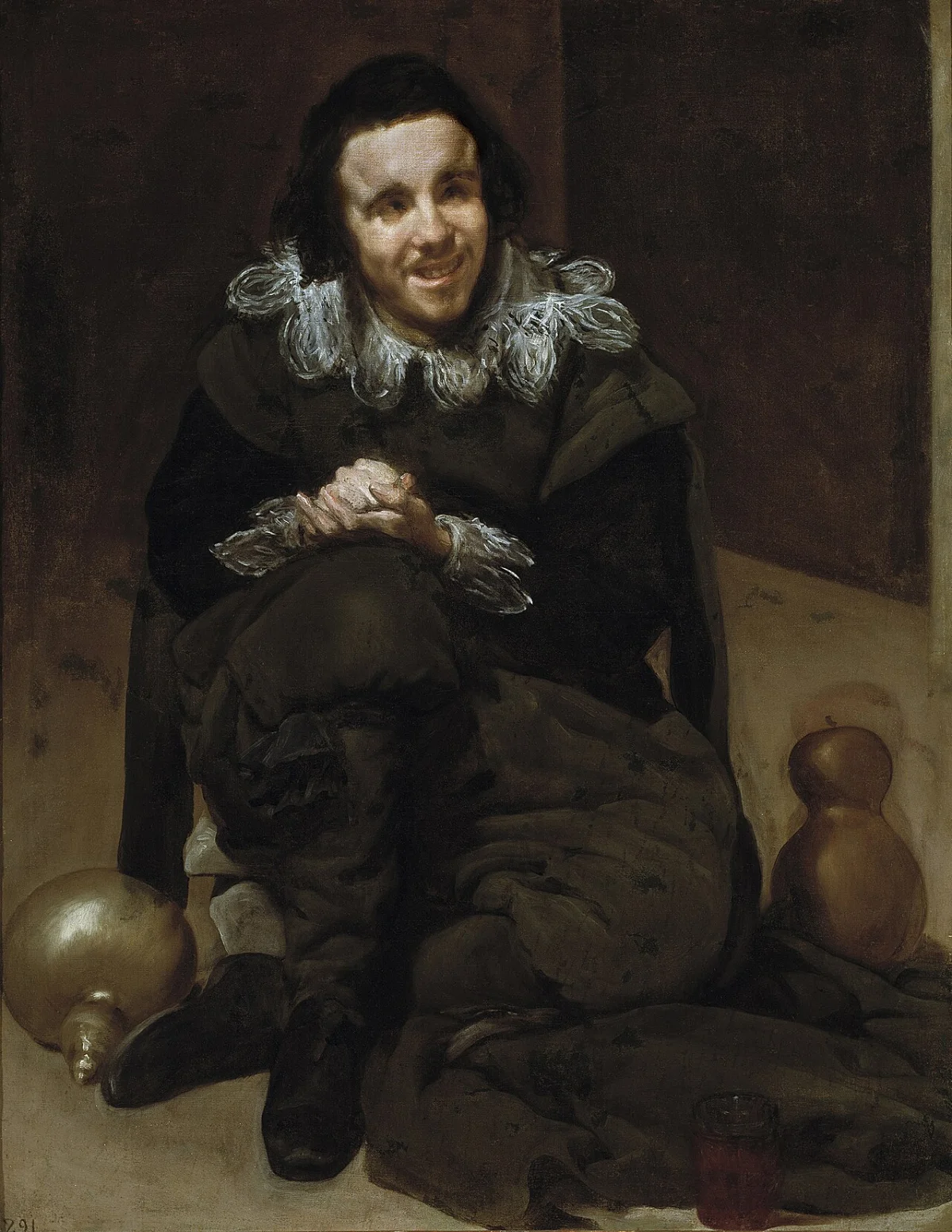
Velazquez's "Mercury and Argus" exemplifies his unrivaled technique in oil on canvas. Each brushstroke in this Realism masterpiece reveals the artist’s attention to detail and his ability to breathe life into mythological subjects. The interplay of light and shadow, as seen in this work and others like "The Jester Calabacillas," showcases Velazquez’s dedication to authenticity and texture, making his paintings a staple for anyone seeking a genuine piece of art history.
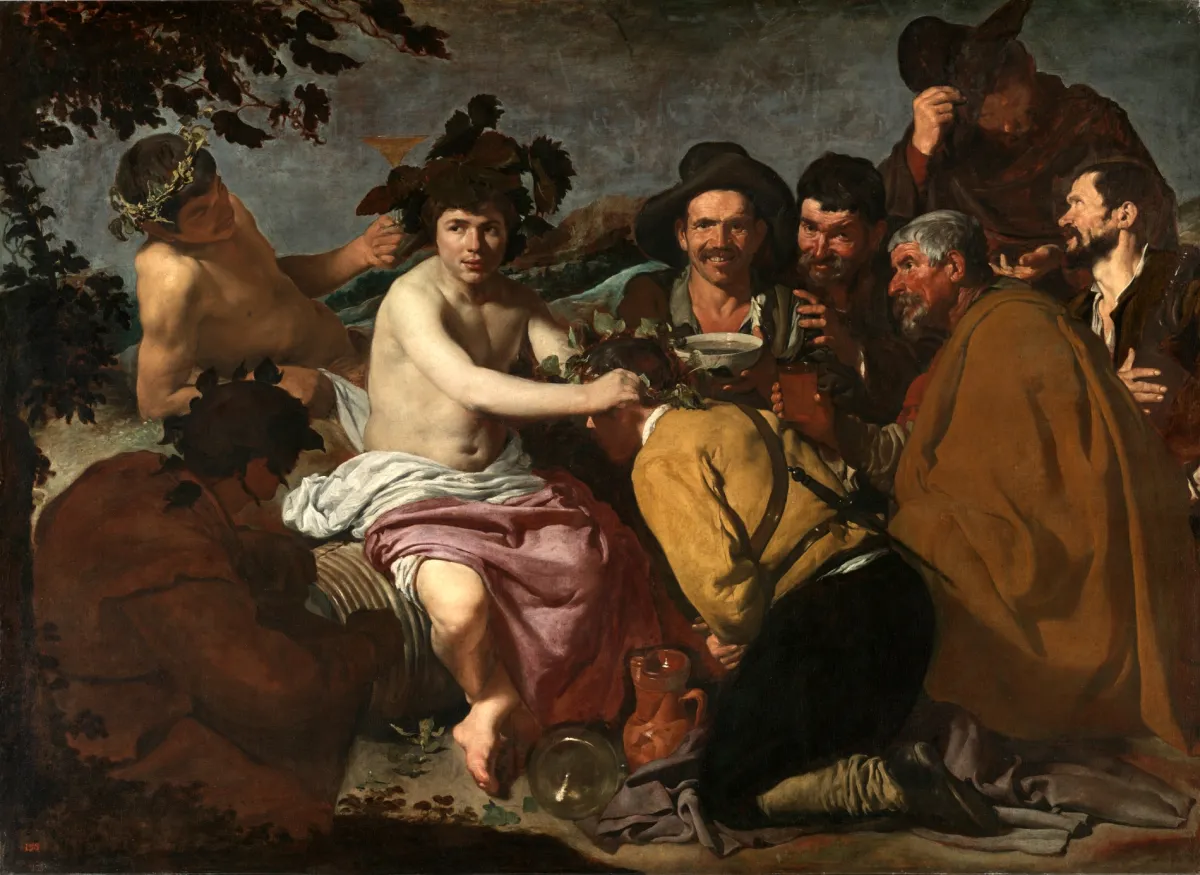
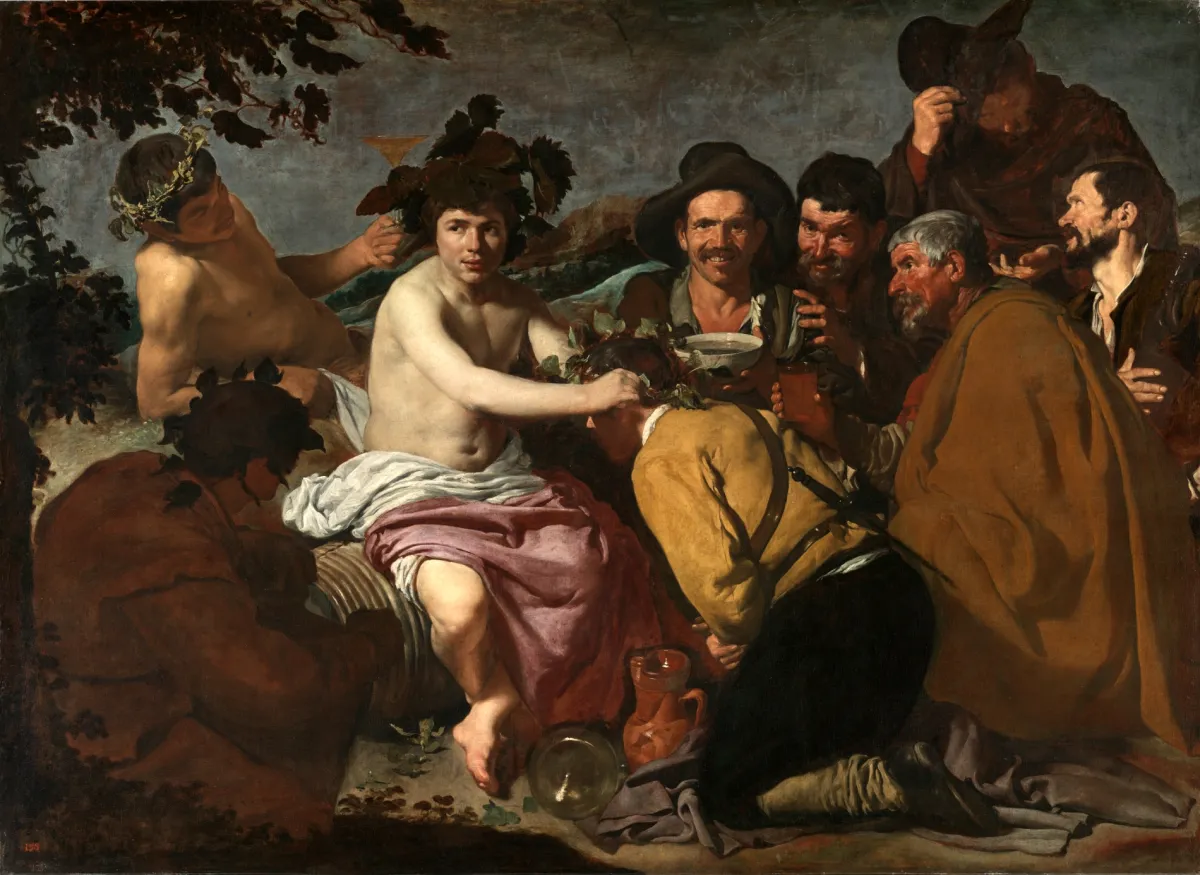
"Mercury and Argus" delves into ancient mythology, brought to life through Velazquez's distinctive Realism style. The narrative of Mercury’s cunning and Argus’s watchfulness is elegantly portrayed, offering viewers layers of meaning within this fine art painting for sale. Collectors often pair this with other narrative-rich works by Velazquez, such as "The Triumph of Bacchus," to enrich their collections with stories that transcend time and culture.
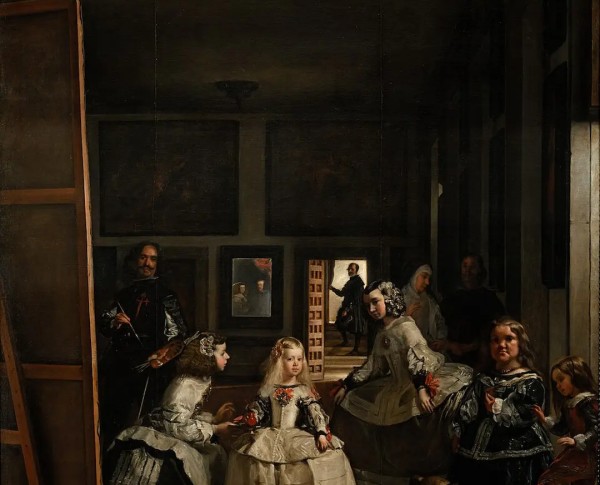
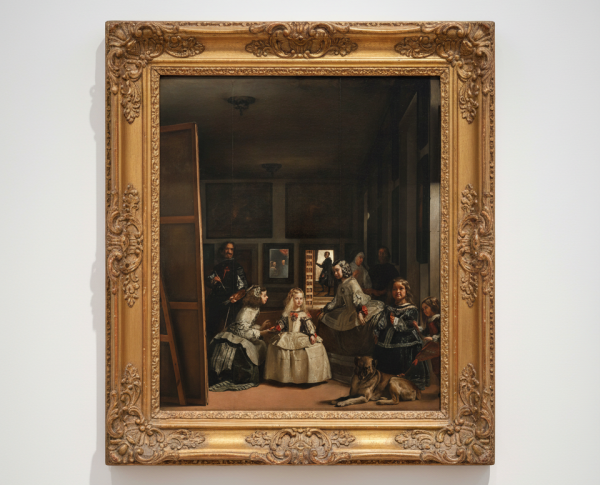
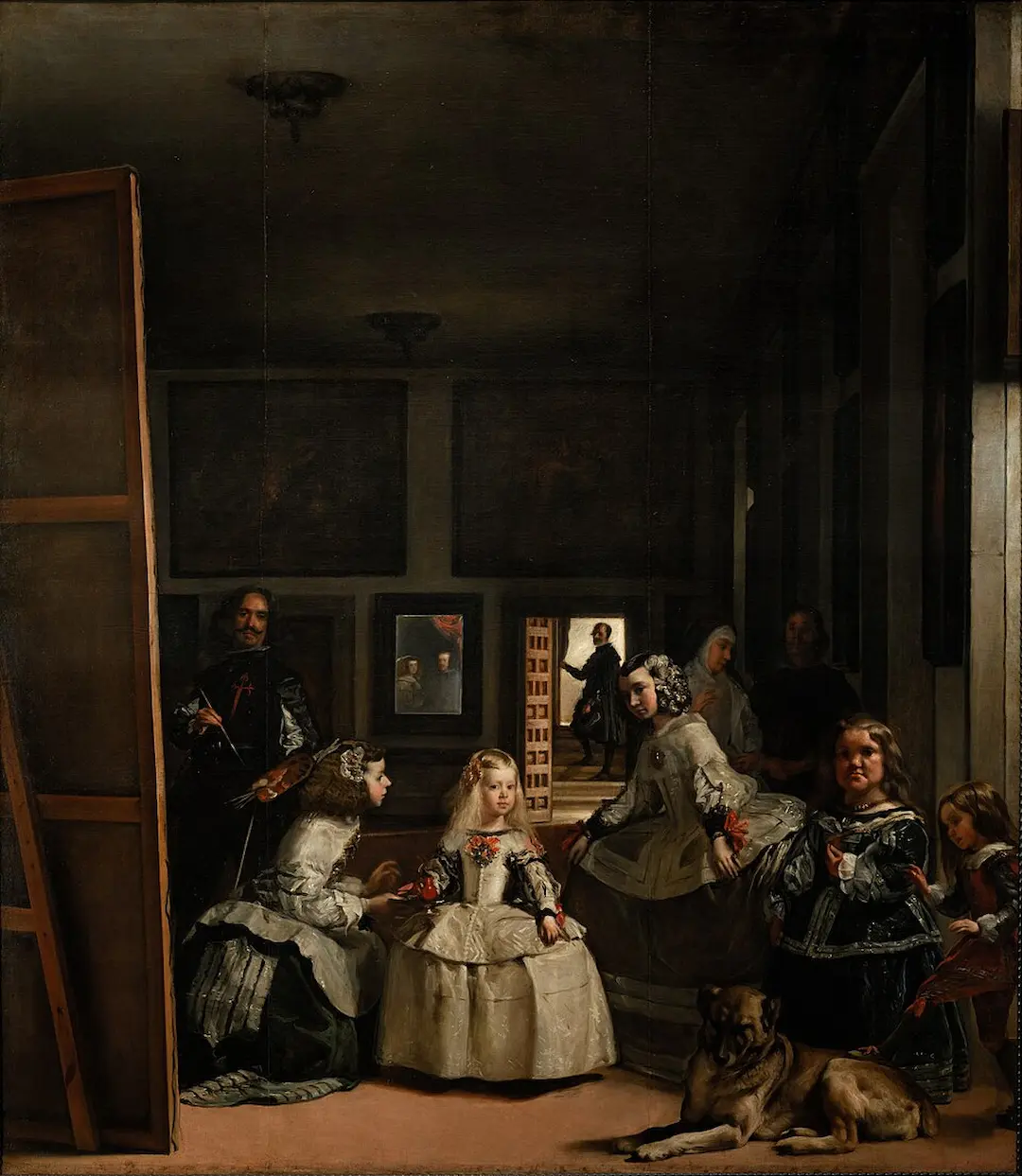
Owning "Mercury and Argus" by Diego Rodriguez de Silva y Velazquez means possessing a piece of the Realism movement’s heritage. This hand-painted oil painting is a sought-after treasure for discerning collectors. Enhance your collection with related works like "Las Meninas" or "Democritus," each offering a glimpse into Velazquez’s artistic genius. These masterpieces are not only visually stunning but also embody the profound legacy of fine art painting for sale.
When Art Meets History
"Mercury and Argus" by Diego Rodriguez de Silva y Velazquez stands as a testament to the Realism movement, capturing a mythological narrative with meticulous attention to detail. This hand-painted oil painting brings to life the legendary figures from classical mythology, blending historical storytelling with artistic mastery. Velazquez's approach aligns with the techniques seen in related works like "The Winnower" and "Breezing Up (or A Fair Wind)," where history and art intertwine seamlessly on the canvas.
Techniques That Speak
Velazquez’s "Mercury and Argus" exemplifies the refined skills characteristic of oil on canvas, a medium that allows for intricate brushwork and subtle gradations of tone. In the tradition of Realism, the artist’s technique emphasizes naturalistic lighting and nuanced textures, drawing viewers into the scene. Similar craftsmanship can be observed in paintings such as "Breadon Field First Game 5 Aug Mc Allentown Pa" and "Morning in a Pine Forest," where mastery of oil on canvas elevates the subject matter.
Emotions on Display
In "Mercury and Argus," Diego Velazquez masterfully conveys a spectrum of emotions, from intrigue to tension, through expressive figures and dynamic composition. The fine art painting for sale offers a compelling exploration of human nature, a hallmark of the Realism movement. Comparable emotional depth can be found in works like "The Prayer at Valley Forge," where the artist's skill in capturing feeling resonates profoundly with viewers and art enthusiasts alike.
Coveted by Collectors
As a remarkable example of Realism, "Mercury and Argus" by Velazquez remains highly sought after by collectors worldwide. This hand-painted oil painting not only showcases the artist’s legacy but also holds enduring appeal for those seeking a fine art painting for sale. Collectors often prize related masterpieces such as "Morning in a Pine Forest" and "The Winnower" for their historical significance and masterful execution, making them treasures in any art collection.
Related Realism Hand-Painted Oil Paintings by Other Artists
Other Famous Realism Artists:
Frequently Asked Questions About Mercury and Argus
What is the historical context of "Mercury and Argus"?
"Mercury and Argus" was painted by Diego Rodriguez de Silva y Velazquez during the early 17th century, a time when Spain was a dominant cultural force in Europe. The painting reflects the Baroque style that characterized this period, emphasizing dramatic expression and rich detail.
What is the significance of the characters in the painting?
The painting depicts the mythological figures Mercury, the messenger of the gods, and Argus, a giant with a hundred eyes. This scene is significant as it illustrates the theme of vigilance versus deception, highlighting Mercury's cunning nature as he seeks to outsmart Argus.
What artistic techniques did Velazquez employ in this work?
Velazquez utilized chiaroscuro to create depth and dimension, enhancing the three-dimensionality of the figures. His masterful use of light and shadow draws the viewer's eye to the central figures, while the intricate detailing of textures adds to the realism of the scene.
How does "Mercury and Argus" reflect Baroque art principles?
This painting exemplifies Baroque art principles through its dramatic composition, emotional intensity, and movement. Velazquez captures the tension between the characters, creating a narrative that engages the viewer and evokes a sense of urgency.
What symbolism is present in the painting?
The hundred eyes of Argus symbolize vigilance and watchfulness, while Mercury represents cunning and swiftness. The contrast between these two figures embodies the struggle between knowledge and ignorance, as well as the transient nature of life and death.
What is the significance of the color palette used in the painting?
Velazquez employed a rich and varied color palette, utilizing warm tones to convey a sense of warmth and intimacy. The contrasting colors between Mercury and Argus serve to highlight their opposing natures, enhancing the narrative tension within the artwork.
How does this painting fit into Velazquez's overall body of work?
"Mercury and Argus" is a significant piece in Velazquez's oeuvre, showcasing his early mastery of the Baroque style. It reflects his interest in mythology and the human condition, themes that recur throughout his later works, including his renowned portraits and historical scenes.
What influence did "Mercury and Argus" have on later artists?
The painting influenced subsequent generations of artists by exemplifying the narrative potential of mythological subjects. Its dramatic composition and emotional depth inspired later Baroque painters and contributed to the evolution of storytelling in visual art.
Where can one view "Mercury and Argus" today?
"Mercury and Argus" is housed in the collection of the Museo del Prado in Madrid, Spain. The museum is renowned for its extensive collection of works by Velazquez and other Spanish masters, making it a vital destination for art enthusiasts.
What are the main themes explored in "Mercury and Argus"?
The main themes of the painting include deception, the interplay of power and vulnerability, and the transient nature of life. Through the narrative of Mercury's cunning and Argus's fate, Velazquez explores the complexities of human experience and the consequences of vigilance.






















_GFM_Painting_(1).webp)


 100% Hand-Painted: Finished in 3-6 Weeks

.png)
















_(1).webp)