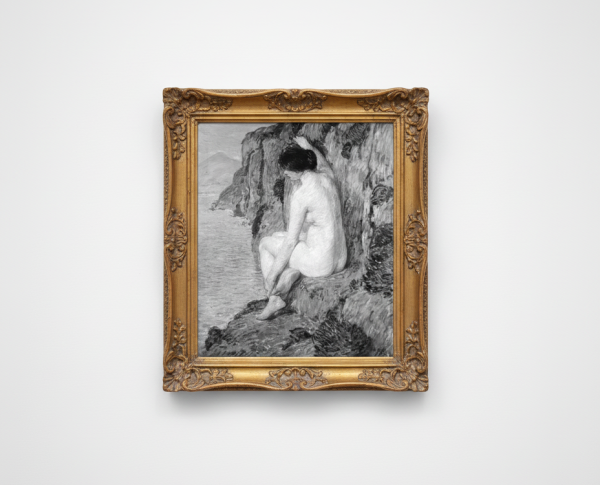
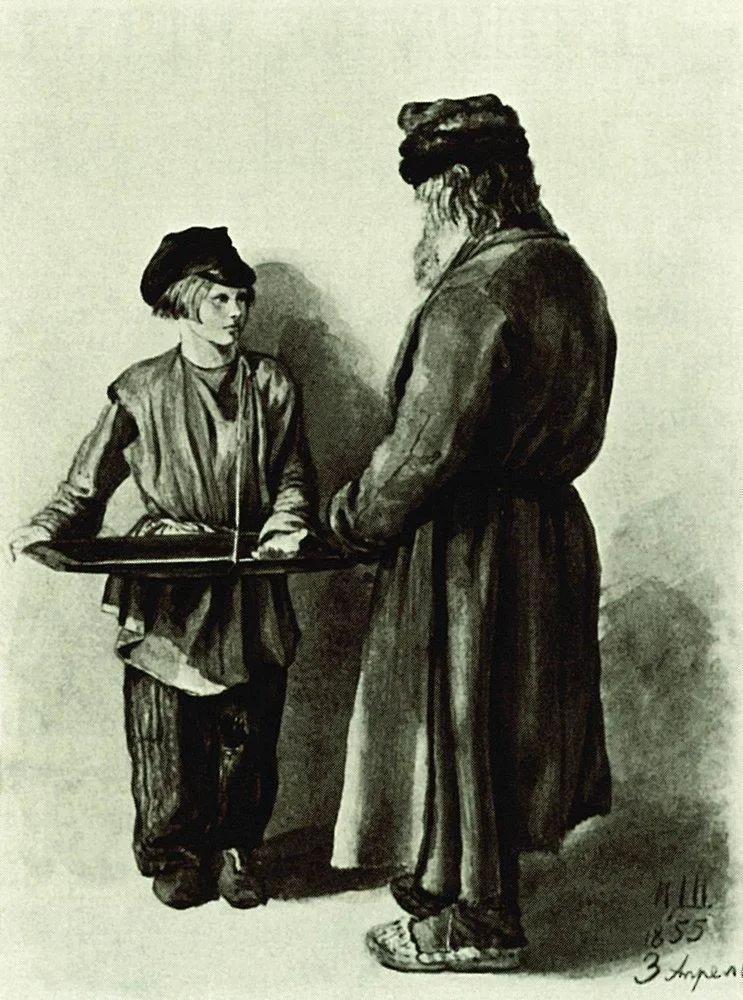
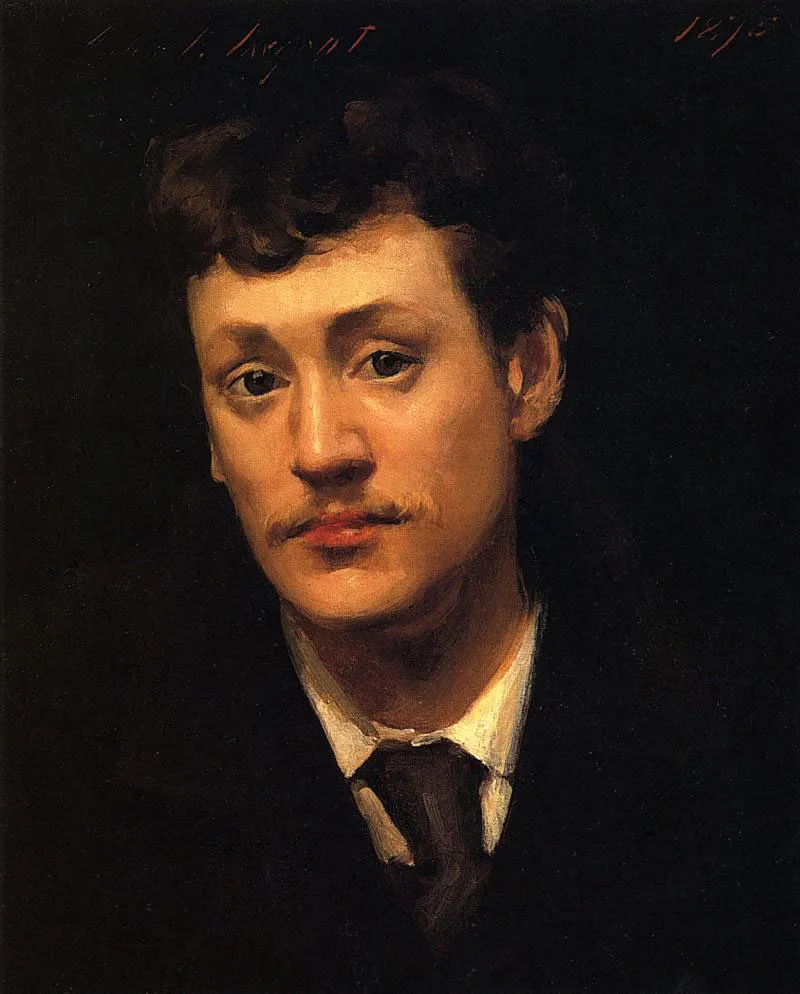
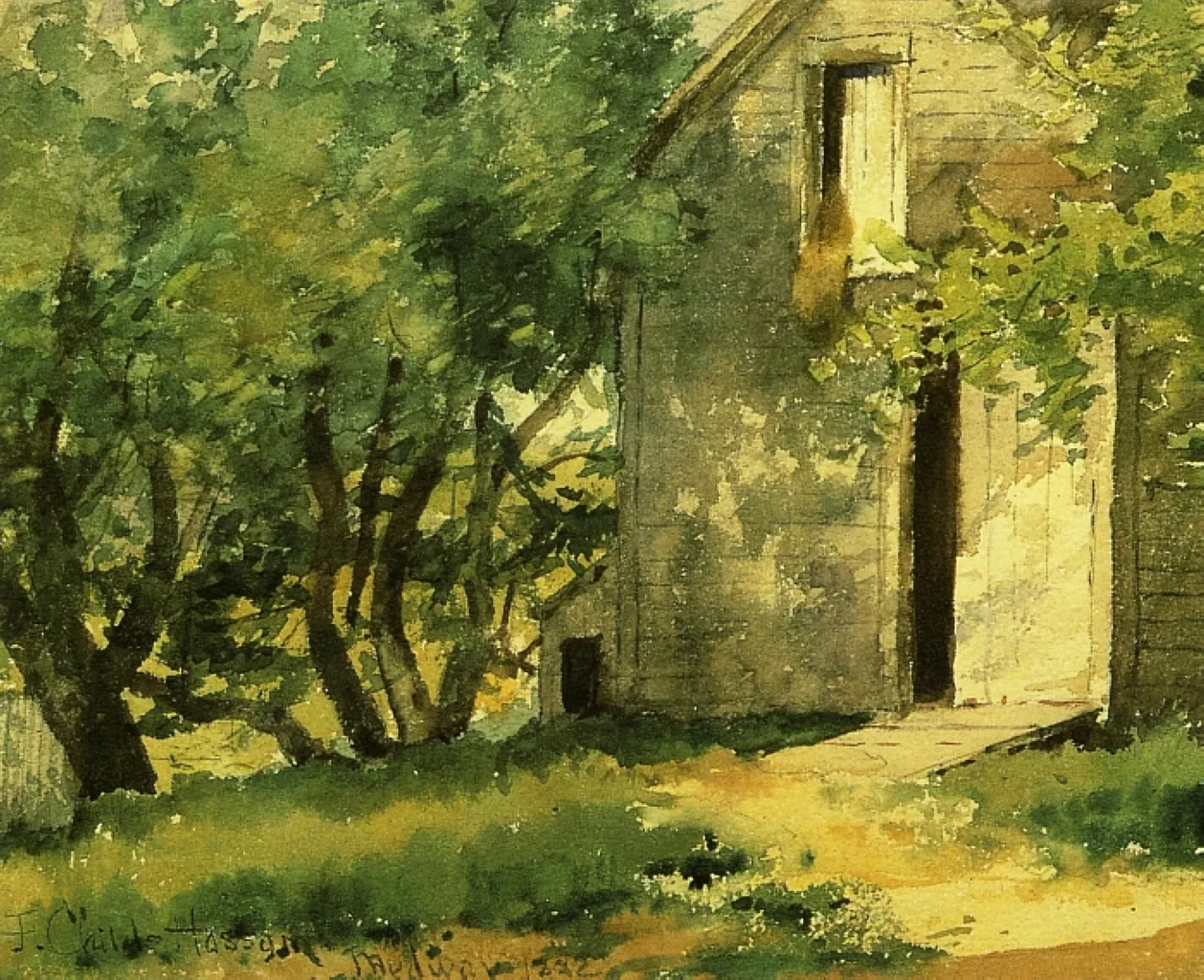
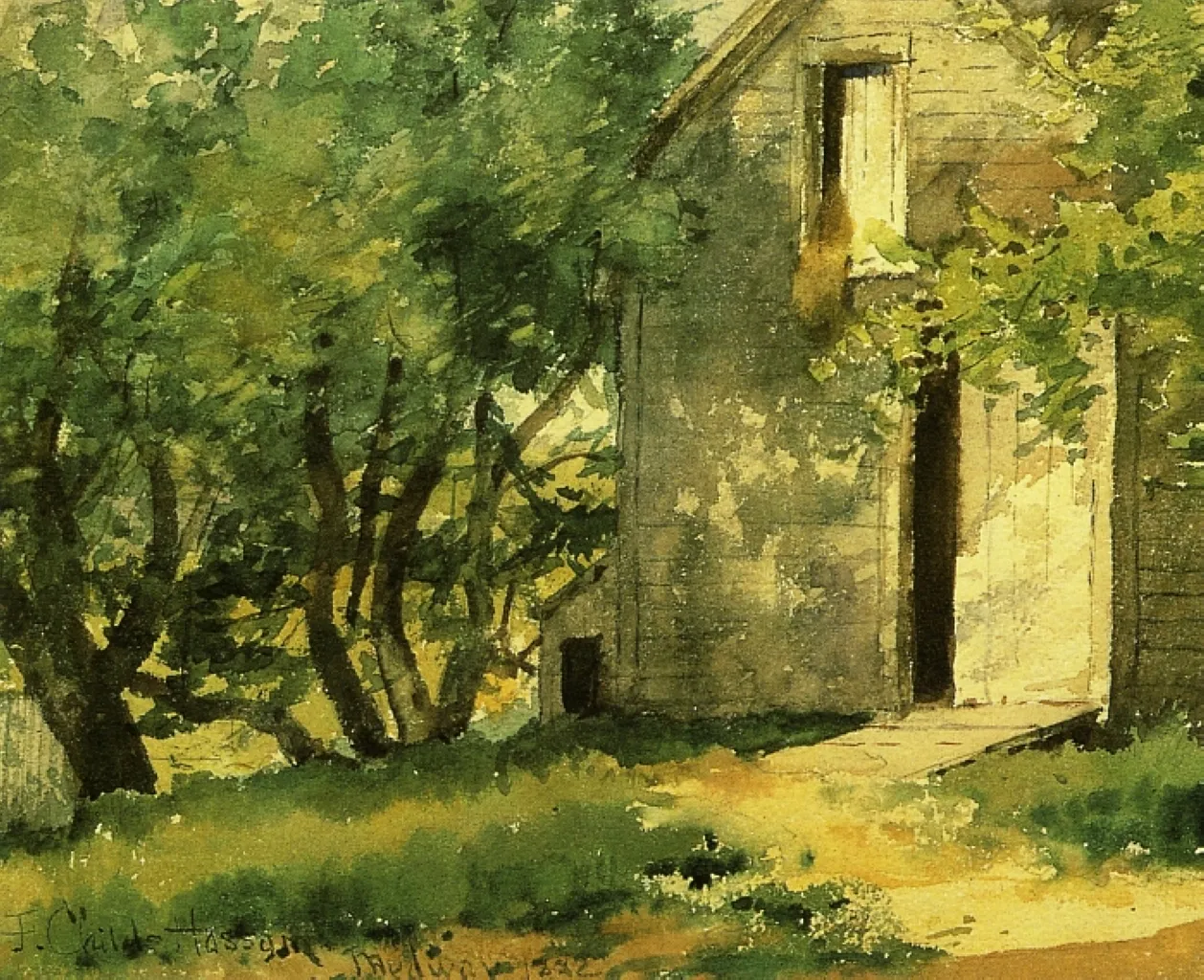
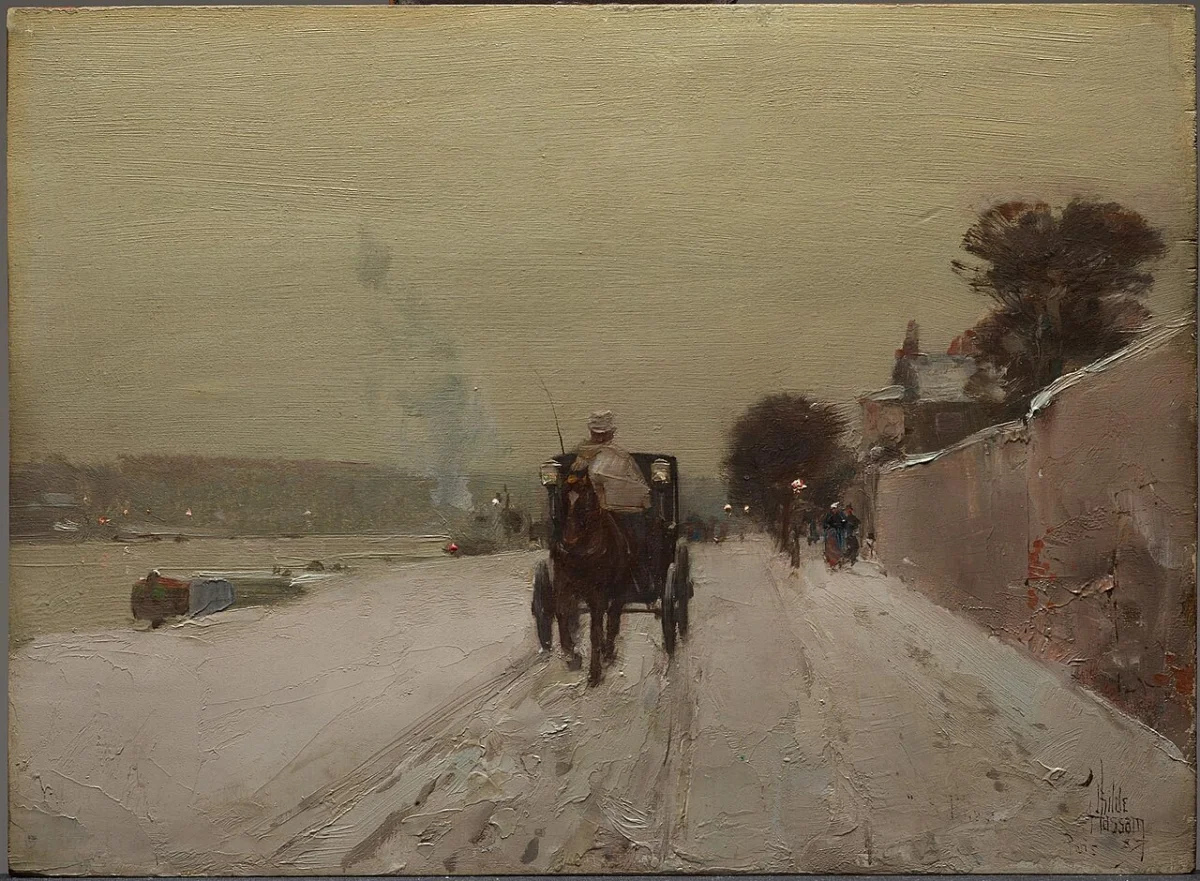
Frederick Childe Hassam’s "White Barn" showcases his exceptional technique in oil on canvas, with each brushstroke conveying vibrant impressions of light and atmosphere. The painting, rooted in American Impressionism, demonstrates Hassam’s ability to evoke emotion through subtle color transitions and dynamic compositions. Collectors often seek related works such as "Along the Seine" and "Winter" for their refined artistry, making this oil on canvas a valuable addition to any fine art collection.
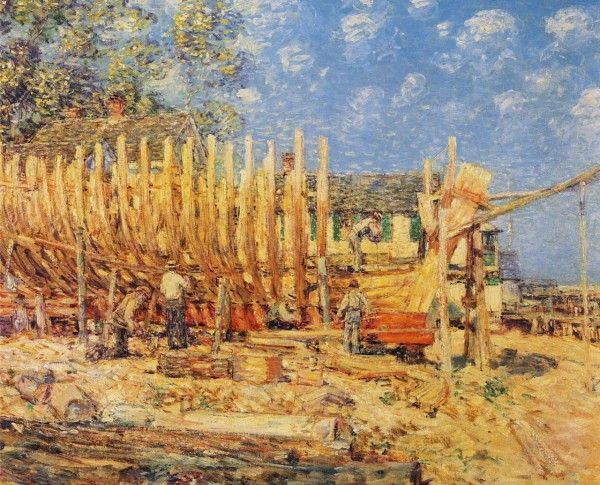
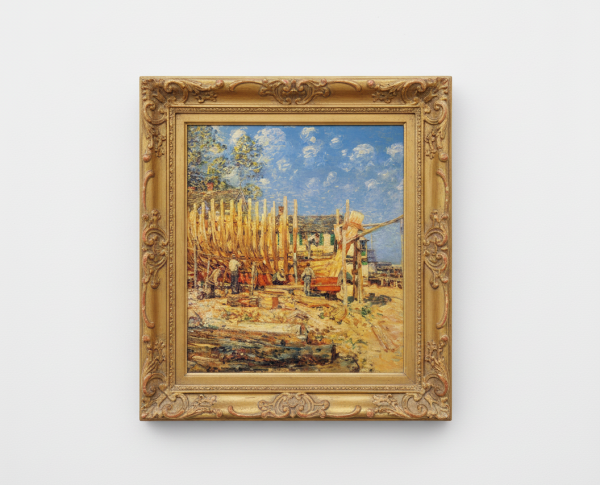
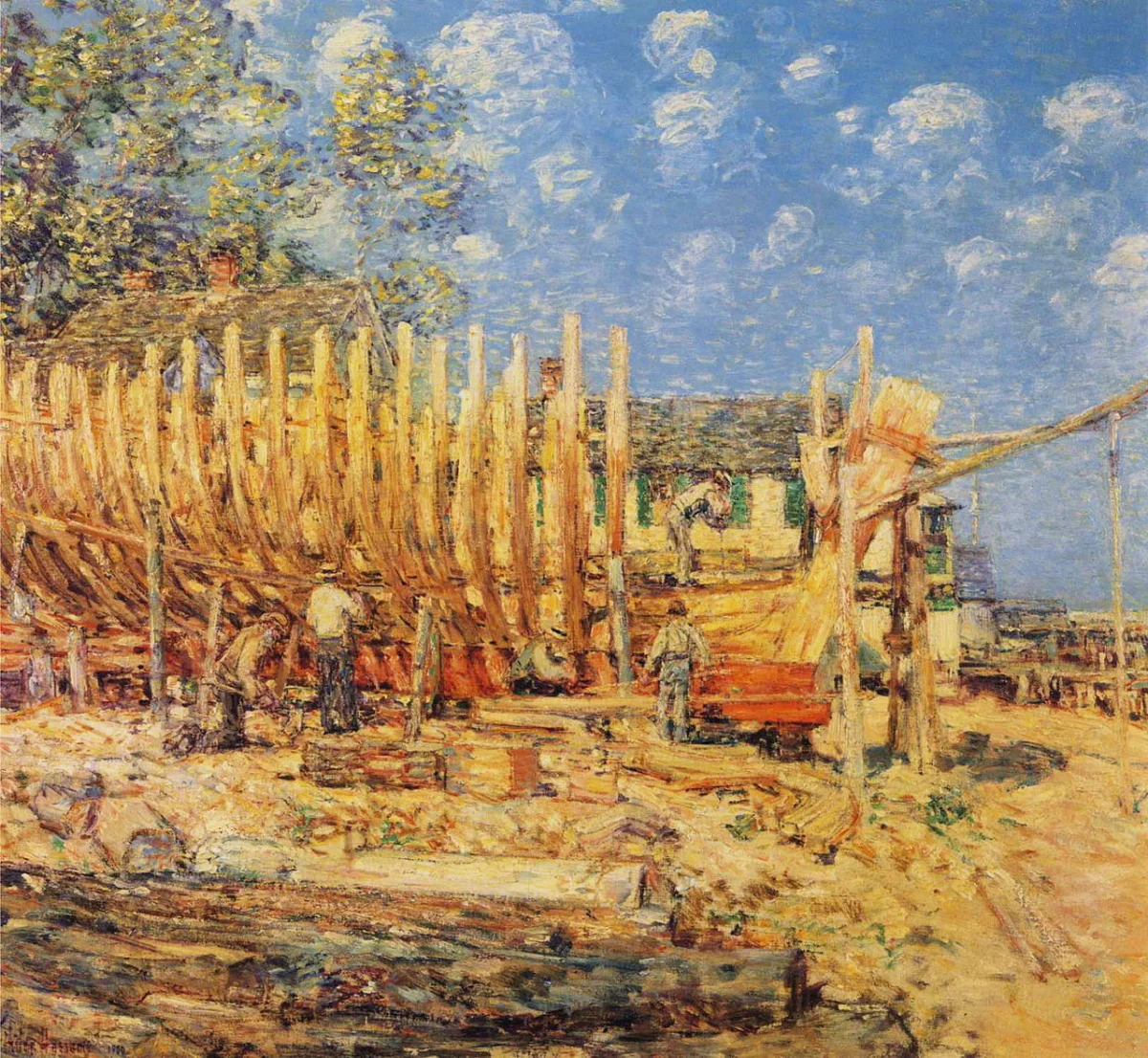
Within the tranquil setting of "White Barn," Hassam weaves stories of American rural life, using the barn as a symbol of stability and simplicity. As a hand-painted oil painting, it embodies the ideals of American Impressionism, where everyday scenes are elevated to fine art. Collectors of works like "Building the Schooner" and "Provincetown" appreciate the narrative depth and symbolic resonance found in Hassam’s paintings, each telling a unique story through color and composition.
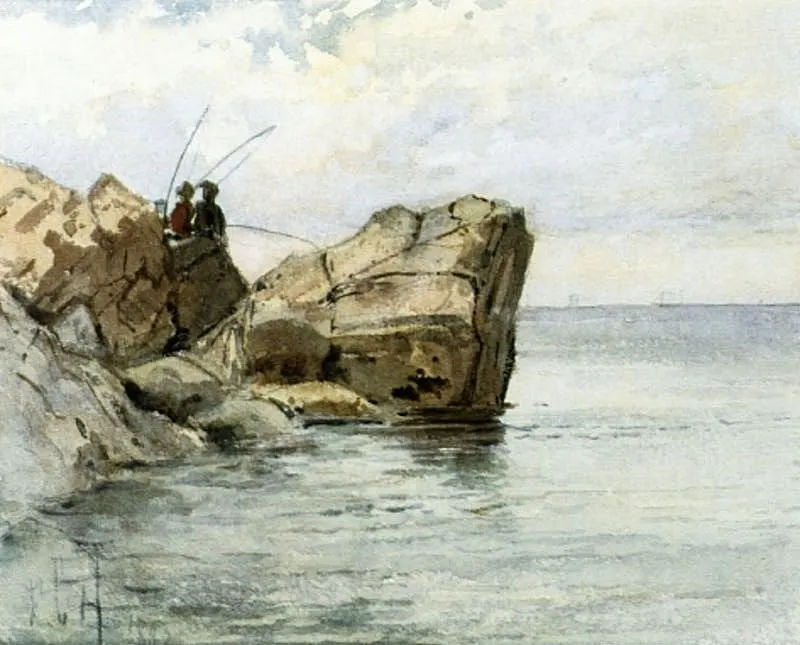
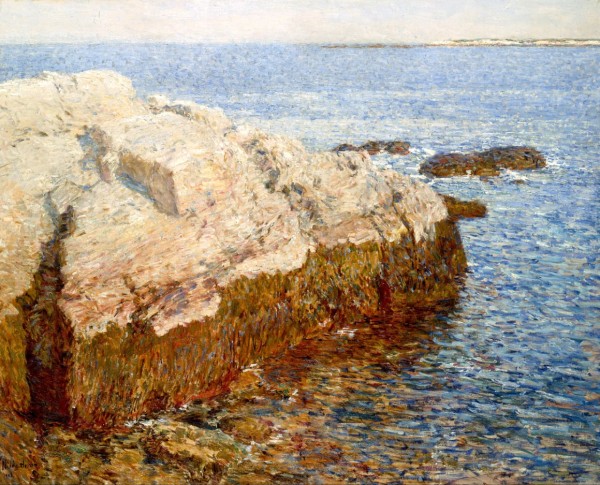
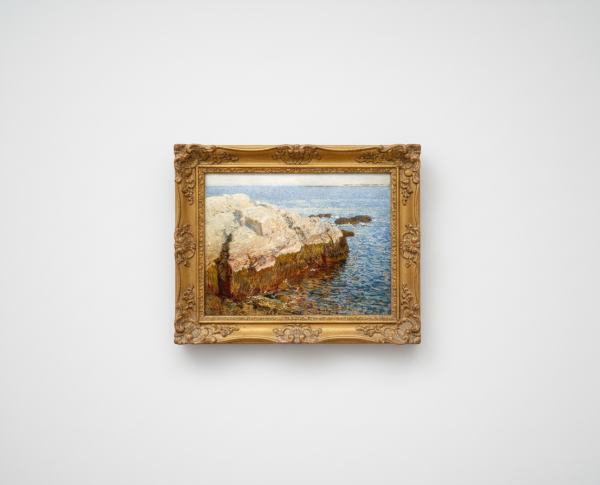
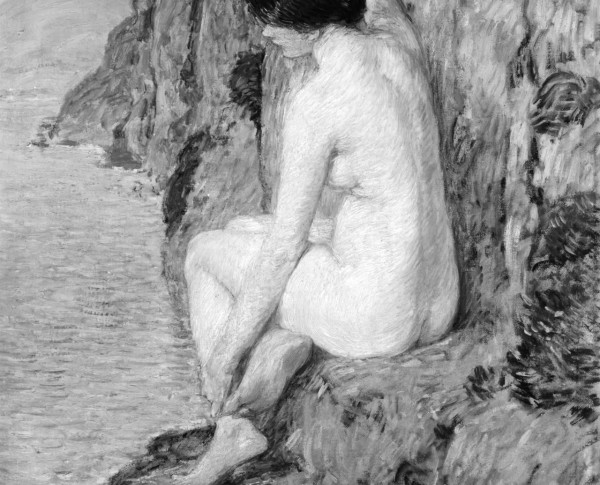
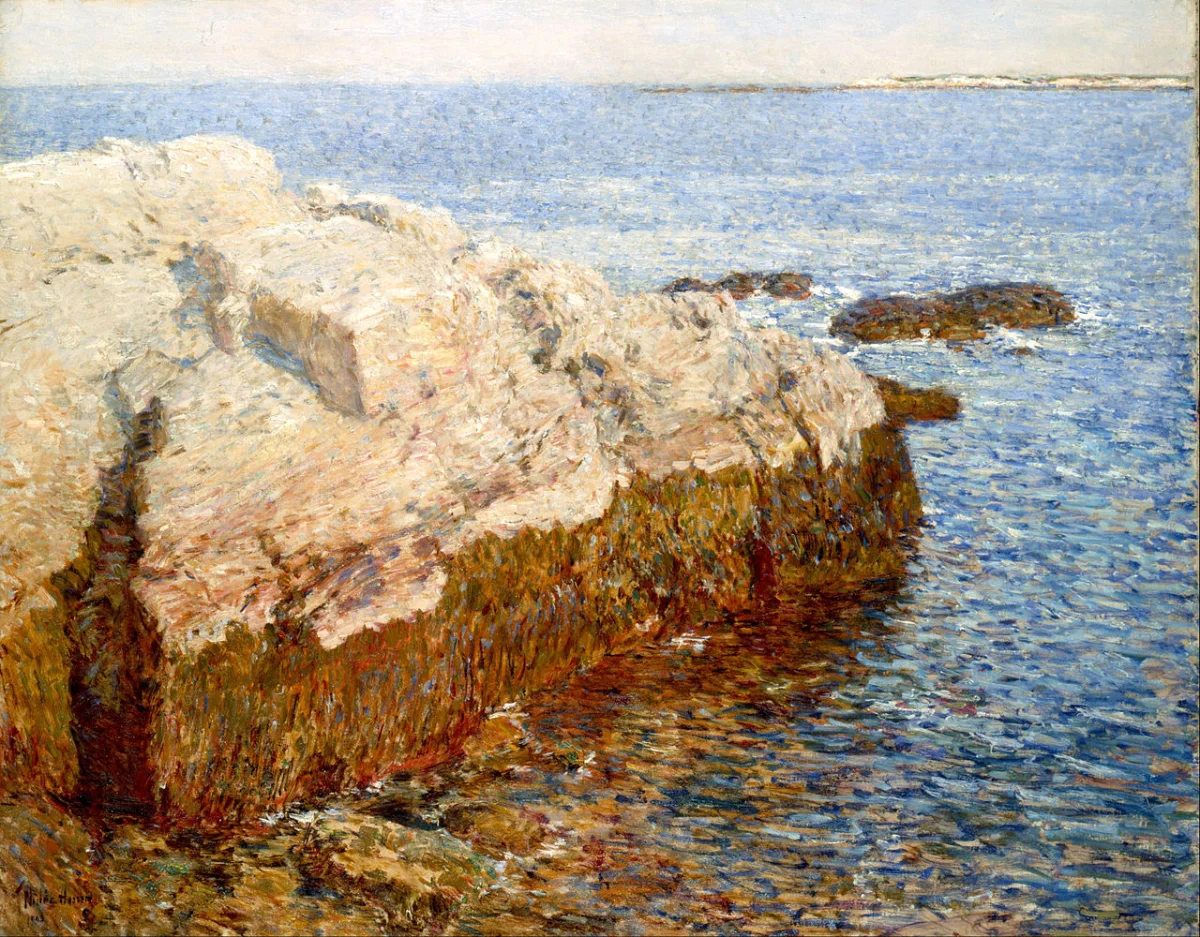
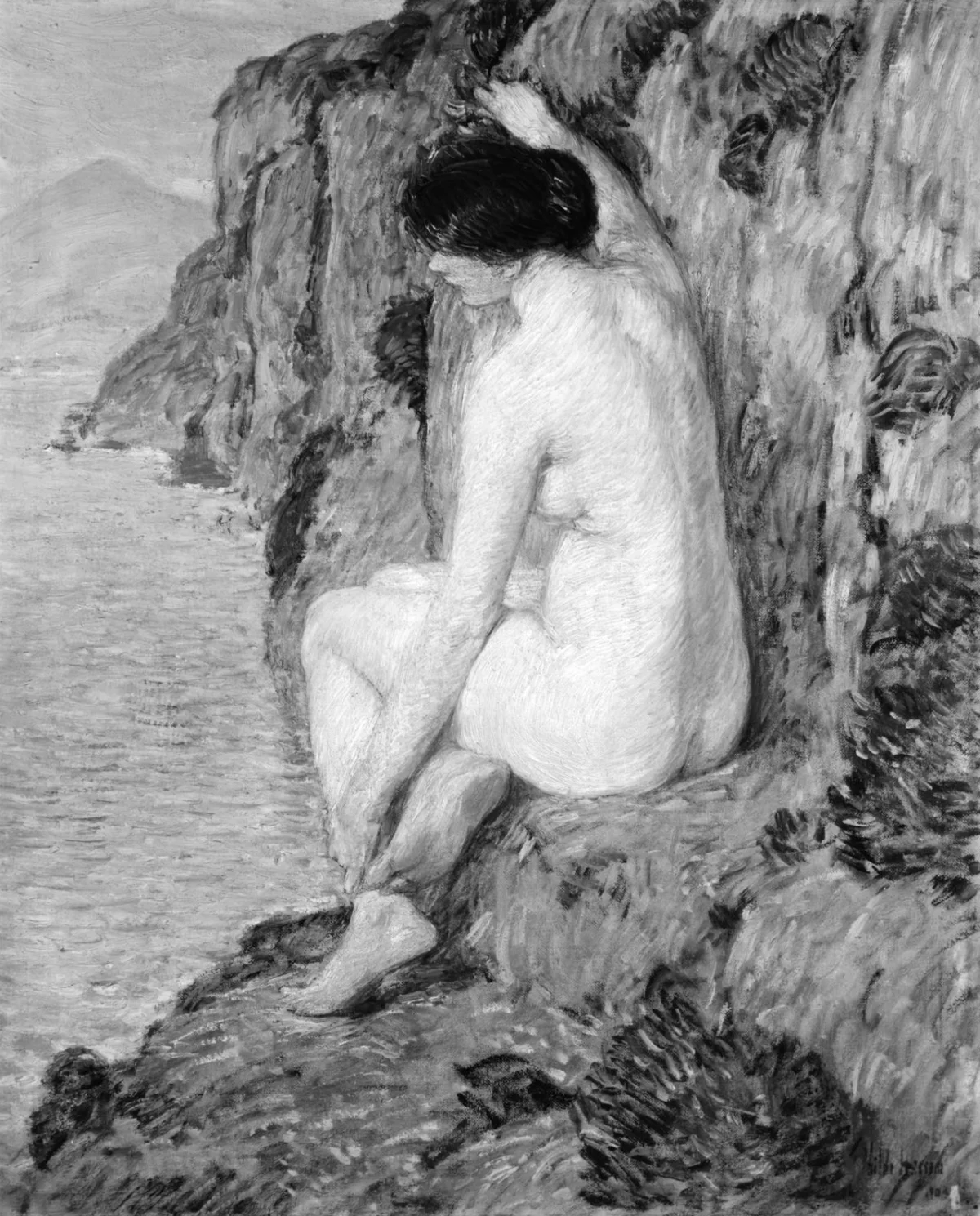
For art enthusiasts and collectors, "White Barn" by Frederick Childe Hassam represents a fine art painting for sale that bridges history and artistic mastery. As a significant work in American Impressionism, it complements collections featuring related pieces such as "Cliff Rock--Appledore" and "The Lorelei." The enduring appeal of Hassam’s paintings lies in their ability to capture fleeting moments, making them treasured investments in the world of hand-painted oil paintings.
When Art Meets History
"White Barn" by Frederick Childe Hassam stands as a testament to the American Impressionism movement, capturing the rural beauty and evolving landscape of its era. Painted with remarkable sensitivity, this hand-painted oil painting reflects the artist's fascination with light and atmosphere. Like his contemporaries who created works such as "The Death Song of Lone Wolf" and "Buffalo Hunt," Hassam's "White Barn" preserves a moment in American history, blending artistry with a rich cultural narrative.
Techniques That Speak
Frederick Childe Hassam's mastery is evident in his use of oil on canvas, a medium that allows for vibrant color and expressive brushwork in "White Barn." The loose, lively strokes and careful attention to natural light are hallmarks of American Impressionism. This technique is also seen in related paintings like "Study For Carnation Lily" and "El Jaleo," where artists explored the interplay of color, shadow, and form to create visually engaging compositions.
Emotions on Display
The tranquil setting of "White Barn" evokes a sense of nostalgia and peace, emotions that are central to many works in the American Impressionism movement. Hassam's fine art painting for sale invites viewers to experience the serenity of the countryside, much like "Château De Blérancourt" and other related works. Through gentle hues and soft lighting, the painting conveys a timeless calm that resonates deeply with art lovers and collectors alike.
Coveted by Collectors
"White Barn" holds a special place among collectors of American Impressionist art, prized for its distinctive style and historical significance. As a hand-painted oil painting by Frederick Childe Hassam, it represents both artistic excellence and a connection to America’s cultural heritage. Collectors often seek out related paintings, such as "El Jaleo" and "Buffalo Hunt," to complement their collections, underscoring the enduring appeal of this remarkable movement.
Related American Impressionism Hand-Painted Oil Paintings by Other Artists
Other Famous American Impressionism Artists:
Frequently Asked Questions About White Barn
What is the historical context of "White Barn"?
"White Barn," painted by Frederick Childe Hassam in the early 20th century, reflects the American Impressionist movement, which sought to capture the fleeting effects of light and atmosphere. This period was marked by a growing appreciation for rural American landscapes as symbols of national identity.
What artistic techniques did Hassam use in "White Barn"?
Hassam employed loose brushwork and a vibrant color palette typical of Impressionism. The use of dappled light and shadow creates a sense of depth and movement, inviting viewers to experience the scene as if they were present in the moment.
What themes are explored in "White Barn"?
The painting explores themes of rural life and the connection between humanity and nature. It evokes a sense of nostalgia for simpler times and highlights the beauty found in everyday scenes, emphasizing the importance of the American landscape.
How does "White Barn" reflect the characteristics of American Impressionism?
"White Barn" embodies key characteristics of American Impressionism, including an emphasis on light, color, and the depiction of everyday subjects. Hassam's focus on a rural setting showcases the movement's dedication to portraying the American experience through a unique lens.
What is the significance of the barn in the painting?
The barn serves as a symbol of rural American life and agricultural heritage. It represents stability and tradition, while also illustrating the beauty of the natural environment, which was often idealized in American art during this period.
In what ways did Hassam's style evolve throughout his career?
Throughout his career, Hassam's style evolved from a more traditional approach to a distinctive Impressionist technique. His later works, including "White Barn," showcase a greater emphasis on color and light, reflecting his experiences and influences from both European and American art movements.
What impact did "White Barn" have on American art?
"White Barn" contributed to the recognition of American Impressionism as a legitimate and significant art movement. It helped pave the way for future artists to explore similar themes and techniques, influencing the trajectory of American landscape painting.
How does "White Barn" compare to other works by Hassam?
What emotions does "White Barn" evoke in viewers?
The painting evokes feelings of tranquility and nostalgia, inviting viewers to reflect on the simplicity and beauty of rural life. Its warm colors and serene composition create a calming atmosphere, encouraging a connection to nature and the past.
What role did nature play in Hassam's work, particularly in "White Barn"?
Nature plays a central role in Hassam's work, serving as both subject and source of inspiration. In "White Barn," the natural landscape surrounding the barn enhances the composition, illustrating the harmonious relationship between human structures and the environment, a recurring theme in his oeuvre.






















_GFM_Painting_(1).webp)


 100% Hand-Painted: Finished in 3-6 Weeks

.png)















_(1).webp)