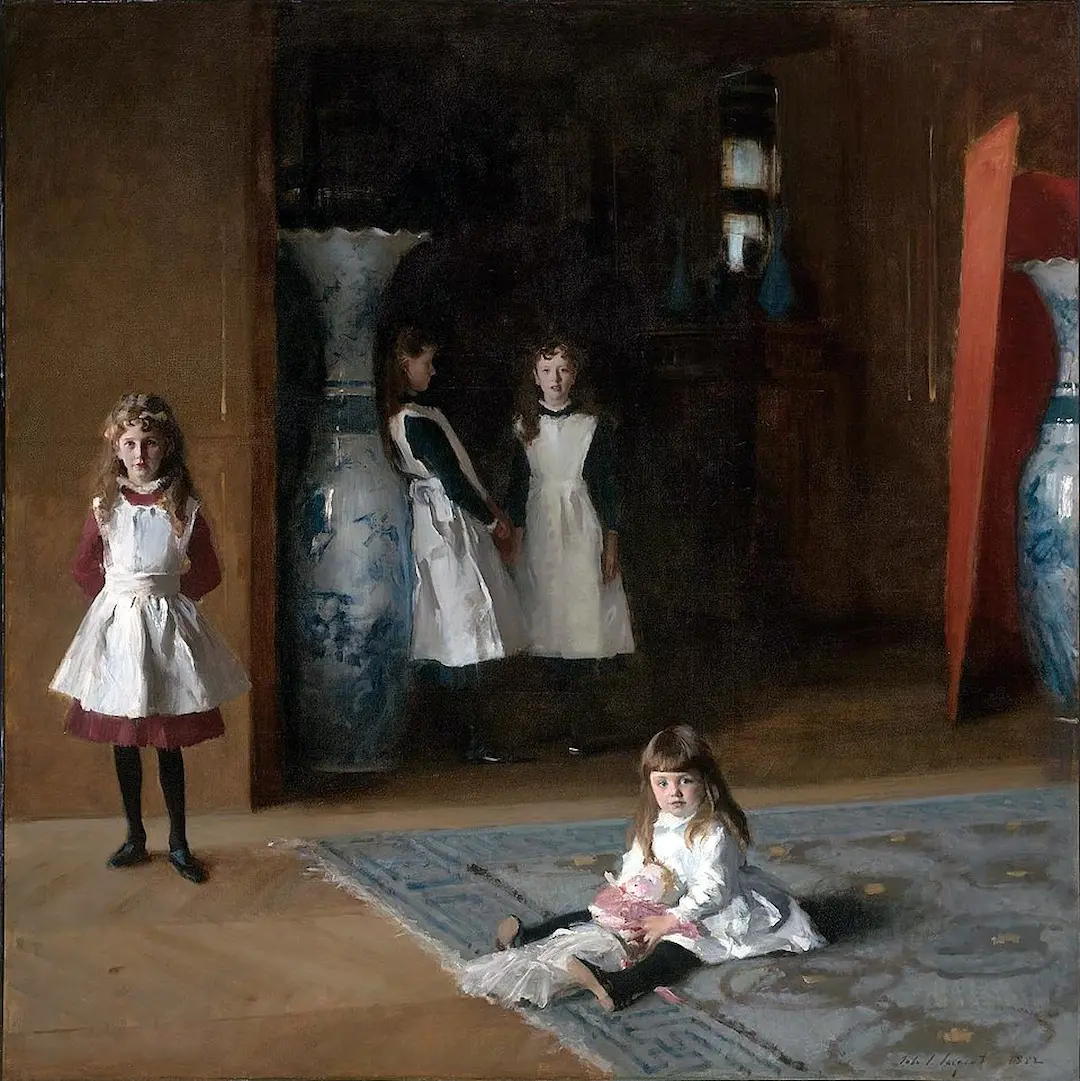
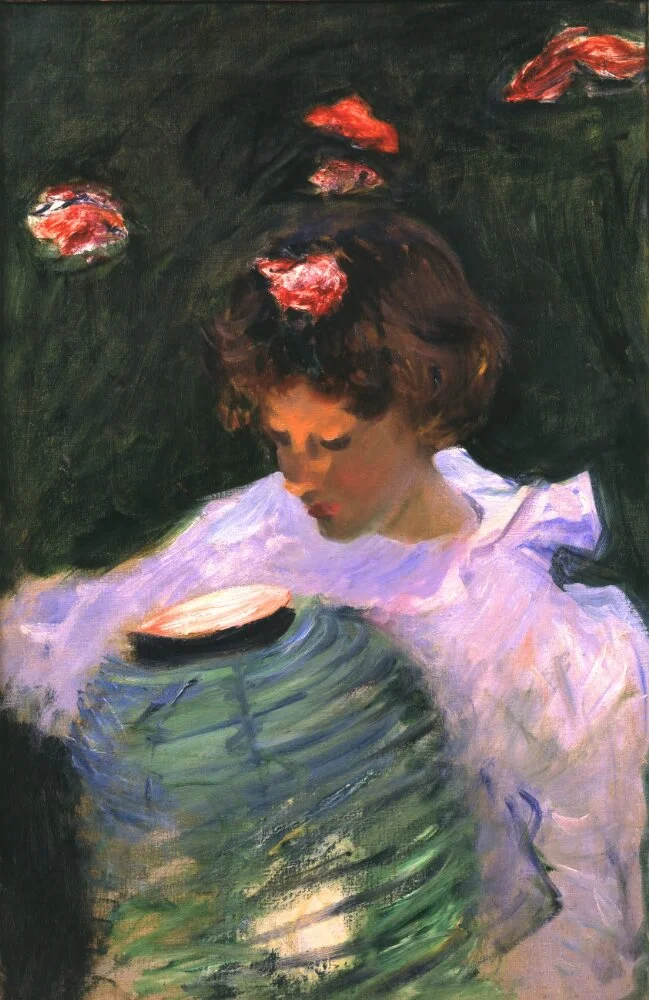
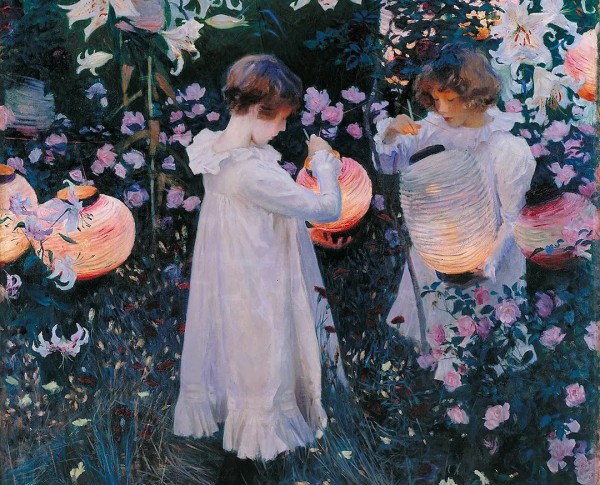
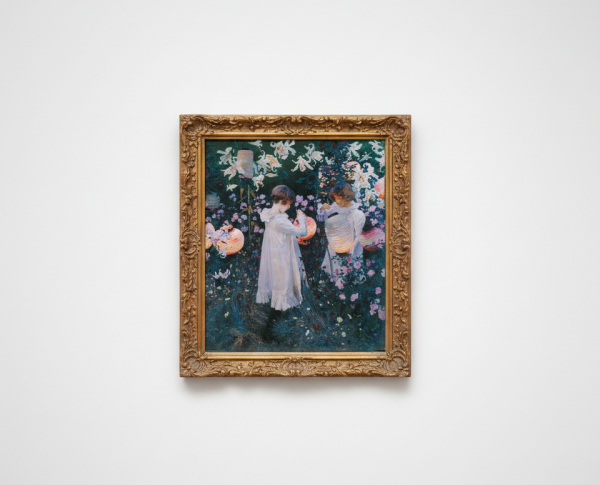
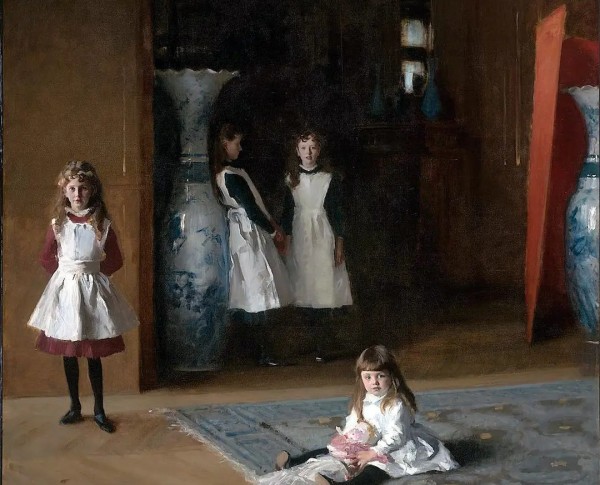
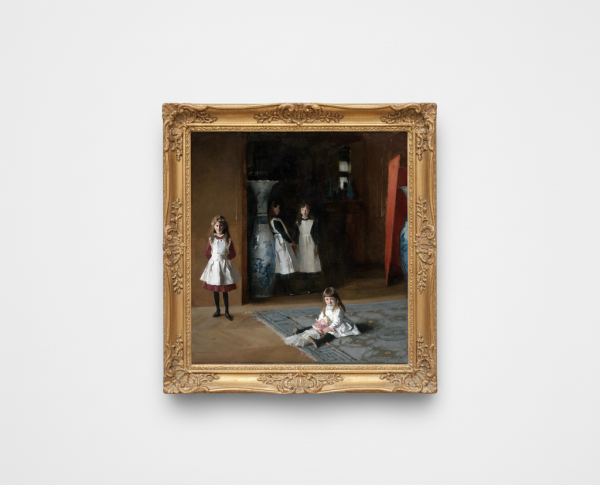
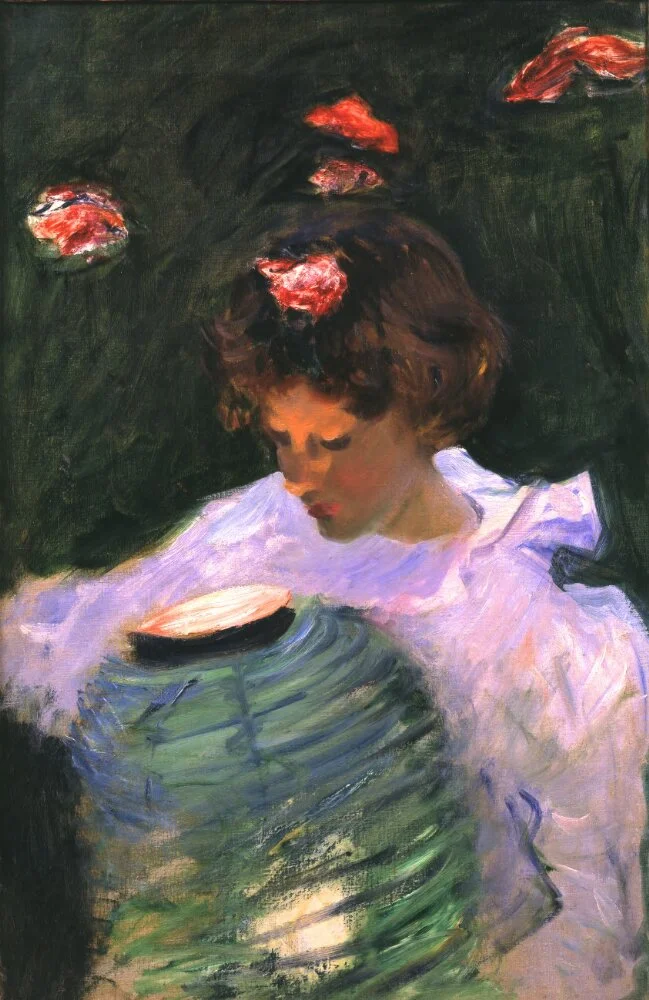
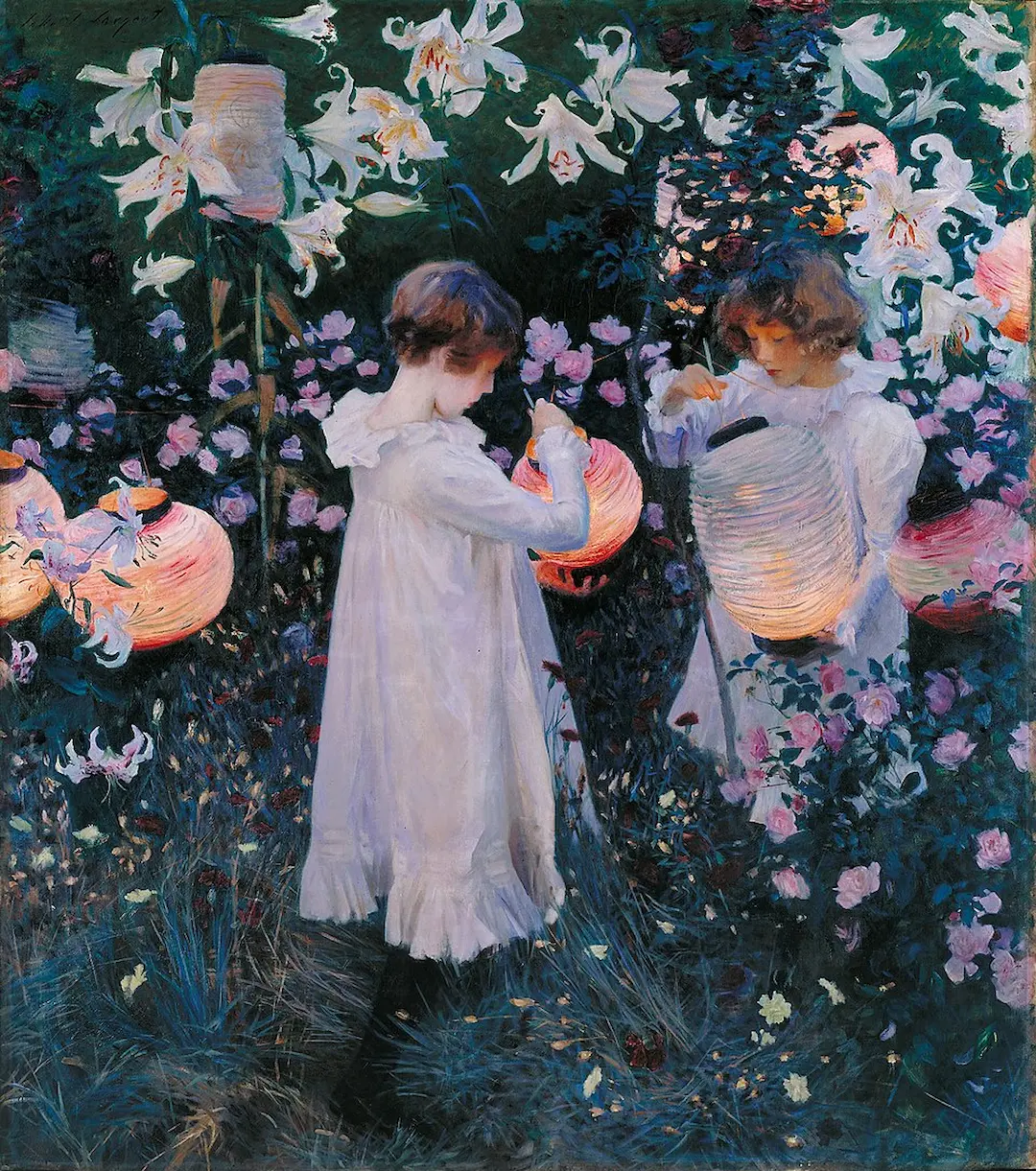
John Singer Sargent’s "Study For Carnation Lily" exemplifies his command of oil on canvas. Each brushstroke demonstrates his ability to blend color and light, hallmarks of American Impressionism. The technique seen here also graces other masterpieces by Sargent, such as "Madame X (or Madame Pierre Gautreau)" and "The Daughters Of Edward Darley Boit." Collectors searching for authentic oil on canvas works will appreciate the palpable artistry and detail imbued in this study.
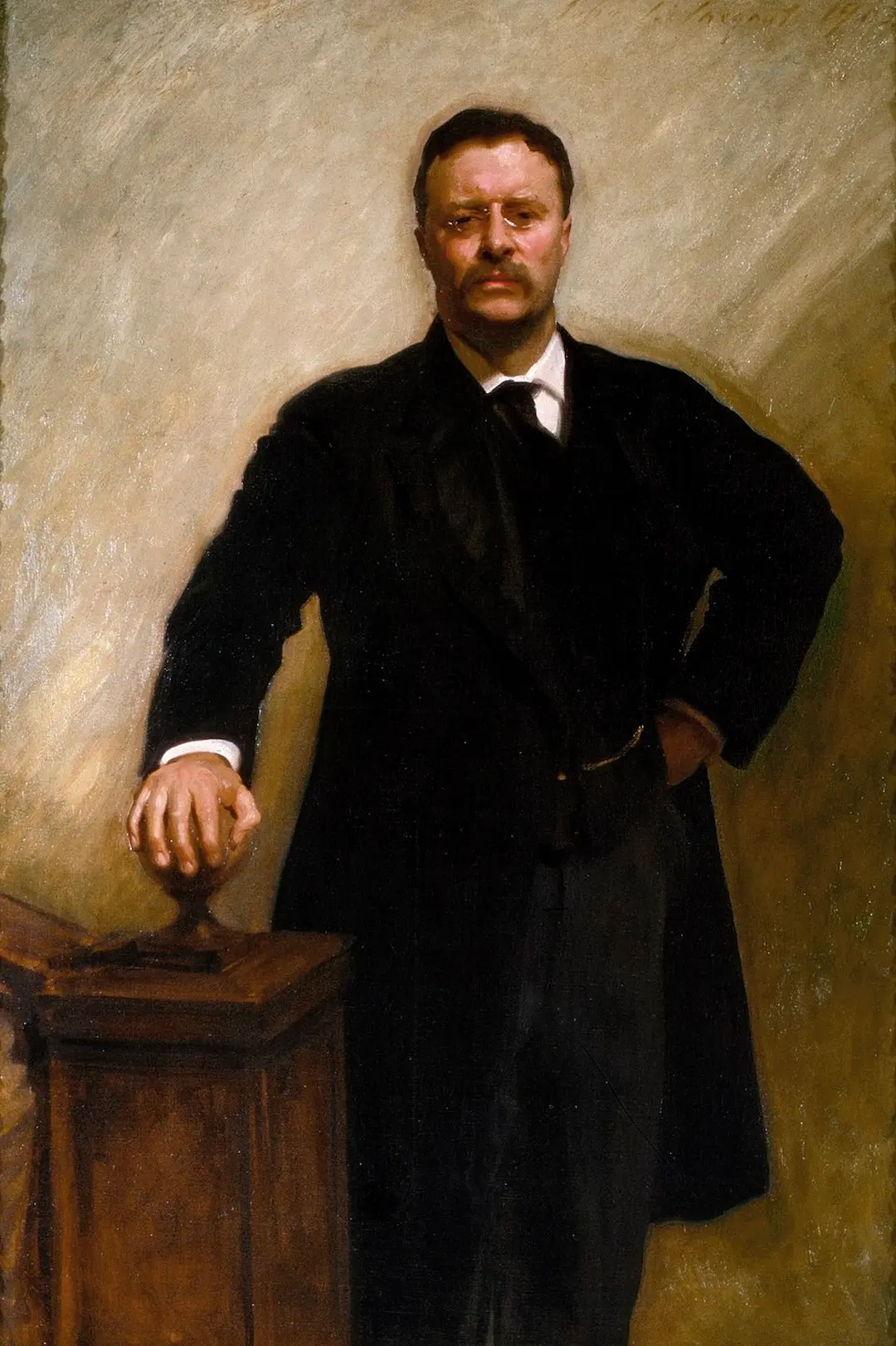
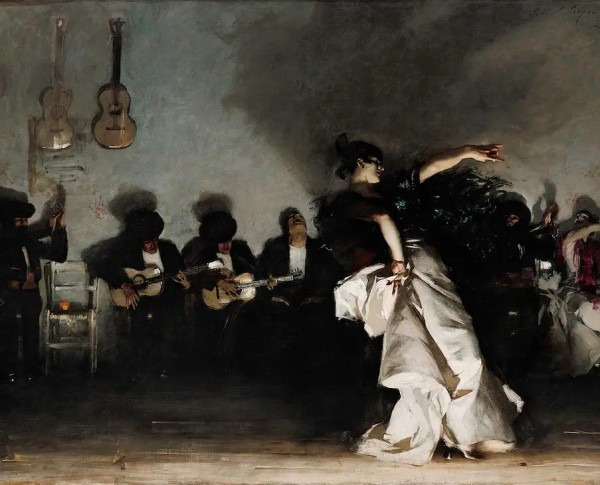
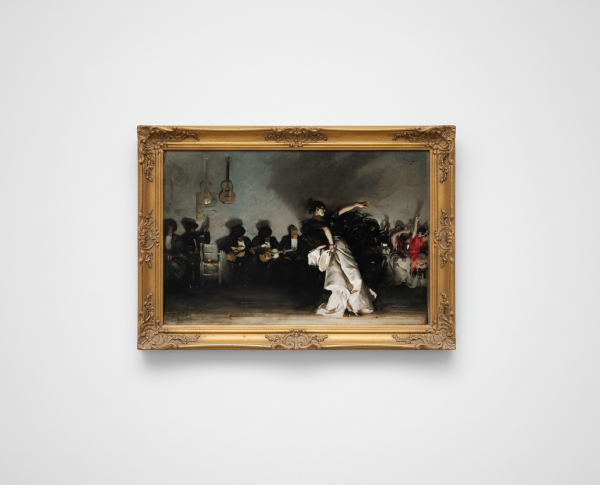
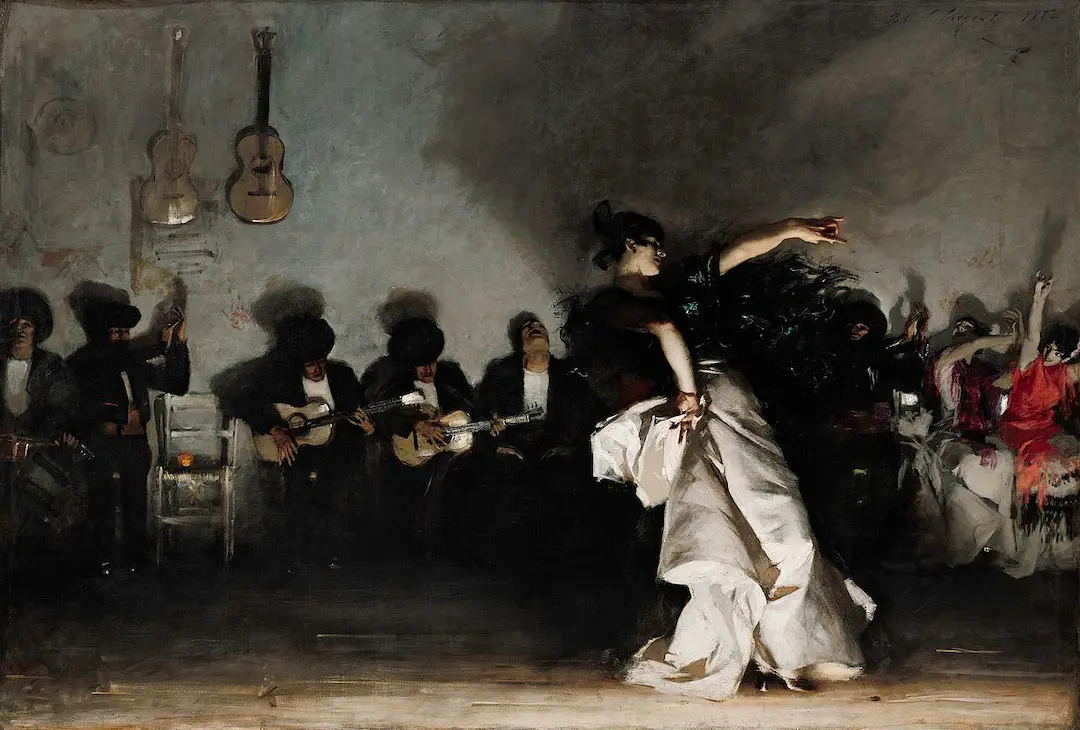
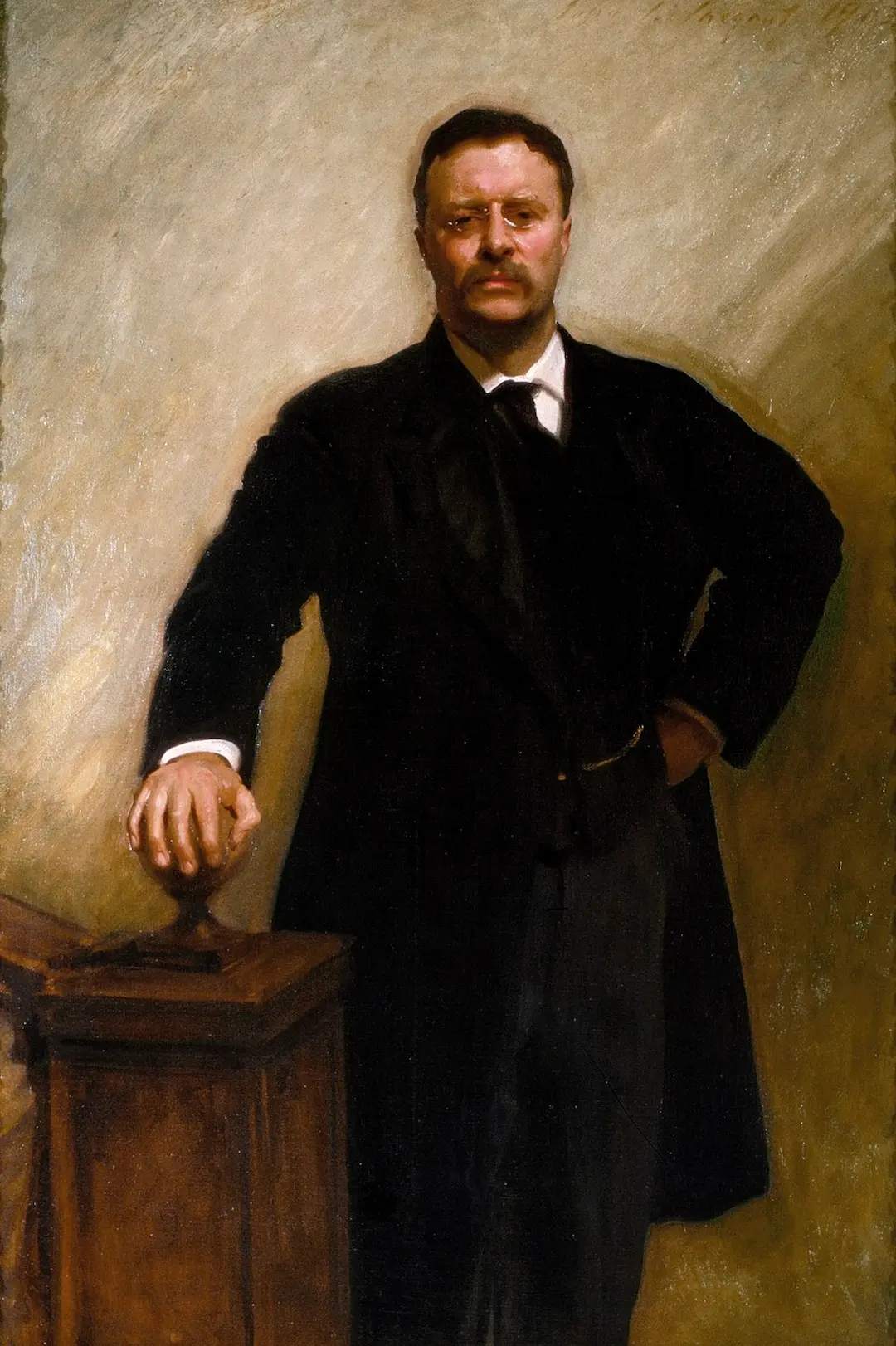
In "Study For Carnation Lily," Sargent weaves subtle narratives through his choice of subject and composition, a hallmark of American Impressionism. The delicate depiction of carnations and lilies suggests themes of beauty and ephemerality, reminiscent of his celebrated "El Jaleo" and "President Theodore Roosevelt." Such symbolism enriches the viewing experience, making this fine art painting for sale a conversation piece for any discerning collector seeking depth and meaning in their collection.
Acquiring "Study For Carnation Lily" by John Singer Sargent means owning a piece of American Impressionism’s storied history. This hand-painted oil painting stands among related masterpieces like "Carnation, Lily, Lily, Rose" and "The Daughters Of Edward Darley Boit." For those seeking a fine art painting for sale that embodies timeless elegance and artistic mastery, this work is a prized find—its provenance and beauty ensure enduring value for generations to come.
When Art Meets History
"Study For Carnation Lily" by John Singer Sargent stands as a testament to the vibrant era of American Impressionism. Painted during a period of artistic innovation, this hand-painted oil painting reflects Sargent’s mastery and his role in shaping modern American art. Much like his contemporaries and other works such as "Along the Seine" and "The Avenue in the Rain," Sargent’s brushwork captures the fleeting beauty of nature and the spirit of a transformative historical moment.
Techniques That Speak
John Singer Sargent’s technical brilliance shines through in "Study For Carnation Lily," where his use of oil on canvas demonstrates a command of light and color. The delicate layering and expressive brushstrokes are hallmarks of American Impressionism, reminiscent of his other pieces like "Cliff Rock--Appledore" and "The Lorelei." Sargent’s technique invites viewers to appreciate the subtleties of form and composition, making each oil on canvas a dynamic exploration of artistic possibility.
Emotions on Display
In "Study For Carnation Lily," Sargent evokes a sense of tranquility and introspection, characteristic of American Impressionism. The painting’s gentle hues and fluid lines elicit emotions that resonate deeply, akin to the mood found in his "Winter" and "Voyageurs." This fine art painting for sale captures the ephemeral qualities of light and feeling, allowing viewers to connect with the subtle emotional landscape Sargent masterfully conveys through his brush.
Coveted by Collectors
Collectors worldwide seek out "Study For Carnation Lily" for its historical significance and artistic excellence. As a celebrated fine art painting for sale, it occupies a prestigious place alongside Sargent’s other masterpieces like "The Avenue in the Rain." The painting’s association with the American Impressionism movement and the artist’s renowned legacy make it a highly desirable addition to any collection, symbolizing both cultural heritage and timeless beauty.
Related American Impressionism Hand-Painted Oil Paintings by Other Artists
Other Famous American Impressionism Artists:
Frequently Asked Questions About Study For Carnation Lily
What is the historical significance of "Study For Carnation Lily"?
"Study For Carnation Lily" is significant as it showcases John Singer Sargent's mastery in capturing the essence of his subjects through a blend of realism and impressionism, reflecting the artistic movements of the early 20th century.
What artistic techniques did Sargent employ in this painting?
Sargent utilized loose brushwork and a vibrant color palette to convey texture and light, allowing for a dynamic representation of the flowers and the figure, which is characteristic of his style.
What themes are explored in "Study For Carnation Lily"?
The painting explores themes of beauty, nature, and femininity, as it juxtaposes the delicate flowers with the graceful figure of the woman, symbolizing the harmony between human and natural beauty.
How does "Study For Carnation Lily" reflect Sargent's overall body of work?
This work reflects Sargent's focus on portraiture and his ability to infuse life into his subjects, capturing both their physical likeness and emotional depth, which is a hallmark of his extensive oeuvre.
What is the significance of the title "Carnation Lily"?
The title "Carnation Lily" highlights the importance of floral symbolism in art, where carnations often represent fascination and a love for nature, while lilies symbolize purity and refined beauty.
In what context was "Study For Carnation Lily" created?
The painting was created during a period when Sargent was exploring floral studies, which served as preparatory works for larger compositions, reflecting the growing interest in botanical subjects in the art world.
What role does light play in "Study For Carnation Lily"?
Light plays a crucial role in the painting, as Sargent expertly captures the interplay of natural light on the flowers and the figure, enhancing the three-dimensionality and vibrancy of the composition.
How does this painting compare to Sargent's other floral works?
Compared to Sargent's other floral works, "Study For Carnation Lily" stands out for its intimate portrayal of the subject and its emphasis on the emotional connection between the figure and the flowers, showcasing his versatility as an artist.
What influence did "Study For Carnation Lily" have on later artists?
The painting influenced later artists by demonstrating the potential of combining portraiture with still life, inspiring a more integrated approach to depicting human figures alongside nature in modern art.
What can we learn about Sargent's artistic philosophy from this work?
This work reveals Sargent's belief in the importance of capturing the fleeting moments of beauty and emotion, emphasizing that art should evoke a sense of life and vitality, a philosophy that resonates throughout his career.






















_GFM_Painting_(1).webp)


 100% Hand-Painted: Finished in 3-6 Weeks

.png)













.webp)



_(1).webp)