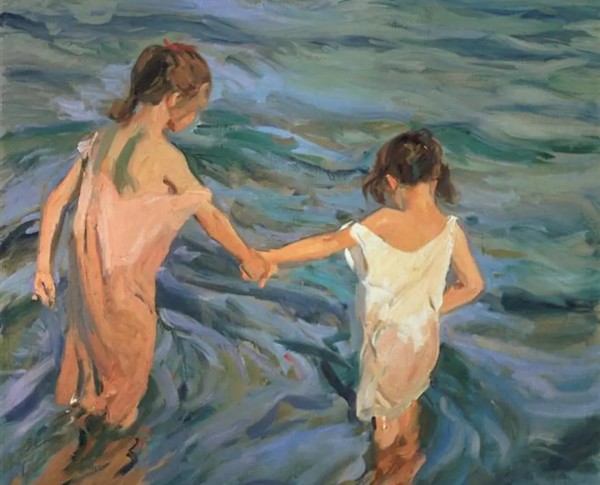
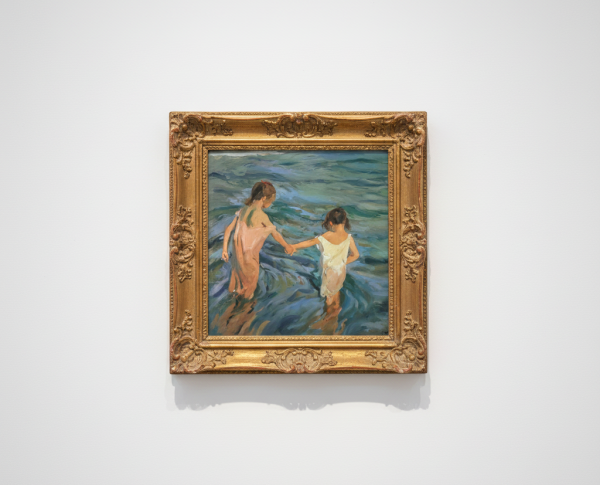
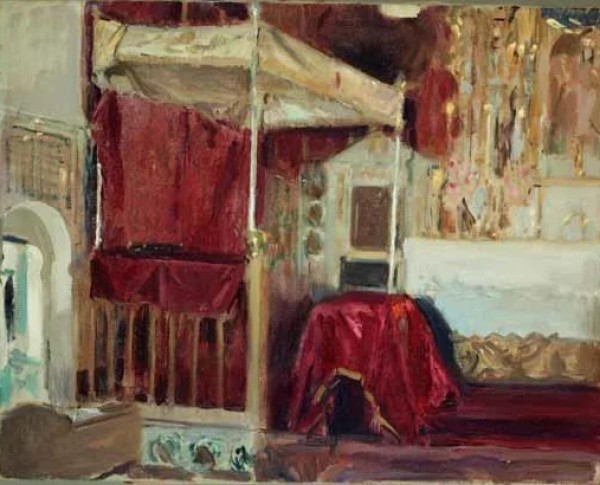
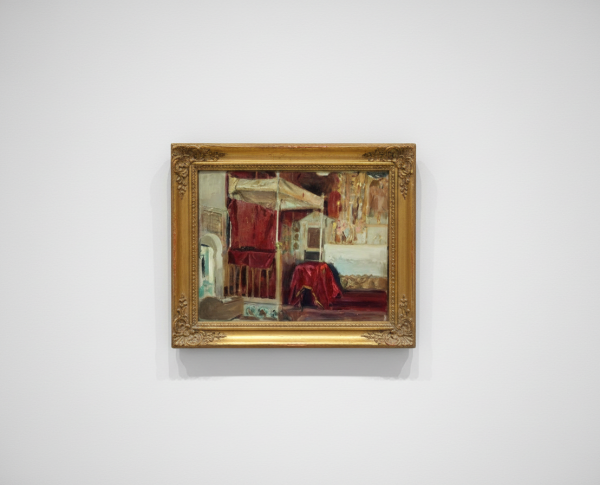
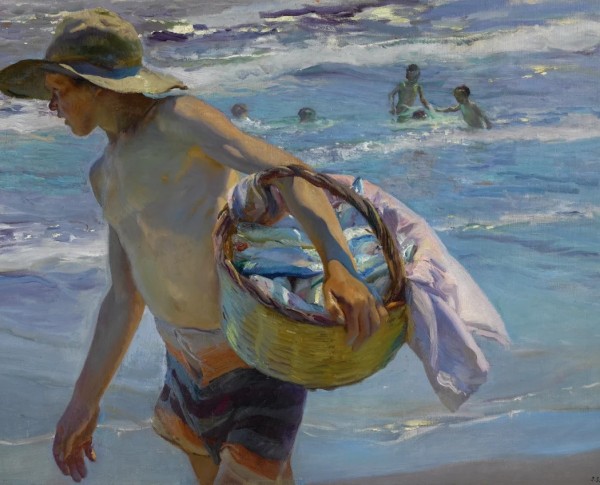
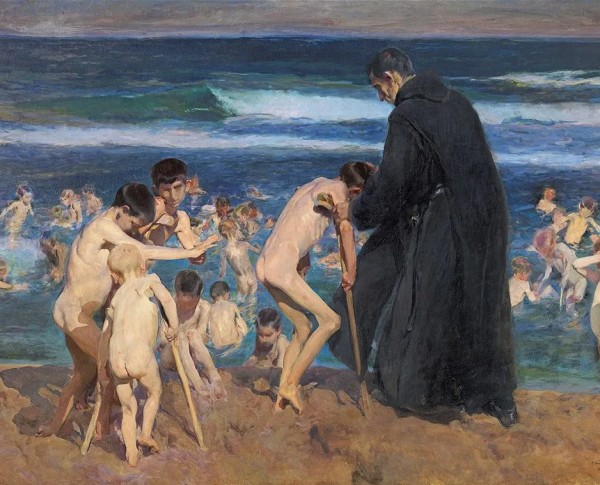
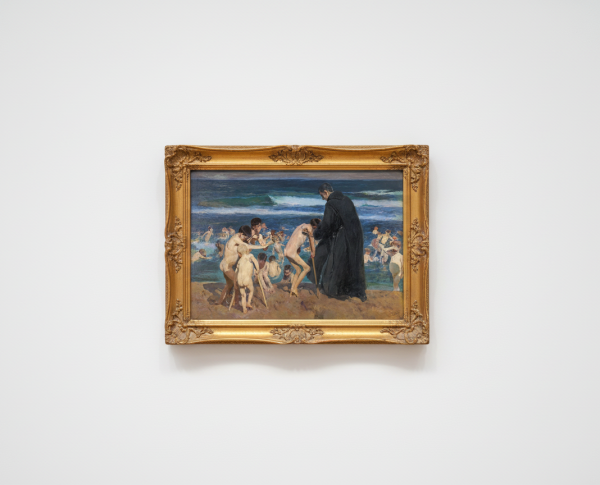
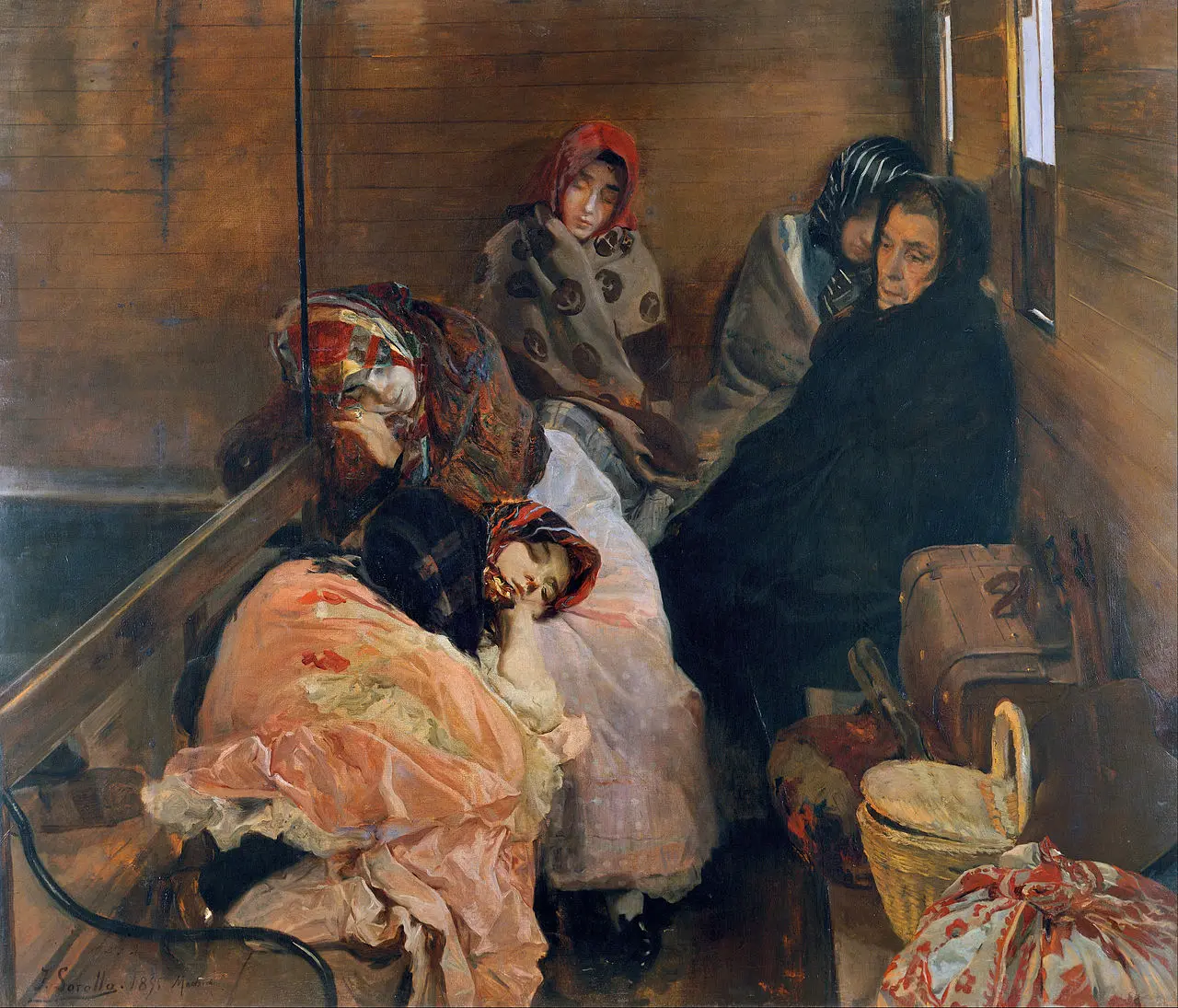
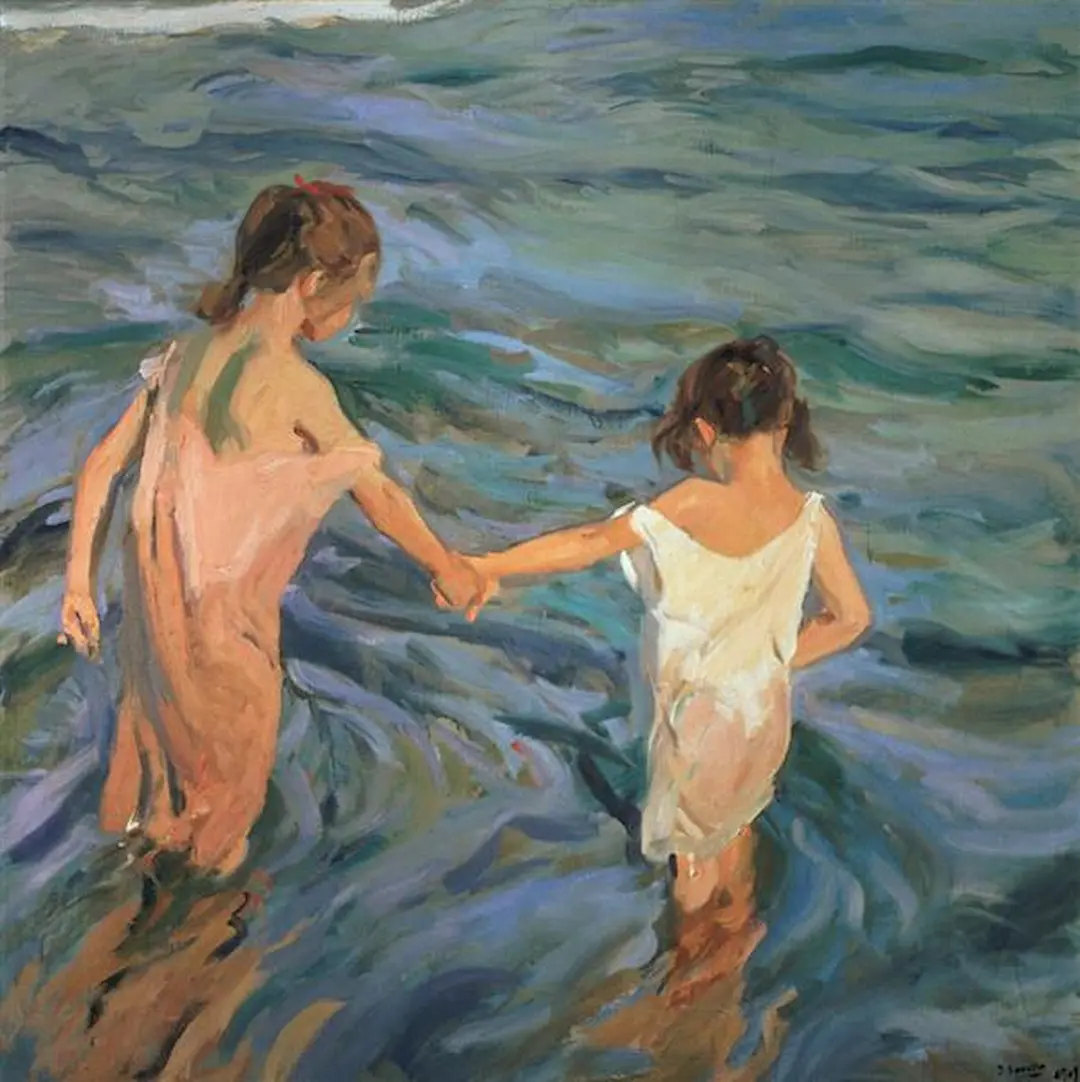
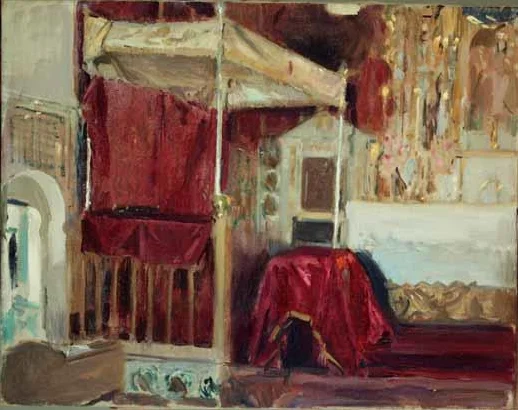
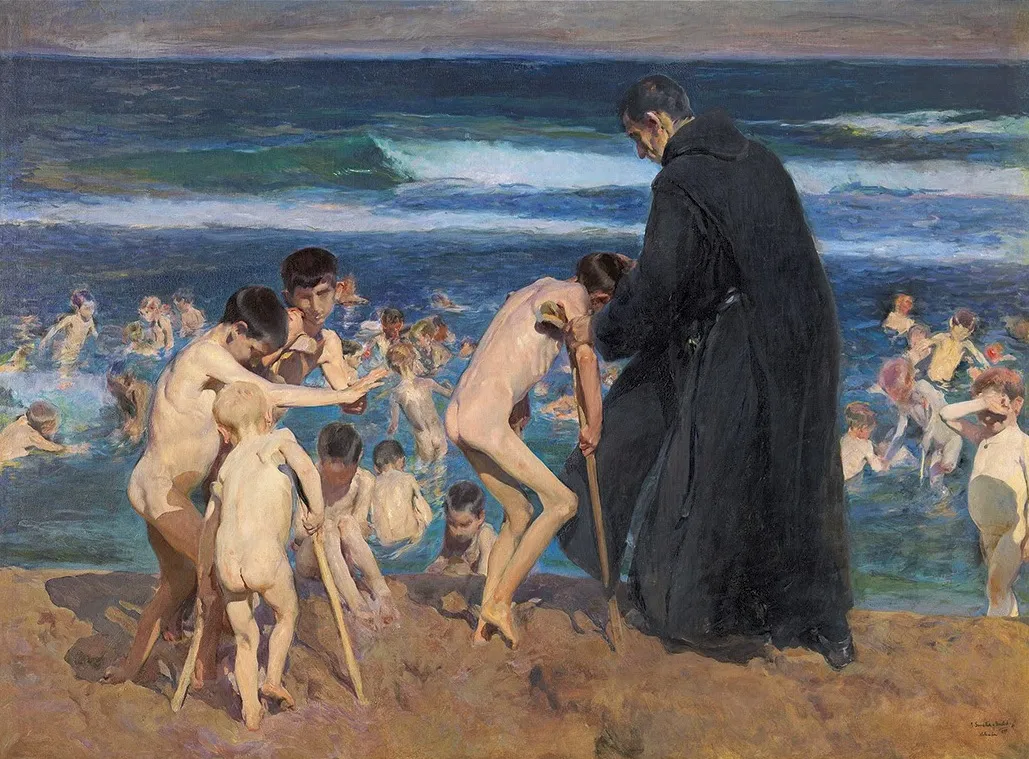
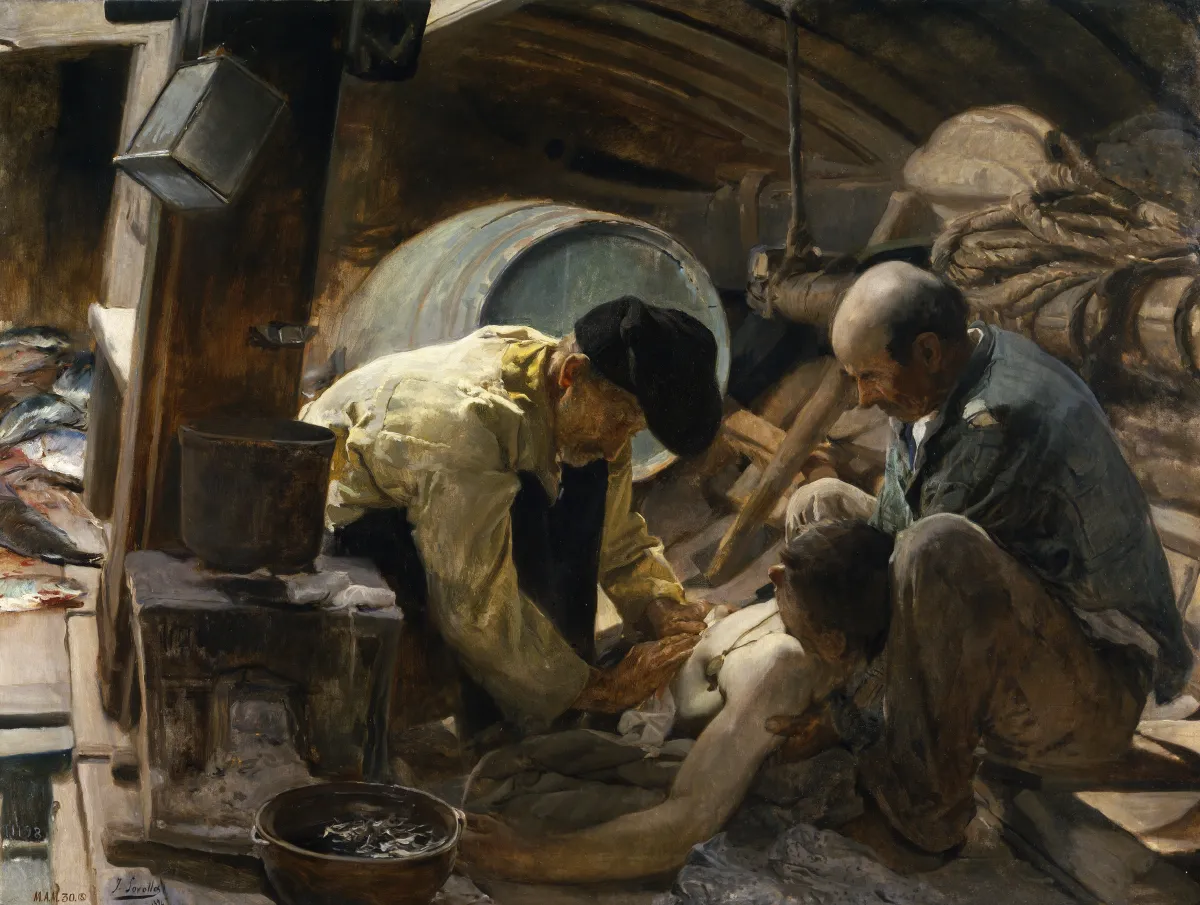
Sorolla’s technical brilliance shines in the "White slave trade," where his mastery of oil on canvas is evident in every brushstroke. The artist employs light and color typical of Impressionism, creating a vivid, atmospheric scene. Similar techniques can be found in his other works, such as "Children in the Sea, 1909" and "Chapel on the Láchar estate," showcasing his consistent ability to evoke emotion and realism in each fine art painting for sale.
"White slave trade" is more than just an oil on canvas; it is a narrative woven from the threads of history and human experience. Sorolla y Bastida uses symbolism and expressive figures to comment on societal issues, a hallmark of many Impressionist works. The painting invites viewers to reflect, much like his "Sad Inheritance" does, making it a compelling addition for anyone seeking a meaningful hand-painted oil painting.
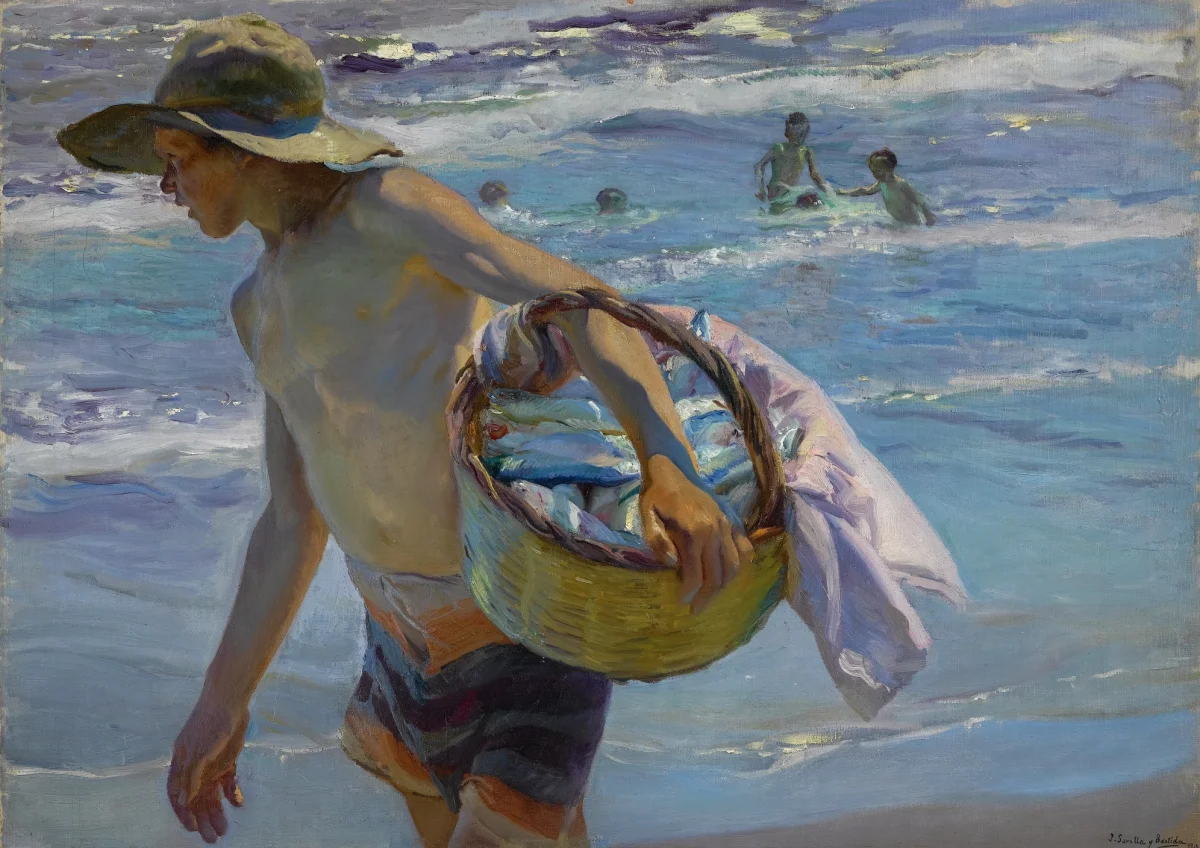
For art collectors, "White slave trade" by Joaquín Sorolla y Bastida represents a rare opportunity to own a distinguished fine art painting for sale. This Impressionist masterpiece holds tremendous value alongside related products like "The Fisherman" and "Chapel on the Láchar estate." Its historical significance and exquisite execution make it a centerpiece in any collection, appealing to those who appreciate oil on canvas works from the Impressionism movement.
When Art Meets History
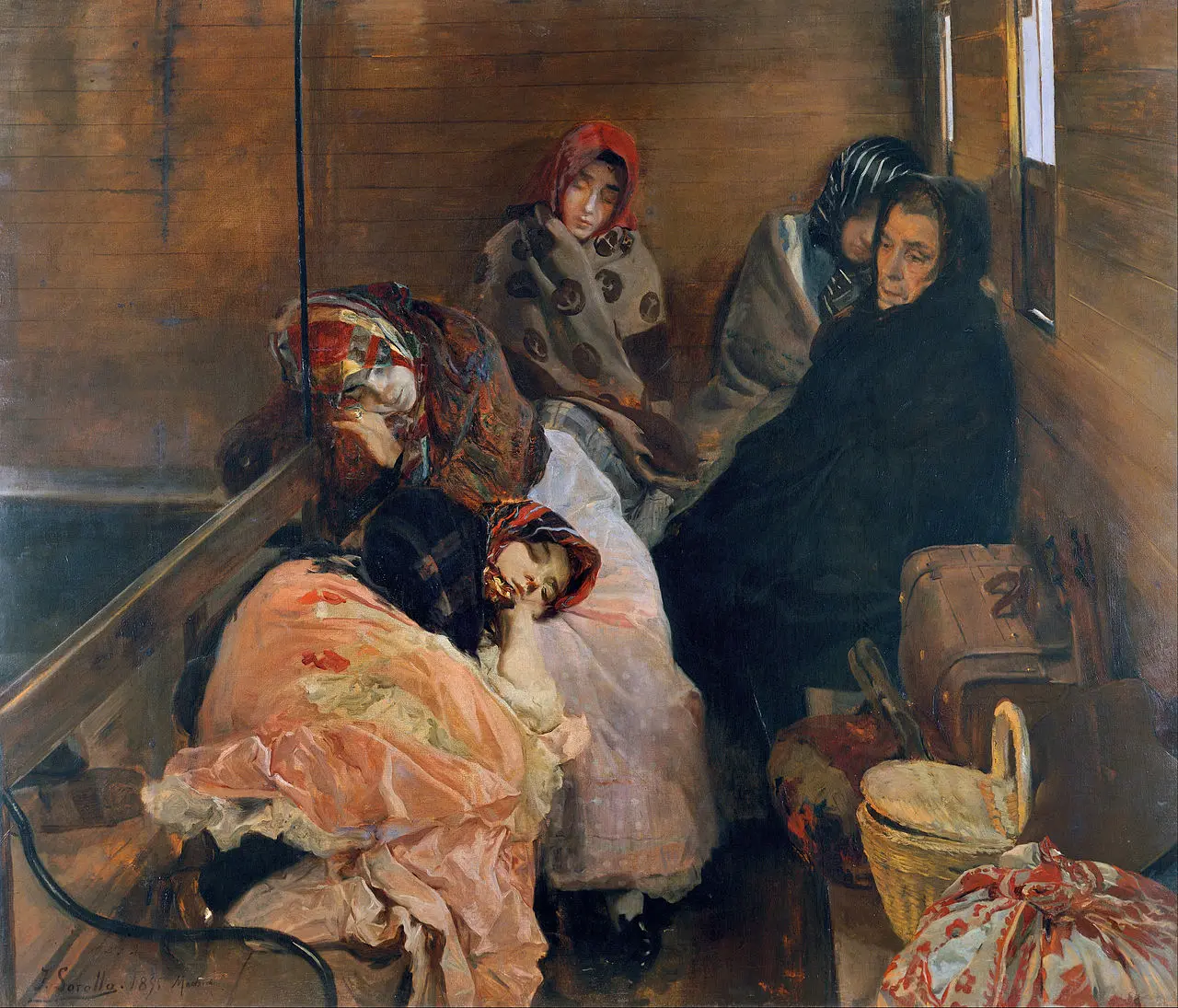
Joaquín Sorolla y Bastida’s “White slave trade” stands as a profound testament to the intersection of social commentary and artistry within the Impressionism movement. This hand-painted oil painting explores themes of exploitation and vulnerability, resonating with the era’s pressing issues. Sorolla’s masterpiece shares historical and thematic ties with other renowned works such as “Terrace at the Seaside, Sainte-Adresse” and “Impression, Sunrise,” making it a significant piece for those seeking meaningful fine art painting for sale.
Techniques That Speak
In “White slave trade,” Sorolla y Bastida employs masterful brushwork and luminous color palettes characteristic of oil on canvas techniques popularized during Impressionism. His unique manipulation of light and texture echoes the atmospheric qualities seen in “Régates à Argenteuil” and “The Floor Scrapers 1875.” This hand-painted oil painting draws viewers into its emotive narrative, showcasing Sorolla’s technical prowess and his ability to convey complex subjects through expressive, impressionistic strokes.
Emotions on Display
The emotional depth in Joaquín Sorolla y Bastida’s “White slave trade” is palpable, inviting viewers to empathize with the figures depicted. Through the Impressionist style, Sorolla captures fleeting moments of despair and hope, much like Renoir’s “Luncheon Of The Boating Party.” The painting’s evocative atmosphere and sensitive portrayal of human experience make it a sought-after hand-painted oil painting for collectors and enthusiasts of emotional fine art.
Coveted by Collectors
As a remarkable example of Impressionism, “White slave trade” by Joaquín Sorolla y Bastida is highly coveted among collectors seeking oil on canvas masterpieces. Its rarity and historical significance, alongside related paintings such as “Impression, Sunrise” and “Terrace at the Seaside, Sainte-Adresse,” contribute to its enduring appeal. This fine art painting for sale represents not only artistic brilliance but also a poignant narrative, making it a prized addition to any art collection.
Related Impressionism Hand-Painted Oil Paintings by Other Artists
Other Famous Impressionism Artists:
Frequently Asked Questions About White Slave Trade
What historical context influenced Joaquín Sorolla y Bastida's "White Slave Trade"?
"White Slave Trade" reflects the socio-political climate of the late 19th and early 20th centuries, particularly the issues surrounding colonialism and the exploitation of vulnerable populations. Sorolla's work often addressed social themes, and this painting serves as a commentary on the moral implications of human trafficking during that era.
What artistic techniques did Sorolla use in "White Slave Trade"?
Sorolla employed his signature loose brushwork and vibrant color palette to convey emotion and movement. The use of light and shadow enhances the dramatic tension of the scene, drawing the viewer's attention to the figures and their plight.
What symbolism is present in "White Slave Trade"?
The figures in "White Slave Trade" symbolize the loss of freedom and the suffering of individuals subjected to exploitation. The contrast between light and dark in the painting may represent hope and despair, highlighting the duality of human experience in the context of slavery.
How does "White Slave Trade" reflect Sorolla's artistic style?
This painting exemplifies Sorolla's Impressionist influences, characterized by his ability to capture fleeting moments and emotions. His focus on realism combined with expressive brushwork creates a poignant narrative that resonates with viewers.
What message did Sorolla intend to convey through "White Slave Trade"?
Sorolla aimed to raise awareness about the injustices of human trafficking and the moral responsibilities of society. The painting serves as a visual plea for empathy and action against such exploitation.
In what way does "White Slave Trade" fit into the broader themes of Sorolla's oeuvre?
"White Slave Trade" aligns with Sorolla's recurring themes of social justice and human dignity. Throughout his career, he often depicted the struggles of marginalized communities, using his art as a platform for advocacy.
What role does color play in "White Slave Trade"?
The color palette in "White Slave Trade" is both striking and evocative, with warm tones suggesting humanity and suffering, while cooler hues may imply isolation and despair. This deliberate use of color enhances the emotional impact of the painting.
How has "White Slave Trade" been received by critics and art historians?
Critics and art historians have praised "White Slave Trade" for its emotional depth and technical prowess. It is often viewed as a significant work that challenges viewers to confront uncomfortable truths about society and history.
What impact did "White Slave Trade" have on contemporary views of slavery and exploitation?
The painting has contributed to ongoing discussions about the legacy of slavery and human rights. By depicting the harsh realities of exploitation, Sorolla's work continues to resonate with contemporary audiences and advocates for social justice.
Can you describe the composition of "White Slave Trade"?
The composition of "White Slave Trade" is dynamic, with figures positioned in a way that creates a sense of movement and urgency. The arrangement draws the viewer's eye across the canvas, emphasizing the narrative and emotional weight of the scene.






















_GFM_Painting_(1).webp)


 100% Hand-Painted: Finished in 3-6 Weeks

.png)















_(1).webp)