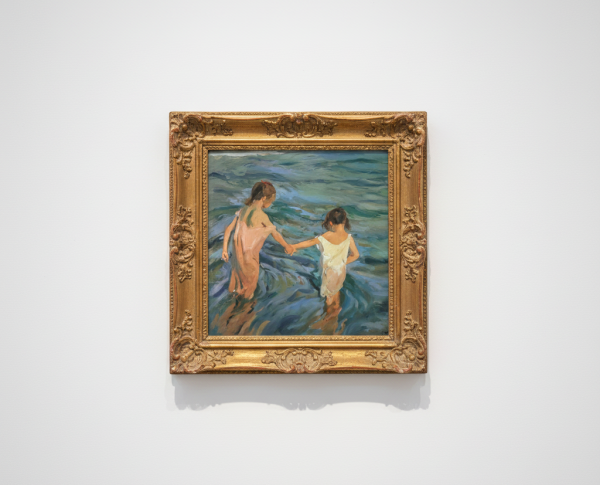
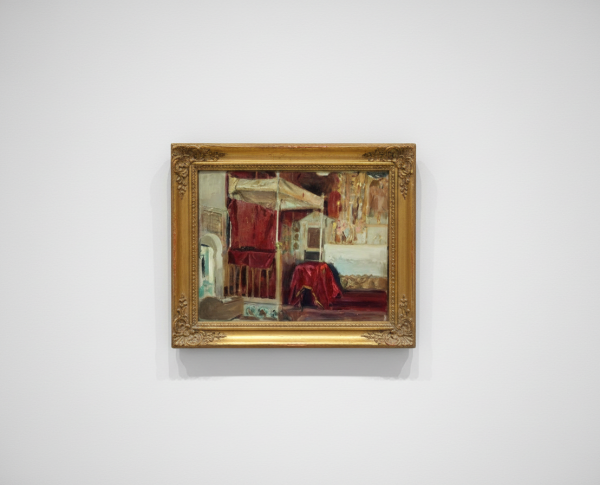
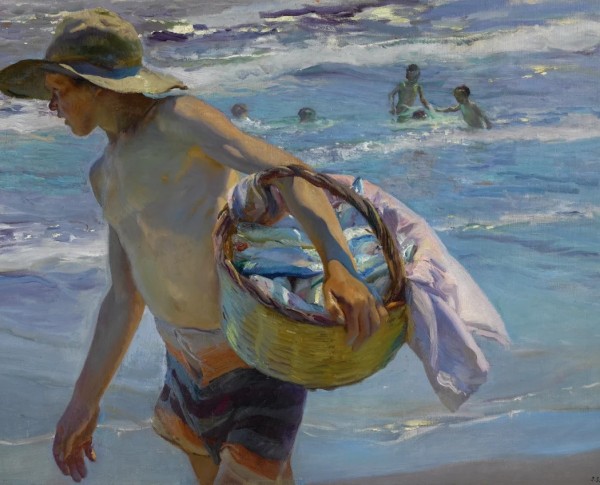
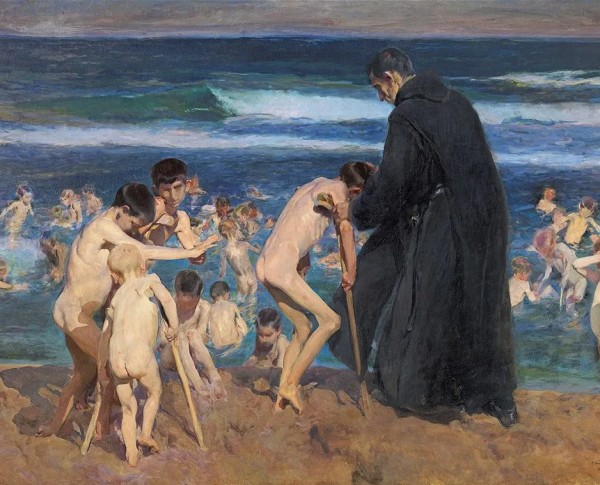
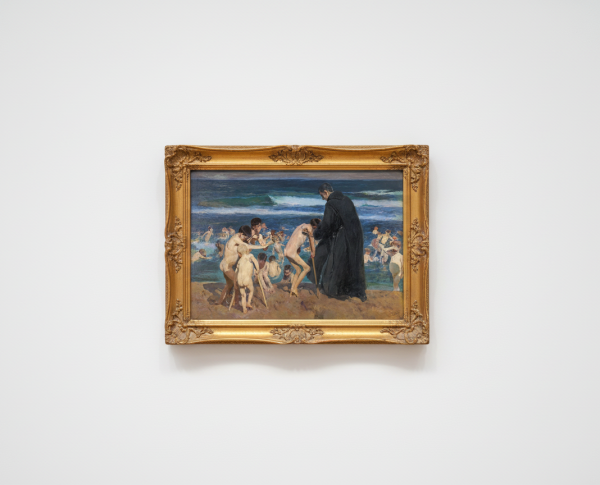
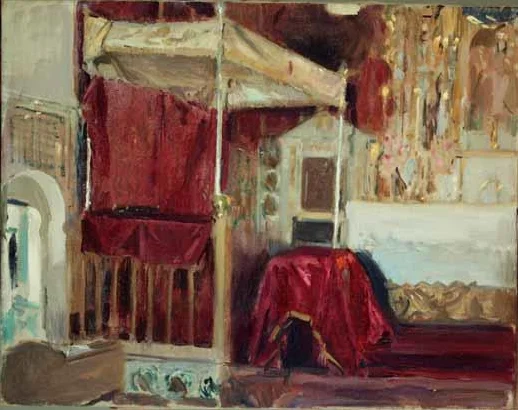
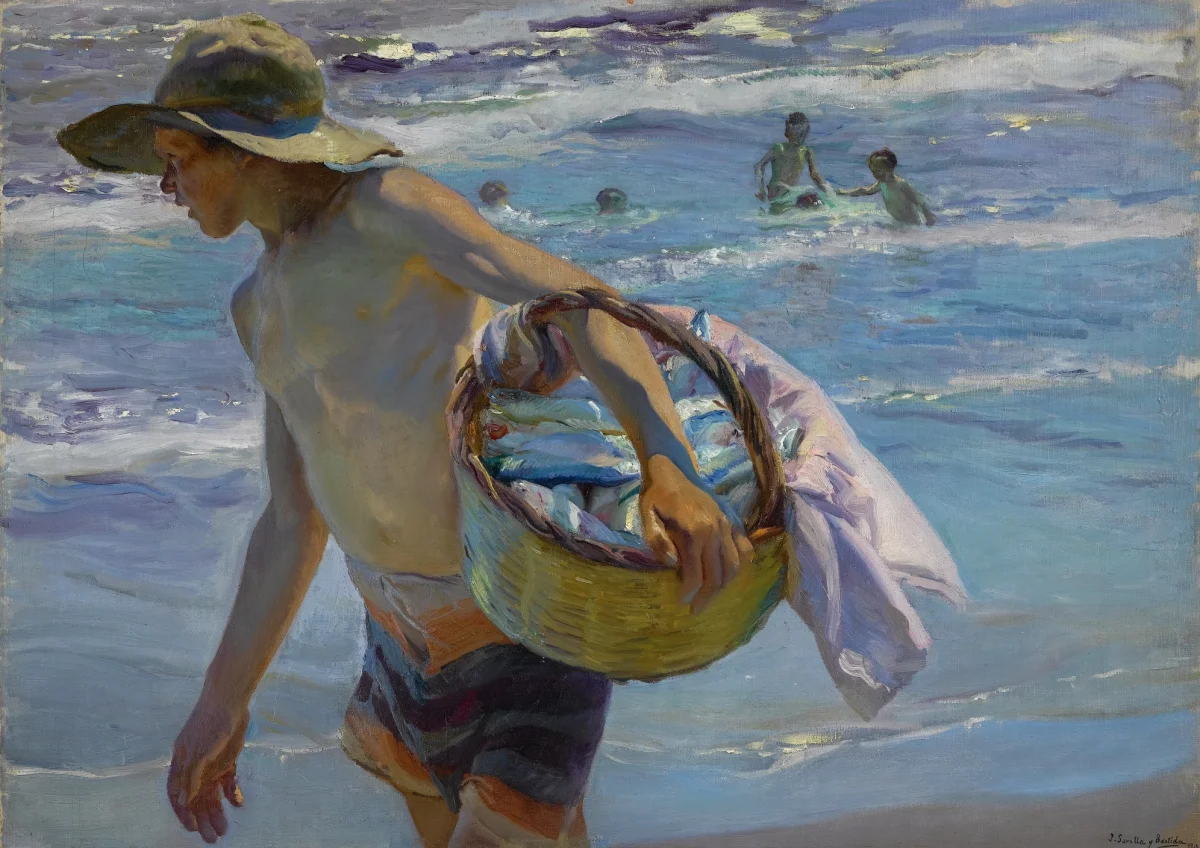
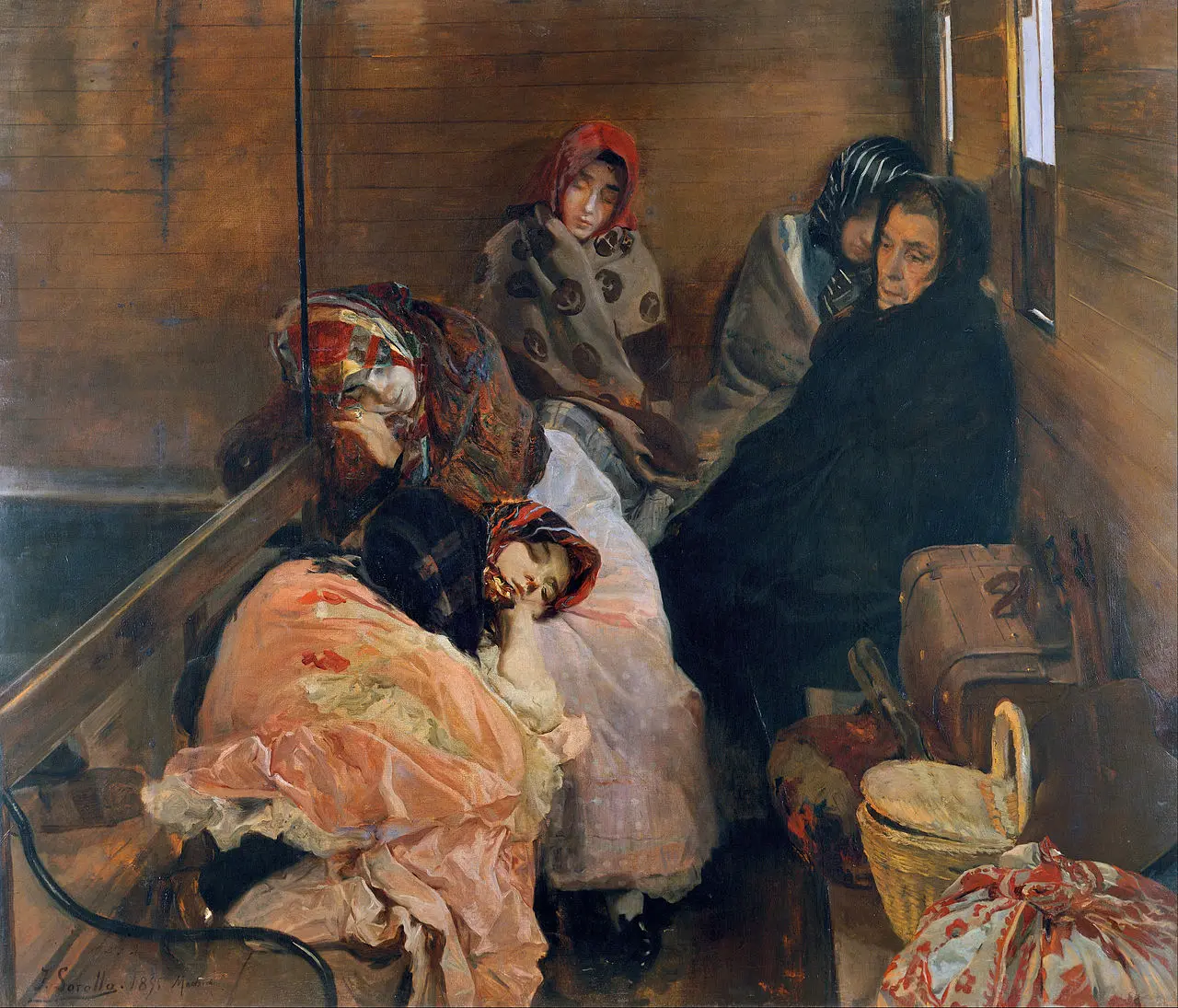
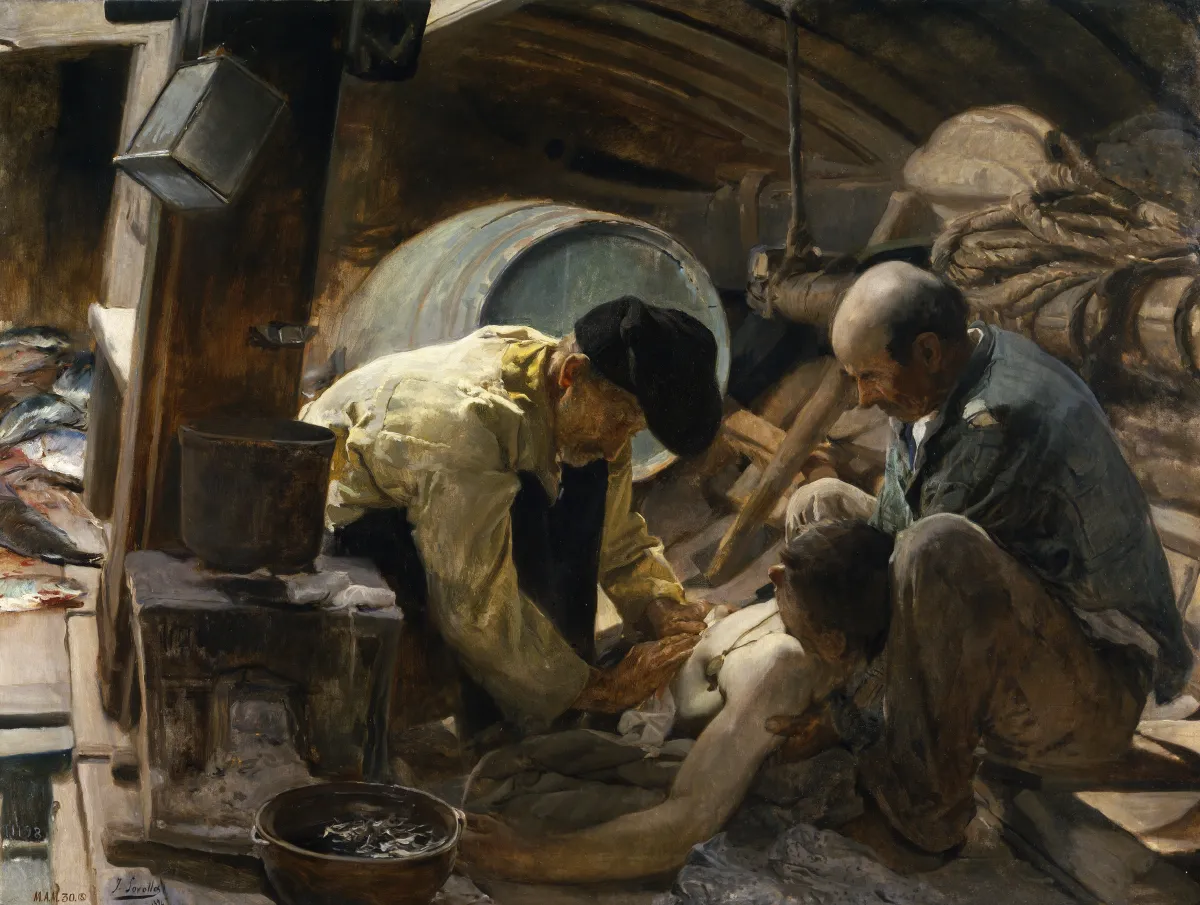
Joaquín Sorolla y Bastida’s "Sad Inheritance" showcases the artist’s exceptional technique in oil on canvas. Through expressive brushwork and delicate color harmonies, Sorolla conveys the shimmering atmosphere of the beach and the emotional resonance of the scene. Impressionism’s influence is clear in every detail, inviting viewers to explore companion works such as "Chapel on the Láchar estate" and "The Fisherman" for a broader appreciation of Sorolla’s remarkable skill and creative evolution.
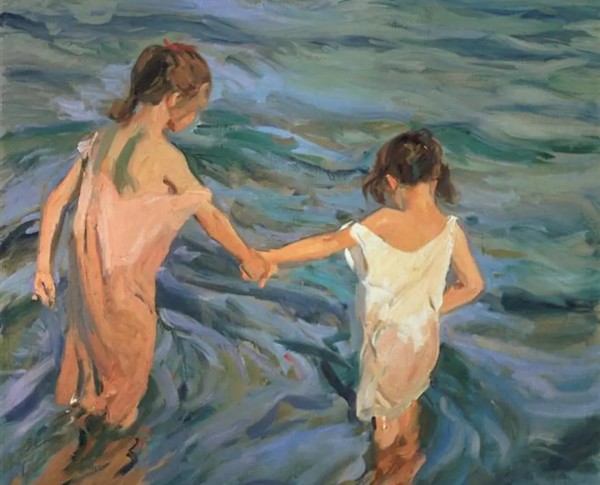
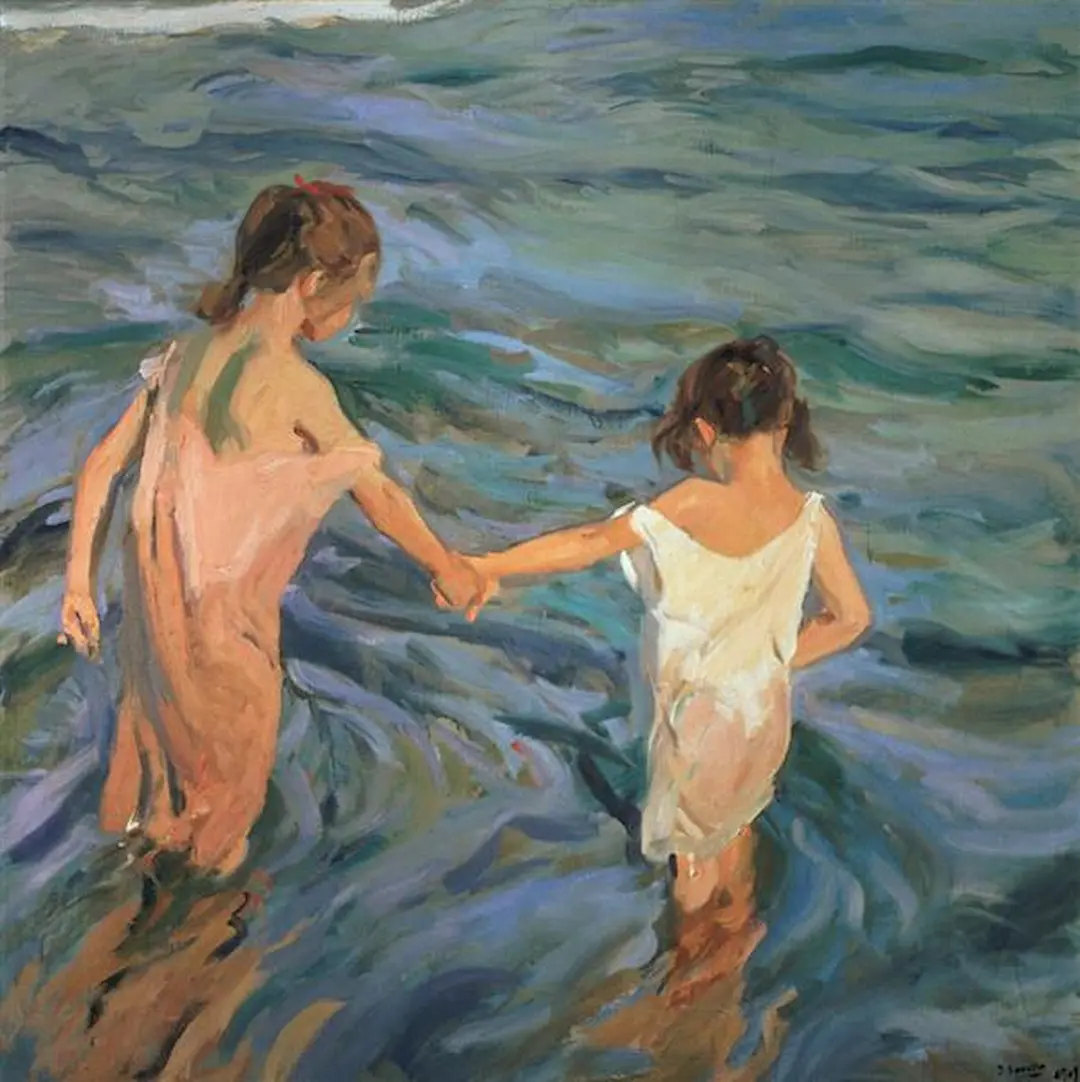
The narrative depth of "Sad Inheritance" is amplified through its symbolic elements, making it a significant fine art painting for sale among Impressionist masterpieces. Sorolla y Bastida uses the setting and figures to comment on themes of innocence, loss, and compassion. Collectors often seek related products like "Children in the Sea, 1909" and "The Fisherman" to complement their understanding of Sorolla’s storytelling prowess within the Impressionism movement, enriching any curated collection.
For those seeking a remarkable addition to their collection, "Sad Inheritance" by Joaquín Sorolla y Bastida is a hand-painted oil painting that epitomizes the emotional depth of Impressionism. This masterpiece, along with related works such as "Chapel on the Láchar estate," offers a unique glimpse into the artist’s world. Such paintings are not only visually captivating but also represent valuable fine art painting for sale, treasured by collectors and art enthusiasts worldwide.
When Art Meets History
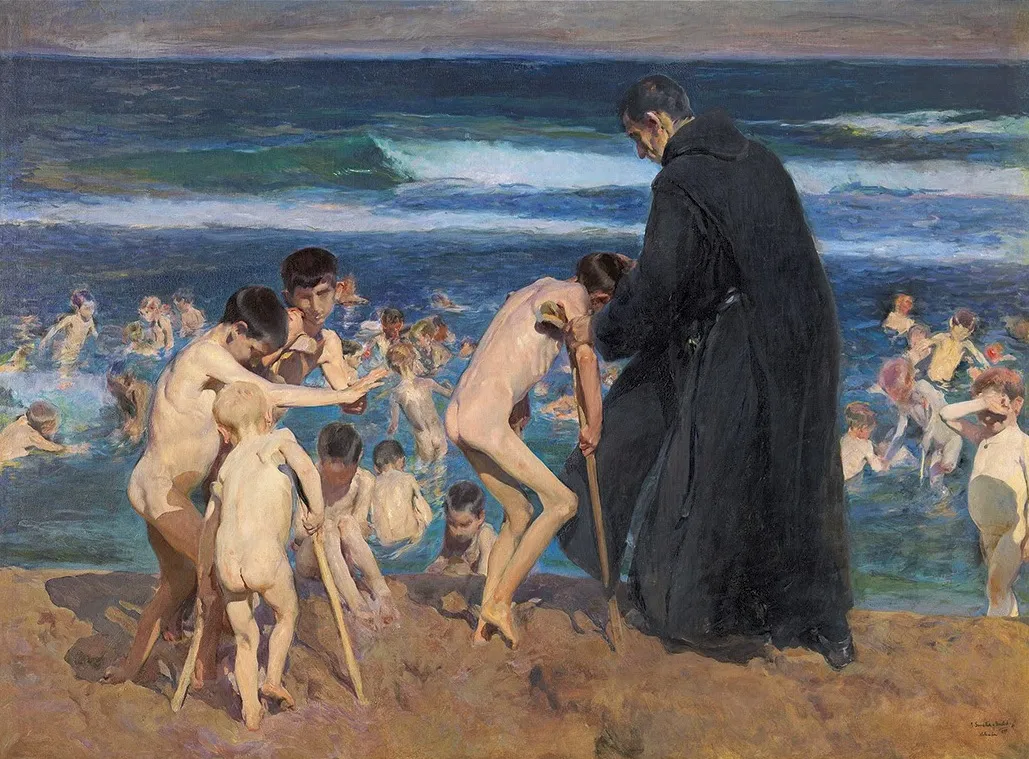
"Sad Inheritance" by Joaquín Sorolla y Bastida stands as a landmark in the Impressionism movement, capturing a poignant moment from history. This hand-painted oil painting portrays disabled children bathing under the supervision of a monk, reflecting the social realities of late 19th-century Spain. Sorolla’s masterpiece resonates alongside related paintings like "Woman in the Garden" and "Haystacks," offering a powerful narrative that intertwines art and societal commentary, making it a significant piece in both art and historical circles.
Techniques That Speak
Joaquín Sorolla y Bastida’s "Sad Inheritance" showcases his mastery of oil on canvas, utilizing luminous brushstrokes and vibrant light to evoke the Impressionist tradition. The painting’s dynamic use of color and natural lighting aligns it with works such as "The Railway Bridge at Argenteuil" and "Garden at Sainte-Adresse." Sorolla’s technique in this oil on canvas not only captures fleeting moments but also imbues the scene with emotional depth and technical brilliance characteristic of Impressionism.
Emotions on Display
"Sad Inheritance" evokes deep emotion, a quality central to the Impressionism movement and evident in Joaquín Sorolla y Bastida’s approach. The fine art painting for sale depicts vulnerability and compassion, much like the mood found in "Les Tilleuls à Poissy." Sorolla’s sensitive portrayal of the children’s plight invites viewers to reflect on empathy and humanity, making this fine art painting for sale a profound expression of both personal and collective experience.
Coveted by Collectors
For art collectors and enthusiasts, "Sad Inheritance" by Joaquín Sorolla y Bastida is a highly sought-after hand-painted oil painting that exemplifies the Impressionism movement. Its historical significance and technical mastery place it alongside treasured works like "Woman in the Garden" and "Haystacks." The painting’s rare emotional power and artistry make it a prized possession for those seeking a meaningful and influential piece of Impressionist art for their collection.
Related Impressionism Hand-Painted Oil Paintings by Other Artists
Other Famous Impressionism Artists:
Frequently Asked Questions About Sad Inheritance
What is the historical context of "Sad Inheritance"?
"Sad Inheritance" was painted by Joaquín Sorolla y Bastida in 1899, during a period marked by Spain's struggle to redefine its identity following the loss of its colonies. The painting reflects the social issues of the time, particularly the plight of the working class and the impact of poverty.
What artistic techniques did Sorolla use in "Sad Inheritance"?
Sorolla employed his signature use of light and color to convey emotion and atmosphere. The painting features loose brushwork and vibrant hues, which are characteristic of his style, allowing for a dynamic interplay between light and shadow.
What is the symbolism behind the figures in "Sad Inheritance"?
The central figures of the painting—a group of children and a fisherman—symbolize innocence and the harsh realities of life. The children represent the future, while the fisherman embodies the burdens of adulthood, highlighting the cycle of life and the inevitable passage of time.
How does "Sad Inheritance" reflect Sorolla's views on social issues?
The painting serves as a poignant commentary on social inequality and the struggles faced by the lower classes. Sorolla's choice to depict children in a vulnerable state emphasizes the need for societal change and compassion towards the disadvantaged.
What role does light play in "Sad Inheritance"?
Light is a crucial element in "Sad Inheritance," as it not only illuminates the figures but also enhances the emotional depth of the scene. Sorolla's masterful manipulation of light creates a sense of hope amidst despair, suggesting the possibility of a brighter future for the children.
What influences can be seen in Sorolla's style in this painting?
Sorolla's style in "Sad Inheritance" is influenced by Impressionism, particularly in his emphasis on capturing the effects of light and movement. Additionally, his Spanish heritage informs the subject matter and emotional resonance of the work, merging personal and cultural narratives.
What is the significance of the title "Sad Inheritance"?
The title "Sad Inheritance" reflects the somber themes of the painting, suggesting that the children are inheriting not only the beauty of life but also its hardships. It evokes a sense of melancholy regarding the burdens that future generations may carry.
How does "Sad Inheritance" compare to other works by Sorolla?
What techniques did Sorolla use to depict the ocean in "Sad Inheritance"?
Sorolla utilized fluid brushstrokes and a vibrant palette to capture the movement and texture of the ocean. The waves are rendered with a sense of dynamism, enhancing the painting's emotional impact and connecting the figures to their environment.
What impact did "Sad Inheritance" have on Sorolla's career?
"Sad Inheritance" was pivotal in establishing Sorolla's reputation as a leading figure in Spanish art. The painting garnered significant attention and acclaim, reinforcing his commitment to social themes and solidifying his place in the history of modern art.






















_GFM_Painting_(1).webp)


 100% Hand-Painted: Finished in 3-6 Weeks

.png)















_(1).webp)