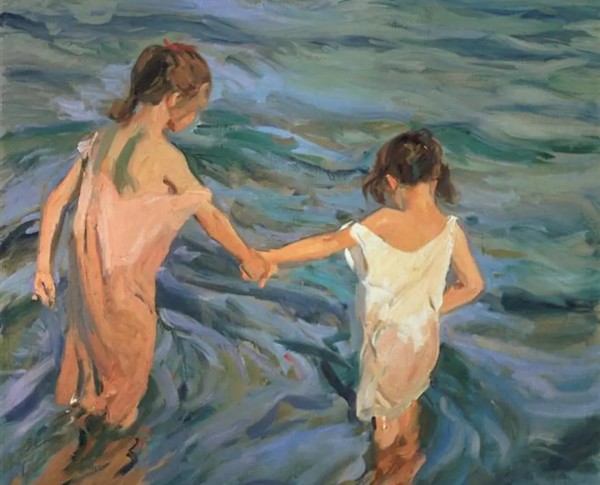
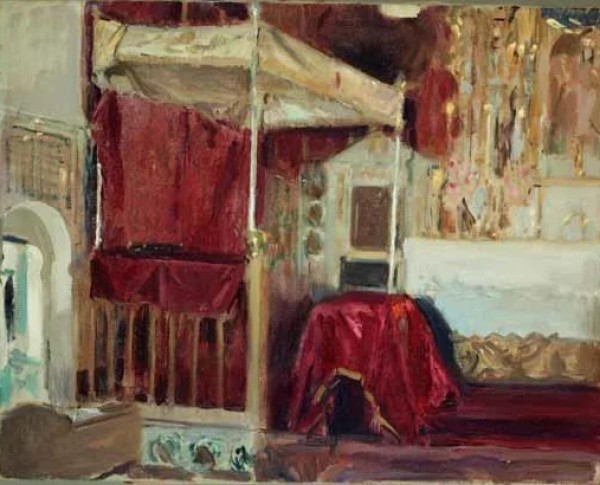
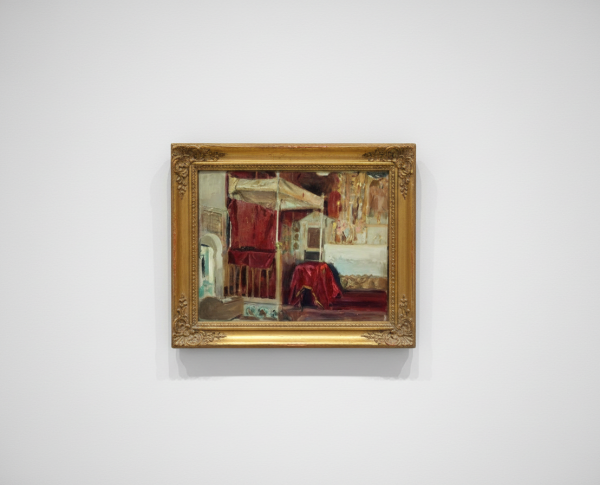
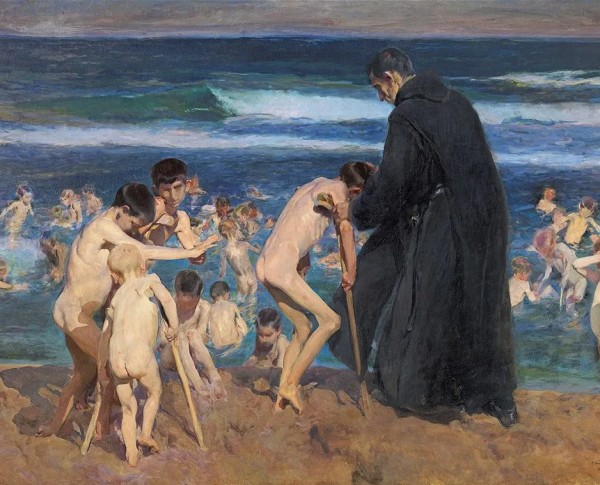
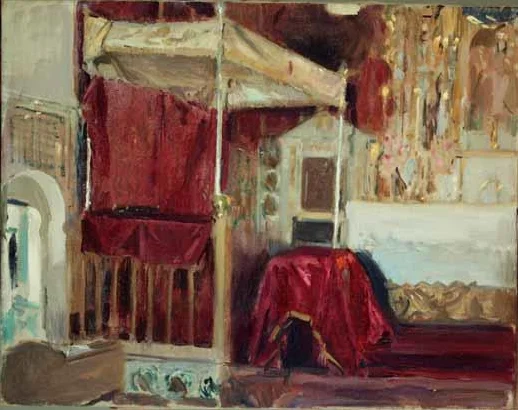
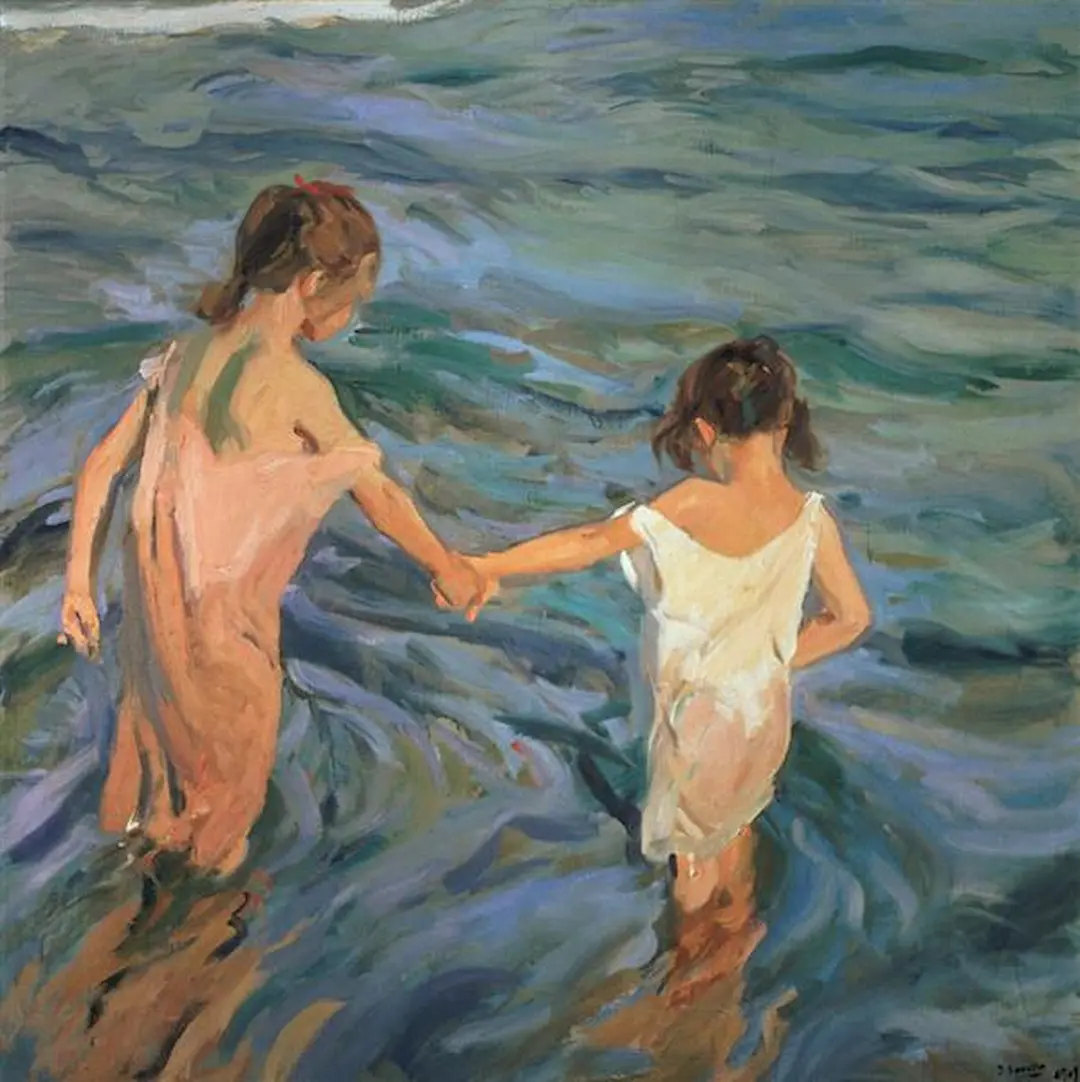
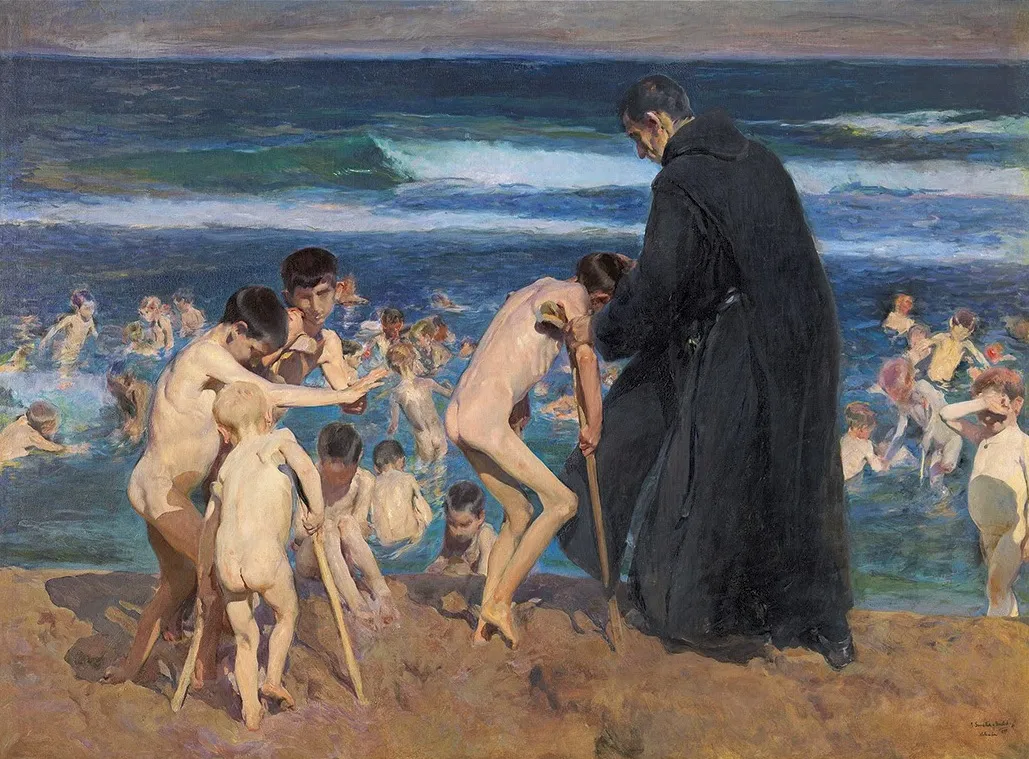
Rendered with remarkable fluidity, Sorolla’s "Chapel on the Láchar estate" exemplifies the luminous techniques of oil on canvas. His brushwork and keen eye for color interplay bring the chapel and its surroundings to life, embodying the spirit of Impressionism. Art lovers interested in similar masterpieces may also explore related products like "Children in the Sea, 1909," both highlighting Sorolla’s unparalleled skill in capturing natural light and atmosphere.
Within "Chapel on the Láchar estate," Sorolla weaves stories through subtle symbols and vibrant scenery. The painting invites viewers to imagine the lives touched by the peaceful chapel, a recurring motif in his fine art painting for sale. As part of the Impressionism movement, Sorolla’s work resonates with collectors who value paintings that evoke emotion and narrative, much like his celebrated piece "Children in the Sea, 1909."
For those seeking a fine art painting for sale, "Chapel on the Láchar estate" by Joaquín Sorolla y Bastida stands out as a prized addition. This Impressionist masterpiece, along with related works like "Children in the Sea, 1909," offers art aficionados a glimpse into a world of radiant color and serene landscapes. Sorolla’s ability to transform everyday scenes into enduring treasures ensures his paintings remain highly sought after by discerning collectors.
When Art Meets History
"Chapel on the Láchar estate" by Joaquín Sorolla y Bastida stands as a testament to the Impressionism movement, capturing a moment where architecture and landscape blend seamlessly. This hand-painted oil painting not only reflects Sorolla's mastery but also provides a window into Spanish history. The chapel's serene setting is reminiscent of related works such as "Women in the Garden" and "Hôtel des Roches Noires," each revealing unique stories through vibrant brushwork and atmospheric light.
Techniques That Speak
Joaquín Sorolla y Bastida’s "Chapel on the Láchar estate" demonstrates the artist’s renowned use of oil on canvas, a medium that allows for rich color and dynamic light effects. As in "Woman in the Garden" and "Lilac in the Sun," Sorolla’s brushstrokes evoke movement and luminosity, hallmarks of Impressionism. The painting’s layered textures and lively palette showcase the techniques that make Sorolla’s work so admired among art lovers and collectors alike.
Emotions on Display
The tranquil ambiance of "Chapel on the Láchar estate" evokes deep emotional resonance, a signature of Sorolla’s Impressionist approach. Through this fine art painting for sale, viewers are invited to experience a sense of calm and reverence, much like in "Woman wiping her left foot." Sorolla’s choice of light and color not only captures the essence of the moment but also stirs a gentle nostalgia, making the scene unforgettable for admirers of Impressionist art.
Coveted by Collectors
As with other masterpieces by Joaquín Sorolla y Bastida, "Chapel on the Láchar estate" has become highly sought after among collectors who appreciate hand-painted oil paintings from the Impressionism movement. The painting’s timeless subject and exquisite execution set it alongside related works like "Women in the Garden" and "Hôtel des Roches Noires." Its enduring appeal ensures that it remains a prized addition to any fine art collection, admired for both its beauty and historical significance.
Related Impressionism Hand-Painted Oil Paintings by Other Artists
Other Famous Impressionism Artists:
Frequently Asked Questions About Chapel on the Láchar estate
What is the historical context of "Chapel on the Láchar estate"?
"Chapel on the Láchar estate" was painted during a period in which Joaquín Sorolla was deeply influenced by his surroundings in Spain. The work reflects the cultural and architectural heritage of the early 20th century, showcasing the significance of rural estates in Spanish society.
What artistic techniques did Sorolla employ in this painting?
Sorolla is known for his mastery of light and color. In "Chapel on the Láchar estate," he utilizes vibrant hues and dynamic brushwork to capture the interplay of sunlight and shadow, creating a sense of depth and atmosphere that is characteristic of his style.
What symbolism can be found in "Chapel on the Láchar estate"?
The chapel itself symbolizes spirituality and the connection between the land and its inhabitants. It represents a place of refuge and contemplation amidst the natural beauty of the estate, reflecting the harmony between architecture and nature.
How does "Chapel on the Láchar estate" reflect Sorolla's artistic philosophy?
Sorolla believed in capturing the essence of a moment through light and color. This painting exemplifies his philosophy by portraying the chapel as a living part of the landscape, emphasizing the importance of the environment in shaping human experiences.
What influences can be seen in Sorolla's style in this painting?
In "Chapel on the Láchar estate," influences from Impressionism are evident, particularly in the loose brushwork and emphasis on natural light. Sorolla's ability to convey movement and the fleeting qualities of light showcases his admiration for the Impressionist movement.
What role does color play in "Chapel on the Láchar estate"?
Color plays a pivotal role in this painting, as Sorolla uses a vibrant palette to evoke emotions and set the mood. The warm tones of the chapel contrast with the cooler shades of the surrounding landscape, creating a visual balance that draws the viewer's eye.
What is the significance of the chapel's architecture in the painting?
The architecture of the chapel reflects traditional Spanish design, which is integral to the cultural identity of the region. Sorolla's attention to detail in the chapel’s structure highlights the importance of preserving historical architecture in the face of modernization.
How does this painting compare to Sorolla's other works?
"Chapel on the Láchar estate" is distinctive among Sorolla's works for its focus on a singular architectural subject rather than expansive landscapes or figures. This painting showcases his versatility as an artist and his ability to convey beauty in diverse forms.
What was the public's reaction to "Chapel on the Láchar estate" when it was first exhibited?
Upon its exhibition, "Chapel on the Láchar estate" was well-received by the public and critics alike, praised for its luminous quality and emotional depth. It solidified Sorolla's reputation as a leading figure in the Spanish art scene of his time.
What themes are prevalent in "Chapel on the Láchar estate"?
The themes of nature, spirituality, and cultural heritage are prevalent in this painting. Sorolla explores the relationship between humanity and the environment, emphasizing the tranquility found in rural settings and the significance of spiritual spaces.






















_GFM_Painting_(1).webp)


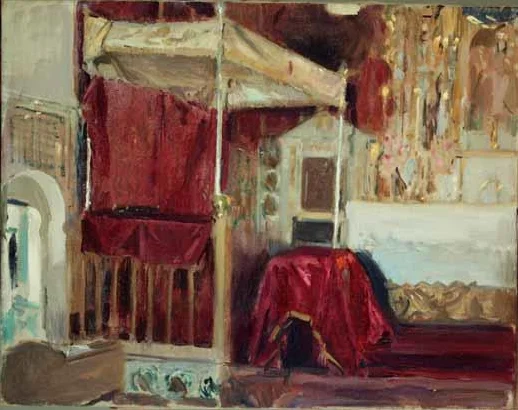
 100% Hand-Painted: Finished in 3-6 Weeks

.png)















_(1).webp)