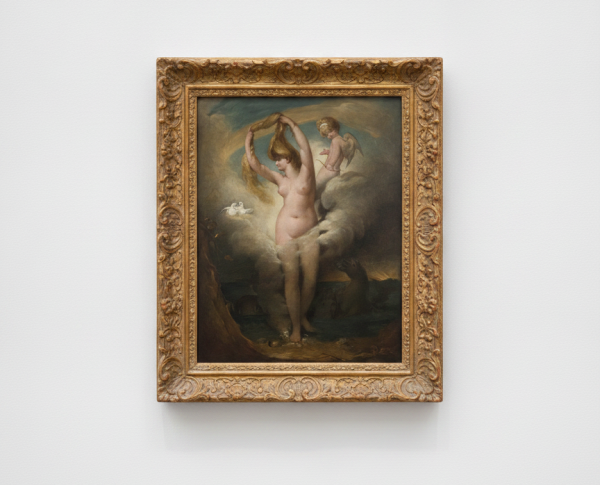
Frequently Asked Questions About William Hunter
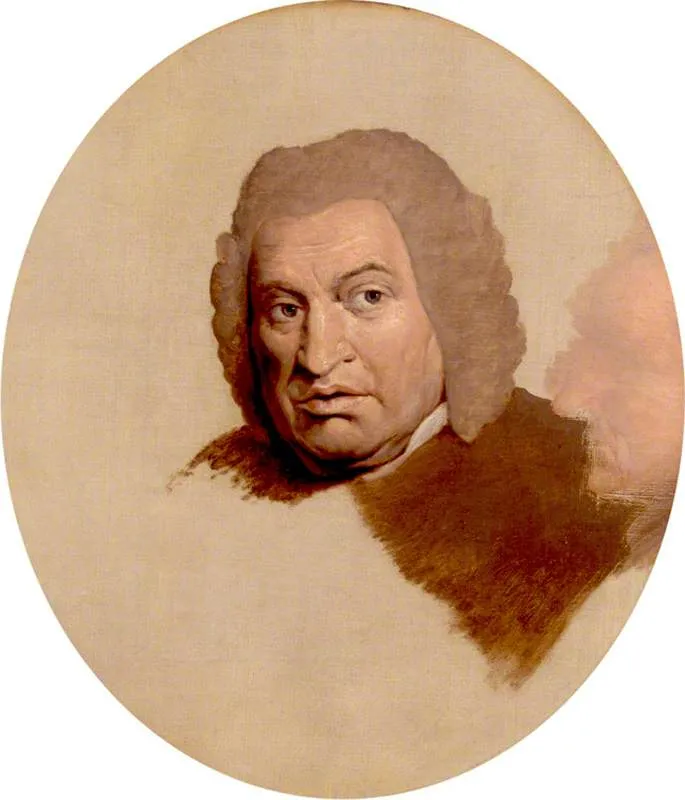
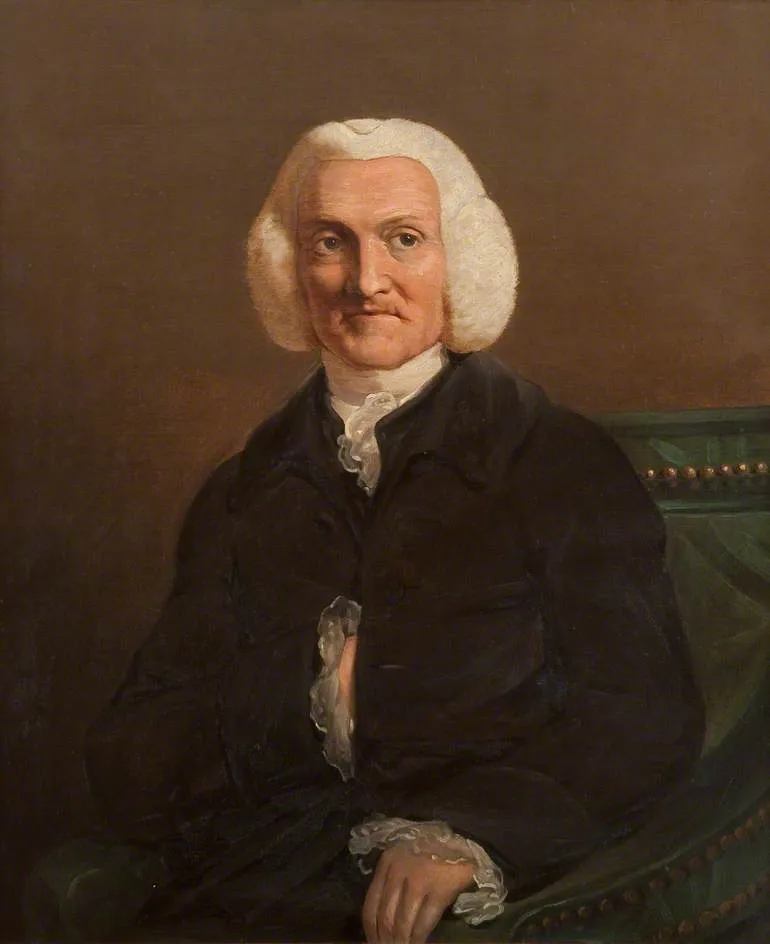
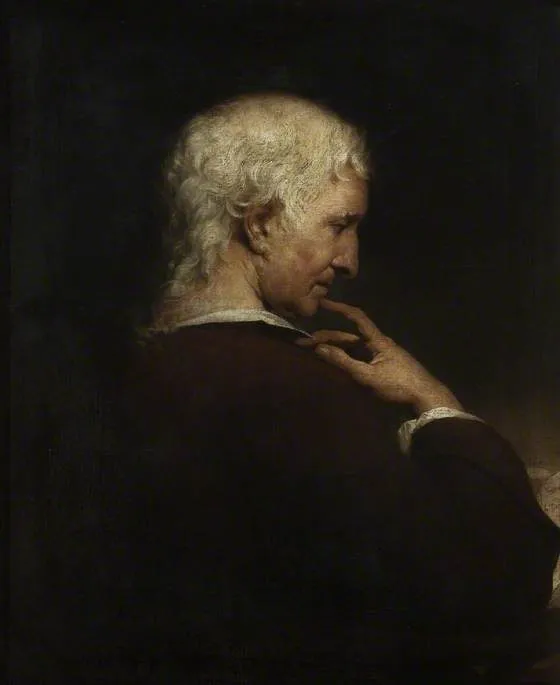
Who is depicted in the painting "William Hunter"?
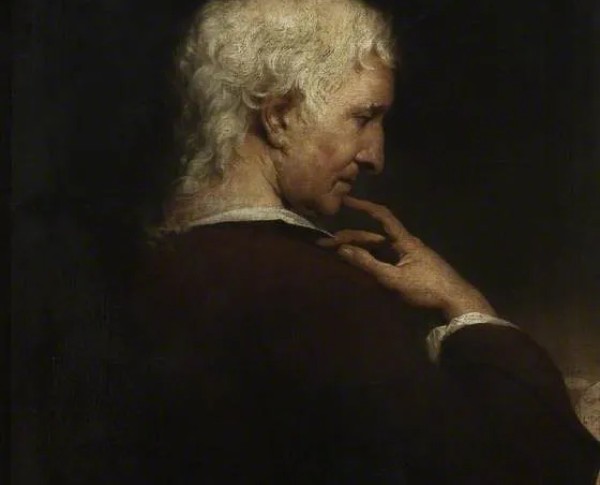
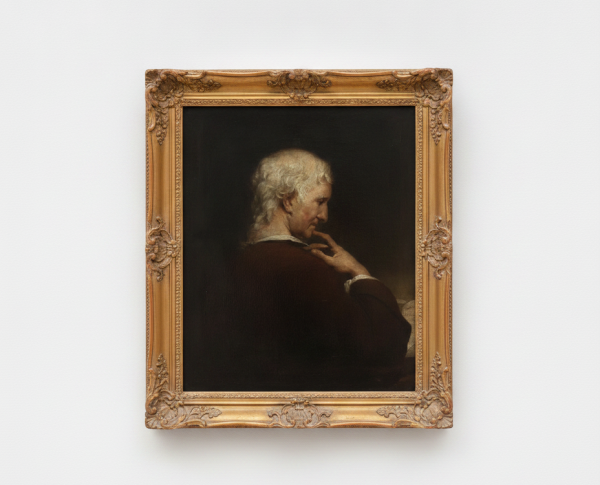
The painting "William Hunter" features the prominent Scottish physician and anatomist William Hunter, known for his contributions to the fields of medicine and anatomy in the 18th century.
Who is the artist of "William Hunter"?
What is the historical significance of William Hunter?
William Hunter was a pioneering figure in the study of anatomy and obstetrics, and his work laid the foundation for modern medical practices. He was also instrumental in the establishment of the first medical school in London.
What artistic style is employed in "William Hunter"?
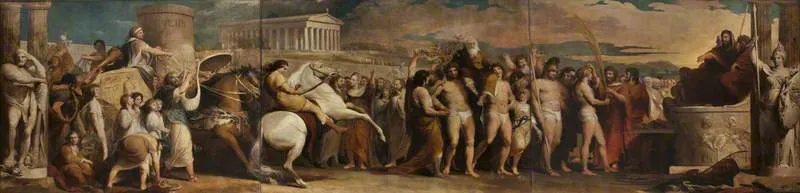
The painting exemplifies the neoclassical style, characterized by its emphasis on clarity, order, and the use of classical themes, reflecting the ideals of the Enlightenment period.
What are the symbolic elements present in the painting?
The painting incorporates various symbolic elements, such as anatomical tools and books, which represent Hunter's dedication to science and education, highlighting the importance of knowledge in the medical field.
How does the composition of "William Hunter" contribute to its meaning?
The composition features a balanced arrangement, with Hunter positioned centrally, which emphasizes his role as a key figure in the advancement of medicine, while the surrounding elements provide context to his work and achievements.
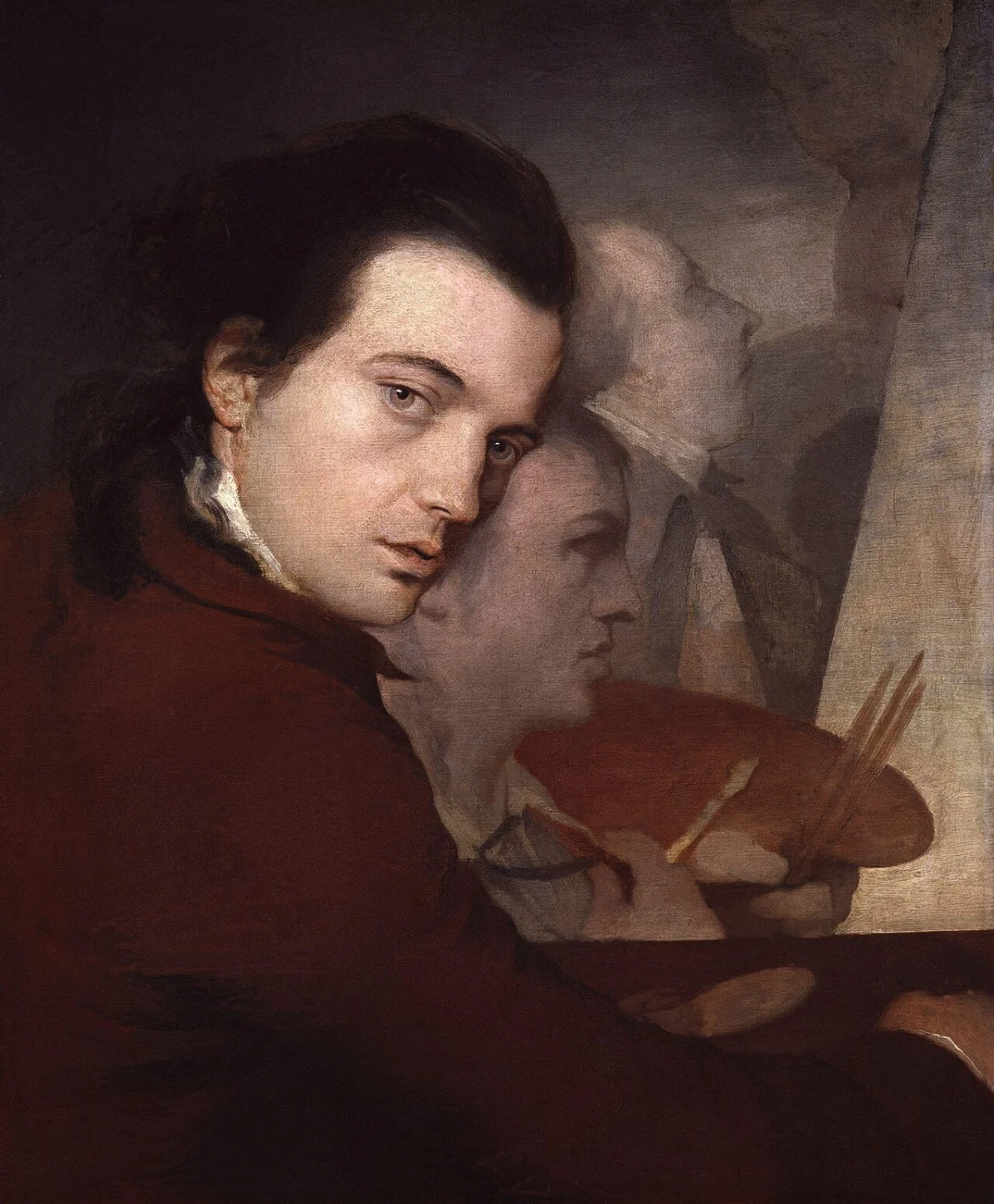
What techniques did James Barry use in this painting?
James Barry utilized oil on canvas, employing techniques such as chiaroscuro to create depth and dimension, as well as careful attention to detail to convey the textures of clothing and anatomical instruments.
In what context was "William Hunter" created?
The painting was created during a time of significant scientific advancement and interest in human anatomy, reflecting the Enlightenment's focus on reason and empirical evidence in the pursuit of knowledge.
What impact did "William Hunter" have on the perception of medical professionals?
The painting elevated the status of medical professionals by portraying Hunter as a dignified and intellectual figure, thereby enhancing the public's respect and appreciation for the medical profession during that era.
Where can I view "William Hunter" today?
"William Hunter" is part of the collection at the [insert gallery name], where it is displayed alongside other significant works from the period, allowing visitors to explore the intersection of art and science.























_GFM_Painting_(1).webp)


 100% Hand-Painted: Finished in 3-6 Weeks

.png)















_(1).webp)