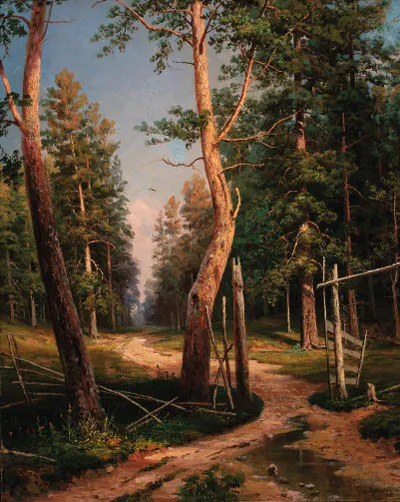
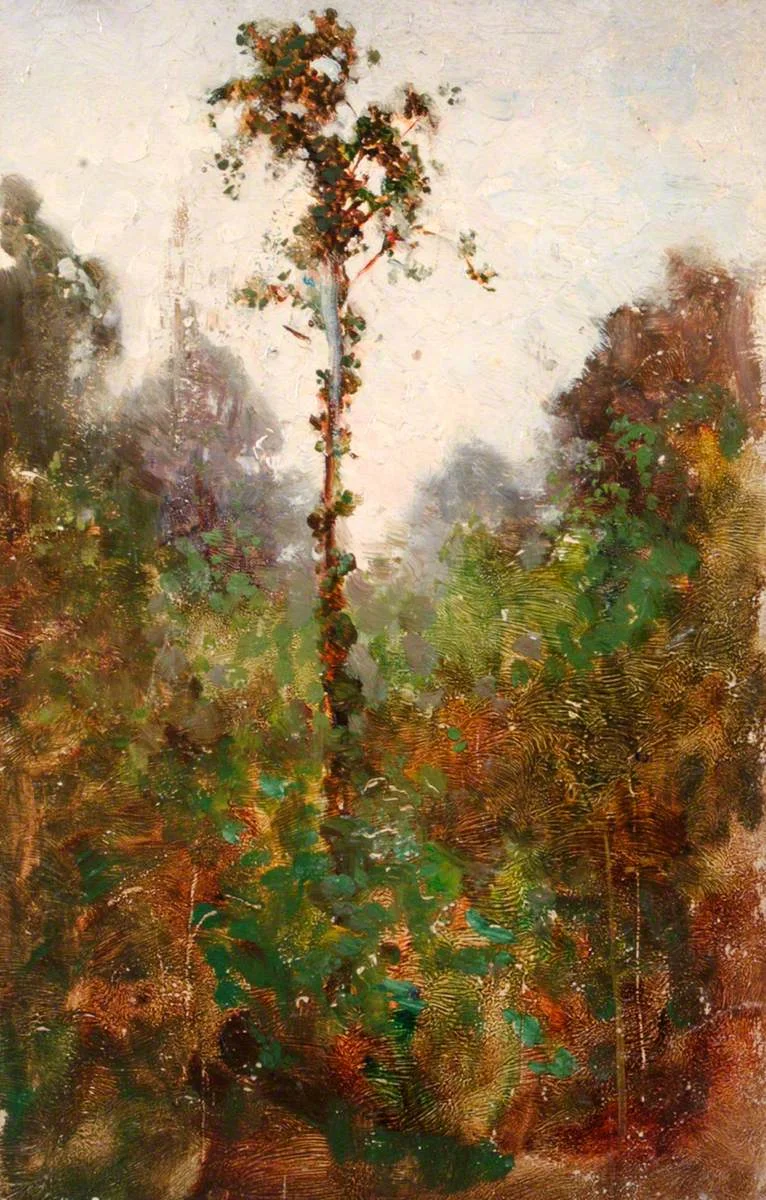
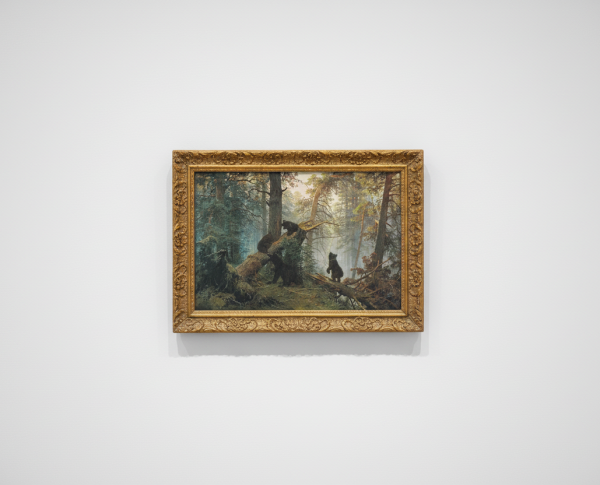
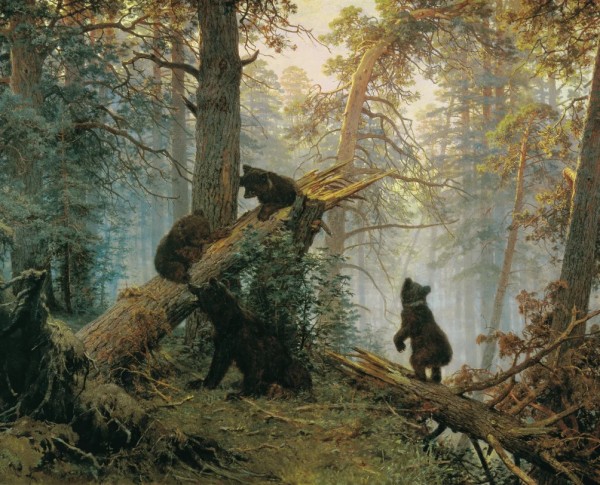
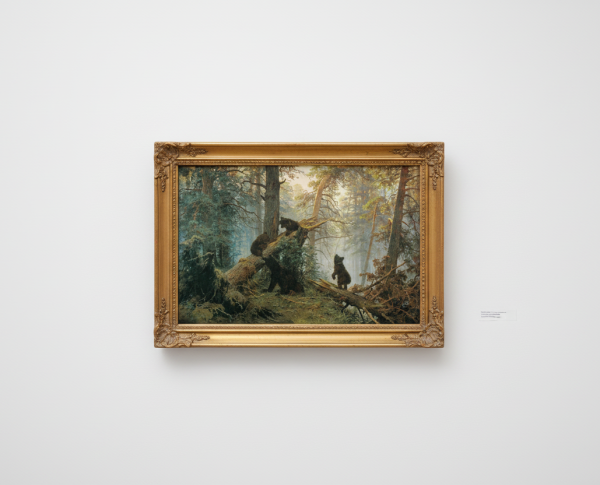
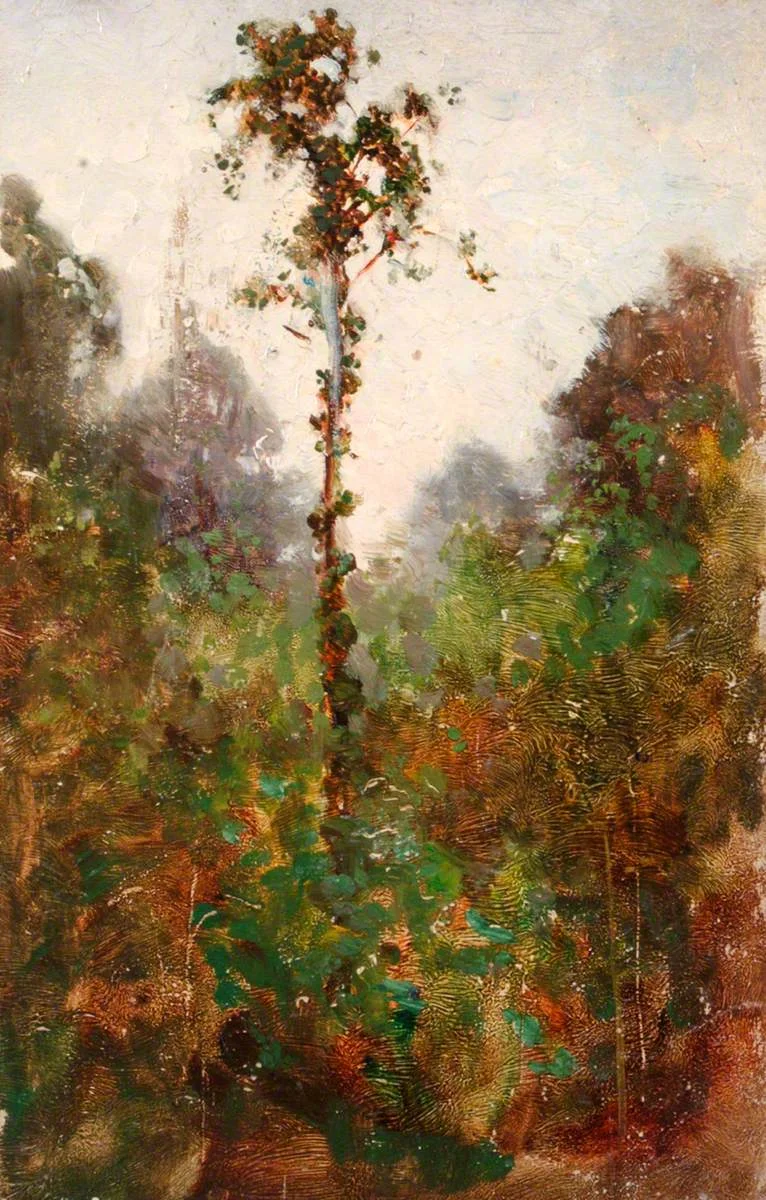
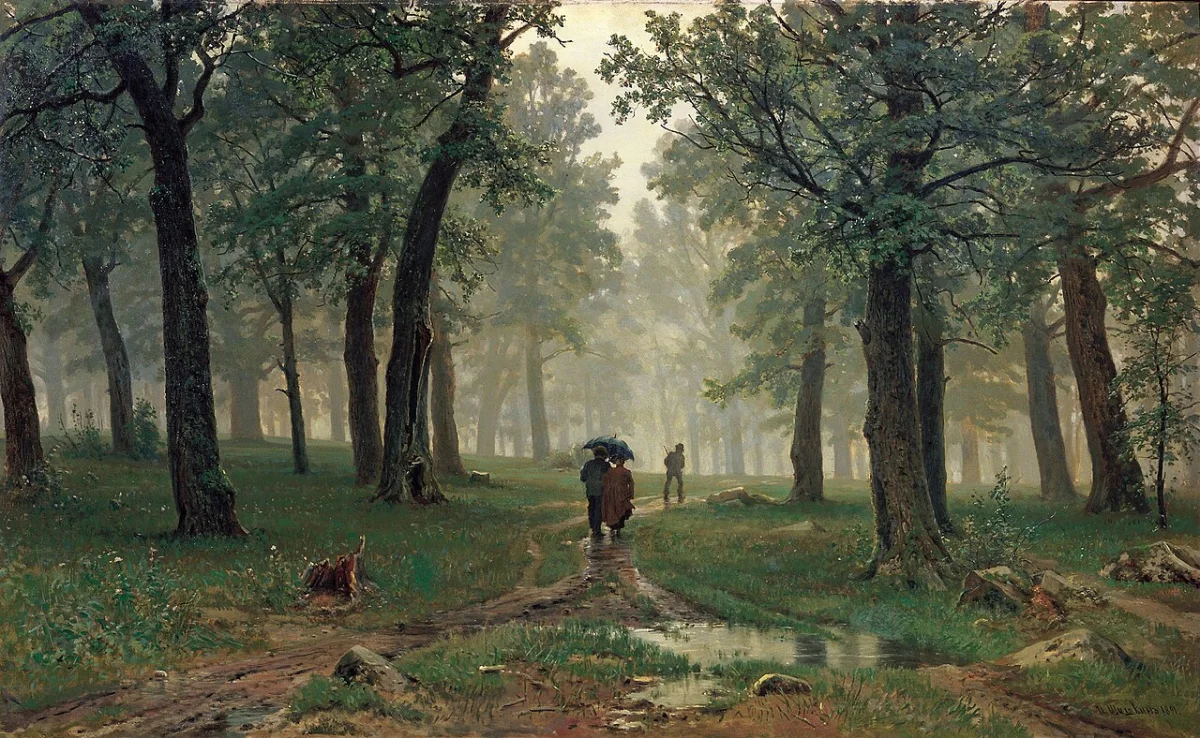
Ivan Shishkin’s technique in "Woodland" showcases his mastery over oil on canvas, with every brushstroke meticulously rendering the play of light and shadow among the trees. The Realism movement’s influence is evident in Shishkin’s commitment to detail and lifelike representation. This painting stands alongside other works such as "Brook In A Birch Forest" and "Anonymous Burials," offering art lovers a glimpse into the artist’s profound connection with the natural world.
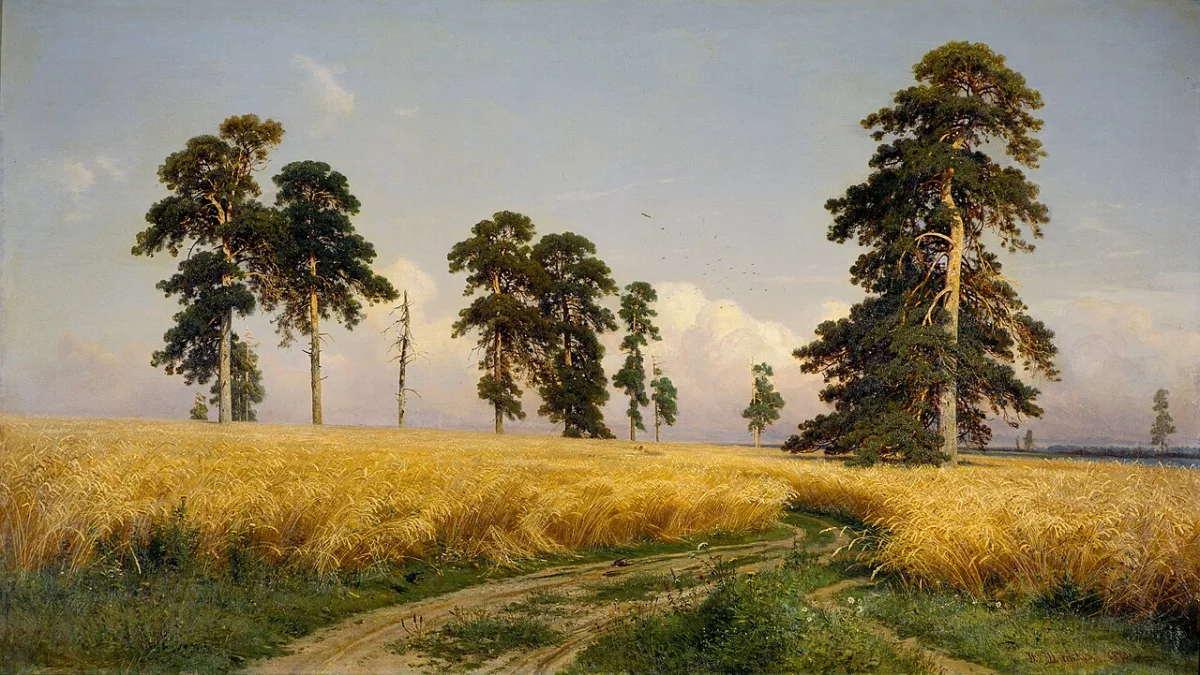
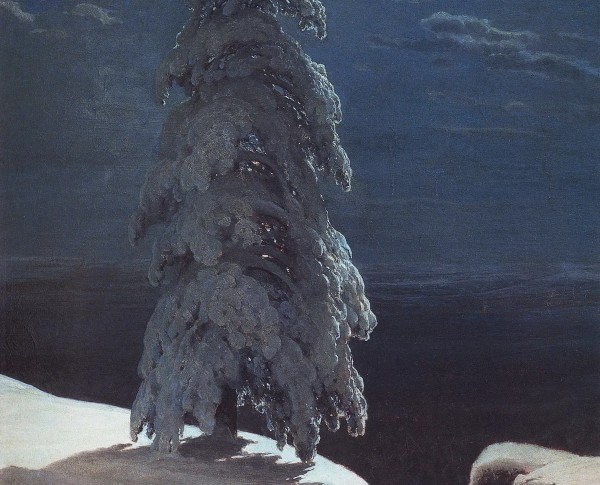
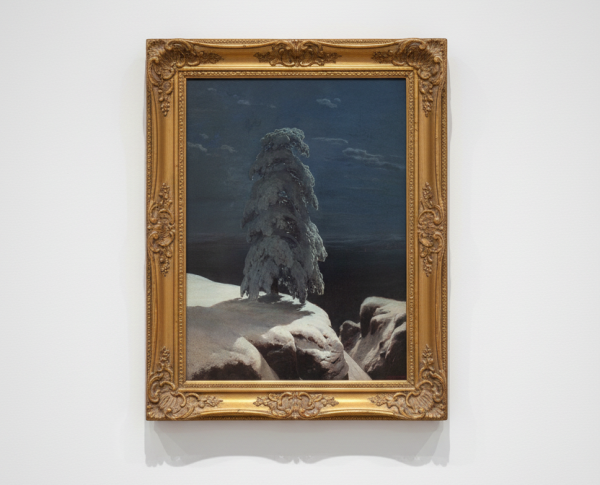
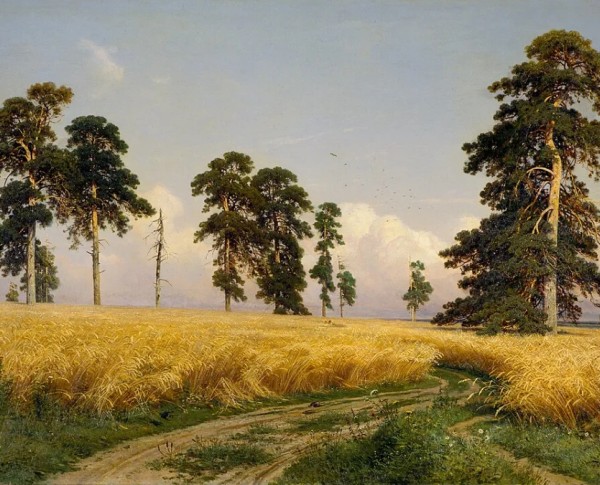
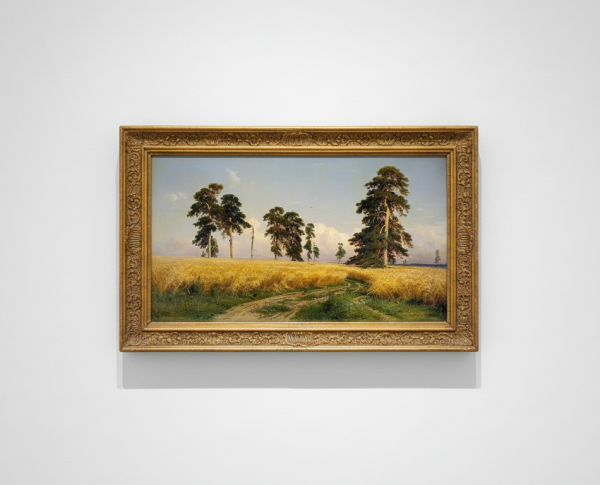
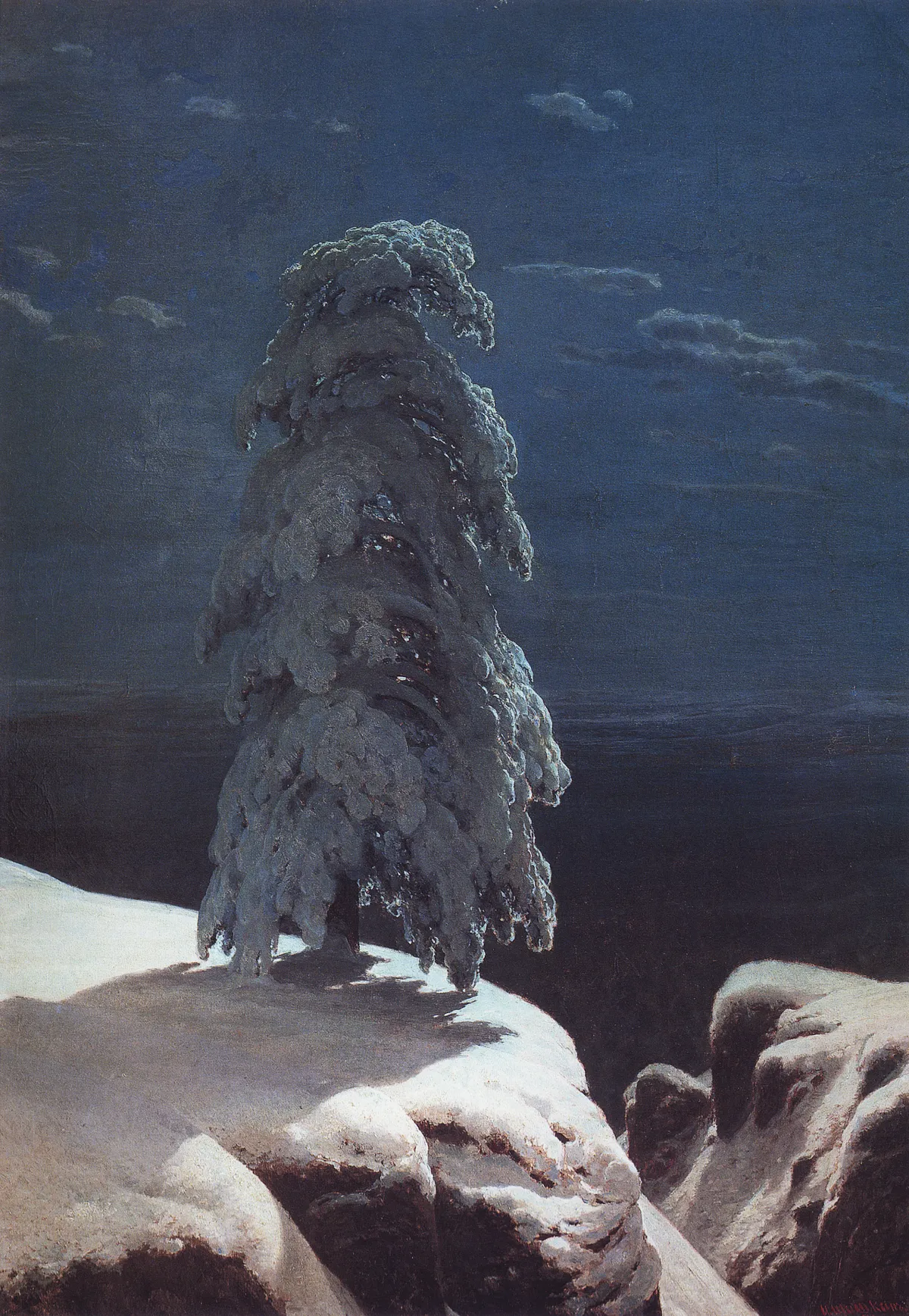
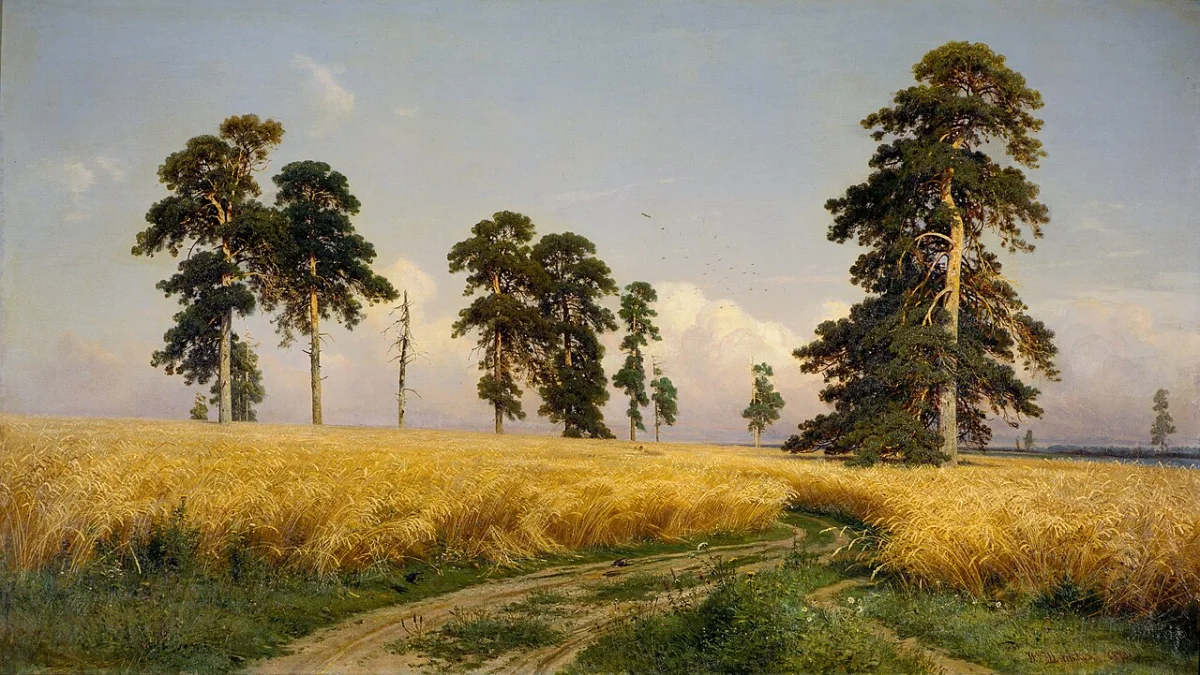
Beyond its visual beauty, "Woodland" by Ivan Shishkin invites viewers to interpret the deeper meanings hidden within its tranquil forest scene. As a fine art painting for sale, it embodies the Realism movement’s aim to tell stories through everyday landscapes. Shishkin’s work resonates with themes of solitude, resilience, and harmony with nature, much like his other pieces—"Rye Fields" and "In the Wild North…"—which also evoke the timeless allure of the Russian wilderness.
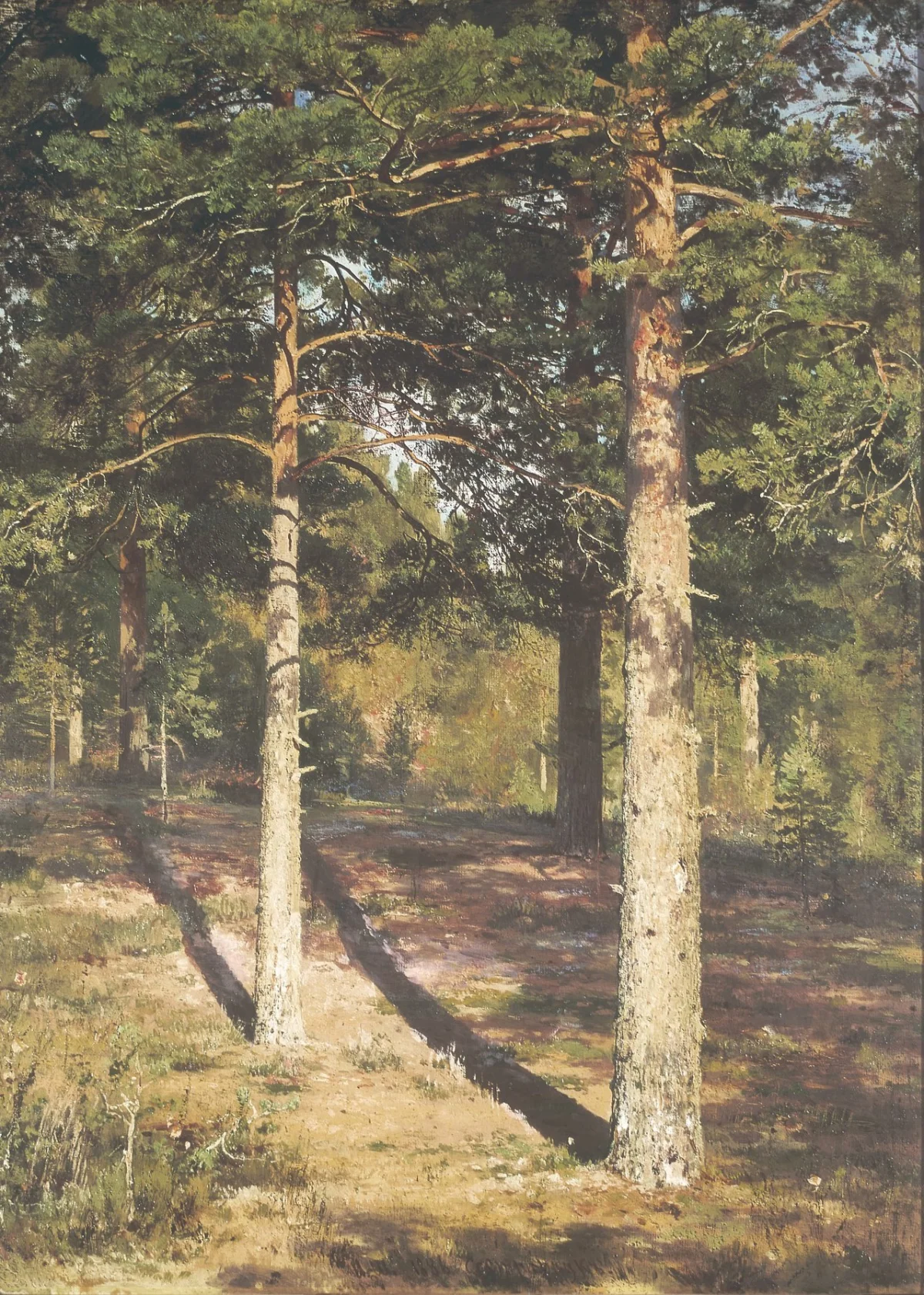
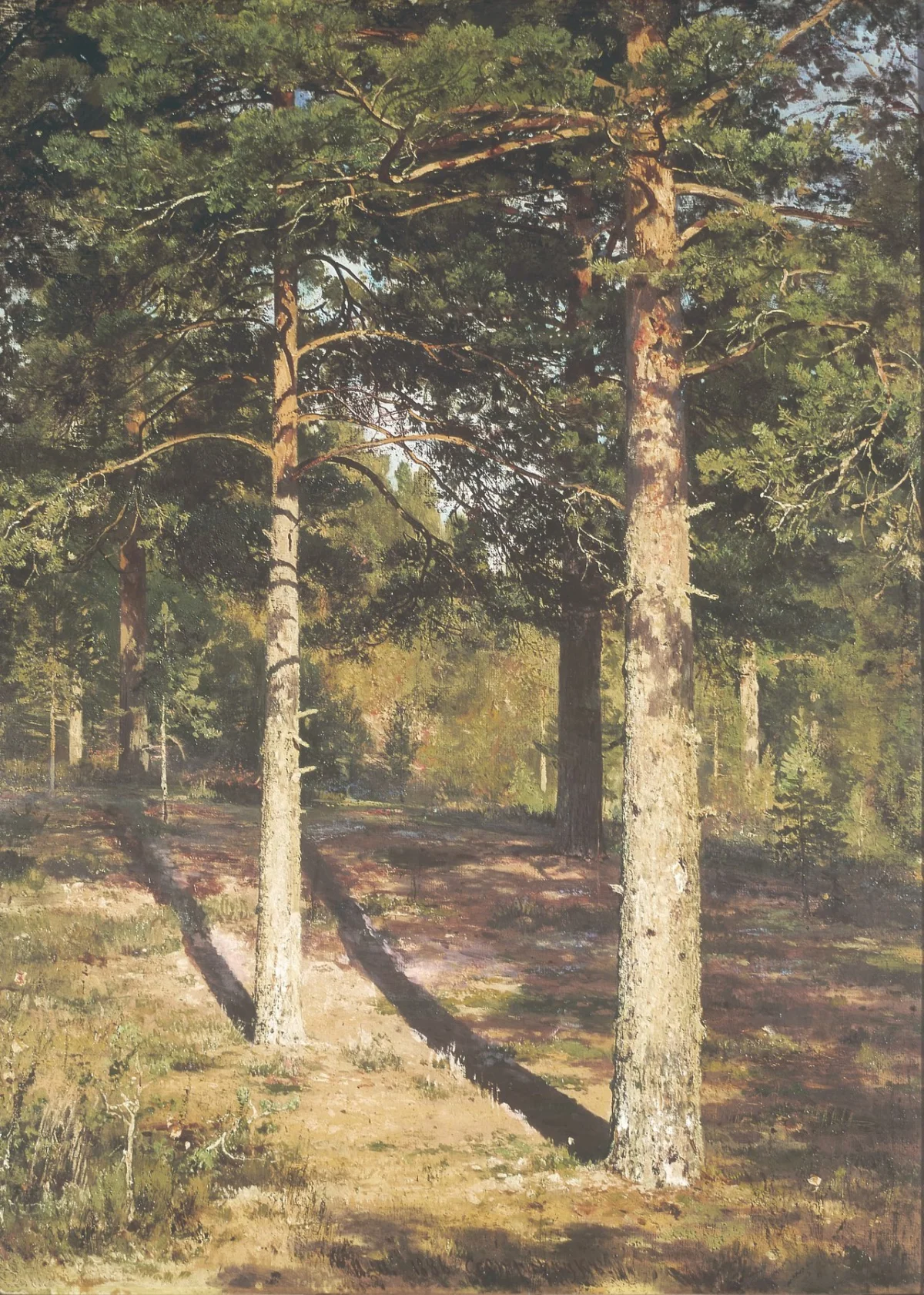
For art collectors, "Woodland" by Ivan Shishkin is an exceptional hand-painted oil painting that brings the Realism movement into any space. Its value is further enhanced when displayed alongside related products such as "The Sun Lit Pines" or "Brook In A Birch Forest." Owning this masterpiece means preserving a piece of art history and enjoying the tranquil beauty that Shishkin so expertly captured on canvas, making it a true collector’s treasure.
When Art Meets History
"Woodland" by Ivan Shishkin is a remarkable example of the Realism movement, capturing the Russian forest with meticulous detail. Painted during the late 19th century, this hand-painted oil painting reflects the era's fascination with nature and truth. Shishkin’s works, including "Democritus" and "The Sergeant," showcase the artist’s dedication to authenticity, making "Woodland" an essential piece in understanding the evolution of landscape art within the Realism movement.
Techniques That Speak
Ivan Shishkin’s "Woodland" demonstrates his masterful use of oil on canvas, rendering trees and light with astonishing precision. The artist’s brushwork brings the forest to life, a hallmark of the Realism movement. Like in "Dressing for the Carnival" and "Lady Godiva," Shishkin’s technique emphasizes texture and naturalism, inviting viewers to appreciate every detail. The result is a timeless masterpiece that exemplifies the technical prowess found in Realist fine art painting for sale.
Emotions on Display
"Woodland" evokes a profound sense of tranquility and reverence for nature, hallmarks of Ivan Shishkin’s artistry. The serene forest scene immerses viewers in peaceful contemplation, akin to the emotional depth found in "The First Game" and "Democritus." As a hand-painted oil painting, "Woodland" communicates the Realism movement’s commitment to capturing genuine emotion, offering a connection between the viewer and the untouched beauty of the natural world.
Coveted by Collectors
Collectors around the globe highly prize "Woodland" by Ivan Shishkin, recognizing its significance in the Realism movement. The painting’s exquisite oil on canvas technique and historical importance place it alongside celebrated works like "Lady Godiva" and "Dressing for the Carnival." As a fine art painting for sale, "Woodland" holds enduring appeal, making it a coveted addition to any collection that values masterful landscapes and the legacy of Realist art.
Related Realism Hand-Painted Oil Paintings by Other Artists
Other Famous Realism Artists:
Frequently Asked Questions About Woodland
What is the historical context of "Woodland"?
"Woodland" was created during the late 19th century, a period marked by the rise of realism in Russian art. Ivan Shishkin, a prominent figure of this movement, sought to depict the natural world with accuracy and emotional depth, reflecting the Russian landscape's beauty and complexity.
What artistic techniques did Ivan Shishkin use in "Woodland"?
Shishkin employed meticulous attention to detail and a rich color palette to capture the essence of the forest. His use of light and shadow creates a sense of depth, while his brushwork conveys the texture of the trees and foliage, showcasing his mastery of landscape painting.
What themes are explored in "Woodland"?
The painting explores themes of nature, tranquility, and the passage of time. Shishkin's depiction of the forest serves as a reminder of the beauty and serenity found in the natural world, inviting viewers to reflect on their connection to nature.
How does "Woodland" reflect the characteristics of Russian landscape painting?
"Woodland" exemplifies the characteristics of Russian landscape painting through its emphasis on realism, emotional resonance, and a deep appreciation for the Russian wilderness. Shishkin's work often highlights the unique qualities of the Russian landscape, making it a significant contribution to this genre.
What is the significance of the trees in "Woodland"?
The trees in "Woodland" symbolize strength, endurance, and the passage of time. They serve as a metaphor for the resilience of nature, reflecting the idea that the natural world persists despite human encroachment and change.
How did Ivan Shishkin's background influence "Woodland"?
Shishkin's upbringing in a rural environment fostered his love for nature and landscapes. His formal training in art, combined with his personal experiences in the forests of Russia, deeply influenced his ability to portray the beauty and intricacies of woodland scenes like the one in "Woodland."
What role does light play in "Woodland"?
Light plays a crucial role in "Woodland," as it enhances the three-dimensionality of the scene and creates a mood of tranquility. Shishkin's careful rendering of sunlight filtering through the trees adds a dynamic quality to the painting, inviting viewers to experience the forest's atmosphere.
In what ways does "Woodland" connect with the Symbolist movement?
While primarily a realist work, "Woodland" contains elements that resonate with Symbolism, particularly in its emotional depth and the spiritual connection to nature. The painting evokes feelings of peace and contemplation, aligning with Symbolist ideals of exploring the inner emotional landscape.
What impact did "Woodland" have on later artists?
"Woodland" has influenced subsequent generations of artists by establishing a benchmark for the depiction of landscapes in Russian art. Shishkin's techniques and themes have inspired many to explore the relationship between humanity and nature in their own works.
How is "Woodland" regarded in the context of Ivan Shishkin's oeuvre?
"Woodland" is considered one of Shishkin's masterpieces and a defining work of his career. It encapsulates his signature style and thematic focus, solidifying his reputation as one of the foremost landscape painters in Russian art history.






















_GFM_Painting_(1).webp)


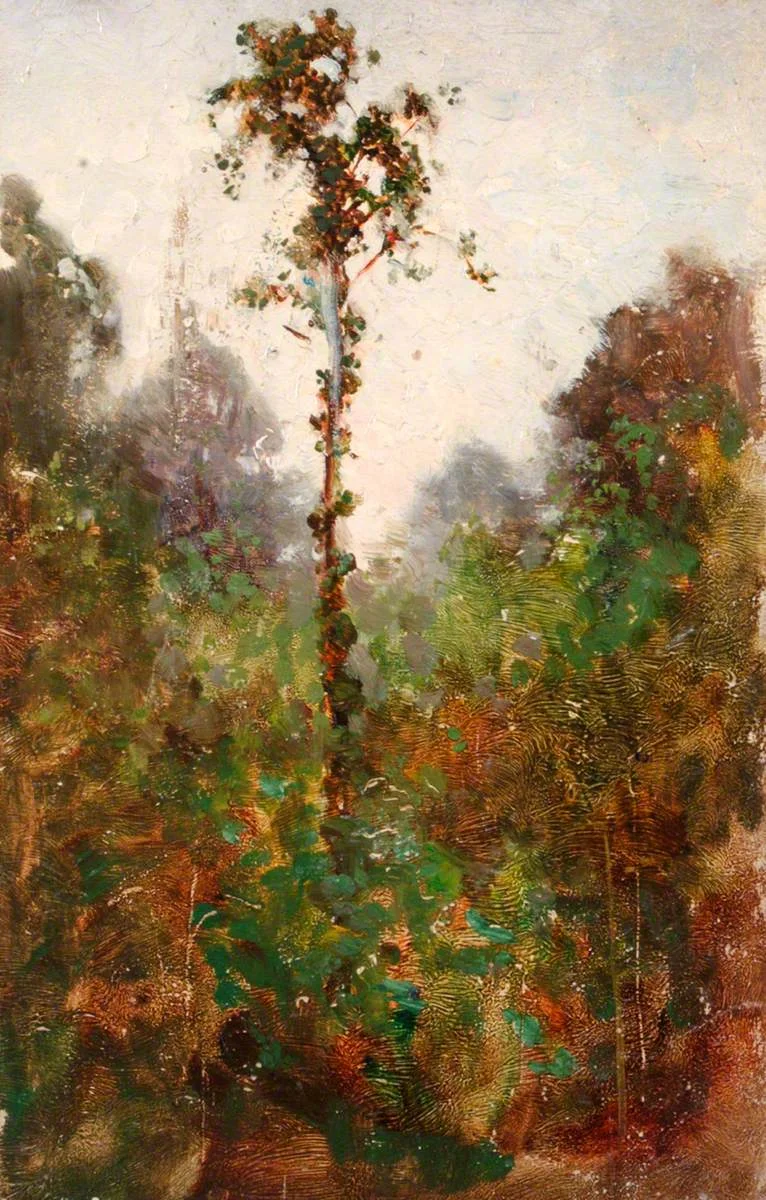
 100% Hand-Painted: Finished in 3-6 Weeks

.png)















_(1).webp)