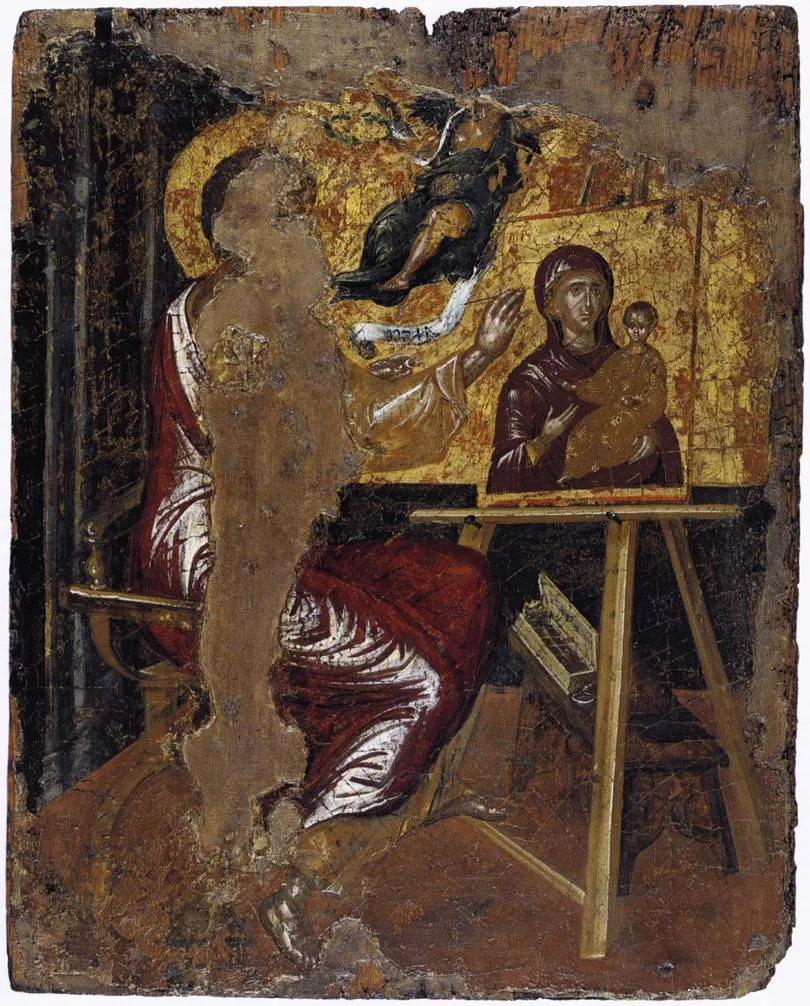
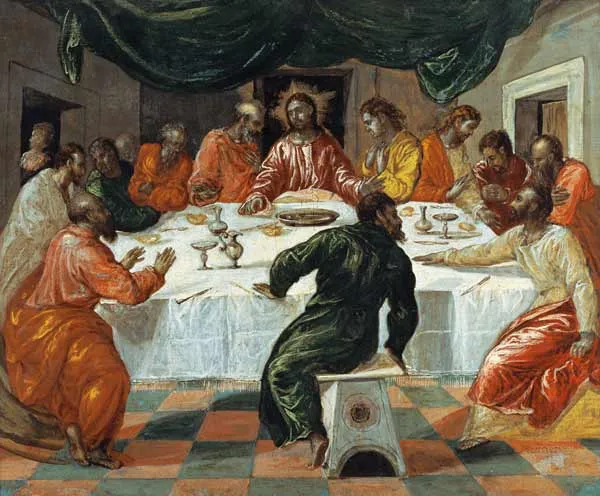
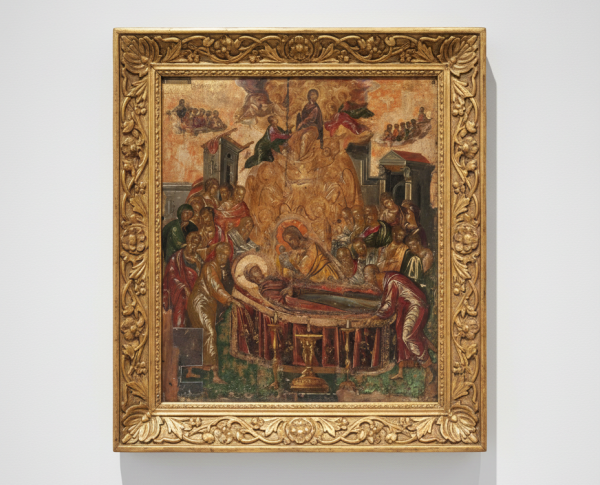
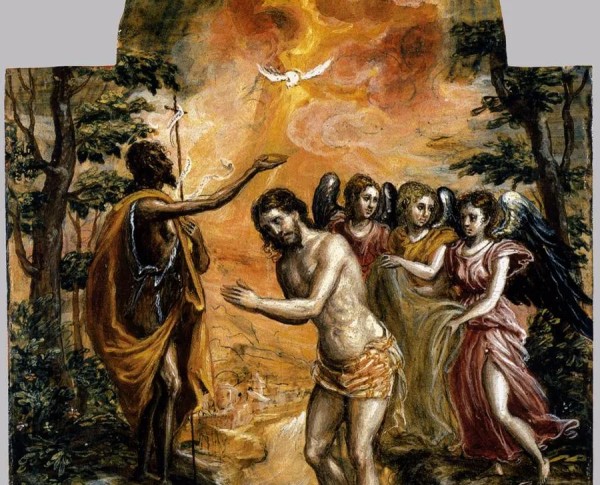
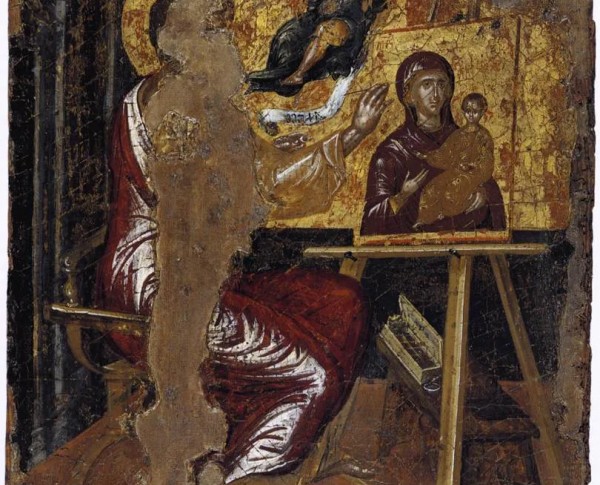
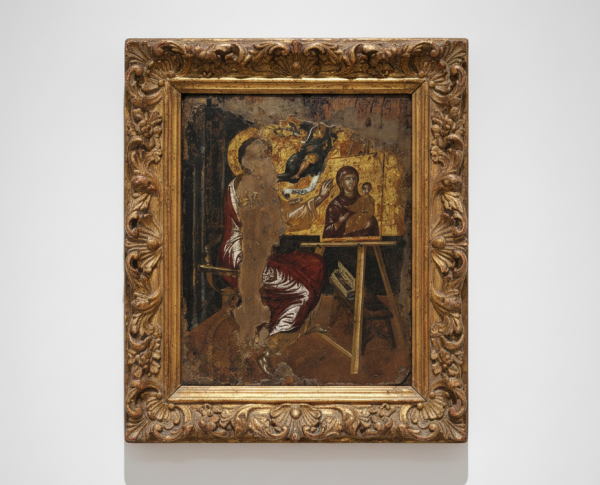
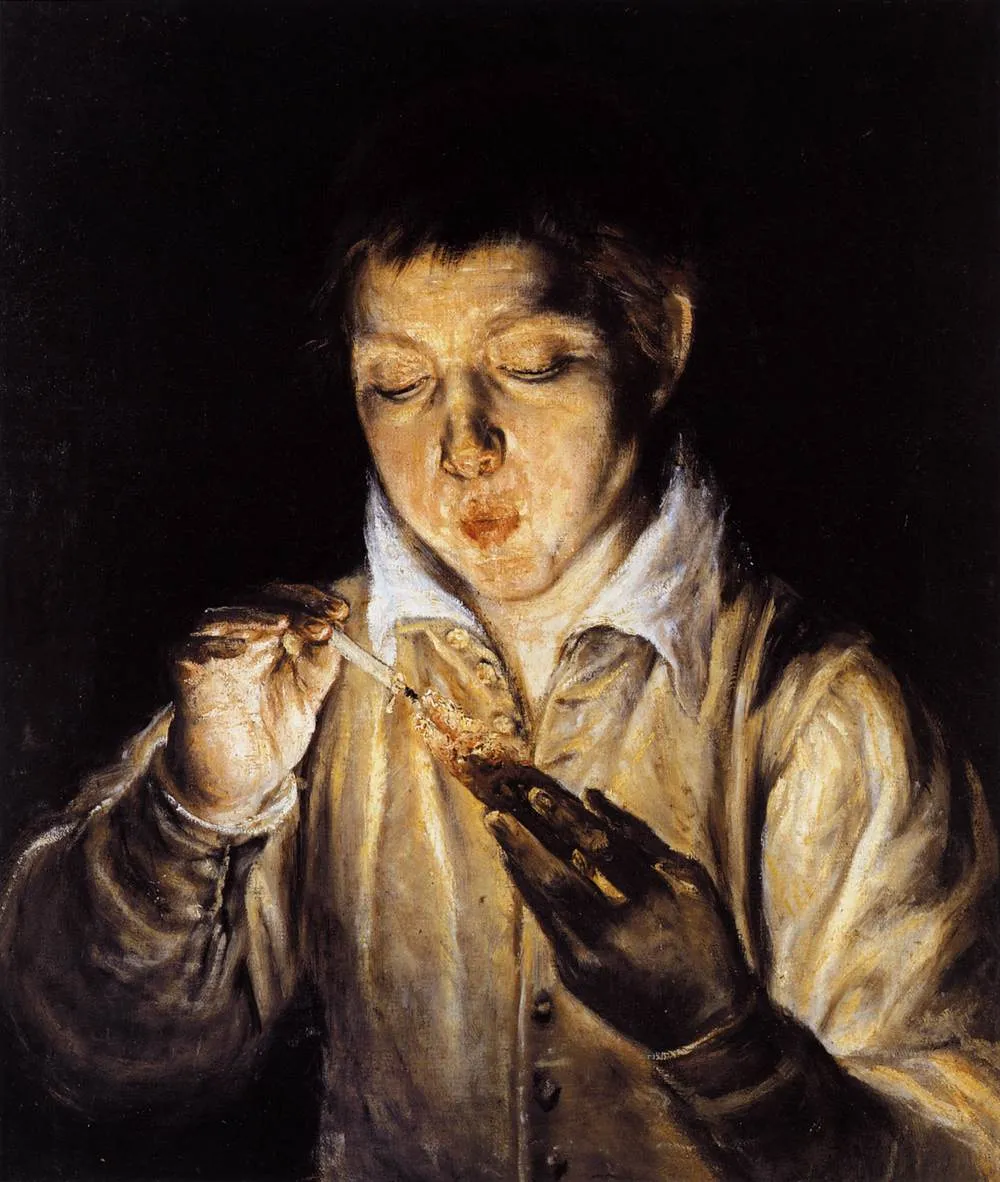
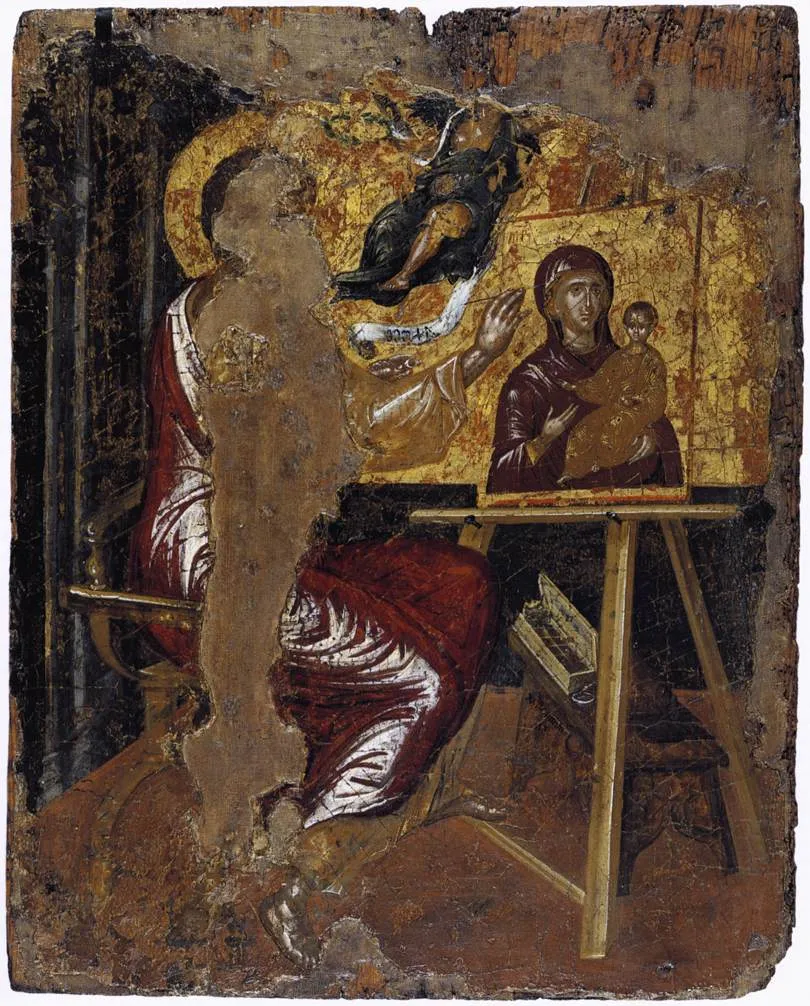
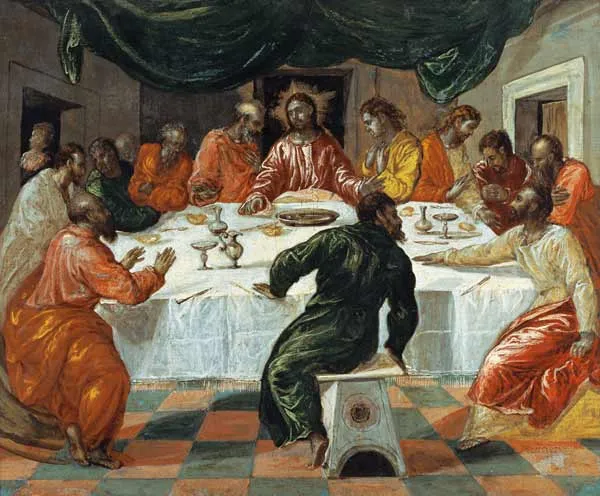
"A boy blowing on an ember to light a candle" is a remarkable hand-painted oil painting by Doménikos Theotokópoulos, also known as El Greco. Created during the height of the Mannerism movement, this artwork exemplifies the artist’s unique vision. Theotokópoulos’s influence endures, inspiring modern collectors and enthusiasts alike. Fans of his work may also appreciate related masterpieces such as The Last Supper and St. Luke painting the Virgin, both celebrated in fine art circles.
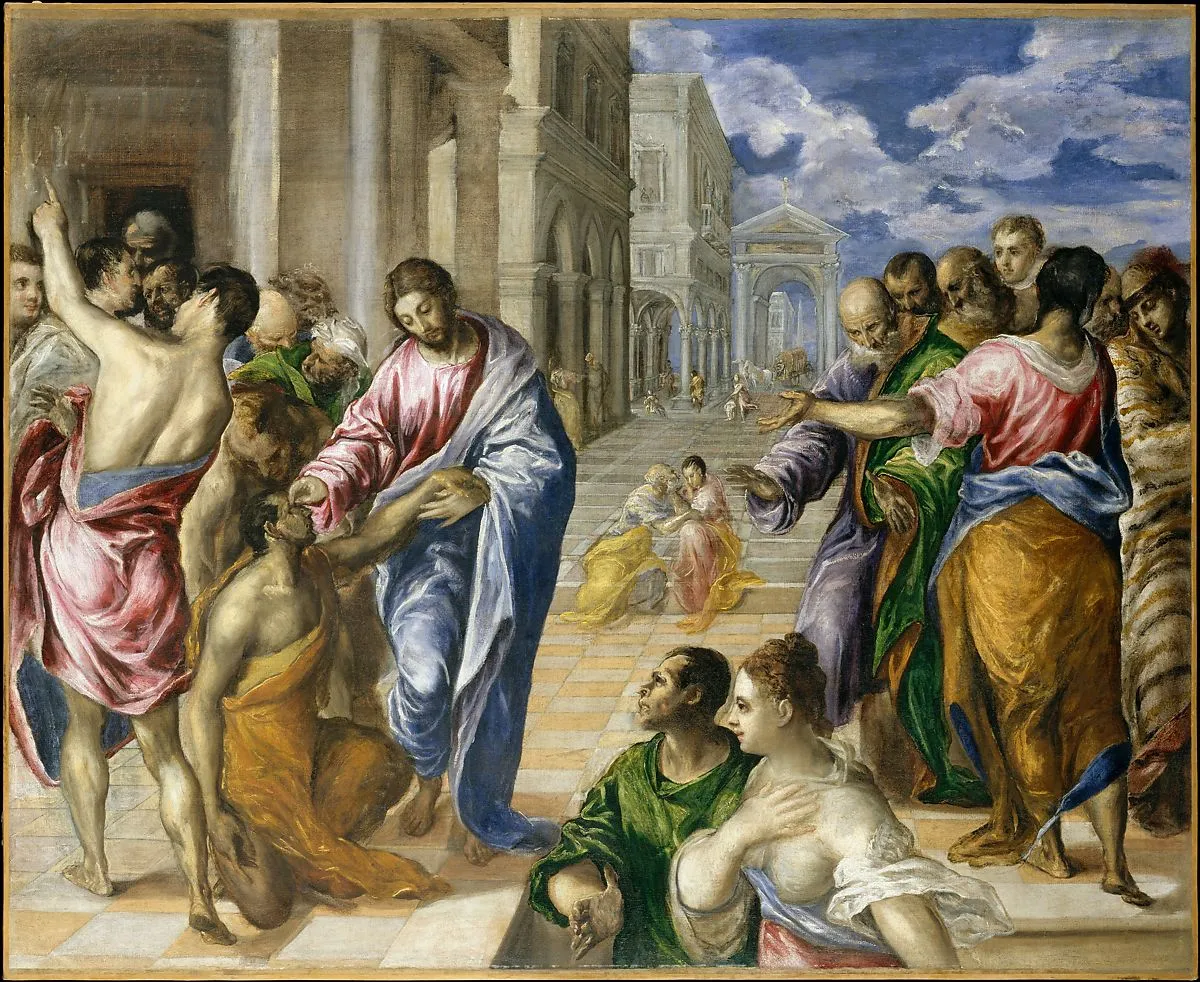
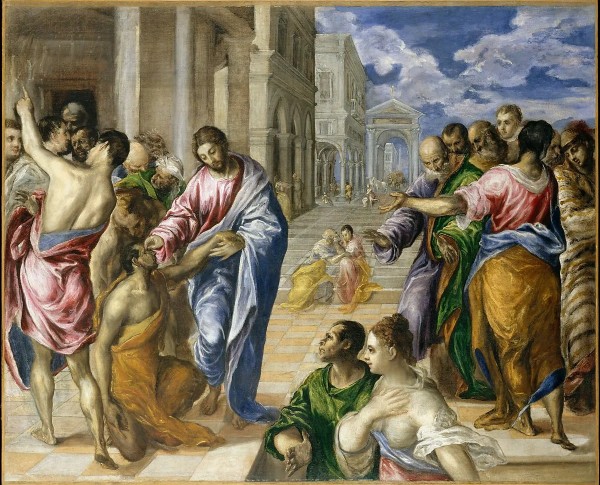
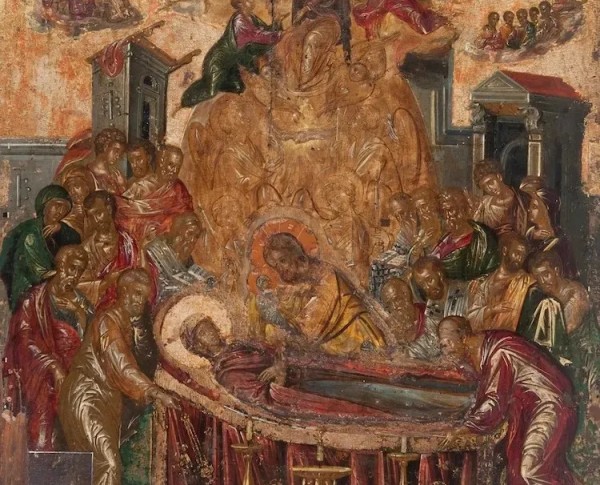
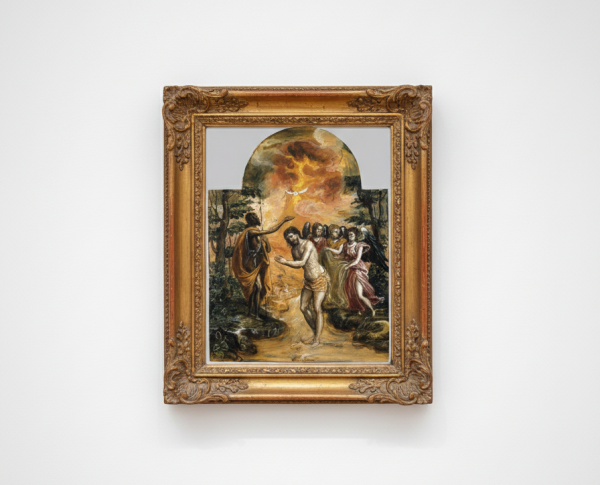
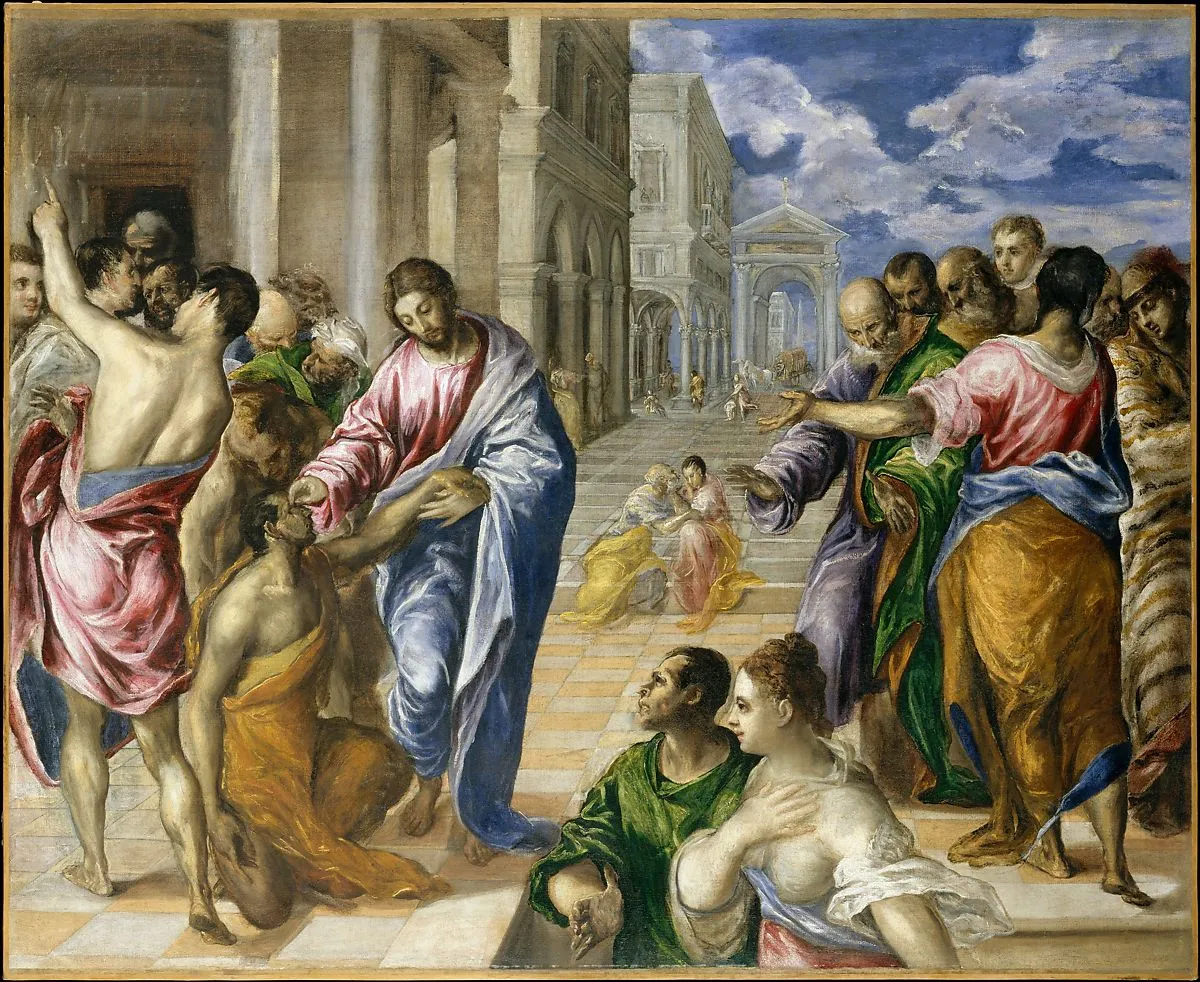
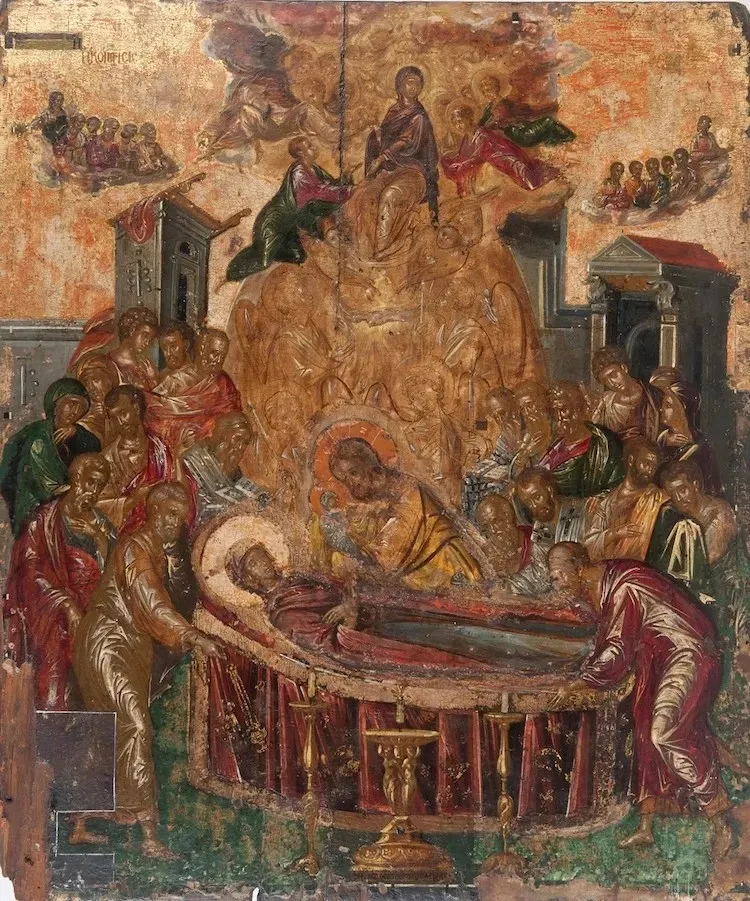
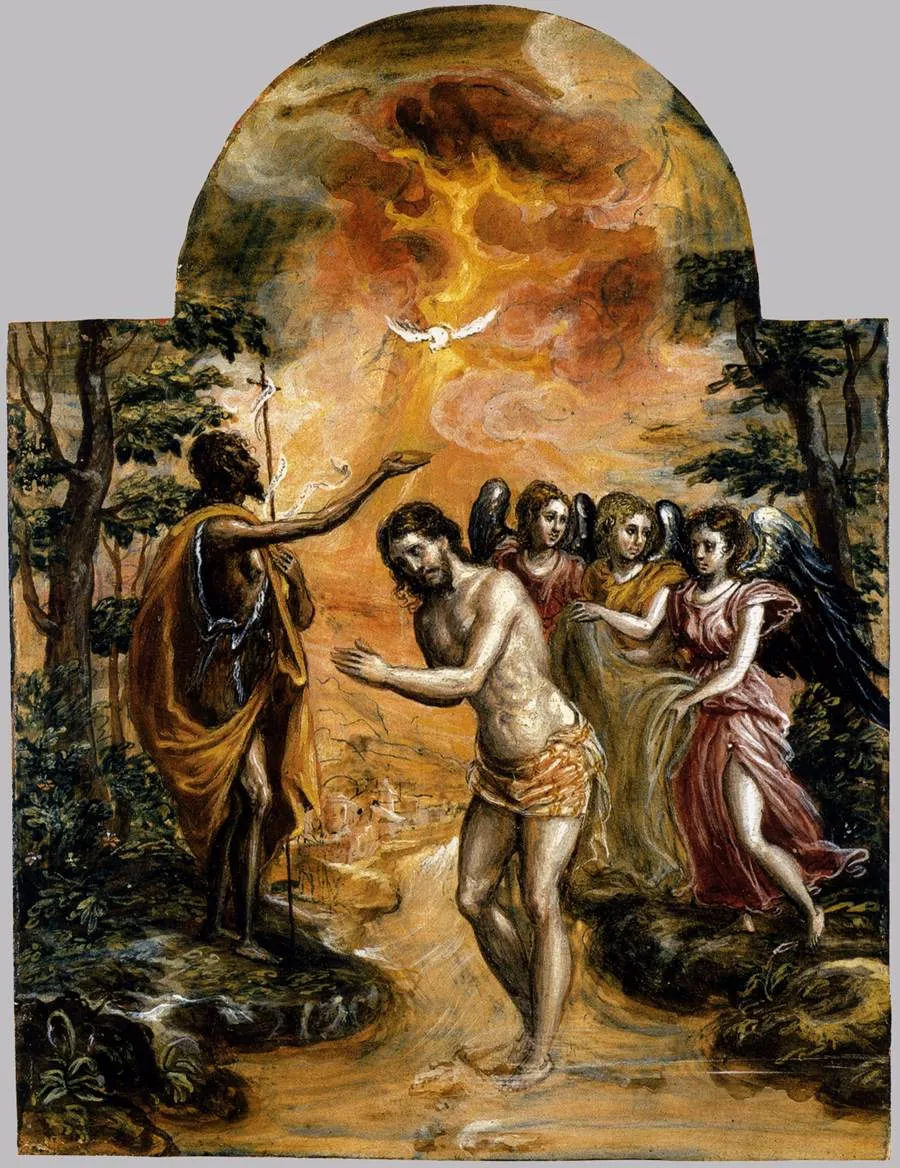
This oil on canvas showcases El Greco’s mastery of light and shadow, hallmark traits of Mannerism. Theotokópoulos’s dramatic brushwork brings the scene to life, capturing the boy’s concentration as he ignites the candle. The subtle interplay of illumination and darkness demonstrates his technical prowess. Collectors seeking similar brilliance will find it in related works like Baptism of Christ, Dormition of the Virgin, and Christ healing the blind man, all exemplary of this period.
Every fine art painting for sale by Doménikos Theotokópoulos tells a story, and "A boy blowing on an ember to light a candle" is no exception. The painting explores themes of knowledge, enlightenment, and spiritual awakening, common motifs in Mannerism. Theotokópoulos’s symbolic use of light guides the viewer’s interpretation. Those drawn to these themes might also enjoy The Last Supper or Dormition of the Virgin, both rich in narrative and symbolism.
Owning a hand-painted oil painting like "A boy blowing on an ember to light a candle" is a testament to one’s appreciation of art history and the Mannerism movement. Doménikos Theotokópoulos’s works are highly sought after by collectors worldwide. For those looking to expand their collection, related products such as St. Luke painting the Virgin or Christ healing the blind man offer additional opportunities to own a piece of fine art heritage.
When Art Meets History
"A boy blowing on an ember to light a candle" is a remarkable hand-painted oil painting by Doménikos Theotokópoulos, known as El Greco, a master of the Mannerism movement. Created during the late 16th century, this work captures a fleeting moment of daily life, reflecting both the era's artistic innovation and historical context. The painting stands alongside other fine art pieces from the same period, showcasing the evolution of oil on canvas techniques in European art.
Techniques That Speak
El Greco's use of oil on canvas in "A boy blowing on an ember to light a candle" demonstrates his mastery of light, shadow, and expressive brushwork. Theotokópoulos employs dramatic contrasts and elongated forms, hallmarks of the Mannerism movement, to create a sense of movement and depth. This technique not only sets his hand-painted oil paintings apart but also aligns this masterpiece with other striking works of the time, emphasizing his innovative approach.
Emotions on Display
In this fine art painting for sale, Doménikos Theotokópoulos captures a moment of intense concentration and anticipation. The boy’s face, illuminated by the ember’s glow, conveys a quiet determination that draws viewers into the scene. The emotional resonance of "A boy blowing on an ember to light a candle" is a testament to El Greco’s unique ability to blend naturalism with the stylized features of the Mannerism movement, much like his other celebrated works.
Coveted by Collectors
As a prime example of a hand-painted oil painting by Doménikos Theotokópoulos, "A boy blowing on an ember to light a candle" remains highly sought after by collectors. Its significance within the Mannerism movement and its exquisite oil on canvas execution contribute to its enduring appeal. Fine art painting for sale from this era, especially by artists like El Greco, continues to captivate art enthusiasts and collectors worldwide, making it a prized addition to any collection.
Frequently Asked Questions About A boy blowing on an ember to light a candle
What is the historical context of "A boy blowing on an ember to light a candle"?
This painting, created by Doménikos Theotokópoulos, also known as El Greco, reflects the artist's unique style during the late Renaissance period in Spain, where he synthesized elements of Byzantine and Western art traditions.
What artistic techniques did El Greco employ in this painting?
El Greco utilized dramatic lighting and elongated forms to convey emotion and spirituality, characteristic of his work. The use of chiaroscuro enhances the focal point of the boy and the ember, drawing the viewer's attention to the act of lighting the candle.
What is the significance of the ember and candle in this artwork?
The ember symbolizes potential and the spark of life, while the candle represents enlightenment and knowledge. Together, they illustrate the transition from darkness to light, a common theme in El Greco's oeuvre that reflects spiritual awakening.
How does the composition of the painting contribute to its meaning?
The composition centers on the boy, creating a sense of intimacy and focus. The surrounding darkness contrasts with the light from the ember and candle, emphasizing the theme of illumination and the importance of nurturing one's inner light.
What influences can be seen in El Greco's style in this painting?
El Greco's style in this work showcases influences from both Byzantine iconography and the Mannerist movement, evident in the expressive figures and the emotional intensity conveyed through color and form.
What role does the boy's expression play in the interpretation of the painting?
The boy's focused expression conveys a sense of determination and hope, inviting viewers to reflect on the significance of nurturing one's aspirations and the importance of perseverance in the pursuit of enlightenment.
How does this painting reflect El Greco's broader artistic themes?
This painting encapsulates El Greco's recurring themes of spirituality, transformation, and the interplay between light and darkness, which are prevalent throughout his body of work and reflect his philosophical outlook on life.
What materials and techniques did El Greco likely use for this painting?
El Greco typically used oil on canvas for his paintings, allowing for rich color and texture. His layering technique contributed to the depth and luminosity seen in the ember and candlelight.
In what ways does this painting connect to the cultural context of its time?
The painting reflects the cultural emphasis on spirituality and education during the Spanish Renaissance, where art was often used as a medium to convey moral and philosophical messages to the public.
What impact did "A boy blowing on an ember to light a candle" have on later artists?
This work exemplifies El Greco's innovative approach to light and form, influencing future generations of artists who sought to explore emotional depth and spiritual themes in their own works, particularly in the Baroque period.






















_GFM_Painting_(1).webp)


 100% Hand-Painted: Finished in 3-6 Weeks

.png)















_(1).webp)