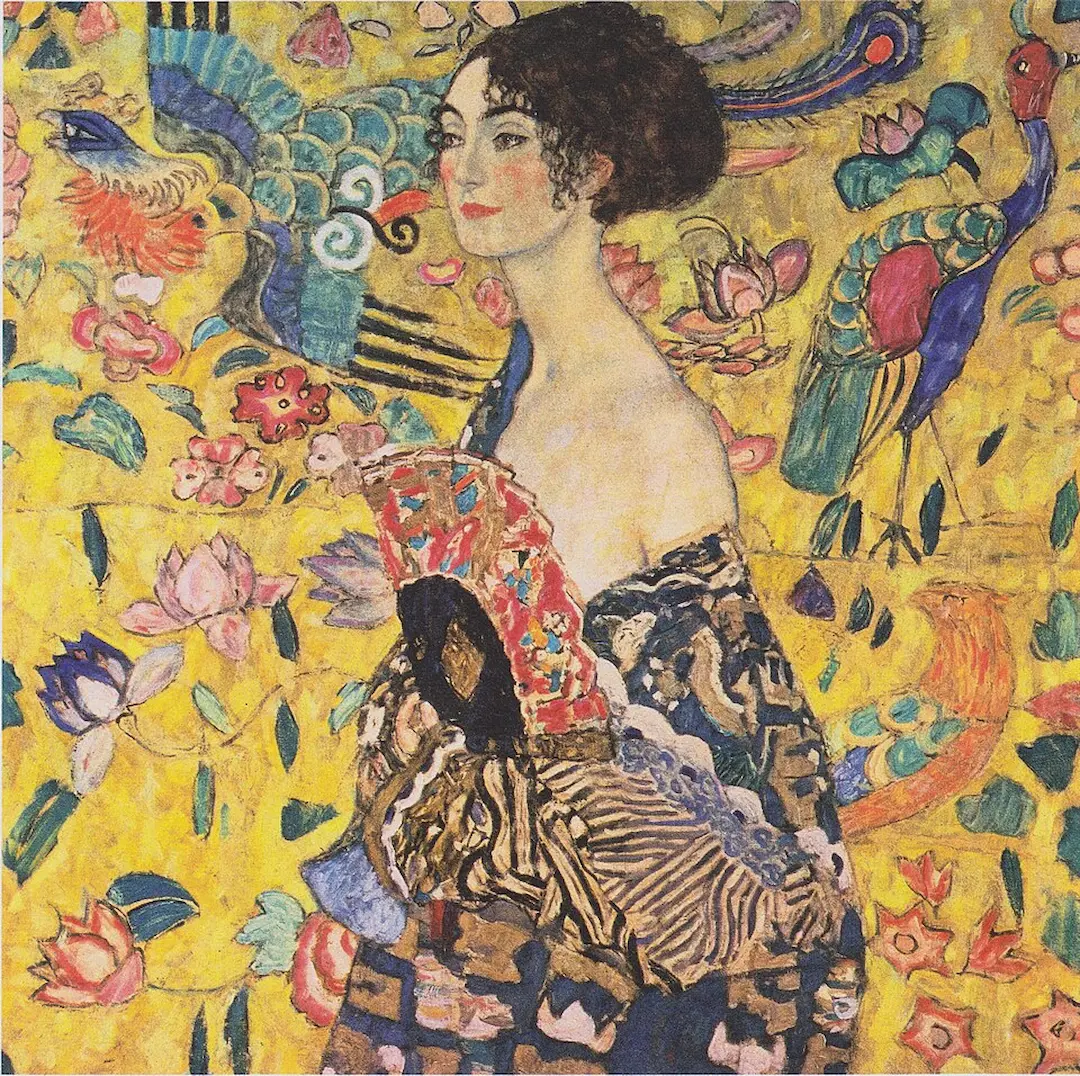
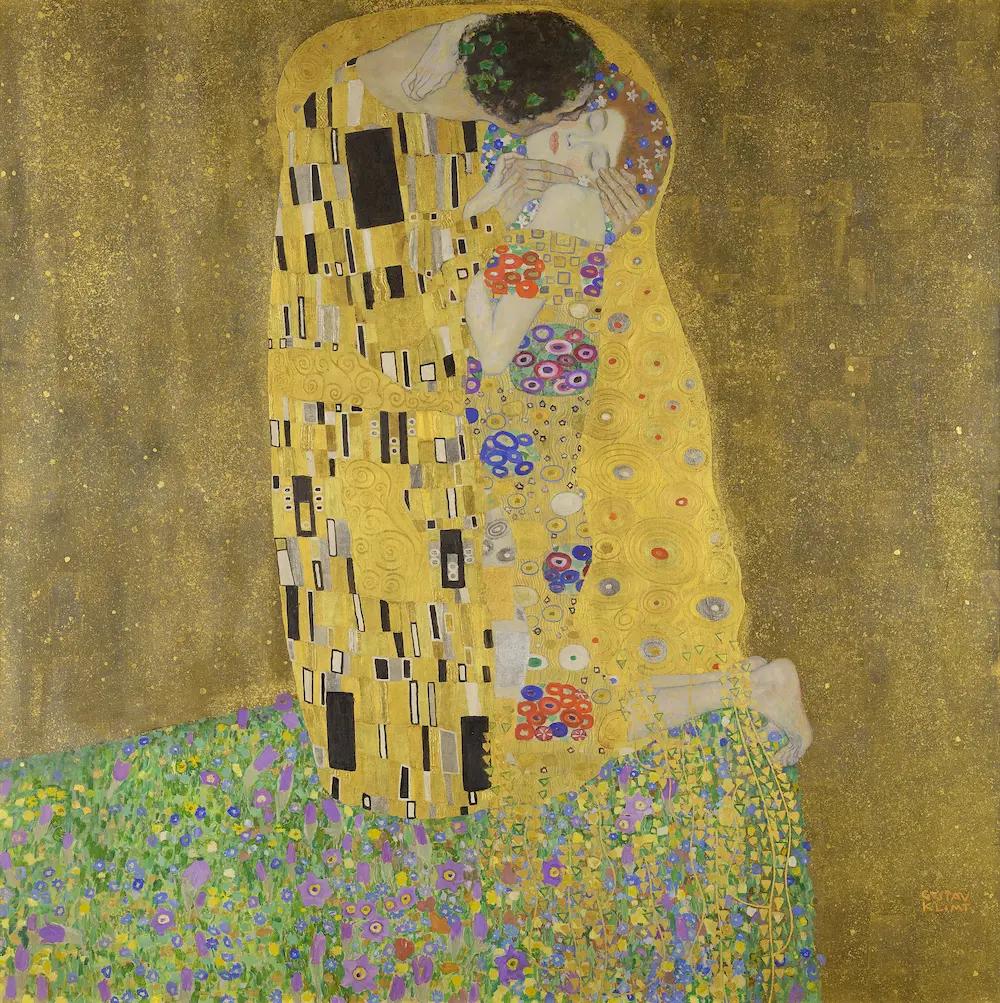
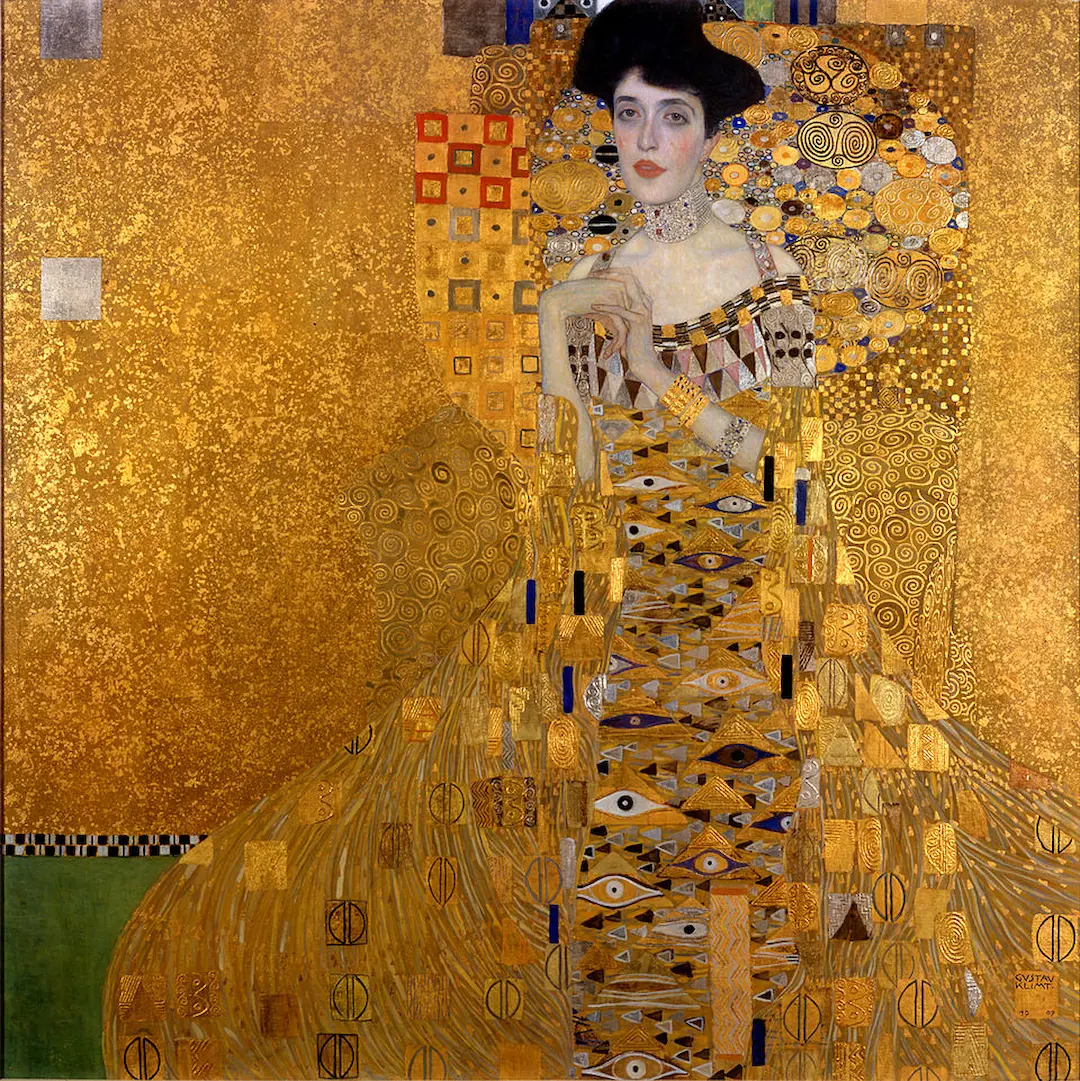
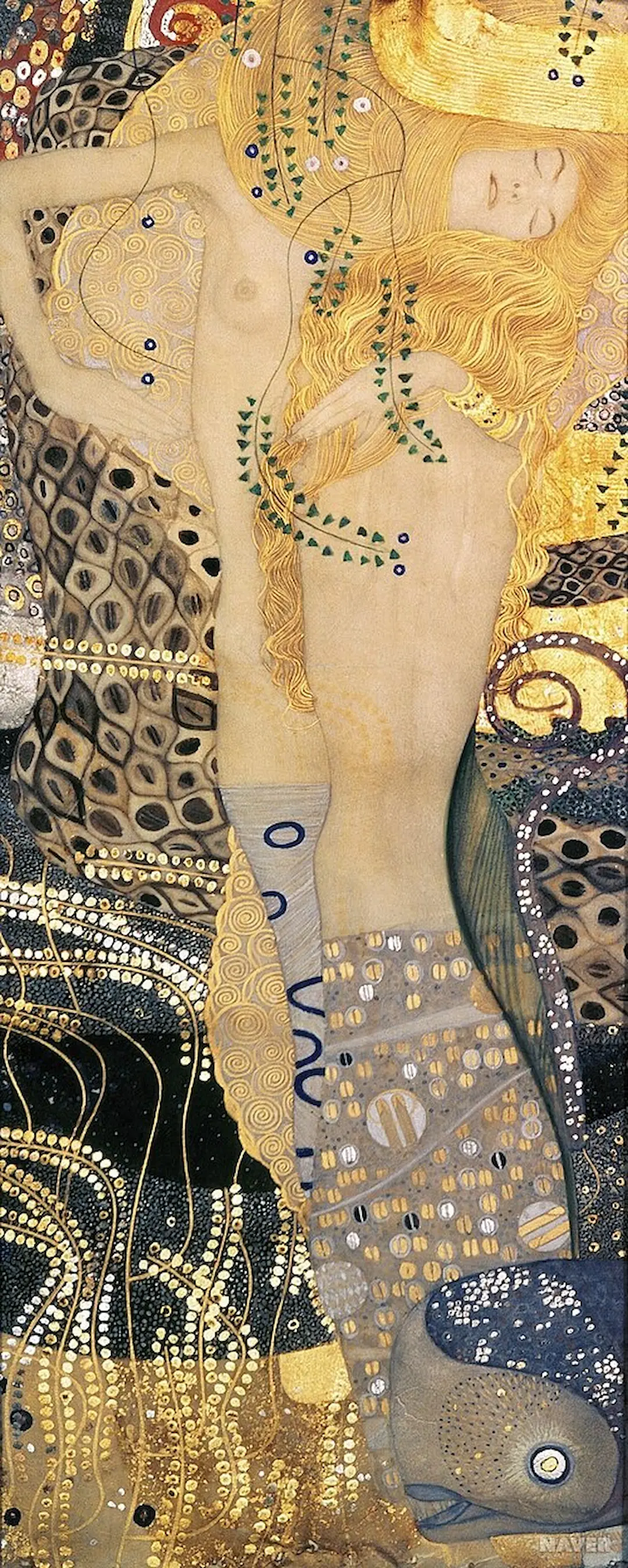
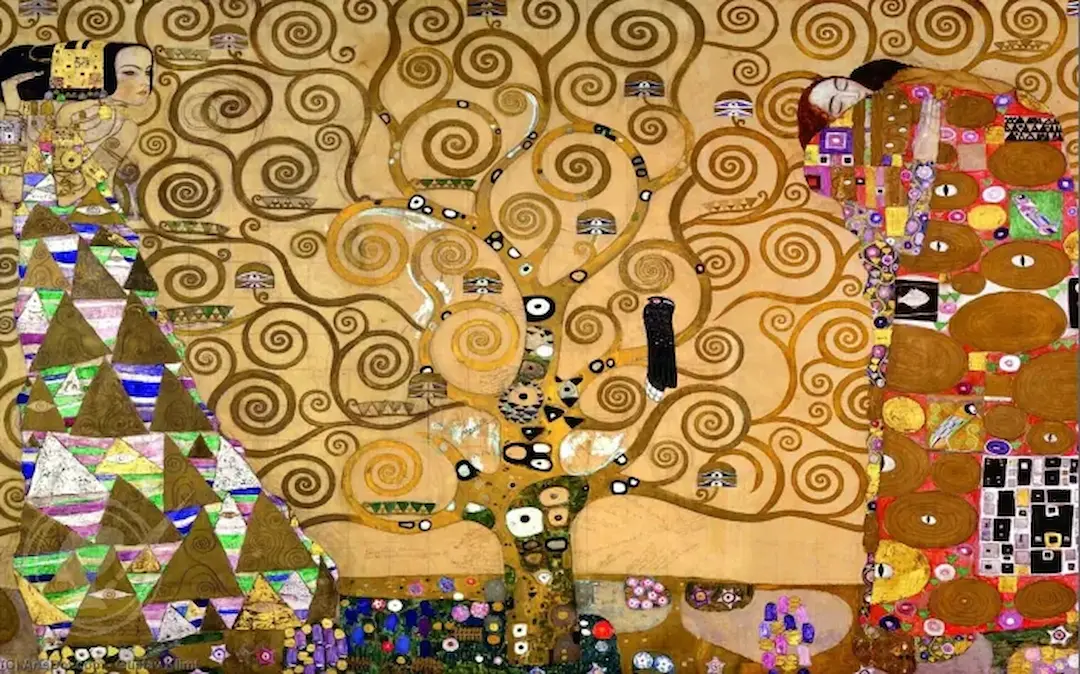
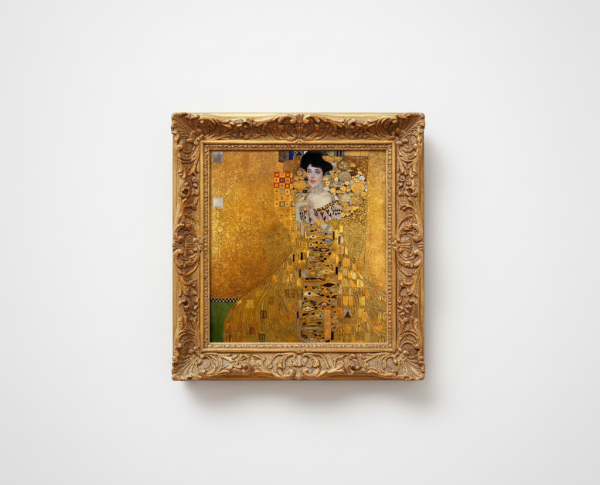
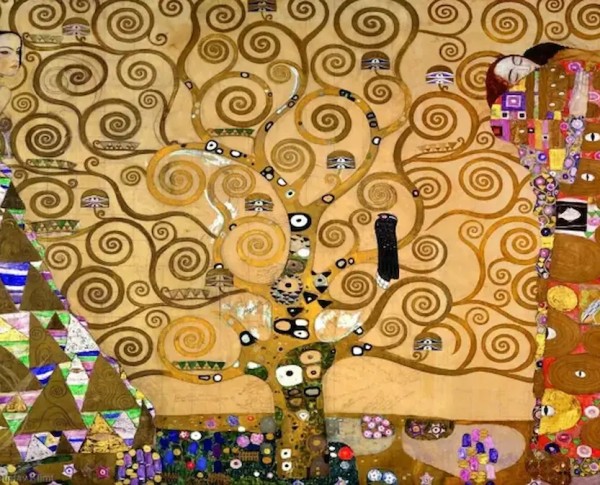
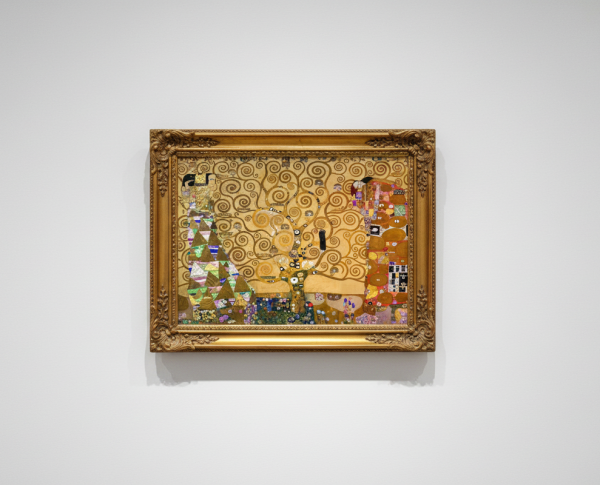
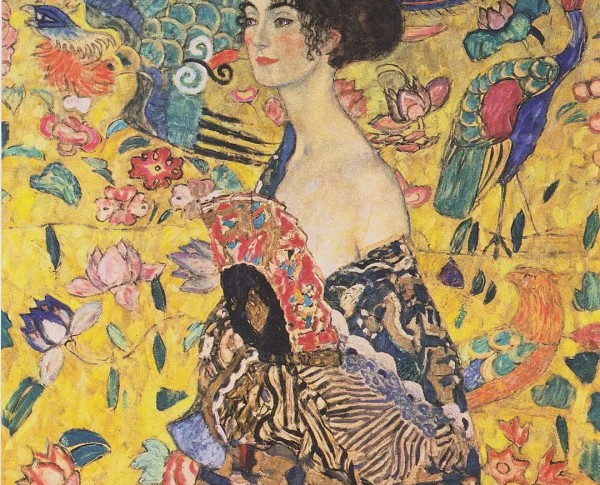
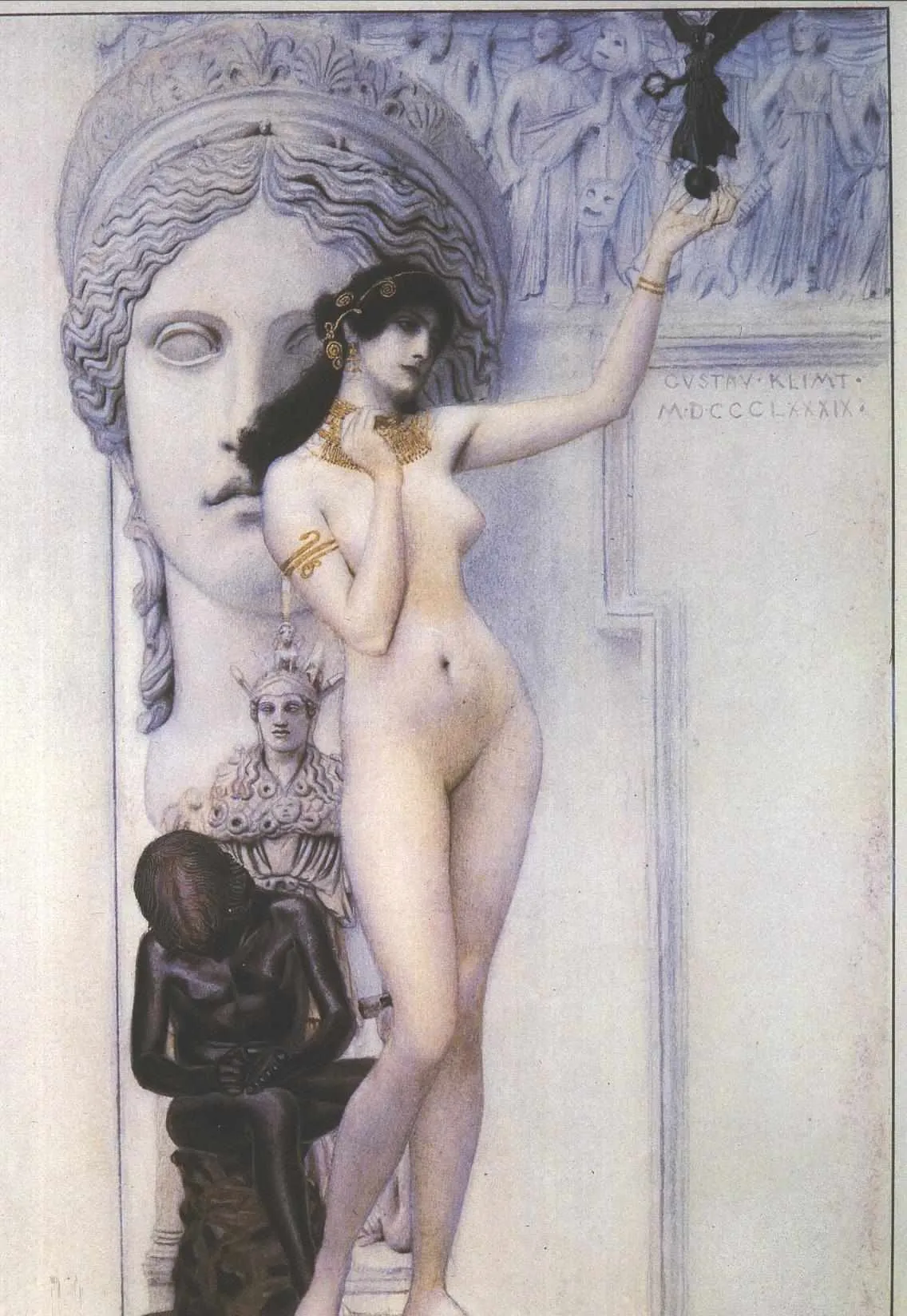
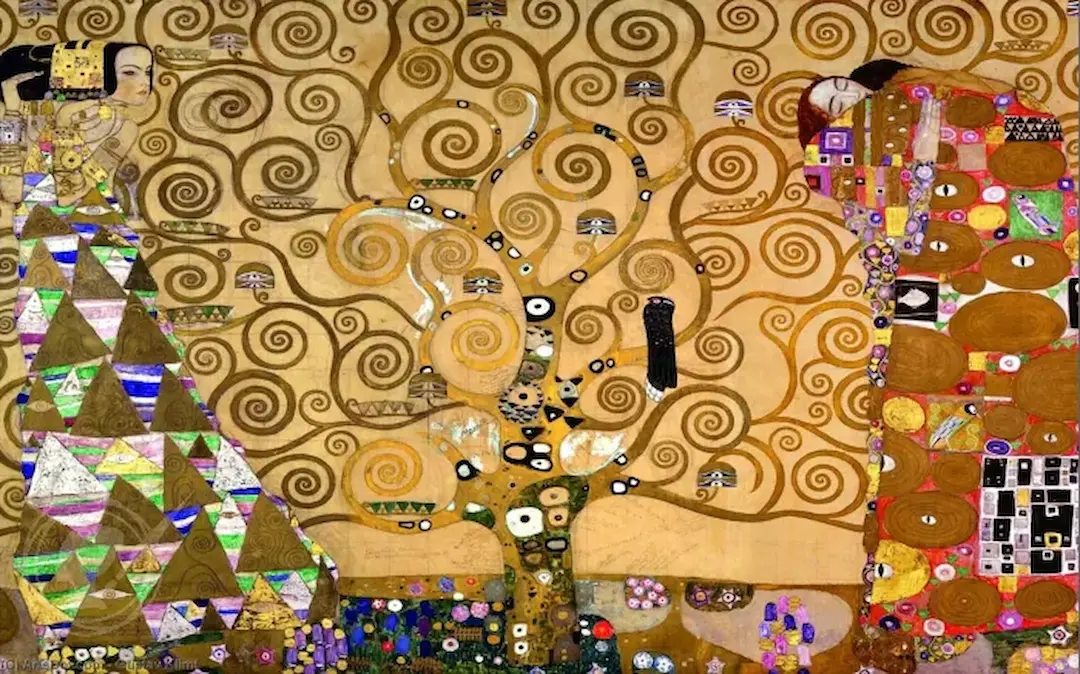
Crafted with exquisite detail, "Allegory of Sculpture" exemplifies Klimt’s mastery of oil on canvas. Each brushstroke reveals his dedication to both technique and emotion, echoing the finesse seen in related pieces like "The Tree of Life." As a leading figure in the Vienna Secession, Gustav Klimt’s artworks continue to inspire artists and collectors, making this oil on canvas a prized addition to any discerning collection of fine art from the period.
"Allegory of Sculpture" is rich with symbolism, a hallmark of Klimt’s artistic vision within the Vienna Secession. This fine art painting for sale invites viewers to explore its layered meanings, much like his "Female organ player" and "Portrait of a man with beard." Klimt’s use of allegorical figures and decorative motifs encourages interpretation, ensuring that each glance reveals new stories and insights woven into the fabric of this extraordinary canvas.
Owning "Allegory of Sculpture" by Gustav Klimt connects collectors to a pivotal moment in art history and the Vienna Secession movement. This hand-painted oil painting is highly sought after, much like related masterpieces such as "Portrait of a man with beard in three quarter profile." For those seeking a fine art painting for sale, Klimt’s works are treasures that elevate any collection, offering both aesthetic beauty and historical significance in one captivating piece.
When Art Meets History
Gustav Klimt’s "Allegory of Sculpture" stands as a testament to the Vienna Secession movement, where tradition and innovation collided. This hand-painted oil painting captures the spirit of a transformative era in European art. Klimt’s exploration of symbolism and abstraction mirrors the movement’s core values. "Allegory of Sculpture" shares thematic ties with other Klimt masterpieces, reflecting a period when artists challenged conventions and embraced new forms. Collectors and historians alike cherish its unique historical significance.
Techniques That Speak
Executed in oil on canvas, "Allegory of Sculpture" demonstrates Gustav Klimt’s mastery of texture and color. The artist’s distinct brushwork and intricate detailing are hallmarks of the Vienna Secession movement, setting his work apart from contemporaries. Klimt’s use of gold and layered paint creates luminous effects, inviting viewers to explore depth and dimension. This fine art painting for sale exemplifies the technical prowess that made Klimt a leading figure in early 20th-century European art.
Emotions on Display
"Allegory of Sculpture" evokes a profound emotional response, a signature of Gustav Klimt’s approach to portraiture and allegory. The painting’s expressive forms and enigmatic figures reflect the artist’s fascination with human psychology. As part of the Vienna Secession, Klimt aimed to convey complex feelings through visual storytelling. This hand-painted oil painting encourages viewers to interpret its meaning, forging a personal connection much like Klimt’s other evocative works from the same period.
Coveted by Collectors
Gustav Klimt’s "Allegory of Sculpture" remains highly sought after by collectors worldwide. Its status as an important oil on canvas from the Vienna Secession movement ensures enduring appeal. The painting’s rarity and Klimt’s celebrated artistry make it a prized acquisition among those seeking a fine art painting for sale. Art enthusiasts recognize the value of owning a piece that not only reflects Klimt’s genius but also embodies a pivotal moment in art history.
Frequently Asked Questions About Allegory of Sculpture
What is the historical context of "Allegory of Sculpture"?
"Allegory of Sculpture" was created during the late 19th century, a time when the Art Nouveau movement was gaining prominence in Europe. Gustav Klimt, a leading figure of this movement, sought to blend traditional artistic techniques with modern themes, reflecting the changing cultural landscape of the time.
What artistic techniques did Gustav Klimt employ in this painting?
Klimt utilized a combination of oil paint and gold leaf, a hallmark of his style. The use of gold adds a luminous quality to the work, enhancing its symbolic meaning and elevating the subject matter to a divine status. His characteristic decorative patterns and intricate detailing are also prominent in this piece.
What is the significance of the figure depicted in "Allegory of Sculpture"?
The central figure in "Allegory of Sculpture" represents the embodiment of sculpture itself. She is portrayed as a muse, inspiring creativity and artistic expression. This figure symbolizes the importance of sculpture in the broader context of the arts during Klimt's time.
How does "Allegory of Sculpture" reflect the themes of the Art Nouveau movement?
The painting exemplifies the Art Nouveau movement through its emphasis on organic forms, flowing lines, and decorative elements. Klimt's integration of natural motifs and sensuality aligns with the movement's focus on the beauty of nature and the human experience.
What are the symbolic elements present in "Allegory of Sculpture"?
The painting features various symbolic elements, including the use of gold to signify divinity and transcendence. Additionally, the presence of sculptural tools and motifs reflects the craftsmanship and dedication required in the art of sculpture, emphasizing the connection between the artist and their medium.
How does Klimt's personal style influence "Allegory of Sculpture"?
Klimt's personal style is evident in the intricate patterns and rich color palette of "Allegory of Sculpture." His tendency to blend realism with decorative abstraction creates a unique visual language that invites viewers to explore deeper meanings within the artwork.
What role does color play in "Allegory of Sculpture"?
Color plays a crucial role in conveying emotion and symbolism in "Allegory of Sculpture." The use of gold and warm tones evokes a sense of warmth and richness, while cooler colors may represent the intellectual aspect of sculpture. This interplay of color enhances the overall narrative of the painting.
In what ways does "Allegory of Sculpture" connect to Klimt's other works?
"Allegory of Sculpture" shares thematic and stylistic connections with Klimt's other works, particularly his focus on female figures and the exploration of beauty and sensuality. The use of allegory as a means to convey deeper philosophical ideas is a recurring motif in Klimt's oeuvre.
What impact did "Allegory of Sculpture" have on the perception of sculpture as an art form?
The painting elevated the perception of sculpture as a significant art form, highlighting its artistic merit and cultural importance. By personifying sculpture, Klimt encouraged a greater appreciation for the craft and its role within the broader spectrum of visual arts.
How has "Allegory of Sculpture" been received by critics and art historians?
Critics and art historians have praised "Allegory of Sculpture" for its innovative approach and technical mastery. The painting is often regarded as a pivotal work within Klimt's career, showcasing his ability to merge artistic beauty with profound symbolic meaning, thus securing its place in art history.























_GFM_Painting_(1).webp)


 100% Hand-Painted: Finished in 3-6 Weeks

.png)















_(1).webp)