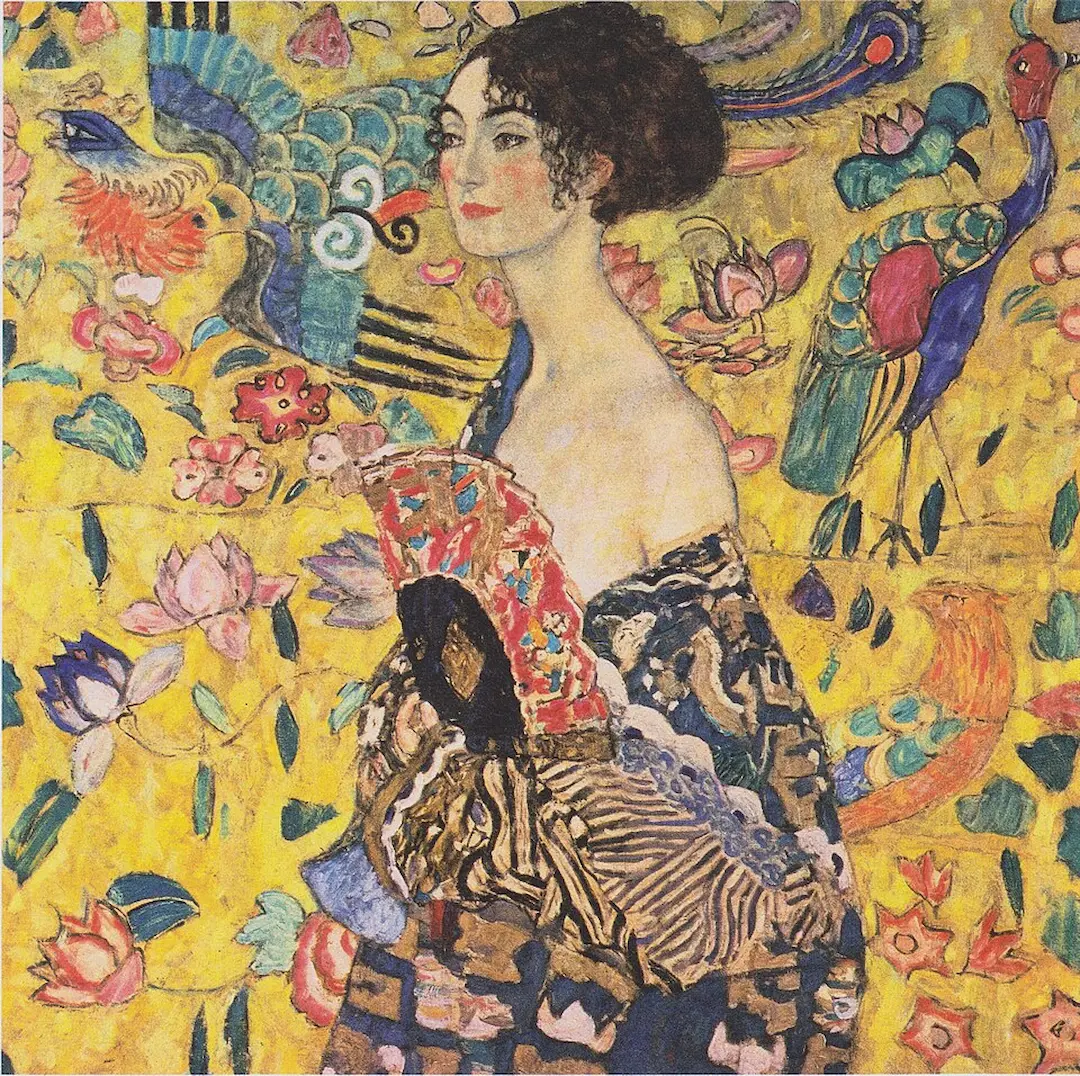
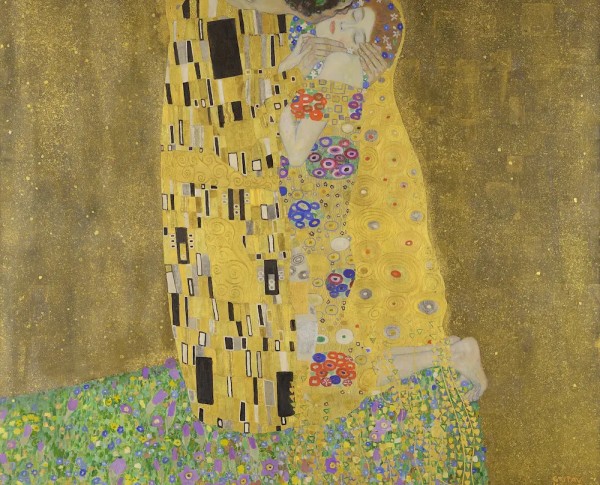
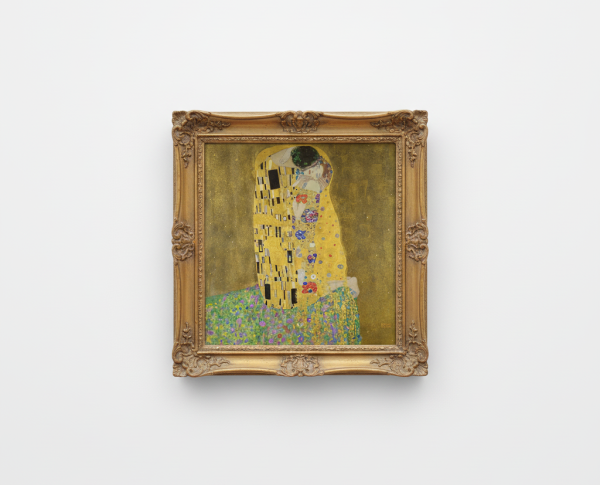
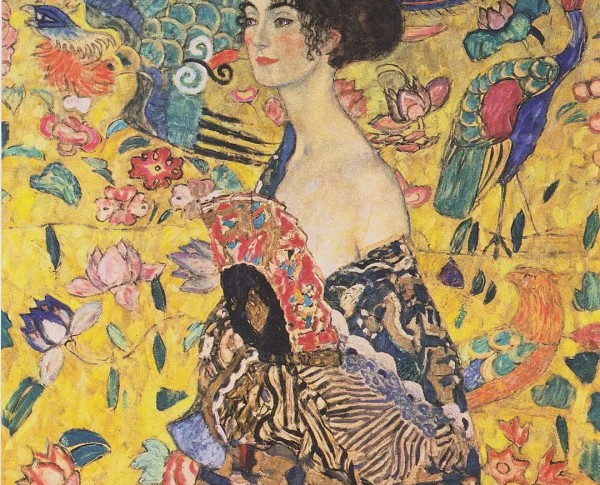
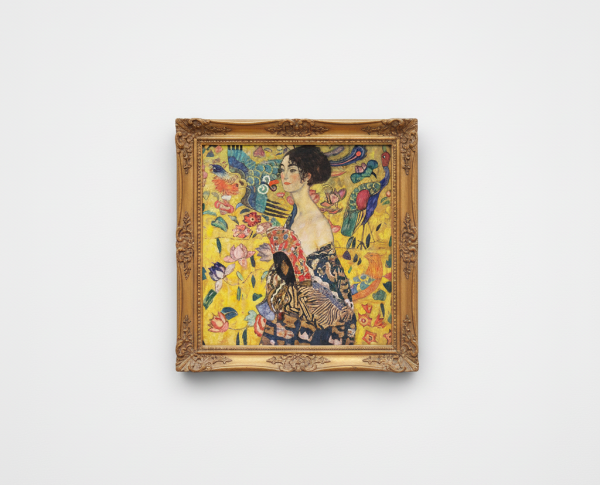
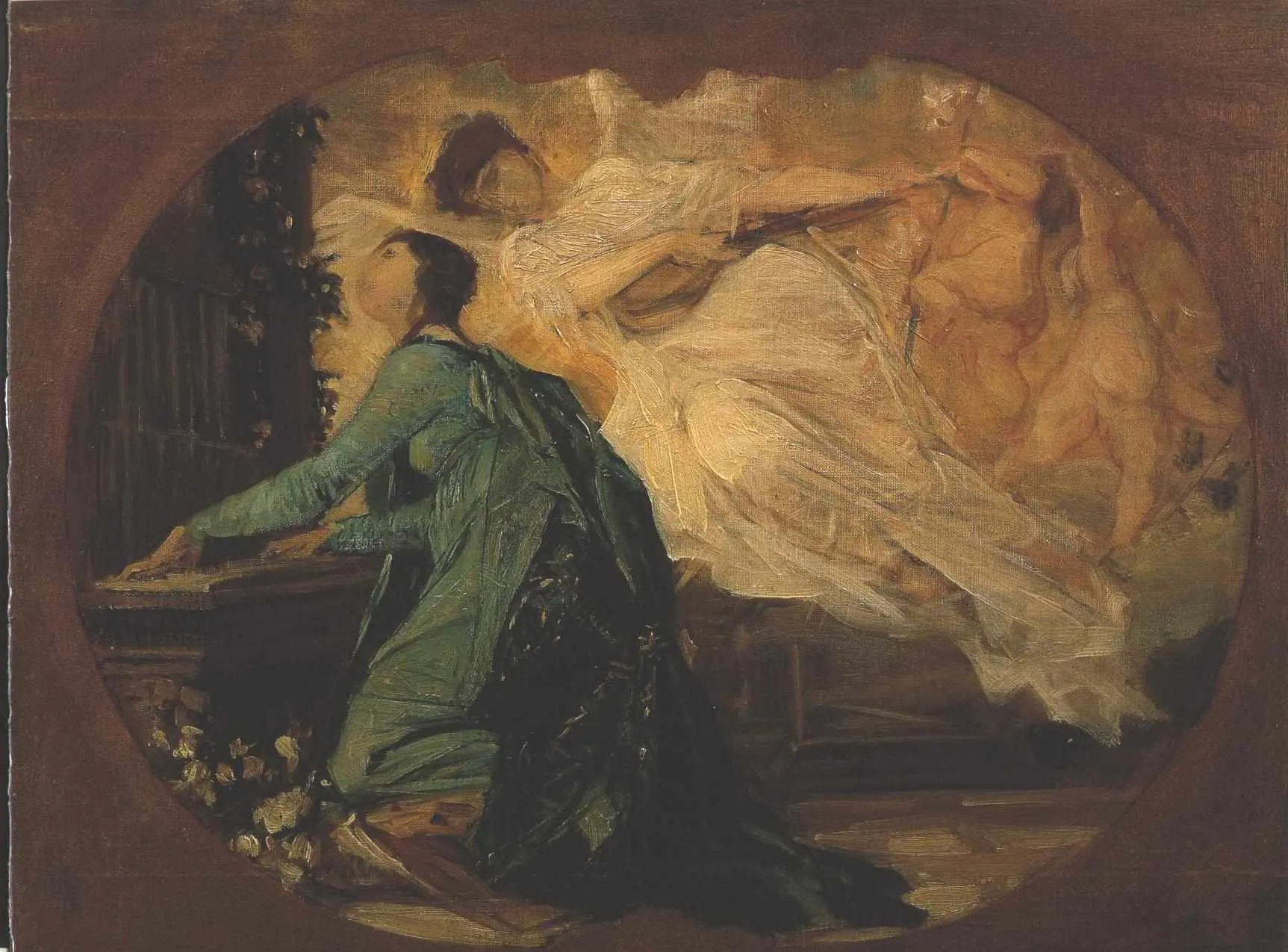
Created with oil on canvas, "Female organ player" demonstrates Gustav Klimt’s technical brilliance and attention to detail. Each brushstroke reflects the artist’s passion for texture, color, and form, hallmarks of the Vienna Secession movement. Klimt’s technique invites viewers to appreciate the subtle interplay of light and shadow. If you admire this masterpiece, consider exploring related pieces such as "Portrait of a man with beard" and "Idylle" for your collection.
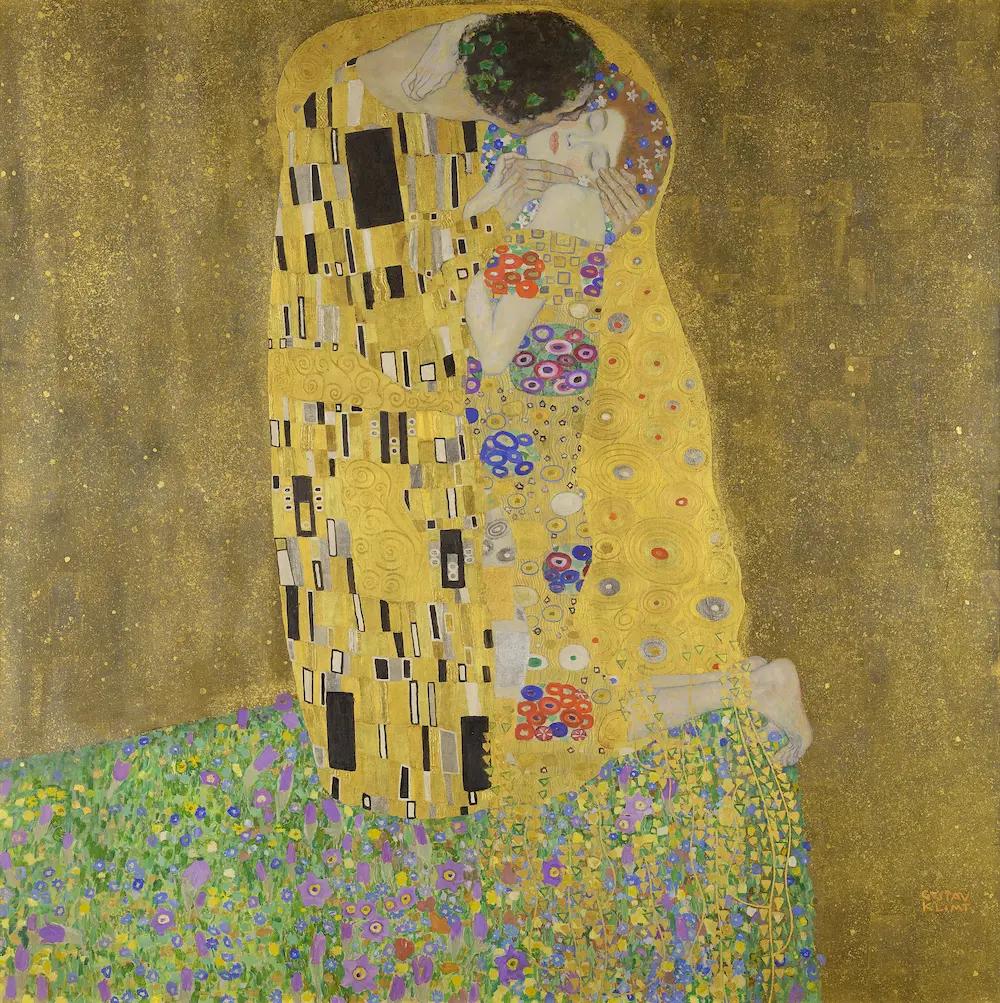
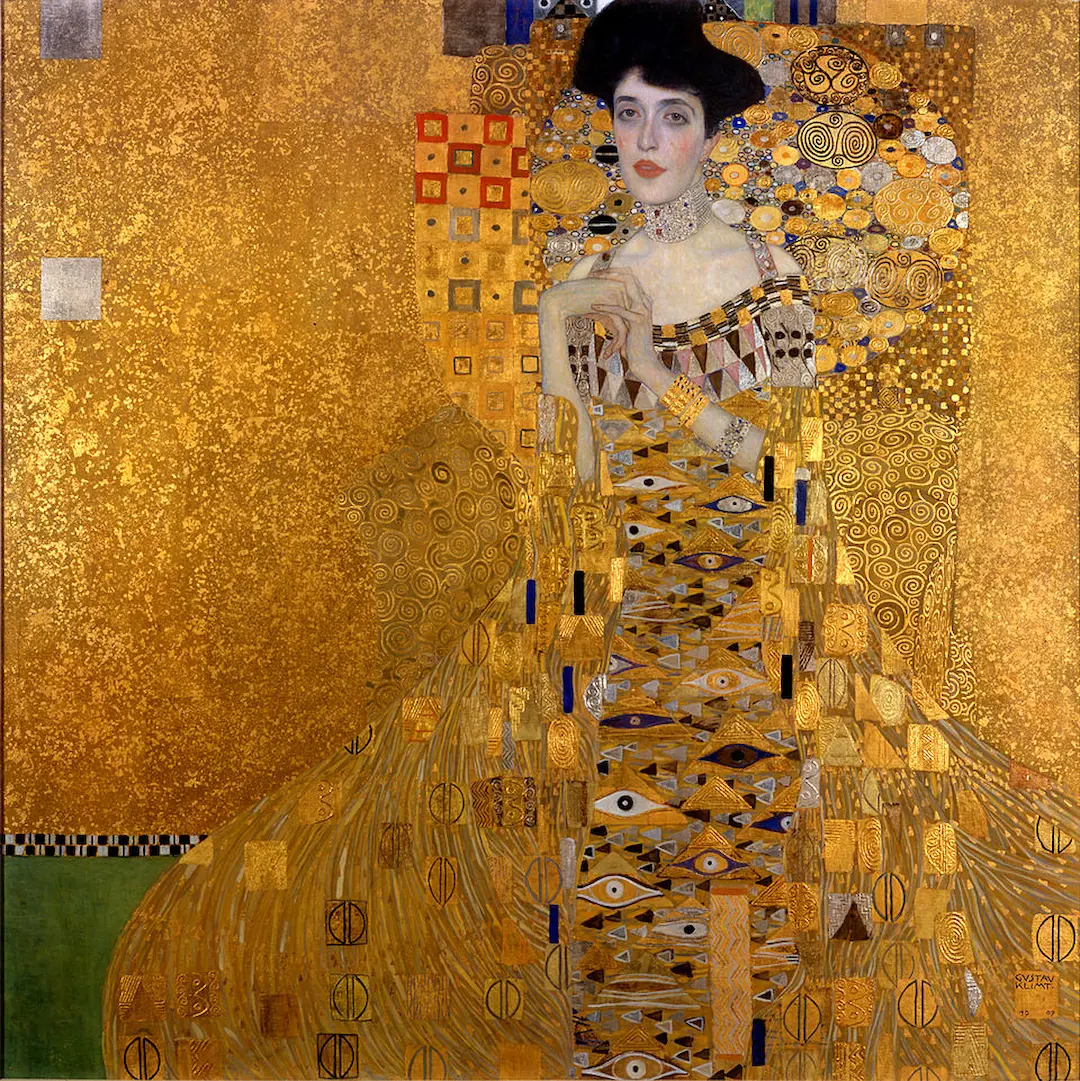
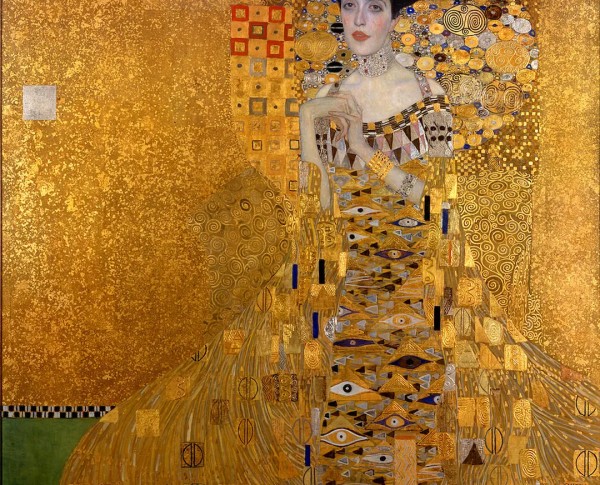
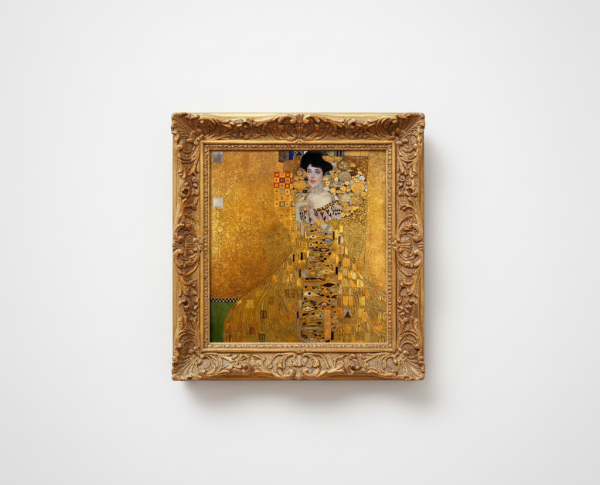
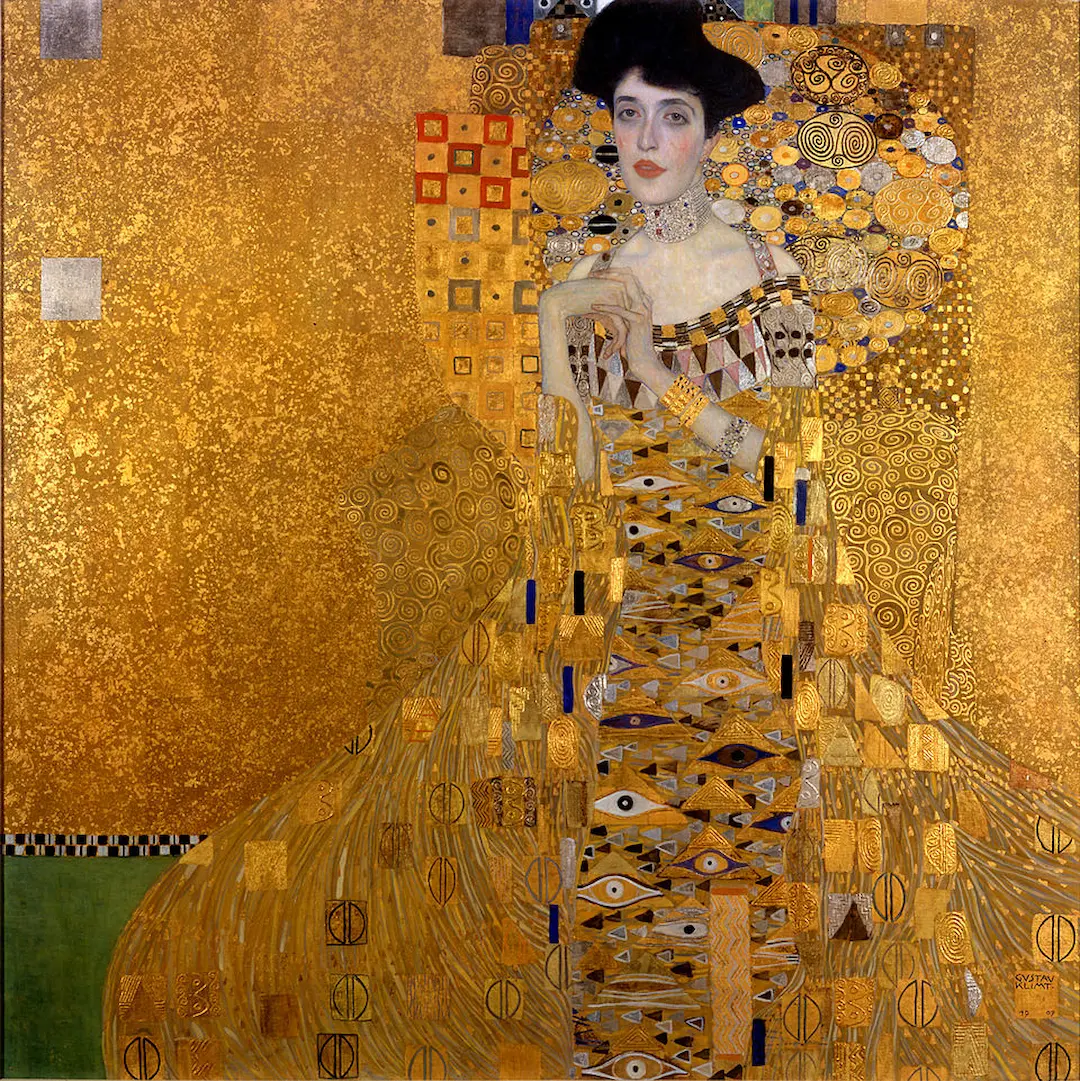
In "Female organ player," Gustav Klimt weaves intricate stories and symbols into his composition, a signature trait of the Vienna Secession movement. The painting invites interpretation, with enigmatic figures and motifs that encourage viewers to look deeper. As a fine art painting for sale, it stands alongside related works like "Portrait Of Adele Bloch Bauer I" and "Portrait of a man with beard in three quarter profile," offering a window into Klimt’s symbolic world.
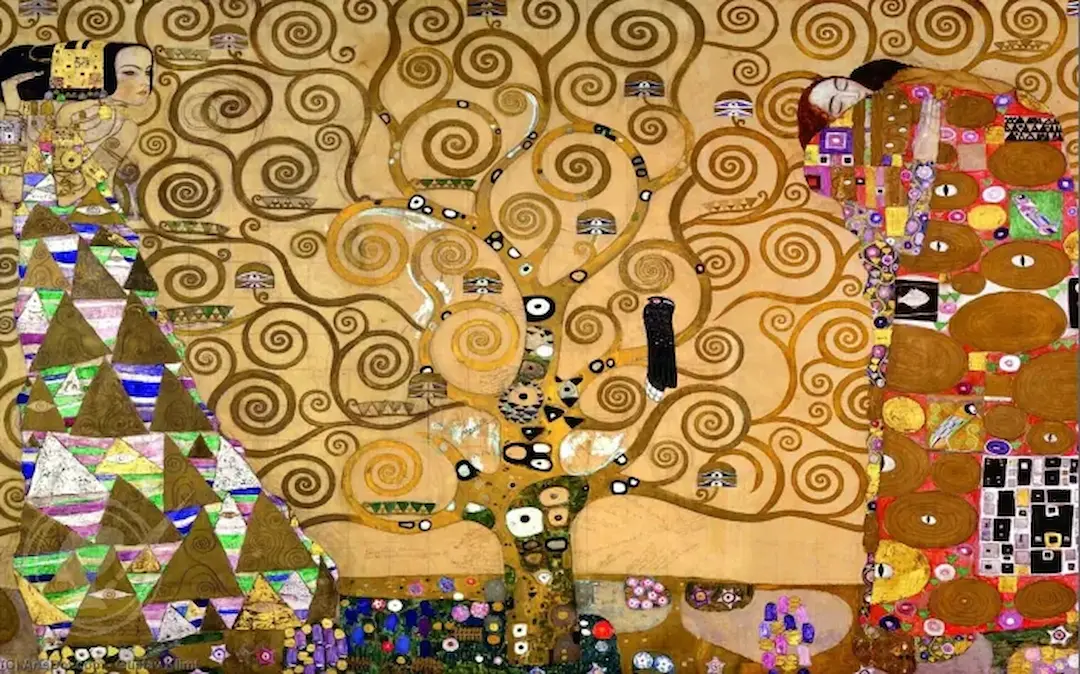
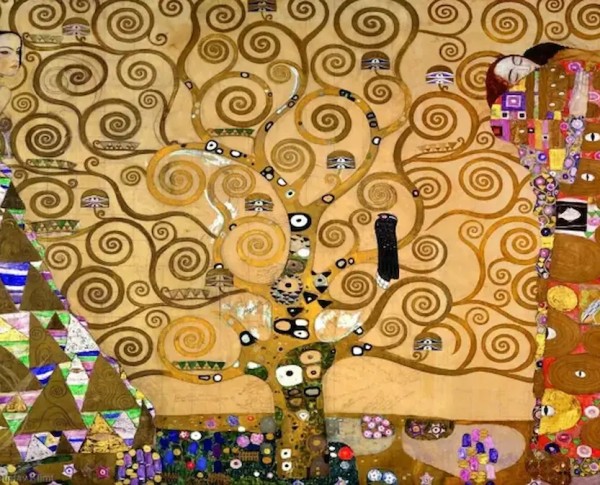
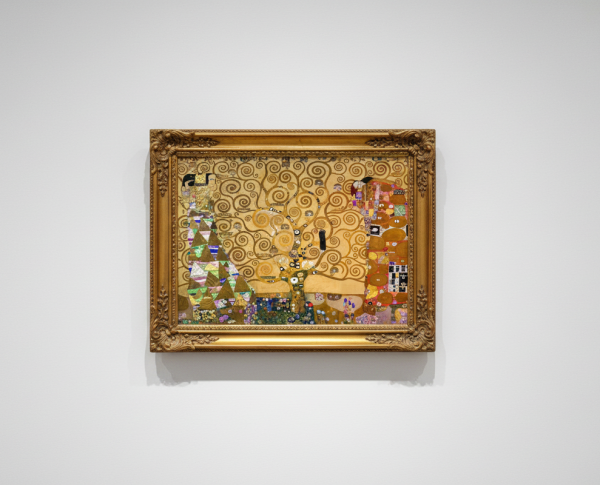
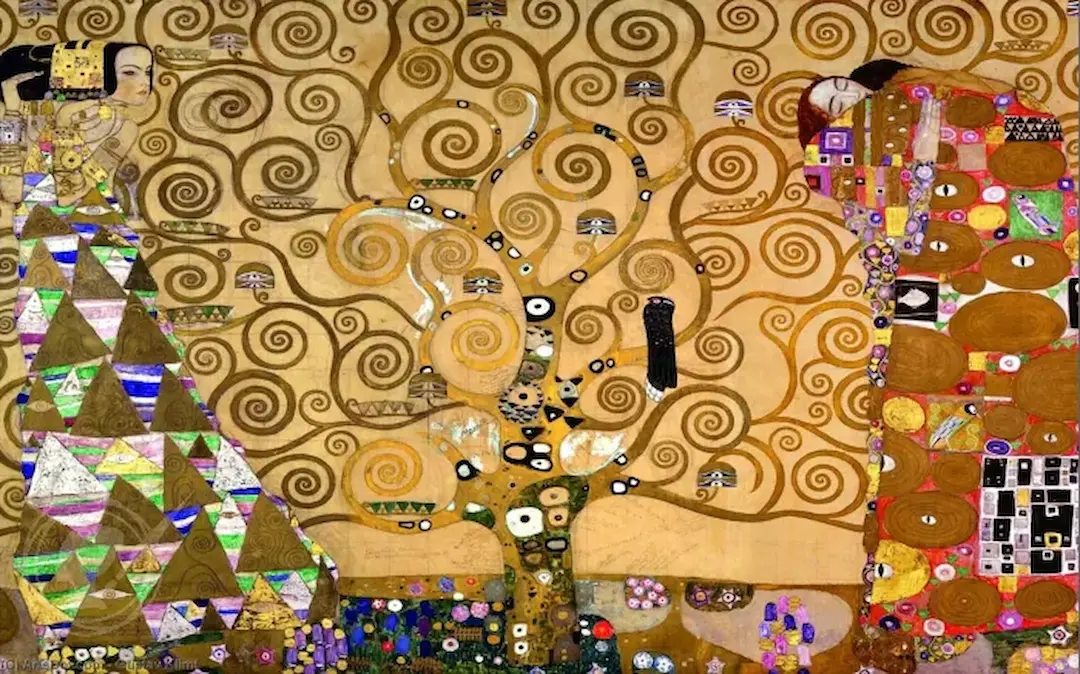
Owning "Female organ player" means possessing a piece of art history from Gustav Klimt and the Vienna Secession movement. This hand-painted oil painting not only enhances any collection but also serves as a conversation starter. Collectors often seek related products such as "Idylle" and "The Tree of Life" to complement their Klimt-inspired galleries, making these masterpieces highly desirable in the world of fine art.
When Art Meets History
"Female organ player" by Gustav Klimt stands as a remarkable example of the Vienna Secession movement, reflecting the era’s innovative spirit. Painted in the late 19th century, this hand-painted oil painting captures a transformative moment in art history, where boundaries were challenged and new aesthetics emerged. Gustav Klimt’s mastery is evident as he weaves together symbolism and realism, echoing similar motifs found throughout his acclaimed body of work. This piece remains a testament to the movement’s enduring influence.
Techniques That Speak
Gustav Klimt’s "Female organ player" showcases the artist’s renowned use of oil on canvas, characterized by intricate detailing and bold, expressive brushstrokes. The Vienna Secession movement favored innovation, and Klimt’s technique in this painting demonstrates his ability to blend traditional methods with avant-garde flair. The layering of colors and textures gives the composition a unique vibrancy, distinguishing it as a masterpiece among his many celebrated works and making it a sought-after example of Vienna Secession artistry.
Emotions on Display
The emotional depth in "Female organ player" is palpable, as Gustav Klimt masterfully conveys both introspection and intensity through the subject’s posture and expression. This fine art painting for sale reveals the artist’s skill in channeling complex feelings, a hallmark of the Vienna Secession movement. The viewer is drawn into the intimate world Klimt creates, echoing the evocative qualities seen in his other famous paintings, and making this piece a powerful statement of emotion on canvas.
Coveted by Collectors
"Female organ player" by Gustav Klimt remains highly prized among art collectors, representing the pinnacle of Vienna Secession creativity. As a hand-painted oil painting, its rarity and historical significance contribute to its desirability in the art market. Collectors recognize the enduring value of Klimt’s work, often seeking out this and related paintings to enhance their collections. The allure of owning a genuine example of Klimt’s genius continues to captivate enthusiasts worldwide.
Frequently Asked Questions About Female Organ Player
What is the historical context of Gustav Klimt's "Female Organ Player"?
"Female Organ Player" was created during the height of the Vienna Secession movement in the early 20th century, a time when artists sought to break away from traditional artistic conventions and explore new forms of expression.
What artistic techniques did Klimt employ in this painting?
Klimt is known for his use of decorative patterns, rich colors, and intricate details. In "Female Organ Player," he combines these techniques with a focus on the female form, creating a harmonious balance between realism and abstraction.
What does the female figure represent in this artwork?
The female figure in "Female Organ Player" symbolizes both the muse and the artist, embodying the duality of creation and inspiration. She represents the emotional depth and sensuality often associated with Klimt's work.
How does Klimt's use of color contribute to the painting's overall impact?
Klimt's use of vibrant golds and deep, rich colors creates a sense of opulence and draws the viewer's eye to the central figure, enhancing the emotional resonance and the symbolic nature of the scene.
What role does the organ play in the symbolism of the painting?
The organ serves as a symbol of both musicality and femininity, representing the harmony between the physical and spiritual realms. It underscores the connection between art and music, two forms of expression that Klimt often intertwined.
How does "Female Organ Player" reflect Klimt's overall artistic philosophy?
This painting exemplifies Klimt's belief in the importance of beauty and sensuality in art. It reflects his fascination with the female form and the emotional experiences associated with music and creativity.
What influences can be seen in Klimt's style in this painting?
Klimt was influenced by various artistic movements, including Symbolism and Art Nouveau. In "Female Organ Player," these influences manifest through the intricate patterns and the ethereal quality of the figure, which is characteristic of his signature style.
What is the significance of the background in "Female Organ Player"?
The background features abstract patterns that enhance the sense of depth and create a dreamlike atmosphere. This use of decorative elements serves to elevate the female figure, emphasizing her importance within the composition.
How does this painting fit within Klimt's body of work?
"Female Organ Player" is representative of Klimt's exploration of themes related to femininity, sensuality, and the human experience. It aligns with his other works that celebrate the beauty and complexity of women.
What impact did "Female Organ Player" have on the art world at the time of its creation?
The painting contributed to the dialogue surrounding the role of women in art and society during the early 20th century. It challenged traditional representations of women and paved the way for future explorations of gender and identity in art.























_GFM_Painting_(1).webp)


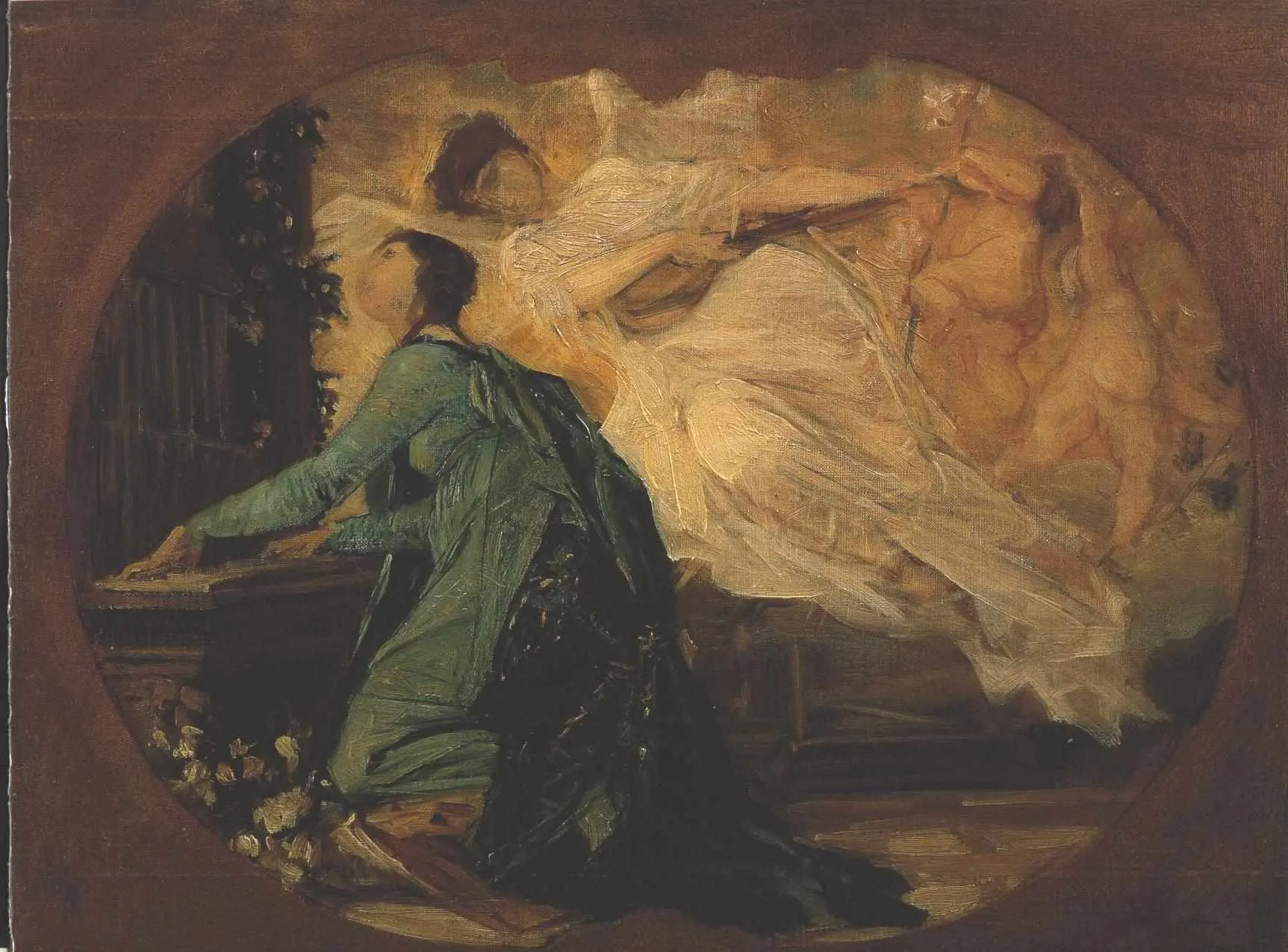
 100% Hand-Painted: Finished in 3-6 Weeks

.png)















_(1).webp)