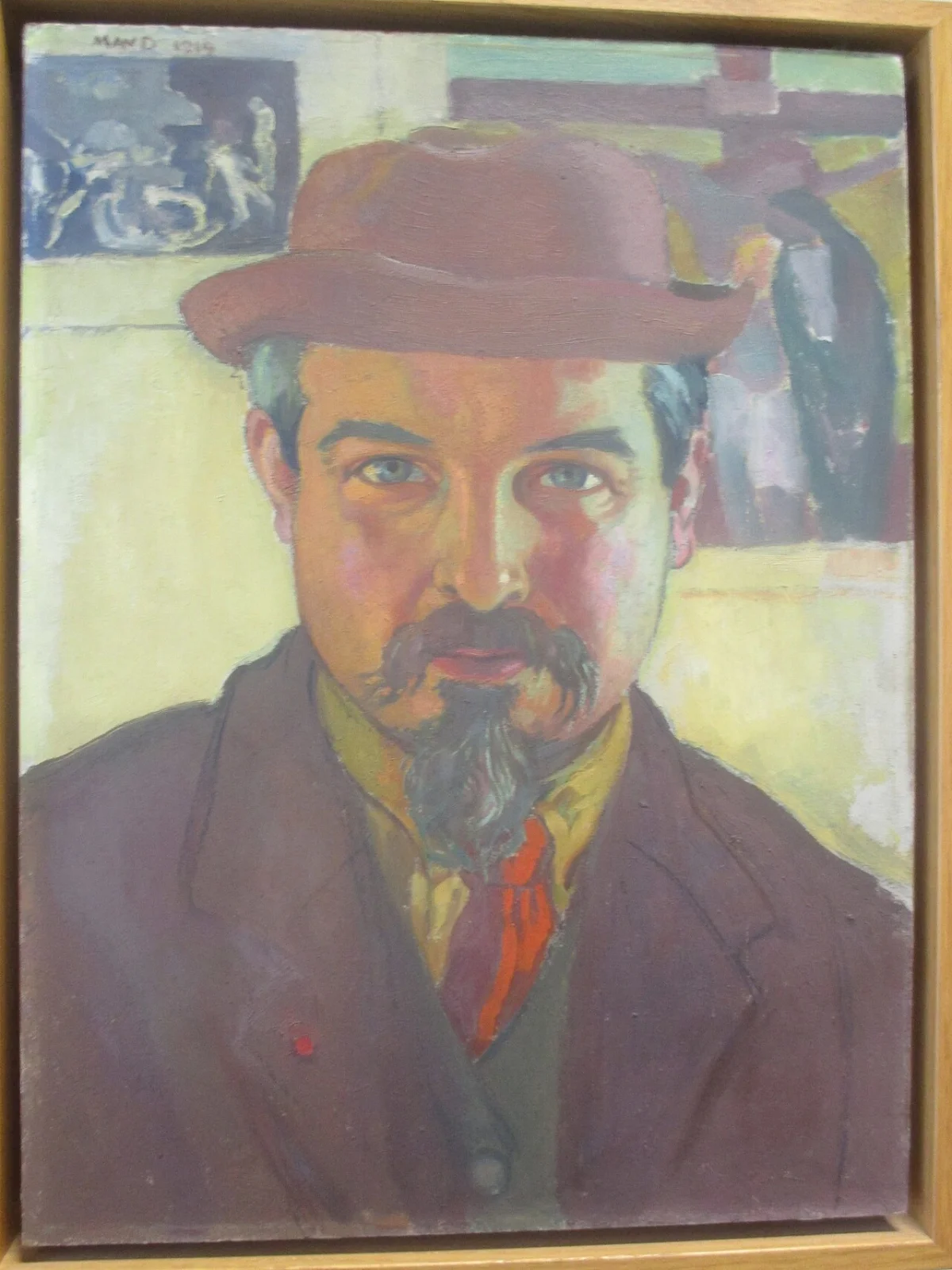
The "Autoportrait" by Claude Monet is a stunning example of oil on canvas technique, showcasing the artist’s delicate brushwork and keen eye for detail. As one of the founders of Impressionism, Monet employs swift, expressive strokes that bring his self-portrait to life. Collectors and art lovers can also appreciate similar masterpieces like "Boatyard near Honfleur" and "Camille Monet on her deathbed," each reflecting Monet’s mastery in this medium.
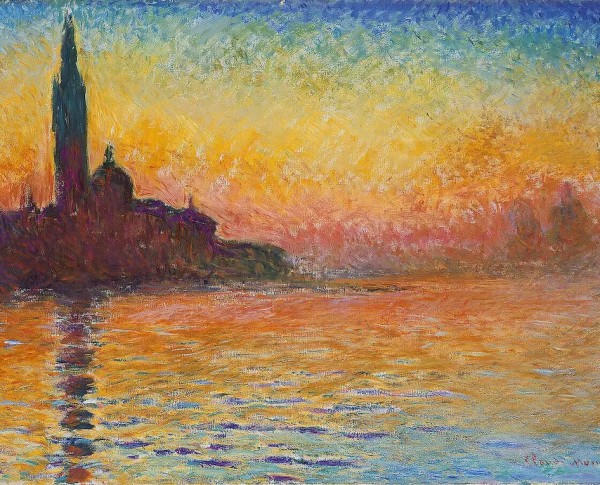
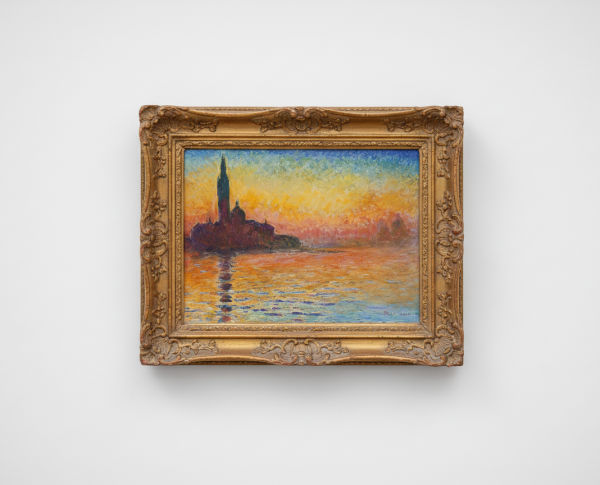
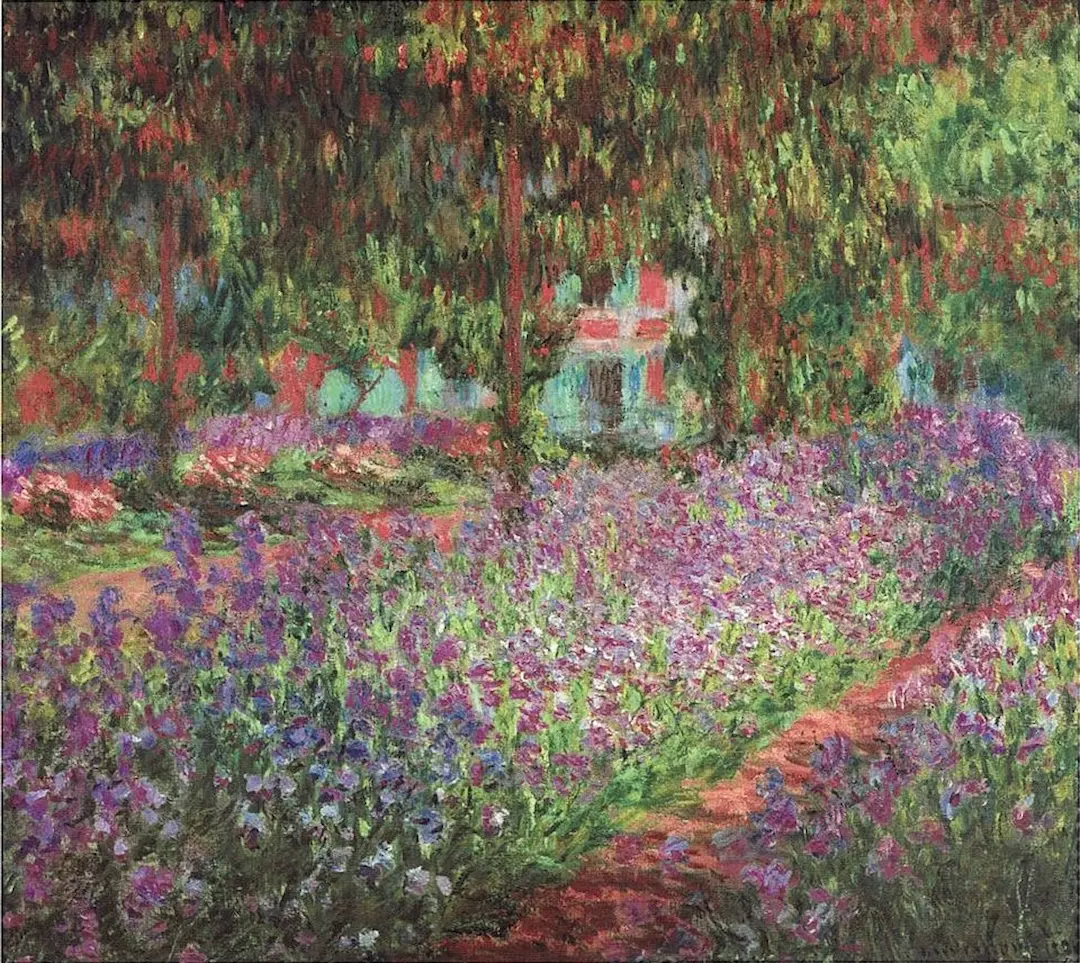
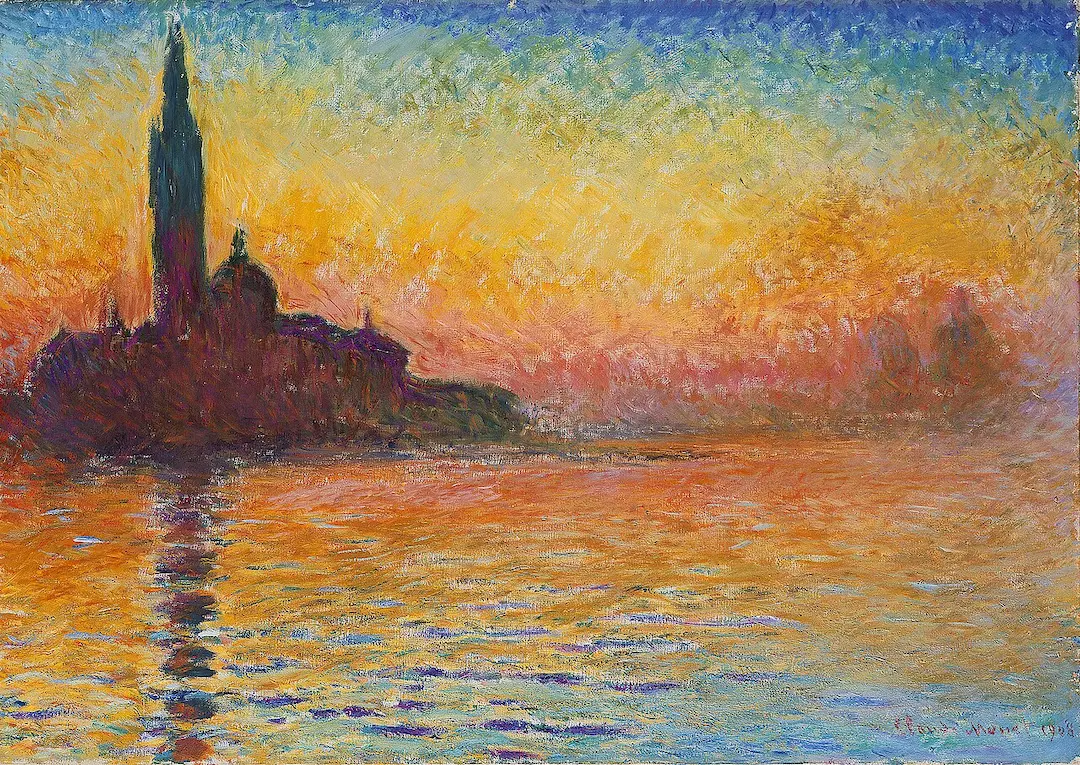
Through the lens of Impressionism, Monet’s "Autoportrait" reveals subtle stories and symbols that speak to his personal journey. This fine art painting for sale embodies the introspective mood and innovative techniques characteristic of the movement. Those captivated by Monet’s storytelling may also find intrigue in related works such as "The Railway Bridge at Argenteuil" and "San Giorgio Maggiore At Dusk," each offering a unique narrative woven into the canvas.
Owning Monet’s "Autoportrait" is more than acquiring a piece of art; it’s embracing a chapter of Impressionist history. This hand-painted oil painting represents a rare opportunity for collectors to connect with the genius of Claude Monet. Enhance your collection with related products like "Woman with a Parasol, facing left" or "Boatyard near Honfleur," and experience the enduring allure of Monet’s fine art painting for sale.
When Art Meets History
"Autoportrait" by Claude Monet stands as a testament to the transformative era of Impressionism. This hand-painted oil painting captures not only the artist’s likeness but also the spirit of a movement that revolutionized the art world. Monet, known for masterpieces like "The Seine At Asnieres Aka The Skiff" and "Portrait of Mademoiselle Sicotg," invites viewers to witness a pivotal moment where art and history intertwine, making each brushstroke a reflection of its time.
Techniques That Speak
Claude Monet’s "Autoportrait" exemplifies the hallmark techniques of Impressionism, using vibrant oil on canvas to evoke light and atmosphere. Monet’s rapid, visible brushstrokes mirror those seen in works such as "Dancers In Pink" and "Young Spartans Exercising," bringing a sense of immediacy and movement. This approach allowed Monet to capture fleeting moments, making each fine detail in the portrait resonate with both technical mastery and the innovative spirit of his era.
Emotions on Display
Through "Autoportrait," Monet communicates profound introspection and emotional depth, a signature of Impressionist art. Each layer of paint reveals the artist’s state of mind, similar to the emotional resonance found in "Preparation of raisins" and "The Seine At Asnieres Aka The Skiff." This fine art painting for sale doesn’t just depict a face; it offers a glimpse into the soul of its creator, inviting viewers to connect with Monet’s personal journey and the broader Impressionist movement.
Coveted by Collectors
"Autoportrait" by Claude Monet remains highly sought after among collectors and art enthusiasts. As a quintessential example of Impressionism, this hand-painted oil painting embodies both artistic innovation and historical significance. Alongside related works like "Dancers In Pink" and "Portrait of Mademoiselle Sicotg," Monet’s self-portrait continues to captivate those seeking a timeless piece of art history, making it a prized addition to any fine art collection.
Related Impressionism Hand-Painted Oil Paintings by Other Artists
Other Famous Impressionism Artists:
Frequently Asked Questions About Autoportrait
What is the historical context of Claude Monet's Autoportrait?
Claude Monet painted Autoportrait during the late 19th century, a period marked by the rise of Impressionism, a movement that sought to capture the effects of light and color in a more spontaneous manner.
What artistic techniques are evident in Autoportrait?
Monet employs loose brushwork and a vibrant color palette in Autoportrait, characteristic of his Impressionist style, which emphasizes the play of light and the fleeting nature of moments.
What does Autoportrait reveal about Monet's self-perception?
This painting reflects Monet's introspective nature and his identity as an artist. The self-portrait serves as a visual exploration of his inner thoughts and feelings during a transformative period in his career.
How does Autoportrait fit into Monet's broader body of work?
Autoportrait is significant as it showcases Monet's evolution as an artist, linking his personal experiences with his artistic innovations, and it serves as a precursor to his later, more famous works.
What symbolism can be found in Autoportrait?
The use of color and light in Autoportrait symbolizes Monet's emotional state and his perception of reality, reflecting the Impressionist belief in capturing the essence of a moment rather than a detailed representation.
What influences can be seen in Monet's style in this painting?
Monet's style in Autoportrait is influenced by earlier artistic movements, particularly Romanticism, as well as the natural landscapes that inspired his work, highlighting his connection to nature and light.
How does Autoportrait compare to other self-portraits of the era?
Unlike many self-portraits of the time that focused on formal representation, Monet's Autoportrait emphasizes a more personal and emotional approach, reflecting the Impressionist movement's departure from traditional techniques.
What was the reception of Autoportrait at the time of its creation?
At the time of its creation, Autoportrait was part of the broader acceptance of Impressionism, which was initially met with skepticism but gradually gained recognition for its innovative approach to capturing light and atmosphere.
What role does light play in Autoportrait?
Light is a central element in Autoportrait, as Monet masterfully captures its transient qualities, which not only define the mood of the painting but also serve as a metaphor for the fleeting nature of life and perception.
What impact did Autoportrait have on future generations of artists?
Autoportrait has influenced countless artists by exemplifying the principles of Impressionism, encouraging future generations to explore personal expression, the use of color, and the importance of capturing ephemeral moments in their work.






















_GFM_Painting_(1).webp)


 100% Hand-Painted: Finished in 3-6 Weeks

.png)















_(1).webp)