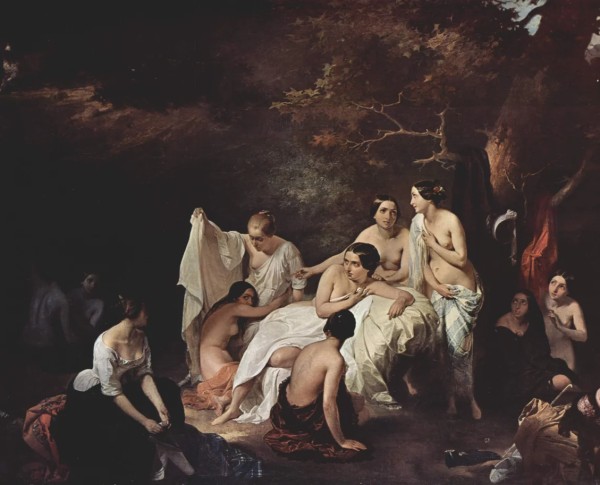
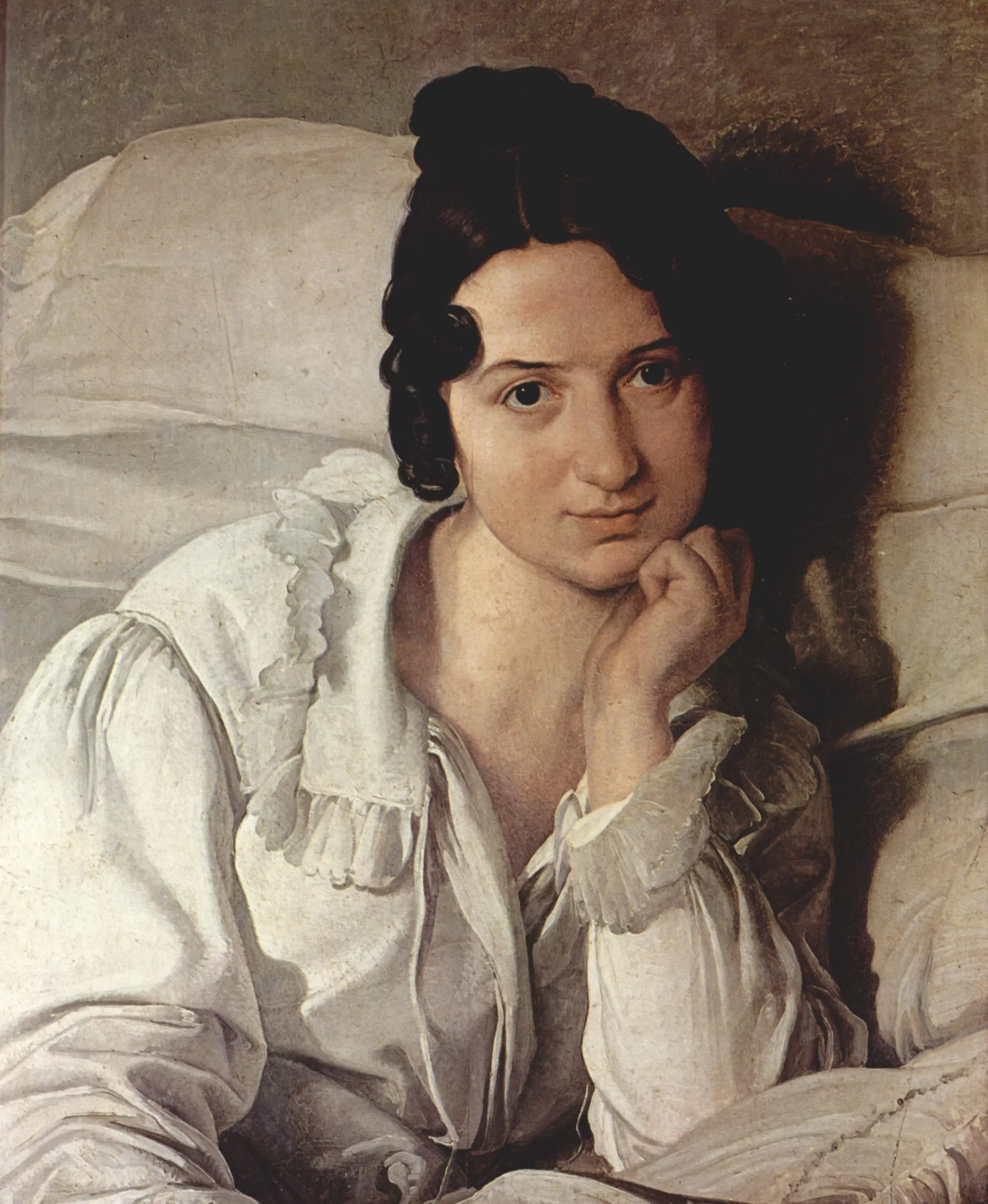
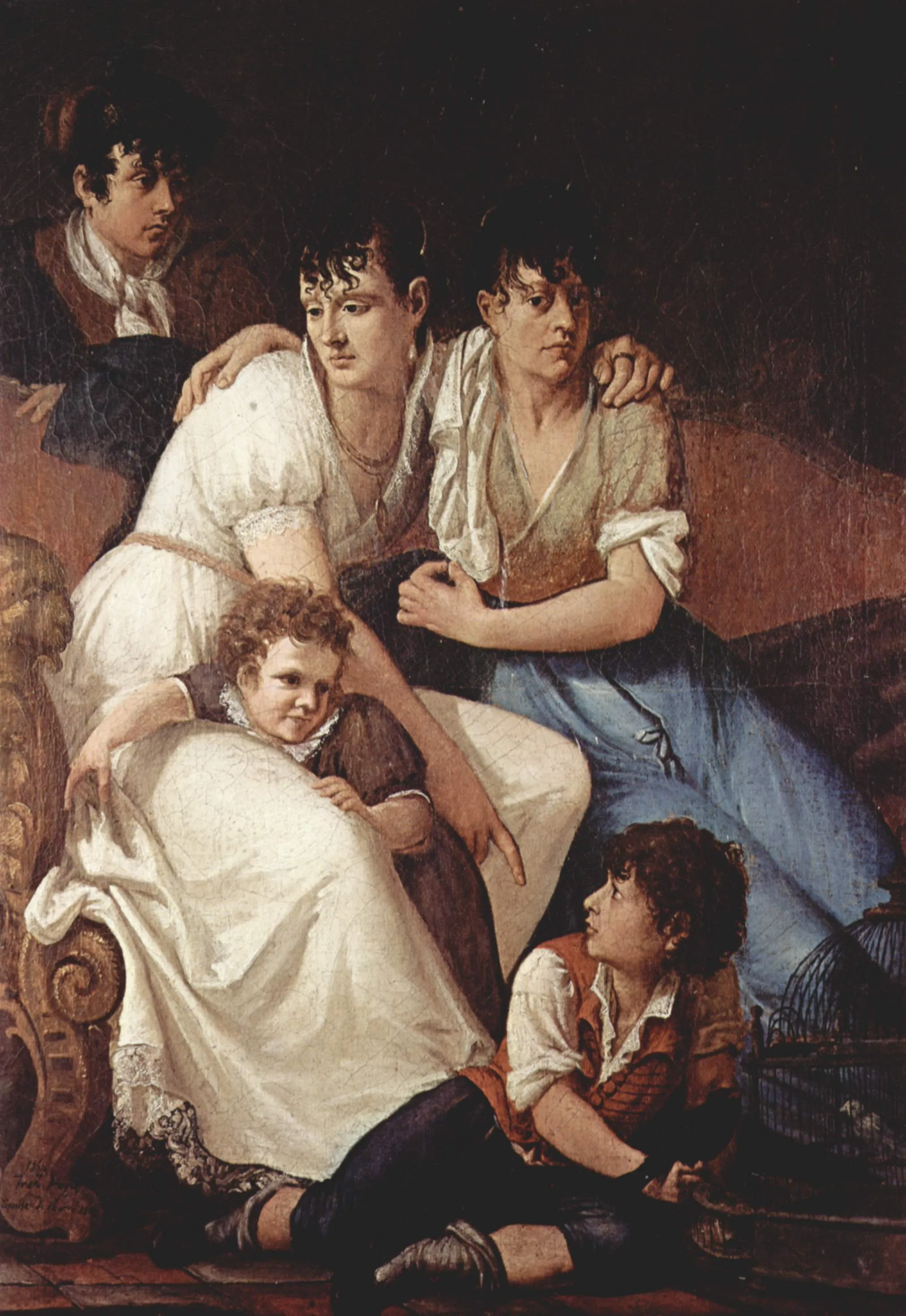
Francesco Paolo Hayez’s technical expertise is evident in "Carolina Zucchi," where each brushstroke reveals his command of oil on canvas. The painting’s delicate play of light and shadow exemplifies Romanticism’s focus on emotion and individuality. Those drawn to Hayez’s skill may also admire his other masterpieces like "Portrait of Giuseppe Roberti" and "Laocoon," which showcase similar artistry and attention to detail found in this oil on canvas creation.
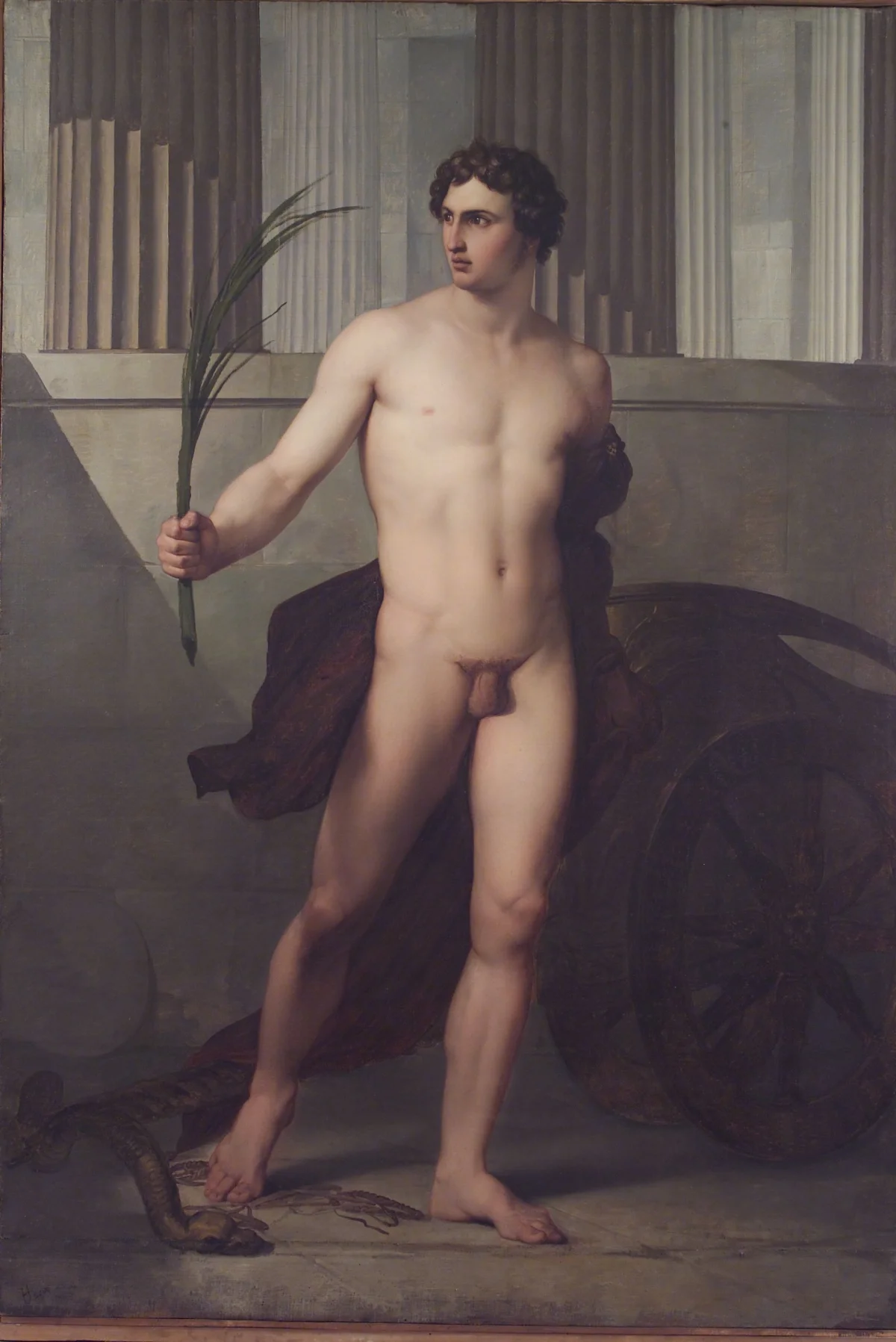
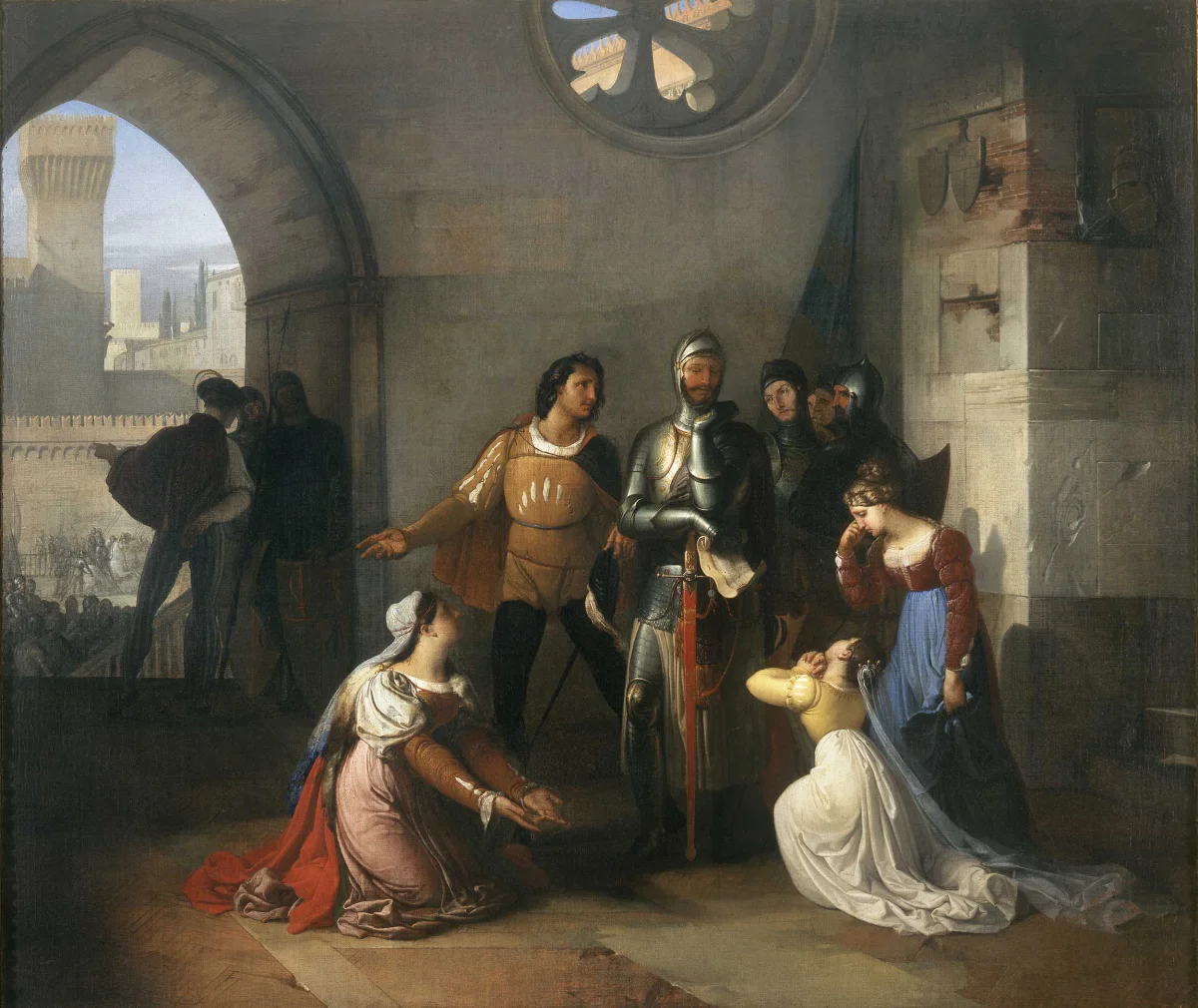
Within "Carolina Zucchi," Hayez weaves subtle narratives using gesture, attire, and background, hallmarks of a fine art painting for sale from the Romanticism period. The work’s symbolism reflects the artist’s fascination with inner life and personal history. Collectors of Hayez’s paintings often seek out related pieces, including "The Victorious Athlete" and "The Lampugnani Conspiracy," each offering a glimpse into the era’s rich storytelling traditions.
Owning "Carolina Zucchi" by Francesco Paolo Hayez means possessing a hand-painted oil painting that epitomizes the Romanticism movement’s emotional intensity. This portrait is not only a testament to Hayez’s legacy but also a prized addition to any collection. Art lovers searching for a fine art painting for sale may also be interested in related works like "Laocoon" and "Portrait of Giuseppe Roberti," which complement the beauty and history of this exceptional piece.
When Art Meets History
"Carolina Zucchi" by Francesco Paolo Hayez is a stunning example of Romanticism, a movement that celebrated emotion and individualism. This hand-painted oil painting captures the grace and poise of its subject, reflecting the turbulent yet passionate spirit of its era. Hayez, renowned for masterpieces like "Portrait du comte Honoré de La Riboisière" and "First Consul Bonaparte," brings history to life with every brushstroke, making each work a testament to the era's artistic evolution.
Techniques That Speak
Francesco Paolo Hayez’s mastery of oil on canvas is evident in "Carolina Zucchi," where delicate layering and subtle color transitions bring depth to the portrait. His technique, similar to that seen in "Portrait of Antoine Roy, comte Roy," demonstrates how Romantic artists used light and shadow to evoke atmosphere. The precise handling of oil on canvas in this painting is a hallmark of Hayez’s skill, setting his works apart within the Romanticism movement.
Emotions on Display
In "Carolina Zucchi," Hayez conveys a profound sense of introspection and longing, hallmarks of Romanticism. The sitter’s gentle gaze and soft expression evoke empathy and curiosity, inviting viewers into her world. This fine art painting for sale, like "Dawn at the Alamo" and "Sam Houston at the Battle of San Jacinto," showcases how artists of the era captured the complexity of human emotion, making each piece a window into the soul of the subject.
Coveted by Collectors
Today, "Carolina Zucchi" is highly sought after by art enthusiasts and collectors who appreciate the timeless allure of Romanticism. Owning this hand-painted oil painting by Francesco Paolo Hayez means acquiring a piece of history, much like the celebrated works "Portrait du comte Honoré de La Riboisière" and "First Consul Bonaparte." Each acquisition represents not only an investment in fine art but also a connection to the enduring legacy of 19th-century artistic mastery.
Related Romanticism Hand-Painted Oil Paintings by Other Artists
Other Famous Romanticism Artists:
Frequently Asked Questions About Carolina Zucchi
What is the historical context of "Carolina Zucchi"?
"Carolina Zucchi" was painted by Francesco Paolo Hayez in the mid-19th century, a period marked by Romanticism in Italy. This era emphasized emotion and individualism, reflecting the socio-political changes occurring in the country.
Who was Carolina Zucchi?
Carolina Zucchi was a prominent figure in the 19th-century Italian art scene, known for her beauty and as a muse for various artists, including Hayez. Her portrayal in this painting captures her elegance and the cultural ideals of femininity of the time.
What artistic techniques did Hayez employ in "Carolina Zucchi"?
Hayez utilized a combination of realism and idealism in this portrait, employing rich colors and detailed textures to create a lifelike representation. His use of light and shadow enhances the three-dimensionality of the figure.
What are the symbolic elements present in the painting?
The painting features symbolic elements such as the delicate fabric of Carolina's dress, which signifies grace and femininity. The soft, warm color palette evokes feelings of warmth and intimacy, further enhancing her allure.
How does "Carolina Zucchi" reflect the Romantic movement?
This painting embodies the Romantic movement's focus on emotion and individual expression. Hayez's portrayal of Carolina captures not only her physical beauty but also an emotional depth, inviting viewers to connect with her character.
What is the significance of the pose and expression of Carolina Zucchi?
Carolina's pose is both relaxed and confident, suggesting a sense of self-assuredness. Her expression, with a subtle smile, conveys a sense of mystery and invites the viewer to ponder her thoughts and feelings.
In what ways does "Carolina Zucchi" showcase Hayez's artistic style?
Hayez's style is characterized by meticulous attention to detail, vibrant colors, and dynamic compositions. In "Carolina Zucchi," these elements come together to create a striking portrait that highlights his mastery of the medium.
What was the reception of "Carolina Zucchi" when it was first exhibited?
Upon its exhibition, "Carolina Zucchi" received acclaim for its technical excellence and emotional resonance. The painting solidified Hayez's reputation as a leading portrait artist of his time and contributed to the evolving appreciation of female subjects in art.
How does "Carolina Zucchi" compare to other works by Hayez?
Compared to Hayez's other works, "Carolina Zucchi" stands out for its intimate portrayal of a single subject. While many of his paintings depict historical or allegorical themes, this portrait emphasizes personal connection and individual beauty.
What legacy has "Carolina Zucchi" left in the art world?
"Carolina Zucchi" continues to be celebrated as an exemplary work of 19th-century portraiture. Its influence can be seen in the way subsequent artists approached the representation of women, focusing on both beauty and character depth.























_GFM_Painting_(1).webp)


 100% Hand-Painted: Finished in 3-6 Weeks

.png)















_(1).webp)