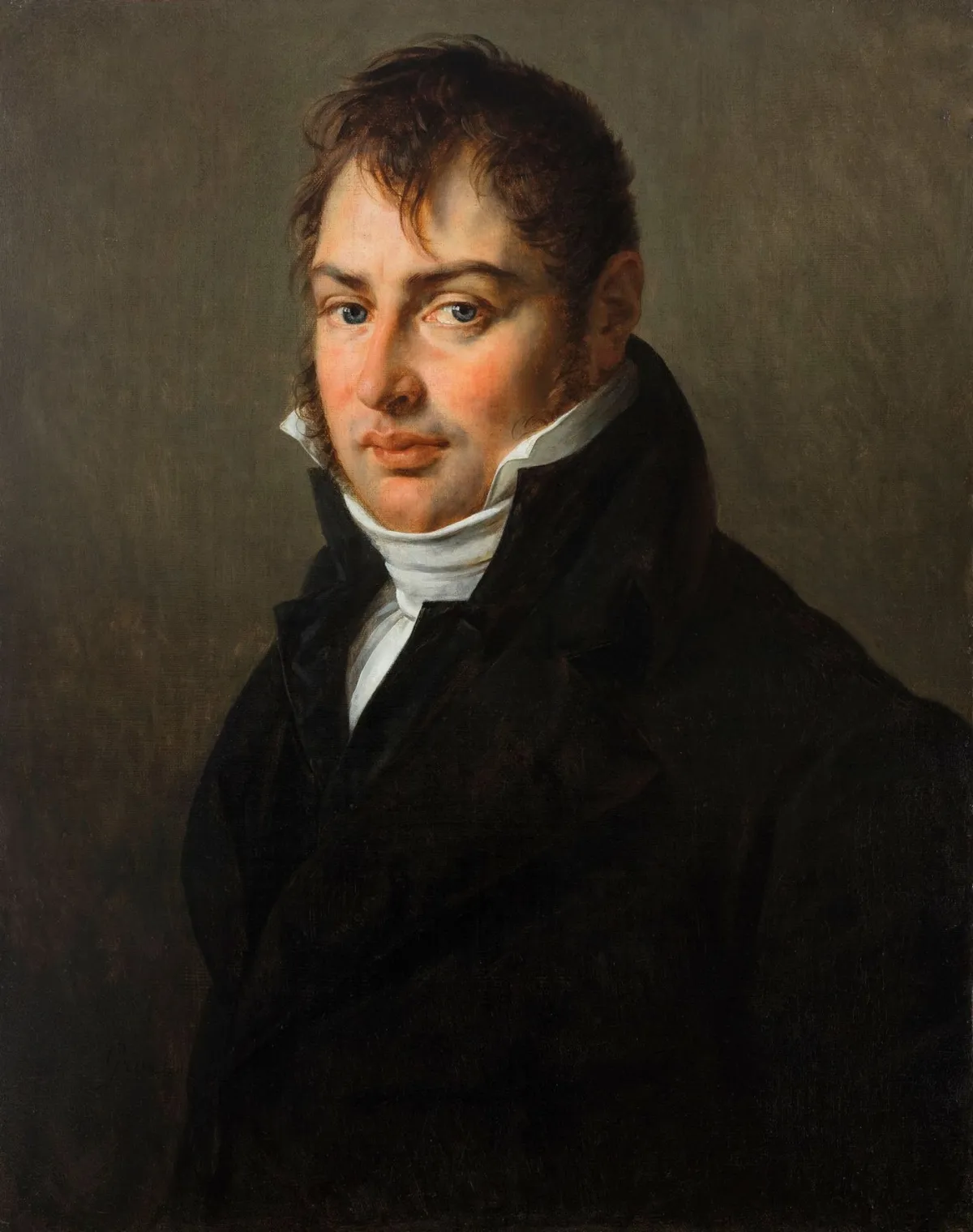
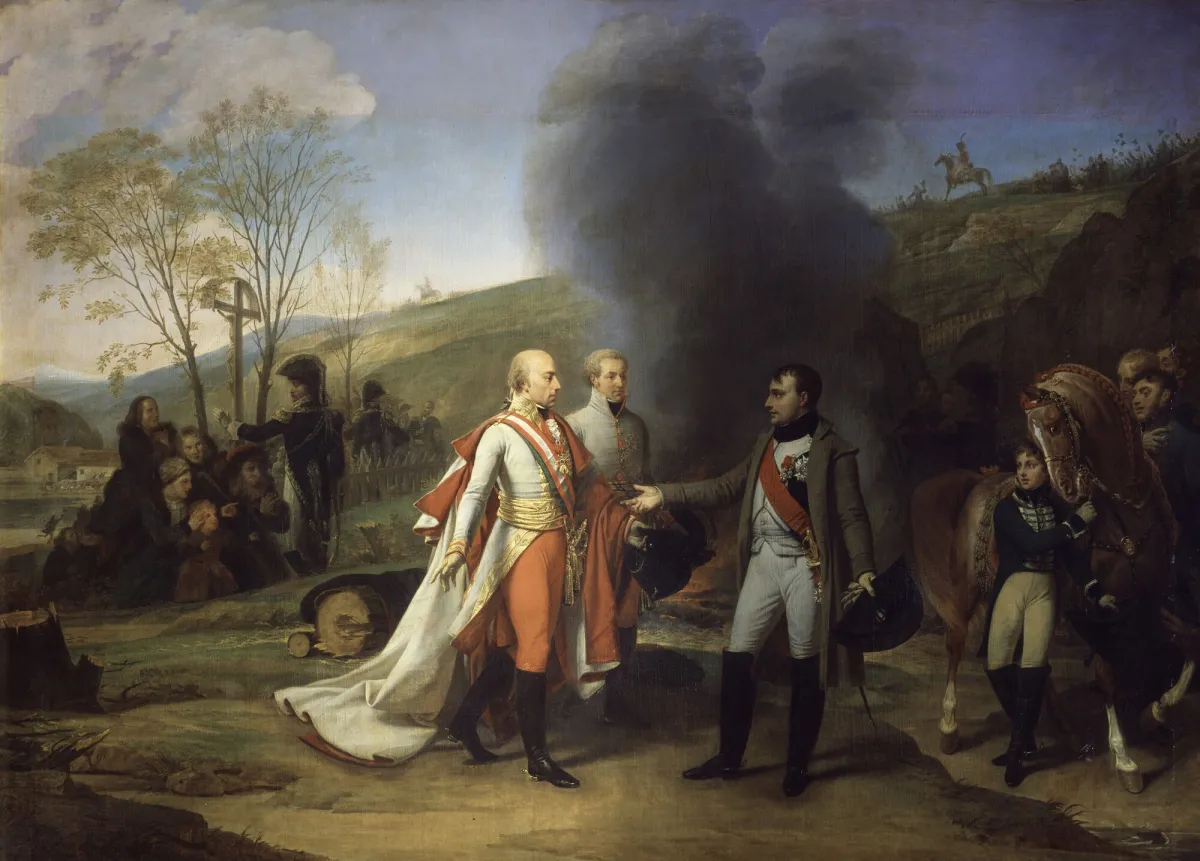
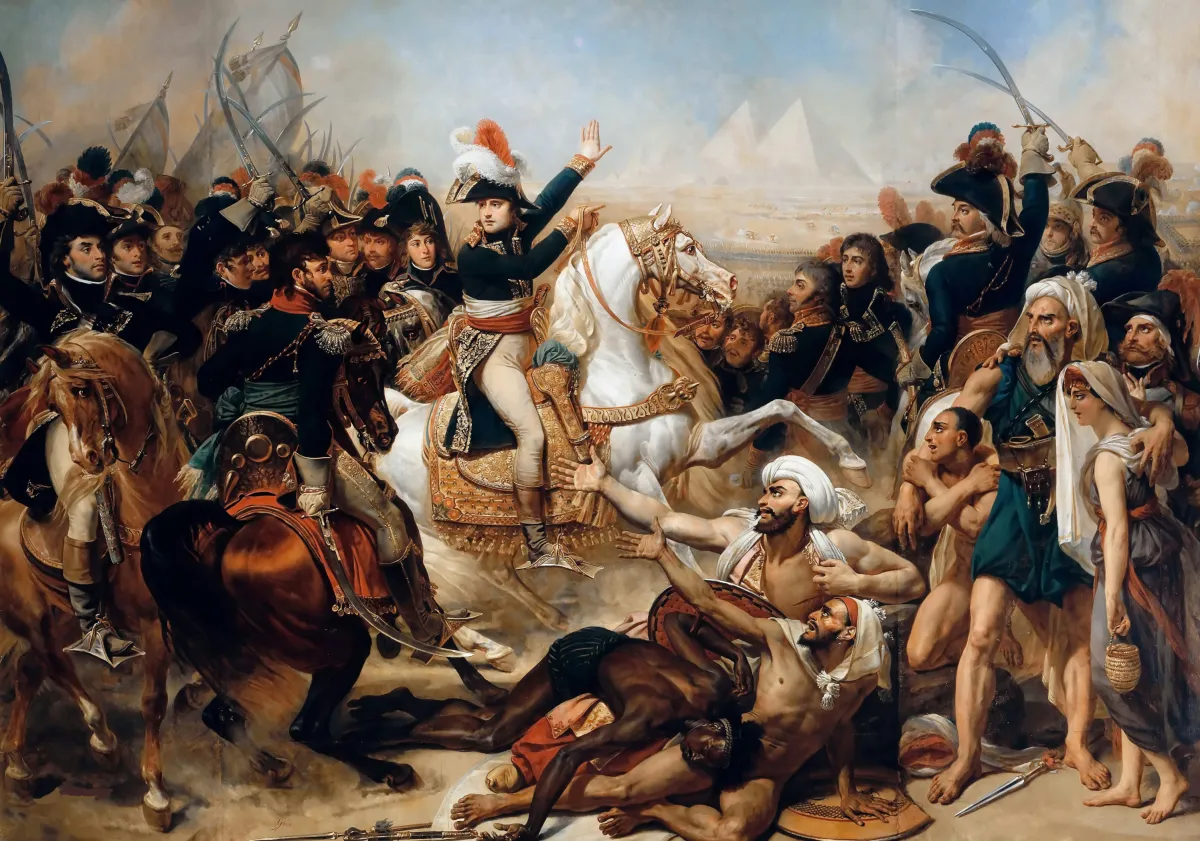
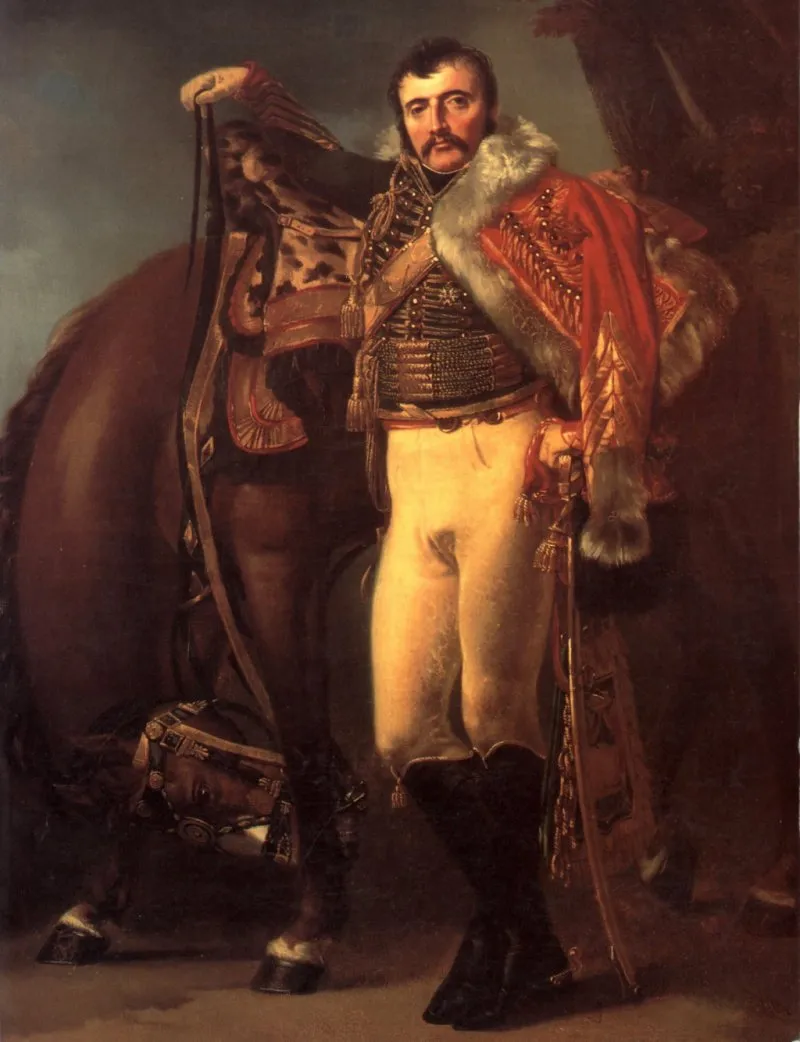
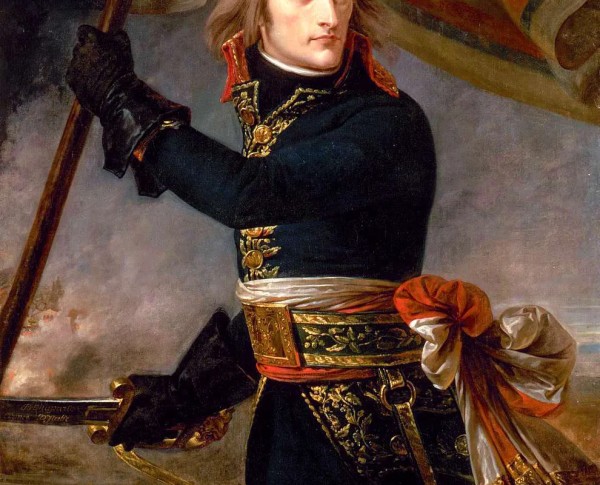
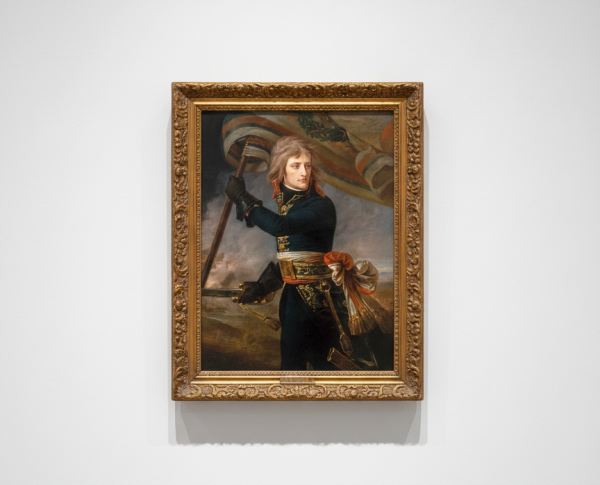
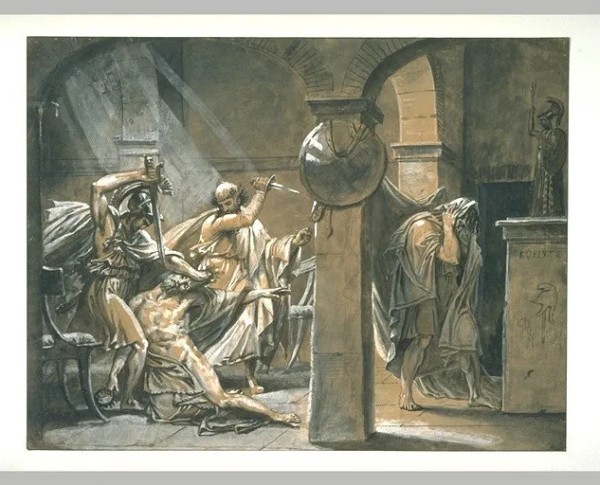
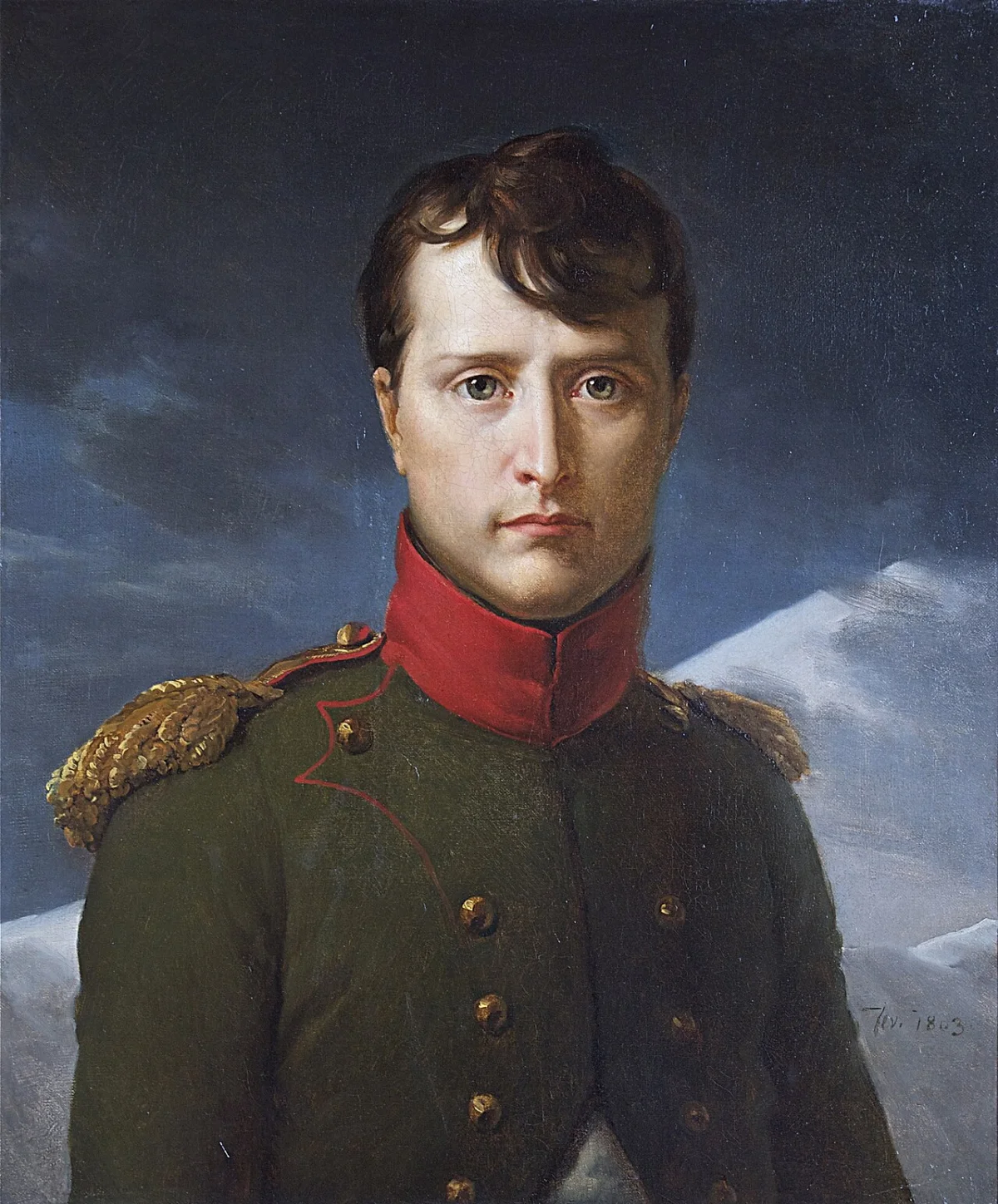
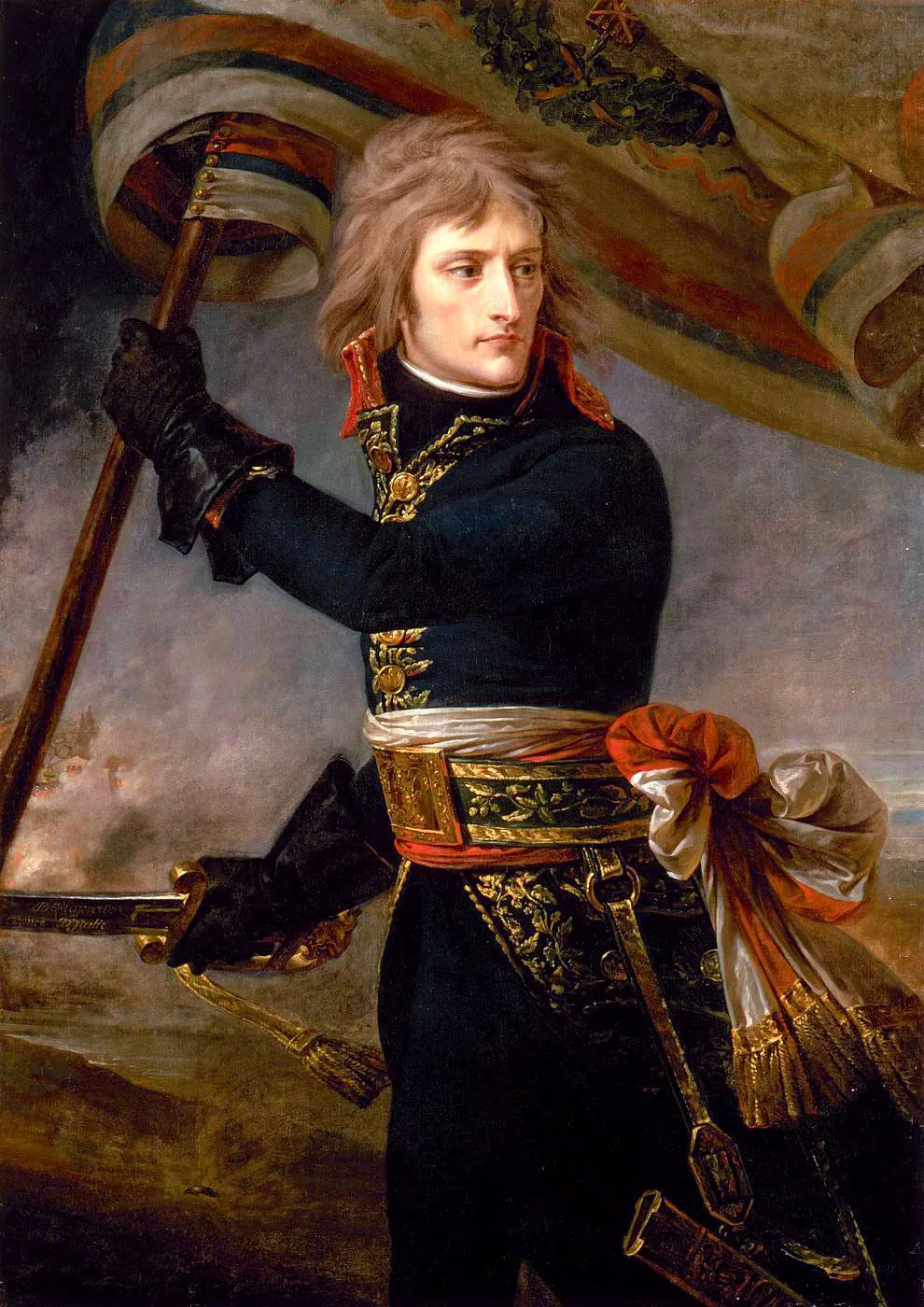
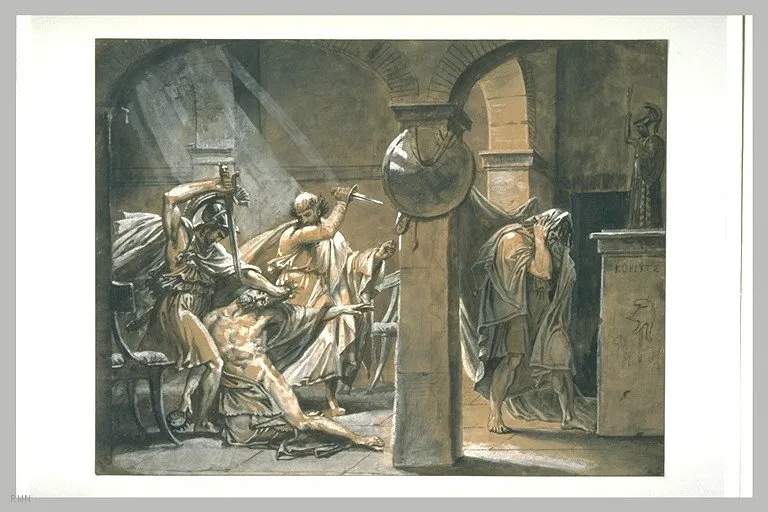
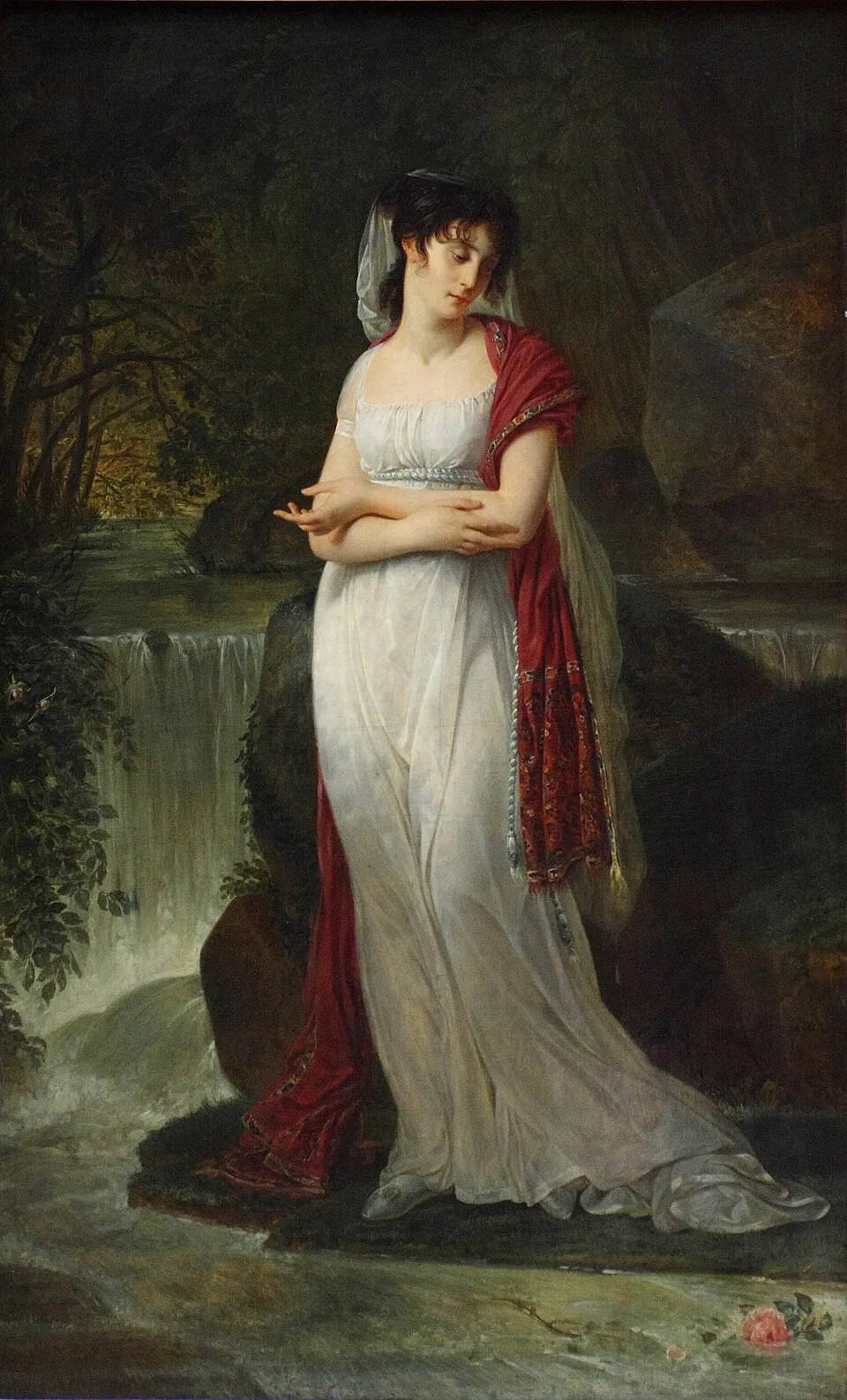
Antoine-Jean Gros’s technique in "First Consul Bonaparte" shines through his expert use of oil on canvas, showcasing the artist’s ability to convey both grandeur and intimacy. The meticulous brushwork and vibrant palette typify Romanticism, immersing viewers in the subject’s commanding presence. Collectors and admirers of fine art painting for sale often seek works like this, alongside masterpieces such as "Sappho at Leucate" and "The Death of Timophanes," for their superior craftsmanship and emotional depth.
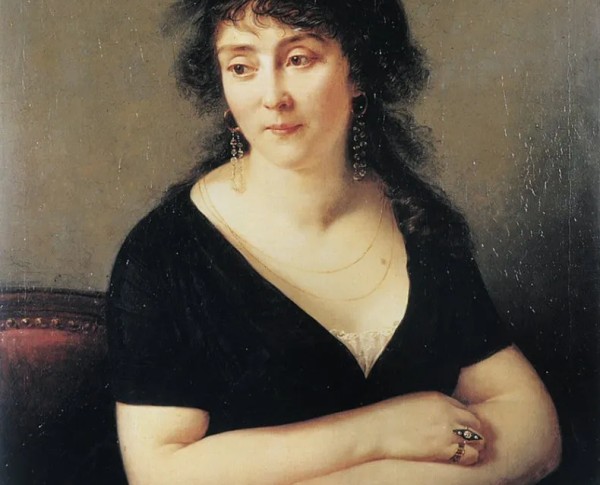
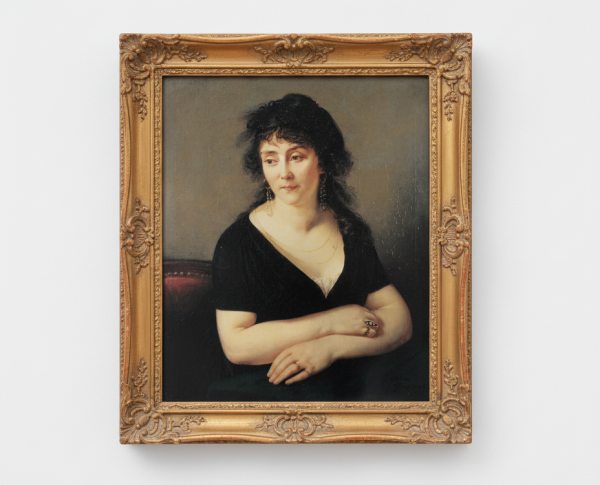
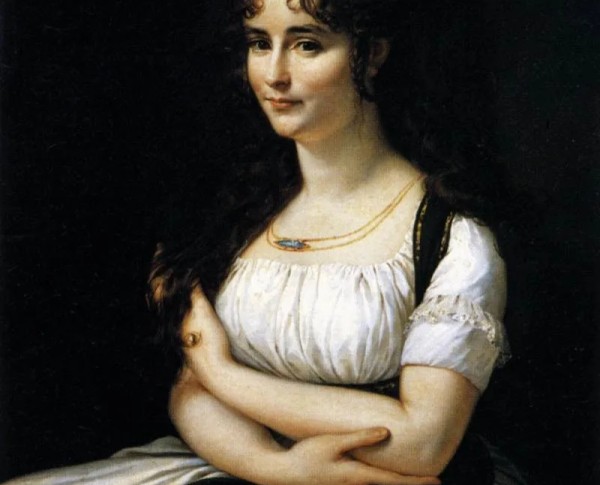
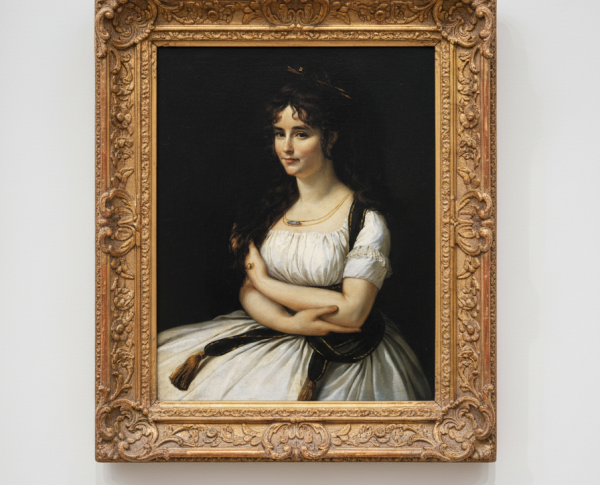
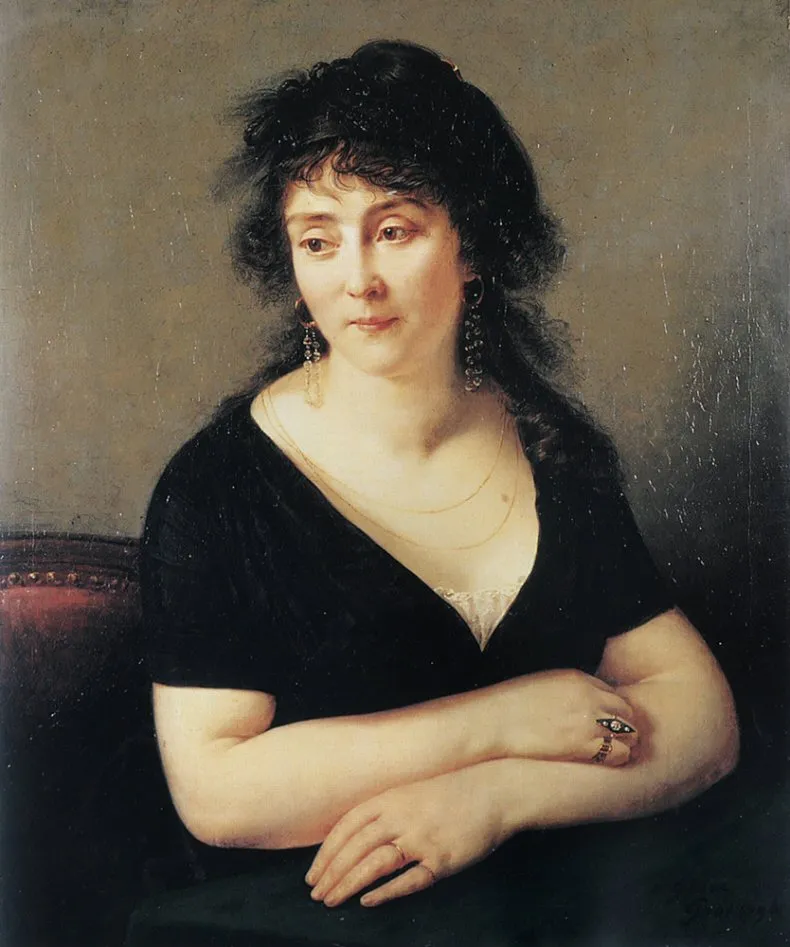
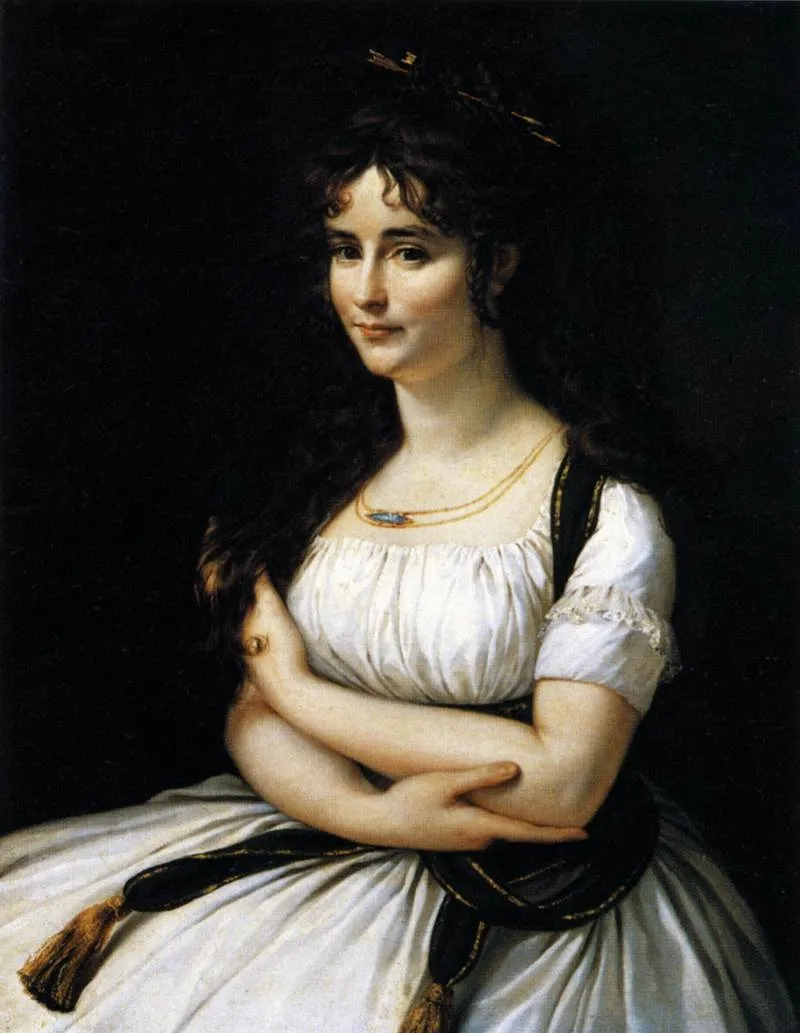
Within "First Consul Bonaparte," Antoine-Jean Gros weaves subtle stories and symbols emblematic of the Romanticism movement. The painting’s composition and the subject’s attire reflect both the power and vulnerability of Napoleon’s leadership. This fine art painting for sale stands alongside related works like "Portrait of Madame Bruyere" and "Madame Pasteur," each offering unique narratives and symbolism that captivate historians and art lovers alike, making every viewing a journey through time and meaning.
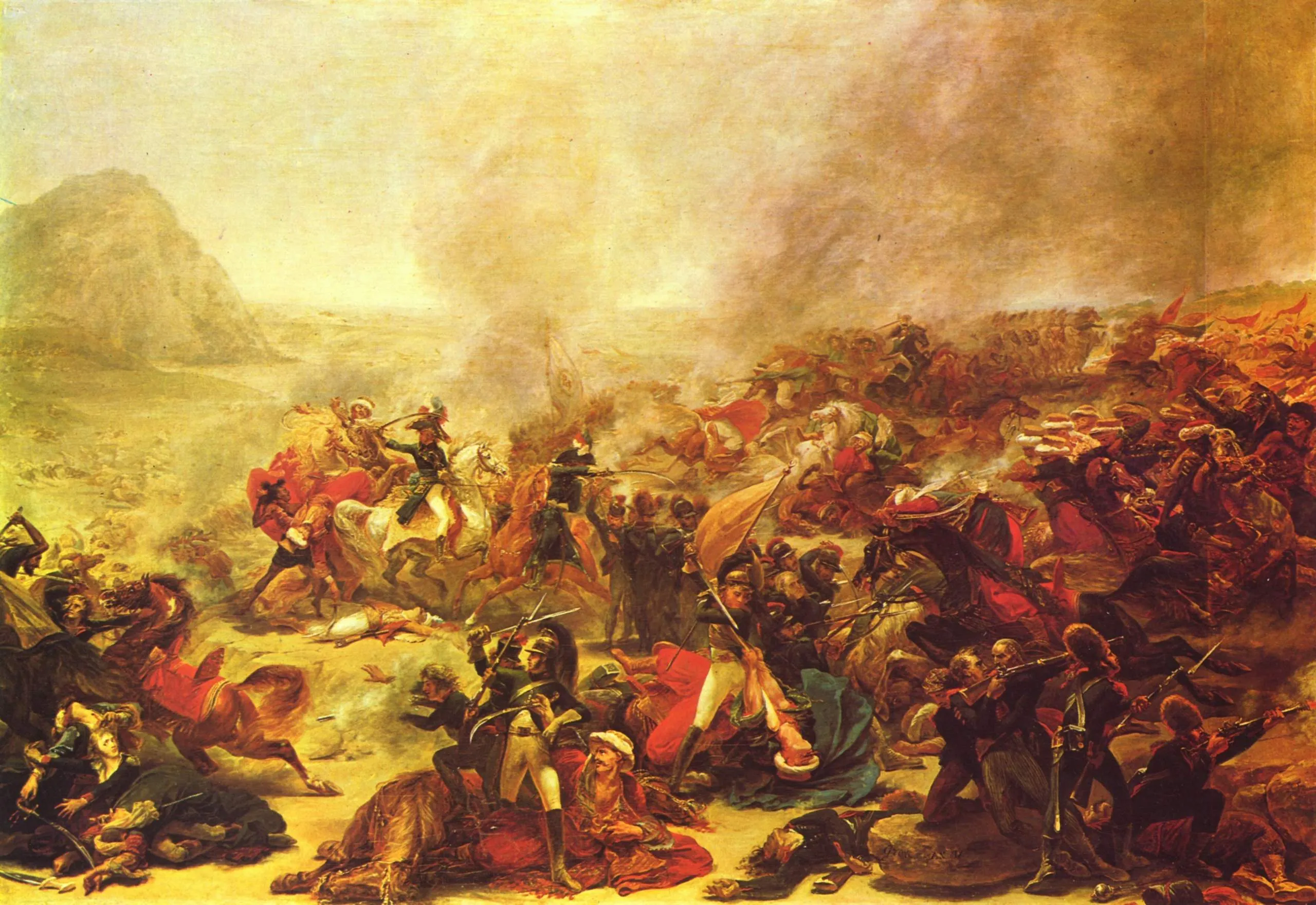
Owning "First Consul Bonaparte" by Antoine-Jean Gros is a rare privilege for any art collector seeking a hand-painted oil painting with historical gravitas. This masterpiece, celebrated in the Romanticism movement, is often displayed with related products such as "The Battle of Nazareth" and "Bonaparte at the Pont D'Arcole." Each acquisition not only enriches a collection but also preserves the legacy of fine art painting for sale from a pivotal era in European art history.
When Art Meets History
"First Consul Bonaparte" by Antoine-Jean Gros stands as a testament to the powerful intersection of art and history during the Romanticism movement. This hand-painted oil painting captures Napoleon Bonaparte at a pivotal moment, blending political narrative with artistic grandeur. Gros, like his contemporaries Worthington Whittredge and others, imbued his works with historical significance, making this masterpiece not only visually stunning but also a rich document of its era, appealing to those seeking a fine art painting for sale.
Techniques That Speak
Antoine-Jean Gros’s "First Consul Bonaparte" showcases exceptional mastery of oil on canvas, a hallmark of Romanticism. Gros’s brushwork and color palette create a lifelike presence, echoing the drama seen in related paintings such as "Christopher Columbus Before the Council of Salamanca" and "The Trapper." The painting’s texture and depth highlight the artist’s technical prowess, making this oil on canvas a remarkable example of the period’s innovation and enduring influence in European fine art.
Emotions on Display
Through "First Consul Bonaparte," Antoine-Jean Gros infuses his subject with a sense of determination and authority, hallmarks of Romanticism’s emotional depth. The painting channels the intensity found in works like "Lightning Struck a Flock of Witches" and "Battle of San Jacinto," drawing viewers into the psychological world of its protagonist. Collectors and enthusiasts alike are drawn to this hand-painted oil painting for its evocative portrayal of leadership and the human spirit.
Coveted by Collectors
"First Consul Bonaparte" remains a highly sought-after fine art painting for sale, admired by collectors who appreciate both historical significance and artistic excellence. Antoine-Jean Gros’s reputation, alongside masterpieces by artists like Worthington Whittredge, ensures this Romanticism work’s enduring allure. Its connection to related paintings and its meticulous execution on canvas make it a prized addition to any serious collection, symbolizing the fusion of history and artistry that defines great oil paintings.
Related Romanticism Hand-Painted Oil Paintings by Other Artists
Other Famous Romanticism Artists:
Frequently Asked Questions About First Consul Bonaparte
What is the historical context of "First Consul Bonaparte"?
"First Consul Bonaparte" was painted during a pivotal moment in French history, shortly after Napoleon Bonaparte established himself as the First Consul following the coup of 18 Brumaire in 1799. This period marked the transition from the French Revolution to the Napoleonic Era.
Who was Antoine-Jean Gros, and what is his significance in art history?
Antoine-Jean Gros was a prominent French painter known for his historical and military subjects. He was a student of Jacques-Louis David and played a crucial role in the development of Romanticism in France, particularly through his dramatic and emotive style.
What artistic techniques are employed in "First Consul Bonaparte"?
The painting showcases Gros's mastery of light and shadow, creating a sense of depth and realism. The use of vibrant colors and dynamic composition enhances the dramatic portrayal of Napoleon, emphasizing his authority and charisma.
What symbols are present in the painting, and what do they represent?
The painting features several symbols, including the laurel wreath, which signifies victory and honor. Napoleon's military uniform and the presence of the tricolor flag further emphasize his role as a leader and protector of the French state.
How does "First Consul Bonaparte" reflect the ideals of the Napoleonic era?
The painting reflects the ideals of the Napoleonic era by portraying Napoleon as a heroic and almost mythic figure. It encapsulates themes of power, leadership, and national pride, aligning with the propaganda used to bolster his image during his rule.
What was the reception of "First Consul Bonaparte" at the time of its unveiling?
Upon its unveiling, "First Consul Bonaparte" was well-received, as it aligned with the public's admiration for Napoleon. The painting was celebrated for its grand style and historical significance, contributing to Gros's reputation as a leading artist of the time.
In what ways does the painting differ from traditional portraiture?
Unlike traditional portraiture, which often focuses on the subject's likeness, "First Consul Bonaparte" emphasizes narrative and context. It portrays Napoleon in a moment of action and authority, rather than in a static pose, enhancing the dramatic impact of the work.
What role did propaganda play in the creation of "First Consul Bonaparte"?
The painting served as a piece of propaganda, designed to solidify Napoleon's image as a strong and capable leader. It was intended to inspire loyalty and admiration among the French populace, reinforcing his position during a time of political instability.
How has "First Consul Bonaparte" influenced modern perceptions of Napoleon?
The painting has significantly influenced modern perceptions of Napoleon, contributing to his legacy as a complex figure. It portrays him as both a military genius and a charismatic leader, shaping the narrative around his historical impact and the Napoleonic Wars.
Where can I view "First Consul Bonaparte" today?
"First Consul Bonaparte" is housed in the Musée de l'Armée in Paris, France. Visitors can view this iconic work as part of the museum's extensive collection of military history and art.






















_GFM_Painting_(1).webp)


 100% Hand-Painted: Finished in 3-6 Weeks

.png)















_(1).webp)