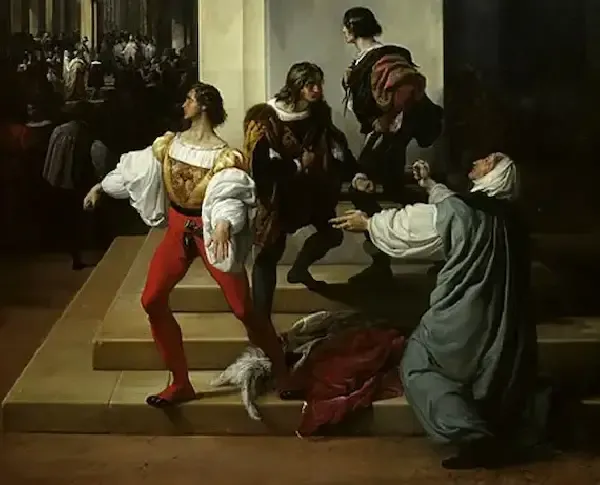
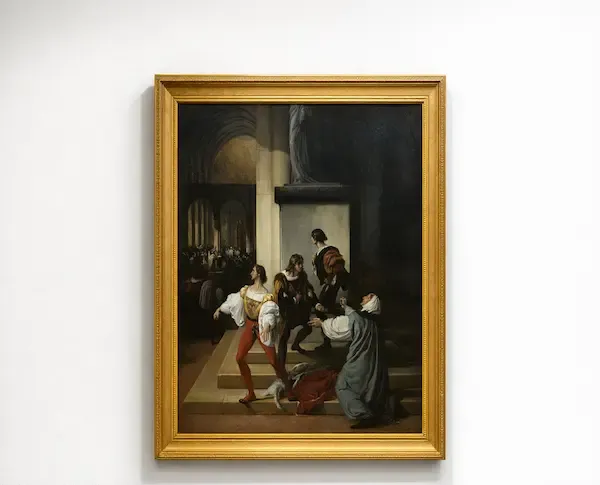
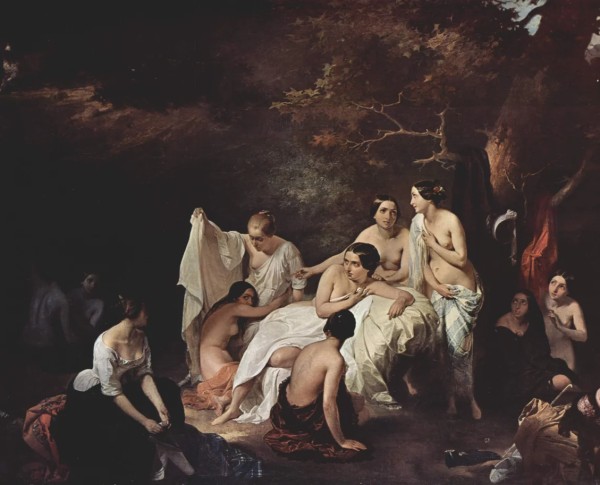
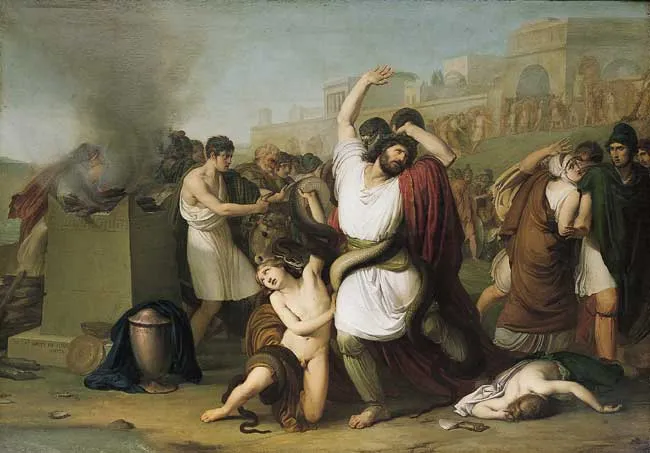
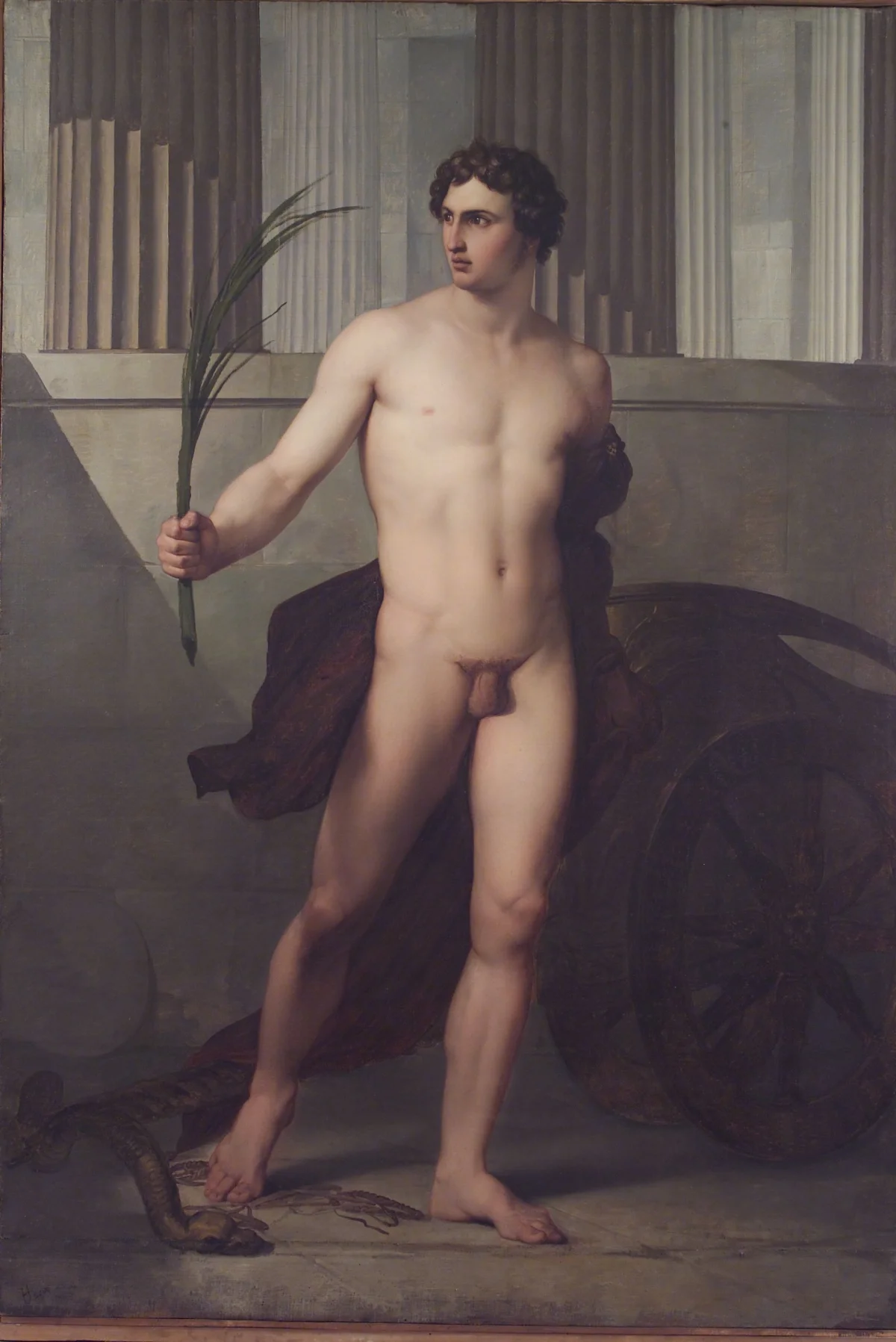
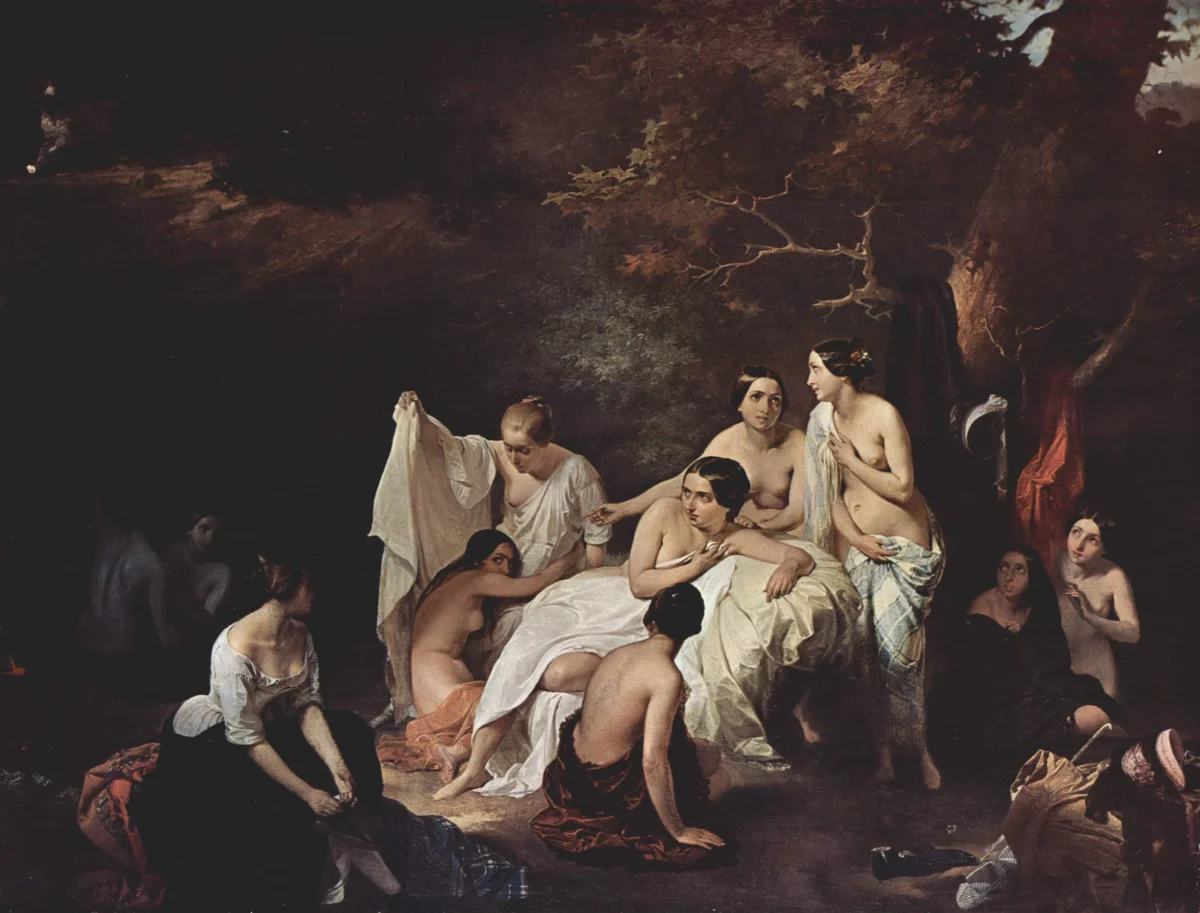
The “Laocoon” by Francesco Paolo Hayez showcases his exceptional skill with oil on canvas, employing dynamic brushwork and intricate detailing that define Romanticism. Hayez’s technique in this painting is comparable to his approach in notable works like “Bad der Nymphen” and “The Victorious Athlete.” Each stroke imparts emotion and movement, making “Laocoon” a standout among hand-painted oil paintings for collectors and admirers of 19th-century fine art.
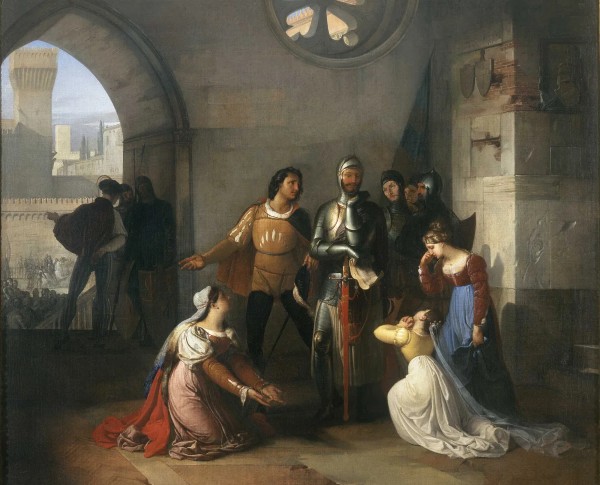
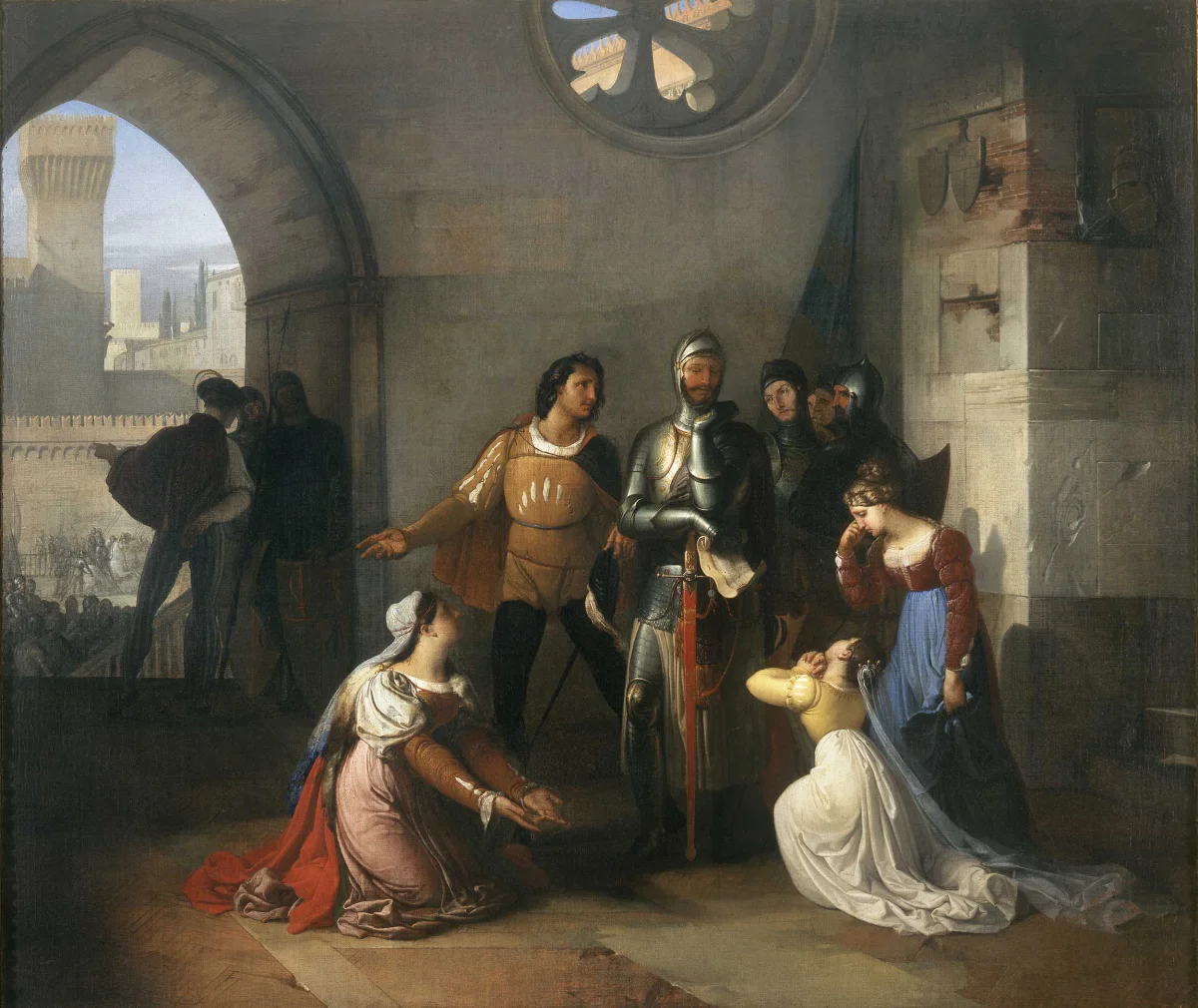
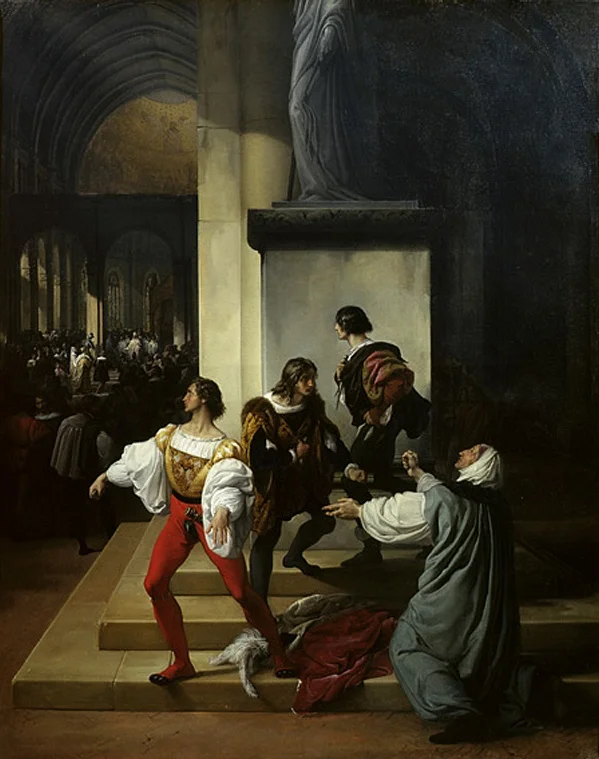
In “Laocoon,” Francesco Paolo Hayez weaves mythological narrative with profound symbolism, echoing the storytelling found in “The Lampugnani Conspiracy” and “Aristides.” This fine art painting for sale delves into themes of fate, struggle, and human vulnerability—central motifs in the Romanticism movement. Hayez’s ability to convey layered meaning through visual elements elevates “Laocoon” as a must-have piece for those who appreciate the depth and drama of classical art.
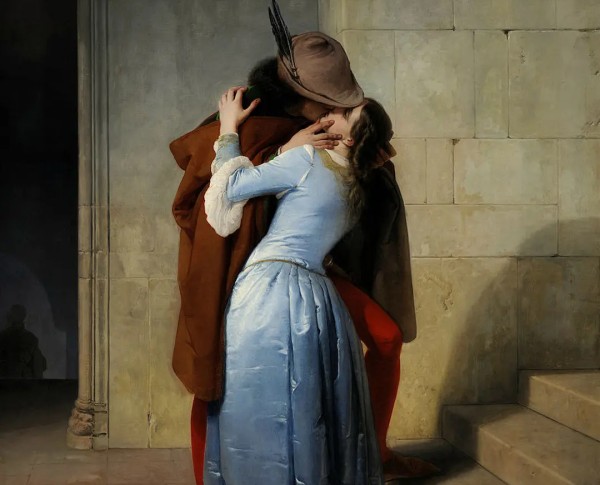
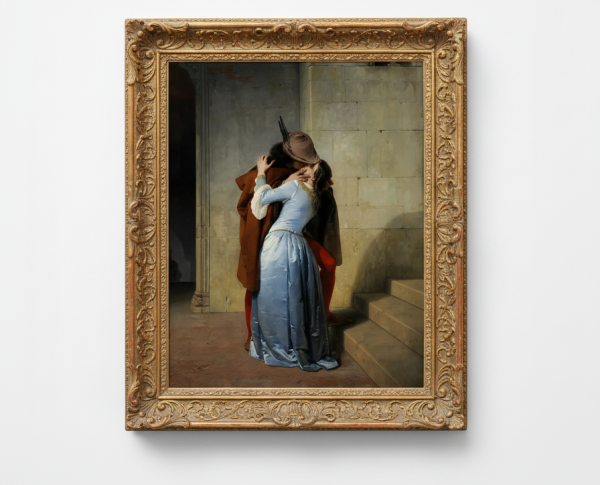
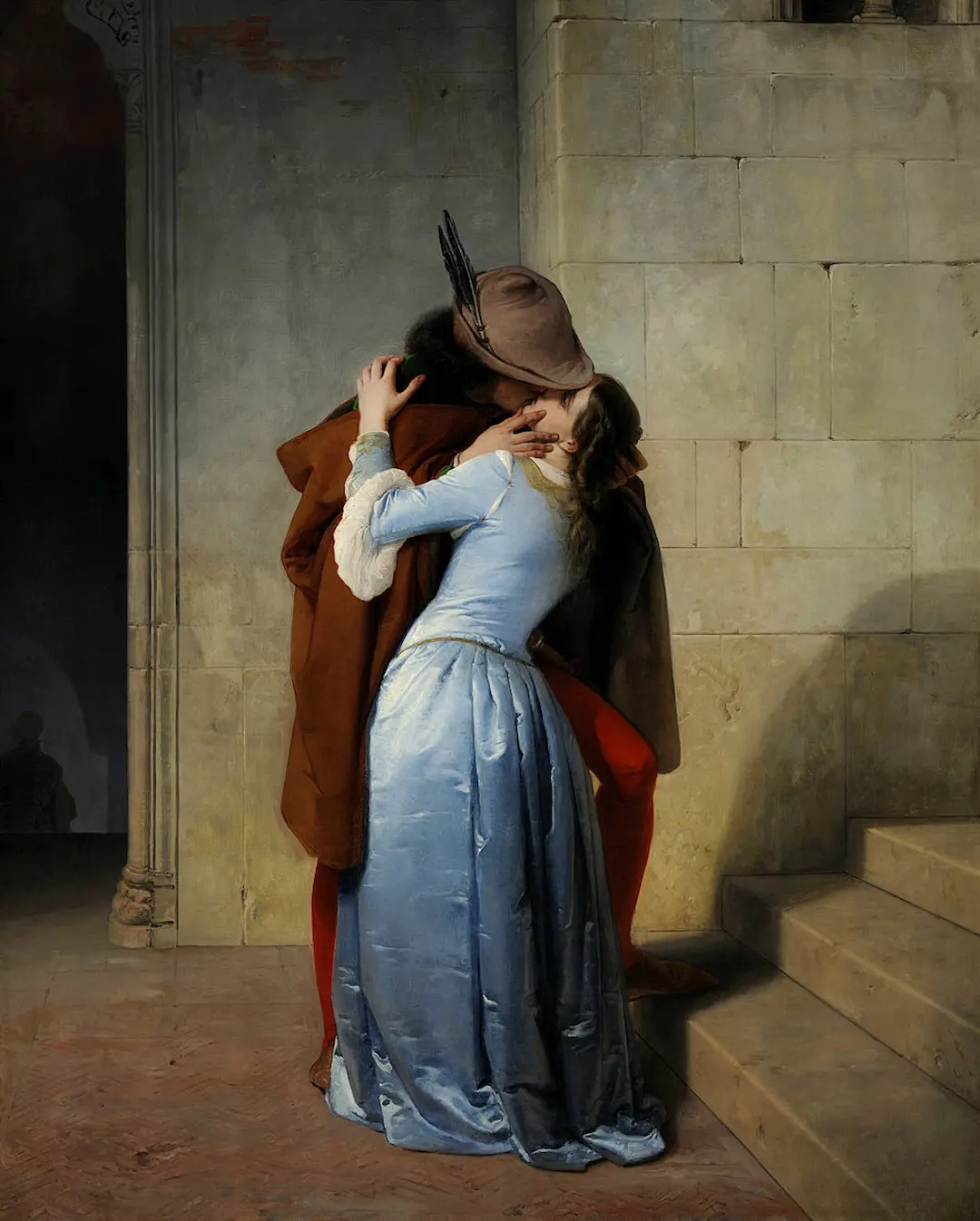
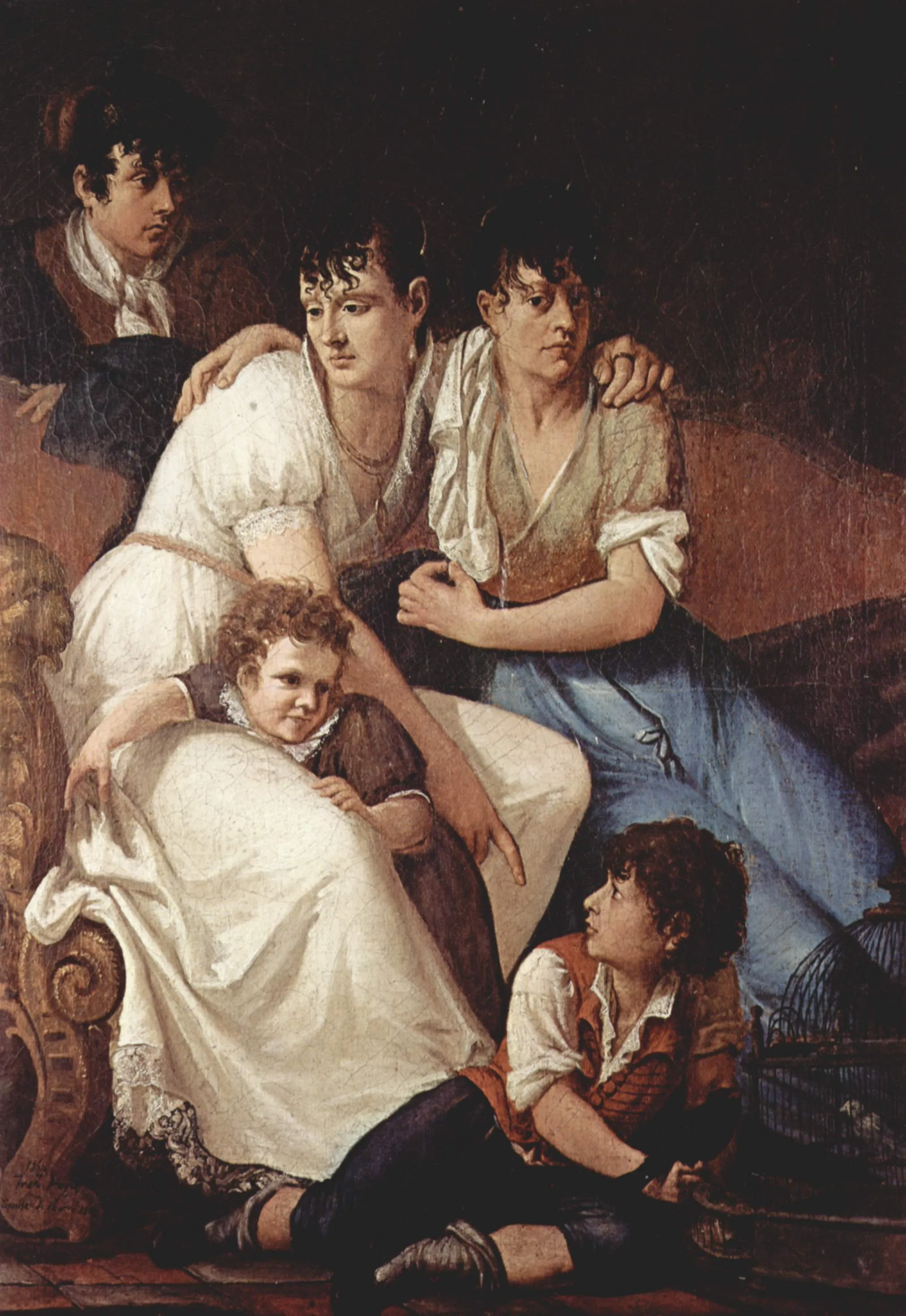
Owning “Laocoon” by Francesco Paolo Hayez means adding a rare gem from the Romanticism era to your collection. As a hand-painted oil painting, it pairs beautifully with related products like “Family portrait,” “The Kiss 1859,” and “The Lampugnani Conspiracy.” This masterpiece not only enhances any gallery but also offers a unique opportunity for art lovers to experience Hayez’s genius and the enduring allure of oil on canvas from one of Italy’s most influential artists.
When Art Meets History
Francesco Paolo Hayez’s "Laocoon" stands as a testament to the Romanticism movement, blending mythological narrative with intense emotion. Through this hand-painted oil painting, Hayez revisits the legendary tale of Laocoon, a theme also explored by other masters in works like "Washington Crossing the Delaware 1851" and "The Battle of Trafalgar." Hayez’s interpretation not only pays homage to classical sources but also reflects the 19th-century fascination with history and dramatic storytelling in art.
Techniques That Speak
Hayez’s mastery is evident in his use of oil on canvas, a medium that allows for rich textures and deep, expressive color. "Laocoon" showcases his ability to manipulate light and shadow, creating intense drama that is a hallmark of Romanticism. Similar technical finesse can be seen in related paintings such as "Salisbury Cathedral from the Bishop's Grounds" and "Fishing Boats Beating up to Windward," where artists use oil on canvas to evoke atmosphere and emotion.
Emotions on Display
In "Laocoon," Hayez channels the Romantic spirit by placing raw human emotion at the painting’s core. The agony and despair of Laocoon and his sons are rendered with poignant realism, making this fine art painting for sale a powerful statement piece. Hayez’s approach echoes the emotional depth found in other works of the era, including "Colonel Count Claude Etienne Guyot," captivating viewers with its intensity and storytelling prowess.
Coveted by Collectors
Francesco Paolo Hayez’s "Laocoon" is a prized hand-painted oil painting among collectors of Romanticism art. Its historical significance and dramatic execution make it highly sought after, much like celebrated pieces such as "Washington Crossing the Delaware 1851" and "The Battle of Trafalgar." For enthusiasts seeking a fine art painting for sale that embodies both artistic mastery and emotional impact, Hayez’s "Laocoon" remains an exceptional choice.
Related Romanticism Hand-Painted Oil Paintings by Other Artists
Other Famous Romanticism Artists:
Frequently Asked Questions About Laocoon
What is the historical significance of "Laocoon" by Francesco Paolo Hayez?
"Laocoon" is significant as it reflects the Romantic movement in art, showcasing emotional intensity and dramatic expression, which were hallmarks of the period. The painting draws inspiration from the ancient Greek myth of Laocoon, emphasizing themes of human suffering and the struggle against fate.
What artistic techniques did Hayez employ in "Laocoon"?
Francesco Paolo Hayez utilized techniques such as chiaroscuro to create depth and volume, as well as dynamic composition to convey movement and tension. His use of color enhances the emotional impact, drawing the viewer's eye to the central figures in distress.
What themes are explored in "Laocoon"?
The painting explores themes of agony, betrayal, and the struggle against divine forces. Laocoon's plight serves as a metaphor for the human condition, reflecting the Romantic fascination with individual suffering and the complexities of fate.
How does "Laocoon" compare to other works of the Romantic period?
"Laocoon" is emblematic of the Romantic period's focus on emotional depth and dramatic narratives. Unlike neoclassical works that emphasized order and rationality, Hayez's painting captures raw emotion and the tumultuous experience of the human spirit, aligning with other Romantic artists like Delacroix and Géricault.
What is the symbolism behind the figures in "Laocoon"?
The figures in "Laocoon" symbolize the struggle against overwhelming odds. Laocoon represents the tragic hero, fighting against the serpents sent by the gods, while his sons embody innocence caught in the crossfire of divine wrath. This symbolizes the universal theme of suffering and sacrifice.
What influences can be seen in Hayez's portrayal of Laocoon?
Hayez's portrayal of Laocoon is influenced by classical antiquity, particularly the Laocoön and His Sons sculpture, which inspired his depiction of physical struggle. Additionally, the emotional expressiveness reflects the influence of Baroque art, merging classical themes with Romantic ideals.
In what year was "Laocoon" painted, and what was the context of that time?
"Laocoon" was painted in 1817, during a period of significant political and social upheaval in Europe. The Romantic movement was gaining momentum, emphasizing individualism and emotional expression in response to the Enlightenment's rationalism and the aftermath of the Napoleonic Wars.
Where is "Laocoon" currently housed?
"Laocoon" is currently housed in the Pinacoteca di Brera in Milan, Italy. This gallery is renowned for its collection of Italian Renaissance and Baroque art, providing a fitting context for Hayez's work.
What impact did "Laocoon" have on later artists?
"Laocoon" had a profound impact on later artists by exemplifying the emotional depth and dramatic storytelling that became central to the Romantic movement. Its influence can be seen in the works of artists who sought to convey intense human experiences through vivid imagery and emotional resonance.
What is the significance of the color palette used in "Laocoon"?
The color palette in "Laocoon" is significant as it employs rich, deep tones to evoke a sense of drama and urgency. The contrasts between light and shadow enhance the emotional tension, drawing attention to the figures' expressions and the overall narrative of struggle and despair.























_GFM_Painting_(1).webp)


 100% Hand-Painted: Finished in 3-6 Weeks

.png)















_(1).webp)