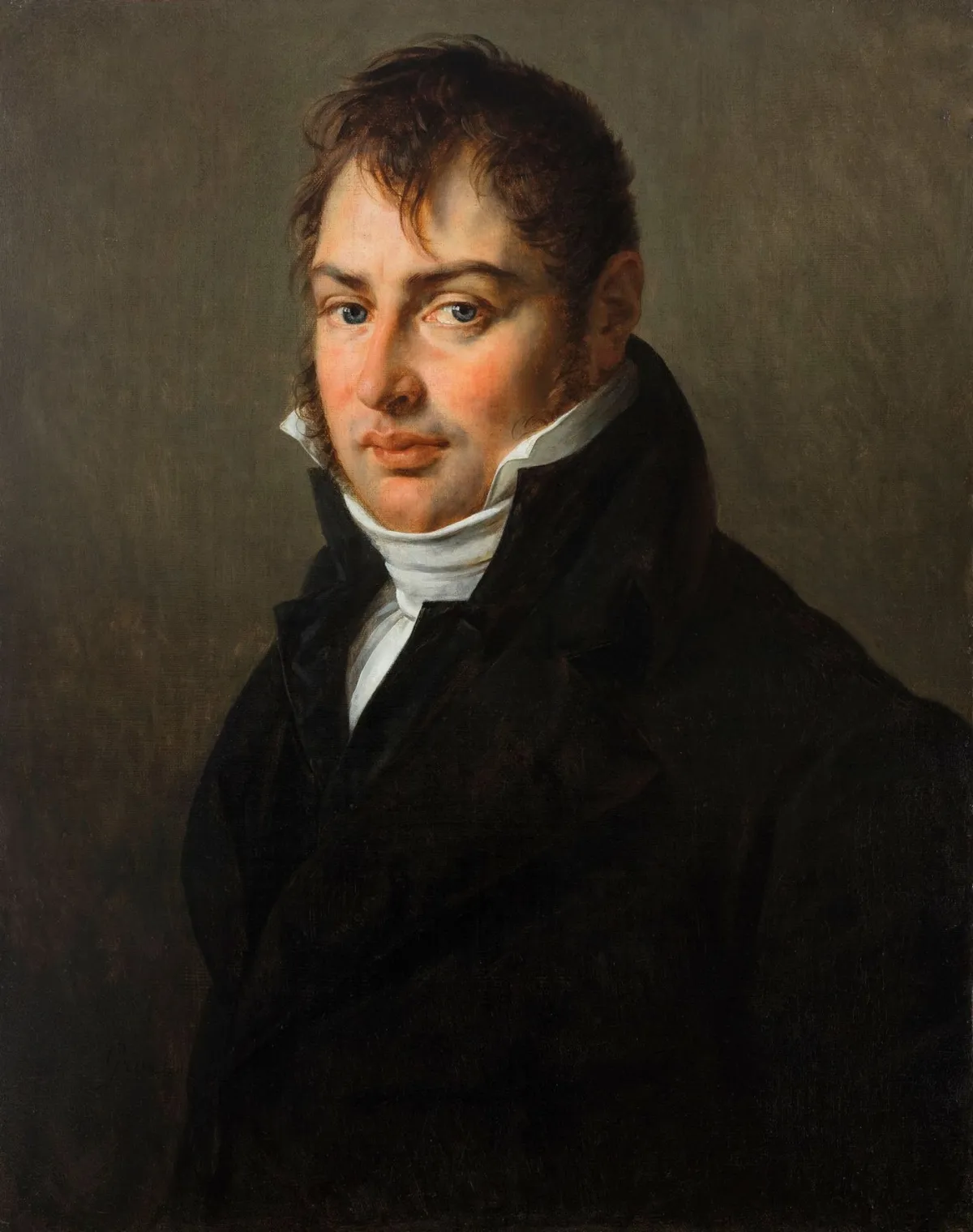
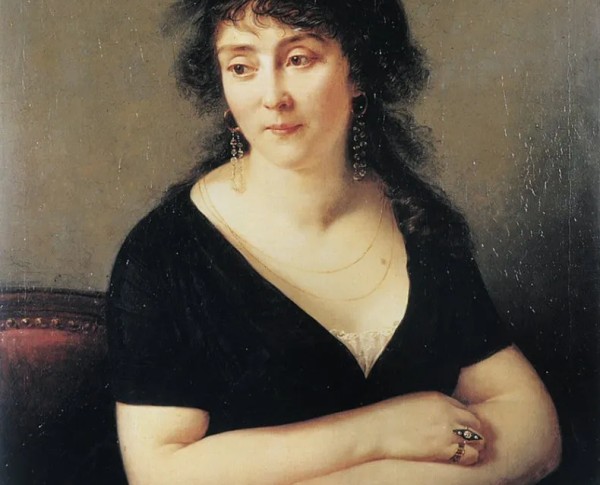
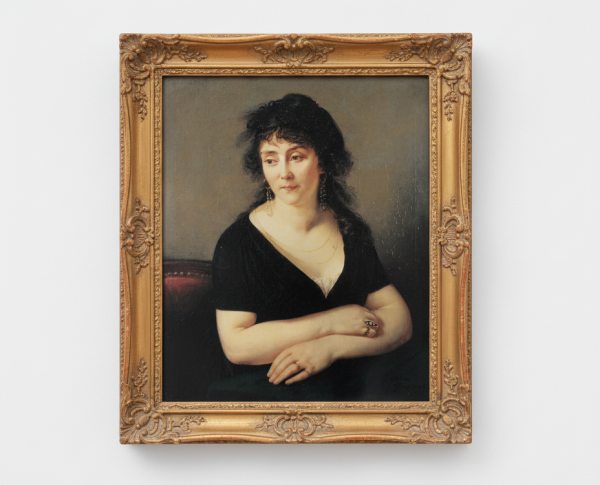
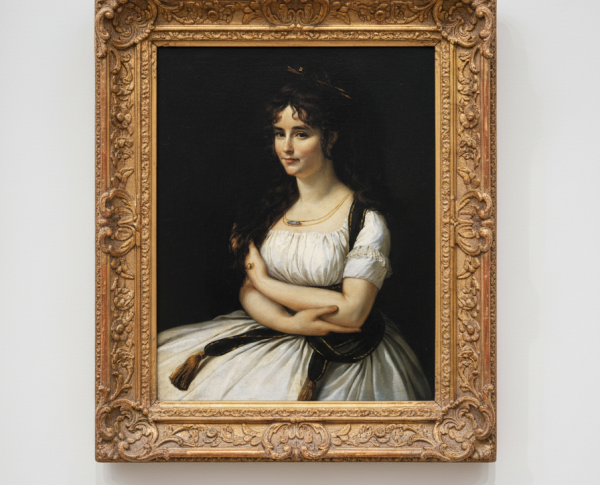
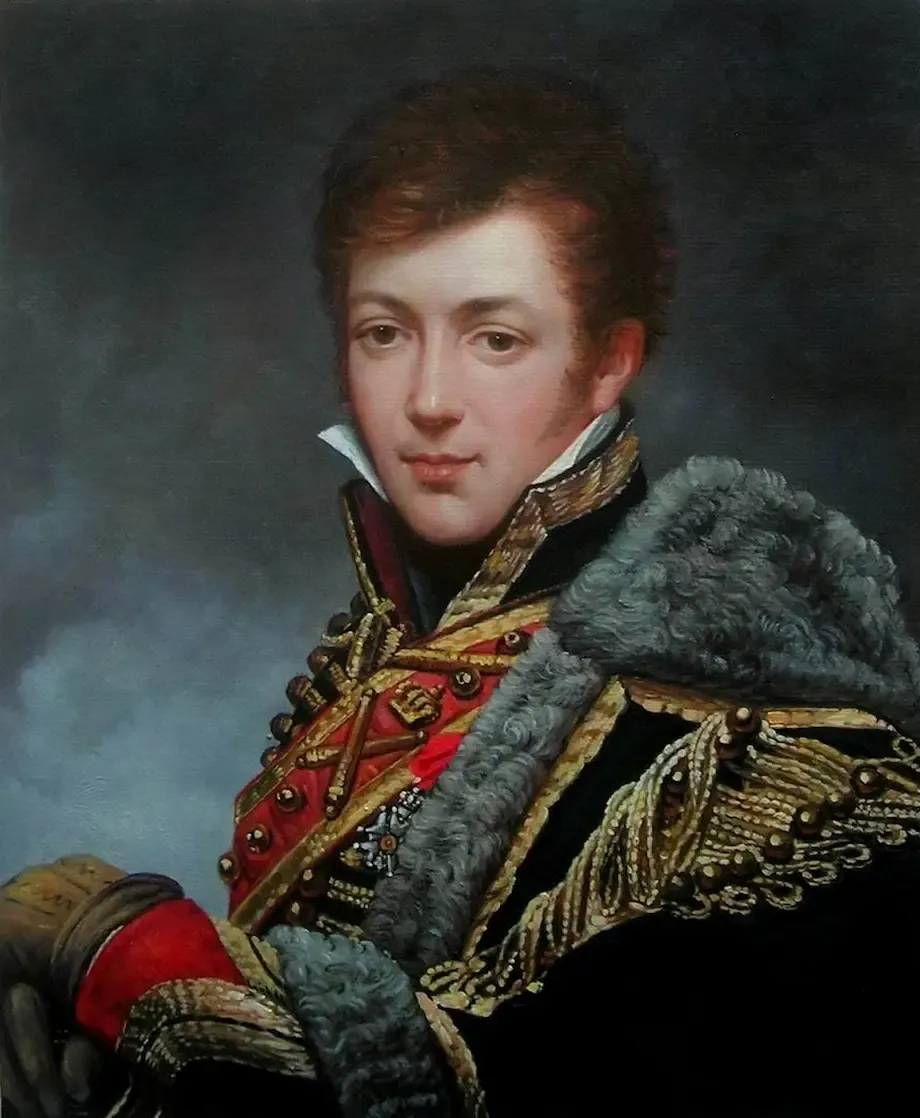
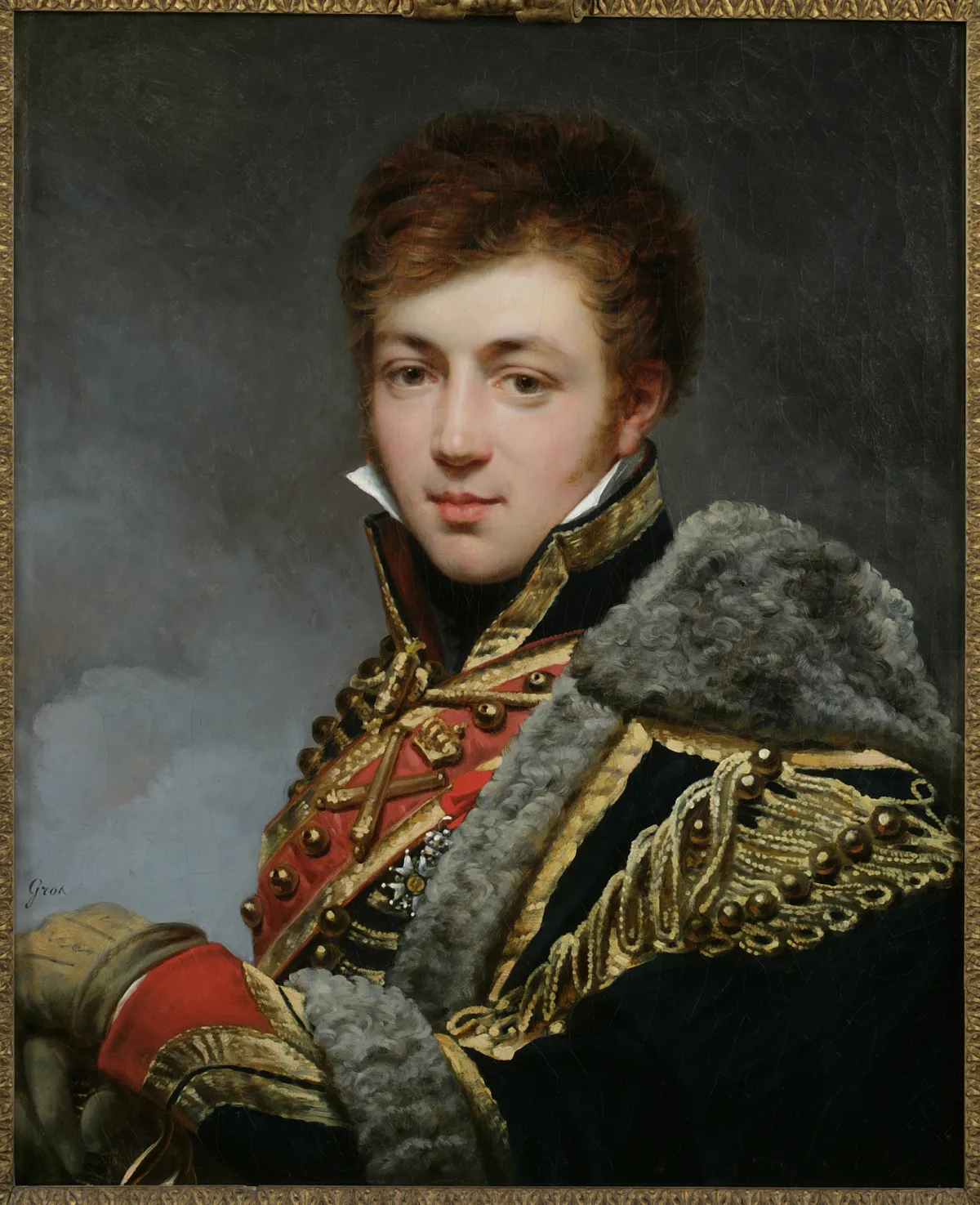
The "Portrait du comte Honoré de La Riboisière (1788-1868)" exemplifies Gros’s technical brilliance in oil on canvas. His brushwork captures both the noble bearing and subtle emotional undertones of his subject, a hallmark of Romanticism. Collectors and enthusiasts can appreciate similar details in related works such as "Q126915344" and "Q127376983," each manifesting Gros’s commitment to precision in every oil on canvas he created, making them coveted additions to any art collection.
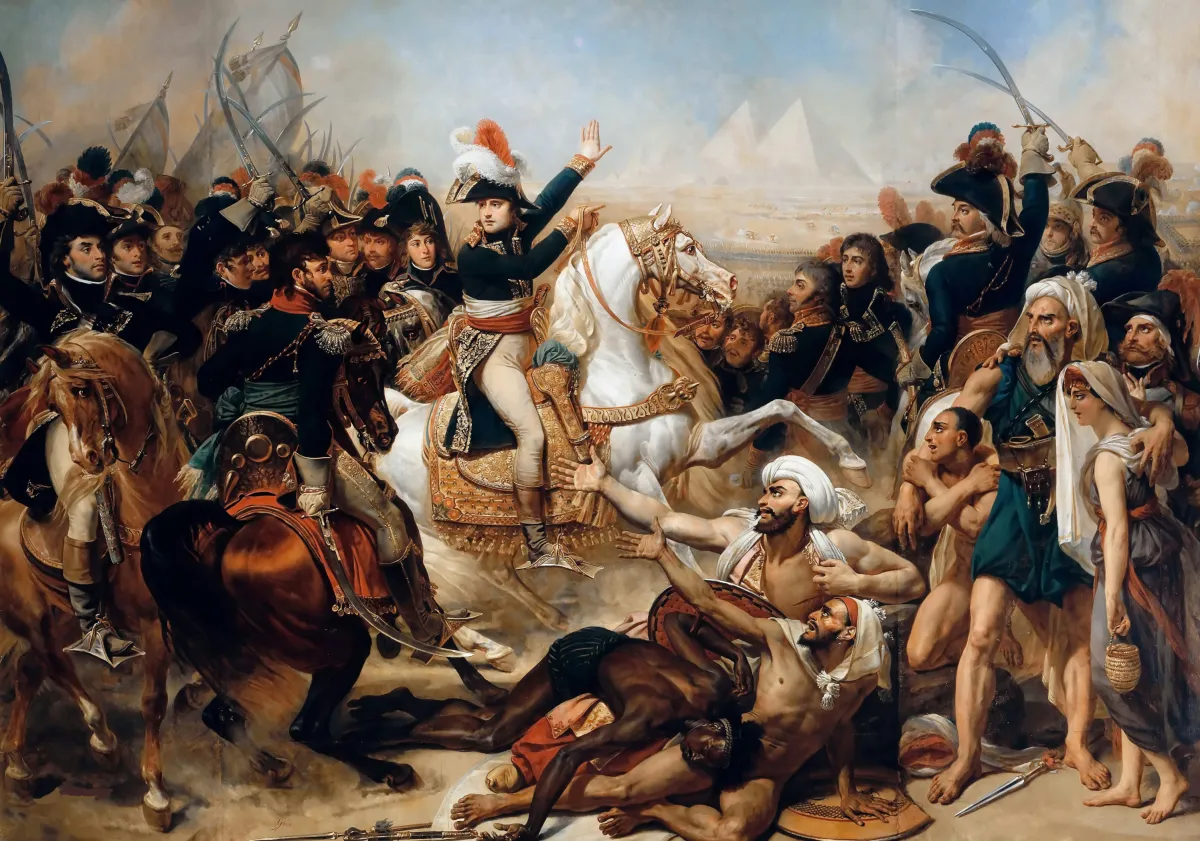
In this evocative fine art painting for sale, Gros weaves narrative and symbolism into every detail. The "Portrait du comte Honoré de La Riboisière (1788-1868)" communicates the sitter’s personal history and values, much like Gros’s "Bonaparte Visiting the Plague Victims of Jaffa." Each element within the composition—attire, posture, and background—serves as a visual testament to the Romanticism movement’s emphasis on individual character and emotional depth.
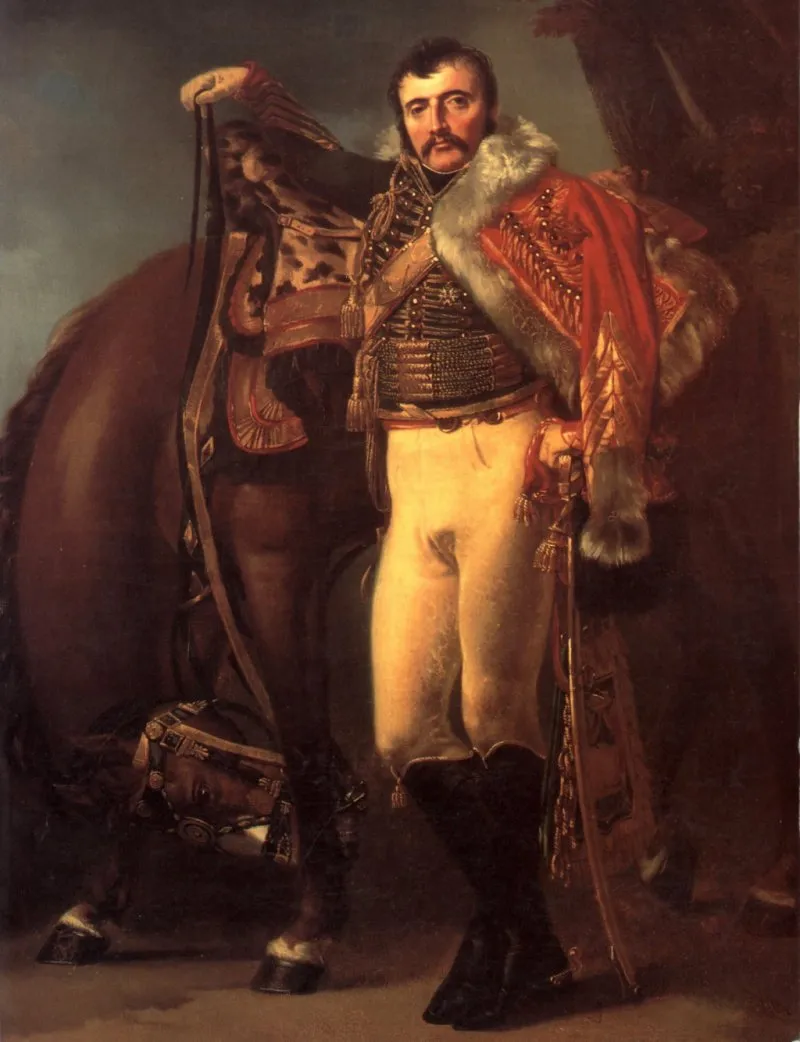
For those seeking a distinguished hand-painted oil painting, Antoine-Jean Gros’s "Portrait du comte Honoré de La Riboisière (1788-1868)" is a remarkable choice. Its provenance and artistic merit rival renowned pieces like "Q131624690" and "Colonel Count Claude Etienne Guyot." As a fine art painting for sale, it represents not just a window into the Romanticism movement, but also a timeless treasure for discerning collectors inspired by Gros’s enduring legacy.
When Art Meets History
Antoine-Jean Gros, a celebrated figure in the Romanticism movement, masterfully captures both the spirit and stature of his subject in "Portrait du comte Honoré de La Riboisière (1788-1868)". This hand-painted oil painting not only immortalizes an influential count but also reflects the turbulent history of 19th-century France. Gros’s style can be compared to his other works, such as "Fishermans Home" and "Self-Portrait in the Studio", which similarly blend historical context with artistic brilliance.
Techniques That Speak
Gros’s expertise with oil on canvas is evident in every brushstroke of "Portrait du comte Honoré de La Riboisière (1788-1868)". The Romanticism movement favored expressive techniques, and Gros excels at conveying texture and light. His approach in this painting echoes methods seen in "Susanna and the Elders" and "The Kiss 1859", utilizing color and shadow to create depth. The oil on canvas technique enhances the lifelike presence of the count, making the artwork remarkably vivid.
Emotions on Display
The emotional intensity in "Portrait du comte Honoré de La Riboisière (1788-1868)" is a signature of Antoine-Jean Gros’s Romanticism style. Every detail—from the count’s dignified gaze to the subtle play of light—evokes a sense of pride and introspection. Like in "Five Bears" and "The Kiss 1859", Gros captures the inner world of his subject, making this fine art painting for sale a captivating study of human emotion and psychological depth, beloved by art appreciators worldwide.
Coveted by Collectors
"Portrait du comte Honoré de La Riboisière (1788-1868)" is highly sought after by collectors of Romanticism masterpieces. Antoine-Jean Gros’s unique ability to blend historical narrative with personal character makes this hand-painted oil painting a prized addition to any collection. Alongside related works like "Self-Portrait in the Studio" and "Susanna and the Elders", this piece stands as a testament to Gros’s enduring appeal and the timeless allure of Romantic fine art painting for sale.
Related Romanticism Hand-Painted Oil Paintings by Other Artists
Other Famous Romanticism Artists:
Frequently Asked Questions About Portrait du comte Honoré de La Riboisière (1788-1868)
Who was the subject of the painting "Portrait du comte Honoré de La Riboisière"?
The subject of the painting is Honoré de La Riboisière, a notable figure in French society during the 19th century, recognized for his contributions to the arts and politics.
What is the significance of the artist Antoine-Jean Gros in the art world?
Antoine-Jean Gros was a prominent French painter known for his historical and portrait paintings, which often combined romanticism with neoclassical elements, making him a key figure in the transition of French art during the late 18th and early 19th centuries.
What artistic style is represented in "Portrait du comte Honoré de La Riboisière"?
The painting exemplifies the neoclassical style, characterized by its emphasis on clarity, order, and the depiction of noble subjects, reflecting the ideals of the Enlightenment and the values of the French aristocracy.
What elements in the painting convey the social status of the comte?
The comte is depicted in luxurious attire, adorned with symbols of nobility such as a decorative sash and a finely tailored coat, which signify his high social standing and wealth within French society.
How does Gros's technique enhance the portrayal of the comte's character?
Gros employs a meticulous attention to detail and a rich color palette, which not only highlights the textures of the fabrics but also captures the comte's dignified expression, conveying a sense of authority and sophistication.
What historical context surrounds the creation of this portrait?
This portrait was created during a time of significant political and social change in France, reflecting the tensions and transformations of the post-Revolutionary period, as well as the restoration of the monarchy.
What symbolism can be found in the background of the painting?
The background features elements that symbolize power and stability, such as classical architecture, which serves to reinforce the comte's connection to the ideals of the Enlightenment and the legacy of French nobility.
How does this portrait compare to other works by Antoine-Jean Gros?
Compared to Gros's other works, this portrait showcases his ability to blend personal likeness with broader historical themes, making it a significant example of his portraiture that captures both individual character and societal context.
What impact did "Portrait du comte Honoré de La Riboisière" have on contemporary art?
The painting influenced contemporary artists by setting a standard for portraiture that emphasized both realism and the importance of individual identity, paving the way for future developments in the genre.
Is there any notable symbolism associated with the attire worn by the comte?
The attire worn by the comte, particularly the use of rich fabrics and colors, symbolizes not only his wealth but also his allegiance to the values of the aristocracy, embodying the ideals of honor and prestige during that era.






















_GFM_Painting_(1).webp)


 100% Hand-Painted: Finished in 3-6 Weeks

.png)















_(1).webp)