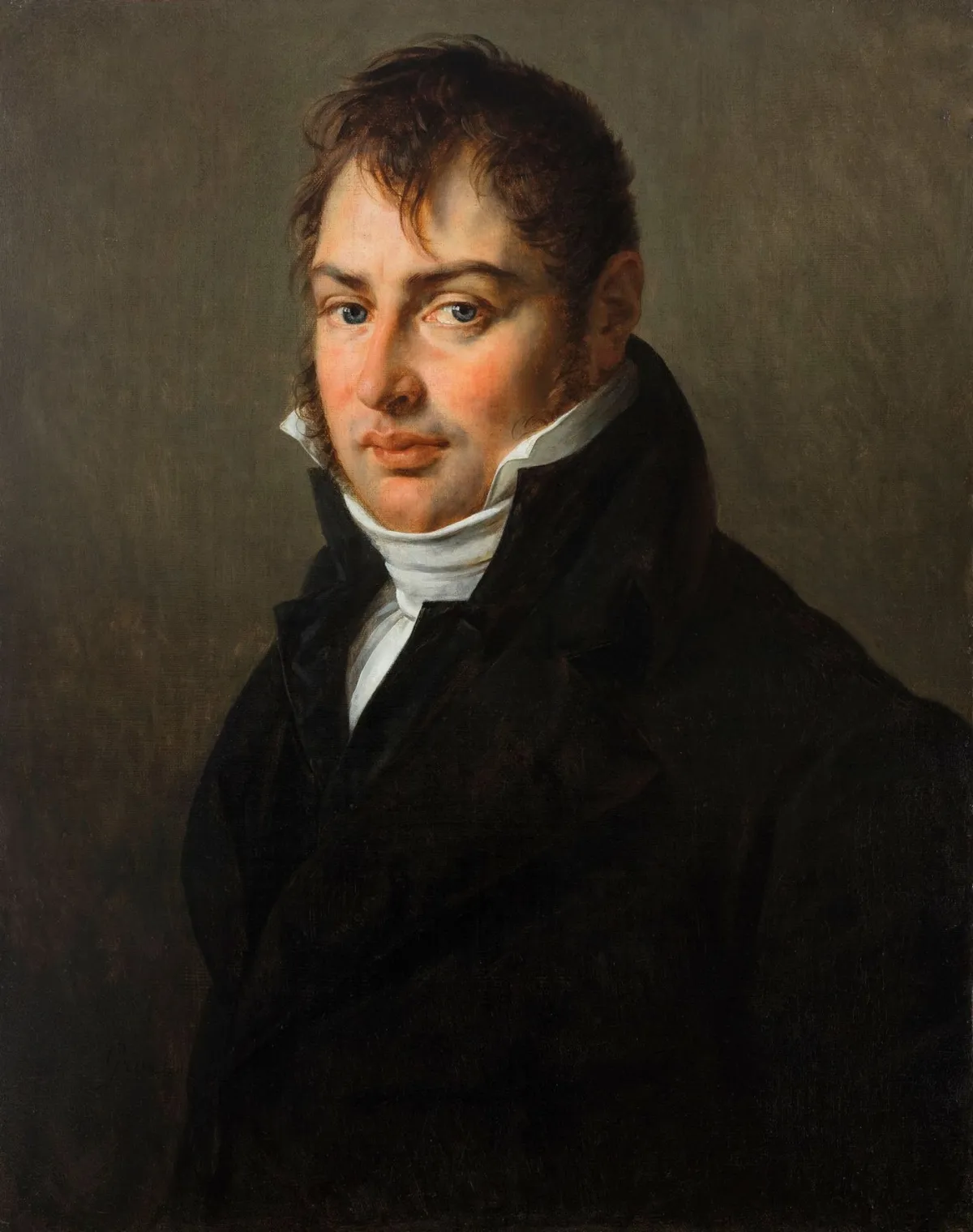
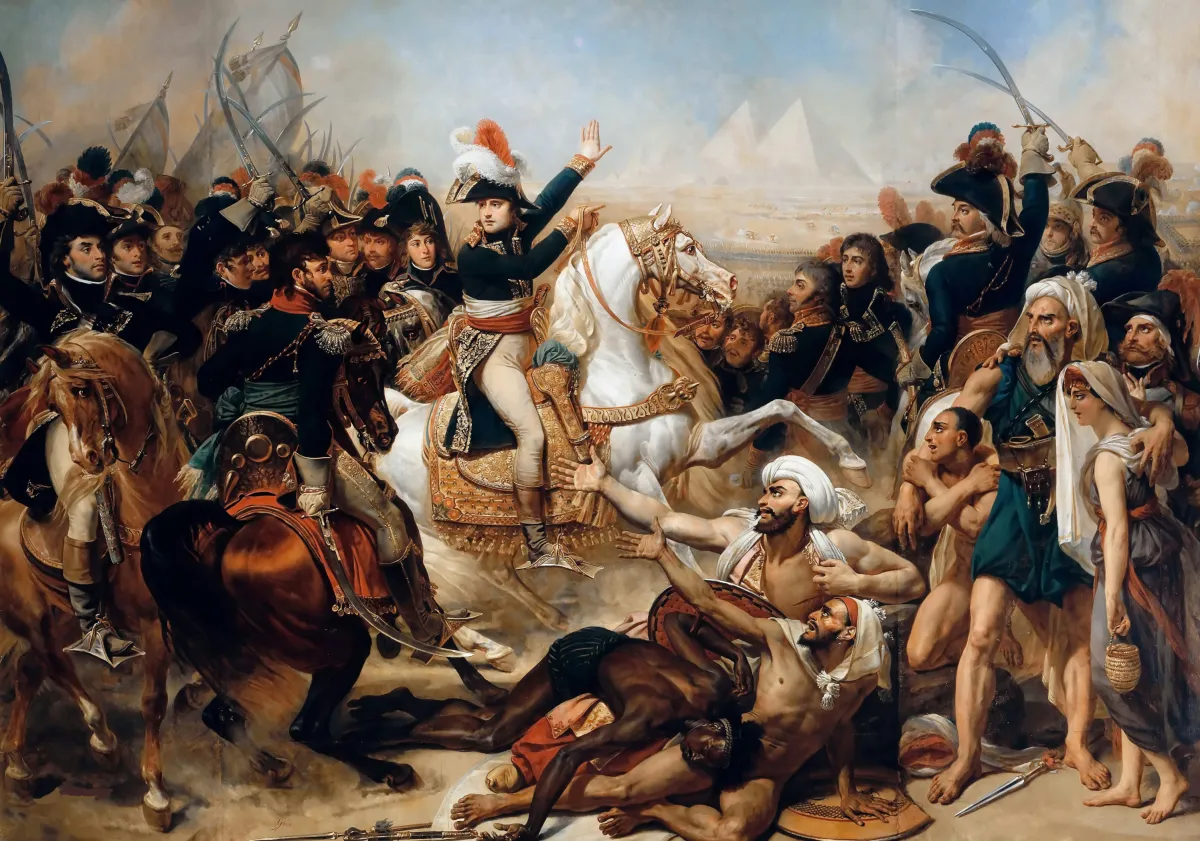
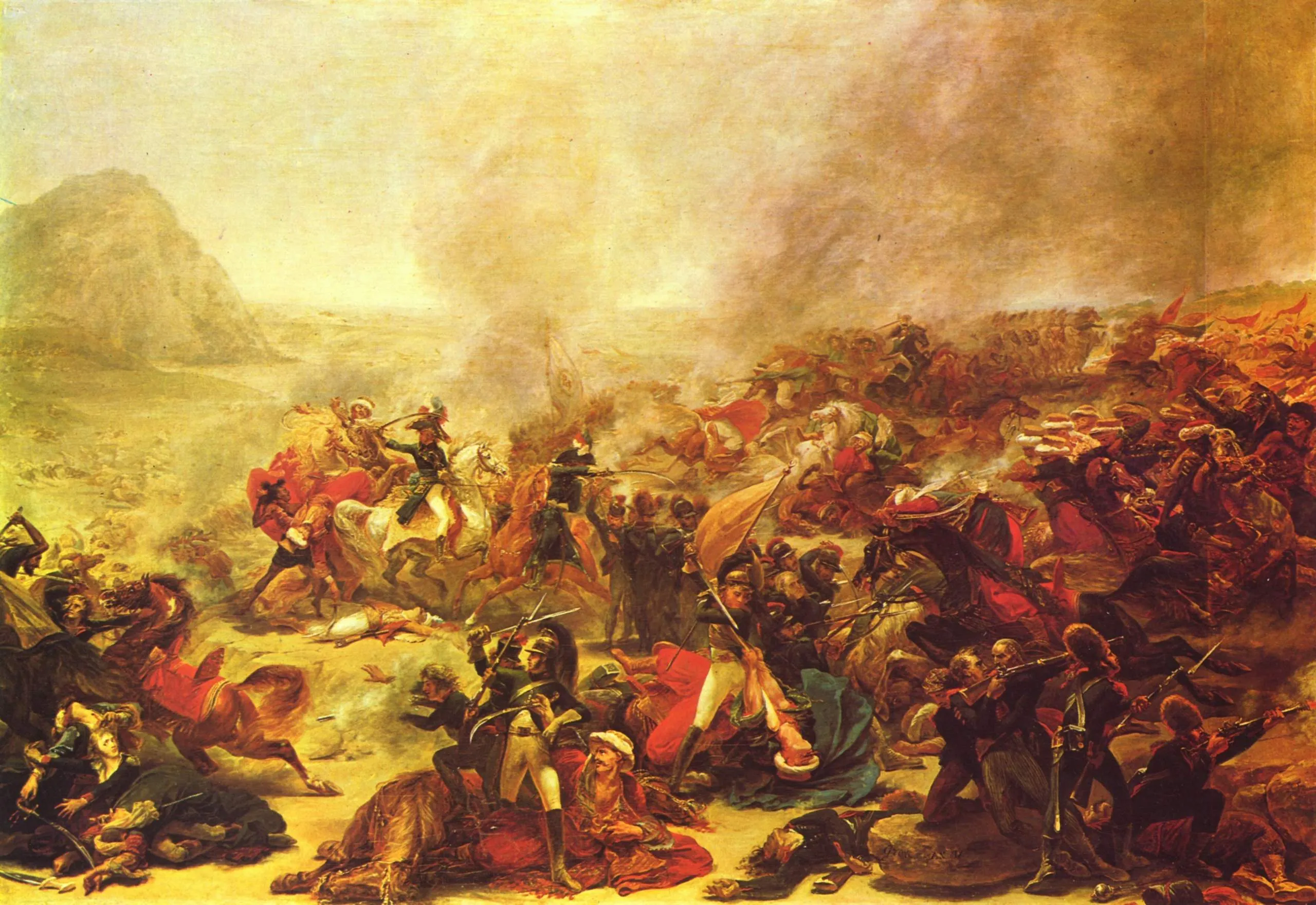
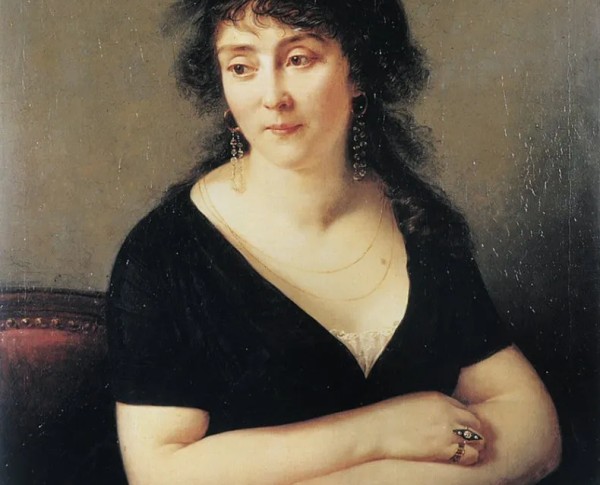
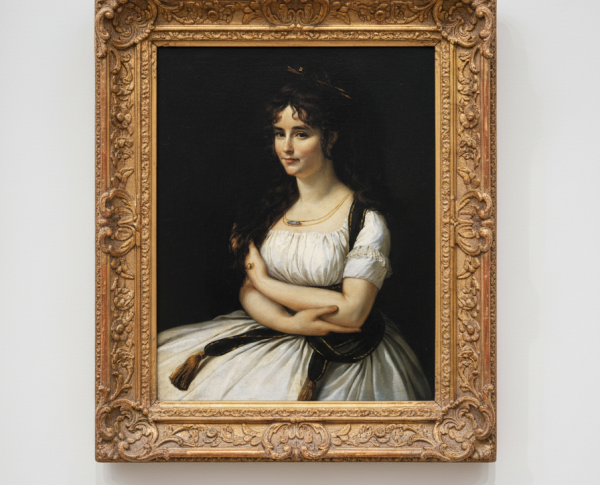
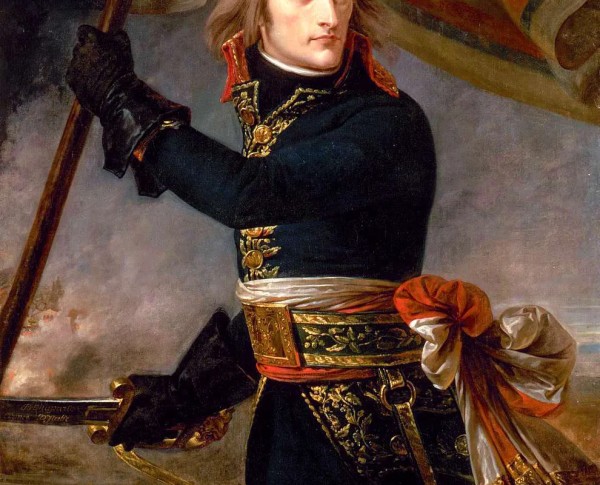
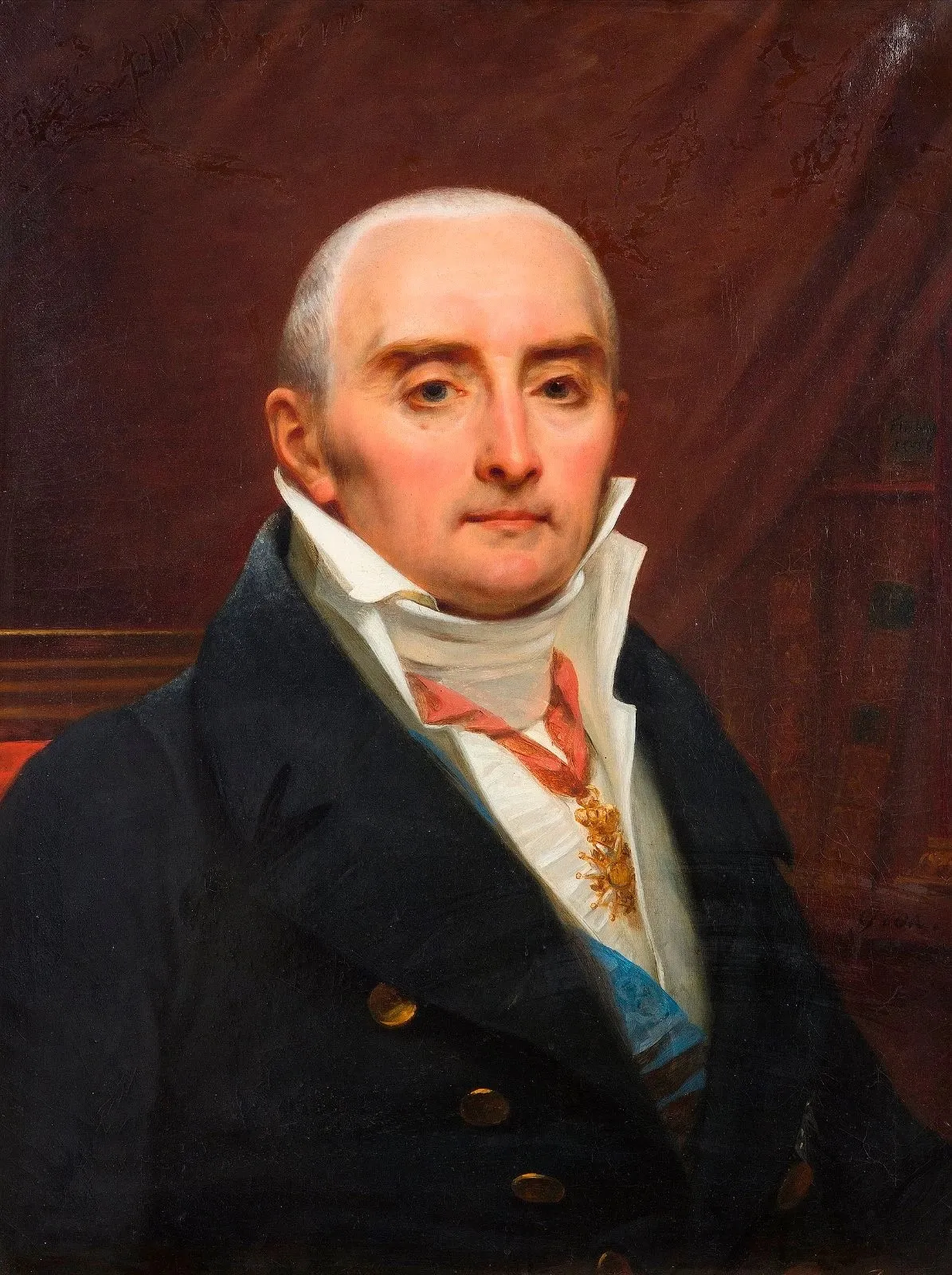
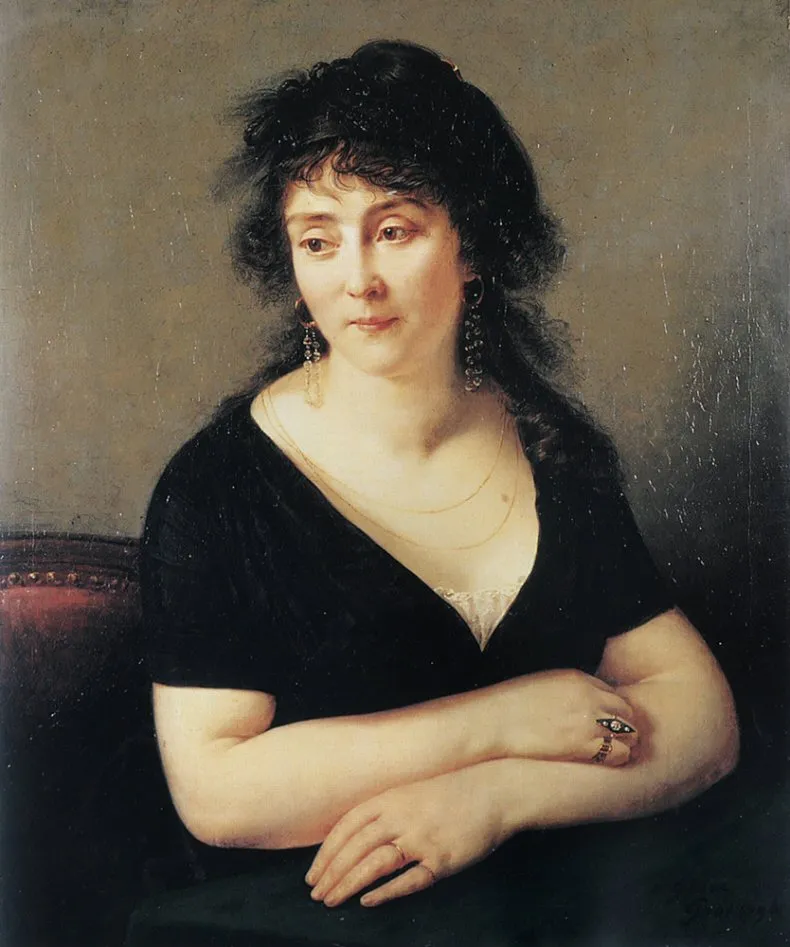
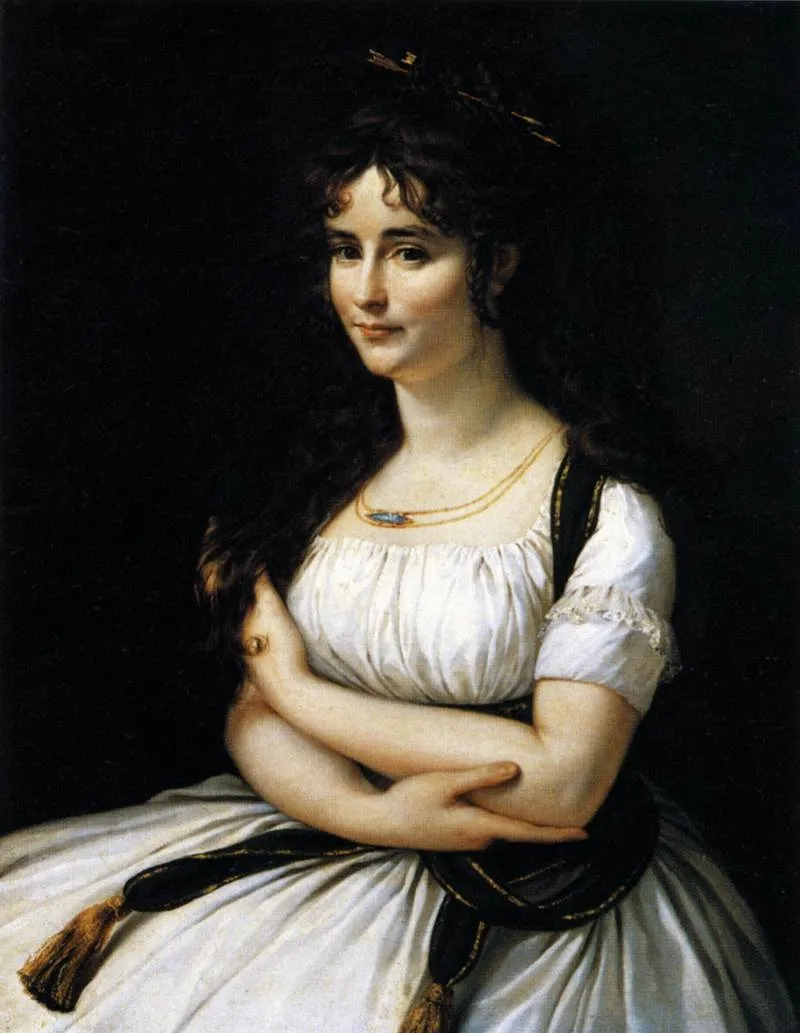
The "Portrait of Antoine Roy, comte Roy" exemplifies the exquisite detail and expressive technique characteristic of oil on canvas artworks from the Romanticism period. Antoine-Jean Gros’s brushwork brings the subject to life, capturing subtle nuances in expression and attire. This painting shares its artistic mastery with other Gros creations like "Portrait of Madame Bruyere" and "Bonaparte Visiting the Plague Victims of Jaffa," all celebrated for their dynamic compositions and emotional resonance.
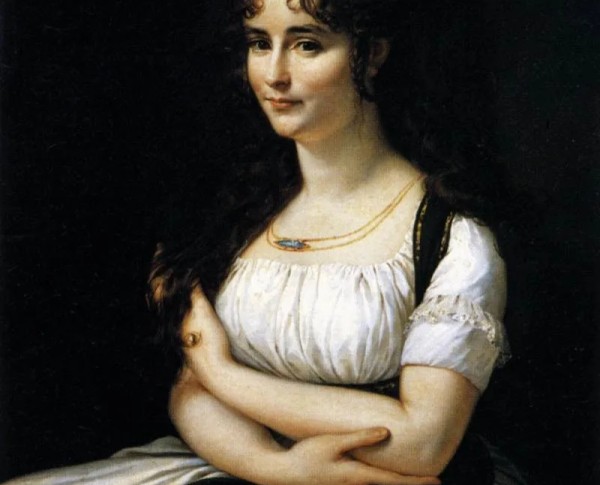
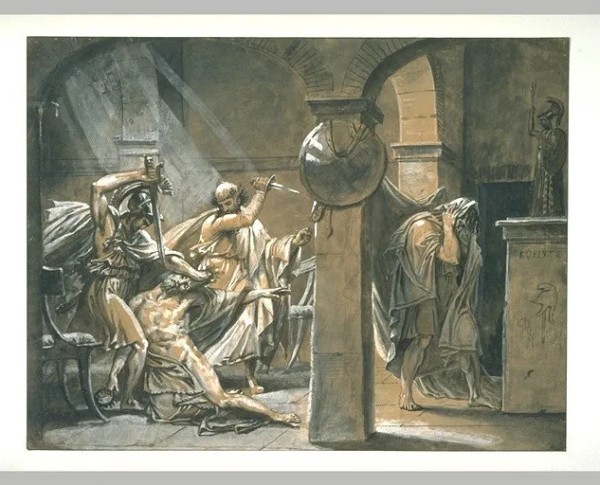
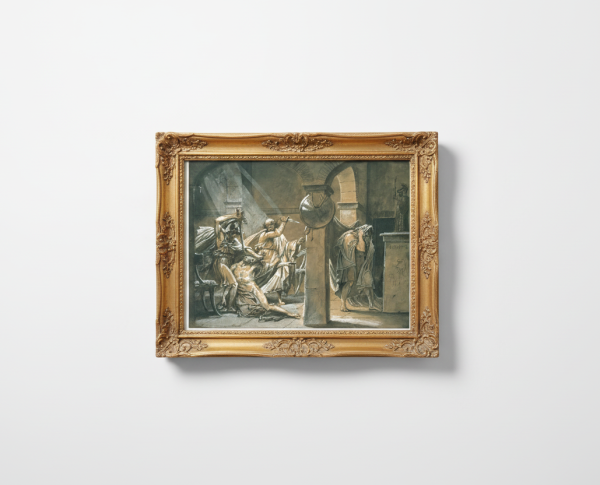
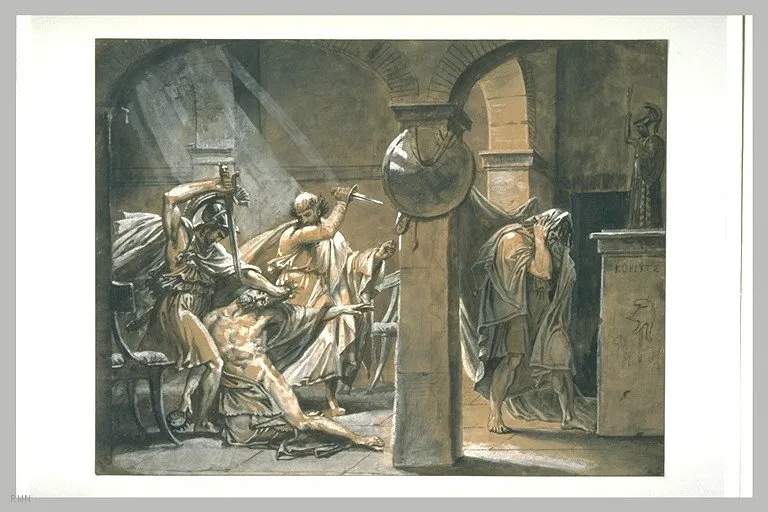
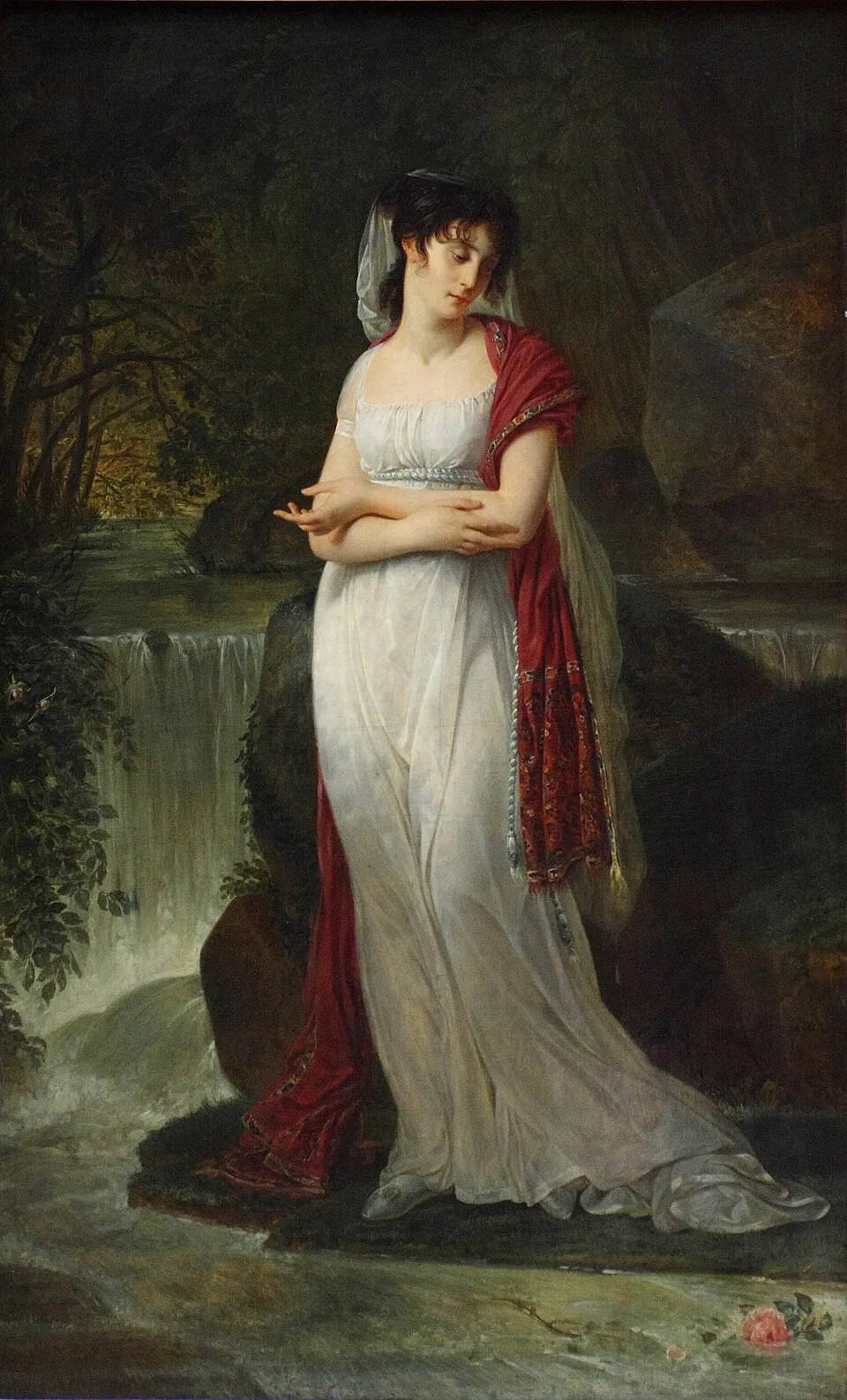
In this fine art painting for sale, Gros weaves narrative and symbolism into every element. "Portrait of Antoine Roy, comte Roy" not only depicts a prominent statesman but also embodies the ideals of the Romanticism movement—individuality, power, and emotion. The careful placement of objects and the sitter’s pose suggest both authority and introspection. Collectors may find similar thematic depth in works like "Portrait of Christine Boyer" and "The Death of Timophanes."
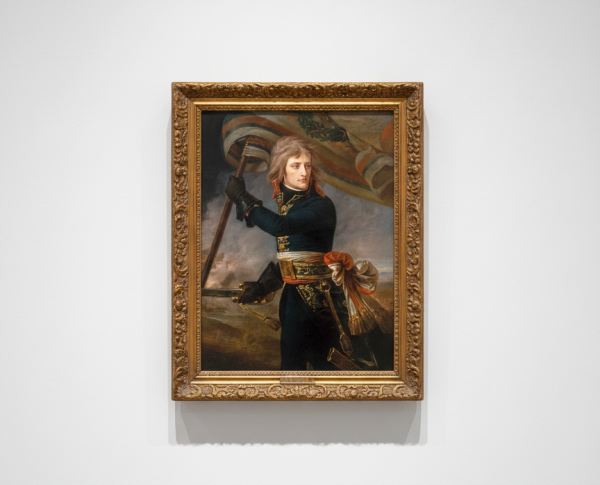
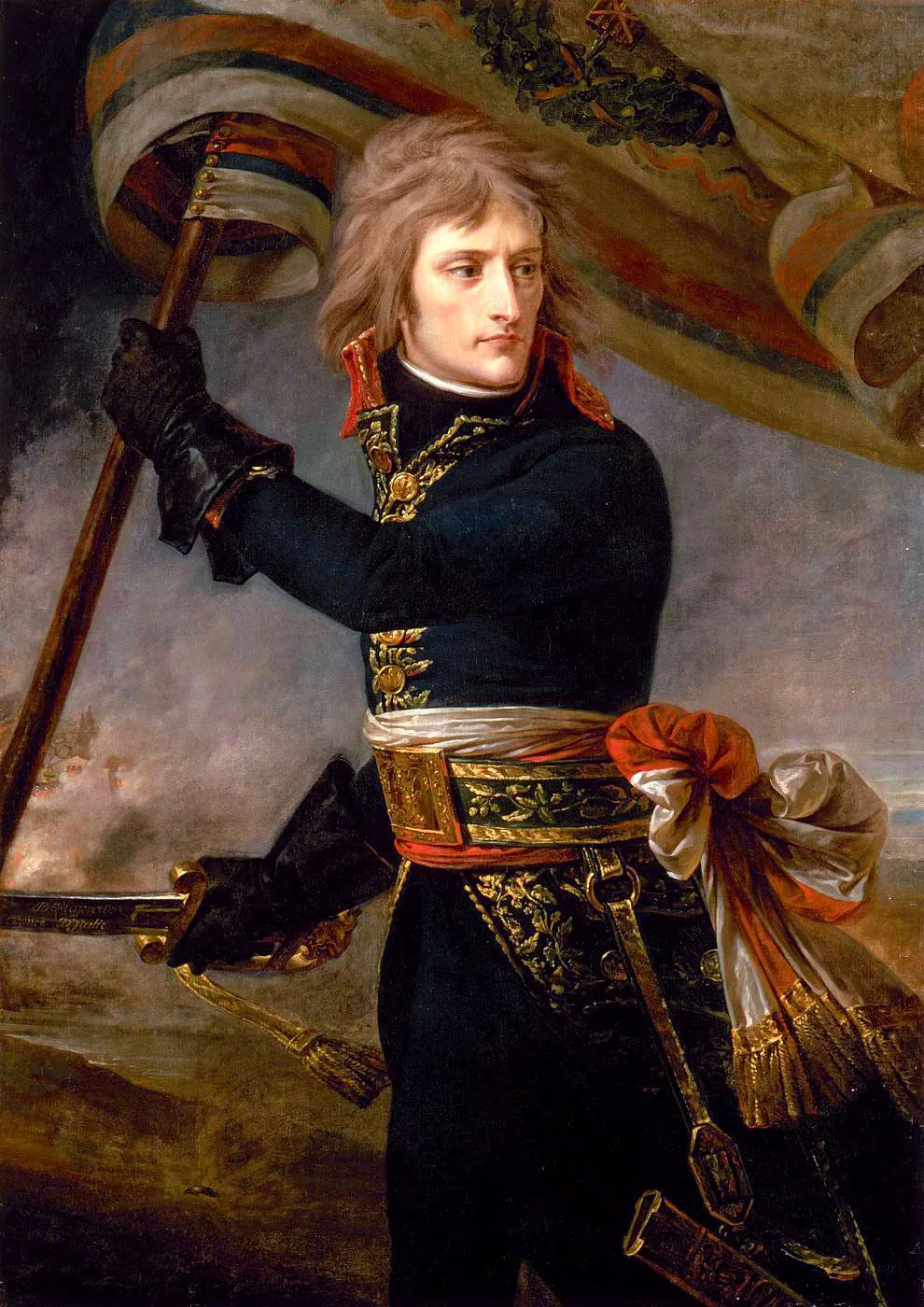
Owning a hand-painted oil painting such as "Portrait of Antoine Roy, comte Roy" by Antoine-Jean Gros is a privilege for art connoisseurs. This remarkable piece from the Romanticism era elevates any collection, offering both aesthetic beauty and historic value. For those seeking to expand their collection, related products like "Portrait of Madame Bruyere" and "Bonaparte at the Pont D'Arcole" present additional opportunities to own a masterpiece from this celebrated artist.
When Art Meets History
"Portrait of Antoine Roy, comte Roy" by Antoine-Jean Gros stands as a testament to the Romanticism movement, capturing both the grandeur and intimate personality of its subject. Created as a hand-painted oil painting, it reflects the pivotal era when artists like Gros documented influential figures. This masterpiece is often discussed alongside related paintings such as "Power of Death" and "Washington Crossing the Delaware," highlighting its historical significance and connection to other remarkable works of its time.
Techniques That Speak
Antoine-Jean Gros’s mastery is evident in the meticulous "oil on canvas" technique showcased in "Portrait of Antoine Roy, comte Roy." His brushwork, layering, and use of light bring depth and realism to the portrait, characteristic of Romanticism. The subtle blending and dramatic contrasts are reminiscent of his other works and related pieces like "Marine" and "Dickens Characters By." This attention to technique solidifies the painting’s reputation among art enthusiasts and historians alike.
Emotions on Display
In "Portrait of Antoine Roy, comte Roy," Gros channels the emotional intensity that defines Romanticism. The subject’s thoughtful gaze and dignified pose evoke a sense of introspection and resilience. This fine art painting for sale not only captures a likeness but also invites viewers to connect emotionally, much like "The Hay Wain, 1821" does. Gros’s ability to portray deep feeling sets this portrait apart as a compelling study of character and mood.
Coveted by Collectors
As a celebrated example of Romanticism, "Portrait of Antoine Roy, comte Roy" by Antoine-Jean Gros remains highly sought after by collectors. Its status as a hand-painted oil painting ensures its value, placing it among other coveted works such as "Washington Crossing the Delaware" and "Dickens Characters By." The combination of historical importance and exquisite artistry makes this portrait a prized possession for anyone seeking a fine art painting for sale from this transformative artistic era.
Related Romanticism Hand-Painted Oil Paintings by Other Artists
Other Famous Romanticism Artists:
Frequently Asked Questions About Portrait of Antoine Roy, comte Roy
Who is depicted in the painting "Portrait of Antoine Roy, comte Roy"?
The painting features Antoine Roy, a notable figure in French history, recognized for his contributions to the political and social landscape of his time.
What is the significance of the artist, Antoine-Jean Gros, in the context of this painting?
Antoine-Jean Gros was a prominent French painter known for his historical and portrait works. His style is characterized by a dramatic use of color and light, which adds emotional depth to his subjects.
What artistic techniques are employed in "Portrait of Antoine Roy, comte Roy"?
The painting showcases Gros's mastery of chiaroscuro, highlighting the interplay of light and shadow, which enhances the three-dimensionality of the figure and adds a sense of realism.
What historical context surrounds the creation of this portrait?
Created during the early 19th century, the portrait reflects the political climate of post-Revolutionary France, where portraiture served as a means of legitimizing power and status.
What symbolism can be found in the attire and pose of Antoine Roy?
Antoine Roy's attire, characterized by opulent fabrics and formal styling, symbolizes his noble status, while his confident pose conveys authority and leadership.
How does Gros's portrayal of Antoine Roy differ from traditional portraiture of the time?
Gros's approach often incorporated elements of Romanticism, emphasizing emotional expression and individuality, which contrasts with the more rigid and idealized forms of earlier portraiture.
What role does color play in "Portrait of Antoine Roy, comte Roy"?
The use of rich, vibrant colors not only enhances the visual appeal of the painting but also serves to evoke the personality and character of Antoine Roy, making him more relatable to the viewer.
What influence did "Portrait of Antoine Roy, comte Roy" have on subsequent portrait artists?
This portrait set a precedent for future artists in the portrayal of political figures, emphasizing the importance of personal narrative and emotional depth in portraiture.
In what ways does this painting reflect the values of its time?
The painting embodies the values of the Napoleonic era, where personal achievement and loyalty to the state were celebrated, as reflected in the dignified representation of Antoine Roy.
Where can I view "Portrait of Antoine Roy, comte Roy"?
This significant artwork is part of the collection at [Gallery Name], where it is displayed alongside other notable works from the same period.






















_GFM_Painting_(1).webp)


 100% Hand-Painted: Finished in 3-6 Weeks

.png)















_(1).webp)