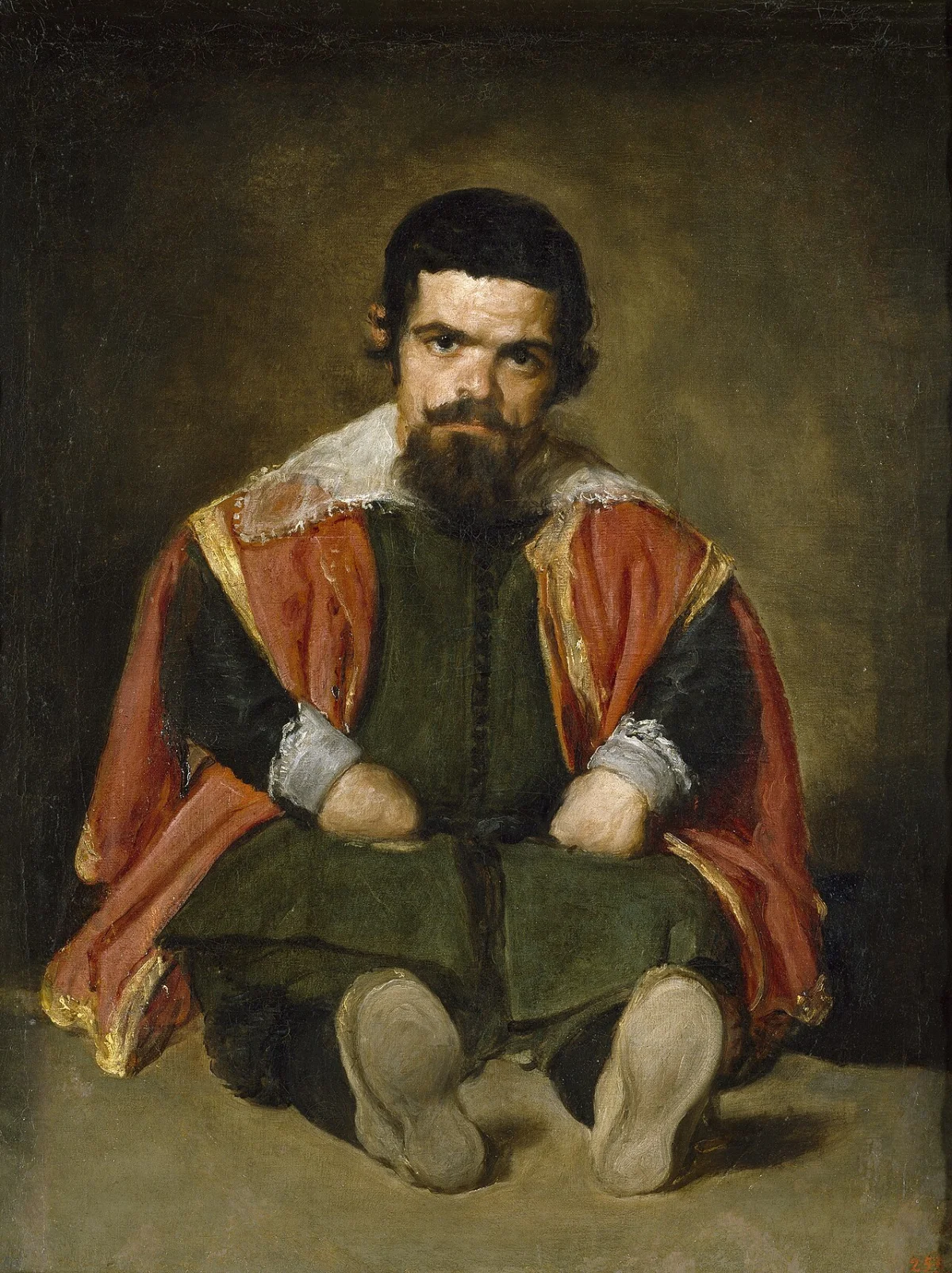
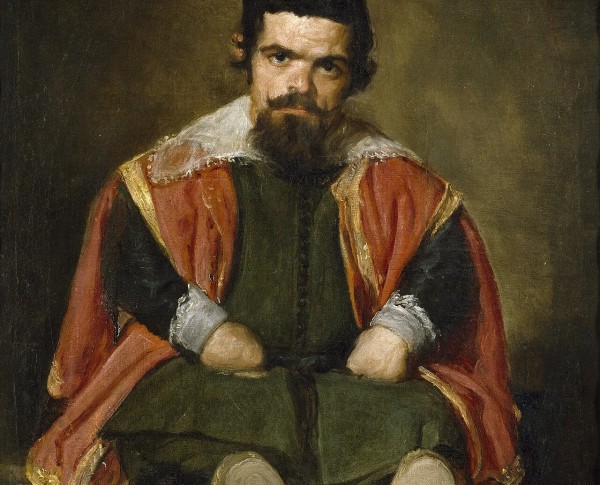
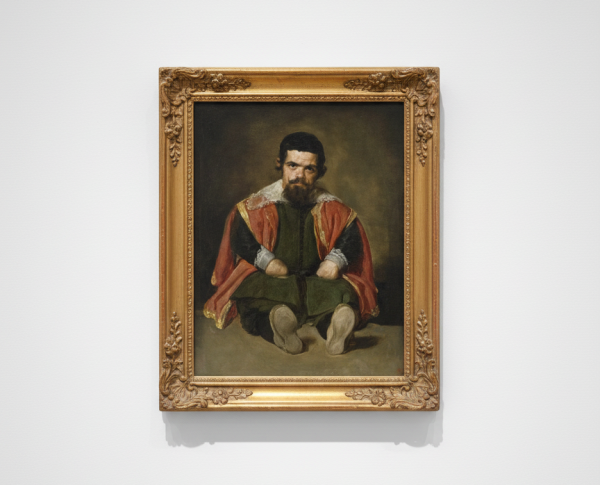
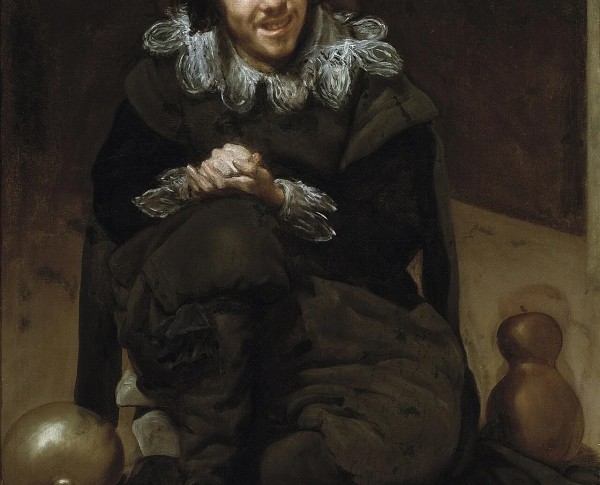
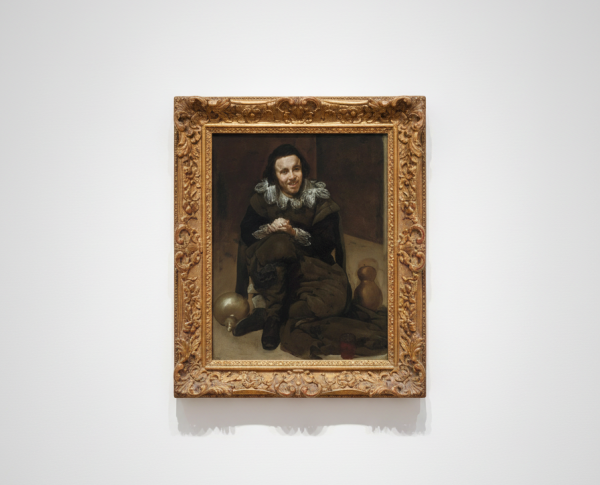
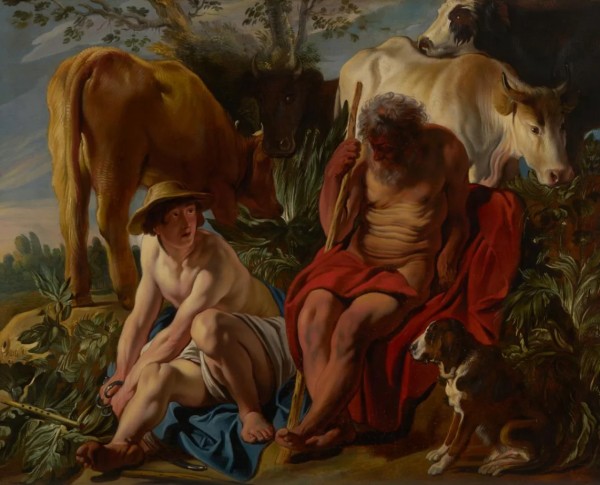
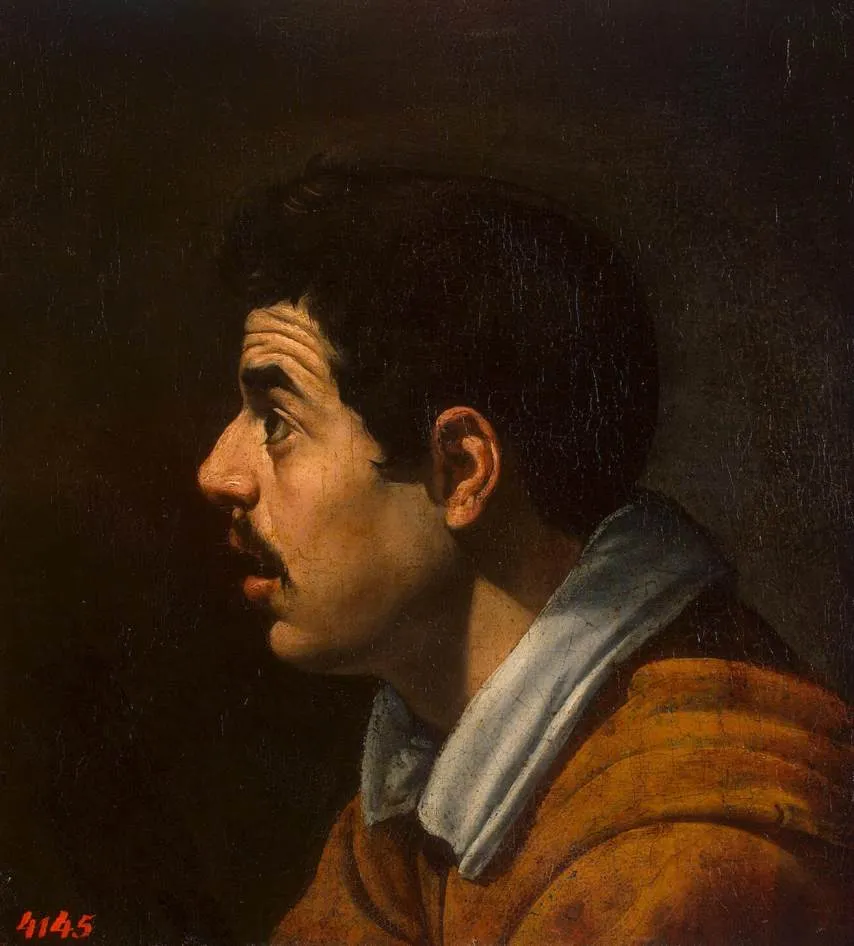
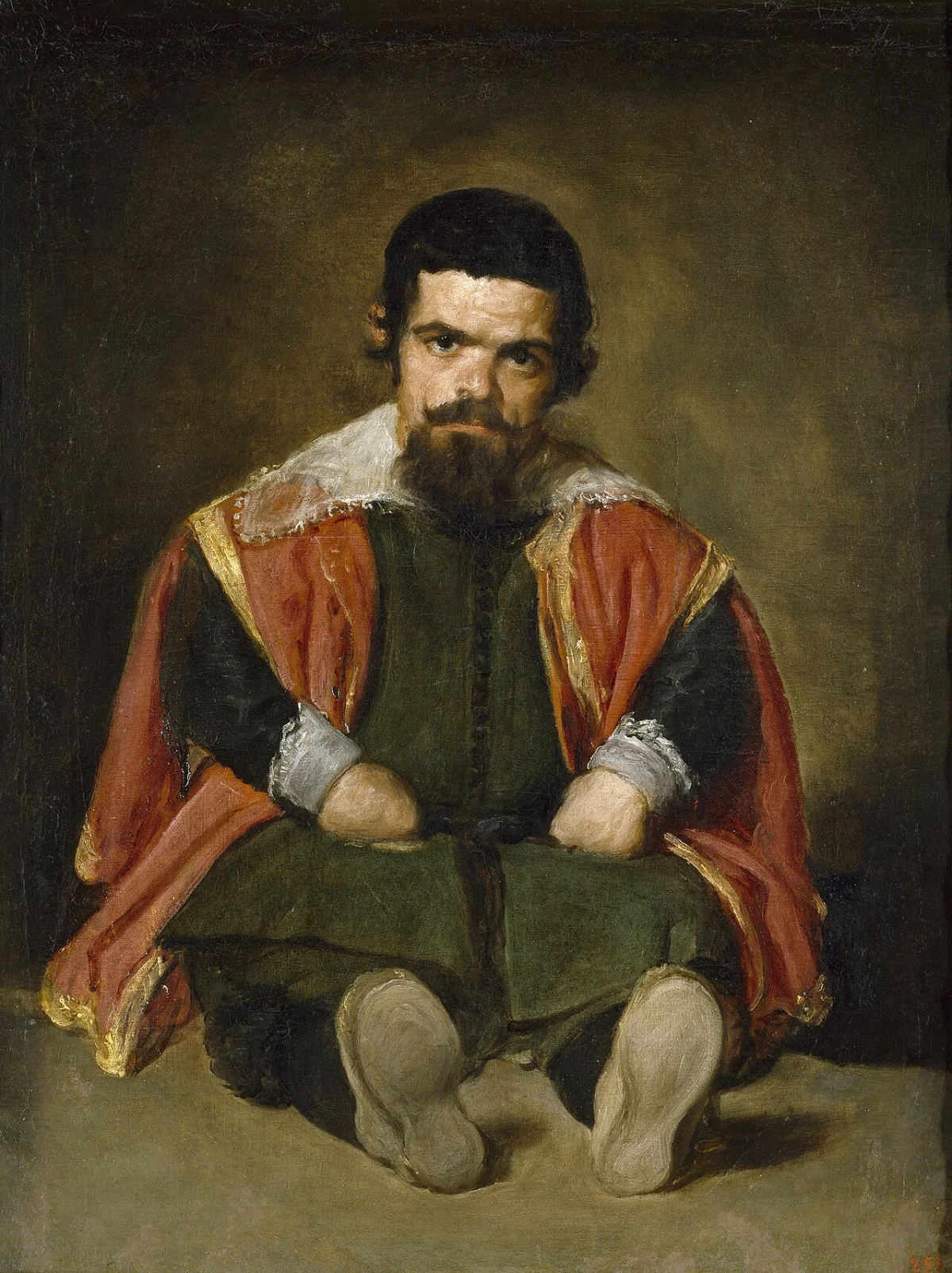
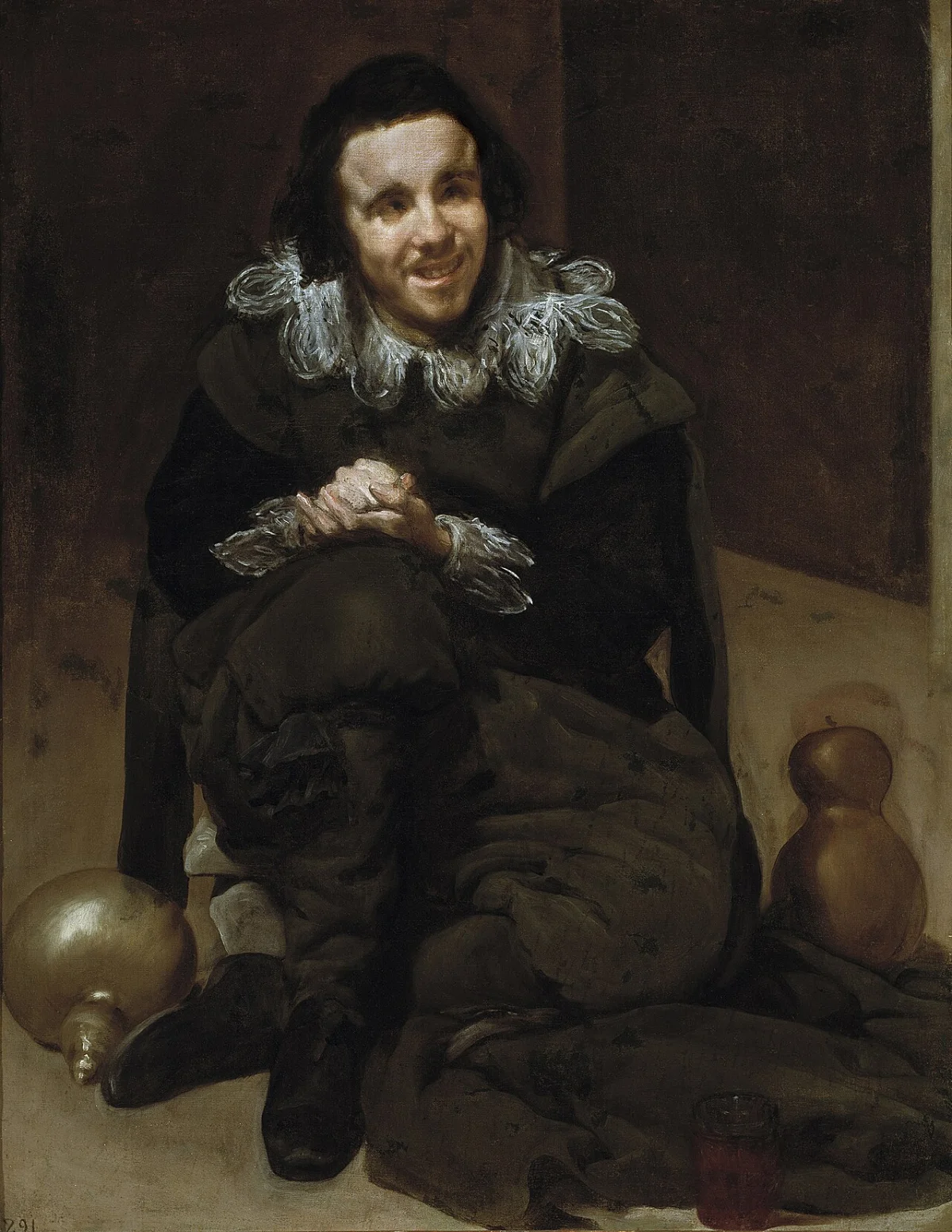
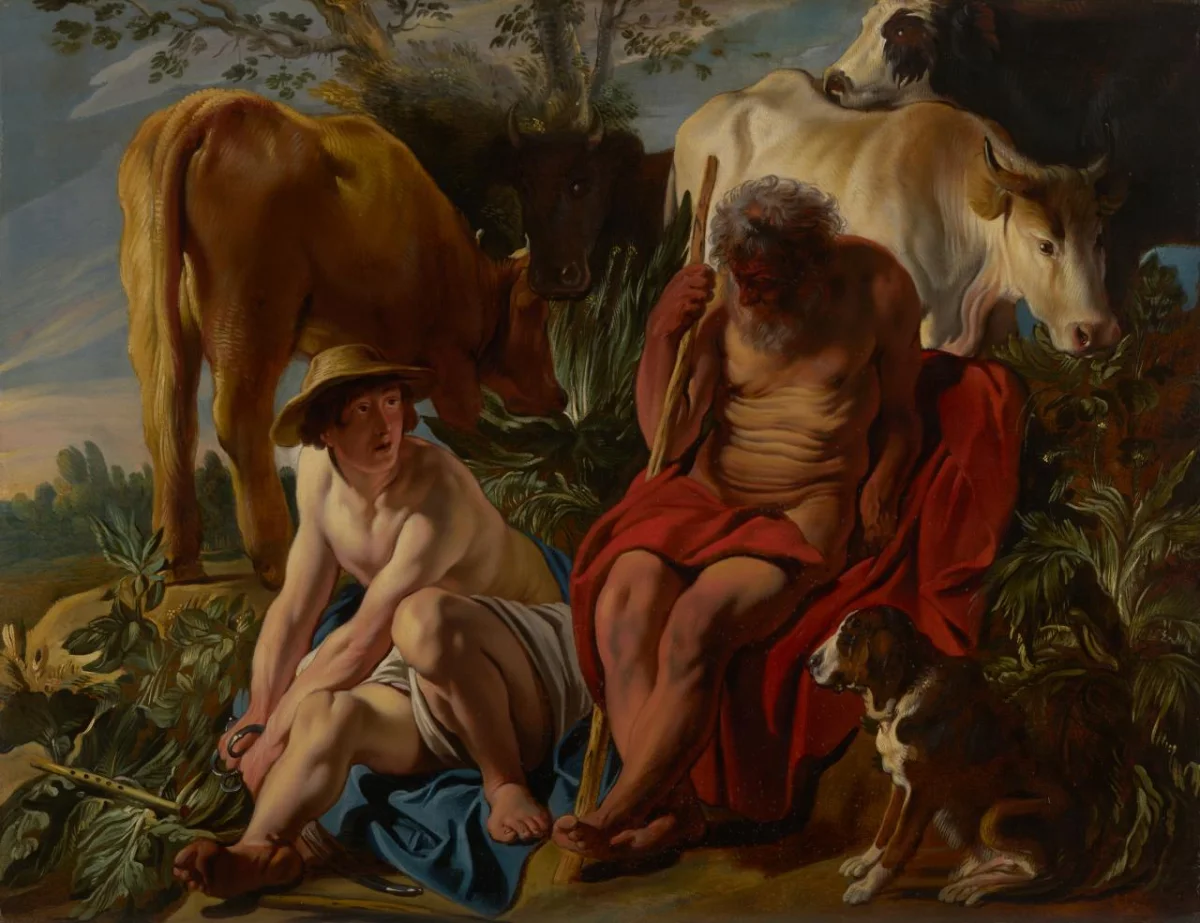
Velazquez’s "Head of a Man" showcases his mastery of oil on canvas, utilizing delicate brushwork to reveal subtle expressions and textures. The Realism movement emphasized lifelike representation, and Velazquez excelled in this with every stroke. As seen in related pieces such as "Mercury and Argus" and "Portrait of Sebastián de Morra," his technique in this fine art painting for sale is both innovative and timeless, making it a prized addition to any collection.
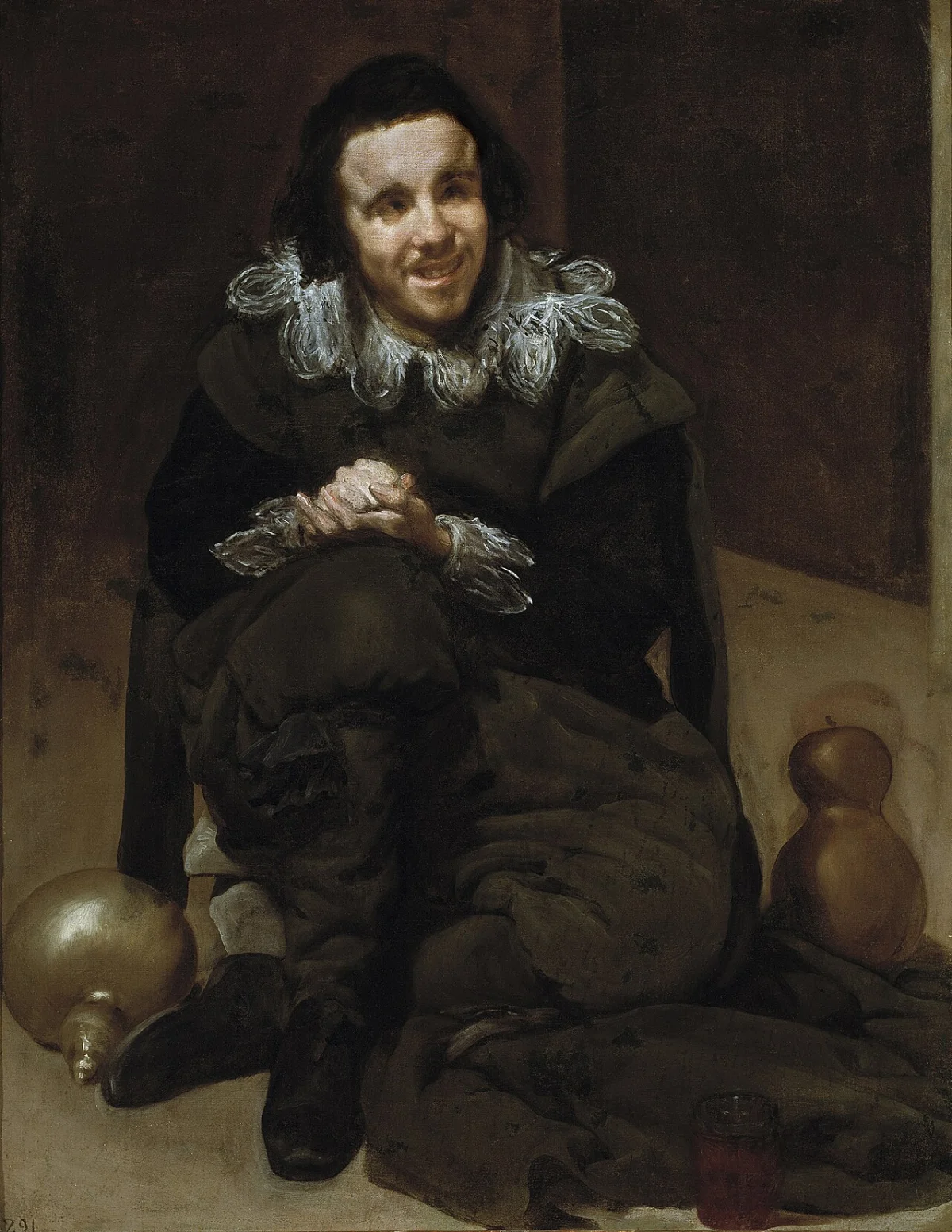
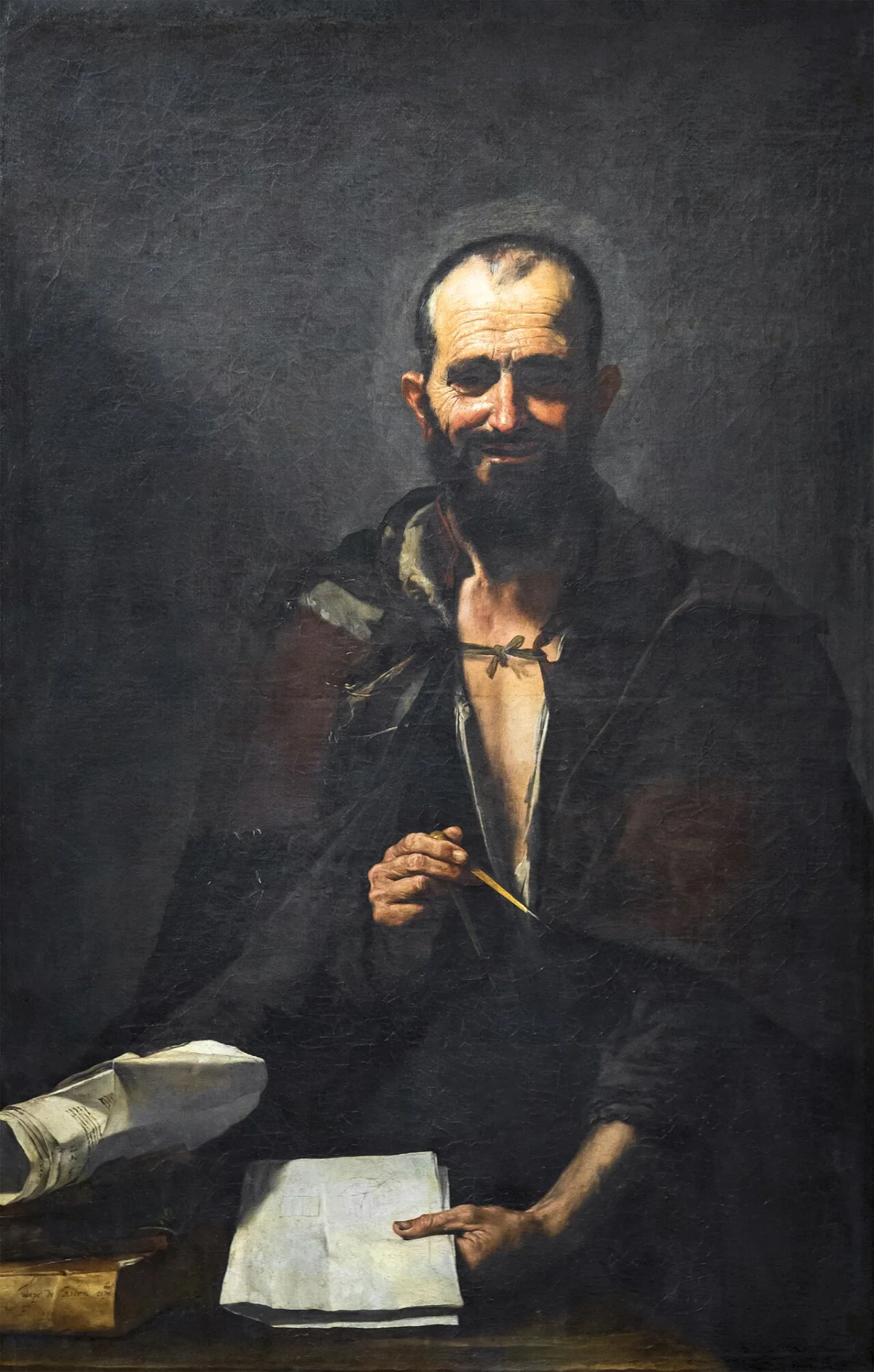
Beneath the surface of "Head of a Man," Diego Rodriguez de Silva y Velazquez weaves stories and subtle symbols, a hallmark of the Realism movement. The painting’s nuanced details invite viewers to interpret the sitter’s character and emotions. This hand-painted oil painting resonates with the narrative depth found in works like "The Jester Calabacillas" and "Democritus," drawing connections across Velazquez’s celebrated career and enriching the viewer’s experience.
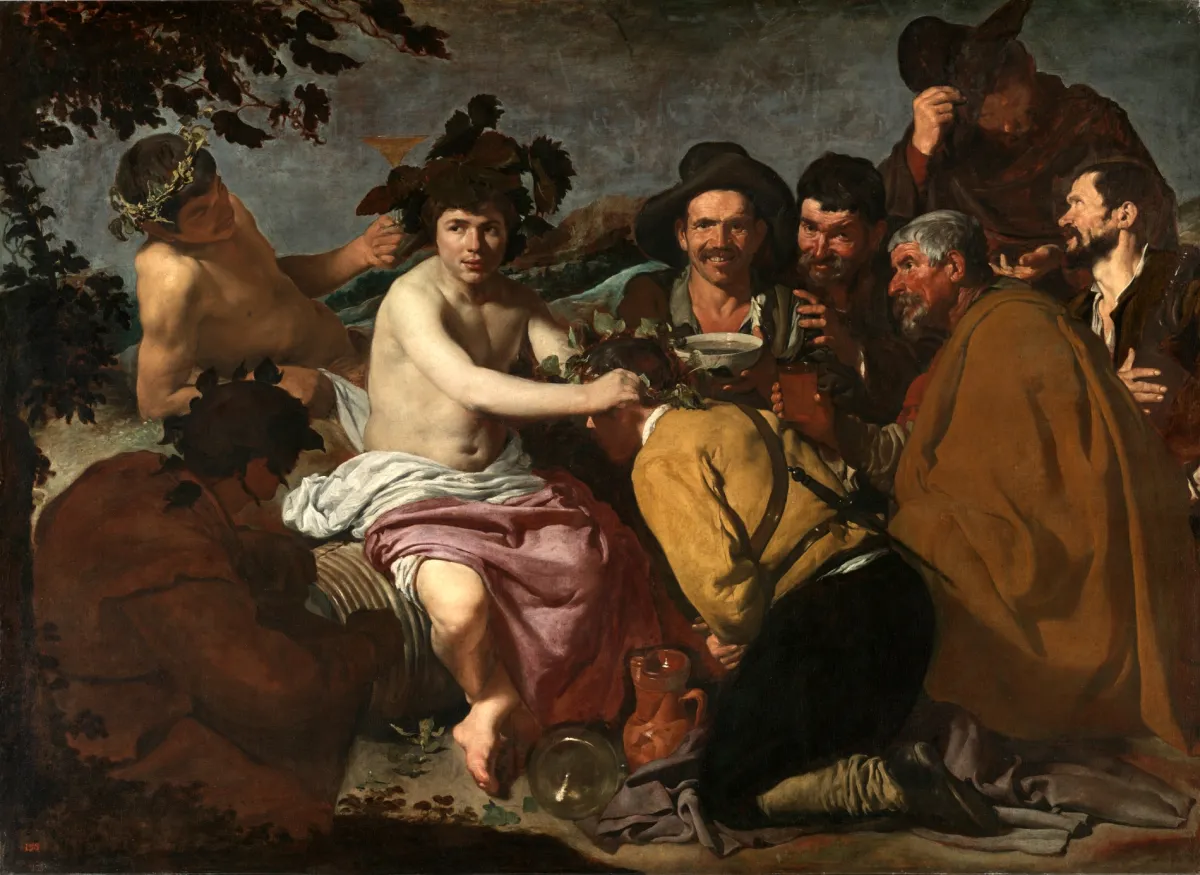
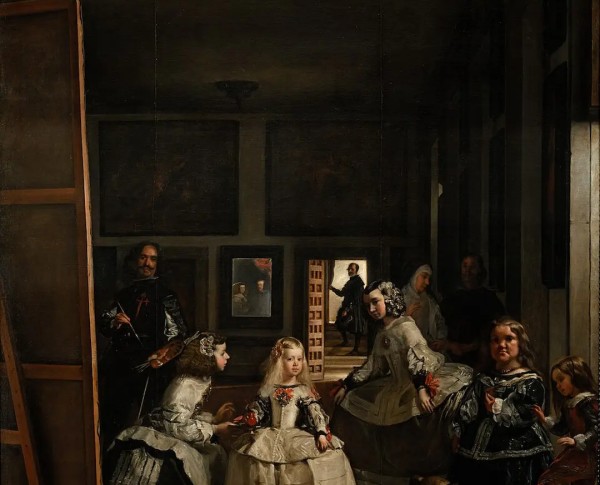
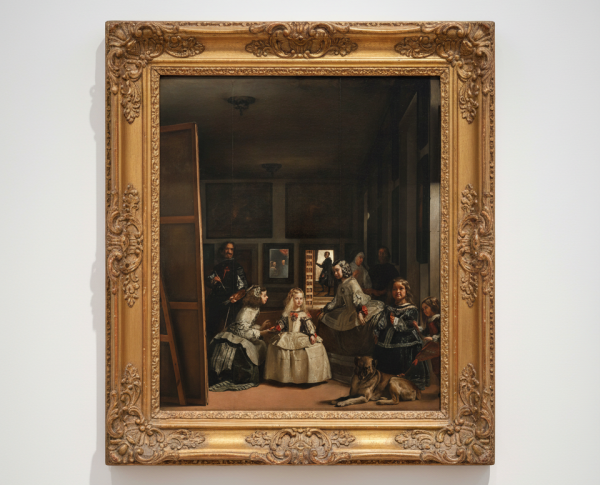
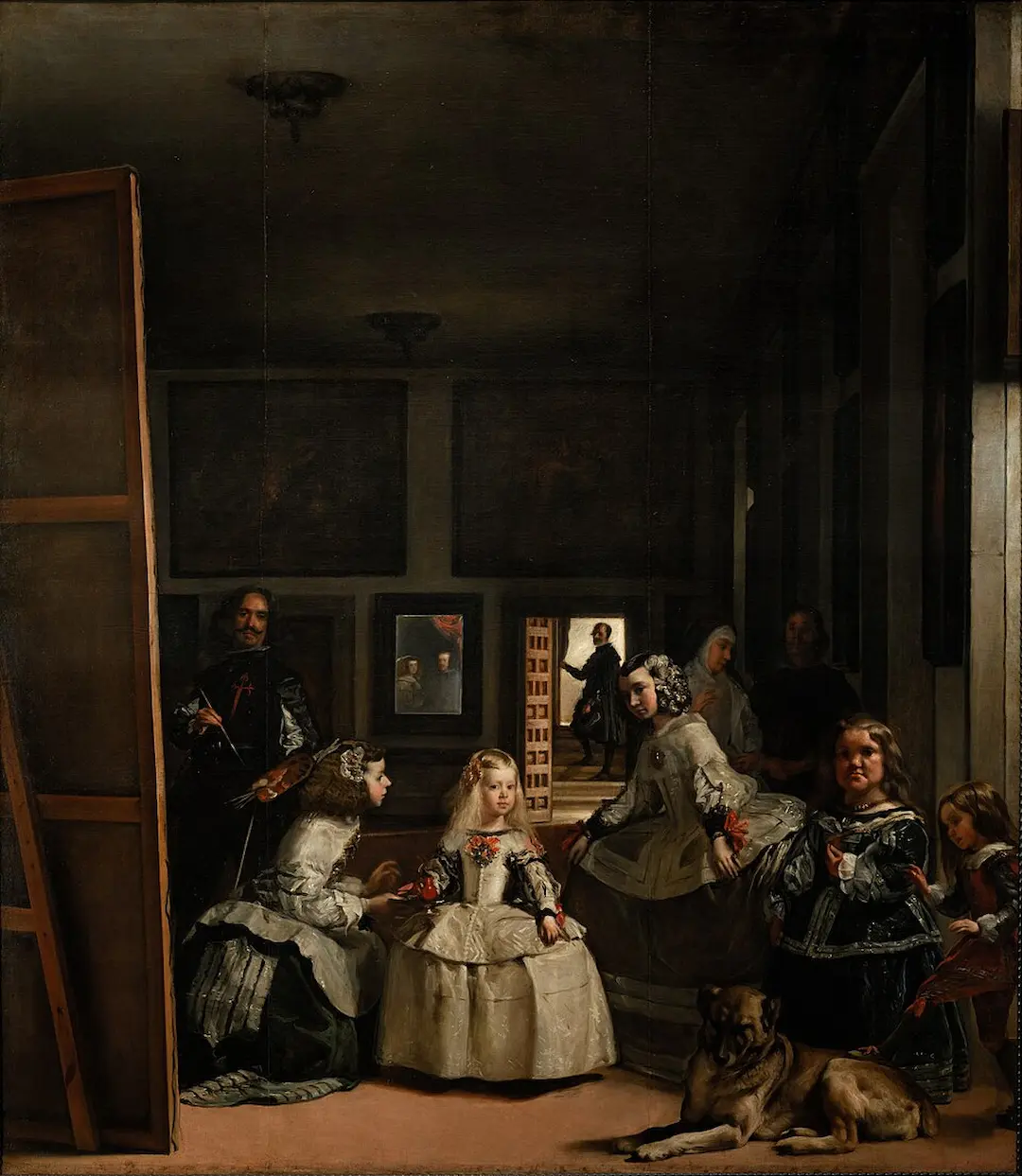
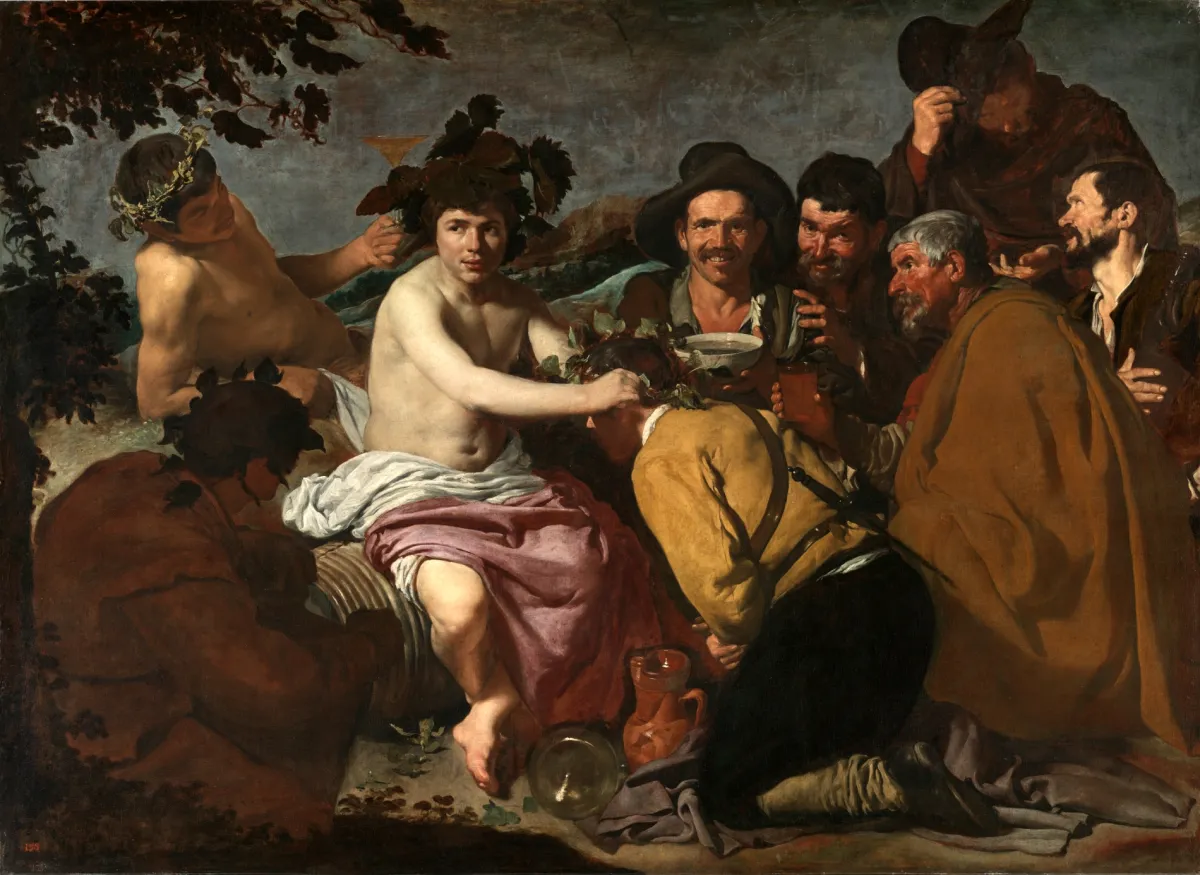
For collectors seeking a fine art painting for sale, "Head of a Man" embodies the pinnacle of Velazquez’s artistry in the Realism movement. Its prestigious lineage is matched by related masterpieces such as "The Triumph of Bacchus" and "Las Meninas." Owning a work like this oil on canvas not only honors the legacy of Diego Rodriguez de Silva y Velazquez but also adds a timeless piece of art history to any personal or public collection.
When Art Meets History
"Head of a Man" by Diego Rodriguez de Silva y Velazquez stands as a testament to the Realism movement, capturing the essence of its era with profound authenticity. This hand-painted oil painting not only reflects Velazquez’s mastery but also echoes the historical significance found in related works like "Davy Crockett" and "A Path In A Wood." Through this portrait, viewers are invited to witness a moment where art and history converge, immortalizing the subject’s presence for generations.
Techniques That Speak
Velazquez’s "Head of a Man" is renowned for its meticulous oil on canvas technique, exemplifying the Realism movement’s dedication to lifelike representation. The artist’s expert brushwork and subtle use of light bring the subject’s features to life, much like in "Death and the Woodcutter" or "The Brierwood Pipe." The smooth blending and detailed textures highlight Velazquez’s unparalleled skill, making this oil on canvas masterpiece a prime example of technical excellence in fine art.
Emotions on Display
In "Head of a Man," Diego Rodriguez de Silva y Velazquez conveys deep emotion through nuanced facial expressions and atmospheric detail. The painting resonates with the same emotional intensity found in works like "Brook In A Birch Forest," drawing viewers into the subject’s world. The artist’s ability to evoke empathy and curiosity is a hallmark of the Realism movement, making this fine art painting for sale a truly evocative piece for collectors and enthusiasts alike.
Coveted by Collectors
As a celebrated example of the Realism movement, "Head of a Man" by Velazquez is highly sought after by art collectors worldwide. Its status as a hand-painted oil painting, along with its historic and artistic value, places it alongside masterpieces such as "Davy Crockett" and "The Brierwood Pipe." The painting’s rarity and exquisite craftsmanship ensure its position as a fine art painting for sale that continues to captivate and inspire collectors across generations.
Related Realism Hand-Painted Oil Paintings by Other Artists
Other Famous Realism Artists:
Frequently Asked Questions About Head of a Man
What is the historical significance of "Head of a Man"?
"Head of a Man" is a significant work by Diego Velazquez, a leading figure of the Spanish Golden Age. This painting exemplifies the artist's mastery in portraiture and his ability to convey the psychological depth of his subjects, reflecting the cultural and artistic advancements of 17th-century Spain.
What techniques did Velazquez use in "Head of a Man"?
Velazquez employed a technique known as chiaroscuro, which contrasts light and shadow to create a three-dimensional effect. His brushwork is loose yet precise, allowing for a realistic depiction of skin texture and facial features, showcasing his innovative approach to oil painting.
Who is the subject of "Head of a Man"?
The identity of the subject in "Head of a Man" remains uncertain. Some art historians suggest that it could be a representation of a common man or a character from the Spanish court, reflecting Velazquez's interest in portraying individuals from various social classes.
What themes are explored in "Head of a Man"?
The painting explores themes of identity, humanity, and the complexity of the human experience. Velazquez captures the essence of his subject, inviting viewers to contemplate the inner life and emotions of the individual depicted.
How does "Head of a Man" reflect Velazquez's artistic style?
This work reflects Velazquez's signature style characterized by realism, psychological depth, and a focus on the human figure. His ability to convey emotion through subtle facial expressions and gestures is evident in this painting, marking it as a pivotal piece in his oeuvre.
What influences can be seen in "Head of a Man"?
Velazquez was influenced by the Italian Renaissance masters, particularly Caravaggio, whose use of light and shadow inspired Velazquez's own techniques. Additionally, the naturalism and attention to detail in "Head of a Man" reflect the broader Baroque movement in art.
What is the significance of the color palette in "Head of a Man"?
The color palette in "Head of a Man" is dominated by earthy tones, which enhance the realism and emotional gravity of the subject. The subtle variations in color create depth and dimension, drawing the viewer's attention to the facial features and expressions.
How does "Head of a Man" compare to other works by Velazquez?
Compared to other works by Velazquez, "Head of a Man" is notable for its intimate scale and focus on a single figure. While many of his other paintings depict grand historical or mythological scenes, this piece highlights his ability to convey profound emotion in a more personal context.
What impact did "Head of a Man" have on future artists?
"Head of a Man" has had a lasting impact on future generations of artists, influencing the development of portraiture and realism. Velazquez's innovative techniques and psychological insight paved the way for later movements, including Impressionism and Expressionism.
Where can I view "Head of a Man" today?
"Head of a Man" is part of a private collection and is occasionally exhibited in major art institutions. For current exhibition details, please check with local galleries or museums that feature works by Velazquez.























_GFM_Painting_(1).webp)


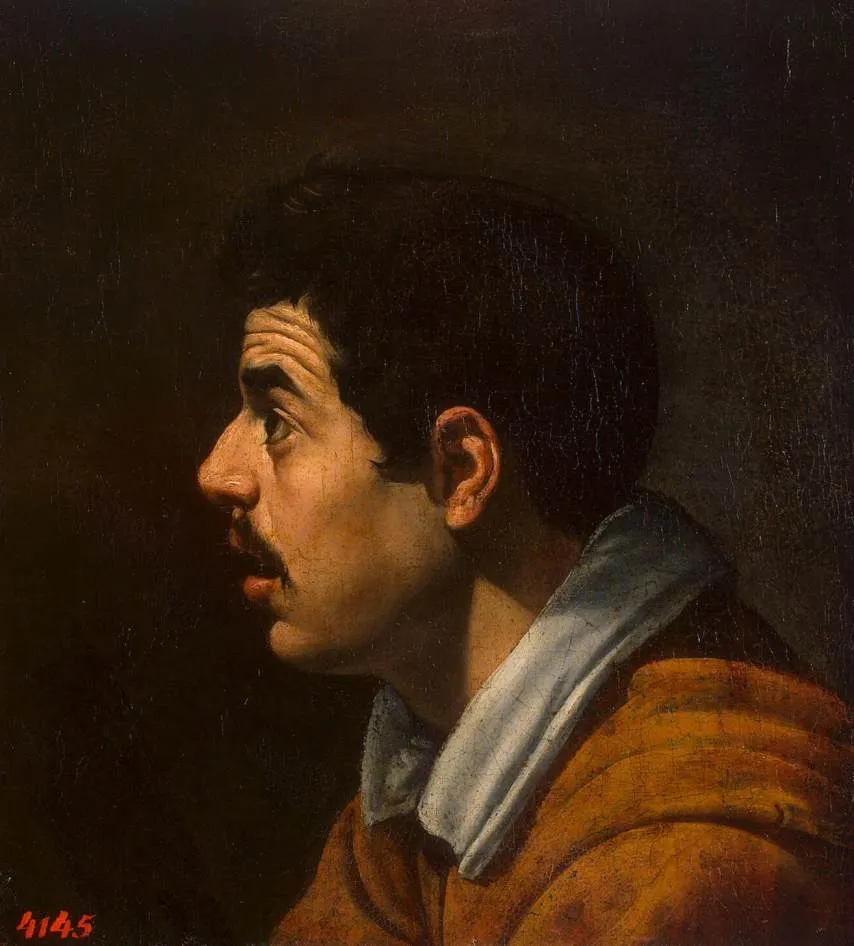
 100% Hand-Painted: Finished in 3-6 Weeks

.png)















_(1).webp)