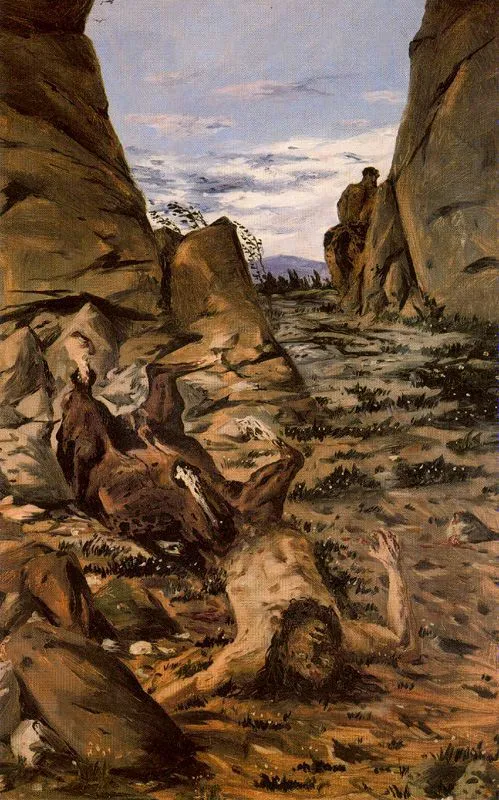
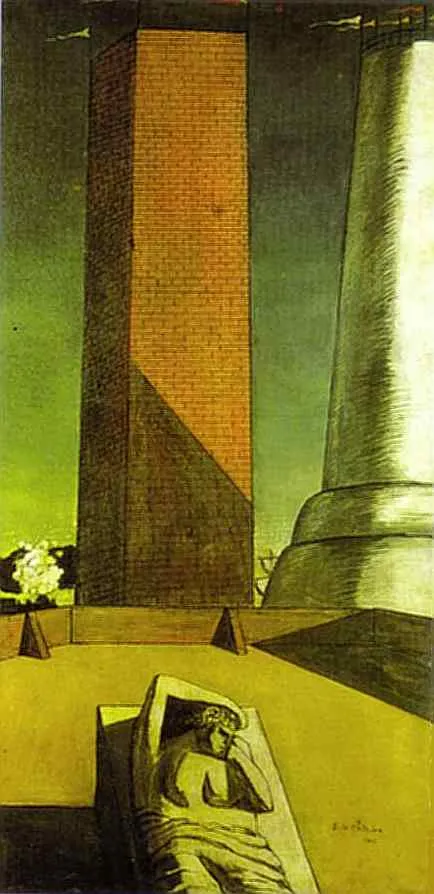
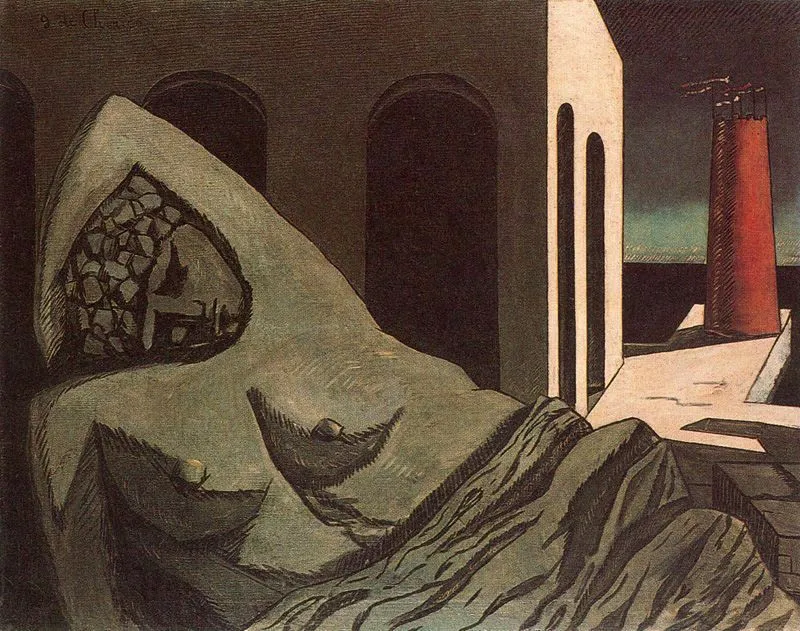
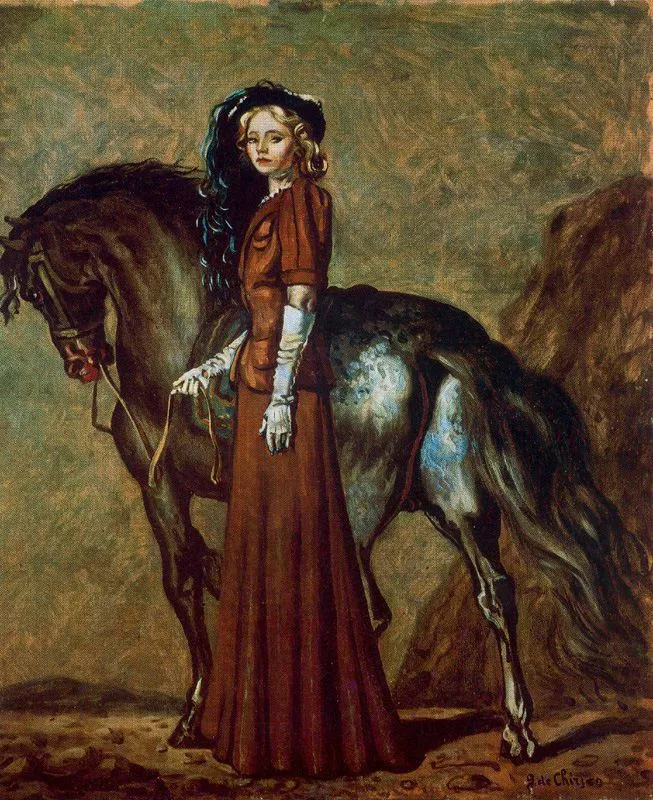
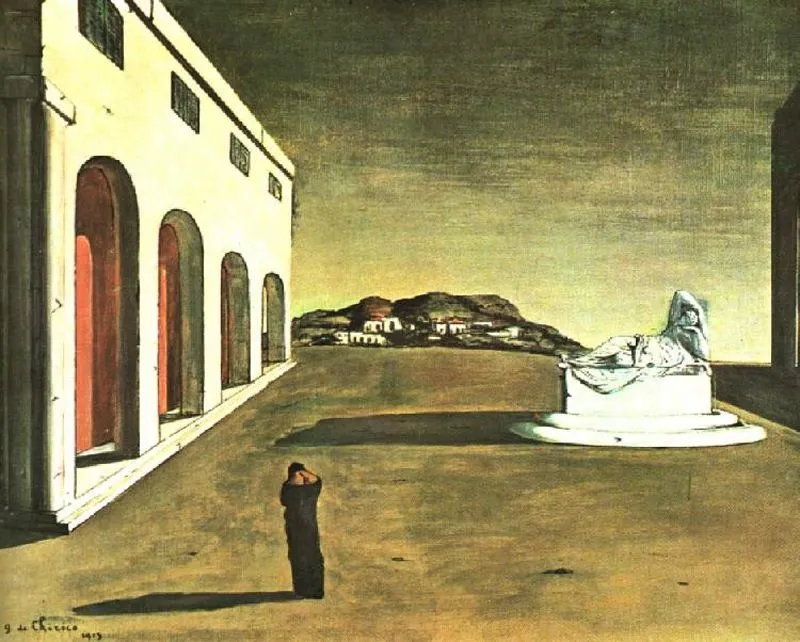
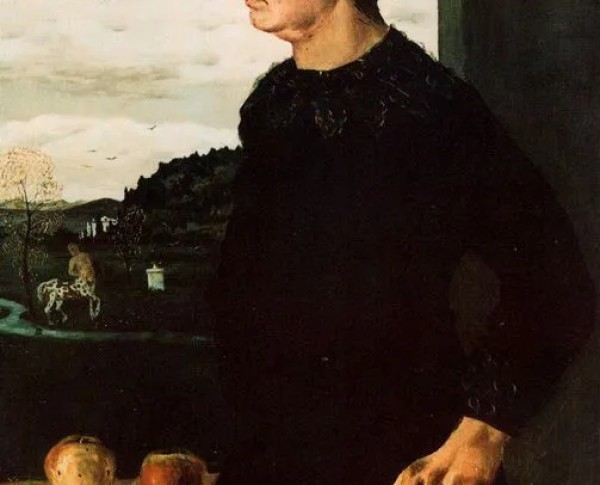
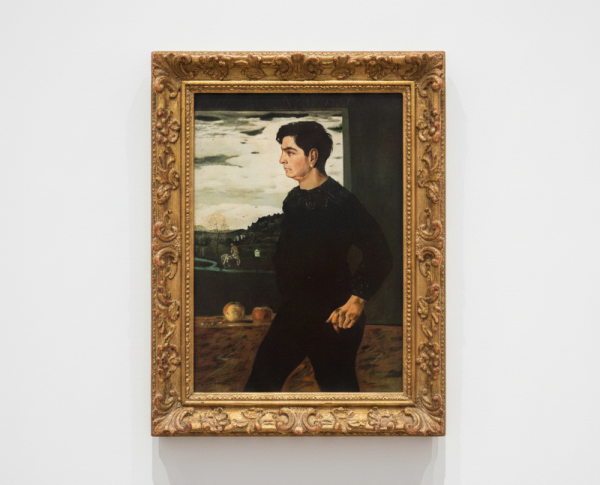
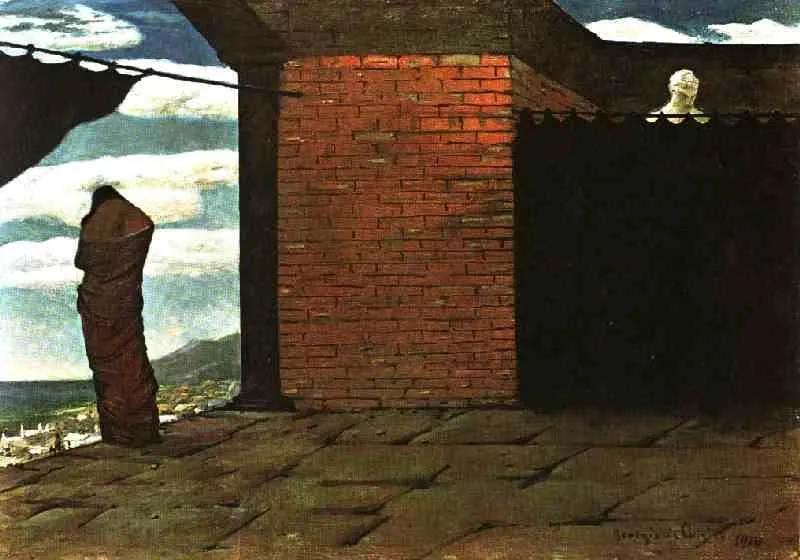
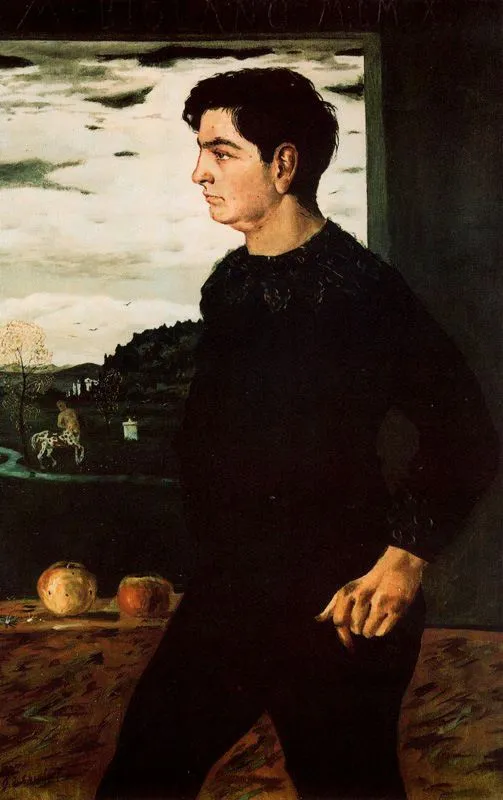
De Chirico’s technique in "The Enigma of the Oracle" exemplifies his command of oil on canvas. Each brushstroke reveals a meticulous attention to detail, bringing forth haunting architectural forms and shadowy figures. As a hallmark of Surrealism, the painting’s composition lures viewers into a dreamlike realm. Admirers of de Chirico’s work often appreciate similar pieces such as "Portrait of Andrea, brother of the artist" for their masterful execution and unique perspective.
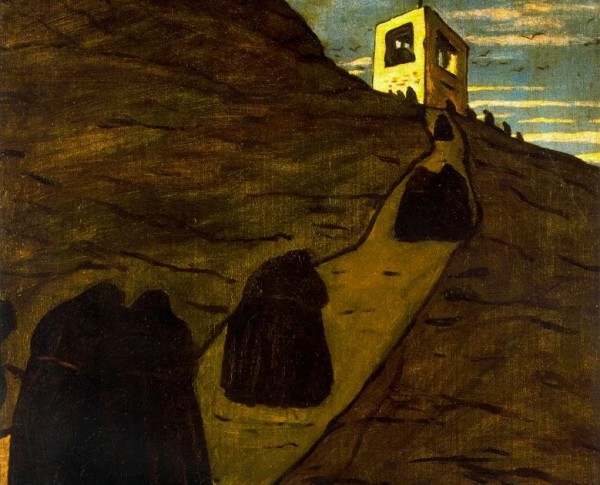
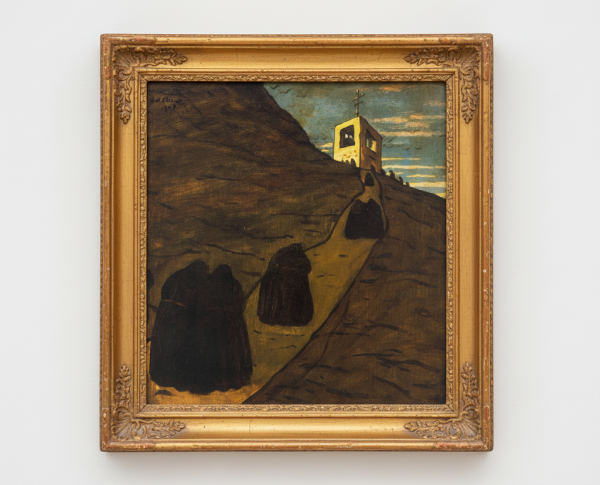
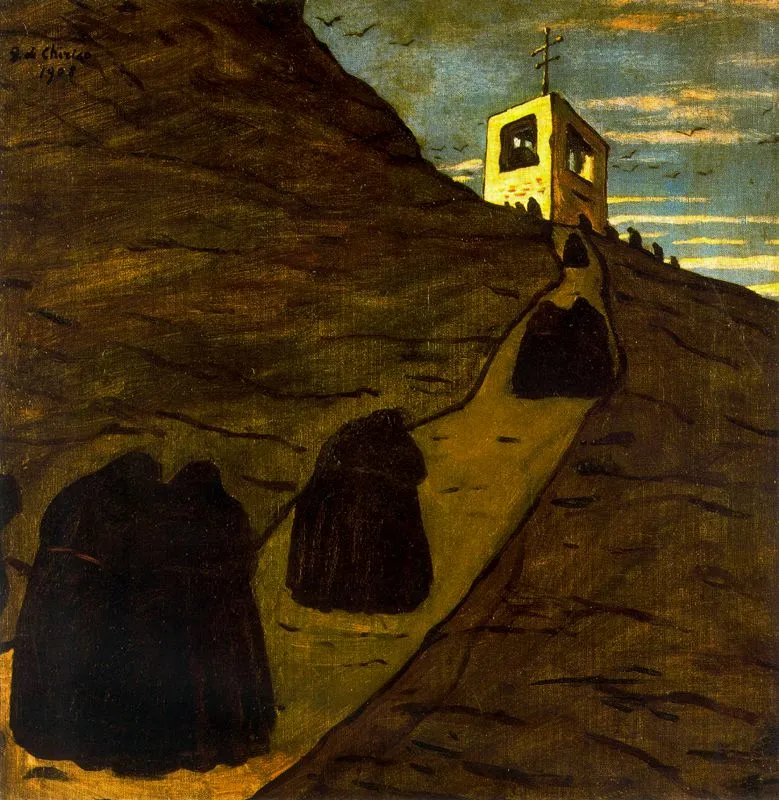
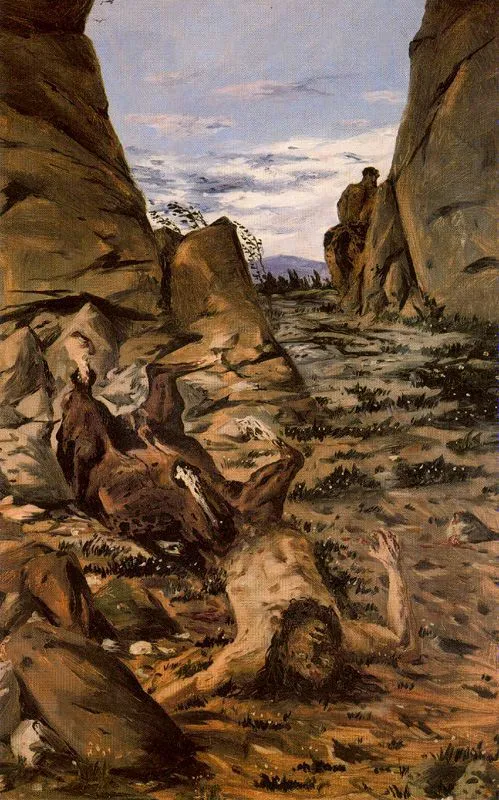
"The Enigma of the Oracle" is more than a fine art painting for sale; it is a narrative woven with enigmatic symbols and thought-provoking imagery. Giorgio de Chirico masterfully fuses classical motifs with surreal landscapes, challenging viewers to interpret the hidden messages within. This Surrealist masterpiece shares thematic depth with related products like "Climb to the monastery," inviting collectors to delve into the artist’s symbolic universe and uncover stories beneath the surface.
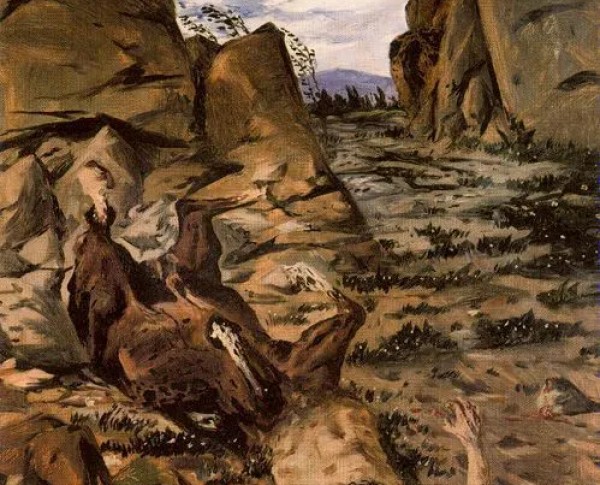
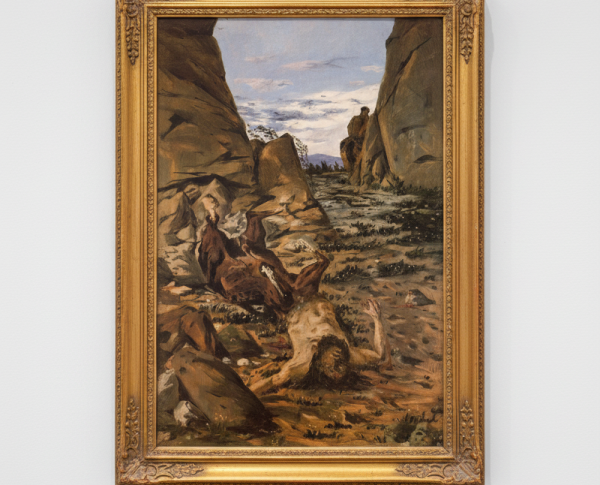
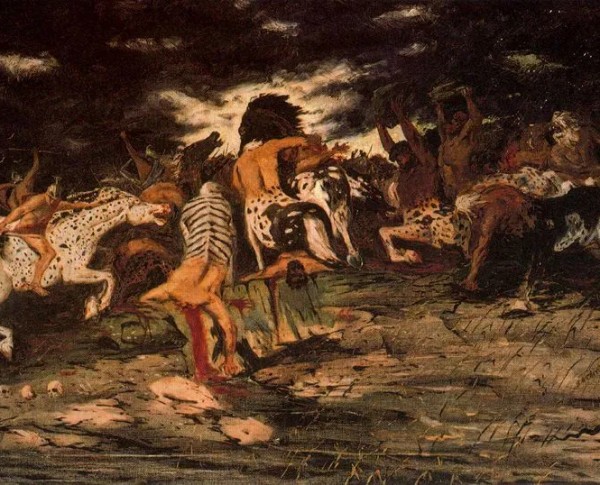
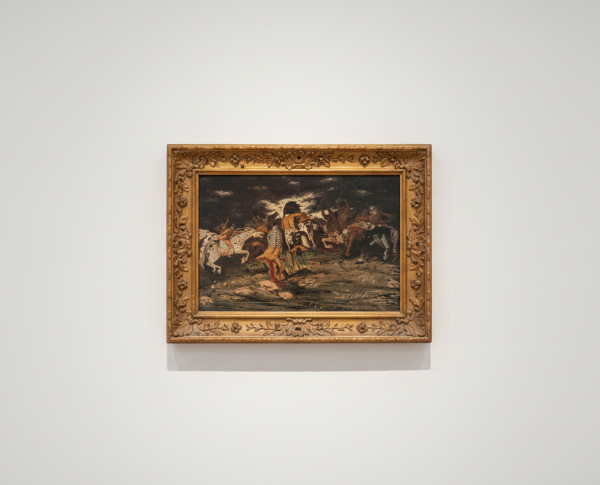
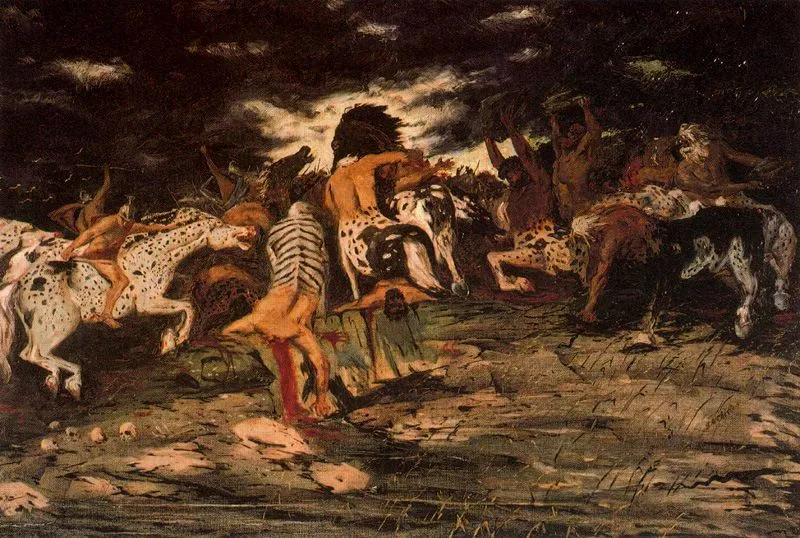
For discerning art lovers, "The Enigma of the Oracle" by Giorgio de Chirico is an exceptional hand-painted oil painting that enhances any curated space. As a standout piece from the Surrealism movement, it holds significant value among collectors seeking unique fine art painting for sale. Pairing this artwork with others such as "Dying Centaur" or "The battle of Lapiths and Centaurs" creates a captivating collection that celebrates de Chirico’s enduring influence on modern art.
When Art Meets History
Giorgio de Chirico’s "The Enigma of the Oracle" stands as a testament to the Surrealism movement, merging timeless classical motifs with dreamlike ambiguity. This hand-painted oil painting transports viewers to a world where ancient ruins and shadowy figures evoke the mysteries of the past. De Chirico’s work, much like his other masterpieces, invites us to explore the intersection of history and imagination, making each viewing a journey through the enigmatic corridors of time.
Techniques That Speak
Utilizing the traditional method of oil on canvas, Giorgio de Chirico masterfully creates depth and perspective in "The Enigma of the Oracle." His brushwork and use of light and shadow are hallmarks of the Surrealism movement, allowing everyday objects and architectural forms to become vessels of mystery. The techniques seen here echo those found in his related paintings, showcasing de Chirico’s unique approach to creating haunting, contemplative worlds.
Emotions on Display
The emotional resonance of "The Enigma of the Oracle" lies in its compelling ambiguity and evocative silence. Giorgio de Chirico crafts a scene that stirs curiosity and a sense of longing, hallmarks of a fine art painting for sale that transcends ordinary experience. The Surrealism movement, and de Chirico’s interpretation of it, encourages viewers to confront their own subconscious, much like his other related works in this genre.
Coveted by Collectors
As a sought-after piece in the world of Surrealism, "The Enigma of the Oracle" by Giorgio de Chirico is highly prized among art enthusiasts. Its status as a hand-painted oil painting adds to its allure, making it a focal point for collectors who value originality and historical significance. Alongside his related paintings, de Chirico’s work continues to inspire admiration and remains a coveted treasure in the realm of modern fine art.
Frequently Asked Questions About The Enigma of the Oracle
What is the historical context of "The Enigma of the Oracle"?
"The Enigma of the Oracle" was painted in 1910, during a period marked by significant cultural and artistic upheaval in Europe. This era saw the rise of modernism, and de Chirico was influenced by the philosophical ideas of the time, particularly those relating to metaphysics and existentialism.
What artistic movement is Giorgio de Chirico associated with?
Giorgio de Chirico is primarily associated with the Metaphysical painting movement, which he co-founded. This movement is characterized by eerie, dreamlike scenes that evoke a sense of mystery and contemplation.
What are the prominent themes depicted in "The Enigma of the Oracle"?
The painting explores themes of time, memory, and the subconscious. It invites viewers to ponder the nature of reality and the enigma of existence, often reflecting the artist's fascination with ancient mythology and philosophy.
What symbols are present in "The Enigma of the Oracle"?
The painting features classical elements such as statues and architectural structures, symbolizing the eternal and the timeless. The presence of the oracle itself serves as a metaphor for knowledge and the search for truth.
How does color usage contribute to the painting's atmosphere?
De Chirico employs a muted color palette dominated by earthy tones, which enhances the somber and mysterious atmosphere of the work. This choice of color evokes feelings of nostalgia and introspection.
What is the significance of the figures in the painting?
The figures in "The Enigma of the Oracle" are often interpreted as representations of humanity grappling with existential questions. Their ambiguous expressions and poses contribute to the overall sense of uncertainty and inquiry within the artwork.
How does "The Enigma of the Oracle" reflect de Chirico's personal philosophy?
De Chirico's personal philosophy, which emphasizes the importance of introspection and the exploration of the subconscious, is vividly reflected in this painting. It embodies his belief in the significance of dreams and the hidden meanings behind everyday life.
What influence did "The Enigma of the Oracle" have on later artists?
This painting had a profound impact on Surrealist artists, who were inspired by de Chirico's dreamlike imagery and exploration of the subconscious. His work paved the way for a deeper investigation into the realms of fantasy and psychological themes in art.
What techniques did de Chirico use in creating this artwork?
De Chirico utilized a combination of precise linear perspective and a dreamlike composition to create a sense of depth and mystery. His technique often involved layering and juxtaposing different elements to provoke thought and interpretation.
How does "The Enigma of the Oracle" fit into de Chirico's broader body of work?
This painting is a quintessential example of de Chirico's Metaphysical style and serves as a pivotal work within his oeuvre. It encapsulates his exploration of themes related to time, memory, and the metaphysical, making it a cornerstone of his artistic legacy.






















_GFM_Painting_(1).webp)


 100% Hand-Painted: Finished in 3-6 Weeks

.png)















_(1).webp)