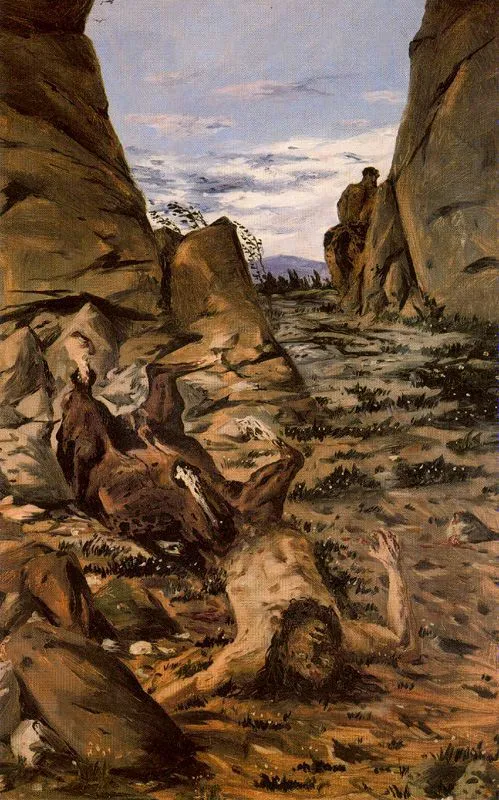
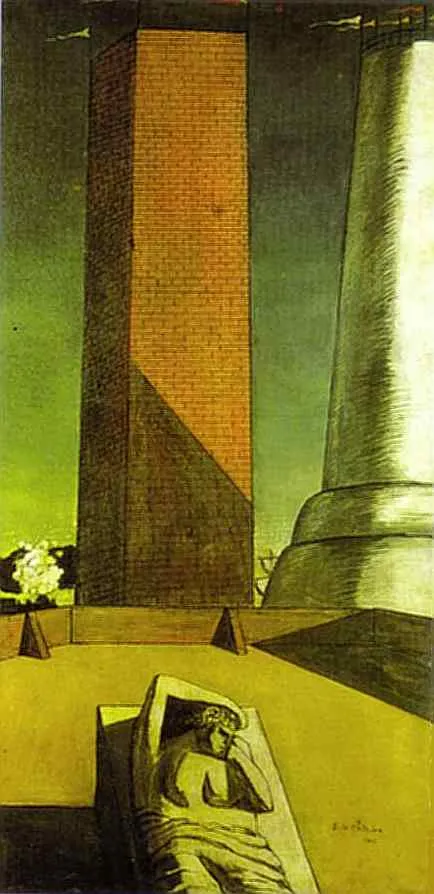
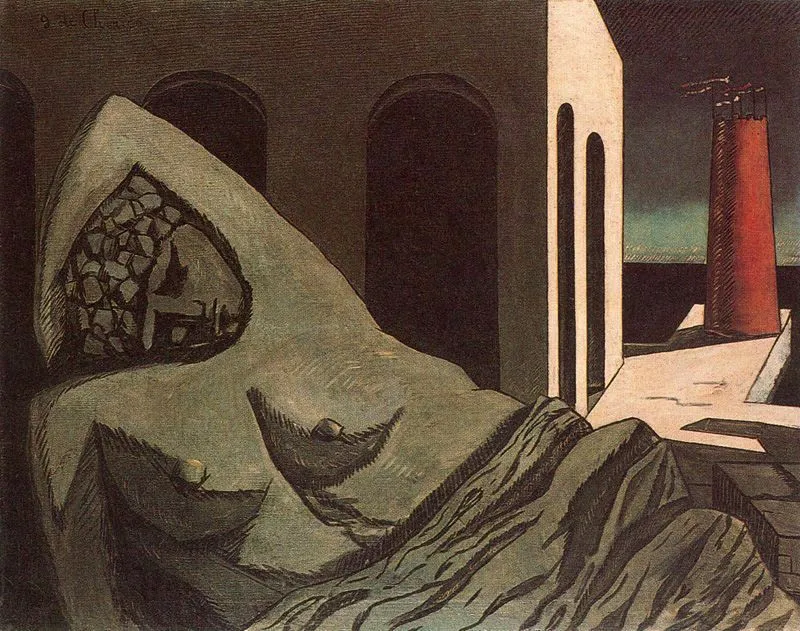
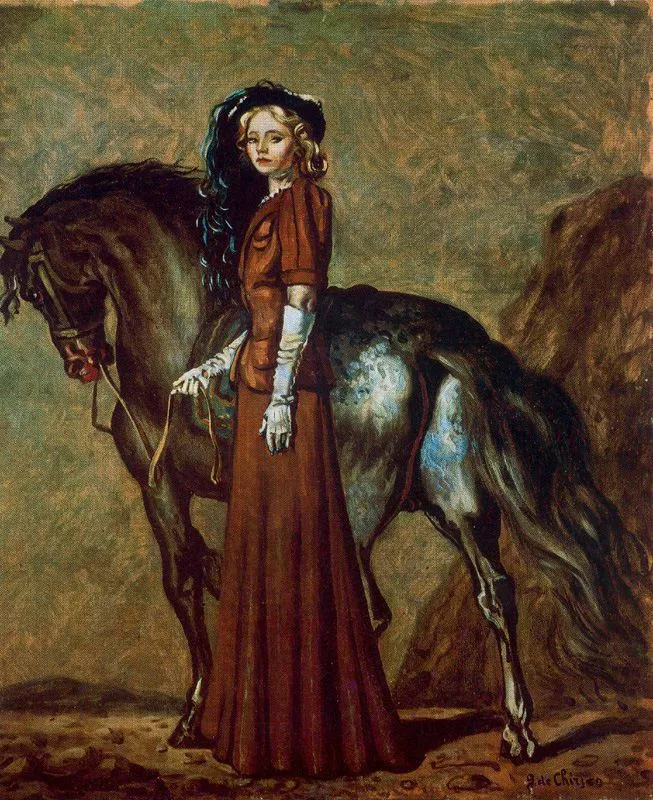
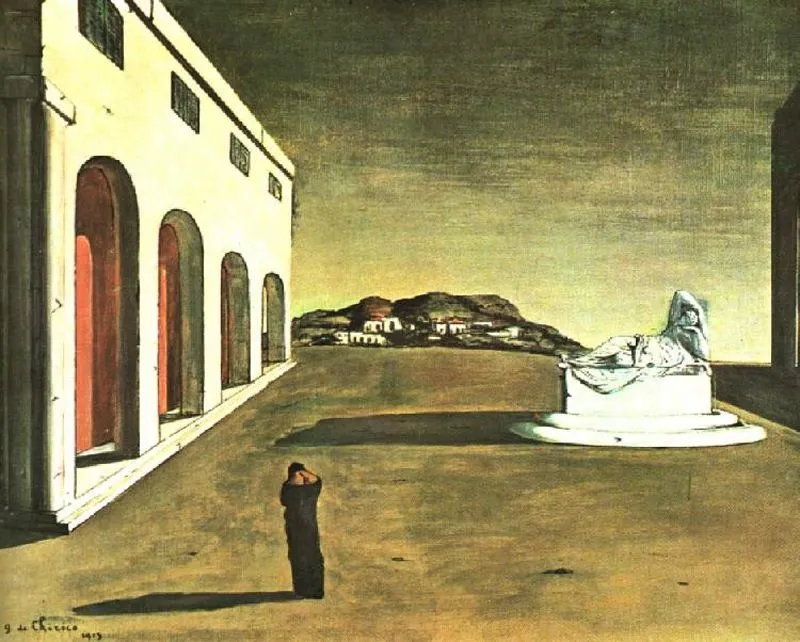
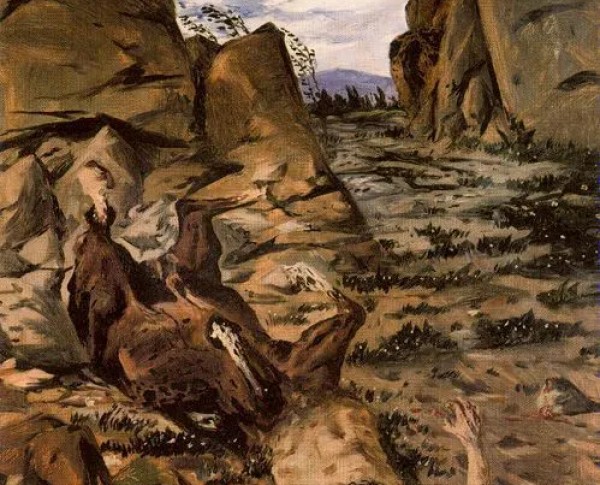
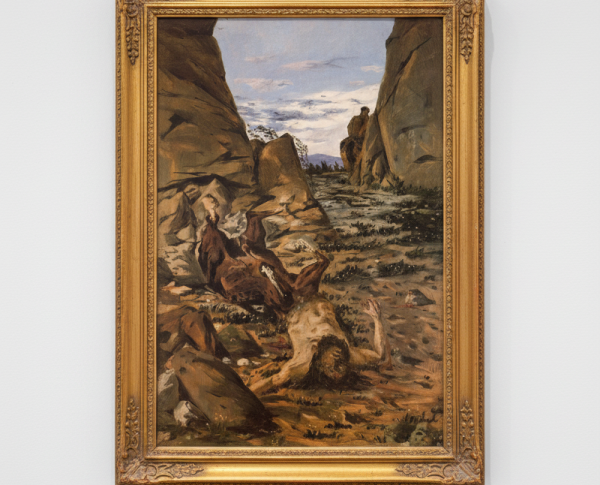
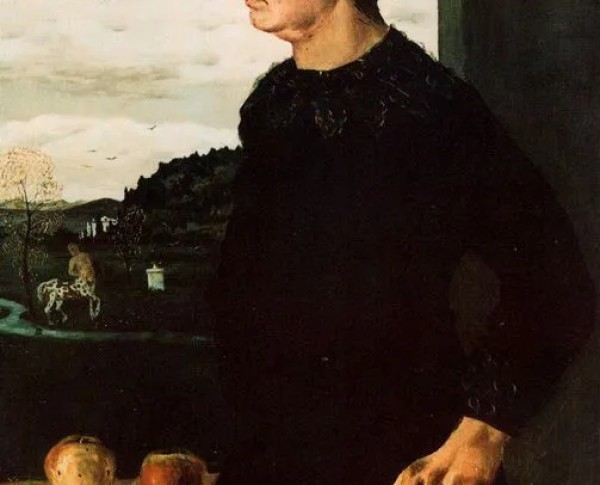
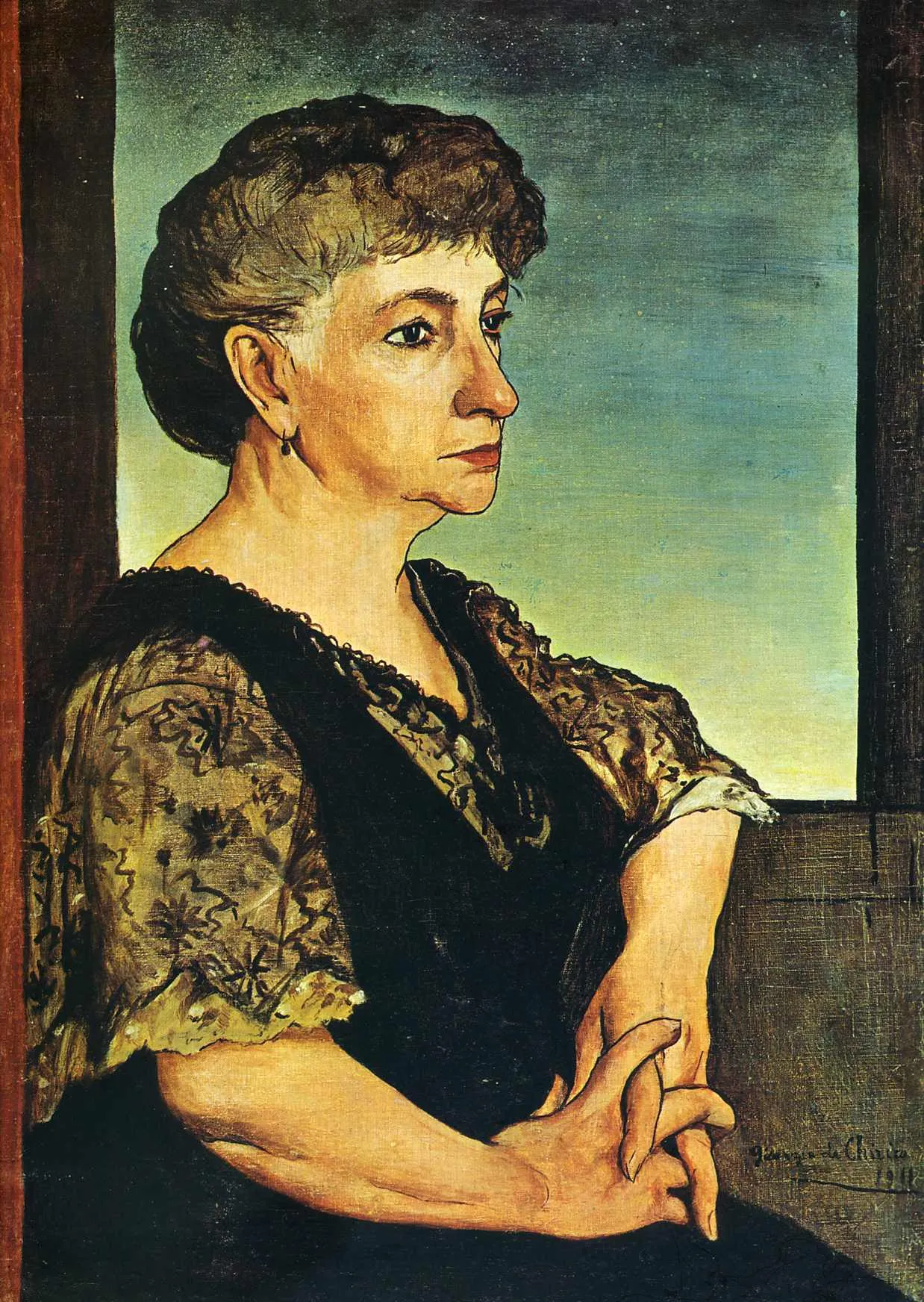
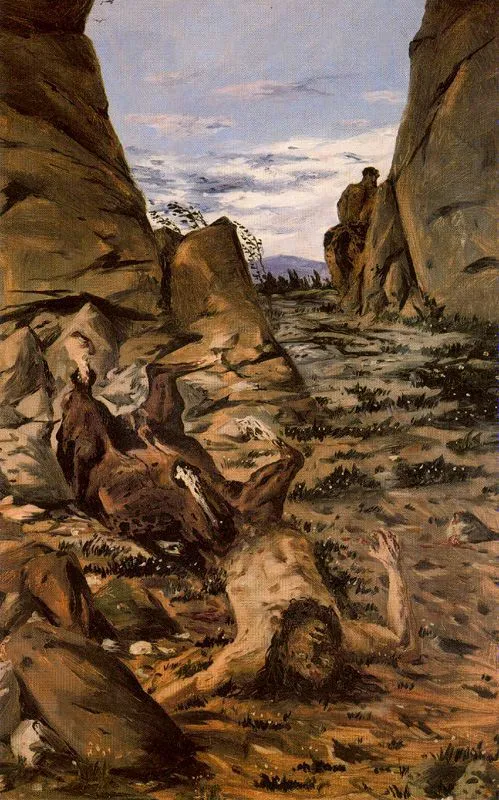
Giorgio de Chirico’s technical brilliance shines in every detail of "Portrait of artist's mother," an exquisite example of oil on canvas. The careful blending of colors, the subtle play of light and shadow, and the evocative composition reveal de Chirico’s mastery within the Surrealism movement. This painting demonstrates why oil on canvas remains the preferred medium for capturing nuanced human emotion, much like his celebrated works "The Enigma of the Oracle" and "Dying Centaur."
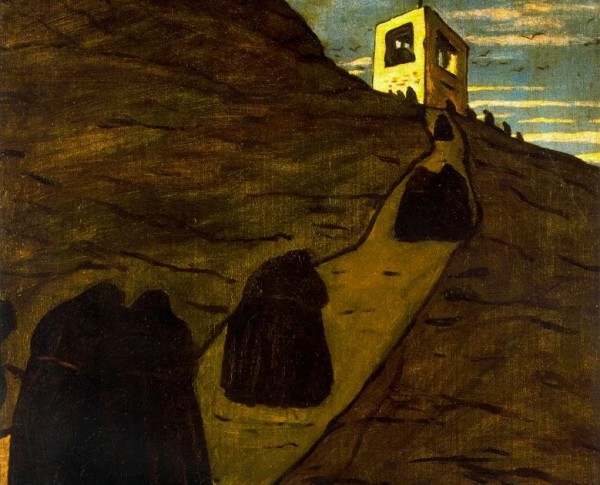
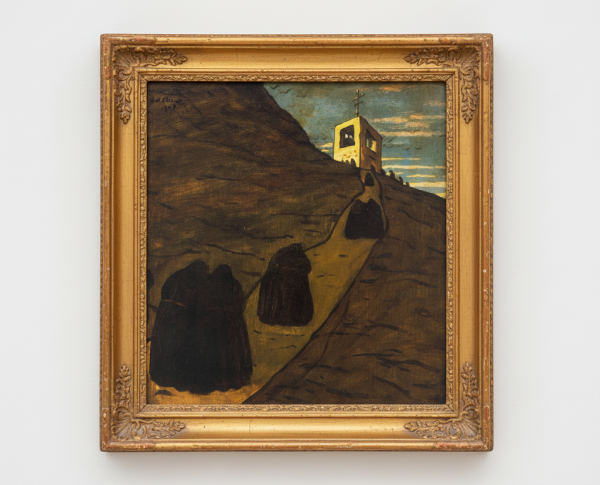
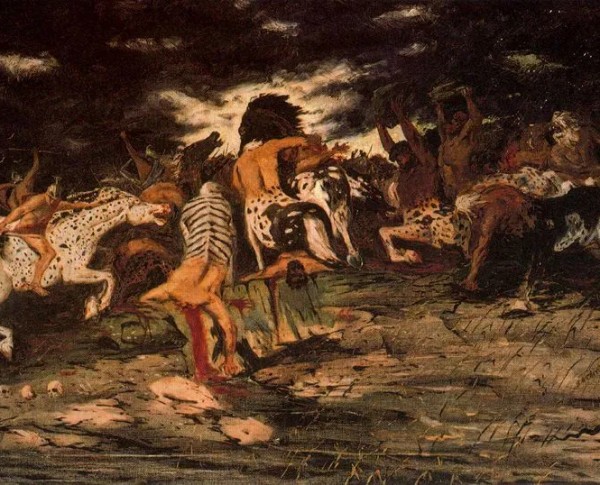
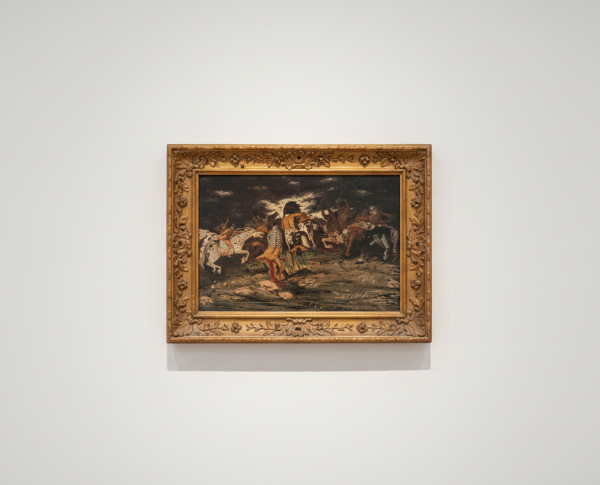
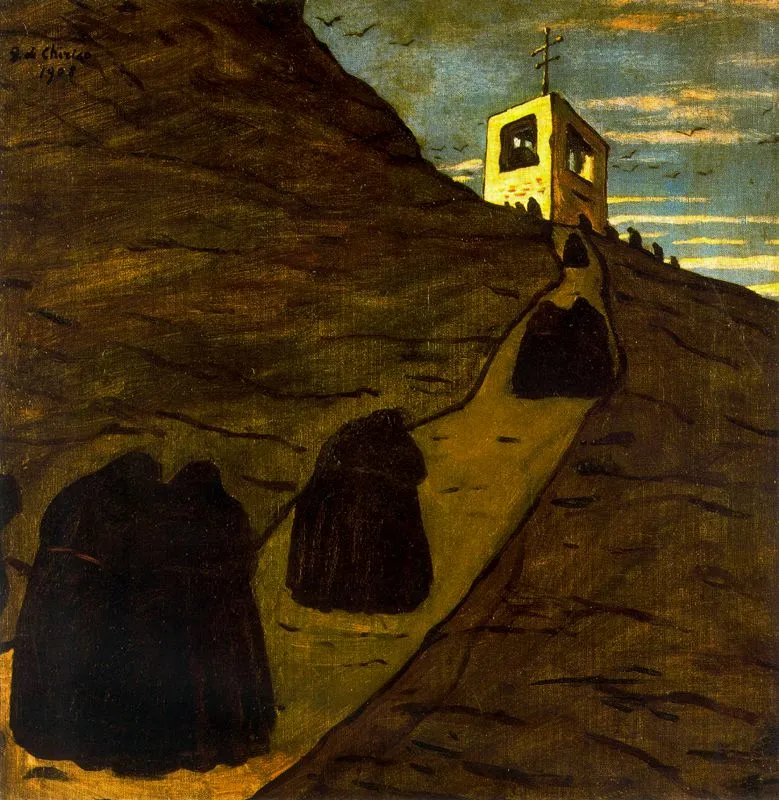
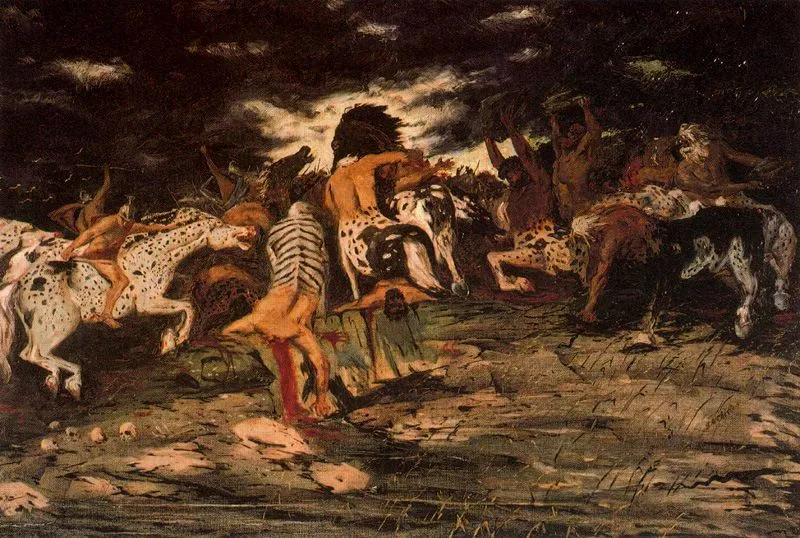
The Surrealist elements in "Portrait of artist's mother" invite viewers to seek hidden meanings and stories within the composition. Giorgio de Chirico weaves enigmatic symbols into this hand-painted oil painting, echoing themes found in "The battle of Lapiths and Centaurs" and "Climb to the monastery." The subtle gestures and dreamlike atmosphere encourage interpretation, making this artwork a compelling conversation piece for any fine art collection or gallery display.
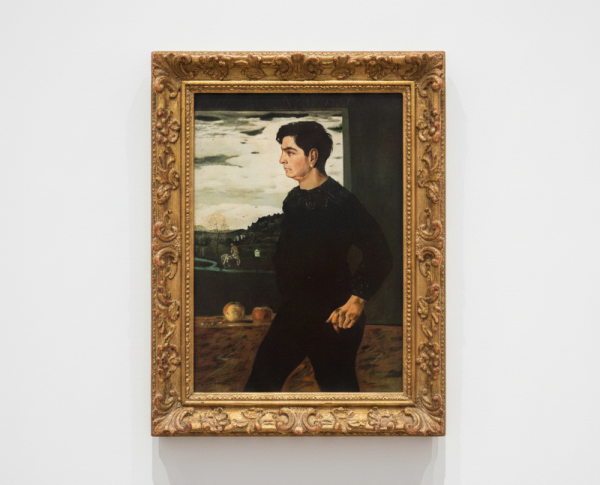
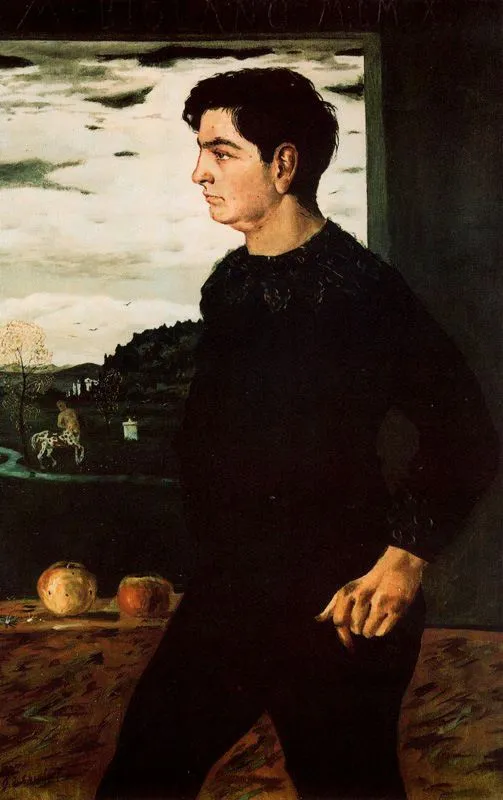
For those in search of a fine art painting for sale, "Portrait of artist's mother" by Giorgio de Chirico is an exceptional choice. As a pivotal work of the Surrealism movement, it sits alongside masterpieces like "Portrait of Andrea, brother of the artist." Collectors value not only the painting’s historical importance but also its emotional depth and technical excellence, making it a prized addition to any serious art portfolio or curated home gallery.
When Art Meets History
Giorgio de Chirico’s "Portrait of artist's mother" stands as a testament to the Surrealism movement, blending enigmatic symbolism with personal nostalgia. This hand-painted oil painting captures a unique era where artists explored subconscious realms. De Chirico, renowned for his metaphysical works, uses his mother as both subject and muse, echoing themes found in his other pieces. The historical context enriches the painting, making it a significant artifact for those fascinated by early 20th-century art transformations.
Techniques That Speak
In "Portrait of artist's mother," de Chirico’s mastery of oil on canvas is unmistakable. He employs careful brushwork, creating a textured surface that accentuates the mysterious atmosphere typical of Surrealism. Subtle lighting and shadow interplay evoke depth and intrigue, inviting viewers to interpret the painting beyond its surface. This technique, shared with his other surreal works, highlights de Chirico’s innovative approach and cements the piece’s place among the most memorable oil on canvas portraits of the movement.
Emotions on Display
Giorgio de Chirico's "Portrait of artist's mother" is more than a mere depiction; it is a window into the emotional landscape of both artist and subject. This fine art painting for sale reveals a sense of longing and introspection, hallmarks of Surrealism. The artist’s careful rendering of expression and posture suggests complex familial bonds. Collectors and art lovers alike are drawn to the emotional depth, which resonates with the universal themes of memory and identity present in de Chirico’s oeuvre.
Coveted by Collectors
The allure of "Portrait of artist's mother" by Giorgio de Chirico lies in its rarity and profound artistic value. As a hand-painted oil painting from the Surrealism movement, it appeals to discerning collectors seeking exceptional pieces. The painting’s historical significance and unique technique have made it highly sought after, similar to de Chirico’s other celebrated works. Its presence in any collection elevates prestige, offering a tangible connection to the innovative spirit of early modern fine art.
Frequently Asked Questions About Portrait of artist's mother
What is the historical significance of "Portrait of artist's mother"?
"Portrait of artist's mother" holds historical significance as it reflects the personal connection between Giorgio de Chirico and his family, particularly his mother, during a time when portraiture was evolving in the early 20th century.
What artistic techniques did Giorgio de Chirico use in this painting?
Giorgio de Chirico employed a combination of classical techniques and modernist influences, utilizing chiaroscuro to create depth and emphasizing the emotional resonance of the subject through careful use of color and form.
How does this painting reflect de Chirico's artistic style?
The painting exemplifies de Chirico's metaphysical style, characterized by dreamlike scenes and enigmatic compositions, which invite viewers to explore deeper meanings beyond the surface of the artwork.
What symbols are present in "Portrait of artist's mother"?
Symbolism in the painting may include elements that represent memory, nostalgia, and the passage of time, reflecting the artist's introspective view of familial relationships and the human experience.
In what context was "Portrait of artist's mother" created?
This painting was created during a period of significant personal and artistic development for de Chirico, as he was exploring themes of identity and the subconscious, influenced by his experiences and the cultural milieu of early 20th-century Europe.
What emotions does the painting evoke?
The artwork evokes a sense of tenderness and introspection, capturing the complexities of maternal relationships and the artist's emotional landscape, inviting viewers to reflect on their own familial connections.
How does "Portrait of artist's mother" compare to other portraits of the time?
Compared to other portraits of the time, de Chirico's work stands out for its surreal quality and psychological depth, moving away from traditional representations to explore more abstract and emotional dimensions of portraiture.
What influences can be seen in the painting?
The influences of classical art, combined with the emerging modernist movements, are evident in the painting, showcasing de Chirico's ability to merge historical references with contemporary themes in a unique manner.
What role does color play in "Portrait of artist's mother"?
Color plays a crucial role in conveying mood and emotion in the painting, with warm tones often associated with intimacy and comfort, contrasting with cooler shades that may suggest distance or introspection.
What is the legacy of "Portrait of artist's mother" in the art world?
The legacy of "Portrait of artist's mother" lies in its contribution to the discourse on personal narrative in art, influencing subsequent generations of artists to explore their own identities and relationships through their work.






















_GFM_Painting_(1).webp)


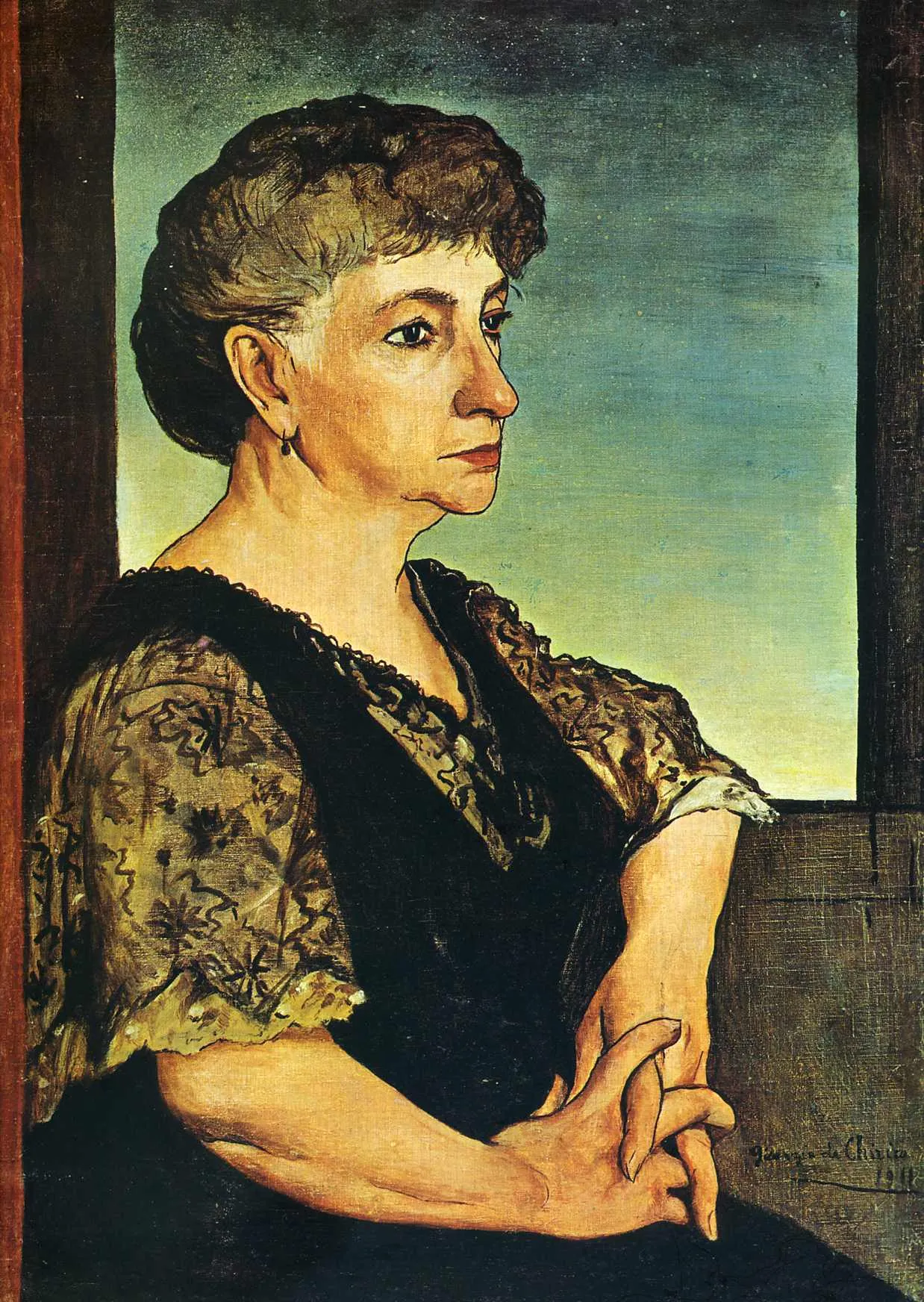
 100% Hand-Painted: Finished in 3-6 Weeks

.png)















_(1).webp)