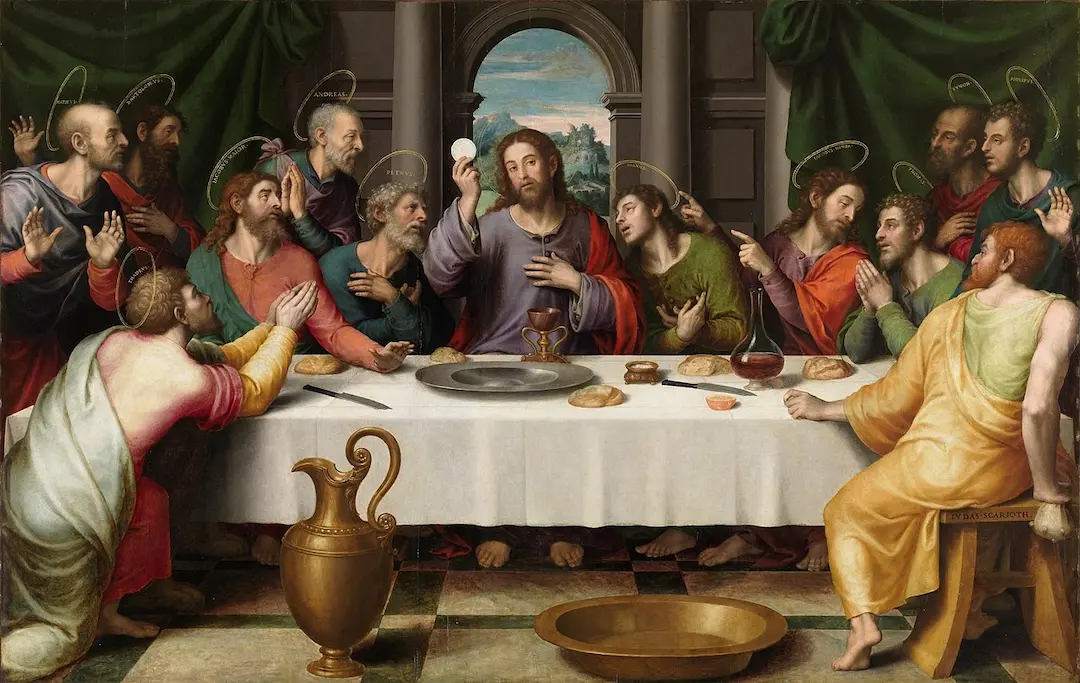
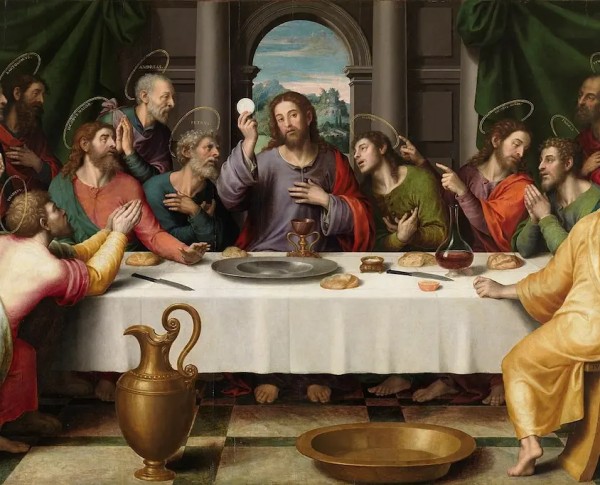
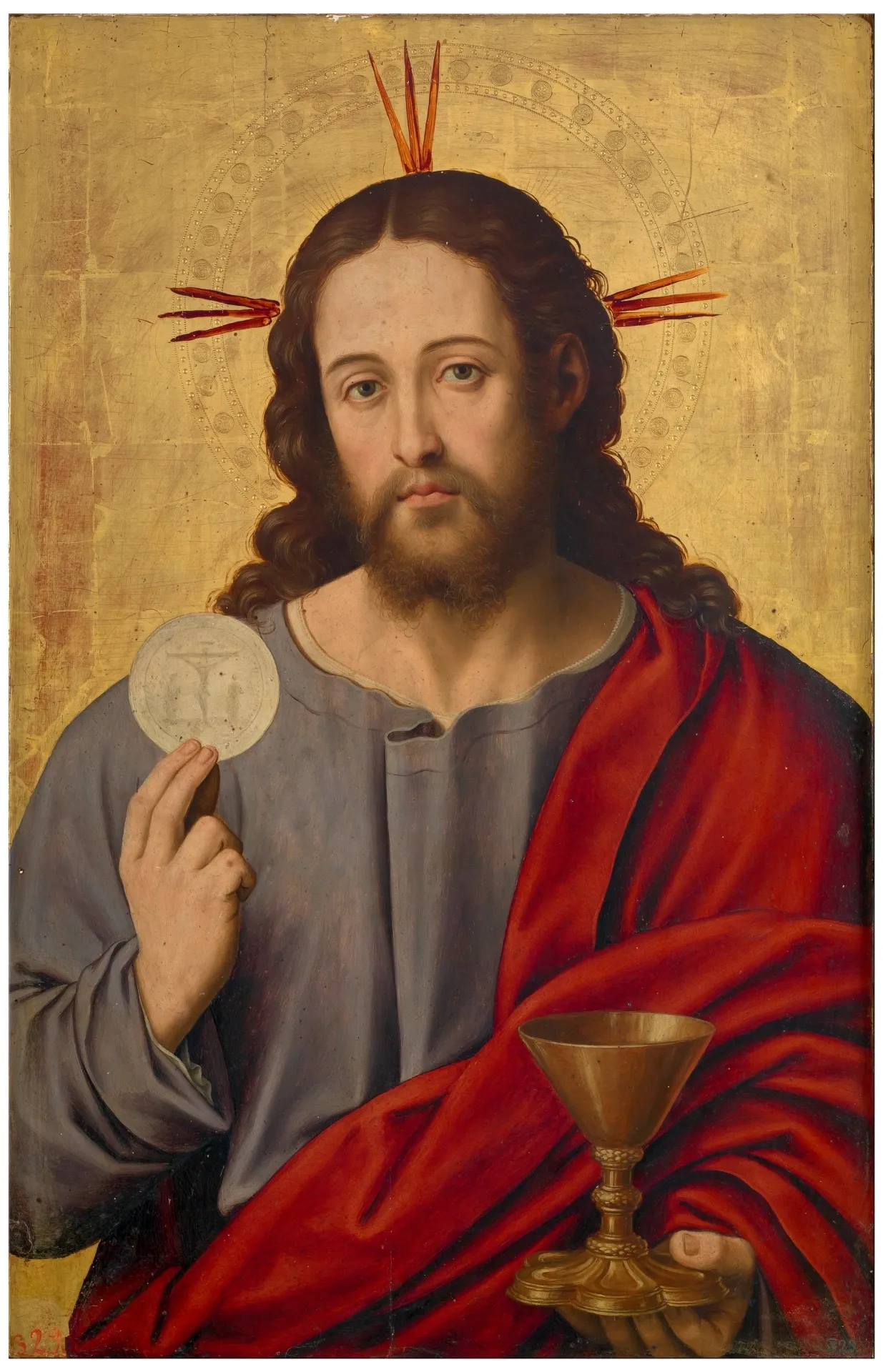
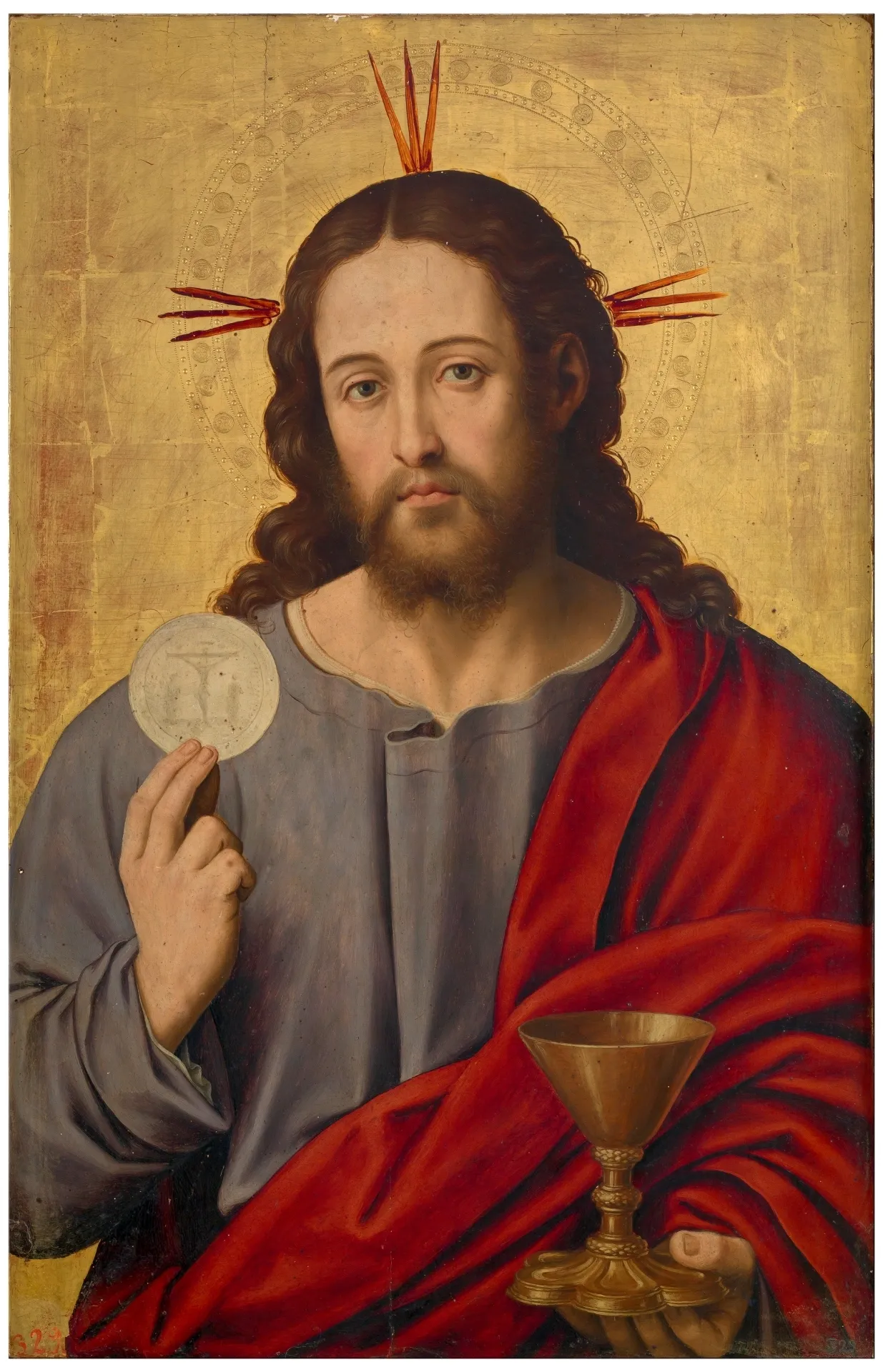
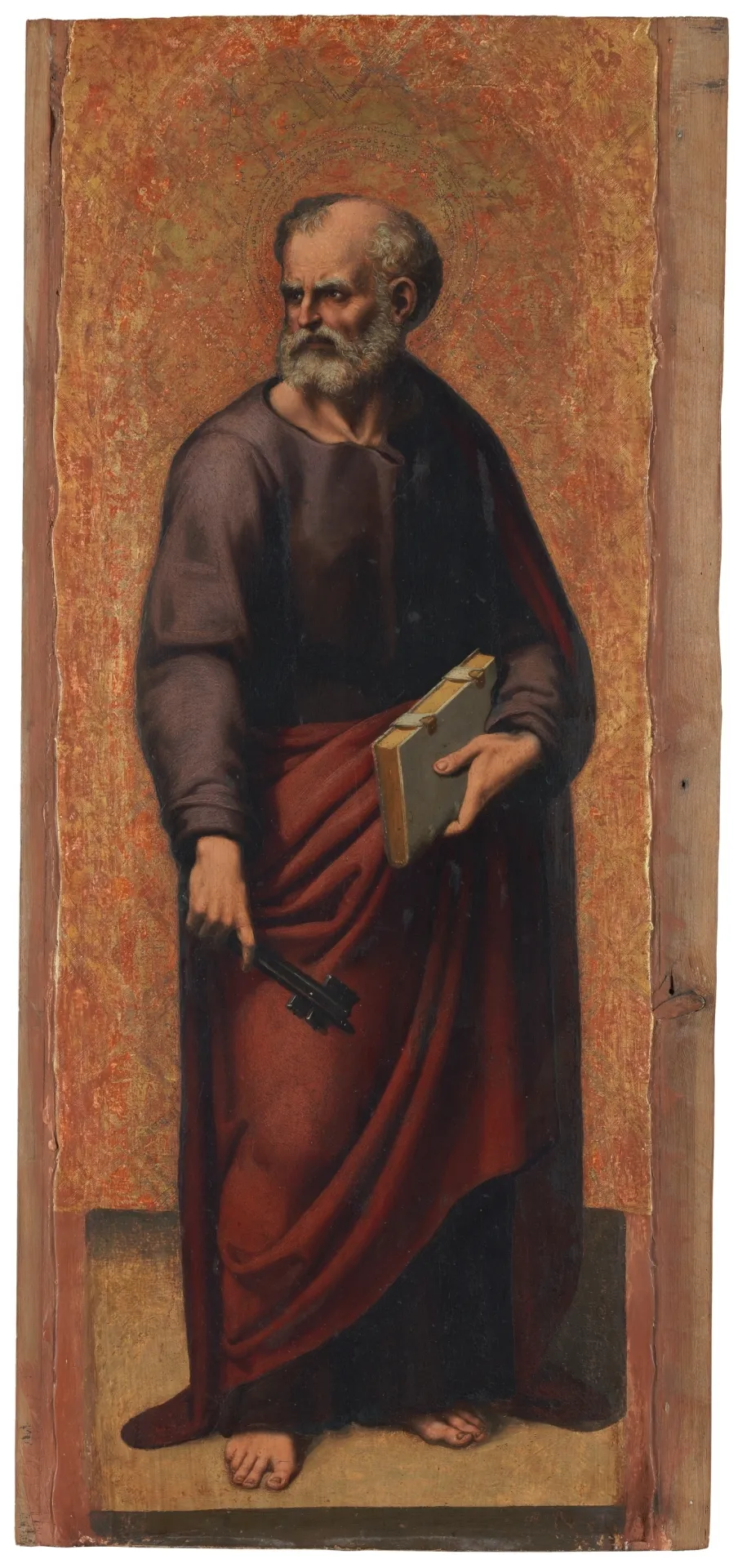
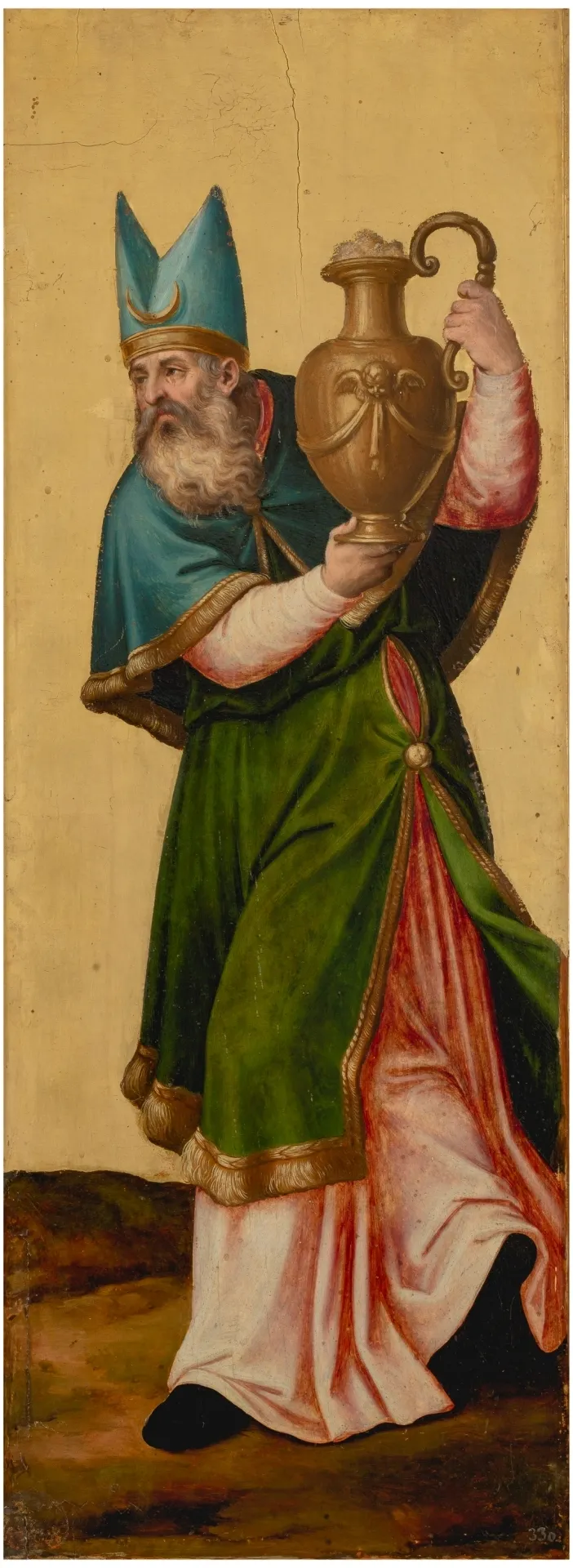
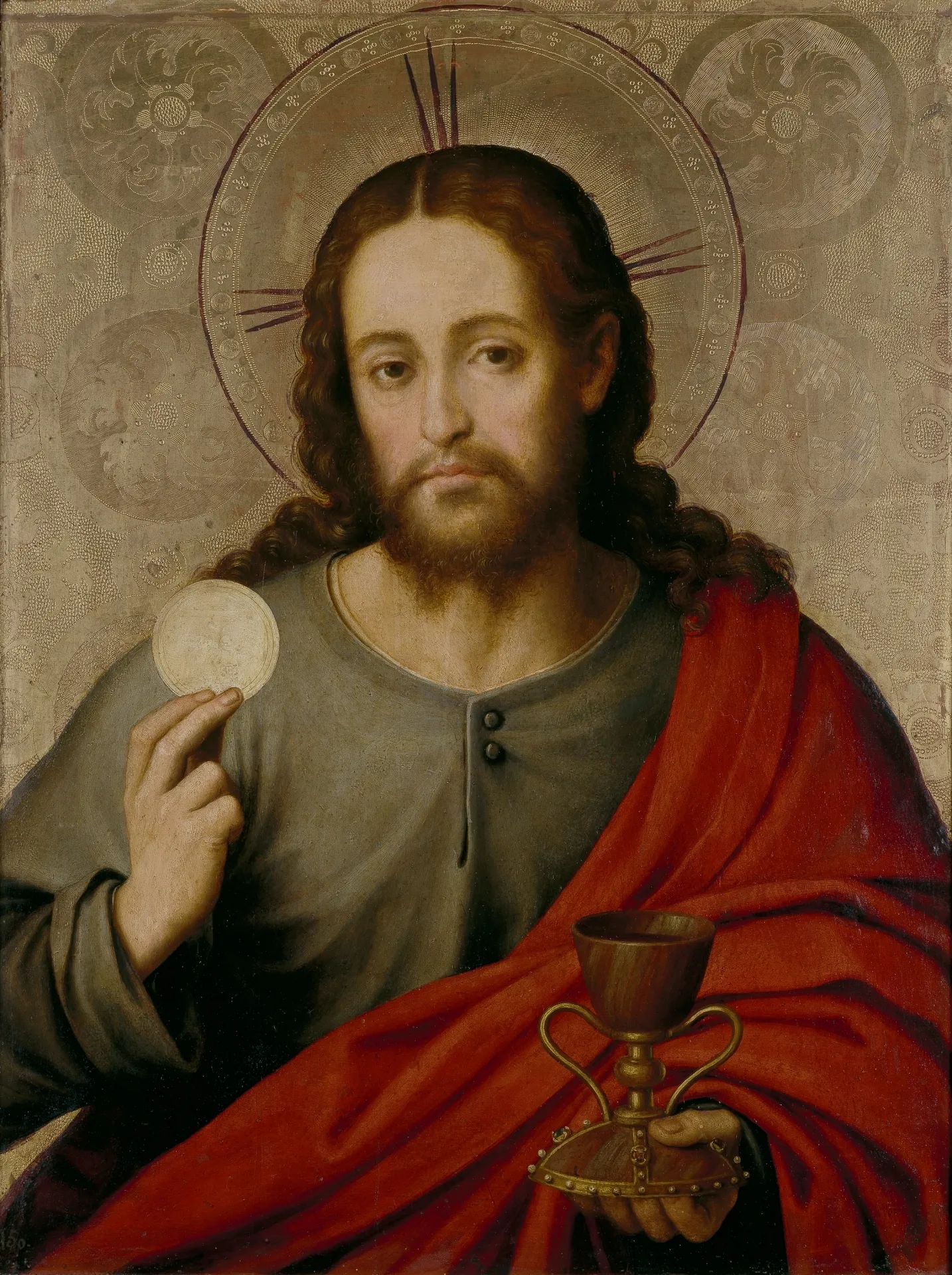
"El Salvador Con La Eucaristia" is a remarkable hand-painted oil painting by Vicente Juan Juan de Juanes, also known as Masip (Macip), a master of the Spanish Renaissance. This iconic artwork stands as a testament to the era's devotion and artistic innovation. Collectors and enthusiasts seeking a fine art painting for sale will appreciate how Juanes' legacy lives on, alongside related works such as "El Sumo Sacerdote Aaron" and "San Pedro," which also embody this historic movement.
Vicente Juan Juan de Juanes' technique in "El Salvador Con La Eucaristia" showcases the exquisite skill characteristic of Spanish Renaissance oil on canvas masterpieces. Each brushstroke reveals a deep understanding of light, color, and religious symbolism. The artist's attention to detail elevates the painting, placing it among other celebrated pieces like "The Last Supper (2) 1560s" and "Melquisedec, Rey De Salem." Collectors highly value this level of mastery in any oil on canvas artwork.
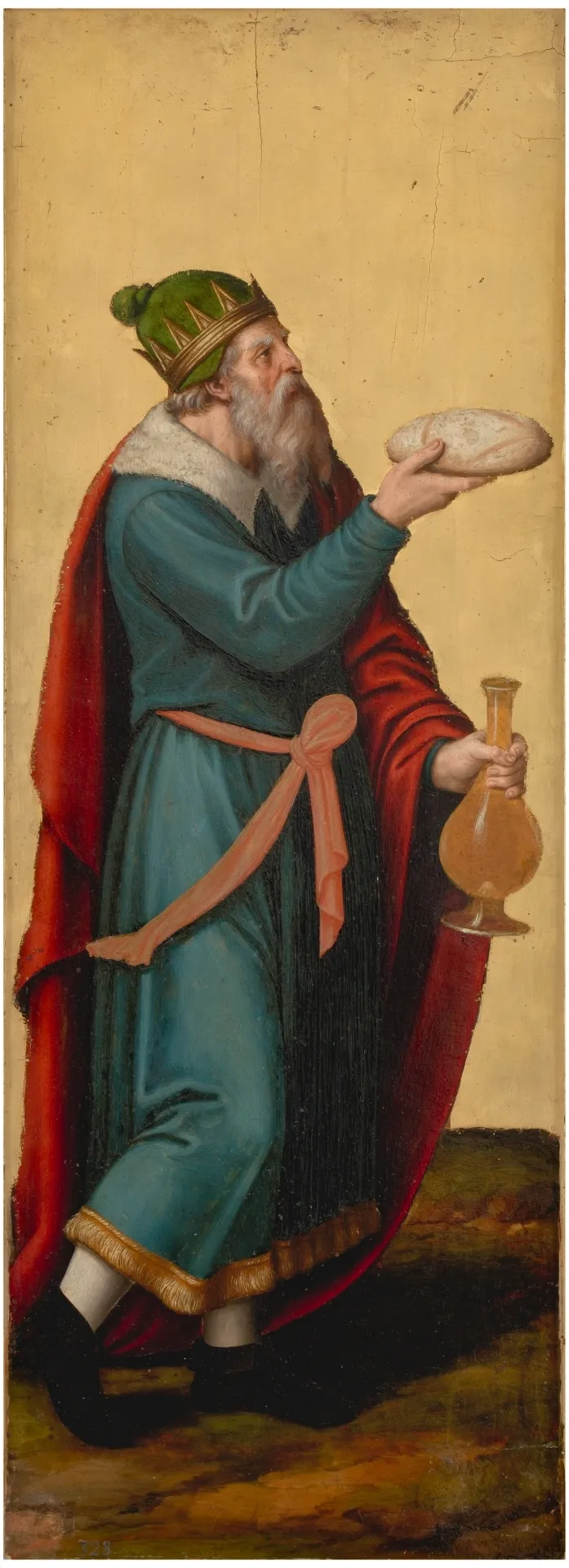
"El Salvador Con La Eucaristia" is rich with narrative and spiritual symbolism, central to Spanish Renaissance art. Vicente Juan Juan de Juanes infused the painting with profound meaning, capturing the sacred moment of Christ with the Eucharist. This hand-painted oil painting resonates with themes found in related works like "San Pedro" and "Melquisedec, Rey De Salem," offering viewers a glimpse into the faith and artistry of the era through its intricate details and evocative imagery.
For collectors, "El Salvador Con La Eucaristia" by Vicente Juan Juan de Juanes (Masip) is a fine art painting for sale that represents the pinnacle of Spanish Renaissance oil on canvas tradition. Its historical significance and artistic brilliance make it a coveted piece, especially when paired with related masterpieces such as "El Sumo Sacerdote Aaron" or "The Last Supper (2) 1560s." Owning this artwork is an opportunity to preserve a vital piece of art history.
When Art Meets History
"El Salvador Con La Eucaristia" by Vicente Juan Juan de Juanes, also known as Masip (Macip), stands as a remarkable example of the Spanish Renaissance. Painted during a time of profound religious and cultural transformation, this hand-painted oil painting masterfully depicts the significance of the Eucharist in Spanish society. The artist’s attention to historical and spiritual detail aligns it with other masterpieces of the era, making this work a touchstone for collectors of Spanish Renaissance art.
Techniques That Speak
Vicente Juan Juan de Juanes showcases his mastery through exquisite use of oil on canvas, blending delicate color gradations and lifelike textures. The careful layering and meticulous brushwork bring a luminous quality to the subject, highlighting the artist’s technical prowess. This approach, typical of Spanish Renaissance painting, can be seen in many of his works, setting them apart as timeless examples of the era’s commitment to realism and emotional depth.
Emotions on Display
In "El Salvador Con La Eucaristia," the artist captures a profound sense of reverence and spiritual devotion, hallmarks of the Spanish Renaissance movement. The expressive faces and subtle gestures evoke a deep emotional response, inviting viewers to contemplate the sacred. This fine art painting for sale resonates with collectors and art lovers alike, offering a unique window into the artist’s ability to convey complex feelings through composition and color.
Coveted by Collectors
As a shining example of Spanish Renaissance artistry, "El Salvador Con La Eucaristia" by Vicente Juan Juan de Juanes is highly sought after among enthusiasts. Its compelling depiction of religious themes and masterful oil on canvas technique ensure its place in prestigious collections. For those seeking a hand-painted oil painting that embodies both historical significance and artistic excellence, this work remains a prized acquisition in the world of fine art.
Frequently Asked Questions About El Salvador Con La Eucaristia
What is the historical significance of "El Salvador Con La Eucaristia"?
This painting, created by Vicente Juan Juan de Juanes in the 16th century, reflects the Counter-Reformation's emphasis on the Eucharist as a central element of Catholic faith, showcasing the artist's commitment to religious themes during a period of intense spiritual renewal.
What artistic techniques did Juanes employ in this painting?
Juanes is known for his meticulous attention to detail and use of vibrant colors. In "El Salvador Con La Eucaristia," he employs chiaroscuro to create depth and volume, enhancing the three-dimensionality of the figures.
What symbols are present in "El Salvador Con La Eucaristia"?
The painting features the Eucharist, represented by the chalice and host, symbolizing Christ's sacrifice. The presence of angels and saints further emphasizes the divine nature of the scene, reinforcing the painting's religious significance.
How does "El Salvador Con La Eucaristia" reflect the style of the Spanish Renaissance?
This work exemplifies the Spanish Renaissance style through its blend of realism and idealism, characterized by the detailed portrayal of human figures and the incorporation of spiritual themes, typical of the period's religious art.
What influences can be seen in Juanes' work?
Juanes was influenced by Italian Renaissance artists, particularly in his use of composition and color. His works often reflect the influence of Titian and Raphael, evident in the harmonious arrangement of figures and the emotional expressiveness of the subjects.
What is the significance of the figures depicted in the painting?
The figures in "El Salvador Con La Eucaristia" represent not only Christ but also the saints and angels, signifying the connection between the divine and the faithful. Their expressions and postures convey reverence and devotion, enhancing the painting's spiritual message.
What role did Vicente Juan Juan de Juanes play in the art community of his time?
Juanes was a prominent figure in the Spanish art scene during the 16th century, known for his religious paintings that catered to the Counter-Reformation. His works contributed significantly to the development of Spanish Baroque art and influenced future generations of artists.
How does the composition of "El Salvador Con La Eucaristia" enhance its message?
The composition is carefully structured, with Christ centrally positioned, drawing the viewer's eye and emphasizing His importance. The surrounding figures create a sense of community and worship, reinforcing the painting's theme of collective faith.
In what ways does this painting reflect the themes of the Counter-Reformation?
"El Salvador Con La Eucaristia" embodies Counter-Reformation themes by highlighting the importance of the Eucharist and the need for spiritual renewal. The painting serves as a visual catechism, educating viewers about core Catholic beliefs during a time of religious upheaval.
What can we learn about the cultural context of 16th-century Spain from this painting?
The painting provides insight into the religious fervor and artistic innovation of 16th-century Spain, a period marked by the rise of Catholicism and the flourishing of the arts. It reflects the societal values of devotion, piety, and the importance of religious imagery in everyday life.























_GFM_Painting_(1).webp)


 100% Hand-Painted: Finished in 3-6 Weeks

.png)












_1560s.webp)



_(1).webp)