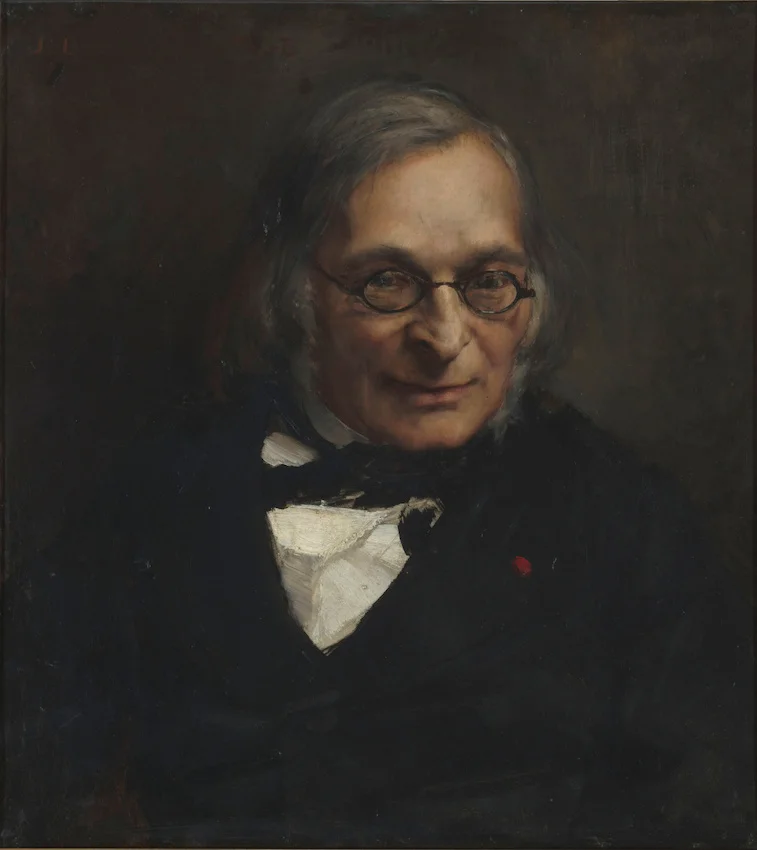
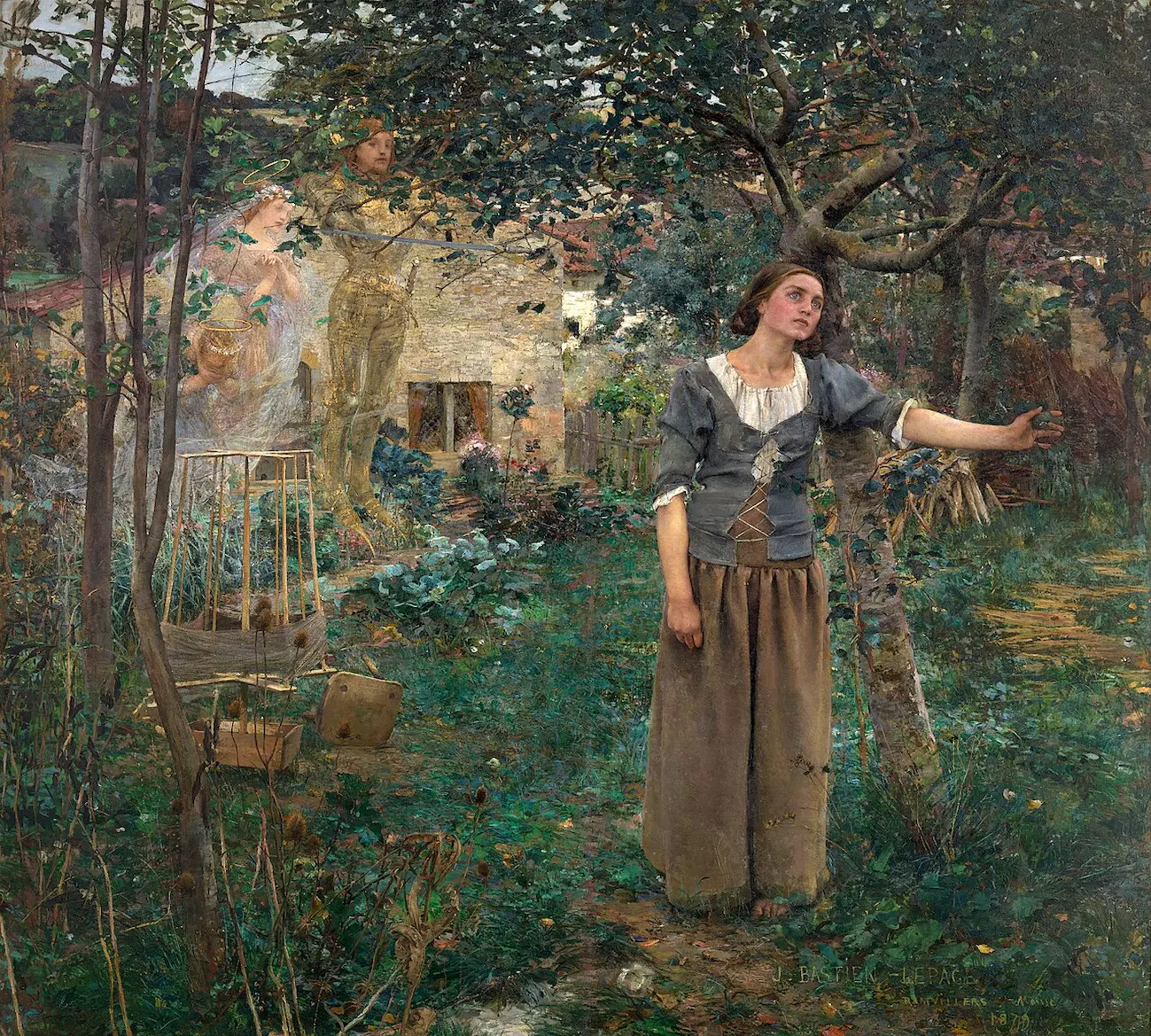
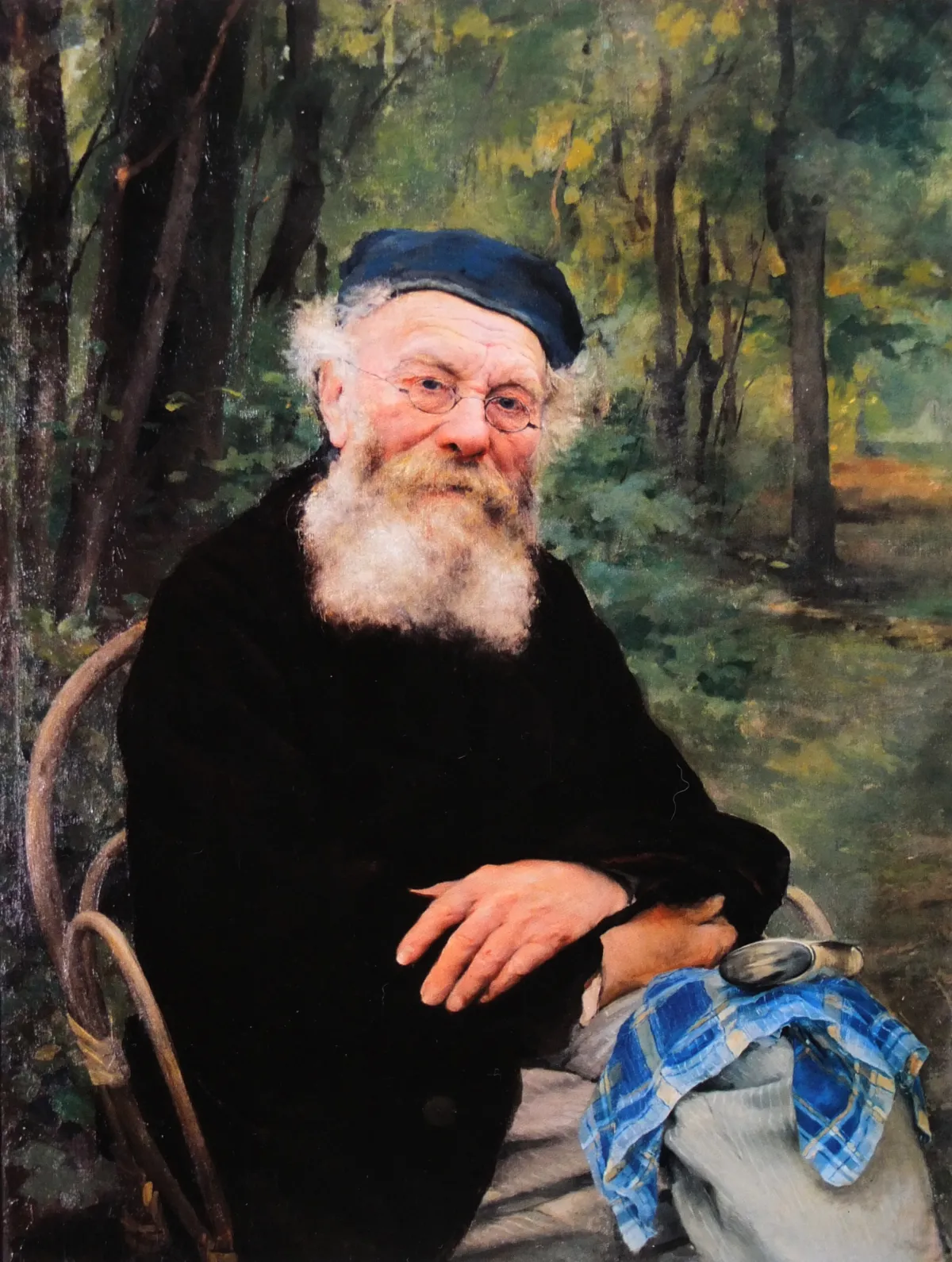
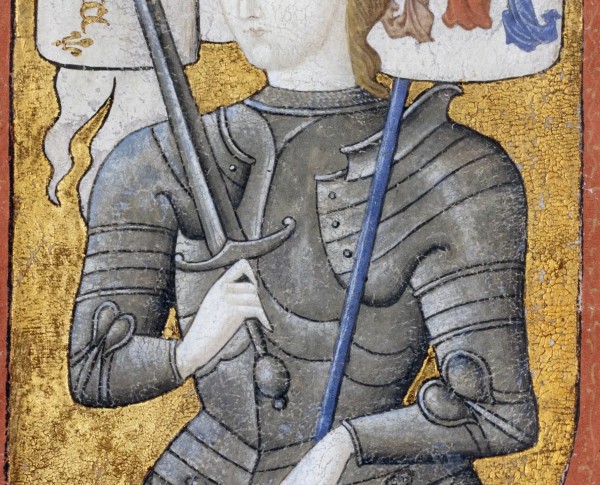
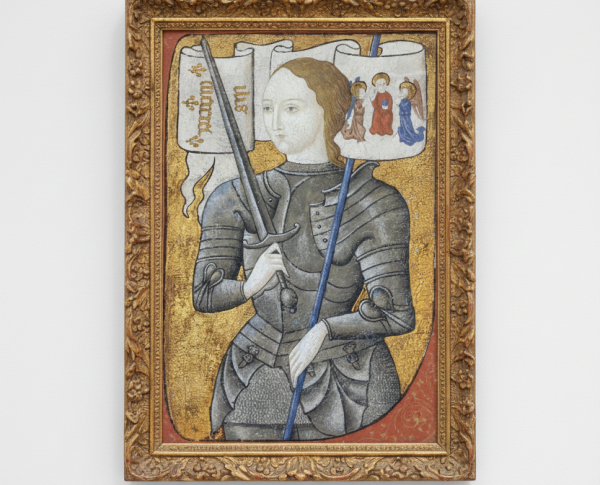
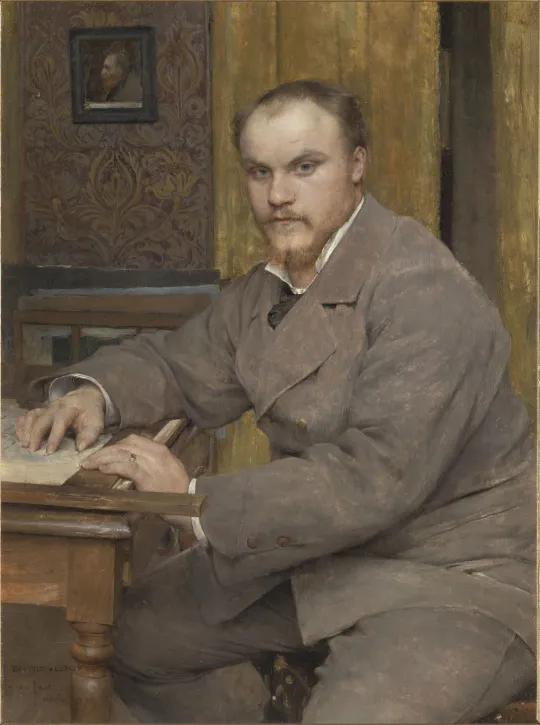
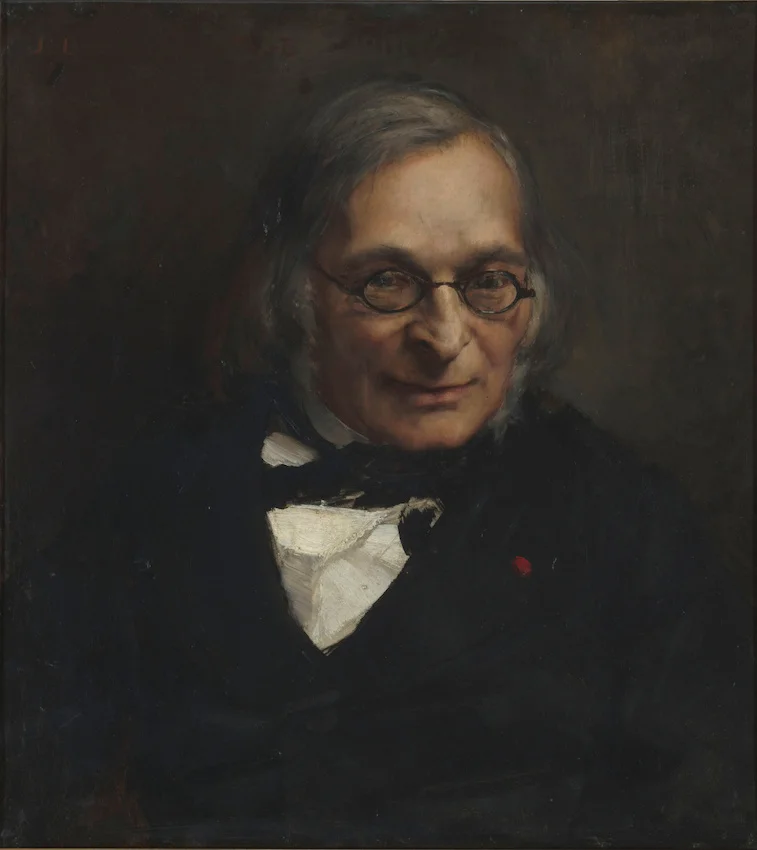
Bastien Lepage’s "Émile Bastien-Lepage" is a remarkable example of oil on canvas technique, showcasing his meticulous attention to detail and unparalleled skill. The painting’s lifelike portrayal demonstrates the artist’s ability to breathe vitality into his subjects, a hallmark of the Naturalism movement. Collectors often seek related pieces such as "Joan of Arc" and works by contemporaries like Adolphe Franck, French philosopher, to complement their collections of Lepage’s masterpieces.
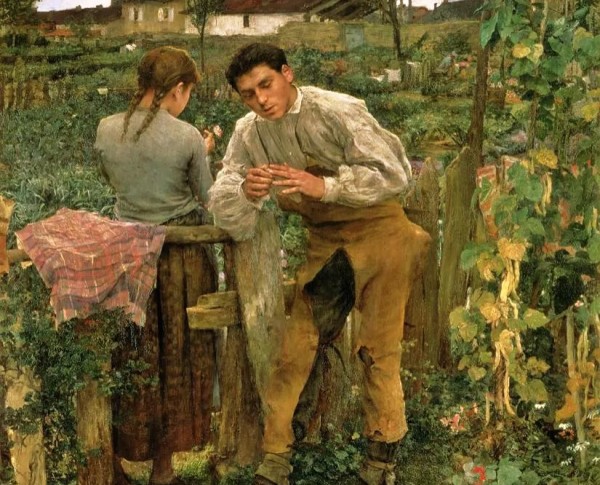
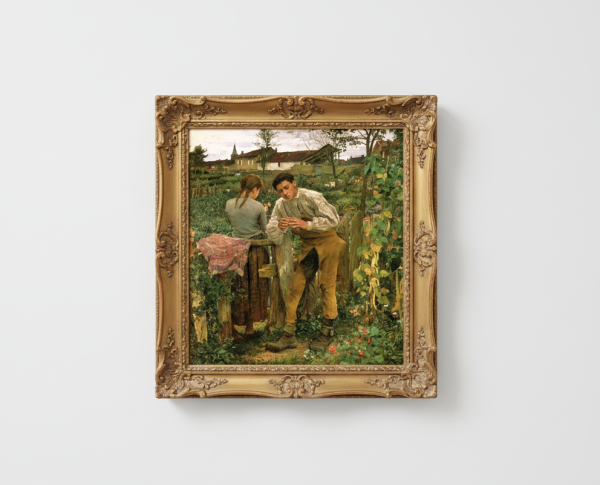
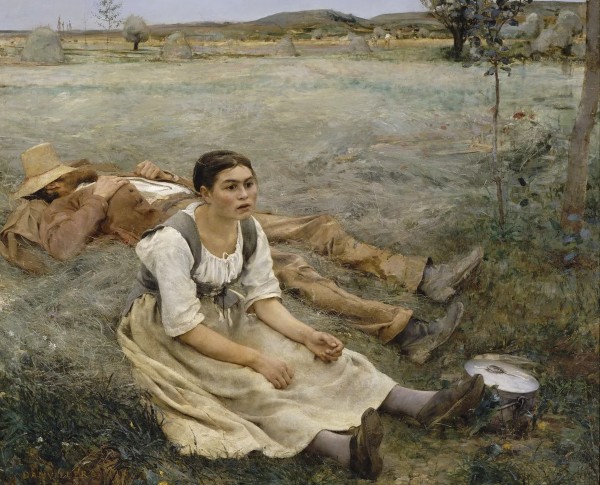
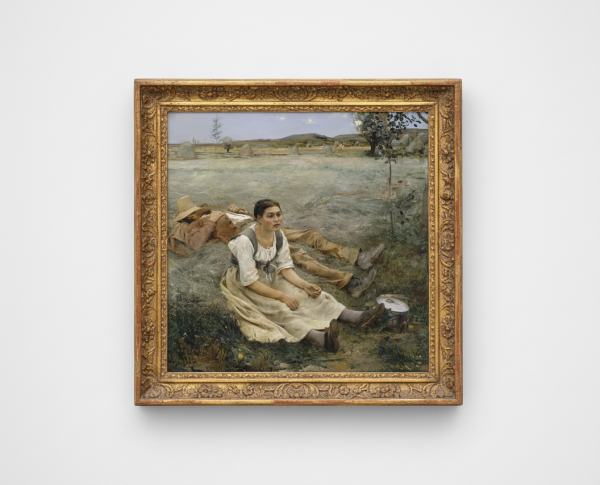
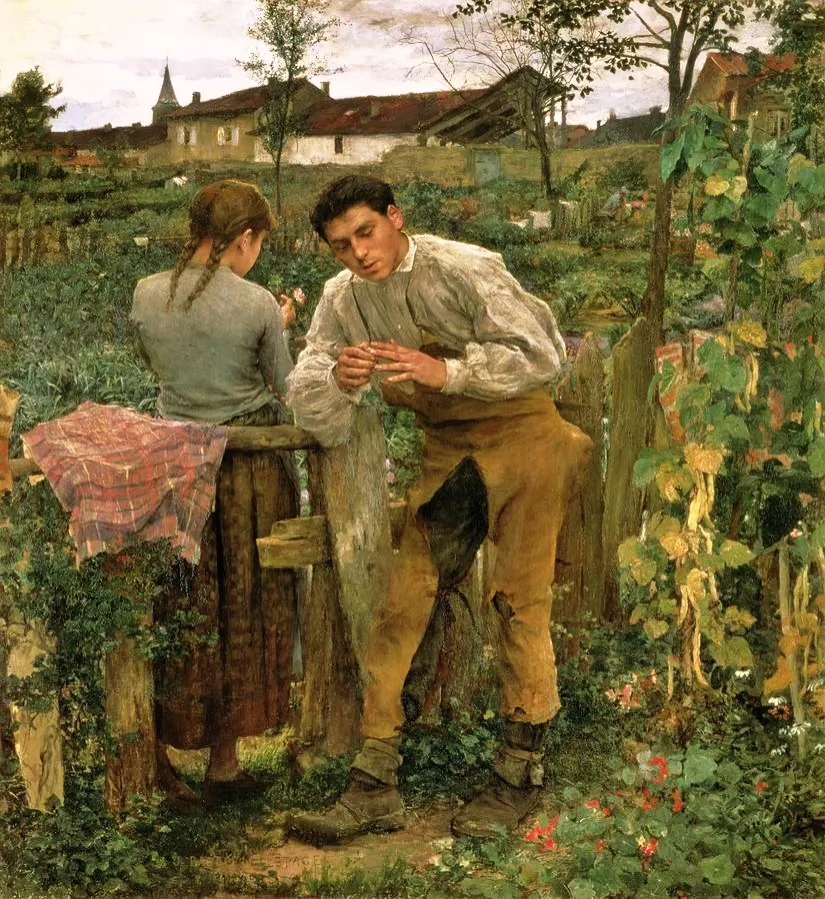
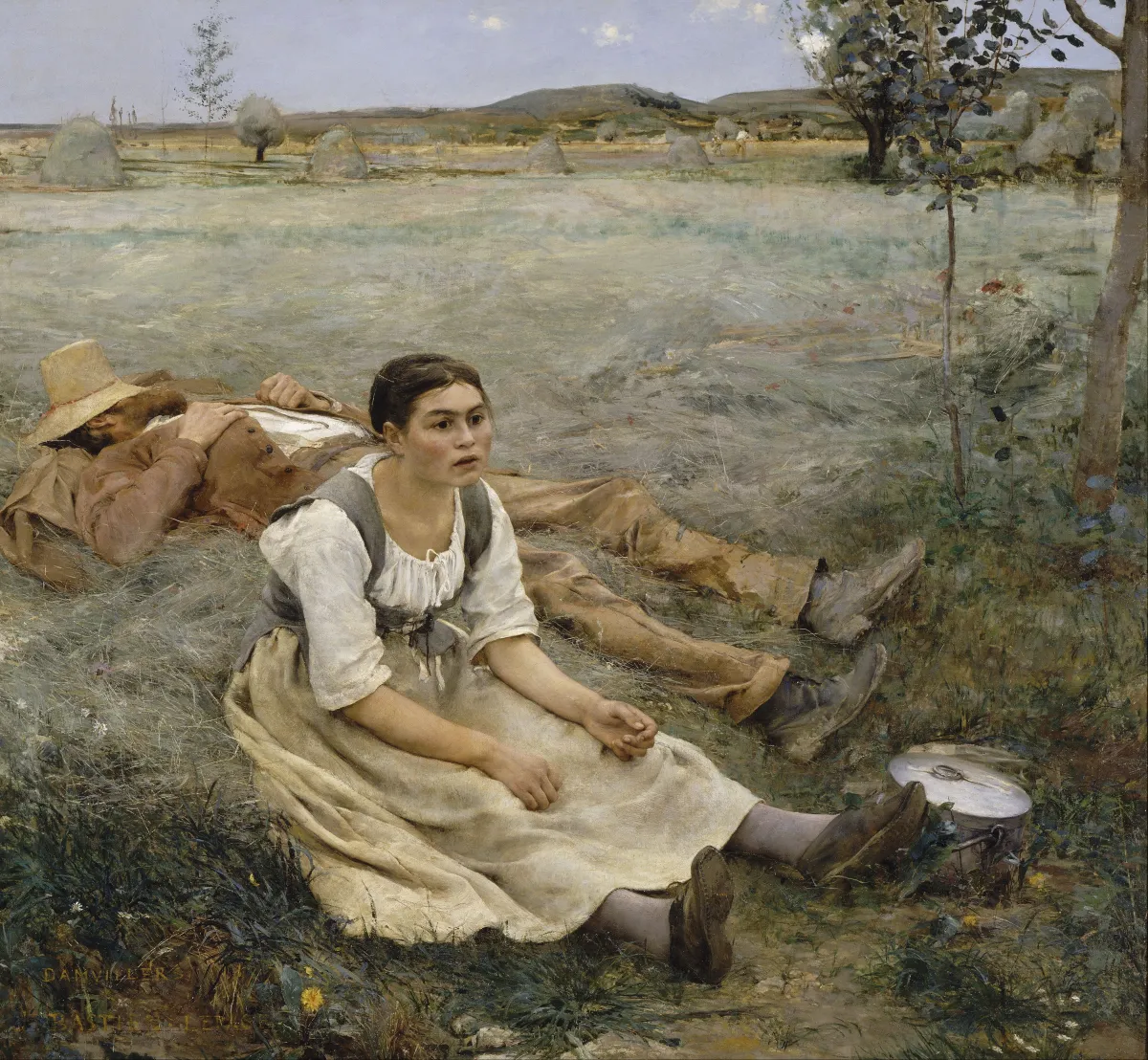
Delving into "Émile Bastien-Lepage," viewers discover subtle narratives woven through the fine art painting for sale. Bastien Lepage’s keen observation of everyday life and the emotional depth of his subjects are evident in every brushstroke. The painting’s symbolism is echoed in related works like "Hay Making" and "Village Love," which also explore themes of rural life and human connection within the Naturalism movement, making them popular among collectors and admirers of French art.
Owning "Émile Bastien-Lepage" means acquiring a significant piece of art history, a hand-painted oil painting that embodies the spirit of the Naturalism movement. Bastien Lepage’s artistry continues to enchant collectors, especially when paired with related products such as "October" and "Joan of Arc." For those seeking a fine art painting for sale that offers both aesthetic beauty and historical significance, this masterpiece stands as a timeless treasure.
When Art Meets History
"Émile Bastien-Lepage" by Bastien Lepage is a remarkable example of the Naturalism movement, capturing the essence of its era through meticulous detail. This hand-painted oil painting reflects the artist’s dedication to portraying real-life subjects with authenticity. Bastien Lepage, known for his evocative style, also created related masterpieces like "The Covey at Daybreak, Winter landscape with mallard." Each work, including this one, marks a pivotal moment where art and history intertwine seamlessly on the canvas.
Techniques That Speak
Bastien Lepage’s expert use of oil on canvas in "Émile Bastien-Lepage" brings out the subtle textures and lifelike qualities that define Naturalism. His brushwork, evident in this and related works such as "Little Owl and Scops Owl," showcases a masterful control of light and shadow. Through careful layering and attention to minute details, Bastien Lepage elevates his subjects, making each oil on canvas piece a testament to his technical prowess and artistic vision within the movement.
Emotions on Display
In "Émile Bastien-Lepage," Bastien Lepage conveys deep emotion through his naturalistic portrayal, inviting viewers to connect intimately with the subject. This fine art painting for sale captures not just physical likeness but also the inner world of the sitter, a hallmark of the Naturalism movement. Alongside paintings like "Peacock and Peacock Butterfly," Bastien Lepage’s work resonates with collectors and enthusiasts seeking art that truly moves and inspires through genuine human expression.
Coveted by Collectors
Collectors highly prize "Émile Bastien-Lepage" for its authentic representation and historical significance within the Naturalism movement. As a hand-painted oil painting, it stands alongside other sought-after works like "Blackcocks at the Lek." Bastien Lepage’s reputation for realism and emotional depth makes his pieces enduringly attractive. Having such a fine art painting for sale is a rare opportunity for collectors to own a significant piece of art history and craftsmanship.
Related Naturalism Hand-Painted Oil Paintings by Other Artists
Other Famous Naturalism Artists:
Frequently Asked Questions About Émile Bastien-Lepage
What is the historical context of Émile Bastien-Lepage?
Émile Bastien-Lepage was painted during the late 19th century, a period characterized by significant social and political changes in France. This time saw the rise of Impressionism and a shift towards realism in art, reflecting the everyday lives of ordinary people.
Who was the artist behind Émile Bastien-Lepage?
The painting was created by Jules Bastien-Lepage, a prominent French painter known for his naturalistic style and ability to capture the essence of rural life. His work often emphasized the beauty of the French countryside and the dignity of its inhabitants.
What artistic techniques are employed in Émile Bastien-Lepage?
Bastien-Lepage utilized a combination of realism and impressionistic techniques in this painting. His use of light and shadow, along with a vibrant color palette, enhances the emotional depth and realism of the subject.
What themes are explored in Émile Bastien-Lepage?
The painting explores themes of identity, labor, and the connection between humanity and nature. It reflects the artist's fascination with the lives of rural workers and their intrinsic relationship with the land.
How does Émile Bastien-Lepage reflect the social issues of its time?
This artwork highlights the struggles and resilience of the working class during a time of industrialization in France. It serves as a commentary on the socio-economic challenges faced by rural communities as they navigated the changes brought about by modernity.
What symbolism can be found in Émile Bastien-Lepage?
The painting is rich in symbolism, with elements representing the harmony between man and nature. The subject's posture and expression convey a sense of pride and dignity, symbolizing the strength of the human spirit amidst adversity.
In what ways did Émile Bastien-Lepage influence future artists?
Bastien-Lepage's emphasis on realism and the portrayal of everyday life influenced subsequent generations of artists, particularly those in the Realist and Impressionist movements. His ability to depict emotional depth and social commentary paved the way for more expressive forms of art.
What was the reception of Émile Bastien-Lepage at the time of its unveiling?
Upon its unveiling, Émile Bastien-Lepage received critical acclaim for its innovative approach and emotional resonance. The painting was celebrated for its technical mastery and its poignant representation of rural life, solidifying Bastien-Lepage's reputation as a leading figure in contemporary art.
How does Émile Bastien-Lepage compare to other works by Bastien-Lepage?
This painting showcases the hallmark characteristics of Bastien-Lepage's oeuvre, including his focus on naturalism and the human condition. Compared to his other works, it exemplifies his skill in capturing the subtleties of light and texture, as well as his deep empathy for his subjects.
What can visitors learn from viewing Émile Bastien-Lepage?
Visitors can gain insights into the historical and cultural context of 19th-century France, as well as an appreciation for the technical and emotional nuances of Bastien-Lepage's work. The painting serves as a powerful reminder of the enduring connection between art and social issues.






















_GFM_Painting_(1).webp)


 100% Hand-Painted: Finished in 3-6 Weeks

.png)















_(1).webp)