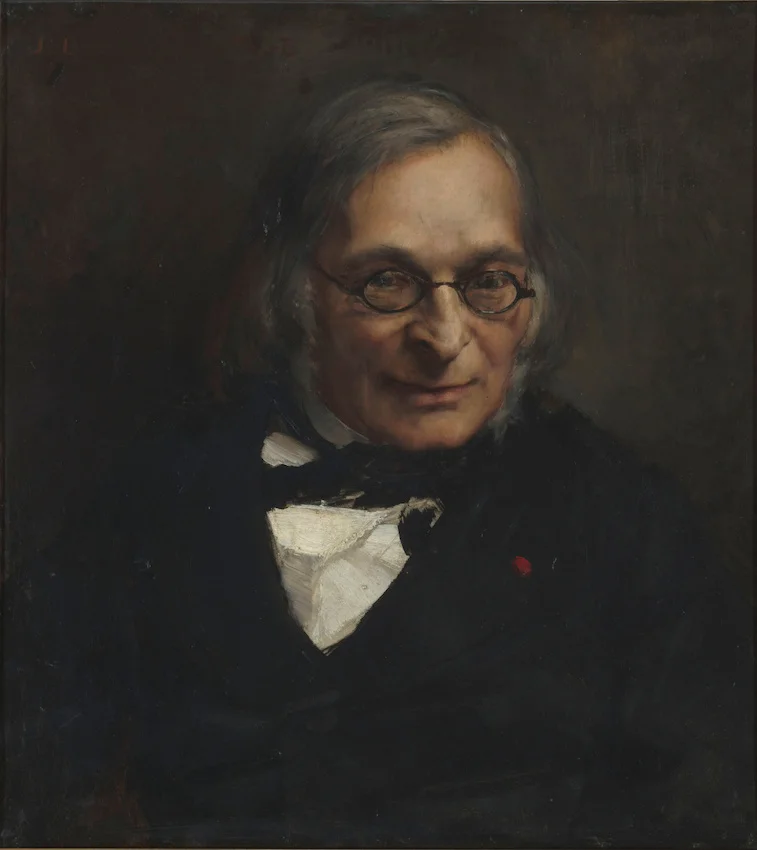
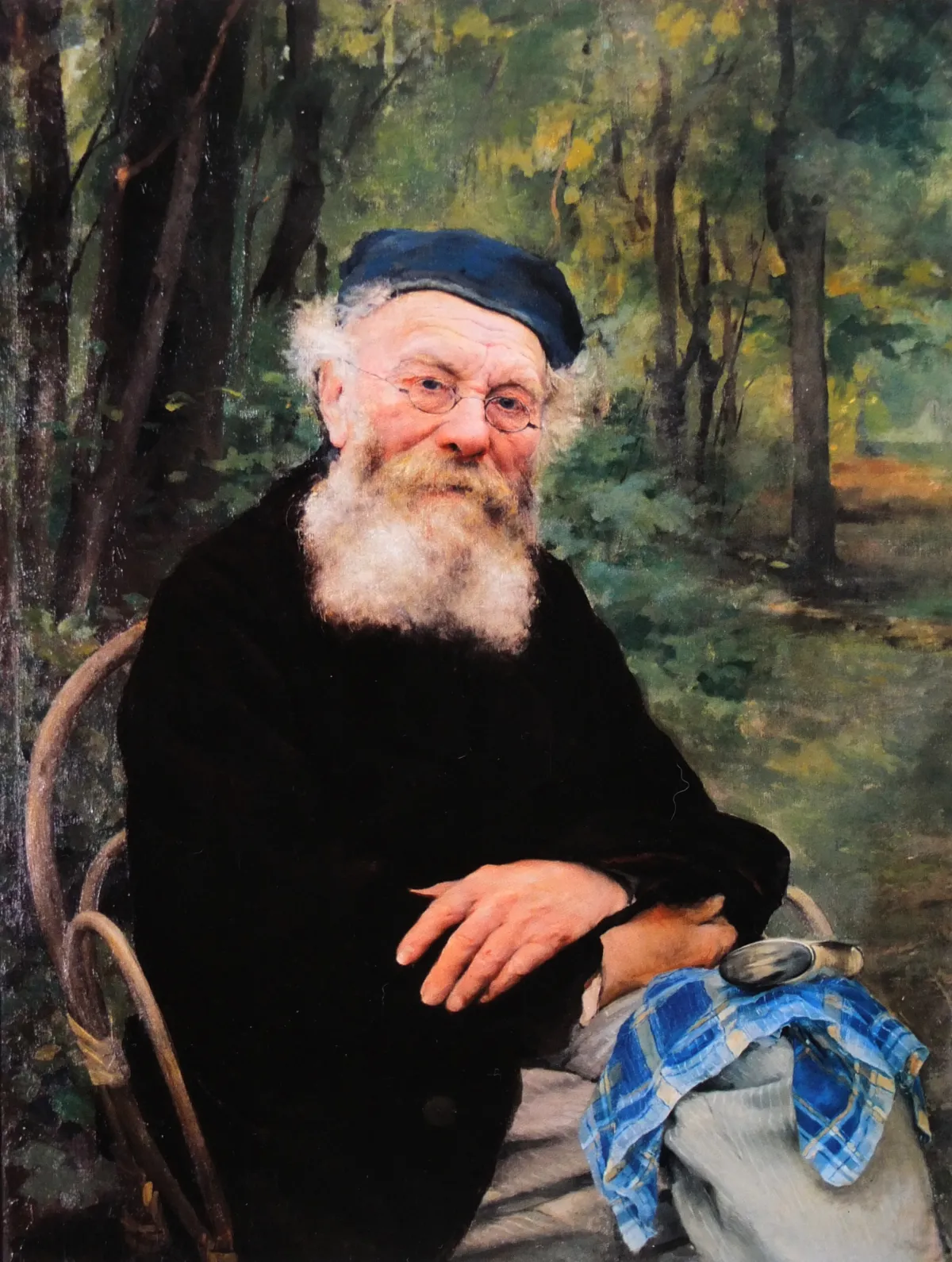
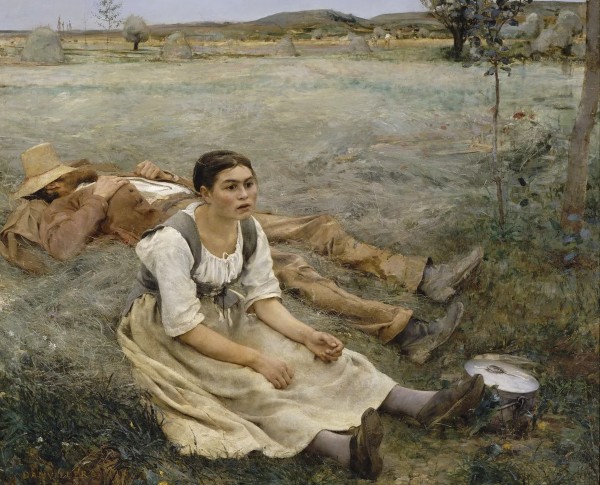
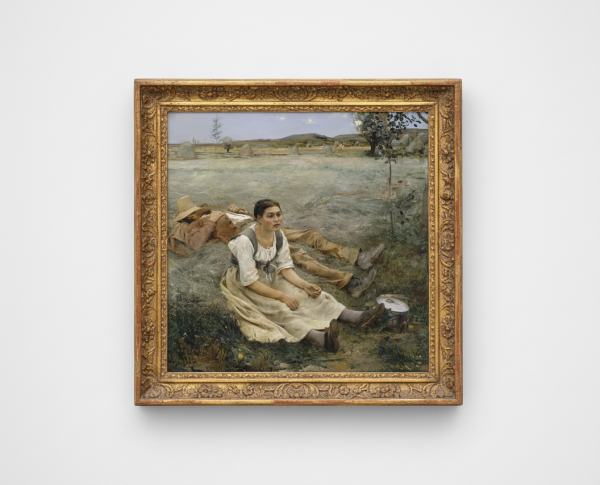
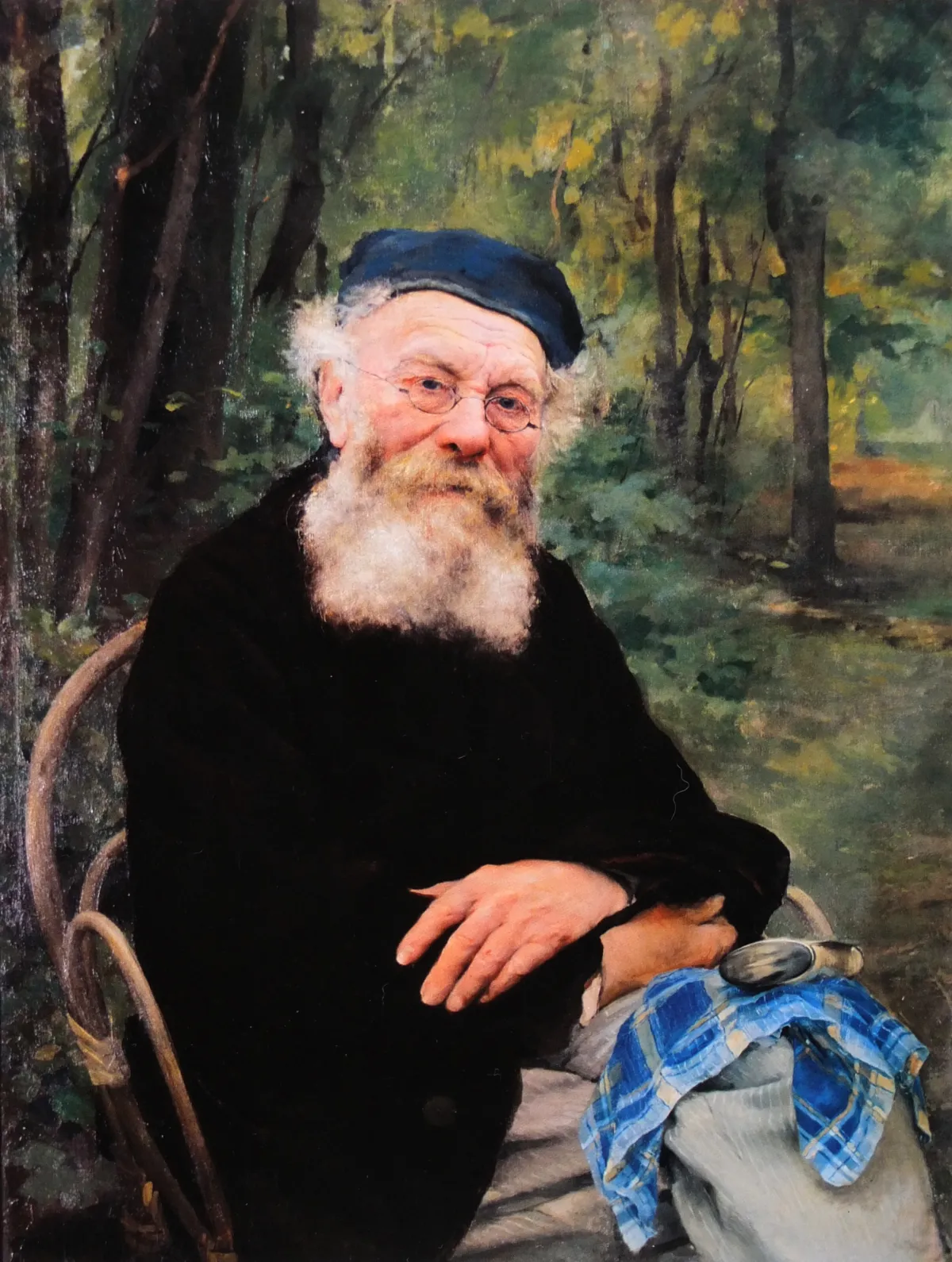
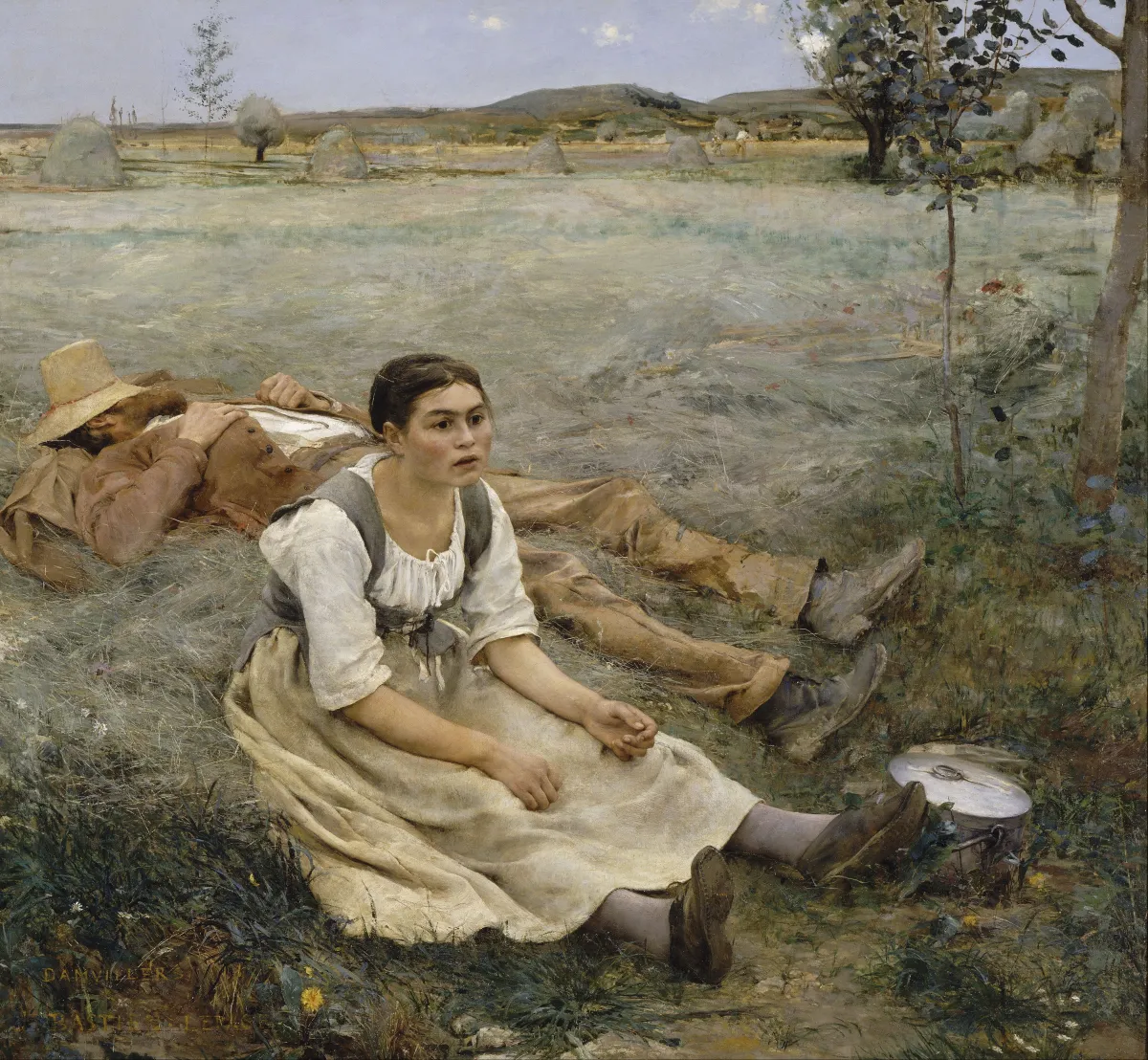
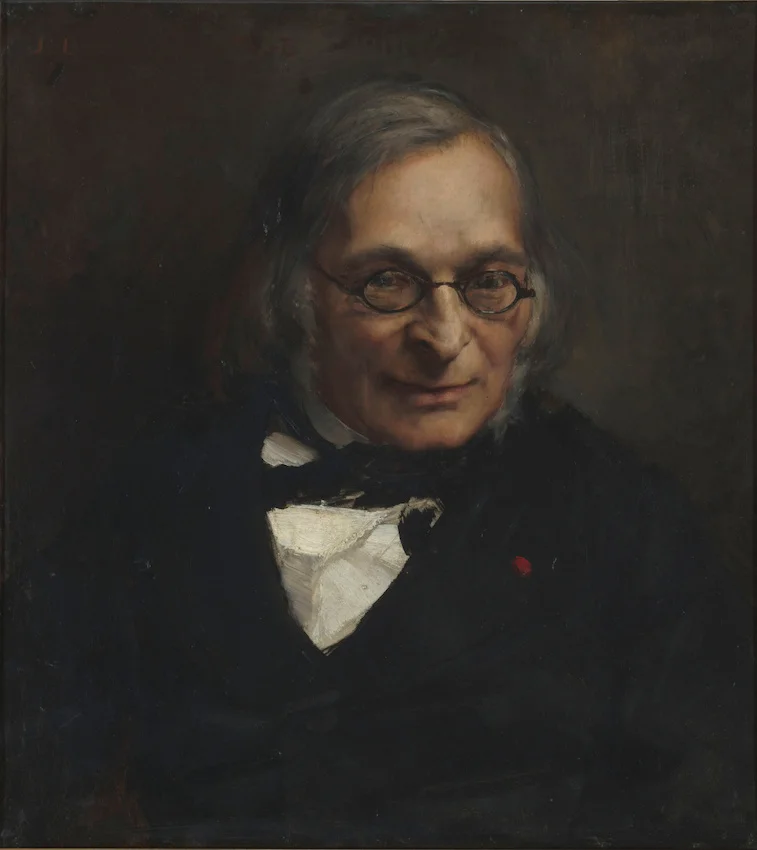
The meticulous technique Bastien Lepage employed in "The Artist’s Grandfather" is evident in every detail, reflecting his dedication to realism. The oil on canvas medium brings depth and vibrancy to the subject, showcasing Lepage’s command over light and shadow. Art enthusiasts seeking an authentic oil on canvas experience will appreciate how this piece aligns with other Naturalism works such as "Hay Making" and "The Artist’s Father."
Within "The Artist’s Grandfather," viewers discover layers of meaning, from the thoughtful gaze of the subject to the subtle background elements. Bastien Lepage masterfully weaves narrative and symbolism, making this hand-painted oil painting a conversation piece. Collectors often pair this work with related products like "Piet-Lataudrie" and "Collector" to deepen their understanding of the Naturalism movement’s storytelling power.
For anyone searching for fine art painting for sale, "The Artist’s Grandfather" by Bastien Lepage represents both artistic excellence and historical significance. This oil on canvas masterpiece is highly sought after by collectors who value the Naturalism movement. When displayed alongside related pieces such as "The Beggar" or "Simon Hayem," it creates a compelling narrative that enriches any fine art collection.
When Art Meets History
"The artist's grandfather" by Bastien Lepage stands as a testament to the Naturalism movement, capturing a poignant moment in time with remarkable authenticity. This hand-painted oil painting not only honors Lepage’s personal heritage but also reflects the broader social realities of his era. Similar to related works like "Danger aloft – Ptarmigan" and "Winter landscape with mallard.", Lepage’s masterpiece bridges the gap between fine art and historical documentation, offering viewers a glimpse into the artist’s world.
Techniques That Speak
Bastien Lepage’s mastery shines through in his use of oil on canvas, a hallmark of the Naturalism movement. His meticulous technique brings out intricate textures and lifelike details, making "The artist's grandfather" resonate with authenticity. The same technical prowess is evident in related paintings such as "Bewick's swan" and "Blackgame." Lepage’s brushwork and use of light elevate the oil on canvas medium, creating a visual narrative that invites closer examination.
Emotions on Display
"The artist's grandfather" captures a depth of feeling rarely seen in fine art painting for sale from the Naturalism period. Bastien Lepage’s sensitive portrayal reveals an intimate bond, drawing parallels with the emotional warmth found in "Cock and hen pheasant in the undergrowth." The painting’s subtle expressions and nuanced body language evoke empathy, making it a cherished piece among admirers of emotional realism in art. Lepage’s work continues to move viewers worldwide.
Coveted by Collectors
Collectors highly prize "The artist's grandfather" by Bastien Lepage, recognizing it as an outstanding hand-painted oil painting from the Naturalism movement. Its authenticity and historical value make it a sought-after fine art painting for sale. Alongside celebrated works like "Winter landscape with mallard." and "Bewick's swan.", this masterpiece represents the pinnacle of Lepage’s artistry, making it a must-have for those who appreciate the enduring appeal of classic oil paintings.
Related Naturalism Hand-Painted Oil Paintings by Other Artists
Other Famous Naturalism Artists:
Frequently Asked Questions About "The artist's grandfather"
What is the historical context of "The artist's grandfather"?
"The artist's grandfather" was painted during the late 19th century, a period marked by significant changes in art, society, and technology. This era saw the rise of realism, which aimed to depict subjects in a truthful and unidealized manner, reflecting the everyday life of ordinary people.
Who is the subject of the painting?
The subject of "The artist's grandfather" is Bastien Lepage's own grandfather, a figure who embodies the values of rural life and the connection to heritage. This personal connection adds depth to the work, showcasing the artist's reverence for family and tradition.
What artistic techniques did Bastien Lepage employ in this painting?
Bastien Lepage utilized a technique known as plein air painting, which involves working outdoors to capture natural light and atmosphere. This approach is evident in the soft, naturalistic rendering of the grandfather's features and the surrounding landscape.
What symbolism can be found in "The artist's grandfather"?
The painting symbolizes the passage of time and the importance of ancestry. The grandfather figure represents wisdom, experience, and the continuity of family values, serving as a reminder of one's roots and the influences that shape an individual.
How does the composition of the painting contribute to its meaning?
The composition of "The artist's grandfather" is carefully arranged to draw the viewer's eye towards the subject, emphasizing his presence and stature. The use of light and shadow further enhances the emotional weight of the piece, creating a sense of intimacy and connection.
In what ways does this painting reflect the Realist movement?
This painting exemplifies the Realist movement through its focus on ordinary subjects and the portrayal of everyday life. Bastien Lepage's commitment to authenticity and detail aligns with the movement's goals of depicting reality without romanticism or idealization.
What role does color play in "The artist's grandfather"?
Color in "The artist's grandfather" is used to evoke emotion and create a sense of atmosphere. The warm, earthy tones reflect the natural environment and the warmth of familial bonds, while also enhancing the lifelike quality of the grandfather's portrayal.
What influences can be seen in Bastien Lepage's style in this painting?
Bastien Lepage was influenced by both the Barbizon School and the Impressionists, evident in his attention to light and color. His style combines the detailed realism of the Barbizon painters with the loose brushwork and vibrant palette characteristic of Impressionism.
How does "The artist's grandfather" fit into Bastien Lepage's body of work?
This painting is a significant work in Bastien Lepage's oeuvre, showcasing his ability to blend personal narrative with broader themes of identity and heritage. It reflects his dedication to capturing the essence of human experience through the lens of familial connections.
What impact did "The artist's grandfather" have on contemporary artists?
"The artist's grandfather" has influenced contemporary artists by highlighting the importance of personal narrative in art. Its blend of realism and emotional depth has inspired many to explore their own histories and relationships through their work, fostering a deeper connection between the artist and their audience.






















_GFM_Painting_(1).webp)


 100% Hand-Painted: Finished in 3-6 Weeks

.png)















_(1).webp)