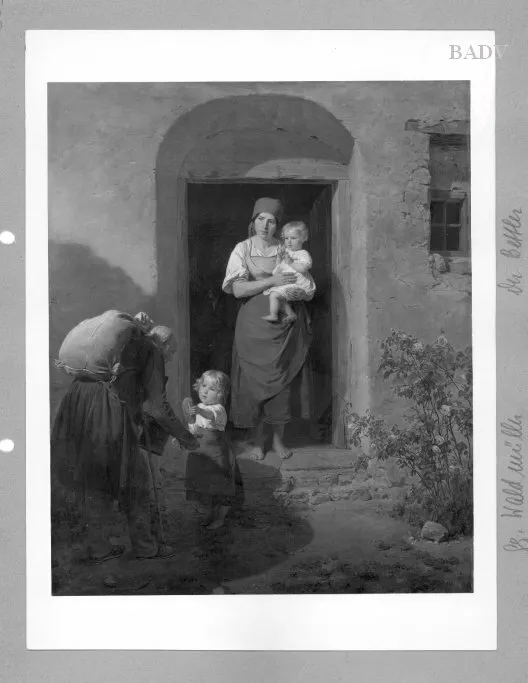
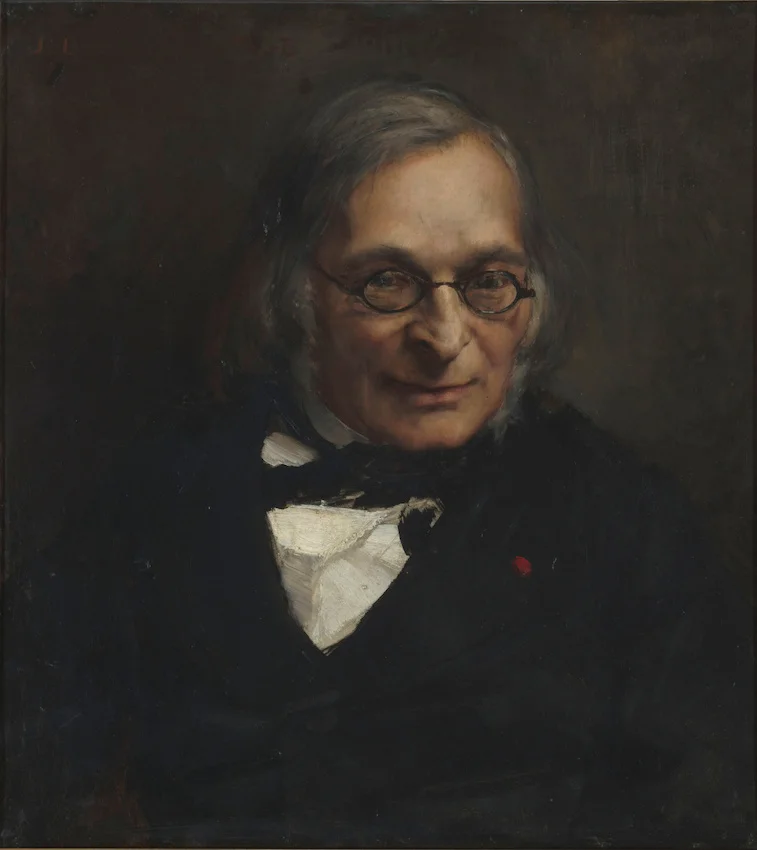
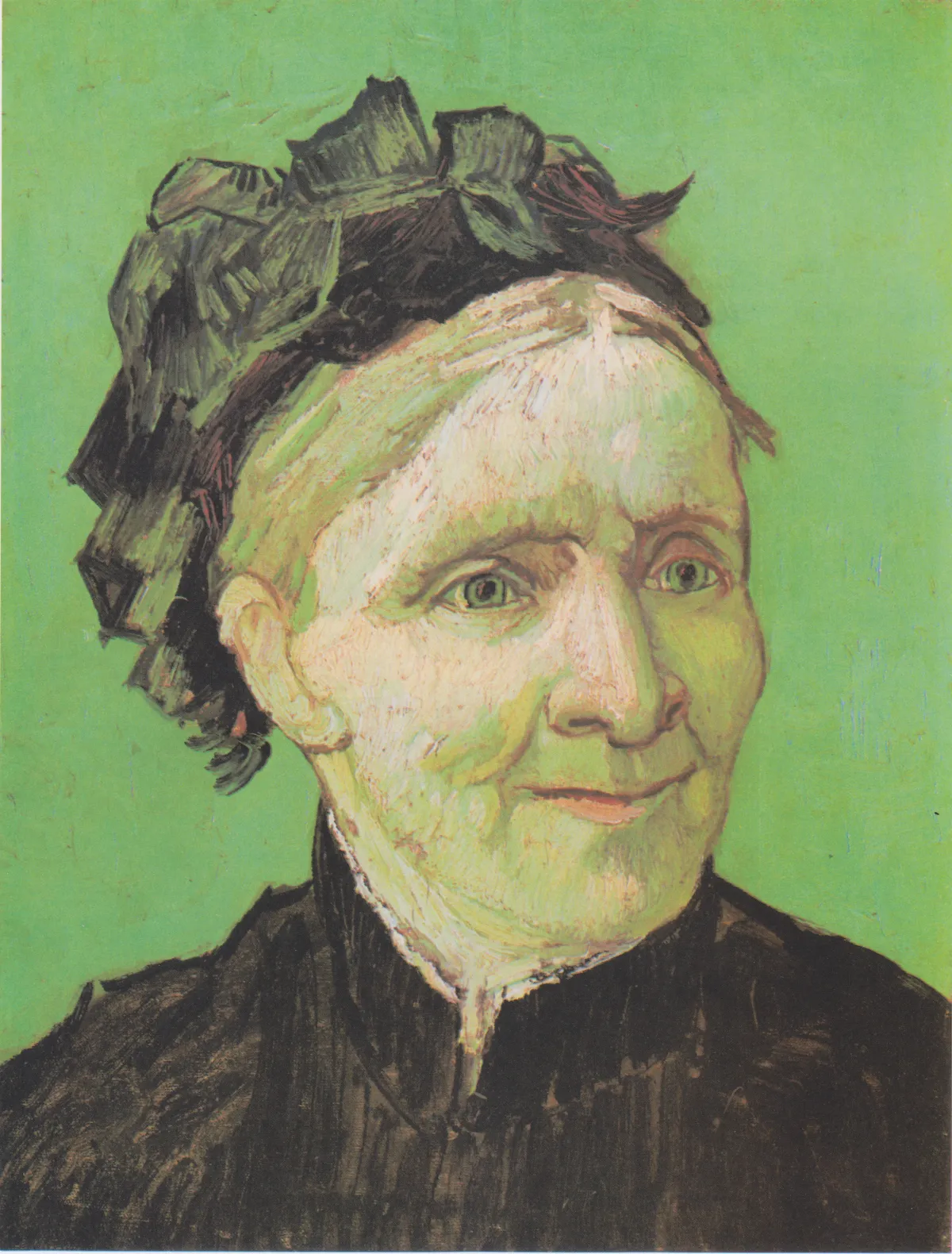
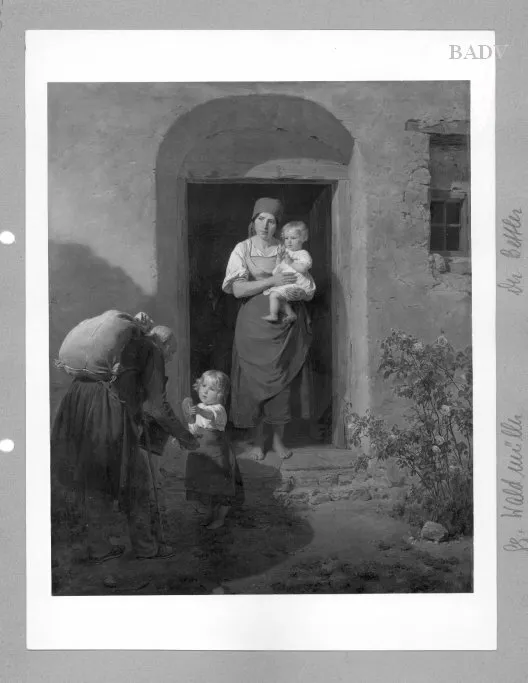
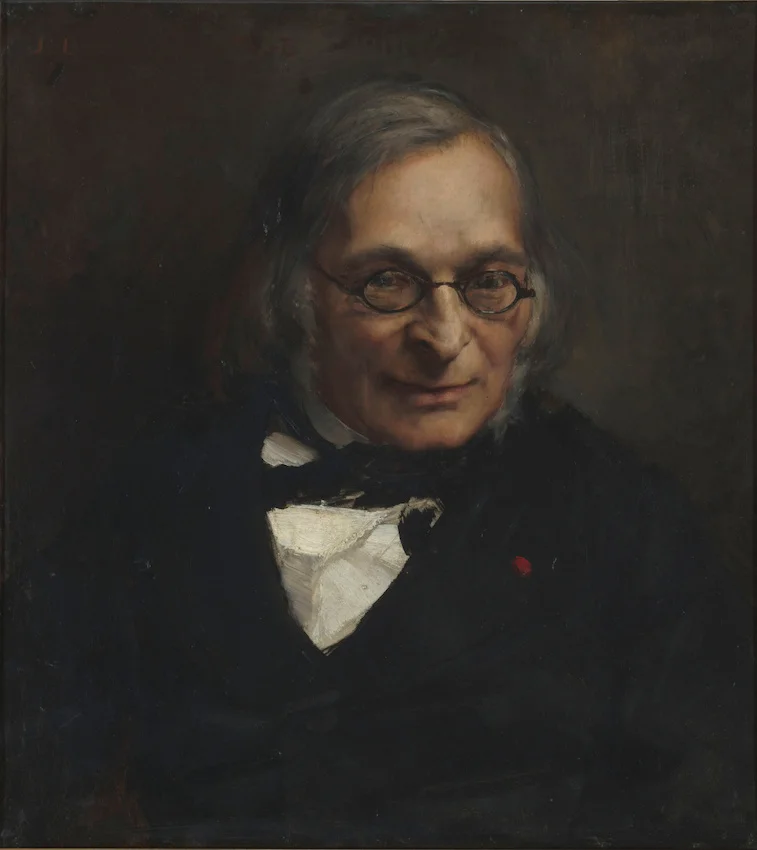
Rendered with remarkable skill, "The Beggar" showcases Bastien Lepage’s expertise in oil on canvas. Each brushstroke brings the sitter’s plight to life, emphasizing the movement’s focus on everyday subjects. This technique, seen also in "Madame Godillot," exemplifies the Naturalist pursuit of truth in art. Collectors seeking a genuine piece of history often gravitate toward Lepage’s works and other masterpieces of the era, such as those by Adolphe Franck, French philosopher and art patron.
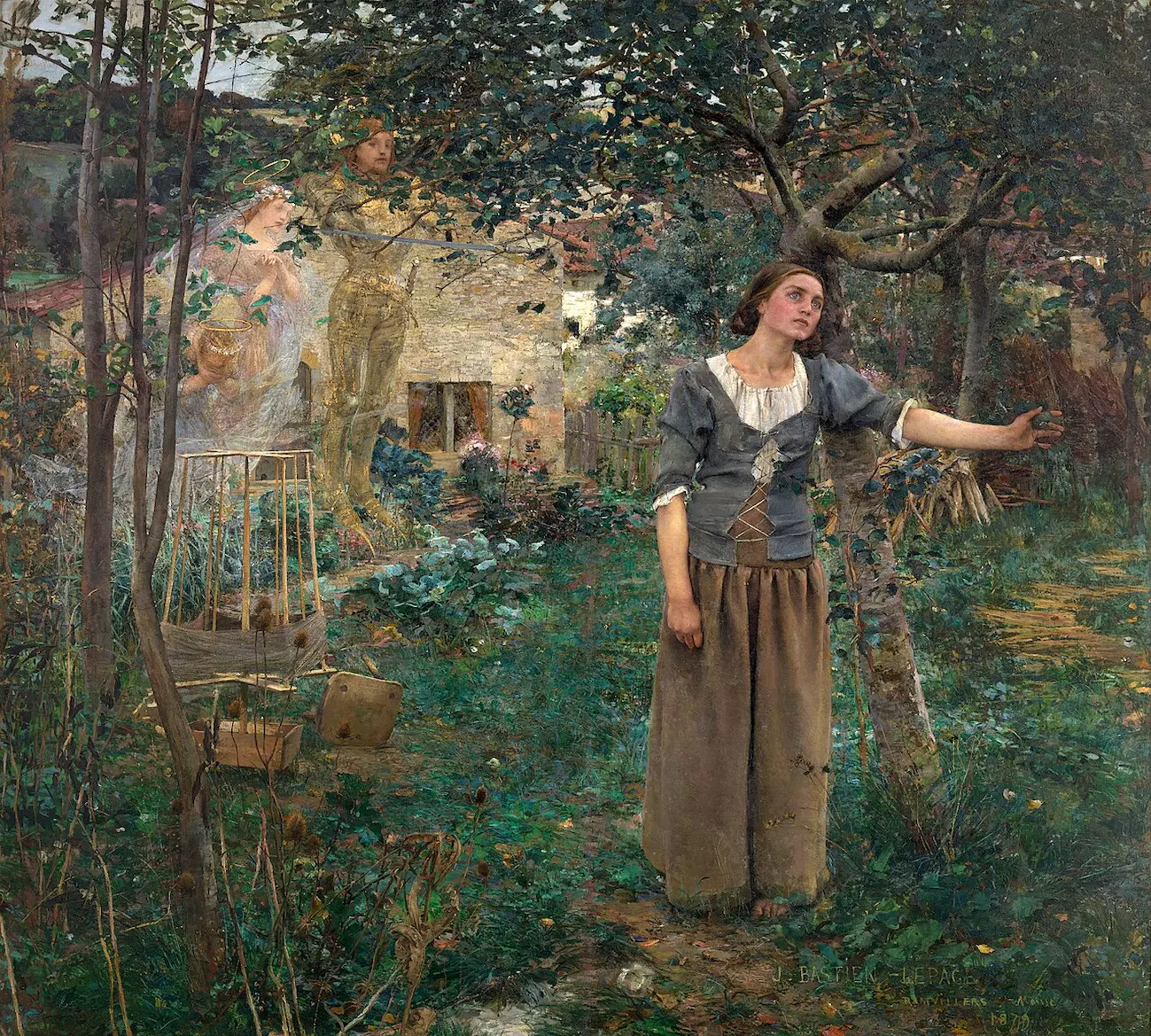
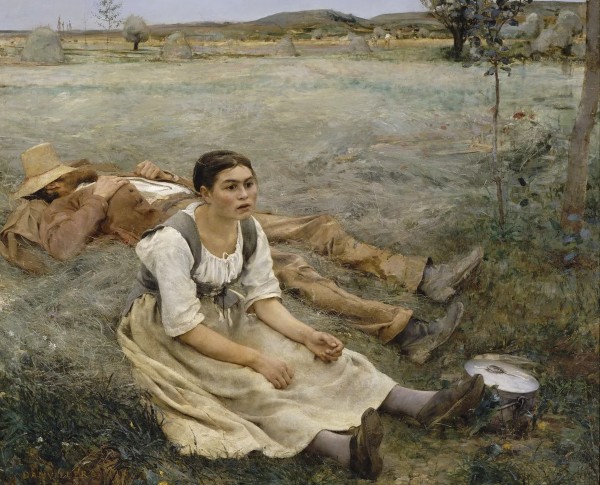
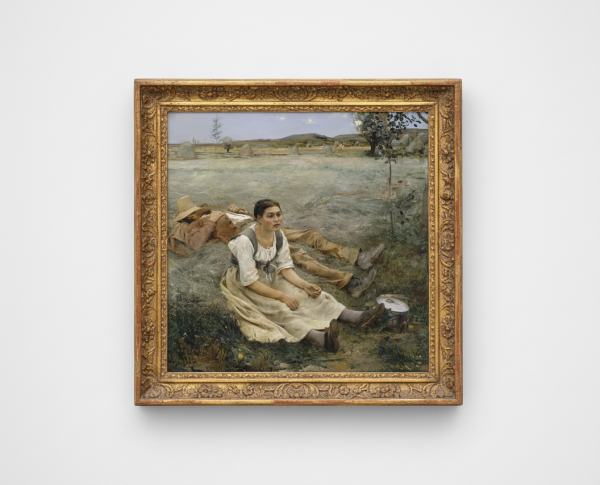
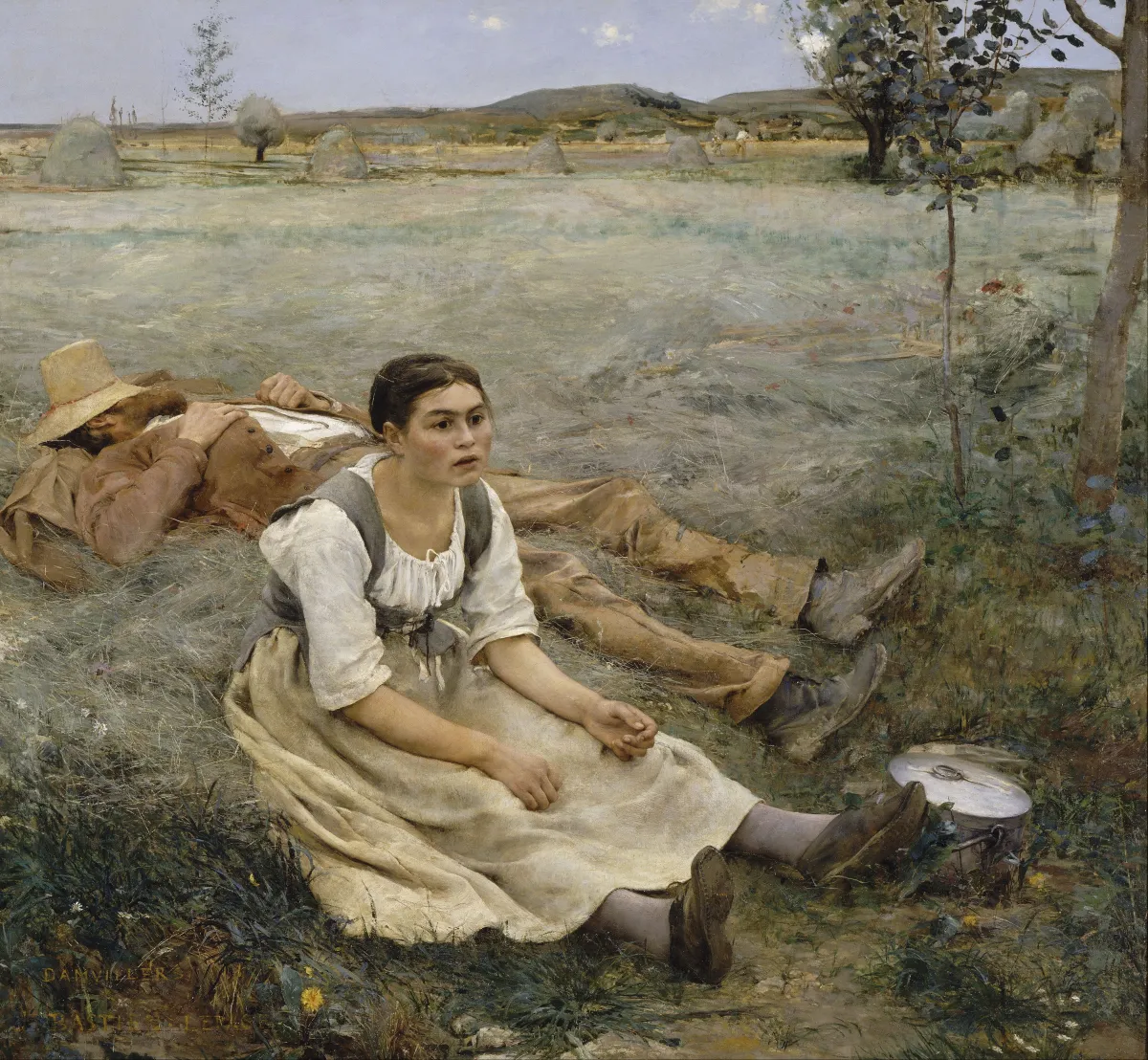
Every element in "The Beggar" tells a story, inviting viewers to contemplate the hardships and dignity of the subject. Bastien Lepage’s fine art painting for sale highlights the social realities of his time, much like his contemporaries in the Naturalism movement. Through subtle symbolism, Lepage connects "The Beggar" with his other works, including "October" and "Hay Making," making them highly sought-after pieces among collectors and lovers of narrative art.
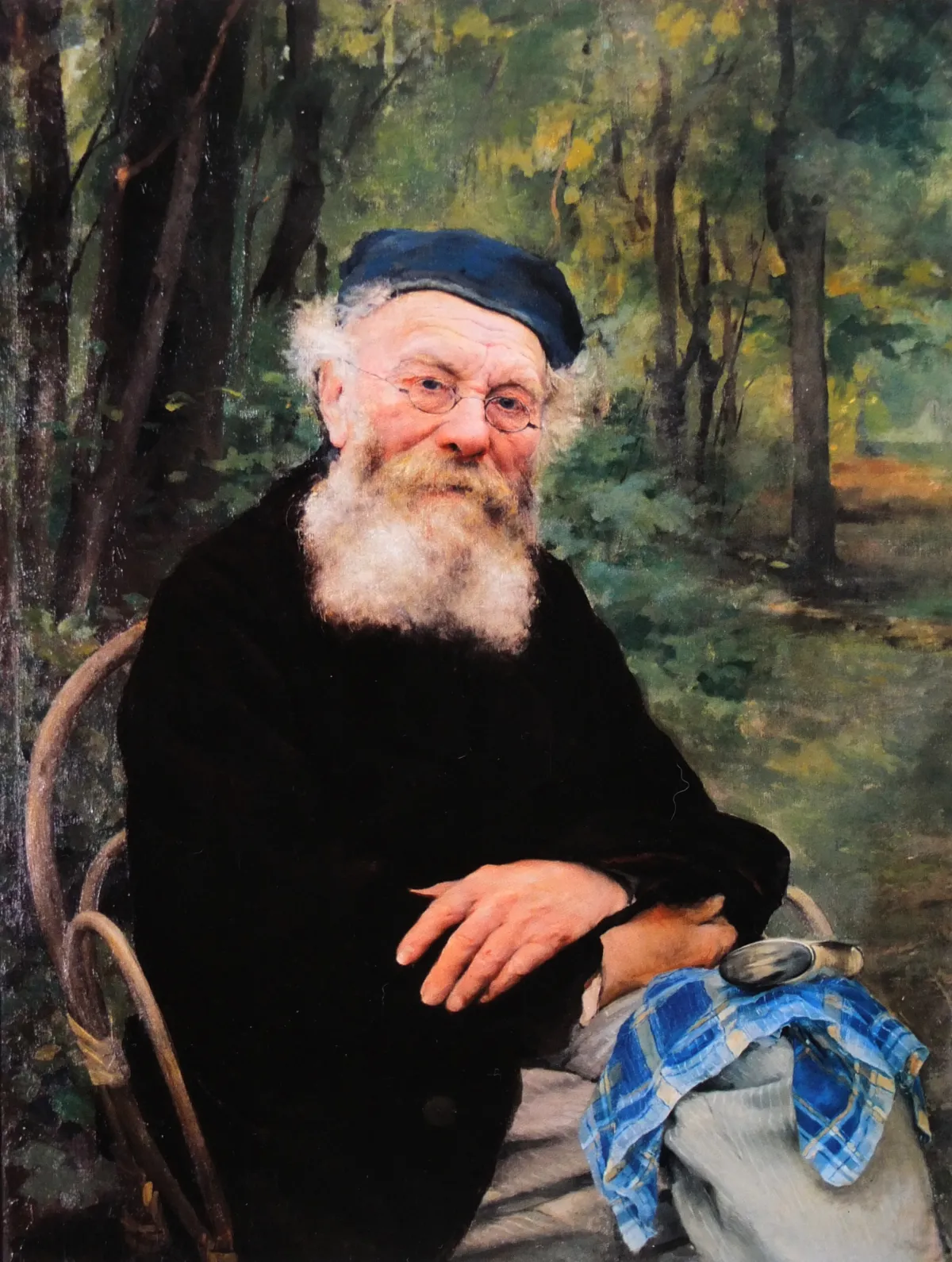
For collectors, acquiring "The Beggar" by Bastien Lepage means owning a significant piece of the Naturalism movement. This hand-painted oil painting is not just a visual masterpiece but an investment in art history. Alongside related products like "The artist's grandfather" or "Pas Mèche," it enriches any collection. The enduring appeal of Lepage’s work ensures that each oil on canvas remains a treasured artifact, admired and valued for generations to come.
When Art Meets History
"The Beggar" by Bastien Lepage stands as a testament to the Naturalism movement, capturing the realities of rural life in 19th-century France. This hand-painted oil painting brings viewers closer to the struggles and dignity of its subjects. Lepage, renowned for works like "Wigeon and Teal by the water's edge." and "Blackcocks at the Lek.," masterfully bridges history and art, making each fine art painting for sale a window into another era.
Techniques That Speak
Bastien Lepage’s "The Beggar" showcases exquisite oil on canvas mastery, a hallmark of Naturalism. His brushwork and attention to detail create a lifelike portrayal that resonates with authenticity. The painting’s nuanced color palette and realistic textures echo those found in related works such as "Bewick's Swan." and "Woodcock in a sandy hollow." Lepage’s technique ensures every oil on canvas artwork he creates stands as a true representation of nature’s beauty and hardship.
Emotions on Display
"The Beggar" is more than just a fine art painting for sale; it’s an emotional journey. Bastien Lepage’s depiction of a solitary figure evokes empathy and reflection, inviting viewers to contemplate the human condition. The authenticity of emotion in this Naturalism masterpiece aligns with Lepage’s other evocative works, including "Wigeon and Teal by the water's edge." Each brushstroke in this hand-painted oil painting is infused with compassion and storytelling.
Coveted by Collectors
Collectors worldwide seek "The Beggar" by Bastien Lepage for its historical significance and exquisite craftsmanship. As a prized oil on canvas from the Naturalism movement, it stands alongside related paintings like "Blackcocks at the Lek." and "Woodcock in a sandy hollow." Demand for such fine art painting for sale continues to grow, as each piece symbolizes a unique blend of artistic skill and cultural heritage, making it a valuable addition to any collection.
Related Naturalism Hand-Painted Oil Paintings by Other Artists
Other Famous Naturalism Artists:
Frequently Asked Questions About "The Beggar"
What is the historical context of "The Beggar"?
"The Beggar" was painted by Bastien-Lepage in the late 19th century, a period marked by significant social change in France. The painting reflects the struggles of the lower classes during the industrial revolution and the rise of realism in art.
What artistic movement does "The Beggar" belong to?
This artwork is associated with the Realism movement, which sought to depict everyday life and ordinary people with honesty and accuracy, moving away from the idealized subjects of Romanticism.
Who was Bastien-Lepage and what was his significance in art history?
Bastien-Lepage was a French painter known for his naturalistic style and ability to capture the essence of rural life. He played a crucial role in the transition from Romanticism to Realism, influencing future generations of artists.
What are the key themes represented in "The Beggar"?
The painting explores themes of poverty, social injustice, and human dignity. It evokes empathy for the subject, highlighting the plight of the marginalized in society.
How does Bastien-Lepage use color and light in "The Beggar"?
Bastien-Lepage employs a muted color palette and soft lighting to create a somber mood, enhancing the emotional impact of the beggar's plight and drawing attention to the subject's vulnerability.
What techniques did Bastien-Lepage use to achieve realism in this painting?
He utilized meticulous brushwork, naturalistic details, and a focus on the textures of skin and clothing to create a lifelike representation of the beggar, embodying the principles of Realism.
What is the significance of the beggar's expression in the painting?
The beggar's expression conveys a deep sense of sorrow and resignation, inviting viewers to reflect on the harsh realities of life for the impoverished and evoking compassion.
In what ways does "The Beggar" challenge societal norms of its time?
The painting challenges the romanticized views of poverty by presenting an unfiltered depiction of a beggar, prompting viewers to confront uncomfortable truths about social inequality and the human condition.
How has "The Beggar" influenced contemporary art?
The work has inspired contemporary artists to explore themes of social justice and realism, encouraging a focus on marginalized communities and the importance of empathy in art.
What is the current location of "The Beggar" and its significance in art collections?
"The Beggar" is housed in a prominent art collection, where it serves as a critical example of 19th-century realism and continues to educate audiences about the socio-political issues of the era.






















_GFM_Painting_(1).webp)


 100% Hand-Painted: Finished in 3-6 Weeks

.png)















_(1).webp)