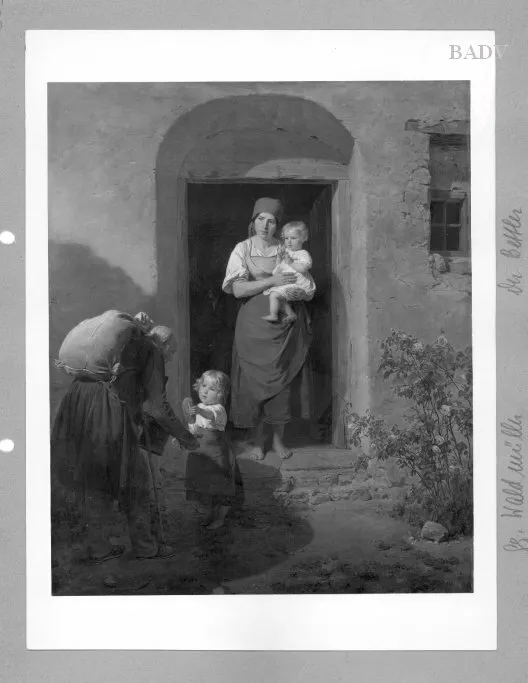
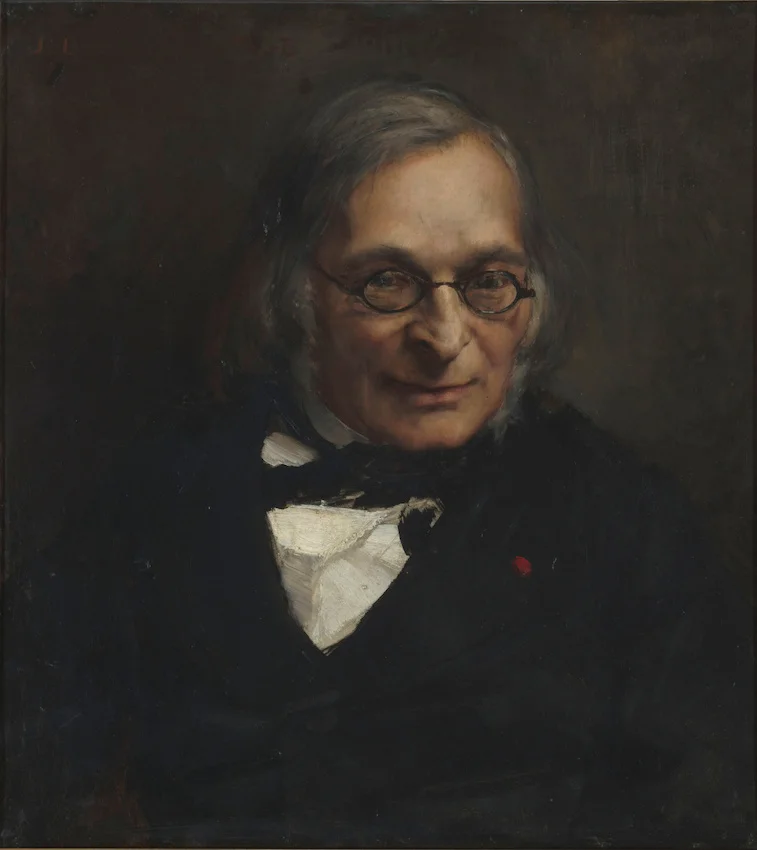
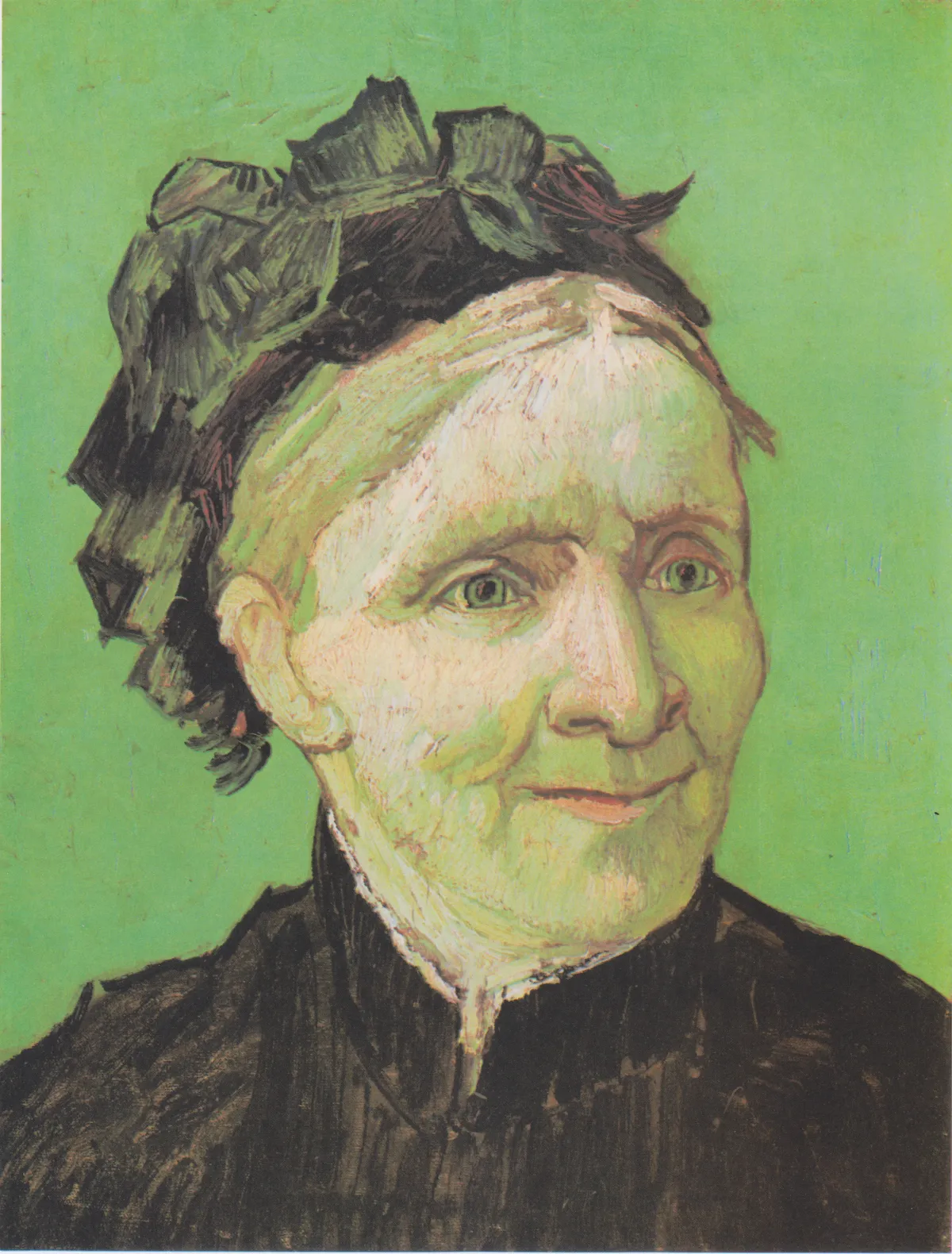
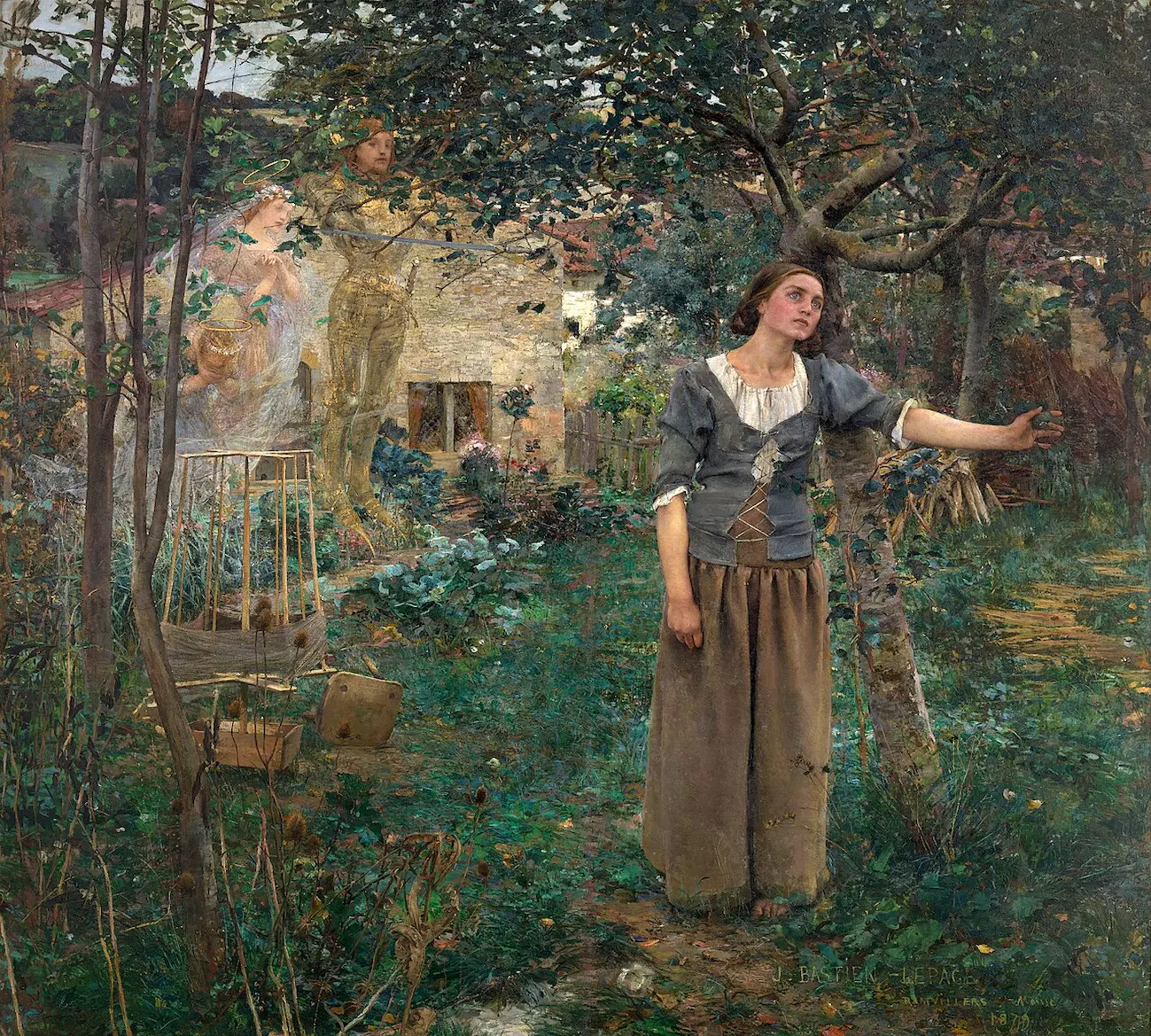
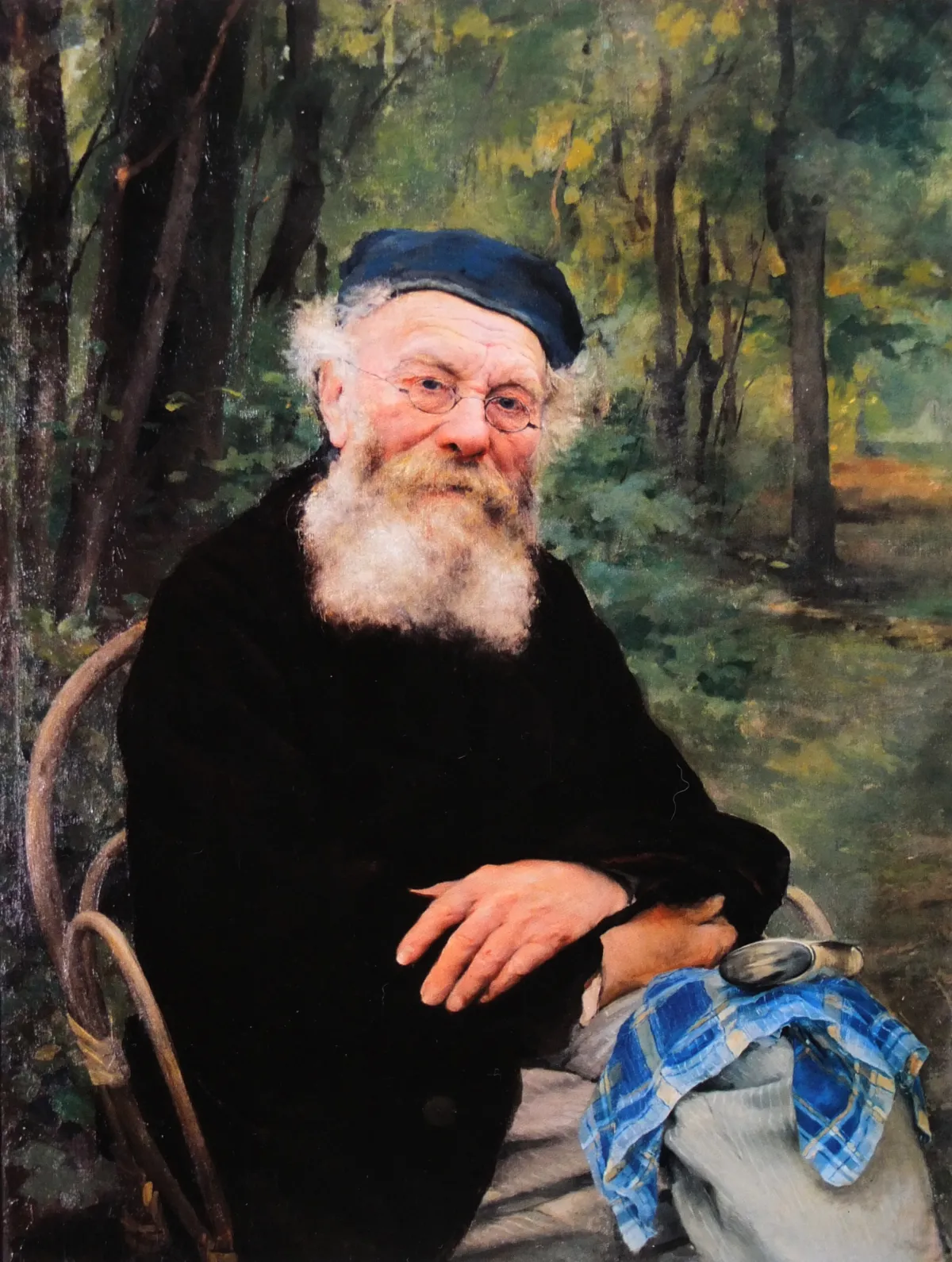
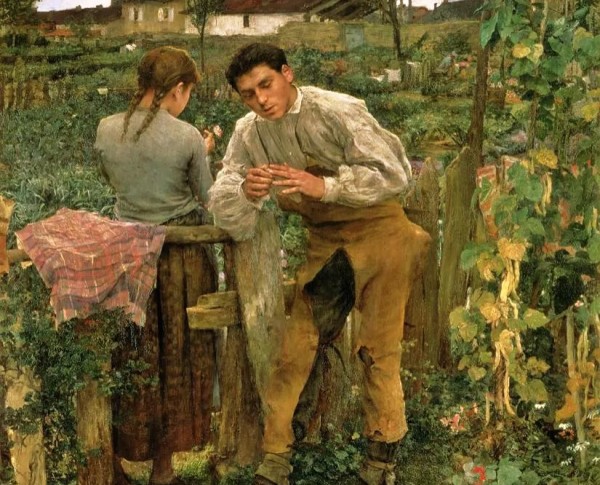
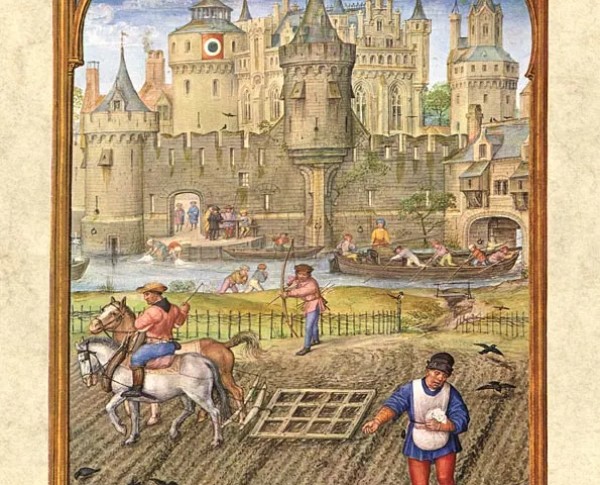
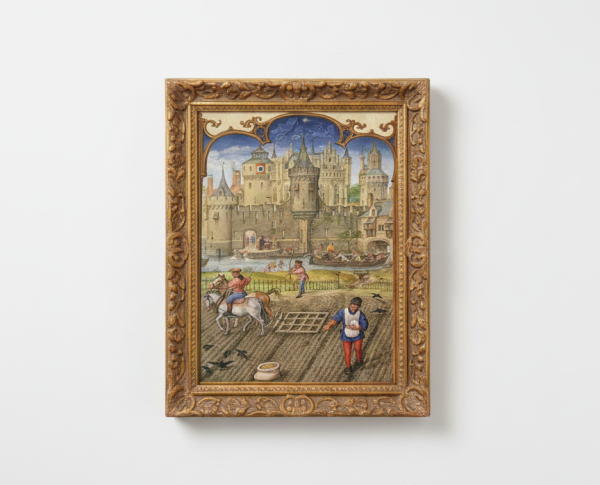
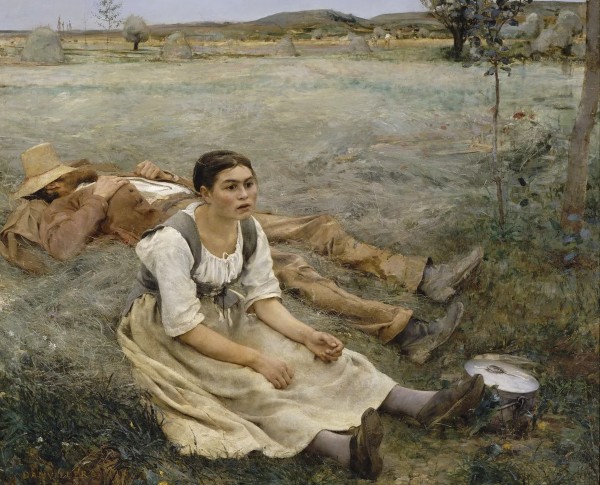
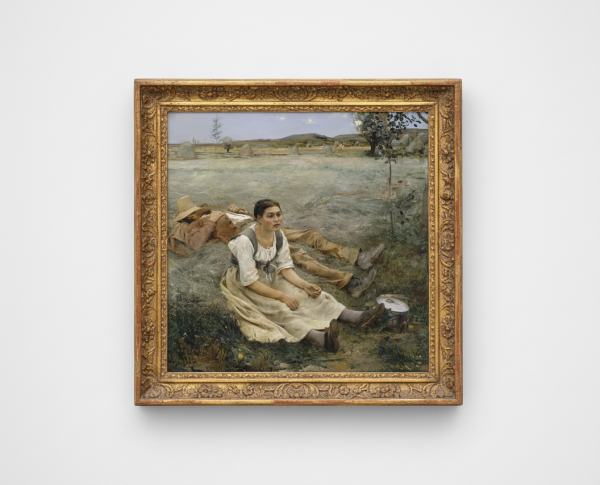
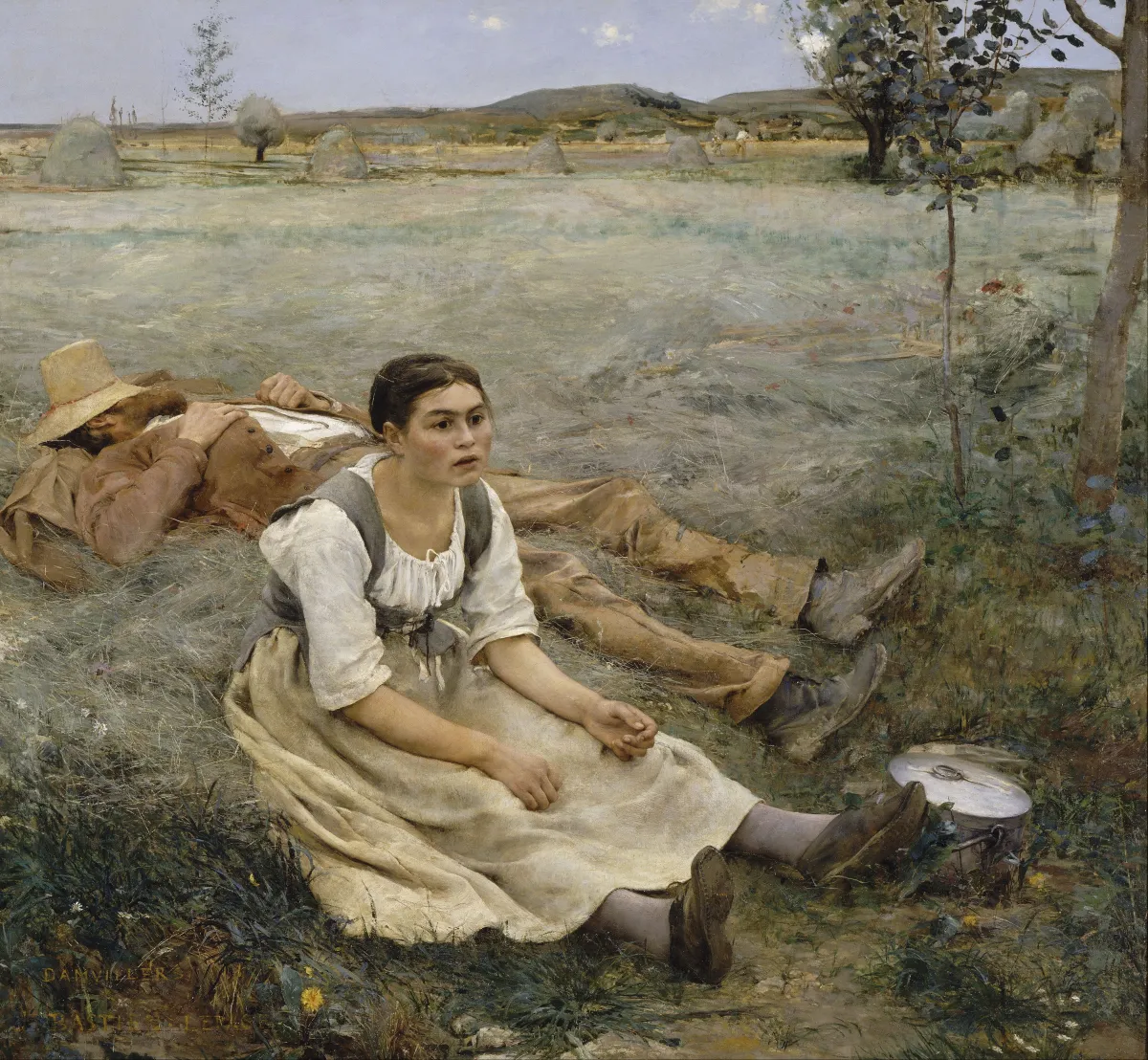
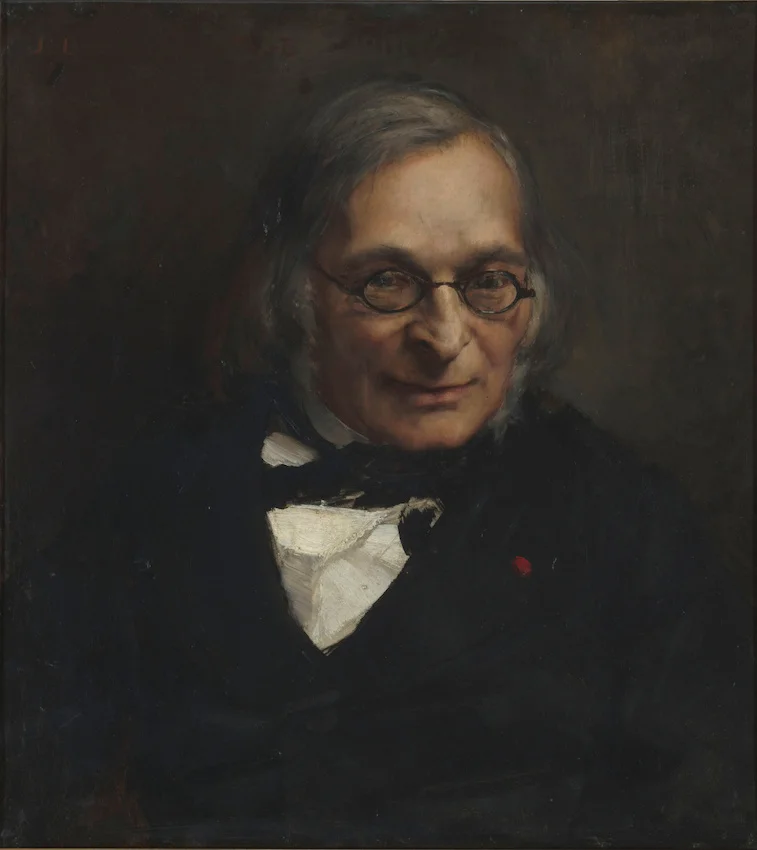
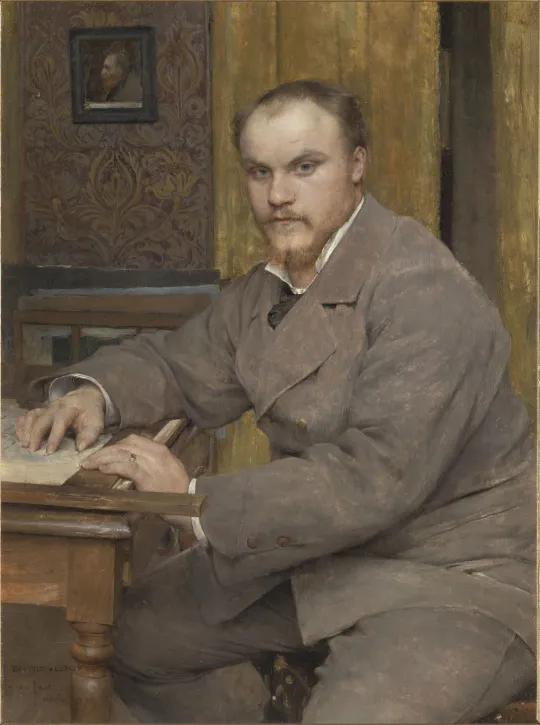
Bastien Lepage’s technical prowess shines in "October," where every brushstroke enhances the realism of the scene. Utilizing oil on canvas, the artist achieves a luminous quality that brings the autumnal landscape to life. His method aligns with the principles of Naturalism, emphasizing observation and sincerity. This approach is shared by other notable figures such as The artist's father, Alexandre Wallon, a historian and politician, and Simon Hayem, whose works also exemplify masterful execution in the genre.
"October" weaves stories of rural labor and seasonal change, common themes in Naturalism. Bastien Lepage infuses the painting with subtle symbolism, reflecting the cyclical nature of life. The presence of figures and the detailed environment hint at narratives familiar to admirers of Adolphe Franck, the French philosopher, and the evocative "The Annunciation to the Shepherds." This fine art painting for sale invites viewers to interpret its layered meanings and appreciate its narrative depth.
Owning "October" by Bastien Lepage is more than acquiring a work of art; it is an investment in history and culture. As a hand-painted oil painting from the Naturalism movement, it offers authenticity and timeless appeal. Collectors searching for significant pieces often consider related works by Émile Bastien-Lepage or Alexandre Wallon. This masterpiece stands as a testament to the enduring allure of 19th-century French art and remains a coveted addition to any serious collection.
When Art Meets History
"October" by Bastien Lepage stands as a testament to the Naturalism movement, capturing the quiet beauty of rural life through a hand-painted oil painting. Created during a time when artists sought to depict reality with honesty, this masterpiece reflects the same attention to detail found in Lepage's related works like "Bewick's swan." and "Dormice." Each brushstroke immerses viewers in the historical context, offering a window into the world as it once was.
Techniques That Speak
Bastien Lepage’s "October" showcases his mastery of oil on canvas, a medium favored by many Naturalist painters. His technique brings to life the subtle shifts in autumn light and the textures of the countryside, much like in his works "Pair of Golden Eagles" and "Wigeon and Teal by the water's edge." The careful layering and blending in this oil on canvas highlight Lepage’s dedication to realism and his commitment to the Naturalism movement.
Emotions on Display
With "October," Bastien Lepage evokes a sense of nostalgia and quiet contemplation, hallmarks of the Naturalism movement. The painting’s atmosphere, reminiscent of "Dormice." and "Pair of Golden Eagles," invites viewers to connect emotionally with the scene. This fine art painting for sale captures the changing season’s mood, using color and composition to express the serene yet poignant emotions experienced in rural autumn landscapes.
Coveted by Collectors
Collectors around the world seek out Bastien Lepage’s works, including "October," for their authentic portrayal of nature and life. As a hand-painted oil painting, it stands alongside other coveted pieces like "Bewick's swan." and "Wigeon and Teal by the water's edge." The enduring appeal of this masterpiece, rooted in the Naturalism movement, ensures its place as a fine art painting for sale that continues to inspire admiration and demand among art enthusiasts.
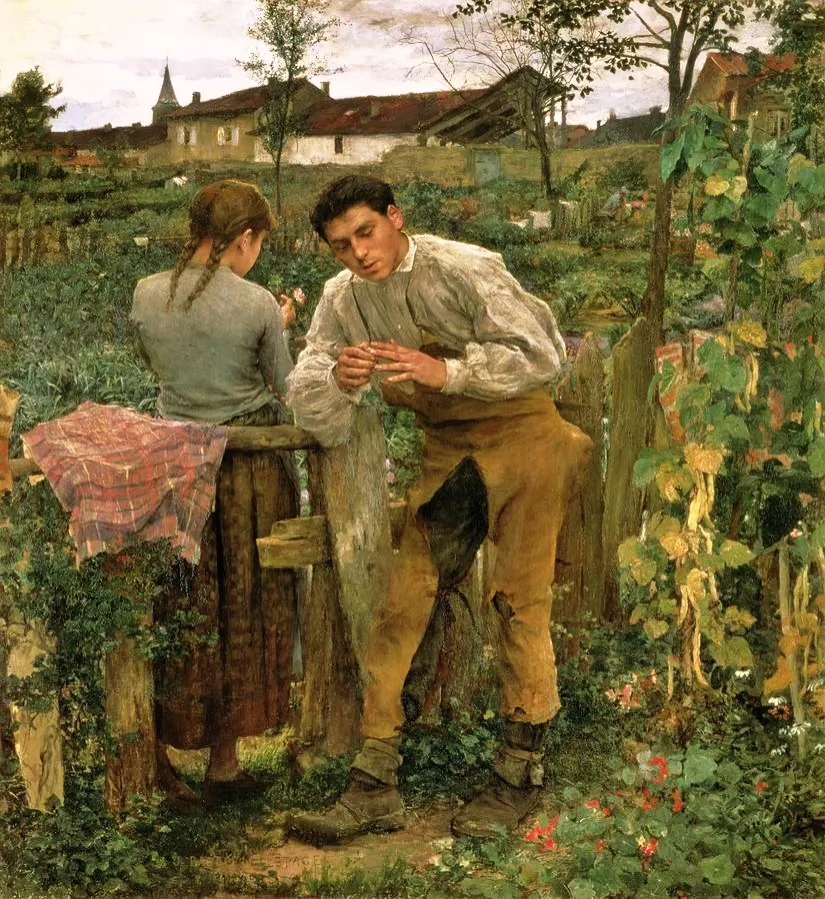
Related Naturalism Hand-Painted Oil Paintings by Other Artists
Other Famous Naturalism Artists:
Frequently Asked Questions About October
What is the historical context of "October" by Bastien Lepage?
"October" was painted in the late 19th century, a period marked by the transition from Romanticism to Impressionism in art. This era saw artists exploring naturalism and the effects of light, which is evident in Lepage's work.
What artistic techniques did Bastien Lepage employ in "October"?
Lepage utilized a combination of realism and impressionistic techniques, including the use of vibrant colors and loose brushwork to capture the essence of autumn. His attention to detail and the play of light are hallmarks of his style.
What themes are explored in "October"?
The painting explores themes of change and the passage of time, symbolized by the autumn season. It reflects on nature's cycles and the beauty found in transience.
What symbolism can be found in "October"?
The autumnal setting symbolizes maturity and reflection, often associated with the later stages of life. The falling leaves can represent both loss and the beauty of change.
How does "October" reflect Bastien Lepage's artistic philosophy?
Lepage believed in capturing the truth of nature and the human experience. "October" embodies this philosophy by portraying a serene yet poignant moment in nature, inviting viewers to reflect on their own experiences.
What influences can be seen in "October"?
The painting shows influences from the Barbizon School, which emphasized natural landscapes and rural life, as well as elements of the Impressionist movement in its treatment of light and color.
What is the significance of the color palette in "October"?
The warm, earthy tones used in "October" evoke the feeling of autumn and create a sense of nostalgia. The color choices enhance the emotional impact of the scene, inviting viewers to connect with the moment depicted.
Who were the contemporaries of Bastien Lepage, and how did they influence his work?
Lepage was contemporaneous with artists such as Claude Monet and Pierre-Auguste Renoir. Their exploration of light and color likely influenced his approach to capturing the essence of nature in "October."
What is the reception of "October" among art critics and historians?
"October" has been praised for its emotional depth and technical skill. Critics have noted Lepage's ability to convey the beauty of nature while also reflecting on deeper themes of life and change.
How does "October" fit into the broader narrative of 19th-century art?
"October" represents a pivotal moment in 19th-century art, bridging the gap between traditional realism and the emerging Impressionist movement. It showcases the evolving perspectives of artists during this transformative period.






















_GFM_Painting_(1).webp)

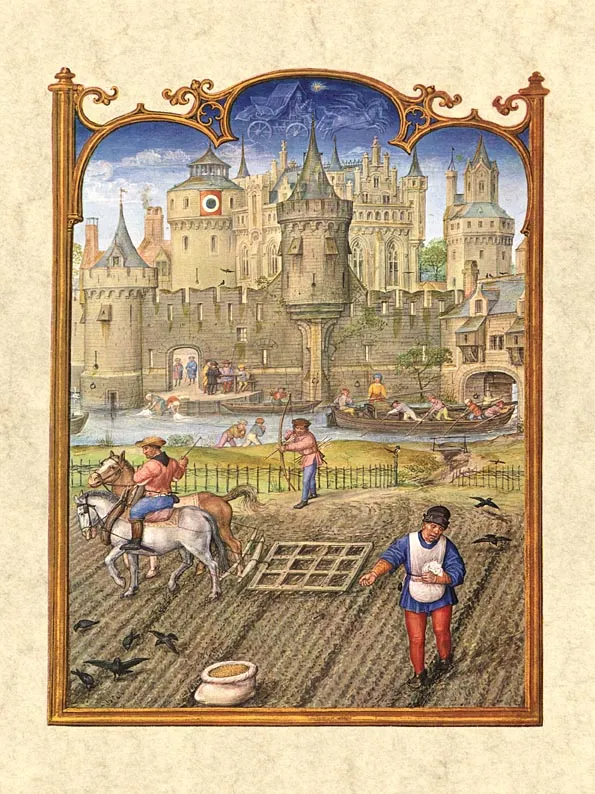

 100% Hand-Painted: Finished in 3-6 Weeks

.png)















_(1).webp)