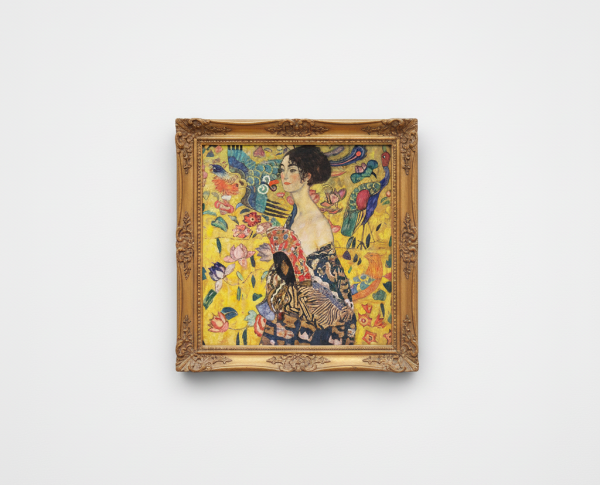
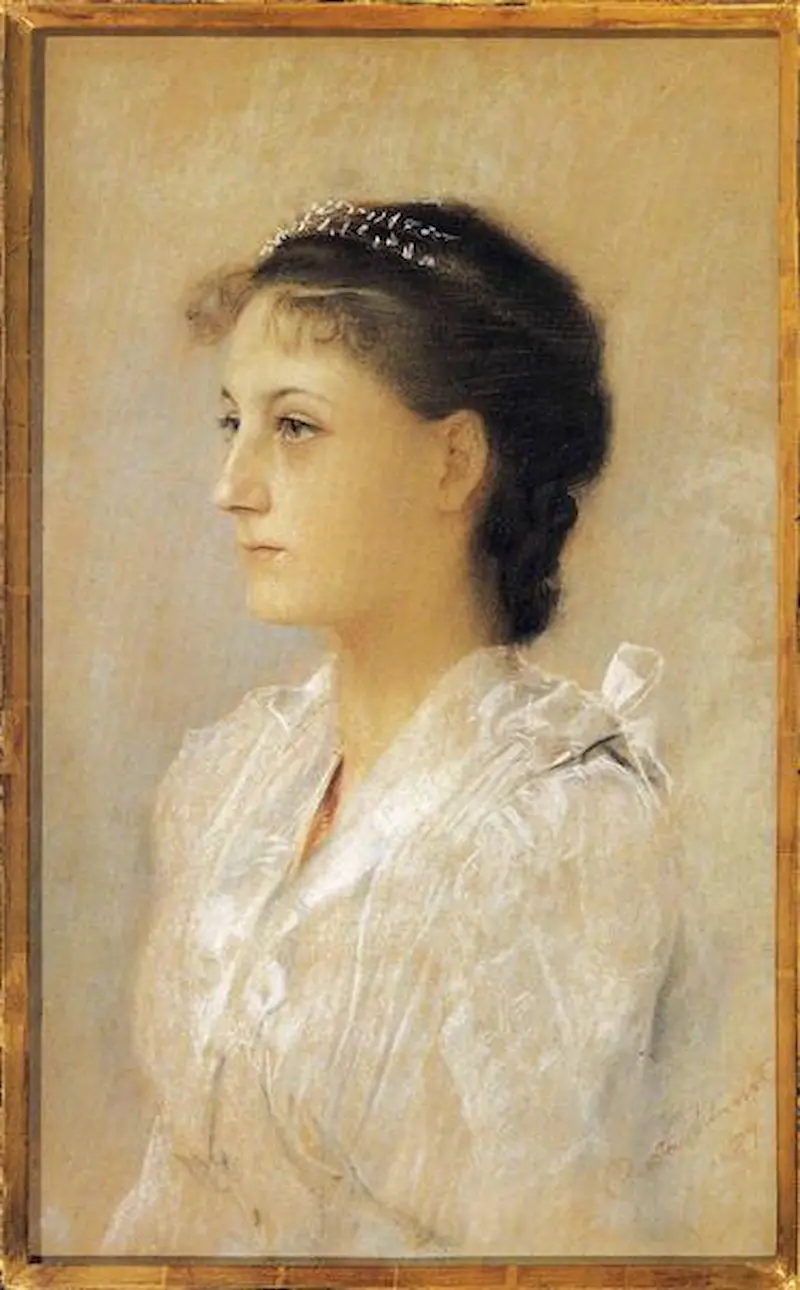
Gustav Klimt’s "Emilie Flöge, Aged 17" demonstrates his exceptional skill with oil on canvas, a medium that brings out the luminosity and depth characteristic of the Vienna Secession. Each brushstroke highlights Klimt’s attention to detail, from the intricate textures of the attire to the expressive facial features. Those interested in Klimt’s work may also appreciate "Portrait of a man with beard" or "Head Slightly Turned Left" for their masterful execution.
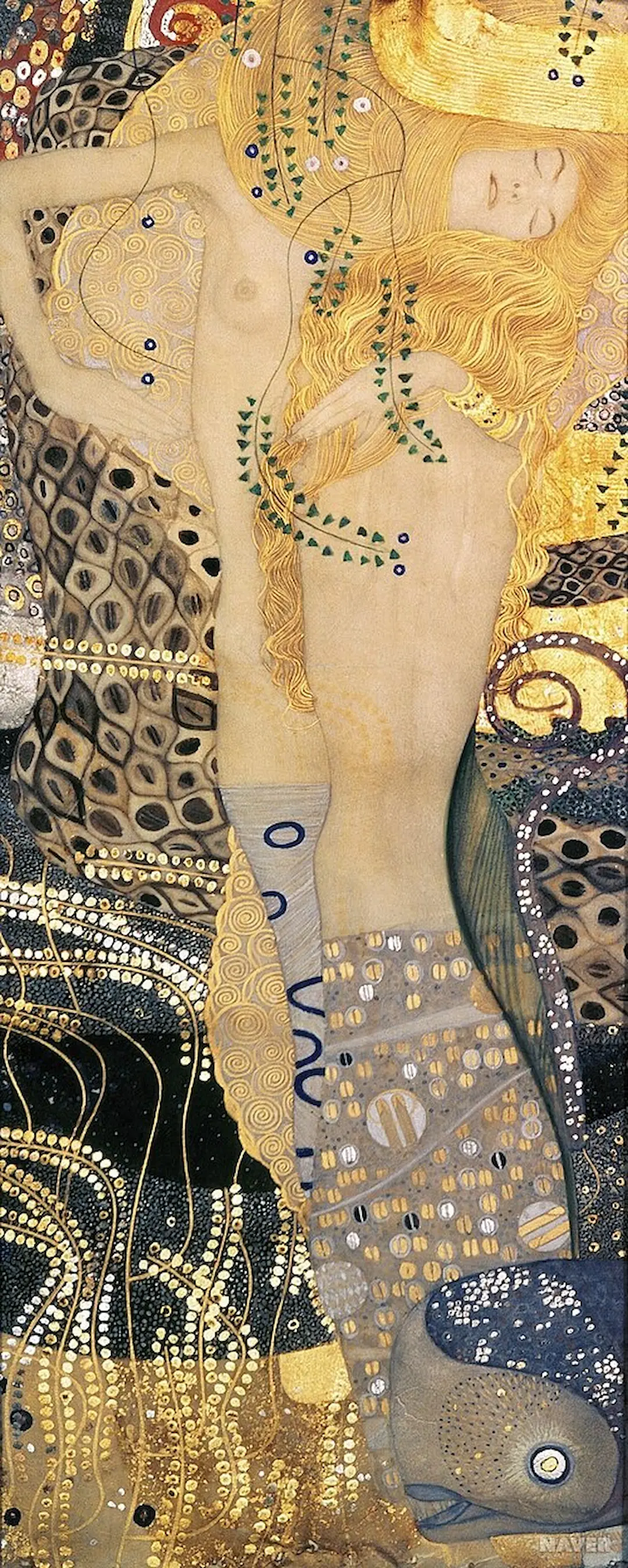
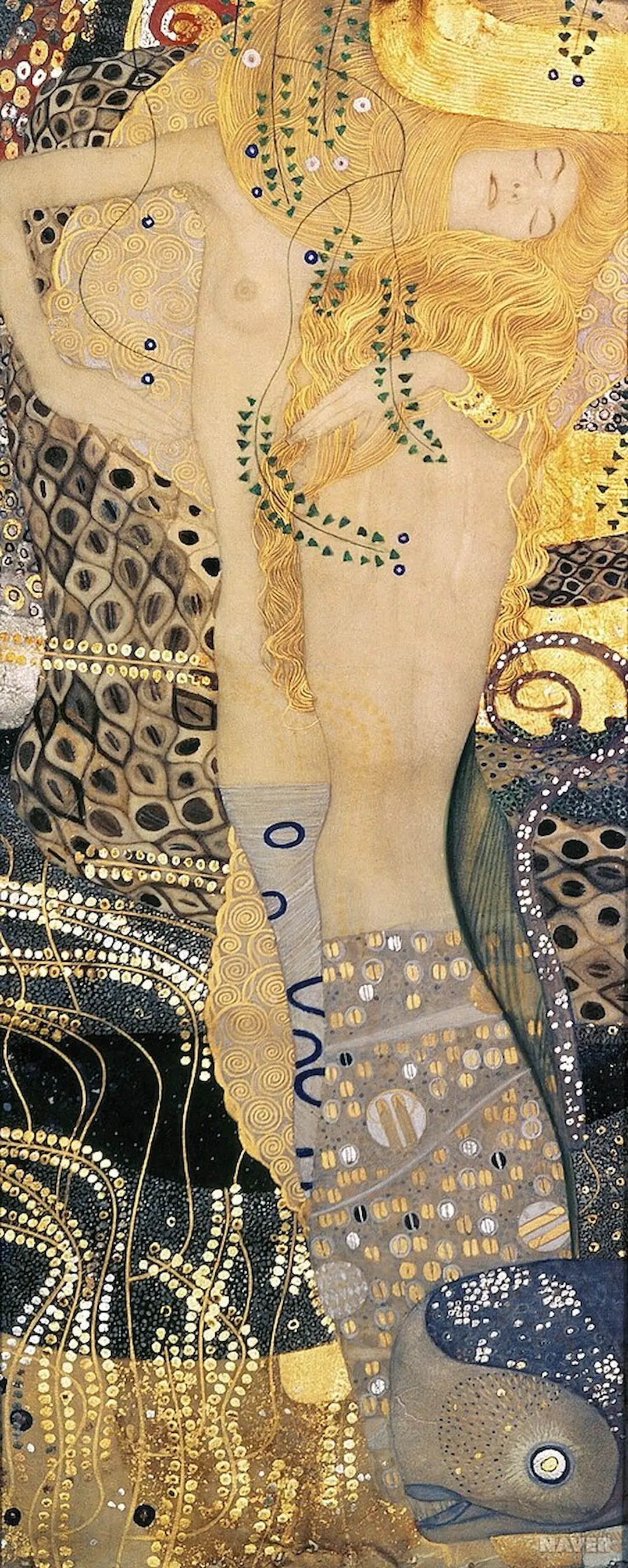
"Emilie Flöge, Aged 17" is more than just a portrait; it is rich with stories and subtle symbolism typical of the Vienna Secession. Klimt often embedded personal narratives and emotions in his hand-painted oil paintings, making each piece unique. The painting’s enigmatic mood invites viewers to interpret Flöge’s character and her role in Klimt’s life. For enthusiasts, "Water Serpents I" and "Sappho" offer additional layers of allegory and artistic intrigue.
As a fine art painting for sale, "Emilie Flöge, Aged 17" appeals to collectors who appreciate both historical significance and artistic innovation. Gustav Klimt’s works, especially those from the Vienna Secession movement, remain highly sought after in the art world. Complementing this piece with related products such as "The Globe Theatre in London" or "Portrait of a Girl" can enhance any curated collection of oil on canvas masterpieces.
When Art Meets History
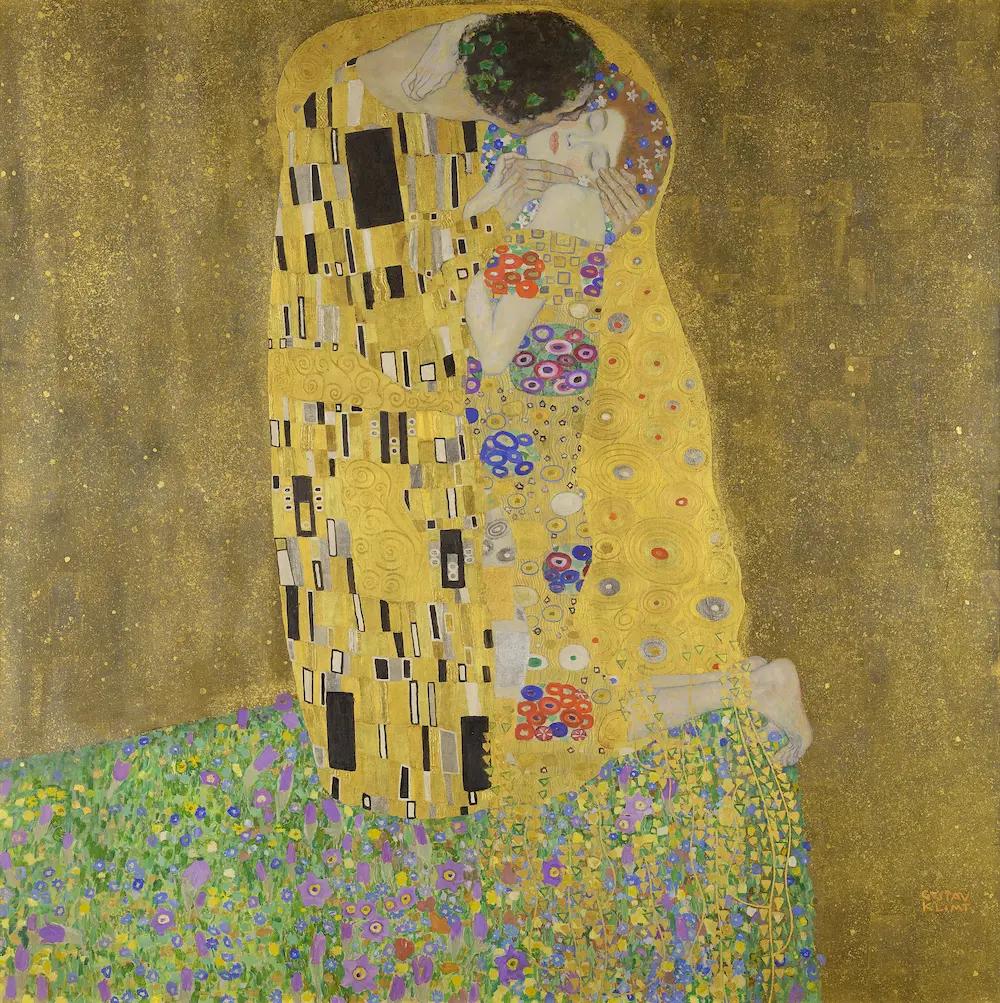
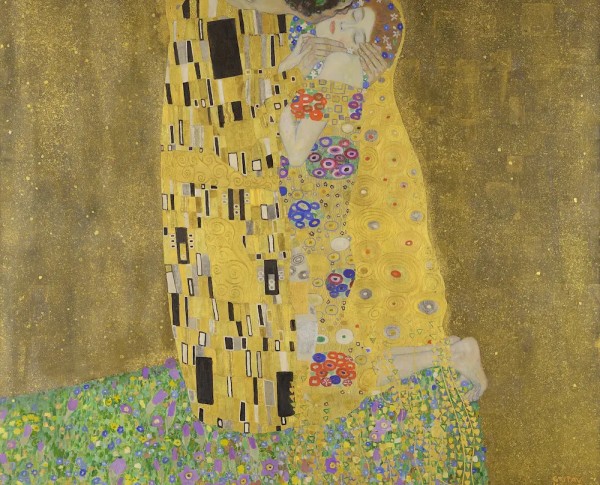
Gustav Klimt’s "Emilie Flöge, Aged 17" stands as a testament to the innovative spirit of the Vienna Secession movement. Painted in a period of cultural transformation, this hand-painted oil painting captures both the elegance and the individuality of its subject. Klimt, renowned for works like "The Kiss," uses this portrait to highlight the evolving roles of women in society, making it a fine art painting for sale that bridges historical context with artistic mastery.
Techniques That Speak
Utilizing oil on canvas, Gustav Klimt employs his signature decorative style in "Emilie Flöge, Aged 17." The brushwork reveals delicate textures and subtle hues, characteristic of the Vienna Secession movement’s break from traditional academic painting. Klimt’s attention to intricate patterns and expressive details is evident throughout the composition, much like in his celebrated portraits. This oil on canvas masterpiece demonstrates his commitment to innovation and artistic individuality within the context of early twentieth-century European art.
Emotions on Display
"Emilie Flöge, Aged 17" by Gustav Klimt is more than a portrait; it is an evocative exploration of youthful grace and inner strength. The painting’s gentle color palette and poised composition convey a sense of quiet confidence, common to Klimt’s Vienna Secession works. Viewers are drawn into Emilie’s gaze, experiencing the emotional depth that defines this hand-painted oil painting. Like other Klimt masterpieces, it invites contemplation and emotional engagement, making it a coveted piece for art enthusiasts.
Coveted by Collectors
As a fine art painting for sale, "Emilie Flöge, Aged 17" attracts collectors seeking both historical significance and artistic brilliance. Gustav Klimt’s association with the Vienna Secession movement, combined with his unique approach to portraiture, enhances the painting’s desirability. Collectors value the work not only for its visual appeal but also for its connection to a transformative era in art history. This painting, like Klimt’s other celebrated pieces, remains highly sought after in the art market.
Frequently Asked Questions About Emilie Flöge, Aged 17
Who is Emilie Flöge and what is her significance in Gustav Klimt's work?
Emilie Flöge was a close companion and muse of Gustav Klimt. She played a significant role in his life and art, often serving as a model for his portraits, including "Emilie Flöge, Aged 17." Her influence is evident in Klimt's exploration of femininity and beauty.
What artistic style is reflected in "Emilie Flöge, Aged 17"?
This painting exemplifies the Art Nouveau style, characterized by its decorative elements, flowing lines, and emphasis on natural forms. Klimt's use of intricate patterns and vibrant colors is a hallmark of this movement.
What are the notable features of the painting's composition?
The composition features a close-up portrait of Emilie Flöge, highlighting her youthful beauty and individuality. The background is adorned with ornamental patterns that contrast with her serene expression, creating a harmonious balance between figure and decoration.
How does Klimt's use of color contribute to the painting's mood?
Klimt employs a rich palette of golds, greens, and soft pastels, which imbue the painting with a sense of warmth and vitality. The colors enhance the emotional depth of the work, evoking a sense of innocence and youthfulness associated with Flöge.
What symbolism can be found in "Emilie Flöge, Aged 17"?
The painting symbolizes the transition from adolescence to womanhood, capturing a moment of youthful grace. The floral motifs and decorative patterns may also represent femininity and the natural beauty of women, themes central to Klimt's oeuvre.
In what year was "Emilie Flöge, Aged 17" created?
This artwork was created in 1890, during a pivotal time in Klimt's career when he was beginning to develop his distinctive style that would later define the Vienna Secession movement.
What techniques did Klimt use in this painting?
Klimt utilized oil on canvas, employing a combination of smooth brushwork and detailed patterns. His technique often involved layering, which added depth and texture to the surface of the painting.
How does this painting reflect the cultural context of its time?
The painting reflects the late 19th-century Viennese society, which was marked by a fascination with beauty, fashion, and the role of women. Klimt's portrayal of Emilie Flöge captures the essence of youth and the emerging modern identity of women during this period.
What is the significance of the floral patterns in the background?
The floral patterns in the background serve to enhance the overall aesthetic of the painting while also symbolizing growth and femininity. They create a connection between Emilie and nature, emphasizing her beauty as part of the natural world.
How has "Emilie Flöge, Aged 17" influenced modern art?
This painting has influenced modern art by showcasing the integration of decorative arts and fine arts, inspiring contemporary artists to explore themes of identity, femininity, and the use of pattern in their work.























_GFM_Painting_(1).webp)


 100% Hand-Painted: Finished in 3-6 Weeks

.png)















_(1).webp)