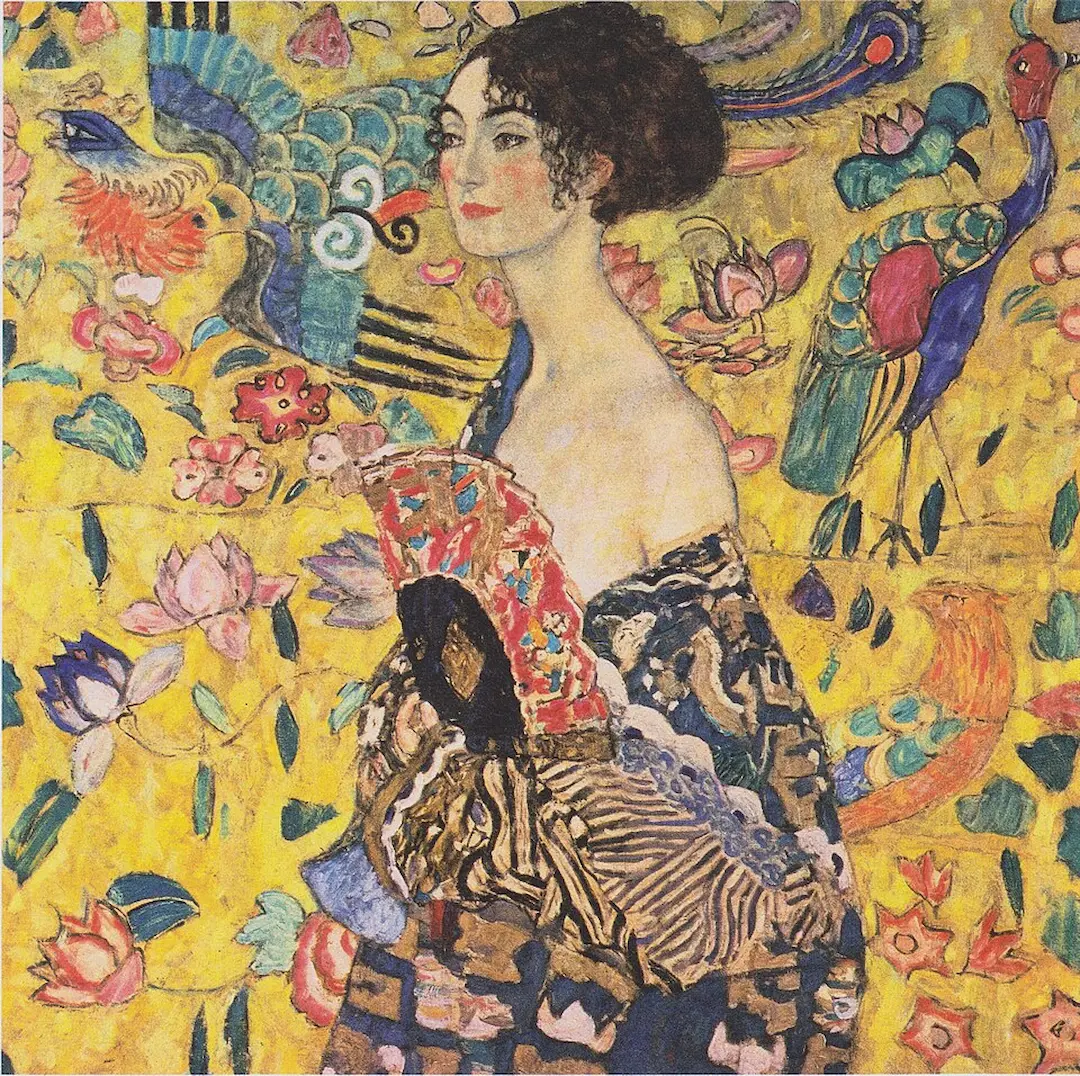
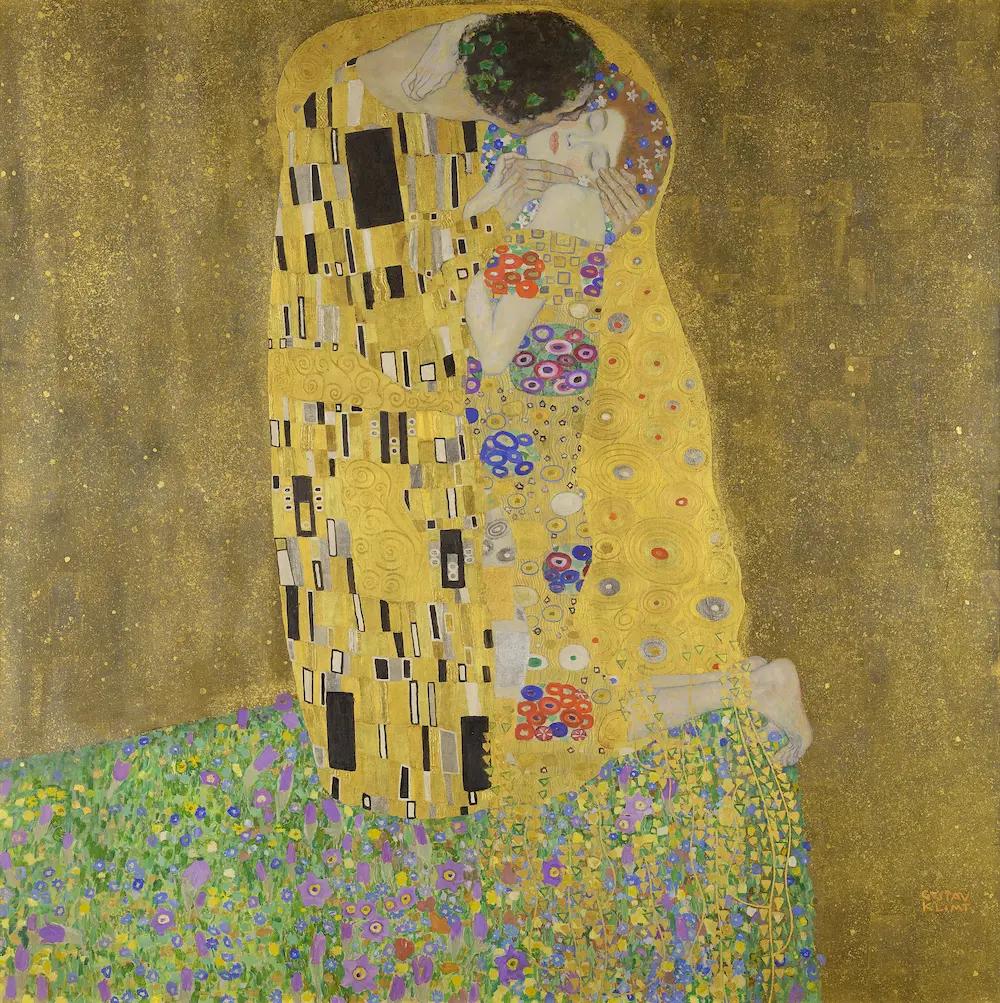
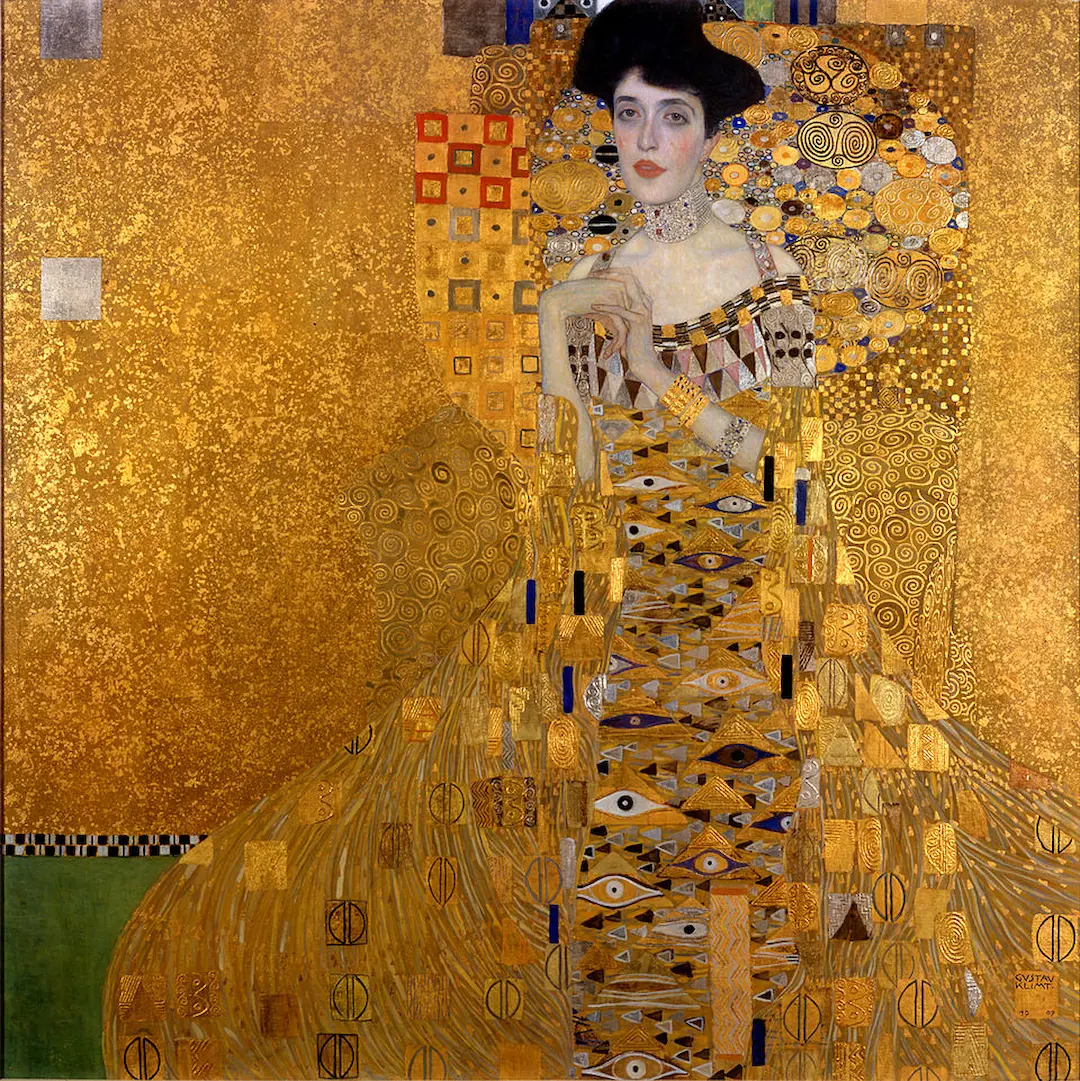
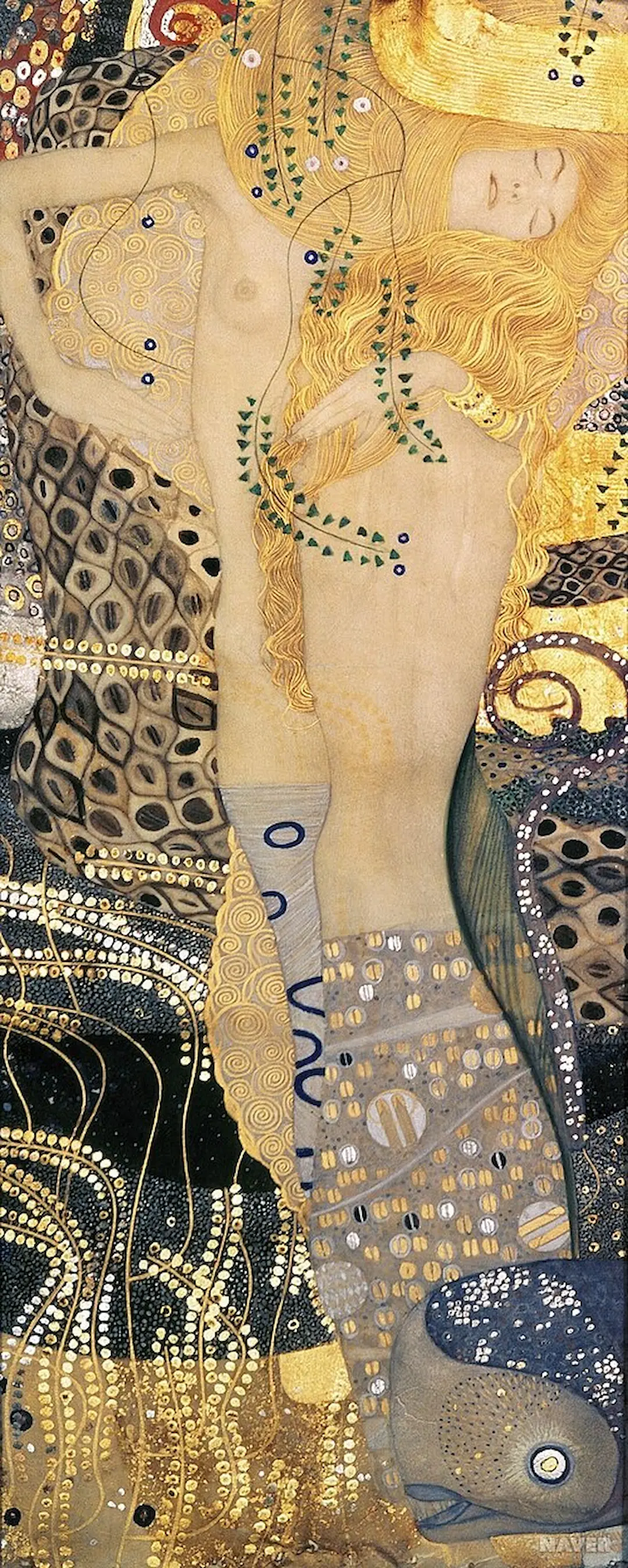
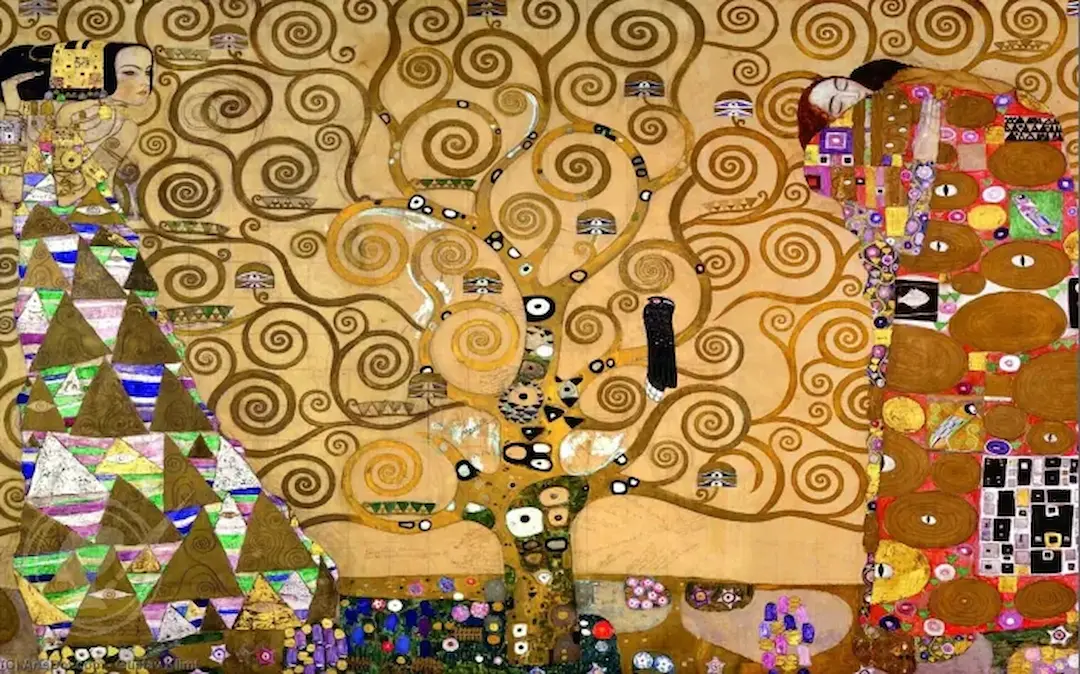
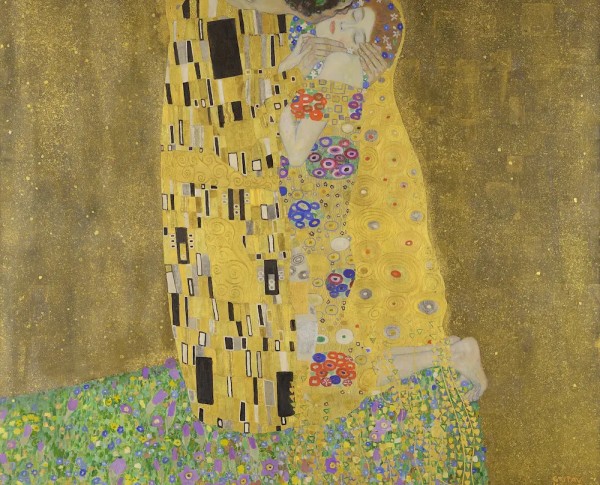
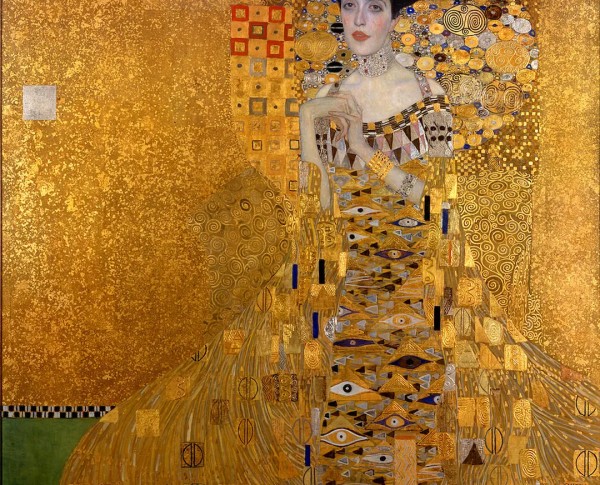
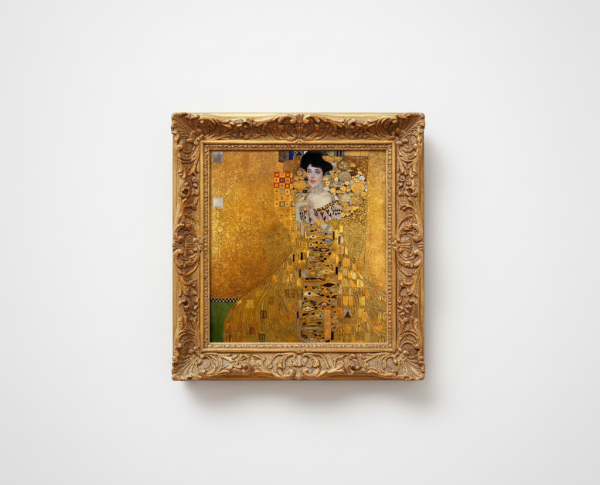
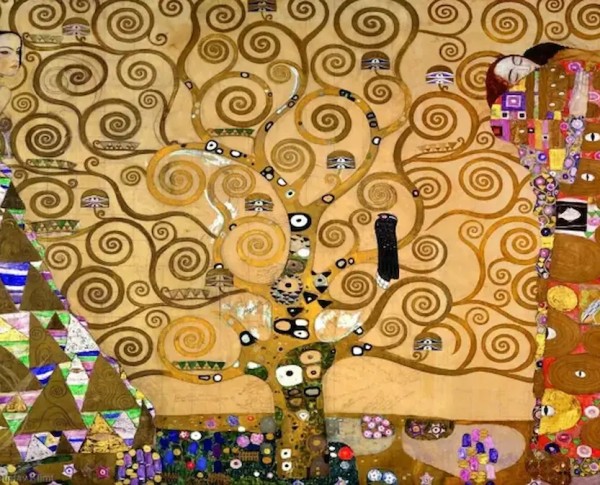
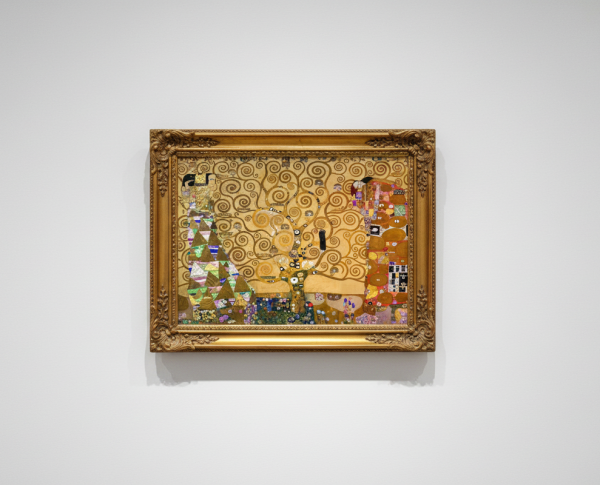
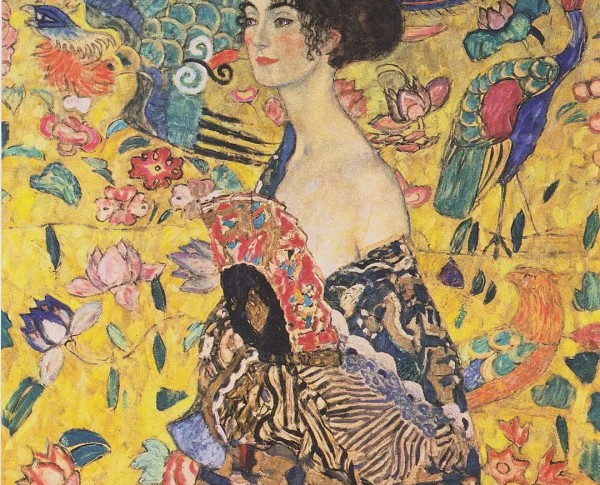
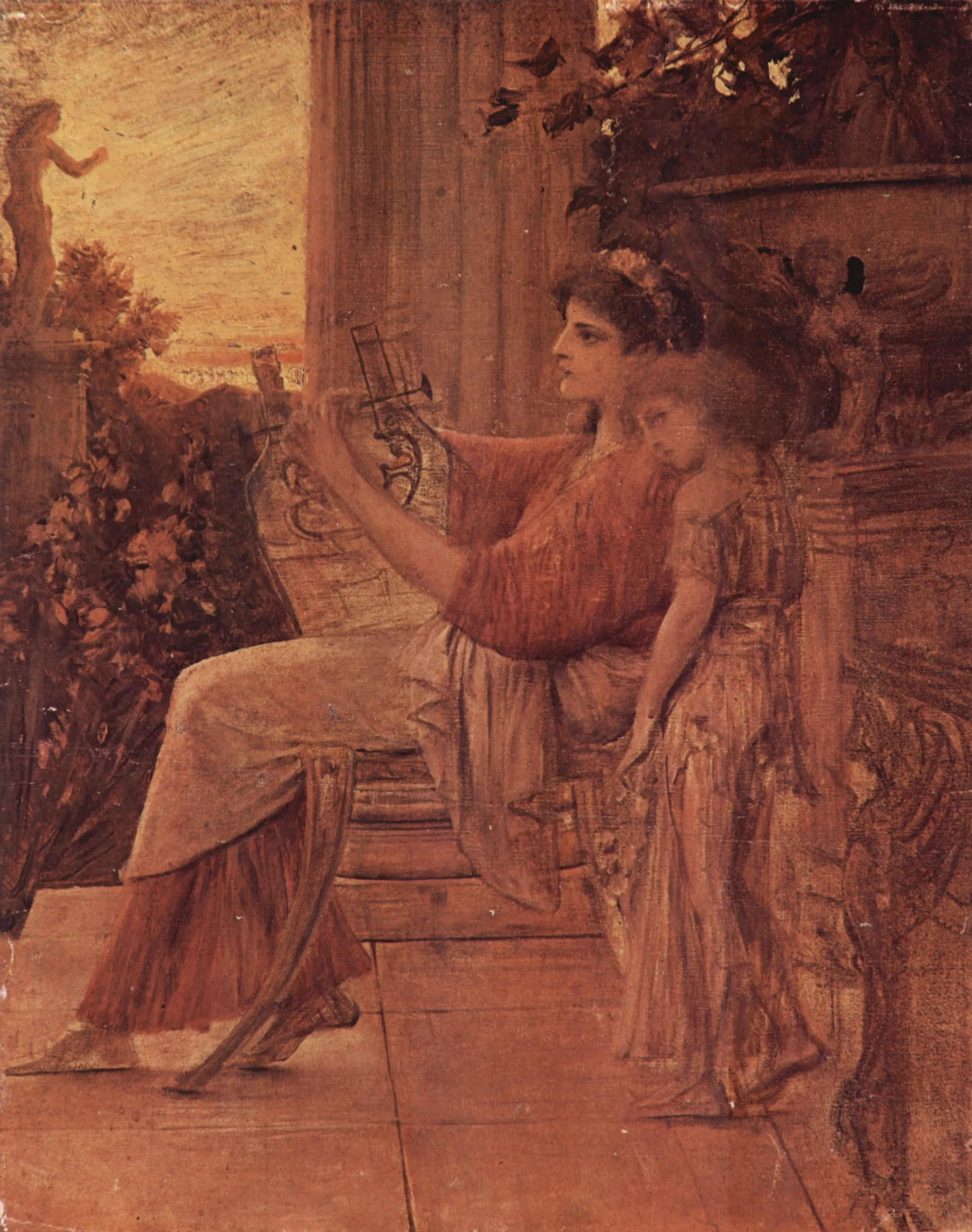
Gustav Klimt’s "Sappho" exemplifies the artist’s technical prowess and attention to detail, characteristic of his Vienna Secession period. Crafted meticulously in oil on canvas, the painting reveals subtle textures and vibrant hues that bring Sappho’s figure to life. This work stands alongside other fine pieces such as "Painted composition design to medicine" and "Portrait of a Man Facing Left," reflecting the enduring appeal of Klimt’s distinct style and innovative use of color and form.
The narrative depth in "Sappho" by Gustav Klimt is enhanced by symbolic motifs, echoing the painter’s fascination with mythology and the human experience. As a fine art painting for sale, it attracts those captivated by stories woven into visual form. Klimt’s visual language—mirrored in other works like "Design for a theater curtain" and "The Globe Theatre in London"—invites viewers to decode hidden meanings, making each viewing a journey into Vienna Secession symbolism.
"Sappho" by Gustav Klimt is more than a decorative piece; it is a coveted fine art painting for sale that embodies the essence of the Vienna Secession. Collectors recognize its value, appreciating the hand-painted oil painting’s unique blend of history and artistry. For those interested in curating a distinguished collection, companion pieces such as "Female organ player" and "The Old Burgtheater" offer further opportunities to own a slice of Klimt’s legendary creative legacy.
When Art Meets History
Gustav Klimt’s “Sappho” stands as a remarkable example of the Vienna Secession movement, blending historical themes with innovative artistry. This hand-painted oil painting captures the legendary Greek poetess, Sappho, reflecting both the intellectual vigor and sensuality of her era. Klimt’s interpretation not only pays homage to classical antiquity but also redefines it through the lens of early twentieth-century modernism, much like his other renowned works. “Sappho” exemplifies how art can bridge the gap between past and present.
Techniques That Speak
The “Sappho” painting showcases Gustav Klimt’s mastery of oil on canvas, a medium he frequently used to achieve luminous color and intricate detail. Klimt’s characteristic use of gold accents and decorative patterns is subtly present, enhancing the visual impact. His precise brushwork and layered textures evoke the tactile richness associated with Vienna Secession masterpieces. The artist’s techniques in “Sappho” echo those seen in related paintings, emphasizing his innovative approach to oil painting traditions.
Emotions on Display
In “Sappho,” Gustav Klimt channels profound emotion through expressive posture and evocative facial expression, hallmarks of his fine art painting for sale. The subject’s contemplative gaze and the enveloping, ornamental backdrop create an atmosphere of introspection and longing. This emotional intensity is characteristic of the Vienna Secession movement, which sought to communicate deeper psychological states. Collectors and admirers of Klimt’s related paintings are often drawn to the stirring emotional resonance found in “Sappho.”
Coveted by Collectors
Gustav Klimt’s “Sappho” remains a highly sought-after piece among art enthusiasts and collectors, reflecting the enduring appeal of Vienna Secession works. The painting’s unique blend of tradition and innovation adds to its allure, making it a centerpiece in any fine art collection. As with many of Klimt’s masterpieces, this hand-painted oil painting is celebrated for its rarity and significance. Art lovers worldwide actively seek such exceptional works, increasing their value on the international art market.
Frequently Asked Questions About Sappho
What is the historical context of Gustav Klimt's "Sappho"?
"Sappho," painted in 1907, reflects the artistic movements of the early 20th century, particularly the Symbolist and Art Nouveau styles. This period was marked by a fascination with female figures and themes of sensuality and emotion, which Klimt masterfully encapsulated in his work.
Who is the figure depicted in "Sappho"?
The painting depicts Sappho, the ancient Greek poetess known for her lyric poetry, which often focused on love and passion. Klimt's portrayal emphasizes her beauty and the emotional depth of her character, aligning with the themes of femininity prevalent in his oeuvre.
What artistic techniques did Klimt use in "Sappho"?
Klimt employed a combination of oil paint and gold leaf, a hallmark of his style. The use of gold creates a luminous quality, while his intricate patterns and decorative elements enhance the visual richness of the piece, drawing the viewer's eye to both the figure and the surrounding motifs.
What symbols are present in "Sappho" and what do they represent?
The painting features various symbols, including floral motifs and flowing lines, which represent femininity, beauty, and the natural world. These elements serve to enhance Sappho's connection to themes of love and creativity, reinforcing her identity as a poetess.
How does "Sappho" reflect Klimt's overall artistic philosophy?
What is the significance of the color palette used in "Sappho"?
The color palette of "Sappho" features rich golds, deep reds, and earthy tones, which evoke a sense of warmth and intimacy. These colors not only enhance the emotional impact of the painting but also reflect the luxurious aesthetic characteristic of Klimt's work during this period.
In what ways does "Sappho" embody the themes of femininity?
How does "Sappho" compare to Klimt's other works?
Where can I view "Sappho" today?
"Sappho" is part of a private collection and is not currently on public display. However, it is occasionally featured in exhibitions focused on Klimt or the Symbolist movement, allowing audiences to appreciate its historical and artistic significance.























_GFM_Painting_(1).webp)


 100% Hand-Painted: Finished in 3-6 Weeks

.png)















_(1).webp)